
DIY Kitchen Improvements: How to Update Your Kitchen on a Budget


Your kitchen is the heart of your home—but it’s also one of the most expensive rooms to remodel. The good news? You don’t need a full renovation to make it look fresh, modern, and inviting. With a few budget-friendly DIY updates, you can completely transform your kitchen’s look and feel without spending thousands.

Here’s how to give your kitchen a stylish makeover while keeping costs low and creativity high.


1. Refresh Your Cabinets Instead of Replacing Them

New cabinets can eat up your entire renovation budget. Instead, consider a simple update: paint, new hardware, or open shelving.

  • Paint or stain your existing cabinets for an instant facelift. Light colors like white, cream, or soft gray can make your kitchen feel larger and brighter.
  • Swap out old handles and knobs for modern, matte black or brushed brass ones to give your kitchen an instant designer touch.
  • Remove a few cabinet doors to create open shelving—great for displaying pretty dishes, glassware, or plants.

💡 Pro Tip: Use a high-quality primer before painting cabinets for a long-lasting finish.


2. Update the Backsplash

A backsplash is one of the easiest ways to add personality to your kitchen. You don’t need to install tile yourself or hire a professional—there are many peel-and-stick backsplash options that look stunning and cost a fraction of the price.

Choose from styles like:

  • Faux subway tiles
  • Marble-inspired panels
  • Rustic brick patterns

They’re renter-friendly, easy to clean, and simple to apply in an afternoon.


3. Upgrade Lighting Fixtures

Lighting makes a huge difference in how your kitchen feels. Replace outdated fixtures with something fresh and modern—like a statement pendant light over your island or under-cabinet LED strips for extra brightness while cooking.

You can even spray paint existing fixtures with metallic or matte finishes for a new look on a small budget.


4. Add a Pop of Color with Paint or Wallpaper

A new coat of paint can instantly change the energy of your kitchen. Try an accent wall behind your dining nook or breakfast bar, or even removable wallpaper for a bold, patterned statement.

Popular color trends include:

  • Soft sage green
  • Dusty blue
  • Warm terracotta
  • Creamy off-white

5. DIY Open Shelving

Floating shelves are stylish, functional, and easy to build yourself. Use reclaimed wood for a rustic vibe or crisp white shelves for a clean, minimalist look.

Decorate them with:

  • Cookbooks
  • Potted herbs
  • Decorative bowls
  • Baskets for small storage

This adds warmth and character to your kitchen while helping you stay organized.


6. Replace or Cover Countertops

If your countertops are outdated, you can refresh them without replacing them. Try:

  • Countertop paint kits that mimic granite or marble.
  • Peel-and-stick countertop films for a quick and budget-friendly transformation.

These updates are temporary yet stylish, making them perfect for both homeowners and renters.


7. Decorate with Intention

Add finishing touches that bring your personality into the space:

  • A cozy rug near the sink or stove
  • A bowl of fresh fruit on the counter
  • Art prints or framed quotes on empty walls
  • A few potted plants for color and freshness

Sometimes, it’s the small decorative details that make the biggest difference.


8. Reorganize and Declutter

Before making any big changes, declutter your kitchen. A tidy, organized kitchen automatically feels newer and more inviting.
Use:

  • Drawer organizers
  • Clear storage bins for pantry goods
  • Decorative jars for flour, sugar, and coffee

This not only looks better but makes your kitchen more functional.


Final Thoughts

You don’t need a big renovation budget to create a kitchen you love. With paint, creativity, and a few DIY touches, you can completely transform your space and make it feel fresh again.

Remember: small improvements over time add up to a big impact. Whether you start with the cabinets or just add new lighting, every change brings you closer to the kitchen of your dreams—without breaking the bank.


Which Type of Flooring Is Best for Your Home? A Breakdown of Pros and Cons

Choosing the right flooring for your home is an important decision that affects both aesthetics and functionality. With so many options available, including hardwood, vinyl, carpet, tile, and laminate, it can be overwhelming to determine which is best suited for your space. Let’s explore the pros and cons of each flooring type to help you make an informed choice.

1. Hardwood Flooring

Pros:

  • Timeless and elegant appearance
  • Increases home value
  • Durable and long-lasting with proper care
  • Can be refinished multiple times

Cons:

  • Expensive upfront cost
  • Susceptible to water damage
  • Requires regular maintenance, including refinishing over time
  • Can be noisy and hard underfoot

Best for: Living rooms, dining rooms, and bedrooms where warmth and aesthetics are a priority.

2. Vinyl Flooring

Pros:

  • Affordable and cost-effective
  • Water-resistant and ideal for moisture-prone areas
  • Easy to clean and maintain
  • Available in a wide range of styles, including wood and stone look-alikes

Cons:

  • May not add significant value to a home
  • Can fade over time with prolonged exposure to sunlight
  • Less durable than hardwood and tile

Best for: Kitchens, bathrooms, basements, and high-traffic areas.

3. Carpet Flooring

Pros:

  • Soft, warm, and comfortable underfoot
  • Provides excellent sound insulation
  • Affordable and available in various styles and colors
  • Ideal for children’s rooms and bedrooms for added coziness

Cons:

  • Prone to stains and difficult to clean
  • Can trap allergens, dust, and pet dander
  • May wear out faster in high-traffic areas
  • Requires frequent vacuuming and deep cleaning

Best for: Bedrooms, family rooms, and areas where comfort is a priority.

4. Tile Flooring (Ceramic or Porcelain)

Pros:

  • Highly durable and long-lasting
  • Water-resistant, making it ideal for bathrooms and kitchens
  • Available in a wide variety of designs and colors
  • Easy to clean and maintain

Cons:

  • Can feel cold and hard underfoot
  • Expensive installation cost
  • Grout lines may require regular maintenance

Best for: Bathrooms, kitchens, entryways, and areas prone to moisture.

5. Laminate Flooring

Pros:

  • Affordable alternative to hardwood
  • Scratch-resistant and durable
  • Easy to install with a click-and-lock system
  • Low maintenance and easy to clean

Cons:

  • Cannot be refinished if damaged
  • Susceptible to water damage
  • Can feel less authentic than real wood or tile

Best for: Living rooms, hallways, and budget-conscious homeowners seeking a wood-like appearance.

Which Flooring Type Is Best for You?

The best flooring for your home depends on several factors, including budget, lifestyle, and the specific room’s function. If you want timeless elegance, hardwood is a great investment. For moisture-prone areas, tile or vinyl is a practical choice. If comfort is your priority, carpet is a cozy option. For affordability and durability, laminate can be a great alternative.

Ultimately, the best flooring for your home is one that meets your needs while complementing your overall decor. Consider how each type of flooring fits your lifestyle, and choose the one that best suits your home’s functionality and style.

How to Choose the Perfect Color and Style for Your Kitchen: Balancing Personal Taste with the Latest Trends

Creating a kitchen that reflects your style while staying on-trend is about choosing colors, finishes, and accents that harmonize with the broader look of your home. Today’s kitchen trends offer a blend of timeless choices and bold ideas that allow you to express yourself in this high-traffic space. Here’s a breakdown of how to select the ideal color palette, style, and materials to make your kitchen both stylish and functional.


1. Define Your Style Foundation: Neutral vs. Bold Colors

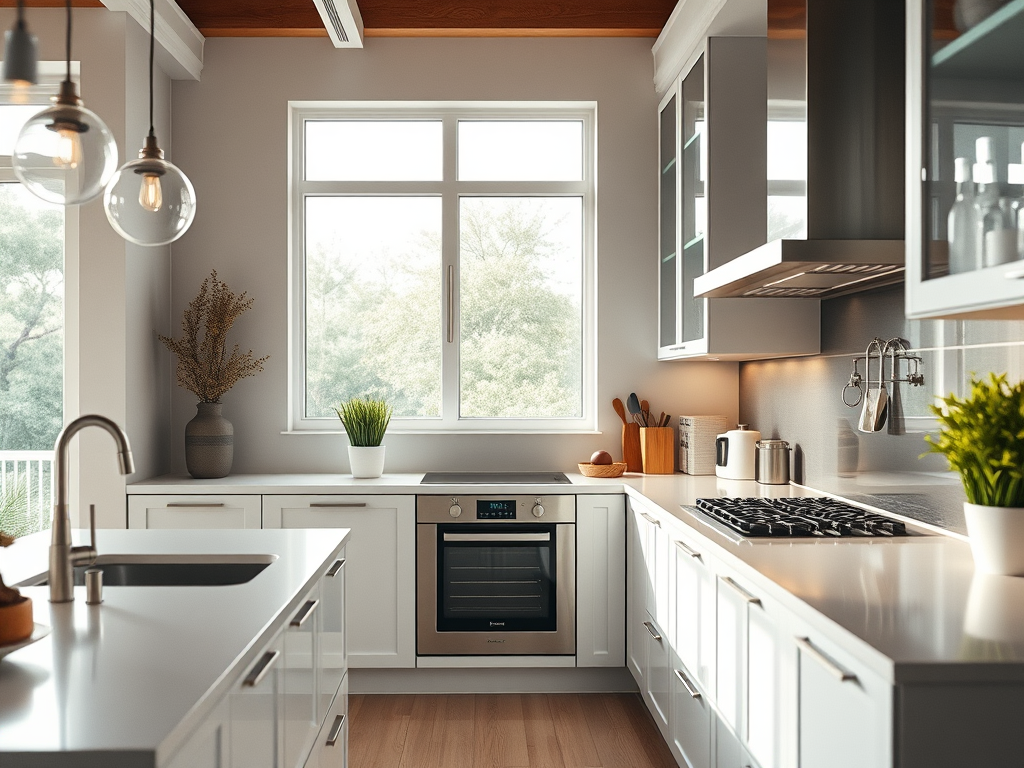
  • White Cabinets: White cabinets are the epitome of versatility, lending a clean, bright look that suits almost any style—from modern farmhouse to coastal chic. White cabinetry also pairs seamlessly with nearly any countertop and backsplash option. To keep a white kitchen from feeling too stark, consider adding warmth with natural wood accents or brass hardware.
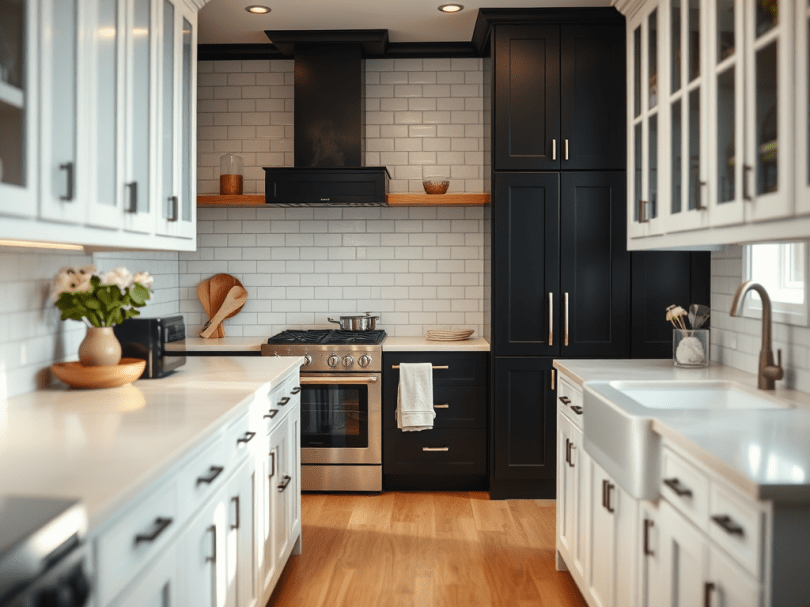
  • Black Cabinets: Black is dramatic, elegant, and increasingly popular in modern kitchens. Black cabinets create a stunning contrast when paired with light-colored countertops and backsplashes, giving a refined, upscale vibe. They work especially well in open layouts where natural light can offset the darker tones.
  • Natural Wood Cabinets: Wood cabinetry provides warmth and texture, which is perfect for rustic, Scandinavian, and even minimalist designs. Lighter woods like oak or maple bring an airy feel, while darker woods like walnut or mahogany add richness. Wood can also be stained to fit the changing trends while maintaining a timeless feel.
  • Two-Tone Cabinets: For those who love variety, two-tone cabinetry is a chic and stylish option. Common combinations include white or light upper cabinets with dark lower cabinets, or neutral cabinets with a contrasting island. This mix adds depth and interest without feeling overwhelming.

2. Choose Your Accent Color Carefully

  • When incorporating an accent color, consider where it will have the most impact. Common places to add color are on islands, backsplashes, or even inside open shelving. Navy blue, forest green, and deep teal have been trending for a few seasons and can add a sophisticated yet modern touch.

3. Countertop Choices and Their Role in Style

  • Quartz: Known for durability and low maintenance, quartz countertops come in a variety of finishes, from smooth whites and grays to bold marbled patterns. They’re perfect for achieving both a minimalist and luxurious look.
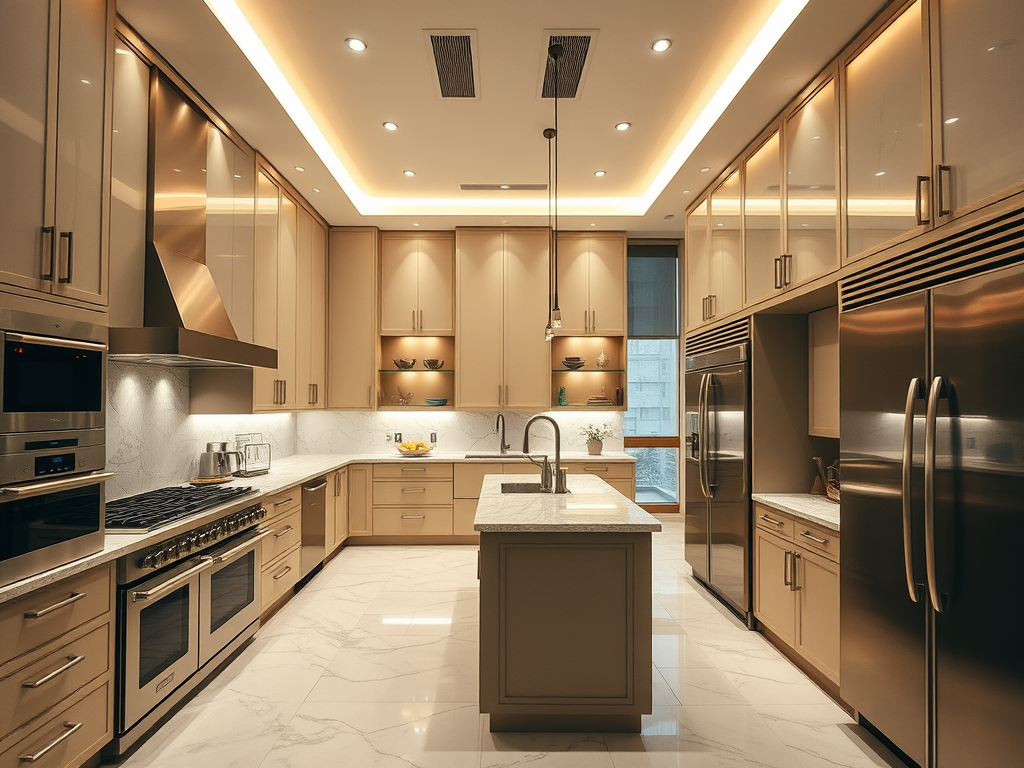
  • Marble: Marble exudes elegance and is favored in more traditional or transitional kitchens. Its unique veining adds personality, especially against neutral cabinets, but it does require regular upkeep.
  • Butcher Block: Wood countertops, especially in butcher block style, add warmth and charm. They’re popular in farmhouse and rustic kitchens, and they also pair well with neutral or white cabinets to add a cozy feel.

4. Selecting Backsplash Designs to Match Your Style

  • Classic Subway Tile: White subway tile remains a classic choice that complements most kitchen styles, offering a clean and bright look that’s easy to update with accessories.
  • Bold Patterned Tile: For a unique touch, patterned backsplashes make a statement in modern and eclectic kitchens. From Moroccan patterns to geometric shapes, these add character while reflecting current trends.
  • Natural Stone: For an organic look, consider stone backsplashes. Marble or travertine backsplashes work well with minimalist or transitional styles and add texture without being overpowering.

5. Choosing Hardware and Finishes That Stay on Trend

  • Brushed Brass and Gold Hardware: These warm metals are trending and complement many styles, including transitional, modern farmhouse, and traditional. They pair beautifully with white or blue cabinets, adding an elegant touch.
  • Matte Black: Matte black hardware is both trendy and timeless. It’s a great choice for modern or industrial kitchens, especially when paired with white or wood cabinets for a sleek, balanced look.
  • Mixed Metals: For a custom feel, consider mixing metals. For example, brushed gold handles with stainless steel appliances create visual interest and add depth to your kitchen design.

6. Flooring Options That Add Warmth and Style

  • Hardwood Flooring: Classic hardwood floors bring warmth and complement nearly any color cabinet or countertop choice. Light wood floors, in particular, are on-trend, creating an airy feel that pairs well with both modern and traditional kitchens.
  • Patterned Tile Flooring: Patterned floor tiles are a popular choice for adding personality, especially in smaller kitchens. They work well in boho, farmhouse, and Mediterranean-inspired kitchens, where patterns and color are embraced.
  • Luxury Vinyl and Laminate: These budget-friendly options mimic the look of wood or stone and are ideal for high-traffic kitchens. They come in various colors and patterns, allowing you to customize the look without sacrificing durability.

7. Stay on Trend with Easy-to-Update Accents

  • Lighting Fixtures: Statement lighting, such as oversized pendants or sleek linear chandeliers, adds a focal point and can easily be swapped out when styles shift. Consider mixing metals for a fresh look or trying exposed bulbs for an industrial edge.
  • Decor and Accessories: Items like bar stools, small appliances, or open-shelving decor offer flexibility in updating the look. Choose colors and textures that tie into the broader style of your home for a cohesive feel.

My Recommendations

  • Visit stores like Lowes, Home Depot, cabinets to go etc…
  • Also search local home improvement or specialty stores
  • Finally online stores like Amazon, Overstock, Wayfair etc… there really are a vast variety of options to help you determine and complete the look you are going for.

Final Tips: Make It Yours with a Balanced Approach

While trends come and go, personal style remains. Choose a color and style foundation that reflects your personality and lifestyle, then bring in trends through accents and smaller design elements. This approach makes it easy to refresh your kitchen over time, keeping it both stylish and uniquely yours.