
Are Ovens a Thing of the Past? Exploring the Need for Traditional Ovens in a Modern Kitchen

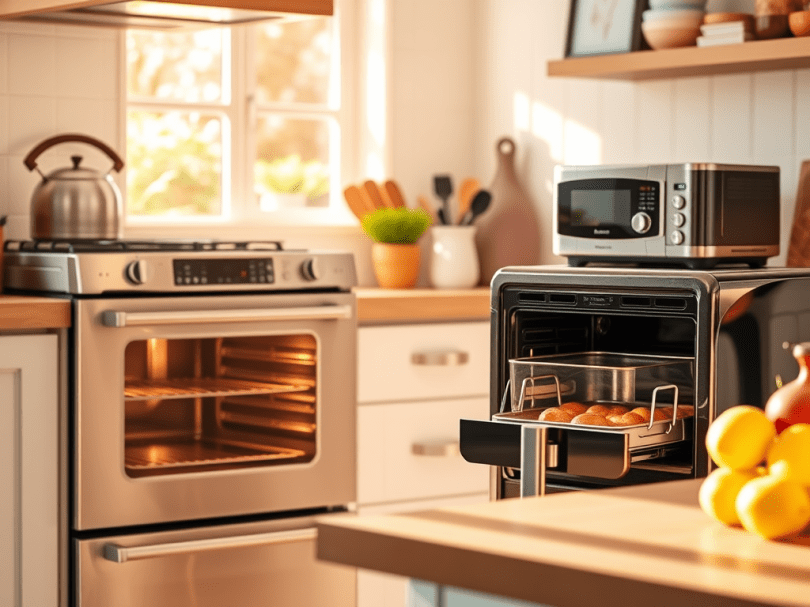
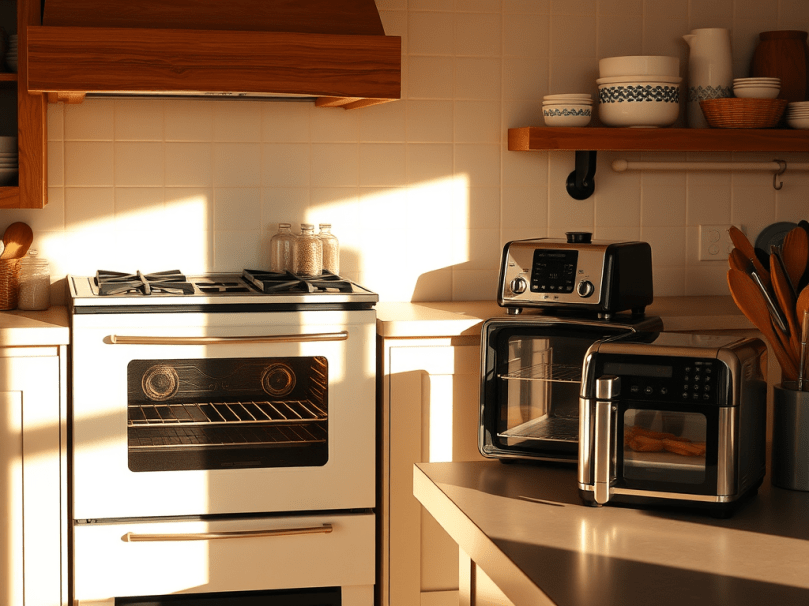
With the rise of kitchen gadgets like air fryers, toaster ovens, and convection microwaves, many homeowners are questioning whether traditional ovens are still necessary. These innovative appliances promise faster cooking times, energy efficiency, and convenience, making them an attractive alternative to the conventional oven. But does this mean the traditional oven is becoming obsolete? Let’s explore the pros and cons of modern kitchen appliances versus traditional ovens.

The Case for Traditional Ovens

Traditional ovens have been a kitchen staple for decades, providing consistent baking, roasting, and broiling capabilities. Here’s why they still hold their ground:

  1. Even Cooking for Large Meals – Conventional ovens are ideal for cooking large portions, making them a must-have for families or anyone who enjoys hosting dinner parties.
  2. Baking Capabilities – If you’re a fan of homemade bread, cakes, or pastries, a traditional oven provides the precise heat distribution needed for perfect results.
  3. Multi-Rack Cooking – Unlike smaller appliances, ovens allow you to cook multiple dishes at once without compromising on space.
  4. Versatility – A traditional oven can handle a wide range of cooking techniques, from roasting meats to slow cooking casseroles.

The Rise of Modern Kitchen Gadgets

With the growing demand for efficiency and convenience, many people are turning to smaller, more advanced kitchen appliances. Here’s why gadgets like air fryers and toaster ovens are gaining popularity:

  1. Energy Efficiency – Smaller appliances generally use less energy than a full-sized oven, making them a great option for eco-conscious consumers.
  2. Faster Cooking Times – Air fryers and convection ovens cook food faster by circulating hot air, reducing cooking time significantly.
  3. Space-Saving Design – For those with limited kitchen space, compact appliances offer a practical alternative to a bulky oven.
  4. Ease of Use – Many modern appliances come with pre-set cooking functions, making meal prep more accessible for busy individuals.

Do You Still Need a Traditional Oven?

While modern appliances can handle many cooking tasks, they haven’t completely replaced the need for a traditional oven. Here’s when an oven is still the best choice:

  • Large Family Meals – Cooking for a crowd? A traditional oven provides the space and even heating required for big meals.
  • Holiday Cooking – Preparing a Thanksgiving turkey or a batch of Christmas cookies is easier with an oven.
  • Specialty Cooking – Some recipes, like slow-roasted meats and artisan bread, still benefit from the consistent heat of a traditional oven.
The Verdict

While air fryers, toaster ovens, and other modern appliances offer incredible convenience, they haven’t entirely replaced traditional ovens. The choice ultimately depends on your cooking habits, household size, and kitchen space. If you rely on baking or cooking large meals, a traditional oven remains invaluable. However, if you prioritize speed, efficiency, and compact design, newer kitchen gadgets might be all you need.

So, are ovens a thing of the past? Not quite—but they may not be as essential in every kitchen as they once were. What’s your take? Would you ditch your oven for modern gadgets, or do you think traditional ovens still have their place?

How to Make Your Small Kitchen Look Bigger with a Renovation

A small kitchen can feel cramped and limiting, but with the right renovation strategies, you can create the illusion of a larger, more open space. Whether you’re planning a full remodel or making strategic updates, these tips will help transform your kitchen into a more spacious and functional area.

1. Optimize Layout and Storage

The layout of your kitchen significantly impacts how spacious it feels. Consider:

  • Open Shelving – Replacing bulky upper cabinets with open shelves creates an airy, open look.
  • Pull-Out Storage – Maximize cabinet space with pull-out racks, organizers, and lazy Susans.
  • Multifunctional Furniture – Invest in space-saving solutions like foldable tables or kitchen islands with built-in storage.

2. Choose Light and Bright Colors

Color plays a huge role in making a space feel bigger. Stick with:

  • Neutral Shades – Whites, creams, and pastels reflect light and create a more expansive feel.
  • Glossy Finishes – High-gloss cabinets and backsplashes enhance light reflection.
  • Monochromatic Themes – A consistent color palette prevents visual clutter.

3. Upgrade Your Lighting

Proper lighting makes a kitchen feel open and inviting. Consider:

  • Under-Cabinet Lighting – Illuminates dark corners and makes the room feel larger.
  • Recessed Lighting – Provides ample brightness without taking up space.
  • Pendant Lights – Adds vertical depth and style without overwhelming the space.

4. Incorporate Reflective Surfaces

Mirrors and glass elements can create an optical illusion of depth. Try:

  • Glass Cabinet Doors – Give an open look while still providing storage.
  • Mirrored Backsplashes – Reflect light and make the kitchen feel more expansive.
  • Glossy Countertops – Increase brightness and add a modern touch.

5. Go for Sleek and Compact Appliances

Traditional appliances can take up a lot of space, so opt for:

  • Built-In Appliances – Seamlessly blend into cabinetry for a streamlined look.
  • Slim Refrigerators and Dishwashers – Provide functionality without bulkiness.
  • Combination Appliances – Consider multi-use devices like a convection microwave or oven-air fryer combo.

6. Knock Down Walls for an Open Concept

If possible, removing a non-load-bearing wall can merge the kitchen with a dining or living area, making the space feel larger. Alternatives include:

  • Half-Walls or Pass-Through Windows – Maintain separation while allowing for light and connectivity.
  • Glass Partitions – Preserve openness while defining spaces.

7. Use Large Tiles and Continuous Flooring

Flooring can impact the perception of space. Try:

  • Large Format Tiles – Fewer grout lines create a seamless look.
  • Light-Colored Flooring – Expands the visual space.
  • Consistent Flooring – Extending the same flooring from the kitchen into adjacent rooms enhances flow.

8. Declutter and Keep It Minimal

A cluttered kitchen feels even smaller. Keep it open by:

  • Minimizing Countertop Appliances – Store them away when not in use.
  • Using Hidden Storage Solutions – Maximize cabinets and drawers to keep surfaces clear.
  • Choosing Simple Decor – Avoid overly ornate details that can make the space feel busy.

Final Thoughts

A small kitchen doesn’t have to feel restrictive. By incorporating strategic design choices, you can create a bright, open, and functional kitchen that feels much larger than its actual square footage. Whether you’re making a few updates or planning a full-scale renovation, these tips will help maximize your space and enhance your kitchen’s usability and style.

Choosing the Perfect Bar Stools for Your Breakfast Bar

A breakfast bar can be the focal point of your kitchen, offering a cozy spot for quick meals, morning coffee, or casual conversations. But to truly enjoy the space, you need the right bar stools. The key to selecting the perfect bar stools lies in finding the right height, style, and material that complements your home decor.

How to Find the Right Height for Your Breakfast Bar

One of the most important factors when choosing bar stools is height. A stool that is too tall or too short can make sitting uncomfortable and disrupt the overall look of your breakfast bar. Here’s a quick guide to help you find the right height:

  • Counter Height (24 to 27 inches): Ideal for counters or breakfast bars that are around 36 inches high. This is the standard height for most kitchen counters.
  • Bar Height (28 to 32 inches): Perfect for bar tops that are approximately 40 to 42 inches high. These are typically used in home bars or taller breakfast bars.
  • Extra Tall (33 to 36 inches): Designed for counters over 42 inches, often seen in commercial settings or unique home designs.

Tip: Leave about 9 to 12 inches between the seat of the stool and the underside of the counter for comfortable legroom.

Types of Bar Stools

Bar stools come in a variety of styles and materials, allowing you to choose one that best fits your kitchen’s aesthetic and functional needs. Here are some popular types to consider:

  • Backless Bar Stools: Sleek and minimal, these stools are easy to tuck under the counter when not in use. Ideal for small spaces.
  • Swivel Bar Stools: Provide mobility and flexibility, making them great for social settings.
  • Upholstered Bar Stools: Offer comfort and elegance. These stools often have padded seats and backs, perfect for long sitting periods.
  • Adjustable Height Bar Stools: Versatile and functional, these stools can adapt to different counter heights, making them a great option for families.
  • Armrest Bar Stools: Add a touch of luxury and extra support, enhancing the comfort level for guests.

Top Brand Recommendations

To help narrow down your search, here are some top brands known for their quality, style, and durability:

  1. West Elm – Known for modern and mid-century designs, West Elm offers stylish and sturdy bar stools with high-quality materials.
  2. Article – Article’s contemporary bar stools are sleek, durable, and available in a variety of materials like leather and wood.
  3. Pottery Barn – A go-to for classic and rustic designs, Pottery Barn offers bar stools that blend well with farmhouse and traditional decor.
  4. IKEA – Budget-friendly and practical, IKEA’s bar stools come in various designs that fit modern and minimalist kitchens.
  5. CB2 – For those who love contemporary and edgy designs, CB2 provides bar stools with bold, unique aesthetics.

Final Thoughts

Choosing the right bar stools can transform your breakfast bar into a stylish and functional space. Focus on height, comfort, and style to ensure your stools enhance your kitchen’s look and provide a welcoming atmosphere for family and guests. Happy decorating!

Choosing Cabinet Colors: How to Use Color to Make Your Kitchen Stand Out

Your kitchen cabinets are more than just functional storage spaces; they are an essential part of your kitchen’s overall design. The color you choose for your cabinets can dramatically change the look and feel of your kitchen, transforming it from ordinary to extraordinary. But how do you decide which color is right for you? Should you follow the latest trends, or should you step outside the box and create a unique, personalized look?

1. Understanding the Power of Color

Color has the ability to influence mood and perception. Light colors can make a kitchen feel bright and open, while darker tones add depth and sophistication. Bold colors can energize the space, and soft pastels can create a calming atmosphere. Choosing the right cabinet color is about balancing your personal style with the ambiance you want to cultivate.

  • Bright Whites and Neutrals – A timeless choice that never goes out of style. White or light gray cabinets give the kitchen a clean, fresh feel and work well with almost any design style.
  • Bold and Vibrant Hues – Rich blues, deep greens, or even bright yellows can bring personality to your kitchen. These colors make a statement and can serve as a focal point.
  • Earthy Tones – Olive greens, warm taupes, and soft terracottas bring a sense of warmth and connection to nature.
  • Two-Tone Cabinets – Mixing colors, such as white upper cabinets with navy lower cabinets, adds contrast and visual interest.

2. Trends to Watch

Kitchen cabinet color trends are constantly evolving, and staying up to date can breathe new life into your space. Here are some of the hottest trends right now:

  • Deep Greens and Blues – Shades inspired by nature are making a splash, adding richness and tranquility to kitchens.
  • Matte Finishes – Glossy cabinets are being replaced by matte finishes, which give a more understated and modern appearance.
  • Natural Wood with Color Accents – Pairing natural wood cabinets with painted accent pieces, like islands or pantry doors, is on the rise.
  • Black and Charcoal – Dark, moody kitchens with black or charcoal cabinets exude elegance and drama.

3. Tips and Tricks to Individualize Your Kitchen

If you want to create a one-of-a-kind kitchen, consider these tips:

  • Mix and Match – Don’t be afraid to mix multiple colors in your kitchen. Try combining a neutral base with a bold accent color for the island.
  • Add Personal Touches – Incorporate cabinet hardware in unique shapes or finishes to add personality.
  • Custom Colors – Choose a custom cabinet color that reflects your favorite shade, even if it’s not typical for kitchens.
  • Open Shelving – Paint the backs of open shelves in a contrasting color to add a pop of vibrancy.
  • Incorporate Patterns – Use patterned wallpaper or textured panels inside glass cabinet doors for a subtle yet striking effect.

4. Coordinating with the Rest of Your Kitchen

When choosing cabinet colors, consider how they will complement the other elements in your kitchen, such as countertops, backsplashes, and flooring.

  • Contrasting Countertops – Dark cabinets with light countertops create a striking balance, while light cabinets paired with dark countertops can add a grounding element.
  • Matching Appliances and Fixtures – Coordinating your cabinet color with your appliances or hardware can create a cohesive look.
  • Accentuating Features – Use cabinet color to draw attention to specific features, like an island or a pantry wall, by painting them in a contrasting shade.

5. Test Before You Commit

Paint samples can look different under various lighting conditions. Test a few colors by painting small swatches on your cabinets and observing them throughout the day. This will help you visualize the final result and ensure you love the color before making a full commitment.

6. Making the Final Decision

Ultimately, the best cabinet color for your kitchen is one that you love and feel comfortable living with every day. Whether you choose to follow the latest trends or pave your own path, let your personality shine through your color choices. After all, the kitchen is the heart of the home—make it a space that reflects who you are.

Conclusion

Choosing the right cabinet color is one of the most important design decisions you can make for your kitchen. It sets the tone for the entire space and can influence how you feel each time you step inside. By carefully considering trends, coordinating with the rest of your kitchen, and adding personal touches, you create a space that is both stylish and unique to you. The goal is to craft a kitchen that not only stands out visually but also feels inviting and timeless. With the right color choices, your kitchen can become a place of inspiration, gathering, and warmth that you will cherish for years to come.

The Heart of the Kitchen: How Important Is a Kitchen Island?

A kitchen island has become a hallmark of modern kitchen design. But how essential is it, really? Whether you’re planning a renovation or just daydreaming about your dream kitchen, understanding the importance of this central feature is key to creating a functional and stylish space.


The Role of a Kitchen Island

A kitchen island is more than just a stylish focal point; it’s a multi-functional powerhouse that can transform how you use your kitchen. Here’s how:

  1. Added Workspace: For avid cooks, extra countertop space is invaluable. From meal prep to serving platters, an island offers a dedicated zone to handle it all.
  2. Storage Galore: Modern islands often feature cabinets, shelves, or built-in drawers, helping you maximize storage in an area that tends to get cluttered.
  3. Seating and Socializing: An island with bar stools or chairs is perfect for casual dining, homework sessions, or simply sipping coffee while chatting with friends.
  4. Visual Anchor: An island can pull together the kitchen’s design, offering an opportunity to showcase unique materials, colors, or pendant lighting.

Do You Need a Kitchen Island?

Not every kitchen requires an island. Here are some considerations to help you decide:

Kitchen Size

  • Smaller Kitchens: In compact spaces, an island may hinder movement or create a cramped feel. Instead, a rolling cart or a peninsula could be a better solution.
  • Larger Kitchens: In spacious kitchens, an island can fill unused space, creating balance and enhancing functionality.

Lifestyle

  • Entertainers: If you frequently host gatherings, an island can act as a buffet station or a social hub for guests.
  • Family-Oriented: For households with kids, an island can double as a dining table or homework zone.

Budget

Adding an island isn’t always cheap. From construction to utilities (if you want a sink or stove built in), it can be a significant investment. However, it often adds value to your home, making it a worthwhile upgrade in many cases.


Alternatives to a Traditional Island

If you’ve determined that a fixed kitchen island isn’t for you, there are creative alternatives:

  1. Rolling Carts: Flexible and space-saving, these can be moved aside when not in use.
  2. Drop-Leaf Islands: A compact option that can be expanded for extra workspace when needed.
  3. Peninsulas: Similar functionality to an island but attached to a wall or counter, saving floor space.

Making the Most of Your Island

If you decide a kitchen island is right for you, here are some tips to maximize its functionality:

  • Choose the Right Size: Ensure there’s at least 36–42 inches of clearance around the island for comfortable movement.
  • Consider Built-Ins: Features like a sink, wine fridge, or microwave can make your island even more practical.
  • Personalize the Design: Incorporate bold colors, unique materials, or stylish lighting to make it a standout piece.

Conclusion

A kitchen island isn’t just about aesthetics; it’s about enhancing how you use your kitchen. While not every home needs one, the added functionality, storage, and social benefits make it a worthy consideration for many homeowners.

When designed thoughtfully, a kitchen island can become the true heart of your kitchen, blending style and practicality in one central hub. Whether you choose a traditional island or an innovative alternative, the key is to align it with your space, needs, and lifestyle.

What’s your take on kitchen islands? Do you consider them a must-have or just a nice-to-have? Let us know in the comments!