
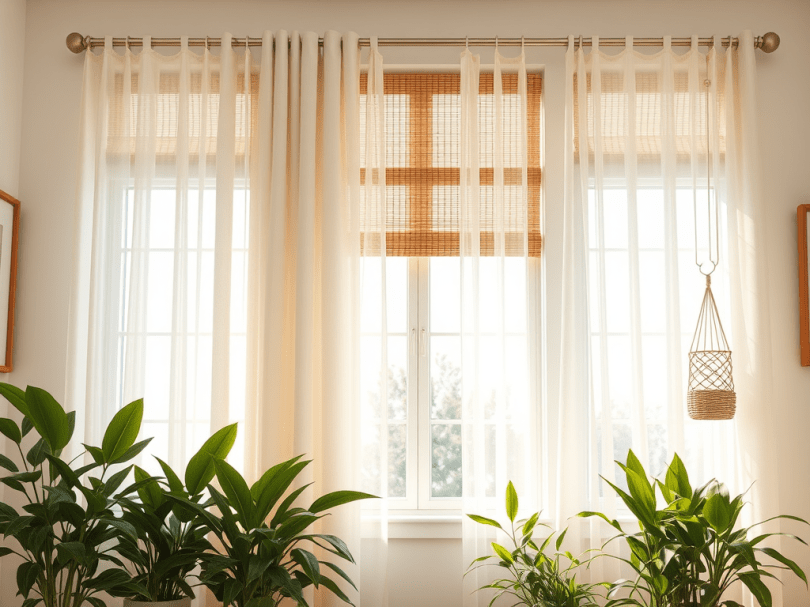
How to Dress Up Windows to Make Them Brighter and More Appealing


Windows are often called the “eyes of a home,” and for good reason—they let in light, provide a view of the outdoors, and add character to your space. But bare windows can sometimes feel flat or unfinished. The right window treatments and styling choices can brighten up your home, make rooms feel more inviting, and even enhance your décor. If you’re wondering how to dress up your windows, here are some easy and creative ideas to make them shine.
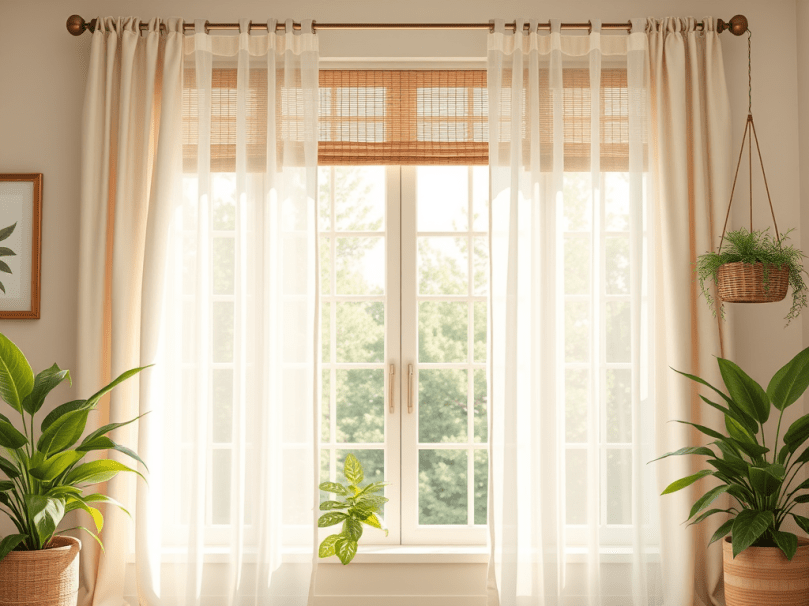

1. Choose Light and Airy Curtains

Heavy drapes can make a room feel dark and closed in. Instead, opt for light fabrics like linen, cotton, or sheer panels that allow natural light to filter through. These materials brighten up the space while still providing privacy. For an extra airy look, go for neutral or pastel shades that reflect rather than absorb light.


2. Layer for Depth and Style

Layering window treatments instantly makes them more appealing. Pair sheer curtains with solid panels, or combine blinds with drapery. This adds texture, flexibility for light control, and a touch of sophistication. You can even switch out the outer layer seasonally—light sheers for spring and summer, and cozier fabrics in fall and winter.


3. Hang Curtains High and Wide

One of the easiest tricks to make windows look brighter and bigger is to hang curtains higher and wider than the actual window frame. Mount your curtain rod closer to the ceiling and extend it several inches beyond the frame. This not only creates the illusion of taller windows but also allows more natural light to pour in when the curtains are open.


4. Add Roman or Bamboo Shades

If you want something beyond curtains, Roman shades or woven bamboo shades add warmth and texture. They soften the lines of a window while still feeling sleek and modern. Pair them with light-colored curtains for an inviting layered look.


5. Play With Color and Pattern

If your décor feels a little too neutral, windows are a great place to add a pop of personality. Choose curtains with subtle patterns or soft tones that complement your space. Floral prints can bring a fresh vibe, while geometric patterns feel modern and playful.


6. Use Decorative Hardware

Don’t overlook curtain rods, finials, and tiebacks—they’re the jewelry for your windows. Choose hardware that complements your décor style, whether it’s matte black for a modern touch, brushed gold for a little glam, or rustic wood for a farmhouse feel.


7. Bring in Greenery

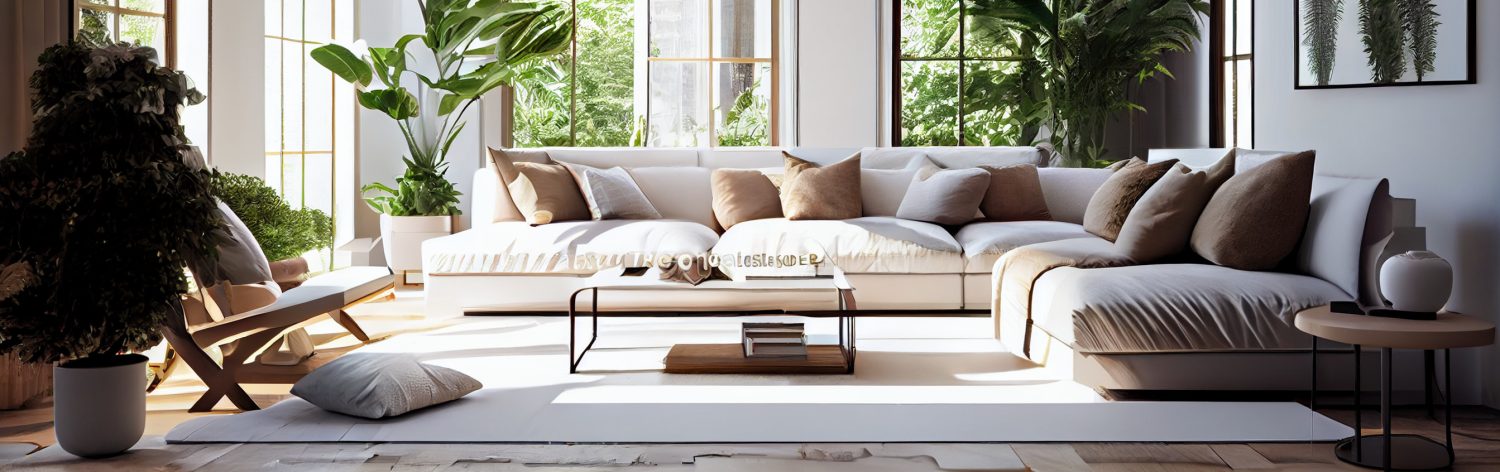
Plants near a window naturally make the space brighter and more appealing. A hanging planter, a small windowsill herb garden, or tall floor plants placed beside the window bring life and freshness to the area. The greenery catches the light beautifully and makes the window a focal point.


8. Keep It Clean and Polished

It may sound simple, but clean glass makes a huge difference in how bright your windows look. Regularly wash the panes, dust blinds, and fluff curtains so your windows feel as fresh as the light streaming through them.


Final Thoughts

Dressing up your windows is about more than just choosing curtains—it’s about creating a look that enhances both the light and the mood of your space. With the right fabrics, layering, hardware, and a touch of greenery, your windows can become one of the most beautiful design features in your home.
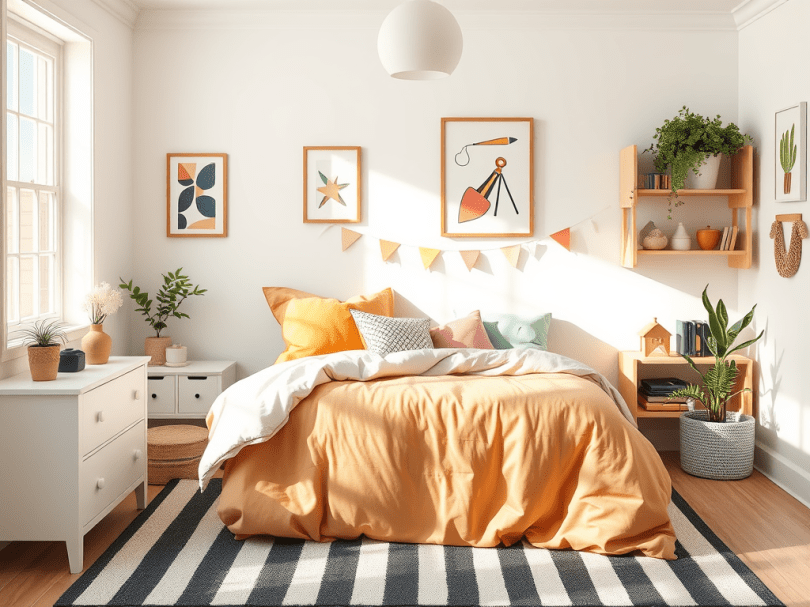

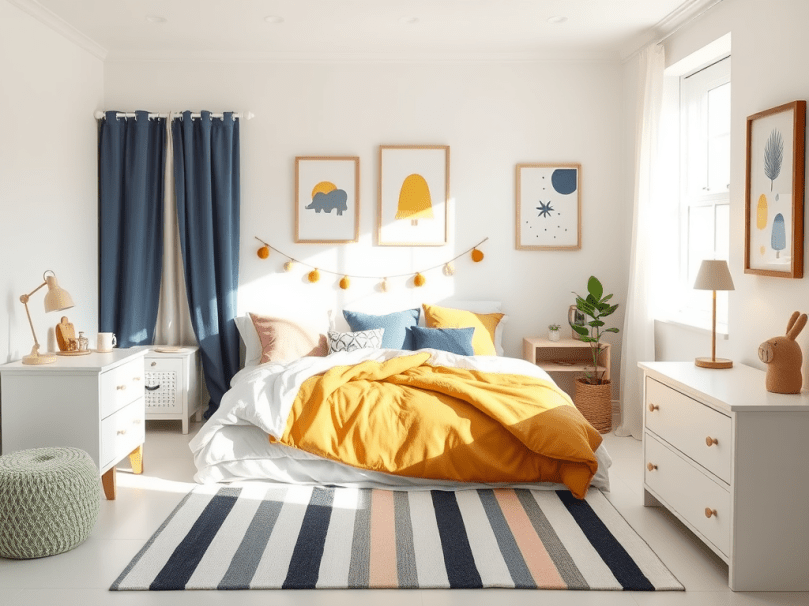
Finding the Right Color Combinations for Your Child’s Bedroom When You Have a Picky Child


Decorating your child’s bedroom can feel like a fun project—until your little one decides they have strong opinions about color. One day they want everything pink, the next they insist on neon green, and by the weekend, they’ve changed their mind again. If you have a picky child, finding the right color combination can feel like an impossible task. But with a little strategy (and patience), you can create a bedroom that works for both you and your child.

Start with a Neutral Base

Neutral walls—like soft white, warm beige, or light gray—are your best friend when decorating for a picky child. A neutral backdrop keeps the room flexible, allowing you to switch out accents and accessories when your child’s preferences shift. It also makes the space feel timeless and balanced, so you’re not repainting every year.

Add Pops of Their Favorite Color

Instead of painting the walls in bright, bold shades, bring in your child’s favorite color through bedding, throw pillows, rugs, or wall art. This way, when they decide they’re “over” purple and “into” teal, you can swap out accessories without a major room makeover.

Stick to Two or Three Colors

Children often want “all the colors,” but too many shades can make the room feel overwhelming. Guide them to choose two or three favorites. For example:

  • Soft gray walls + navy + mustard yellow
  • White walls + blush pink + sage green
  • Beige walls + teal + coral

By creating a small palette, the room will feel cohesive but still fun.

Use Patterns to Blend Preferences

If your child can’t agree on a single color, patterns can help merge multiple favorites. Striped bedding, rainbow wall decals, or a patterned rug can tie different shades together in a way that feels intentional rather than chaotic.

Try Removable Options

For picky kids, flexibility is key. Consider peel-and-stick wallpaper, wall decals, or even removable murals. These let your child express themselves without locking you into a long-term design. Plus, they’ll love the idea of being able to “change it up” as they grow.

Involve Them in the Process

Sometimes, being picky is really about wanting a voice. Give your child options—“Do you like blue or green better for the rug?”—instead of open-ended choices. This gives them control without overwhelming them, and you’ll avoid mismatched results.

Think Long-Term

At the end of the day, your child’s room should reflect their personality, but it should also be practical for years to come. Keep the big pieces (bed, dresser, walls) versatile, and let smaller accents carry their unique style. That way, you’ll have a space that grows with them—and fewer battles about repainting every six months.


Decorating for a picky child doesn’t have to be stressful. With neutral bases, flexible accents, and a thoughtful color palette, you can create a room that feels uniquely theirs—while still keeping it stylish and manageable for you.


Bold & Beautiful: How to Use Burgundy and Other Darker Colors to Accentuate Any Room in Your Home


Darker colors like burgundy, navy, charcoal, and forest green have a reputation for being bold—and sometimes intimidating. But when used thoughtfully, these shades can transform your home into a rich, cozy, and sophisticated sanctuary. Burgundy in particular, with its deep red tones and luxurious feel, can add both drama and warmth to any space.

If you’ve been avoiding darker hues because you’re worried about making a room feel too small or moody, it’s time to reconsider. Here’s how to confidently incorporate burgundy and other deep shades to elevate your home’s style.


1. Use Burgundy as a Statement Wall Color

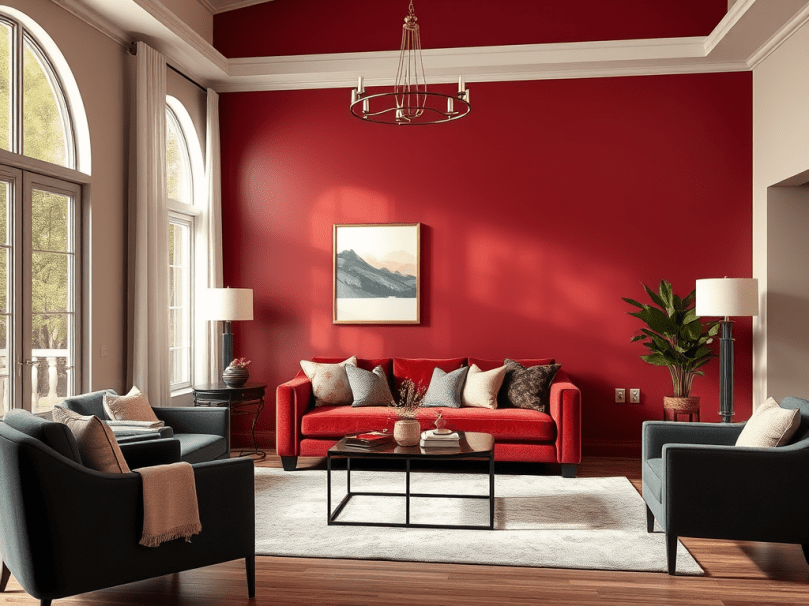
Burgundy makes a stunning choice for an accent wall. Whether in a living room, bedroom, or even a powder room, one wall in this bold shade can create a sense of depth and elegance. Pair it with lighter neutrals like cream, soft gray, or warm beige on the other walls to keep the room from feeling enclosed.

Tip: Choose matte or satin finishes for a cozy look, or go with a high-gloss burgundy paint for a glamorous touch in a more formal space.


2. Incorporate Dark Furniture or Upholstery

Deep-toned furniture—like a velvet burgundy sofa or charcoal armchairs—brings richness and personality to your room without overwhelming it. If you’re not ready to commit to a large piece, try smaller items like a burgundy ottoman, navy accent chairs, or a dark green cabinet.

Styling Tip: Break up the darkness with light or metallic accessories—think gold picture frames, brass lamps, or cream throw pillows.


3. Layer with Textiles

Dark-colored textiles are a low-risk way to dip your toes into using bolder shades. Burgundy curtains, deep blue bedding, or forest green throw blankets can instantly change the mood of a space.

Pro Tip: Mix textures to keep things interesting—velvet, linen, faux fur, and chunky knits all add depth and dimension.


4. Play with Patterns

Darker colors in patterns—like floral wallpaper with burgundy roses or a navy and gold geometric rug—can add visual interest without dominating the room. Patterns help soften the boldness of dark hues while still letting them shine.


5. Balance with Light and Natural Elements

Dark colors shine brightest when contrasted. Offset the richness of burgundy or navy with lighter woods, white ceilings, and plenty of natural light. Adding houseplants, rattan accents, or light wood furniture helps keep the room feeling grounded and fresh.


6. Use Burgundy in Transitional Spaces

Entryways, hallways, and stairwells are perfect spots for darker colors. Since they’re spaces you pass through rather than linger in, you can afford to go bold without worry.

Style Tip: A burgundy-painted stair riser or deep-colored hallway ceiling can add unexpected charm and drama.


7. Accent with Art and Decor

If you’re still color-shy, keep your base neutral and introduce burgundy and other dark tones through art, decorative bowls, candle holders, and frames. This gives you flexibility to refresh the space seasonally without a major overhaul.


Final Thoughts: Dark Is the New Neutral

Burgundy and other deep colors don’t have to feel heavy. When balanced with light, texture, and the right complementary tones, they can act as a stylish neutral—bringing warmth, coziness, and timeless elegance to your home.

Ready to go bold? Start with small touches and build your confidence. Before you know it, you’ll be embracing the depth and drama that darker colors bring.


Spring/Summer Cleaning: What It Looks Like and How to Start Strong


As the days grow longer and the sun shines brighter, many of us feel the urge to refresh our spaces. Spring and summer cleaning isn’t just about wiping windows or folding towels—it’s about creating a breezy, inviting home that reflects the energy of the season. So how do you tackle this seasonal refresh, and what makes spring/summer cleaning different from your usual routine?

Let’s break it down.


Why Spring and Summer Cleaning Feels Different

Unlike the fall or winter, when we’re nesting and cozying up indoors, spring and summer cleaning is all about renewal and lightness. You’re shedding layers—both literally and figuratively. This is the time to let go of the heavy, dark, or dusty and make room for light, air, and ease.

Here’s what sets this season apart:

  • Natural Light Helps You See More: Suddenly that dust in the corner or smudge on the mirror is more visible.
  • Time to Swap Out Seasonal Items: Heavy blankets, thick curtains, and winter clothes need to be stored. In their place: breezy bedding, sheer window coverings, and swimsuits.
  • More Outdoor Living: Patios, porches, and entryways become part of the home again—and need a good scrub too!

Where Do You Start?

Spring/summer cleaning can feel overwhelming, so it’s important to have a game plan. Here’s how to dive in:

1. Start with the Entryway

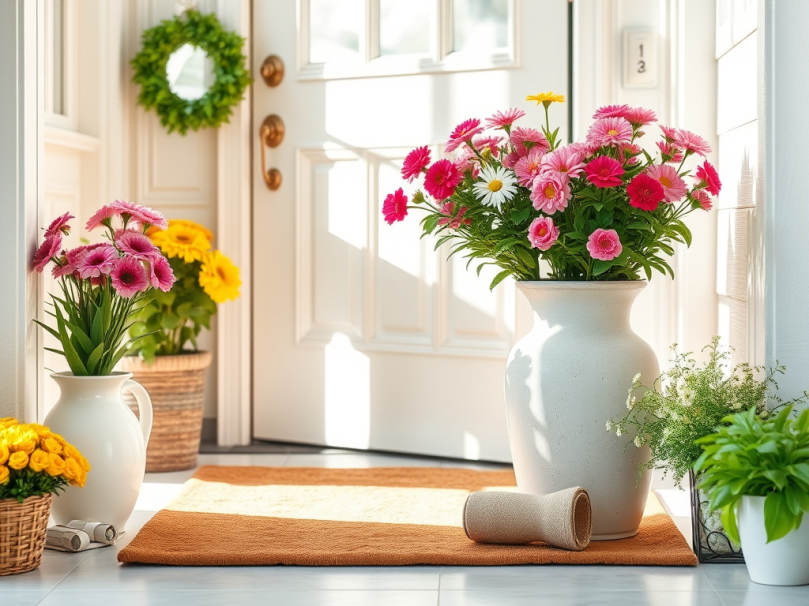
This is your home’s first impression. Sweep off the porch, clean your welcome mat, wipe down the door, and organize shoes or gear. Add a fresh pot of flowers or a new door wreath to welcome the season.

2. Tackle Room by Room

Go room by room, focusing on:

  • Decluttering surfaces
  • Dusting baseboards, blinds, and fans
  • Deep cleaning carpets or switching to summer-friendly rugs
  • Washing windows for that crystal-clear view

3. Don’t Forget the Outdoors

Your outdoor furniture, grill, and garden shed need love too. Use a hose, all-purpose cleaner, and elbow grease to refresh chairs and tables. Store cushions inside or in waterproof bins when not in use.

4. Switch Out Seasonal Decor

Replace moody winter tones with light, cheerful hues. Think citrus colors, florals, or coastal elements. Swap thick throws for lightweight ones and tuck away anything that feels too heavy.


Tips & Tricks to Stay Organized

Want to make this process smoother? Here are a few tried-and-true tips:

  • Create a Cleaning Playlist: Music makes the task feel less like work.
  • Use a Checklist: Keep track of what you’ve done room by room (download my free checklist at www.discoveringlifellc.com!)
  • Declutter First, Then Clean: You can’t clean clutter. Toss, donate, or store before dusting and scrubbing.
  • Use Clear Bins for Storage: Whether it’s under-the-bed bins for winter sweaters or labeled garage storage, clear containers help you see what you have.
  • Try the 20-Minute Method: Set a timer for 20 minutes per space and do what you can. This keeps you from burning out.

Bonus Projects for a Seasonal Glow-Up

Once the basics are done, consider:

  • Deep cleaning your fridge (hello, summer produce!)
  • Refreshing linens with a splash of lemon-scented detergent
  • Organizing your pantry for warm-weather cooking and entertaining
  • Adding houseplants for a fresh, green vibe

Final Thought

Spring and summer cleaning is about more than cleanliness—it’s about setting the tone for the season ahead. It’s your chance to hit reset and enjoy a home that feels bright, fresh, and functional. Whether you’re doing a full refresh or simply updating a few areas, embrace the process and celebrate the small wins.

Because nothing says summer like opening the windows, lighting a citrus candle, and basking in a space that feels completely your own.


Is Setting the Table an Everyday Thing? How to Dress Your Table Casually for Daily Use


Setting the table isn’t just for holidays and special dinners anymore. In fact, creating a casually styled, everyday-ready table is one of the simplest ways to bring a sense of order, comfort, and beauty into your home. Whether you’re eating solo, feeding a busy family, or working from your kitchen table, a dressed table can make your daily routine feel more intentional—and even more enjoyable.

So, is setting your table an everyday thing? It absolutely can be! But it doesn’t have to mean fine china and polished silverware. With a few simple touches, your table can look inviting and stay functional every day of the week.


Why Set the Table Daily?

Think of it as part of your home’s rhythm—just like making your bed or lighting a candle in the evening. A clean and styled table can:

  • Create a visual anchor for your dining area
  • Encourage sit-down meals and conversation
  • Reduce clutter and discourage it from becoming a drop zone
  • Add a personal, cozy element to your kitchen or dining room

It’s not about perfection. It’s about creating a little beauty in the everyday.


How to Dress Your Table in a Casual Way for Daily Use

You don’t need layers of chargers and crystal glasses to make your table shine. A casual setup should be easy to maintain and quick to reset after each use. Here’s how to keep it simple and stylish:

1. Use a Neutral Base

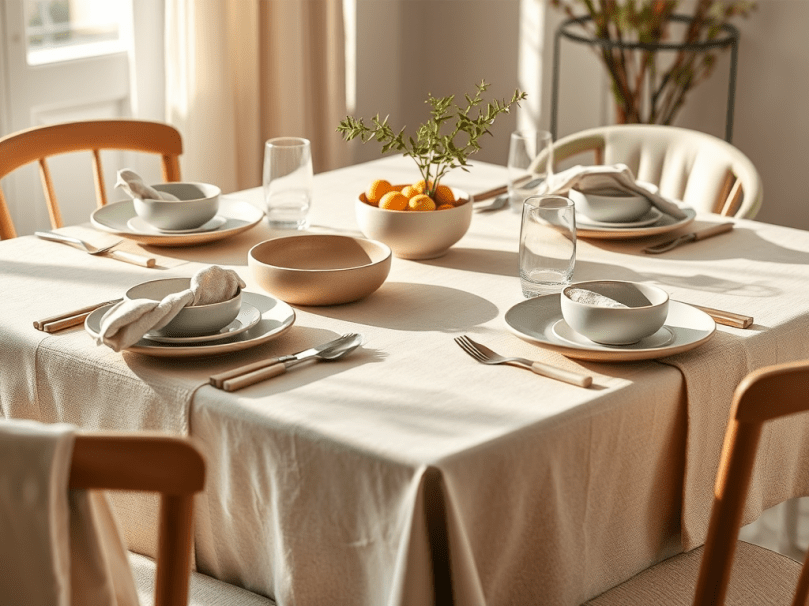
Start with a table runner, placemats, or a washable tablecloth in a neutral tone. Linen or cotton options work well and are easy to clean. These add texture and set a cozy foundation.

2. Keep It Minimal

Stick to everyday dishes, flatware, and glasses. A set of stoneware plates, basic cutlery, and short tumblers can look beautifully styled when presented with care.

3. Add a Centerpiece (That You Can Leave Out)

Try a low-maintenance centerpiece like a small plant, a bowl of fruit, a simple tray with a candle, or even a stack of cookbooks. Keep it compact enough that it doesn’t interfere with meals.

4. Incorporate Soft Textiles

Cloth napkins in a solid color or subtle pattern add a soft, elevated touch to everyday meals. Keep a small basket of them nearby for easy swaps between washes.

5. Mix in Personality

Add something that reflects your style—like rustic salt and pepper shakers, hand-thrown pottery, or vintage glassware. Small details like these make your table feel personal and warm.


What Should Always Be on Your Table?

While your setup can rotate with seasons or moods, there are a few basics that help keep your table ready to go:

  • A centerpiece (plant, flowers, tray, or candle)
  • Napkins or napkin holder
  • Salt and pepper set or seasoning staples
  • Coasters or placemats
  • A table runner or cloth for easy cleanup

Bonus: Keep a small basket or drawer near the table with extra essentials like extra napkins, wet wipes, or kids’ silverware to make resets a breeze.


Final Thoughts

Setting your table daily doesn’t need to be a chore—it can be a mindful, joyful practice. By creating a casual yet cohesive setup, you’re turning your everyday meals into moments of comfort and connection. Whether you’re starting your morning with coffee or sitting down for a weeknight dinner, a thoughtfully dressed table makes it feel just a little more special.