How to Upgrade Your Staircase: Styles, Trends & a Sweet Story of Giving New Life to an Old School Design


Staircases aren’t just a way to get from one floor to the next—they’re one of the most underrated focal points in a home. Whether you live in a modern build or a charming older house, upgrading your staircase can instantly elevate your home’s style, brighten the space, and make it feel more intentional. If your staircase still looks like it came straight out of a 90s catalog or an older traditional home, don’t worry—there are countless ways to refresh it without a full renovation.

Let’s walk through some modern staircase trends, design ideas, and even a cute little story about bringing new life to an old school staircase.


Why Upgrade Your Staircase?

Staircases sit right at the heart of your home—usually along the entryway or main living area—so even small changes can provide a huge visual payoff. Upgrading your staircase can:

  • Improve the overall look of your home
  • Increase resale value
  • Create a safer, more functional layout
  • Enhance lighting and airiness
  • Tie together your decor styles

Whether you want something bold or simple, there’s a staircase refresh that fits your budget.


Top Staircase Upgrade Ideas

1. Update the Railing

Your railing makes the biggest impact—think of it like jewelry for your stairs.

Trendy railing styles to consider:

  • Sleek black metal rails for a modern or industrial look
  • Chunky wood rails for farmhouse and rustic homes
  • Cable railings for a minimalist, open-concept feel
  • Glass panels to maximize natural light and create a clean, airy effect

Swapping out a dated wooden banister for a streamlined modern design can change the whole personality of your home.


2. Refresh the Stair Treads

If your treads are scratched or outdated, giving them a makeover can instantly lift the space.

Options:

  • Sanding and re-staining to breathe new life into real wood
  • Painting treads two-toned (white risers + wood steps is still a beloved combo)
  • Installing stair runners for comfort, traction, and a pop of pattern

Trend to watch: Bold patterned runners in earthy tones—think modern geometric prints or subtle Moroccan-inspired designs.


3. Paint the Staircase

Paint is one of the easiest and most budget-friendly upgrades.

Trending paint looks:

  • All-black staircases for a dramatic, modern edge
  • All-white with light wood accents for a Scandinavian feel
  • Soft sage or powder blue risers for a calming, cottage-inspired look
  • Ombre stair risers (fun option for kids’ areas!)

4. Upgrade the Newel Posts

The newel post is the anchor of your staircase—and often one of the first things guests notice.

You can:

  • Swap an old square post for a bold modern one
  • Add decorative trim to elevate classic styles
  • Paint it in an accent color
  • Choose a chunky craftsman-style post to add character

5. Add Lighting for a Dramatic Effect

Lighting can turn a staircase into an architectural moment.

Consider:

  • LED strip lights under each tread
  • Statement pendant lighting above the landing
  • Wall sconces along the staircase wall
  • Recessed lighting for subtle ambiance

Lighting not only looks beautiful but also increases safety—win-win.


Staircase Design Styles to Inspire Your Makeover

Here are a few trending styles that can help you narrow down your look:

Modern Minimalist

  • Thin black metal railing
  • Floating staircase design or open risers
  • Natural wood treads
  • Clean, simple lines

Farmhouse Fresh

  • White risers + stained oak treads
  • Thick wood handrails
  • Traditional spindles
  • Cozy neutral runners

Industrial Loft

  • Matte black steel railing
  • Dark wood tones
  • Exposed hardware
  • Brick accent wall nearby (if you’re lucky!)

Coastal Calm

  • Light wood tones
  • White balusters
  • A soft blue or gray runner
  • Natural fiber accents

Vintage Revival

  • Patterned tile risers
  • Restored wood banisters
  • Ornate handrails and posts
  • A warm, nostalgic palette

A Cute Story: The Old School Staircase That Got a Second Chance

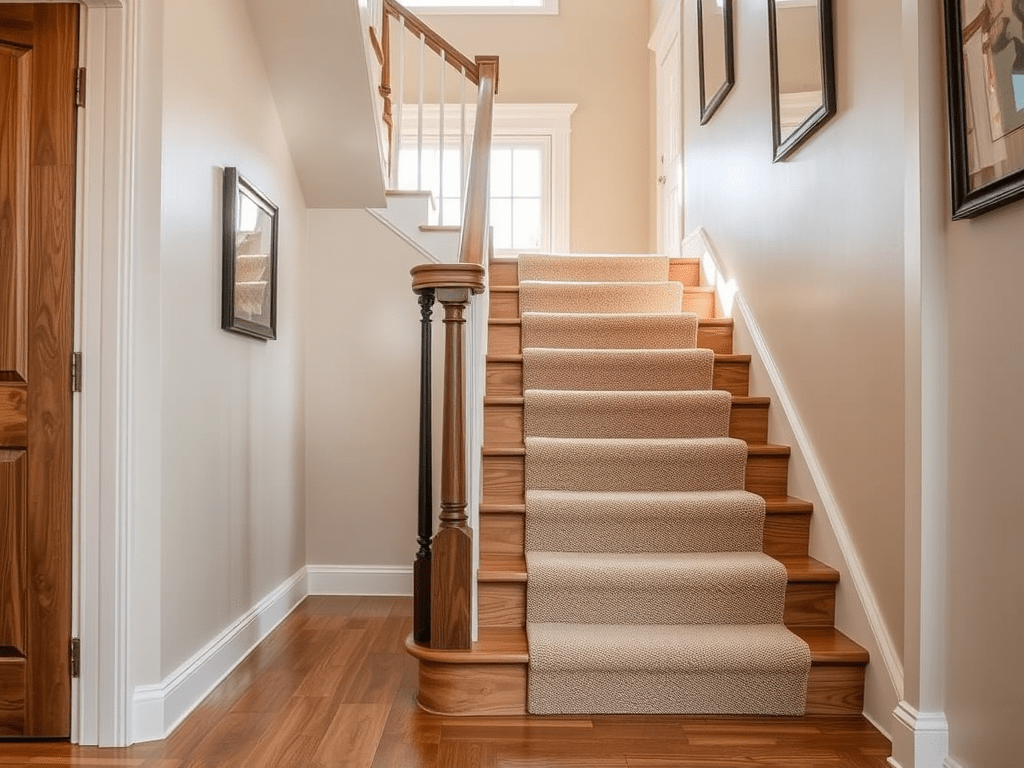
A friend of mine once moved into a 1950s home with a staircase that looked like it had been frozen in time—thick orange varnish, worn-out carpet on every step, and a railing that wobbled if you looked at it too hard. Her kids affectionately called it “The Grandpa Staircase” because it “looked old and tired, like it needed a nap.”

She wanted to update it but wasn’t ready for a full remodel. So she went step by step—literally.

First, she peeled off the carpet (which, to everyone’s surprise, had another layer of older carpet underneath). Then she painted the risers white, stained the treads a warm walnut, and added a black metal railing she found on sale. Finally, she added a soft gray runner with tiny diamond patterns that reminded her of the original charm of the home.

When her kids came home from school the day she finished, they gasped and said, “Mom! Grandpa Staircase woke up!”

And honestly? It truly had. The space felt brighter, younger, and full of personality—but still honored the original character of the home. Sometimes the best upgrades are the ones that respect the past while making the present feel fresh again.


Your Staircase Is a Style Moment Waiting to Happen

Whether your staircase is old-school, cookie-cutter, or just a little forgotten, you can turn it into a stunning focal point with the right upgrades. From railings to runners to lighting and paint, small changes can transform the entire feel of your home.

So if your staircase is looking a little sleepy… maybe it’s time to help it “wake up” too.


Mixing Colors in Your Home: How to Do It, Why It Works, and 2025’s Hottest Color Trends


Color is one of the most powerful tools in home design. It influences mood, sets the tone of a room, and reflects your personality more than almost anything else in your décor. But when it comes to mixing colors, many people hesitate—worried that combining too many hues might look “too busy” or “off balance.”

The truth? Mixing colors is not only okay… it’s encouraged. The key is knowing how to blend them with intention.


Why Do People Mix More Than One Color in a Room?

Most rooms aren’t defined by a single note—they’re symphonies. Mixing colors allows you to:

1. Create Visual Interest

Using multiple colors makes a room feel more dynamic. Even neutral lovers can benefit from adding small pops of color to prevent a space from feeling flat.

2. Reflect Your Personality

No two homes (or people!) are the same. Mixing colors lets you tell your story—whether you want bold, playful energy or soft, calming vibes.

3. Define Different Zones

Open-concept layouts especially benefit from mixed colors. Each section can have its own unique mood while still maintaining overall cohesion.

4. Add Depth and Dimension

Color layering—light, medium, and dark tones—creates depth that makes a room feel complete and professionally designed.


Is It Okay to Mix Different Colors?

Absolutely. The fear of “too much color” usually comes from not understanding how colors relate to one another. When mixed thoughtfully, color creates harmony—even in spaces with bold or unexpected pairings.

The secret lies in using intentional combinations, consistent undertones, and a balanced ratio (for example, the 60-30-10 rule: 60% main color, 30% secondary color, 10% accent color).


Perfect Color Combinations That Always Work

Here are some tried-and-true color palettes for 2025 and beyond:

1. Navy + Mustard + Cream

Sophisticated yet warm, this trio flows beautifully in living rooms and dining spaces.

2. Sage Green + Terracotta + Natural Wood

Earthy, modern, and perfect for creating a calm sanctuary.

3. Charcoal Gray + Soft Blush + White

A gentle but elevated combination often found in minimalist or Scandinavian homes.

4. Forest Green + Gold + Matte Black

Bold, moody, and luxe—ideal for offices, bedrooms, and accent walls.

5. Warm Beige + Olive + Burnt Orange

A modern twist on neutrals that fits perfectly with 2025’s earthy, grounded aesthetics.

6. Deep Plum + Champagne + Warm Gray

Elegant and unexpected—great for bedrooms or formal spaces.


How to Mix Colors Successfully

1. Start With One Anchor Color

Choose your dominant shade first—something that supports the feeling you want (calming, energizing, cozy, airy, etc.).

2. Choose Complementary or Analogous Colors

  • Complementary colors sit opposite each other on the color wheel (blue + orange, yellow + purple).
  • Analogous colors sit next to one another (greens + blues, oranges + reds).
    Either approach works beautifully.

3. Follow the 60-30-10 Rule

  • 60% main color (walls, larger furniture)
  • 30% secondary color (rugs, curtains, bedding)
  • 10% accent color (decor, flowers, pillows)

This creates natural balance.

4. Use Patterns to Tie Colors Together

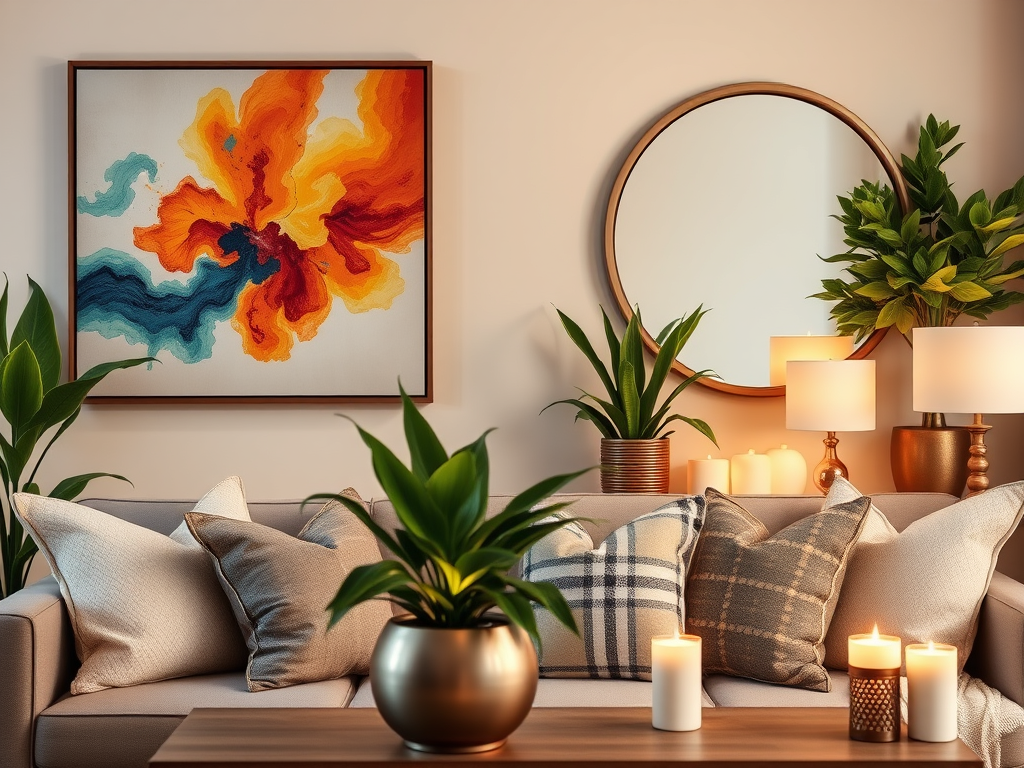
Throw pillows, rugs, art prints, and blankets are your best friends here. A patterned item containing multiple colors helps everything make sense visually.

5. Pay Attention to Undertones

Mixing cool undertones and warm undertones can work, but it requires intention. If you’re new to color mixing, stick to one undertone family.

6. Bring in Natural Elements

Wood, greenery, stone, and metals act as neutral “buffers” that help different colors blend effortlessly.


Popular Color Trends for 2025

2025 is full of rich, grounded, and expressive tones. Here’s what’s showing up everywhere in design:

1. Earth-Rooted Neutrals

Warm beige, clay, brown, and tan are replacing stark whites and grays.

2. Moss & Olive Greens

Nature continues to inspire interior color choices, and greens remain reigning favorites—especially muted moss and deep olive.

3. Sunset-Inspired Colors

Muted coral, terracotta, apricot, and dusty rose remain strong for 2025—warm, nostalgic, and comforting.

4. Midnight Blues & Moody Charcoal

Deep, dramatic colors create cozy high-end vibes.

5. Soft Lavender & Dusty Plum

Romantic, unexpected purples are trending for bedrooms and accent walls.

6. Black as an Accent

Black is still the go-to for grounding a space. A single black element adds structure and sophistication.


Final Thoughts

Mixing colors isn’t about following strict rules—it’s about creating a space that feels right for you. Whether you prefer bold contrasts or soft harmonious tones, the right color combinations can elevate any room and transform your home into a reflection of your personality.

Pictures of Yourself: Trendy Home Accent or Cocky Centerpiece?


When it comes to home décor, few topics spark as much curiosity—and quiet debate—as displaying pictures of yourself around your home. Is it a stylish, modern expression of identity? Or a borderline boastful choice? Surprisingly, the answer lies somewhere in between. Let’s break down the trend, the psychology, and the history behind self-portraits—and explore how to style them tastefully in your home.


A Trendy Choice or a Cocky Centerpiece?

In today’s design world, personal touches are everything. Home décor has shifted from “catalog perfect” to “story-driven,” meaning the pieces you display should represent who you are, what you love, and the life you’re building. So yes—pictures of yourself can absolutely be trendy, as long as they’re intentional and thoughtfully placed.

The “cocky” label usually only applies when photos feel overwhelming or overly staged. A home filled wall-to-wall with glam shots might raise eyebrows—but a curated selection of personal photos? Those read as confident, expressive, and stylish.


Why Do People Put Up Pictures of Themselves?

There are several reasons, and most of them are more meaningful than people realize:

1. Identity & Self-Expression

Your home is a reflection of your personality. Displaying photos of yourself—whether solo, in moments of celebration, or simply living life—adds authenticity to your space.

2. Memory Preservation

Photos capture milestones: graduations, vacations, birthdays, achievements. Putting those memories where you can see them keeps joy close and serves as a daily reminder of how far you’ve come.

3. Emotional Boost

There’s real psychology behind it. Seeing photos where you look happy, confident, or in your element can enhance self-esteem and create a positive atmosphere.

4. Storytelling

Guests learn about your life through what you display. A well-chosen portrait can say more about your personality than any piece of store-bought art.


The History of Self-Portraits

Self-portraiture isn’t new—it’s one of the oldest forms of personal expression.

Ancient Civilizations

From Egyptian pharaohs to Roman emperors, rulers commissioned portraits to document their reigns and mark their place in history.

The Renaissance Boom

Artists like Albrecht Dürer and Rembrandt elevated the self-portrait into a celebrated art form, using it as a way to study identity, technique, and emotion.

Photography Changes Everything

When photography became mainstream in the 19th century, everyday people could finally create personal portraits. What was once reserved for the elite became a household tradition.

The Age of Selfies

Today, we’ve taken the self-portrait to another level—quick, accessible, and expressive. And as selfies have become part of our culture, so have personal photos in our homes.

Self-portraits have always represented confidence, existence, memory, and belonging. Displaying your own images is simply a modern continuation of a timeless tradition.


Why Having Pictures of Yourself in Your Home Matters

If you’re questioning whether you should display photos of yourself, the answer is: yes—thoughtfully.

They Create a Sense of Belonging

Especially if you live alone or spend a lot of time away from family, self-portraits bring warmth and personal presence into your space.

They Help Celebrate Growth

Your home should remind you of your journey. A gallery wall of your milestones creates daily affirmation.

They Make a House Feel Like Yours

Furniture fills a room. Personal images make it home.


Where to Place Pictures of Yourself to Stay Stylish and Trendy

Placement is everything. Here’s how to keep it chic:

1. Hallways & Transitional Spaces

These areas are perfect for a curated gallery wall. They feel personal without becoming the main focal point of a room.

2. Home Office or Creative Space

A great spot for professional portraits or photos that motivate you. Perfect for boosting creativity and confidence.

3. Bedroom Spaces

Soft, intimate photos work beautifully here—think vacation shots, candid moments, or lifestyle images.

4. Entryway Console

One or two framed prints can create a welcoming touch without feeling overwhelming.

5. On a Bookshelf or Floating Shelf

Integrate smaller framed photos among books, plants, and décor pieces for a modern layered look.

6. Mixed Media Gallery Walls

Pair a portrait of yourself with art, typography, or family photos. It creates visual balance and prevents the “it’s all about me” look.

Where Not to Put Them

  • Above the couch—unless it’s a large, artistic portrait
  • Dining room walls (feels too formal for self-images)
  • Every single room (sparingly is more stylish)

Final Thoughts

Displaying pictures of yourself in your home isn’t cocky—it’s expressive. It’s personal. It’s historically rooted. And when done with intention, it’s one of the trendiest ways to tell your story through your décor.

Your home is your space. You deserve to see yourself reflected in it.


Are Fish Tanks the Perfect Focal Piece for Your Home? A Deep Dive Into Stylish Aquariums


When you think of focal points in home decor, your mind might go straight to sofas, fireplaces, or oversized wall art. But there’s a trending superstar making waves in modern interiors: fish tanks. Yes, aquariums aren’t just for childhood bedrooms or dentist offices anymore—they’re becoming intentional decor statements that bring elegance, movement, and personality into the home.

So… is a fish tank the perfect focal piece? Let’s explore.


Why People Have Fish Tanks in Their Homes

Fish tanks are no longer simply a place to house fish—they’re multifunctional decor pieces that offer benefits beyond aesthetics:

1. They Create a Calming Atmosphere

The gentle movement of fish paired with the subtle glow of the water creates a relaxing, peaceful vibe. Many homeowners love aquariums because they bring a sense of serenity into busy spaces like living rooms, entryways, and offices.

2. They Add Living Art

Aquariums are dynamic art pieces. Unlike a painting, a fish tank is always changing—colors shift, fish move, lights reflect, and plants grow. This makes them feel like a curated visual experience.

3. They Showcase Personality

Whether minimalist, brightly colored, or nature-inspired, your aquarium style says something about you. Many people choose tanks that reflect their taste—boho, coastal, contemporary, or even futuristic.

4. They Introduce Natural Elements

Aquariums check the biophilic design box by bringing nature indoors. Water, plants, and living creatures help create balance in spaces that may feel too industrial or structured.


How to Find a Stylish Yet Trendy Fish Tank

You don’t have to stick with the classic rectangular aquarium anymore. Today’s options are designed with decor lovers in mind. Here’s what to look for:

1. Choose the Right Shape

  • Cylinder or column tanks – Perfect for corners or small spaces
  • Bow-front tanks – More modern and visually striking
  • Wall-mounted tanks – Great for ultra-contemporary homes
  • Nano or cube tanks – Minimalist, chic, and compact

Choose a shape that complements your room rather than competing with it.

2. Pay Attention to Materials and Finishes

Look for tanks that feature:

  • Clean lines
  • Rimless glass
  • Sleek black or matte metal frames
  • Transparent silicone seams

These give a high-end, gallery-style look.

3. Match the Stand to Your Decor Style

Don’t overlook the base! Stylish stands include:

  • Wood finishes for farmhouse or mid-century
  • Metal frames for industrial or modern
  • Neutral tones for minimalist spaces

Some stands even double as storage, which adds practicality.

4. Consider Built-In Lighting

LED lighting can shift the entire mood of a room. Choose lighting that:

  • Complements your color palette
  • Highlights your fish and decor
  • Adds ambiance at night

How to Dress Up a Fish Tank Like a Decor Masterpiece

Once you’ve chosen the right aquarium, the fun begins—styling it!

1. Use Designer-Style Aquascaping

Think of aquascaping as interior design… but underwater. You can style with:

  • Natural rocks
  • Driftwood
  • Live or faux plants
  • Sand or natural-toned gravel

By arranging these elements thoughtfully, your aquarium looks curated and intentional.

2. Choose a Color Story

Just like decorating a room, your tank should have a cohesive color palette. Try:

  • Neutrals for minimalist homes
  • Blues and greens for coastal themes
  • Bold tropical tones for vibrant decor

The fish you choose also become part of this color story.

3. Add Backgrounds or Wall Art

A simple background can make your tank look instantly more polished. Options include:

  • Frosted white
  • Matte black
  • Botanical prints
  • Stone or tile textures

This helps the tank feel connected to the rest of the room.

4. Style the Space Around the Tank

This is what transforms the aquarium from “cute” to a decor masterpiece:

  • Place plants on either side of the stand for height balance
  • Add a decorative tray or sculpture nearby
  • Hang complementary artwork above
  • Use a stylish lamp to create ambient lighting around the tank

The goal is to make the aquarium look like part of the design—not an afterthought.


Final Thoughts: Can a Fish Tank Be the Perfect Focal Piece?

Absolutely. Fish tanks bring life, light, art, and movement into your home. With the right shape, style, and decor, they can become the centerpiece of a living room, office, or hallway—one that sparks conversation and creates a calming oasis in your space.

If you’re looking for a unique, personality-filled focal point that feels both trendy and timeless, a fish tank may just be the design upgrade your home needs.


The Rise, Fall, and Comeback of Yellow in Home Decor


Yellow has always been a complicated color in the world of home decor. It’s bright, it’s bold, it’s energetic… and for some people, it’s overwhelming. But yellow didn’t start out as the color we side-eye when choosing paint swatches. In fact, it has one of the richest histories of any hue used in interior spaces.

Today, we’re exploring the fascinating evolution of yellow in home decor—where it started, why it faded in popularity, and how you can use it beautifully in a modern home without overpowering your space.


A Brief History of Yellow in Home Decor

Yellow has been a beloved color for centuries, long before the age of mood boards and Pinterest trends.

• Ancient Symbolism

In ancient civilizations—Egypt, China, Greece—yellow symbolized wealth, divinity, and status. Pigments like orpiment and ochre created golden hues used in art, textiles, and home adornment for those who could afford them.

• The 18th and 19th Centuries: Yellow as a Statement of Status

During the Georgian and Victorian eras, yellow interiors were a sign of sophistication. Because yellow pigments were expensive, using them in wallpapers, parlor rooms, and decorative trims signaled luxury. Homes often featured soft buttery yellows or bold mustard tones to brighten dim, candle-lit rooms.

• The 1950s and 60s: Cheerful Kitchens and Happy Homes

Post-war design heavily embraced yellow. It appeared in kitchens, appliances, linoleum floors, and patterned curtains. This was the era of “cheerfulness”—yellow was seen as an uplifting color for families building new lives. Pastel yellows and sunflower shades became staples of mid-century homes.


Why People Loved Yellow in the Past

Before modern lighting, homes relied on daylight, candles, and oil lamps. Yellow was chosen because:

It brightened dark rooms

Yellow reflected limited light and made spaces appear warmer and more inviting.

It created a cozy, lived-in feel

In colder climates, warm colors made homes feel more comfortable.

It symbolized joy and optimism

After economic hardship or war, yellow was a mood booster, representing renewal and hope.

It photographed well

Even in early photography and advertising, yellow appeared clean, vibrant, and welcoming.


Why Yellow Became a Color Many People Now Avoid

Yellow has quietly slipped from “must-have” to “hard pass” for several reasons:

1. Overuse in Past Décor Eras

Many homeowners associate yellow with dated design—grandparents’ kitchens, old wallpaper, and appliances from the 60s and 70s.

2. Poor Shade Selection

Yellow is tricky. The wrong shade can look:

  • too neon
  • too muddy
  • too harsh under LED lighting

One wrong paint choice can quickly sour a homeowner on yellow altogether.

3. It Can Easily Overwhelm

Large doses of yellow overstimulate the eye. In modern minimalistic homes, heavy yellow can feel chaotic rather than calming.

4. Changing Trends

Today’s decor trends lean toward neutrals—whites, greiges, blacks, muted earth tones. Yellow can clash with the serenity people want in their homes today.


How to Use Yellow Now—Without Overpowering Your Home

Yellow is not a color to fear. Used well, it adds warmth, personality, and depth. The key is moderation, tone, and placement.

Choose Muted, Modern Shades

Instead of sunflower or lemon, try:

  • ochre
  • mustard
  • honey yellow
  • muted gold
  • creamy pastel yellow

These bring warmth without screaming for attention.

Use Yellow as an Accent, Not a Base

Let it shine through:

  • pillows
  • vases
  • throws
  • lamp bases
  • pottery
  • abstract art

A pop of yellow adds visual interest without overwhelming your palette.

Pair Yellow With Neutrals

Yellow thrives when grounded by:

  • white
  • charcoal
  • beige
  • taupe
  • natural woods

This combination feels both calm and modern.

Add Yellow Through Natural Materials

Try:

  • brass fixtures
  • rattan
  • golden-toned wood
  • woven baskets

These introduce warm yellow undertones in a subtle, organic way.

Use Yellow in Low-Commitment Areas

If you want to experiment, start small:

  • a powder room
  • an accent wall
  • entryway decor
  • seasonal pieces

These spaces allow you to enjoy the color without committing an entire living room to it.

Let Lighting Guide Your Shade

Yellow shifts dramatically depending on lighting—test swatches at different times of day. Warm bulbs will deepen the hue, while cool bulbs can turn yellow greenish.


Final Thoughts: Yellow Isn’t Dead—It Just Evolved

Yellow’s journey through history shows that it’s a color with personality, power, and purpose. While it may not be the go-to color of the moment, it still has a place in modern decor when used thoughtfully.

If you once wrote yellow off, it might be time to look again. The right shade, the right space, and the right amount can transform your home with warmth and charm—without overwhelming it.