What to Do If You Don’t Have Space for End Tables — and Still Need a Place to Put Things


End tables are one of those small but mighty pieces of furniture that make your living room work. They hold your drink, your book, your phone, or even your favorite candle. But what if you simply don’t have the space for them? Small apartments, cozy living rooms, and multifunctional spaces often make it hard to fit traditional end tables beside the sofa.

So, how do you function without them? Here are some creative alternatives that keep your living room practical and stylish — no end tables required.


1. Try a C-Side Table

If you’re short on space, a C-shaped side table can be a lifesaver. These slim, modern pieces slide under your sofa or chair, taking up minimal floor space while providing a sturdy surface for your essentials. When not in use, they can tuck neatly out of the way. It’s a great option for anyone who wants functionality without clutter.


2. Use a Coffee Table Strategically

When end tables aren’t an option, your coffee table becomes the main surface for everyday use. Choose one that’s large enough to handle your needs but still fits your layout. Consider a coffee table with built-in storage — drawers, lift-tops, or lower shelves — so you can keep the space organized and clutter-free.


3. Add a Floating Shelf Beside the Sofa

A floating shelf is an underrated alternative to end tables. Mounted at arm height, it gives you just enough space to rest a drink or lamp while keeping the floor clear. You can even install a small set of matching shelves to create visual balance and display decor items like plants or framed photos.


4. Try a Sofa Arm Tray

A sofa arm tray is one of the simplest, space-saving solutions for anyone short on room. It fits right over your sofa arm, instantly turning it into a mini tabletop. It’s perfect for setting down a remote, cup of coffee, or snack while you relax. Plus, it’s removable — ideal for renters or those who like a clutter-free look.


5. Incorporate a Storage Ottoman

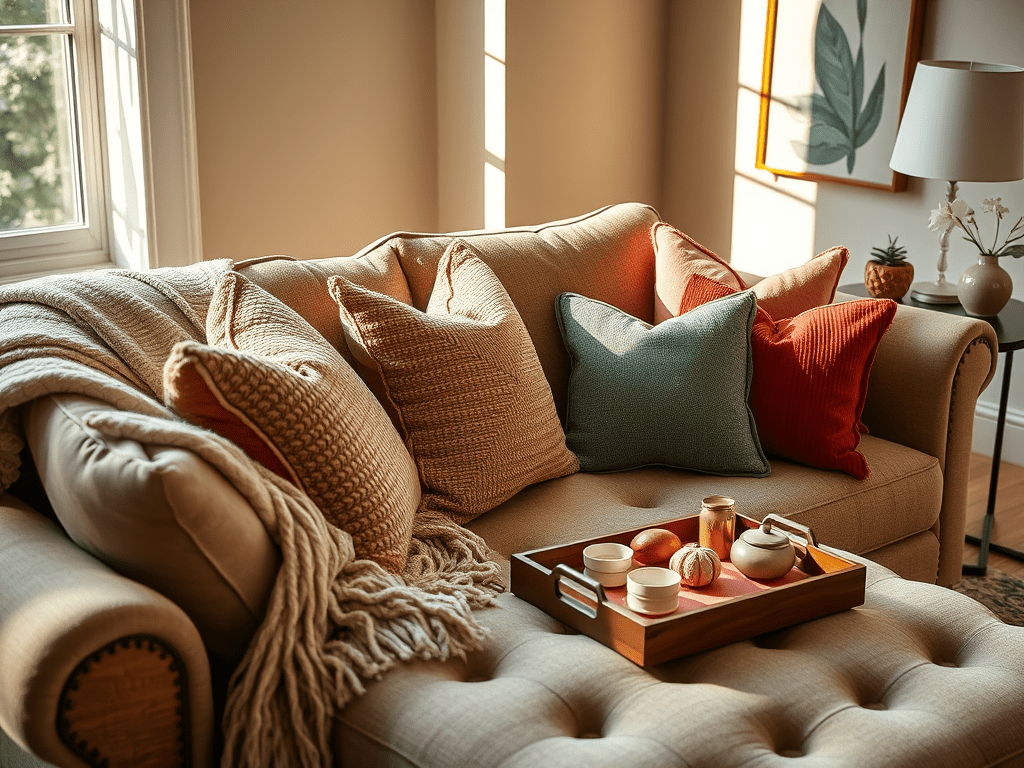
A storage ottoman can do double duty as seating, a footrest, and a temporary table. Just add a tray on top, and you’ve got a stable surface for drinks or books. When guests come over, remove the tray and use it as extra seating or leg space.


6. Consider a Narrow Console Table

If your sofa is against a wall, a slim console table can take the place of end tables altogether. It’s long, narrow, and perfect for keeping essentials behind the couch. Pair it with a few baskets underneath for hidden storage and you’ve got form, function, and style in one.


7. Go Minimal — and Rethink the Need

If you’re truly limited on space, maybe you don’t need a substitute at all. Embrace minimalism by keeping your living area open and uncluttered. A single small tray on the coffee table, or a designated basket for remotes, can be enough to stay organized without crowding the room.


Living Without End Tables Can Work

The truth is, you can absolutely function without traditional end tables. The key is to find creative alternatives that fit your lifestyle and layout. Whether you choose a C-table, a floating shelf, or a stylish tray, it’s about making the most of your space — not filling it.

A small living room doesn’t have to limit you; it just asks you to get a little more intentional with your design choices.


Tip: When shopping for end table alternatives, look for lightweight, multifunctional, or nesting options that can be moved around easily. Your space will stay flexible, functional, and beautiful — even without the “standard” furniture pieces.


How to Decorate Your Mantel: A Guide to Styling the Heart of Your Living Room


The mantel is often one of the most eye-catching areas of the home. Whether you have a traditional fireplace mantel or a modern floating shelf above an electric insert, this space offers endless potential for creativity. But how exactly should you decorate your mantel—and why should you bother? Let’s explore how to turn your mantel into a stunning focal point that reflects your home’s personality.


Why You Should Decorate Your Mantel

Your mantel is more than just a shelf above the fireplace—it’s the heart of your living room. It draws the eye, frames your space, and often sets the tone for the entire room’s style. Decorating it thoughtfully helps:

  • Add personality and warmth: The right décor transforms a bare mantel into an inviting centerpiece that feels uniquely yours.
  • Show off seasonal style: Your mantel can change with the seasons—fall foliage, holiday garlands, or fresh spring blooms—keeping your home feeling current and lively.
  • Balance your room’s proportions: A well-decorated mantel helps anchor your furniture and wall décor, creating a cohesive design flow.

Simply put, decorating your mantel isn’t just about beauty—it’s about creating harmony in your home.


What Should Go on a Mantel?

When styling your mantel, think of it as a layered composition rather than a collection of random items. A few key elements can make all the difference:

  1. A Focal Point:
    Start with something that draws the eye. This could be a large mirror, an oversized piece of art, or a framed quote that reflects your home’s vibe. A statement clock or television can also serve as a modern focal point.
  2. Layered Heights:
    Combine tall and short items to create visual interest. Candlesticks, vases, or small sculptures can add height, while books or decorative trays keep the arrangement grounded.
  3. Natural Elements:
    Bring in a touch of nature—like a small plant, dried branches, or seasonal flowers—to add warmth and texture.
  4. Personal Touches:
    Family photos, travel souvenirs, or framed artwork can make your mantel feel meaningful. Just avoid overcrowding—choose a few pieces that truly matter.
  5. Lighting:
    Candles, fairy lights, or a small lamp can add ambiance and highlight your display in the evenings.

How to Decorate Your Mantel Like a Pro

Decorating your mantel doesn’t need to be complicated. Follow these steps for a balanced, stylish setup:

  1. Start with a Clean Slate:
    Remove everything and start fresh. This helps you visualize your space clearly.
  2. Choose a Theme or Color Palette:
    Decide on a cohesive look—neutral and minimalist, rustic farmhouse, coastal, or modern chic. Your color choices should complement your existing furniture and wall tones.
  3. Anchor with a Focal Piece:
    Place your largest item (mirror, art, or clock) at the center or slightly off-center for a more relaxed look.
  4. Layer and Balance:
    Add items in varying heights and shapes, keeping the display balanced but not perfectly symmetrical. Odd numbers (like groups of 3 or 5) tend to look more natural.
  5. Add Texture and Greenery:
    Mix materials like wood, metal, glass, and greenery for depth.
  6. Step Back and Adjust:
    Once everything is in place, take a few steps back. Adjust until the display feels cohesive and not cluttered.

Seasonal Mantel Décor Ideas

  • Spring: Fresh flowers, pastel candles, and light-colored ceramics.
  • Summer: Coastal accents like driftwood, shells, and bright artwork.
  • Fall: Pumpkins, garlands, and warm tones of orange, gold, and rust.
  • Winter: Evergreen garlands, twinkling lights, and cozy candles for warmth.

Final Thoughts

Your mantel is one of the easiest places in your home to refresh and restyle throughout the year. With a little creativity and balance, it can become a reflection of your personal style and a true focal point in your living space.

Whether you lean toward cozy farmhouse charm, modern simplicity, or seasonal variety, remember—your mantel tells the story of your home. Make it beautiful, make it intentional, and most importantly, make it you.


Are Sofas and Loveseats a Thing of the Past? Why Sectionals Are Taking Over Modern Living Rooms


For years, the classic sofa-and-loveseat combination was the gold standard of living room design. You’d walk into almost any home and see a three-seater sofa paired with its smaller twin — the loveseat — perfectly arranged for conversation and symmetry. But lately, there’s been a noticeable shift in how people are furnishing their living spaces. More and more homeowners are choosing sectional sofas over the traditional sofa and loveseat pairing. So, what’s behind the change? And are loveseats becoming a thing of the past?

The Rise of the Sectional Sofa

Sectionals have evolved far beyond the bulky, overstuffed designs of the early 2000s. Today’s models are sleek, versatile, and designed with real-life functionality in mind. Many people love sectionals because they:

  • Maximize seating: A sectional easily fits more people without requiring multiple pieces of furniture. Perfect for family gatherings, movie nights, or entertaining guests.
  • Fit a variety of spaces: Modular designs let you configure sectionals to fit your room’s layout — whether you need an L-shape, U-shape, or even a reversible chaise.
  • Create a cozy atmosphere: Sectionals naturally bring people together. Instead of separating seating into two areas, everyone can relax in one shared, comfortable space.
  • Look modern and cohesive: A single, large sectional can give your living room a clean, unified look that feels contemporary and intentional.

Why the Sofa and Loveseat Combo Is Losing Its Appeal

There’s nothing wrong with the sofa-and-loveseat look — it’s classic for a reason. However, lifestyles and living spaces have changed dramatically in recent years. Here’s why this once-popular pairing doesn’t always make sense today:

  • Open-concept layouts often make it tricky to position two separate sofas without disrupting traffic flow.
  • Loveseats are often too small for practical use — they usually seat two people tightly, which can make them feel awkward or underutilized.
  • Design trends favor flexibility, and a single large piece (like a sectional) can easily adapt to changing room arrangements or growing families.
  • Modern homeowners value comfort and function over traditional furniture setups.

Are Loveseats Impractical?

In some homes — yes, a loveseat can be impractical. They take up valuable floor space without offering enough seating to justify their size. If you’re living in a small apartment, you might find that a single larger sofa or a compact sectional provides more usable space than a sofa and loveseat combo ever could.

That said, loveseats still have their place. They can be perfect for small reading nooks, guest rooms, or paired with a statement chair in a more formal living area. The key is purpose — if a loveseat doesn’t serve a functional role in your space, it might be time to let it go.

The Future of Living Room Seating

It’s clear that sectional sofas aren’t just a passing trend — they’re a reflection of how we live now. Flexible, comfortable, and modern, they fit seamlessly into open layouts and casual lifestyles. Meanwhile, the sofa-and-loveseat set is becoming more of a nostalgic nod to traditional design rather than the go-to standard.

If you’re redecorating or upgrading your living room, think about how you actually use your space. Do you host often? Do you like to lounge, nap, or watch movies as a family? A sectional might not only make your room more stylish — it could make it more functional, too.


Final Thoughts:
The sofa and loveseat combo isn’t completely gone, but it’s no longer the default choice. As design trends lean toward practicality and comfort, the sectional sofa continues to dominate. So, if you’ve been debating whether to make the switch — go ahead. You might find that one big, cozy piece is all you really need.


Quirky & Chic: How to Embrace Your Unique Style and Make Your Home Beautiful


There’s something effortlessly charming about a home that feels truly you. Not a Pinterest-perfect replica or a trend-following design — but a space that makes people smile because it’s filled with personality, creativity, and warmth. That’s the magic of quirky style. It’s not about chaos or clashing; it’s about confidence and character. And yes, you can be quirky and chic at the same time.

What Does “Quirky Chic” Really Mean?

“Quirky chic” is all about blending playfulness with polish. It’s mixing the unexpected — a bold wallpaper with sleek modern furniture, a vintage record player next to a minimalist lamp, or a pop of neon against soft neutrals. It’s the art of saying, “This makes me happy” and making it look good.

Being quirky doesn’t mean abandoning all sense of style. It means rewriting the rules to fit who you are. The goal is balance — letting your individuality shine without overwhelming the senses.


1. Start With a Neutral Foundation

Even the quirkiest homes need a base to ground them. Think of it as your blank canvas. Use neutral walls, simple flooring, or classic furniture pieces that can handle a little whimsy.

Once you have your foundation, you can layer in color, texture, and patterns freely. This creates a sense of calm underneath all that creativity — so your home feels cohesive, not chaotic.


2. Mix and Match Like You Mean It

Quirky style is all about the mix. Don’t be afraid to blend eras, colors, and textures. A mid-century armchair can pair beautifully with a modern abstract rug. A vintage dresser can look stunning beneath a bright piece of pop art.

If it makes you smile, it belongs. The trick is repetition — carry a few colors or motifs throughout your home so it feels intentional. For instance, if you love teal, use it in small touches across multiple rooms — maybe a throw pillow here, a vase there, and a wall accent in your kitchen.


3. Celebrate What You Love

Your home should tell your story. Fill it with things that reflect your interests, memories, and humor. Frame your favorite album covers, display your quirky mug collection, or showcase your love for travel with a gallery wall of postcards and maps.

The key to keeping it chic? Curate, don’t clutter. Group similar items together for impact, and give each vignette room to breathe.


4. Use Statement Pieces Wisely

Every quirky-chic home needs a few “wow” moments — something unexpected that draws attention. Think of a velvet sofa in mustard yellow, a sculptural floor lamp, or wallpaper with a playful pattern in your powder room.

These statement pieces become conversation starters, especially when paired with more understated surroundings. Choose a few favorites and let them shine.


5. Add Personal Touches That Spark Joy

From handmade art to family heirlooms, your home should celebrate you. Mix DIY projects with store-bought finds to keep things authentic. Paint an old chair in a bold hue, create your own wall art, or repurpose something sentimental into decor.

When you infuse your personality into your home, it naturally becomes more beautiful — because beauty is found in authenticity.


6. Don’t Be Afraid to Break the Rules

There’s no rulebook for quirky chic — and that’s the point! Mix patterns that shouldn’t work but somehow do. Hang art slightly off-center. Use a kitchen cart as a nightstand. If it makes sense to you and feels good in your space, that’s what matters.

Home decor should be an expression, not an expectation.


7. Keep It Balanced

Even the quirkiest spaces benefit from a touch of restraint. When every inch screams for attention, nothing stands out. Alternate bold and simple moments — pair an eccentric lamp with a clean-lined side table, or offset colorful art with a neutral backdrop.

Balance is the secret ingredient that makes quirky chic.


Final Thoughts: Embrace the Unexpected

Your home should make you smile — not because it’s perfect, but because it’s perfectly you. The beauty of quirky chic style is that it doesn’t try too hard. It’s about confidence, creativity, and celebrating the little things that make you different.

So go ahead — hang that odd piece of art, buy the sofa in your favorite color, and mix your grandmother’s antique mirror with your modern gallery wall. Embrace who you are and let your home tell your story — one delightful, surprising, and stylish detail at a time.


When Styles Collide: How to Create a Home Design That Works for Everyone


Living with others can be a joy — shared laughter, collective memories, and support that makes a house truly feel like a home. But when it comes to decorating that home, things can get a little… complicated. One person loves bold, modern accents, another leans toward rustic farmhouse charm, and someone else wants everything neutral and clutter-free.

Sound familiar?

Designing a shared space isn’t about giving up your personal taste. It’s about compromising with intention — finding a balance that allows everyone to feel comfortable, represented, and at home. Here’s how to make it work when you’re blending multiple styles under one roof.


1. Start with an Honest Conversation

Before you start browsing furniture catalogs or repainting the living room, sit down and talk. Discuss what each person values most in a home’s design.

  • What colors make them feel calm?
  • What type of furniture feels most “them”?
  • Which items are non-negotiable (like a favorite recliner or statement art piece)?

When everyone’s voice is heard early on, it sets the tone for collaboration rather than conflict.


2. Identify Common Ground

Even if your styles seem worlds apart, there’s usually a thread that ties them together. Maybe you both love cozy textures, open spaces, or warm lighting. Use those shared preferences as the foundation of your design plan.

For example, if one person loves minimalist design and another prefers boho chic, meet in the middle with neutral walls, natural materials, and a few layered textiles that bring warmth without clutter.


3. Define Shared vs. Personal Spaces

Not every room needs to reflect everyone’s personality equally.

  • Shared areas like the living room, kitchen, and dining room can feature a blend of styles.
  • Personal spaces like bedrooms or offices can lean more heavily toward each person’s taste.

This approach allows for individuality without chaos — each person gets to have “their space,” while shared rooms feel cohesive and welcoming.


4. Choose a Neutral Base, Then Layer In Personality

When you’re mixing multiple styles, neutral foundations (like beige, white, gray, or soft greige tones) make it easier to layer in everyone’s preferences without clashing.

Once your base is set, let personality shine through accessories — throw pillows, wall art, rugs, or even plants. These can easily be swapped out as tastes evolve or seasons change.


5. Compromise on Key Pieces

Some design elements carry more weight than others — like the sofa, dining table, or bed frame. These are investment pieces, so they should be timeless and versatile.

For example:

  • If one person loves mid-century lines and another prefers farmhouse wood tones, try a modern rustic dining table — sleek shape, natural finish.
  • Or if you’re torn between a plush sofa and a clean-lined one, choose a structured design in a cozy fabric.

Small compromises on big items create balance that lasts.


6. Incorporate Everyone’s Favorites

A truly shared home reflects everyone who lives there. That means finding ways to honor each person’s style — maybe through a piece of art, a color palette, or a treasured heirloom.

You might have one person’s vintage record player on display alongside another’s contemporary bookshelves. When combined intentionally, these personal touches tell your shared story beautifully.


7. Stay Flexible and Open-Minded

Your home will evolve over time — as will your tastes. Don’t be afraid to rearrange, repaint, or rethink spaces as you grow together. The goal isn’t perfection; it’s harmony.

Remember, decorating is a journey, not a race. Every compromise made with care strengthens not just your home’s aesthetic but the relationships within it.


Final Thoughts

A shared home isn’t about sacrificing your identity — it’s about creating something new together. The best designs are the ones that tell a collective story: one of collaboration, understanding, and love.

So next time you’re debating throw pillow colors or coffee table styles, take a breath, find your middle ground, and remember — the most beautiful homes are built with both style and connection.