


If you’ve been sleeping on a mattress that just isn’t hitting right — too firm, too soft, saggy, or just “meh” — you might’ve come across the concept of a mattress topper. But do they really make a difference? The short answer: yes — sometimes. Here’s a breakdown of what they do, why you might buy one, and what to watch out for.
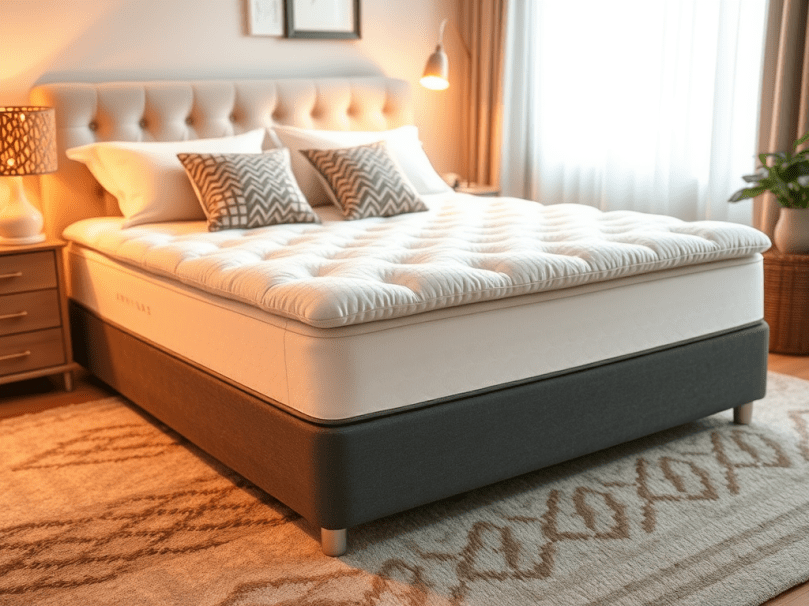
What a mattress topper does
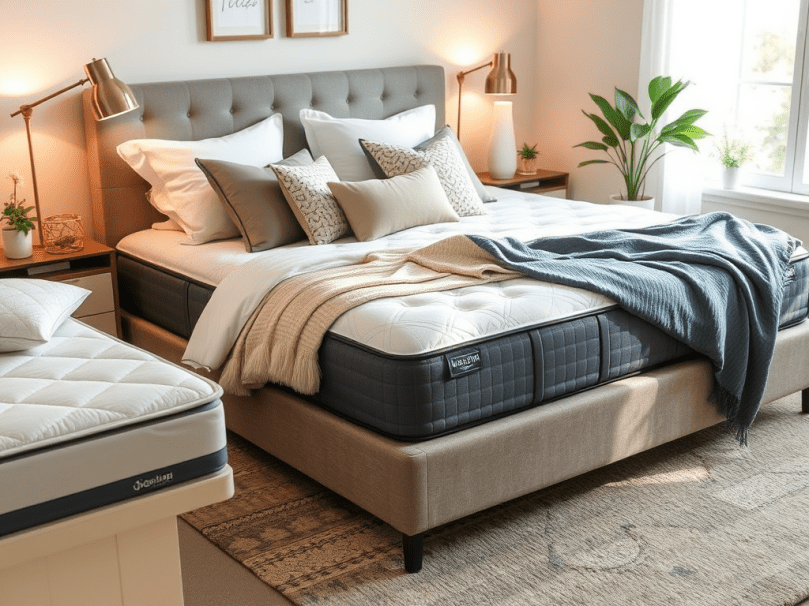
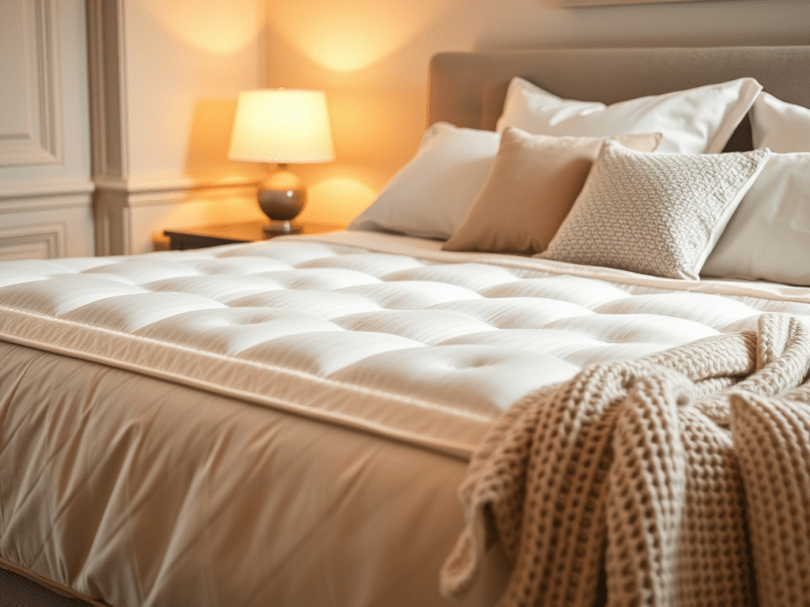
A mattress topper is a separate layer — typically 1–4 inches thick — that you place on top of your existing mattress to alter the feel/performance of the bed. (Better Homes & Gardens)
Here are some of the key functions:
- Comfort adjustment: It can soften a mattress (or in some cases, firm it up or improve support) depending on the material and thickness. (Sleep Foundation)
- Pressure relief & spinal support: For those who find pressure points (hips, shoulders) or back/neck ache, certain toppers can change how your body contacts the mattress. (Westex International)
- Temperature control / breathability: Some toppers are marketed specifically for cooling (gel, graphite, latex, etc). (Sleep Foundation)
- Mattress protection and lifespan extension: They add a layer between your body and mattress, reducing wear/tear, dust/allergen contact, and impressions/sagging. (Sleep Foundation)
- Hygiene: Easier to wash or replace a topper than an entire mattress; some are hypoallergenic or antimicrobial. (Panda)
Why you might purchase one
Here are some real-life scenarios (and blog-worthy angles) that make a topper a smart choice:
- You love your mattress frame or base but the mattress top feels “off”: Instead of buying a whole new mattress, a topper offers a more budget-friendly “tweak”.
- Your mattress is still in decent shape but the feel has changed (it got firmer over time, or softer in some spots). A topper can refresh it.
- You’re renting or in a temporary space and don’t want to invest in a new mattress. A topper lets you upgrade comfort without full commitment.
- You (or your partner) sleep hot / toss & turn / have pressure-point issues: A topper tuned to cooling or contour might help.
- You want to extend the life of a mattress until full replacement is viable.
- You’re decorating a guest bedroom or secondary space: You might not want a top-of-the-line mattress but want a guest to sleep well — a good topper can help.
When a mattress topper won’t solve everything
It’s also important to be realistic, especially for your blog audience (first-homes, budget decor, etc). A topper isn’t magic. Here are cases where it may fall short:
- The mattress is structurally broken: If the support core is sagging, springs are failing, or the base is uneven, a topper won’t fix the root issue.
- Expecting dramatic change: A topper can change the feel, but won’t turn a very old or very cheap mattress into a luxury sleep system. Some reviewers note minimal change for major mattress faults. (Good Housekeeping)
- Wrong material/size for your body/sleep-style: For example, if you’re a heavy back sleeper needing firm support, a soft plush topper might worsen sinkage.
- Budget constraints vs durability: Some cheaper toppers wear out faster or compress, so you may get less value.
What to consider when selecting a topper
Since you’re writing for people decorating their first home etc., give them a checklist:
- Material: Memory foam, latex, down/down-alternative, wool, gel-infused foam, cotton. Each offers a different feel & performance. (Better Homes & Gardens)
- Thickness / loft: Thicker = more change in feel. Typical range is 1–4 inches. (Better Homes & Gardens)
- Firmness / density (especially for foam): Higher density = more support, longer lifespan.
- Sleep position & body type: Side sleepers often benefit from more cushioning; back or stomach may need firmer support.
- Heat retention / cooling features: If you sleep warm, look for gel, graphite, breathable covers, latex.
- Fit & movement / partner disturbance: If you share the bed, motion isolation or straps to keep the topper in place matter. (Sleep Foundation)
- Allergy/hygiene factors: Hypoallergenic fabrics, washable covers, dust-mite resistance.
- Budget vs value: A very cheap topper may yield improvements but have limited lifespan.
- Warranty / trial / return policy: Some brands offer sleep trials or warranties on toppers.
- Compatibility with sheets/fitted sheet: If the topper adds height, you may need deeper-pocket sheets. (The Company Store)
Top Brands & What to Highlight
Here are some strong product options you can reference (great for blog post “product spotlight” sections). They span budget to premium so your audience (first homes, budget savvy) can pick accordingly.
Serta Soothing Cool 3‑Inch Gel Memory Foam Mattress Topper
premium gel cooling memory foam
$89.24
Allswell 3″ Memory Foam Mattress Topper
mid‑value memory foam cooling
$109.00
Casaluna Ultra Loft Down Alternative Mattress Topper
luxury down alternative
$70.00
Woolify Organic Merino Wool Mattress Topper
organic wool premium
$299.00
Serta Comfort Boost 2.5‑Inch Memory Foam Mattress Topper
mid‑memory foam value
$40.79
Allswell Ultra Plush Pillow Top Mattress Topper
budget plush pillow top
$70.00
Member’s Mark 500‑Thread‐Count Cotton Mattress Topper
budget cotton basic
$65.98
Mainstays 2″ Memory Foam Mattress Topper
very budget memory foam
$40.00
And a quick breakdown:
- Serta Soothing Cool 3‑Inch Gel Memory Foam Mattress Topper: Premium memory foam with cooling gel + temperature-regulating cover. Great for sleepers who get hot or want a “luxury” upgrade.
- Allswell 3″ Memory Foam Mattress Topper: Memory foam with cooling graphite infusion at a somewhat more moderate price point — good for someone upgrading a mattress without breaking the bank.
- Casaluna Ultra Loft Down Alternative Mattress Topper: Down alternative for folks who want plush, soft feel (especially side sleepers) or need hypoallergenic fill.
- Woolify Organic Merino Wool Mattress Topper: High-end natural wool topper. Ideal for someone seeking natural materials, year‐round temperature regulation, or premium feel.
- Serta Comfort Boost 2.5‑Inch Memory Foam Mattress Topper: Slightly thinner memory foam option — useful for less dramatic change or when mattress is still decent but you want a tweak.
- Allswell Ultra Plush Pillow Top Mattress Topper: Plush pillow-top style — for those who want more softness, maybe for a guest room or a softer aesthetic rather than firm support.
- Member’s Mark 500‑Thread‑Count Cotton Mattress Topper: Basic cotton/top fill option. More about comfort and bedding feel than technical support — good budget entry.
- Mainstays 2″ Memory Foam Mattress Topper: Very budget memory foam option — for rental homes, guest beds, first apartments where cost is key.
My Take / What I’d Recommend for First Home Decor Writers
Since you (Taneesha) write about home decor and cost-effective design, you might frame this as:
- “Budget smart upgrade”: Highlight the topper as a way to refresh a mattress without replacing it — great for first apartments, renter homes, guest bedrooms.
- Match topper style to the decor / lifestyle: If the room is airy Scandinavian minimalist, you might pick a thinner latex or wool topper that doesn’t add bulk. If the room is cozy boho or farmhouse, a plush down-alternative could fit the aesthetic.
- Decor & accessory integration: Once the topper is chosen, talk about how it affects the look/feel of bedding — deeper sheets, fluffy bedding, throw pillows. Use toppers as part of the styling narrative (“make your bed feel hotel-like without new mattress”).
- Maintenance & lifecycle: Use your blog voice to remind readers that toppers aren’t forever — many last 3-5 years depending on material. (The Company Store)
- When to buy new mattress anyway: Include the caveat — if mattress is too far gone, investment in new mattress may net better sleep & decor upgrade.
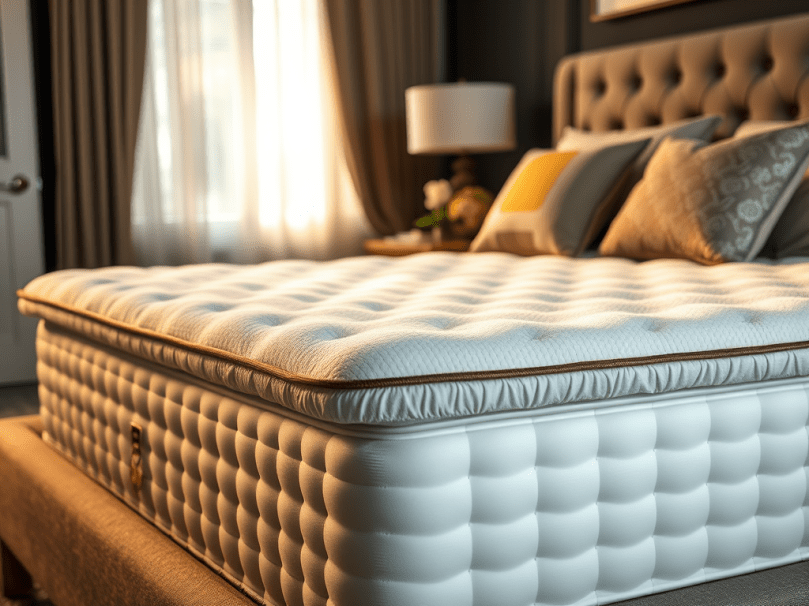
Final Thought
Yes — mattress toppers can make a meaningful difference. They’re an accessible way to enhance comfort, support or feel of a bed without the cost of a full mattress. They also fit nicely into a home-decor conversation (upgrade, refresh, customize your space). The key in your blog post will be helping readers choose wisely based on their current mattress condition, budget, sleep style, and decor goals — and providing them with good options (as above) so they feel empowered.





 Discoveringlifellc