
The Meaning of Colors: What Your Decor Might Be Saying


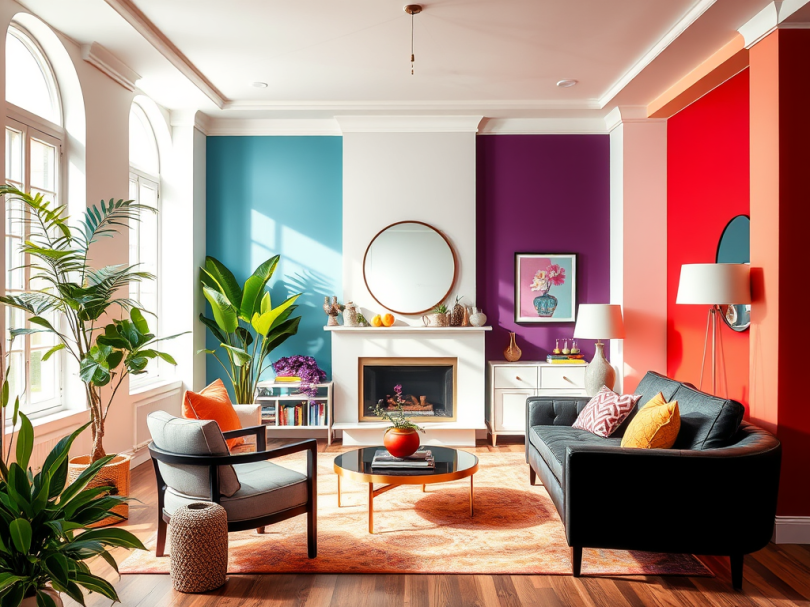
Have you ever walked into a room and instantly felt calm… or maybe energized, cozy, or even uneasy? That’s the power of color at work. The colors you surround yourself with don’t just make your space look good—they influence how you feel, think, and even behave.

Whether you’re picking paint for your walls, styling a new room, or just curious about what your favorite colors might say about you, understanding the meaning of colors can help you create a home that truly reflects and supports who you are.


Green – Balance, Growth, and Renewal

Green is the color of nature, and it brings harmony and freshness into a space. It’s perfect for living rooms, offices, or bathrooms—anywhere you want to feel relaxed and refreshed. Want to boost a sense of well-being? Add plants or accents in calming sage or deep forest green.


Yellow – Energy, Joy, and Optimism

Yellow is like sunshine in decor form. It lifts moods, sparks creativity, and adds cheerfulness. This color is great for kitchens, breakfast nooks, and kids’ play areas. Just remember—a little goes a long way. Overusing bright yellow can feel overwhelming.


Blue – Peace, Trust, and Calm

Blue is one of the most popular colors in home design, and for good reason. It evokes calm and serenity, especially in lighter shades. Navy adds sophistication, while soft blues promote tranquility—perfect for bedrooms and bathrooms.


Red – Passion, Power, and Excitement

Red is bold, intense, and full of emotion. It’s a great accent color for dining rooms or areas where you want to spark conversation and energy. However, too much red can be overstimulating, so balance it with neutrals or softer tones.


Purple – Luxury, Creativity, and Spirituality

Historically tied to royalty, purple is both luxurious and mysterious. It works beautifully in bedrooms, meditation spaces, or artistic corners of the home. Lavender brings softness and romance, while deeper purples convey drama and depth.


White – Purity, Simplicity, and Cleanliness

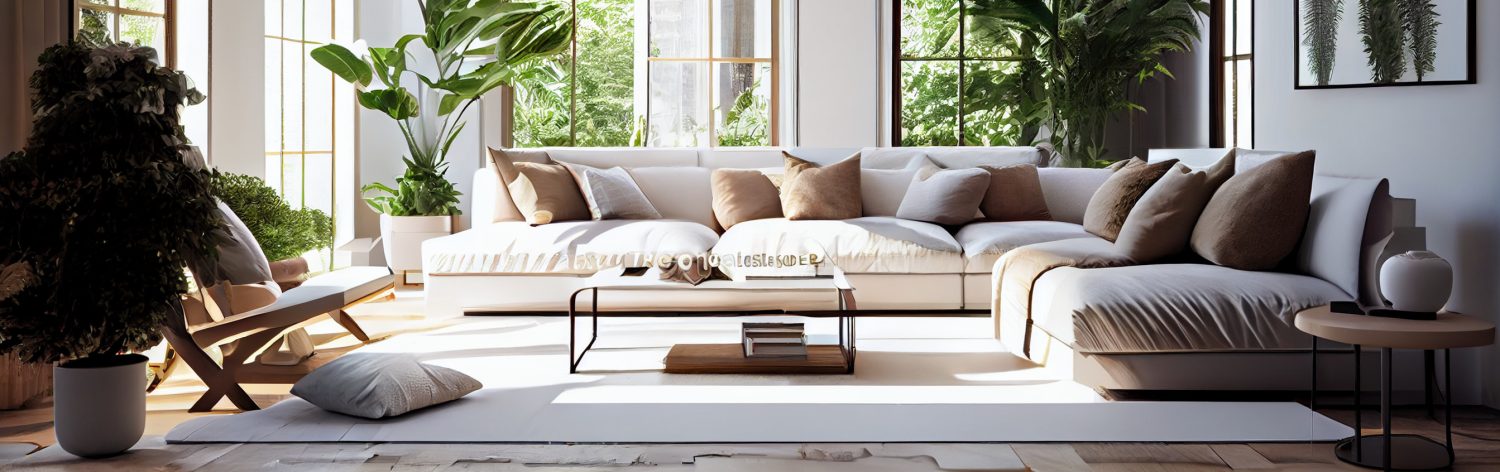
White opens up spaces, promotes clarity, and acts as a blank canvas for other elements. While it can feel sterile on its own, layering whites with textures or warmer tones makes it feel inviting and peaceful—perfect for minimalist or modern styles.


Black – Strength, Elegance, and Sophistication

Used thoughtfully, black adds drama and depth. It can ground a room and create contrast, especially when paired with lighter tones. Black accents or furniture can make a statement without overwhelming a space.


Orange – Warmth, Vitality, and Creativity

Orange is a friendly, high-energy color that’s great for social spaces like living rooms or home gyms. Terracotta or burnt orange shades feel cozy and modern, while brighter oranges scream fun and playfulness.


Brown – Stability, Comfort, and Earthiness

Brown tones—especially in wood furniture or decor—add warmth and grounding energy to your home. It’s comforting and timeless, making it ideal for dens, libraries, or any space where you want to feel secure.


Pink – Compassion, Love, and Softness

Pink can be sweet or sophisticated, depending on the shade. Blush tones are great for calm, romantic spaces, while brighter pinks offer a pop of playfulness and charm. Don’t be afraid to explore this color beyond just nurseries!


Final Thoughts: What Is Your Home Saying?

When decorating, you’re not just choosing a look—you’re crafting a feeling. The colors you choose communicate emotions, values, and even dreams. So take a moment, look around your home, and ask yourself: Does this feel like me?

If not, it might be time to pick up a paintbrush, swap out some throw pillows, or rethink your color palette. Because at the end of the day, your home should reflect not only your style—but also your soul.
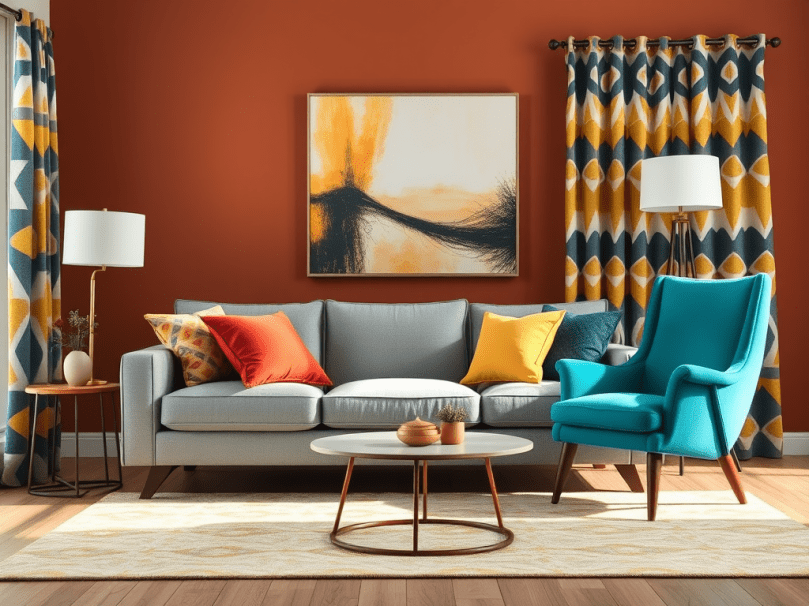
How to Use Multiple Colors in One Room and Still Keep It Stylish & Cohesive


Introduction:
When decorating a room, one of the biggest concerns is whether using multiple colors will make the space feel chaotic. The good news? When done right, layering colors can elevate your space, add personality, and still feel cohesive. It’s all about balance, thoughtful placement, and keeping your color palette in check.

Here’s how to mix two or more colors in a room—and some stylish product picks to help you get started.


1. Start with a Base Color

Choose a base color that grounds the room—neutrals like soft whites, beiges, or grays work perfectly. This will allow your added colors to pop without overwhelming the space.

Product Recommendation:
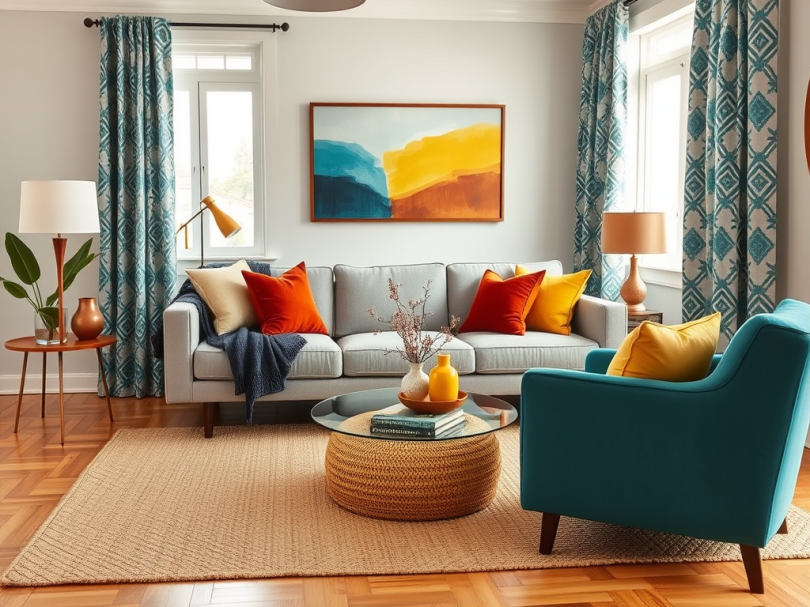
Rivet Cove Mid-Century Modern Sofa (Stone Gray) – Available on Amazon
Perfect neutral base for your living room that works well with pops of color in cushions or wall art.


2. Use the 60-30-10 Color Rule

Remember this classic rule:

  • 60% dominant color – walls, rugs, large furniture
  • 30% secondary color – curtains, chairs, smaller furniture
  • 10% accent color – pillows, art, vases

Product Recommendations:
Dominant: NuLOOM Rigo Hand Woven Jute Rug (Natural)
Secondary: Christopher Knight Home Velvet Accent Chair (Teal)
Accent: Abstract Throw Pillows in Rust and Mustard Yellow (Amazon Set of 2)


3. Find a Common Thread

Tie colors together with shared undertones or through patterns.

Product Recommendations:
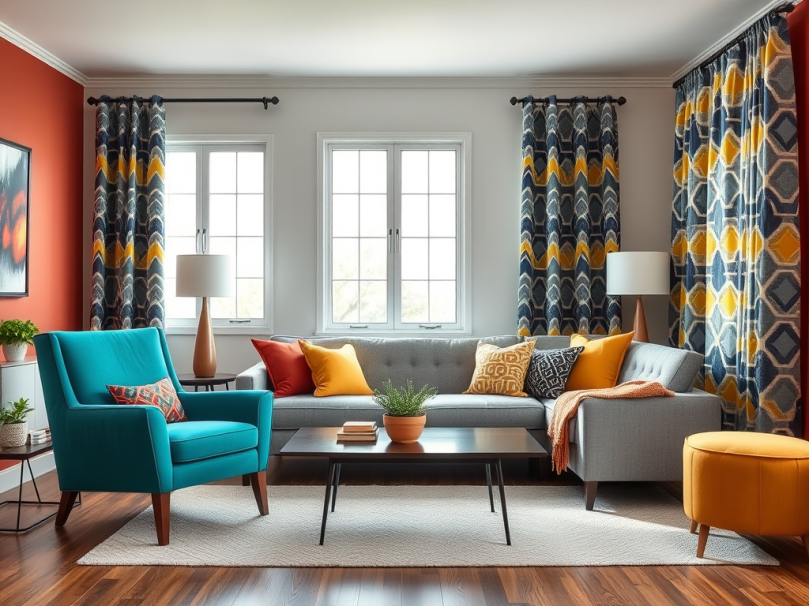
Rivet Modern Geometric Print Curtains (Navy/Yellow/Gray)
These patterned curtains mix blue, yellow, and gray tones—perfect for pulling your color palette together without feeling forced.


4. Try Color Blocking or Accent Walls

Color blocking can anchor a space without overpowering it. Paint one wall a bold color or introduce a colorful furniture piece.

Product Recommendations:
BEHR Paint in “Canyon Dusk” – A warm terracotta hue that’s perfect for an accent wall.
Or:
Modway Render Mid-Century Modern TV Stand in Walnut and White – Adds both wood tones and a touch of white for balance.


5. Get Inspired by Nature’s Color Combinations

Nature offers perfect color palettes—think greens and browns, blues and sandy tones.

Product Recommendation:
Madison Park Natural Landscape Framed Wall Art – Combines sky blue, earthy browns, and green tones, making it easy to build your color scheme around.


6. Layer with Patterns and Textures

Adding textures and patterns breaks up color blocks and softens the look.

Product Recommendations:
Bedsure Chunky Knit Blanket (Cream or Olive Green) – Adds texture without adding more color intensity.
Stone & Beam Modern Farmhouse Plaid Throw Pillows – Easy way to introduce multiple colors subtly.


7. Use Lighting to Enhance Colors

Good lighting enhances colors and prevents the room from feeling heavy.

Product Recommendations:
Brightech Sky LED Torchiere Floor Lamp (Warm Light) – Provides soft light that enhances warm tones.
Or:
Seaside Village Dimmable Vintage Table Lamp with a Fabric Shade – Great for accenting cooler tones.


Example Color Combinations that Work Well Together

PalettePrimary ColorSecondary ColorAccent Color
Coastal CalmSoft GraySeafoam GreenNavy Blue
Earthy BohoWarm BeigeTerracottaOlive Green
Modern GlamCreamEmerald GreenGold
Vibrant EnergyWhiteTealMustard Yellow

Final Thoughts:

The secret to using multiple colors in one room is balance and intention. Let one color lead, the second support, and the third create pops of interest. Patterns, textures, and thoughtful placement ensure the colors don’t compete, but instead, work together to tell a stylish, cohesive story.

💬 Pro Tip: Use color swatches or apps like Sherwin-Williams ColorSnap or Benjamin Moore Color Portfolio to play around with color pairings before committing.


Ready to add color to your space?

Here are some shoppable picks to get started:


What color combinations do you love? Drop your ideas in the comments!