
A small living room doesn’t mean you have to sacrifice comfort, style, or functionality. With the right furniture choices, even the tiniest spaces can feel open, welcoming, and thoughtfully put together. The key is choosing pieces that balance scale, storage, and style so you get the most out of every square inch.
1. Measure Your Space First
Before you even start browsing furniture, pull out the tape measure. Write down the exact dimensions of your living room and note any unique features like radiators, windows, or door swings. This helps you avoid buying pieces that are either too bulky or leave awkward gaps. A floor plan (even a rough sketch) will guide your shopping and keep you from falling in love with something that just won’t fit.
2. Choose Scaled-Down Seating
The sofa is usually the largest piece in any living room, so scaling it properly is crucial. Instead of a full-size sectional, consider:
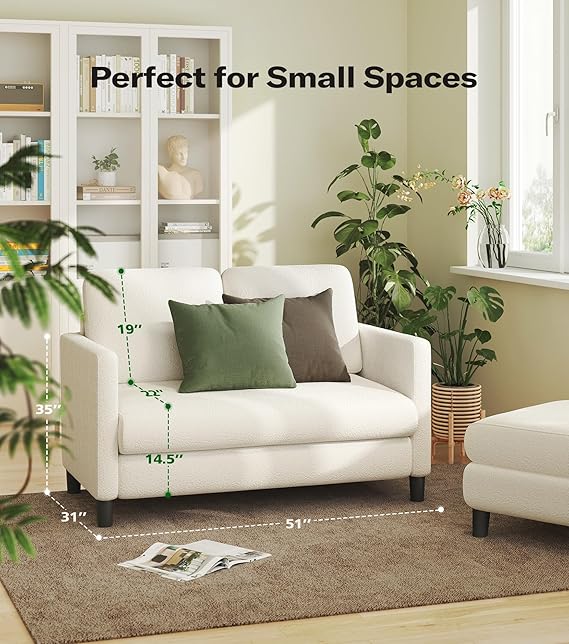
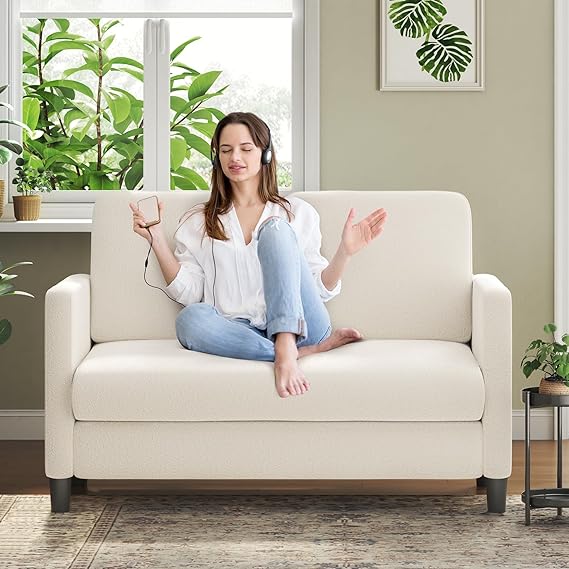
- Loveseats: Cozy two-seater sofas that save floor space.
- Apartment-size sofas: Slightly smaller than a standard couch but still comfortable.
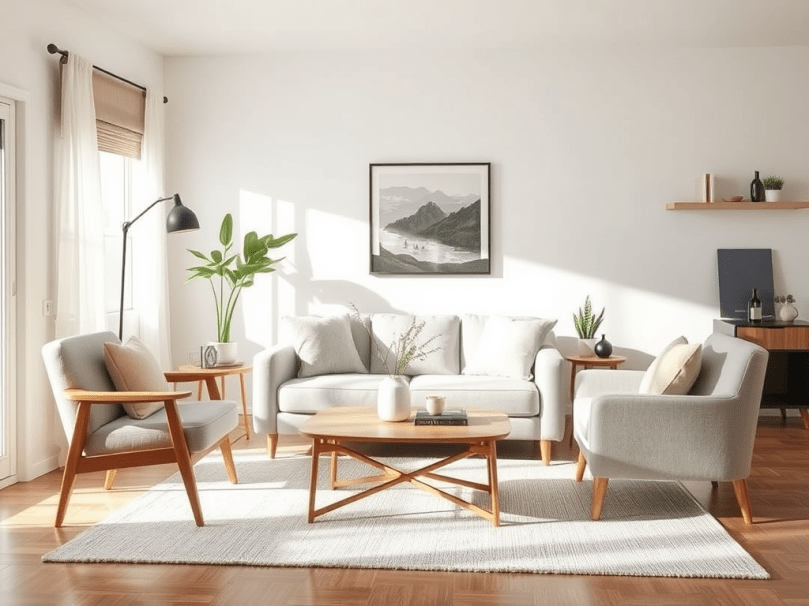
- Chairs and accent seating: Swapping a large couch for two armchairs can sometimes open the room visually.
Tip: Look for sofas with exposed legs or slim arms—they give the illusion of more space.
3. Multi-Functional Furniture is Your Best Friend
In a small living room, every piece should work harder. Think:
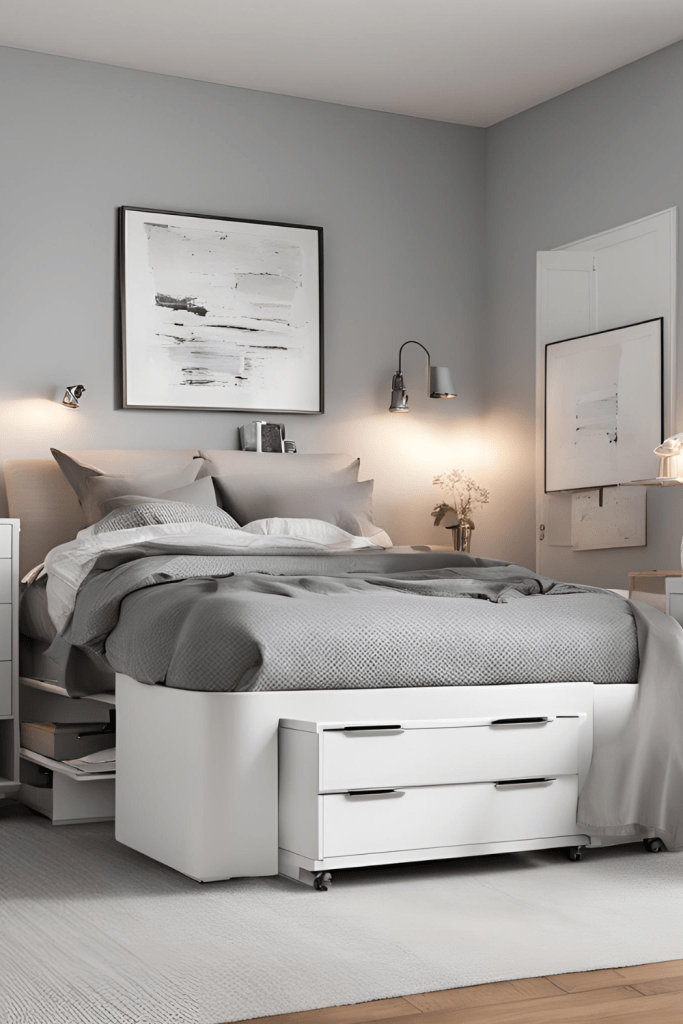
- Ottomans with hidden storage
- Coffee tables that lift into a desk
- Side tables that double as stools or extra seating
- Wall-mounted shelving instead of bulky bookcases
These options keep clutter at bay while making your room flexible for different needs.
4. Go Vertical with Storage
When floor space is limited, look up. Floating shelves, tall narrow cabinets, or ladder-style shelving units draw the eye upward and maximize wall space without crowding the room.
5. Consider Lightweight, Movable Pieces
Avoid overfilling your space with heavy furniture. Instead, try nesting tables, rolling carts, or folding chairs that can be moved out of the way when not in use. This gives you more flexibility for entertaining and day-to-day living.
6. Play with Light and Color
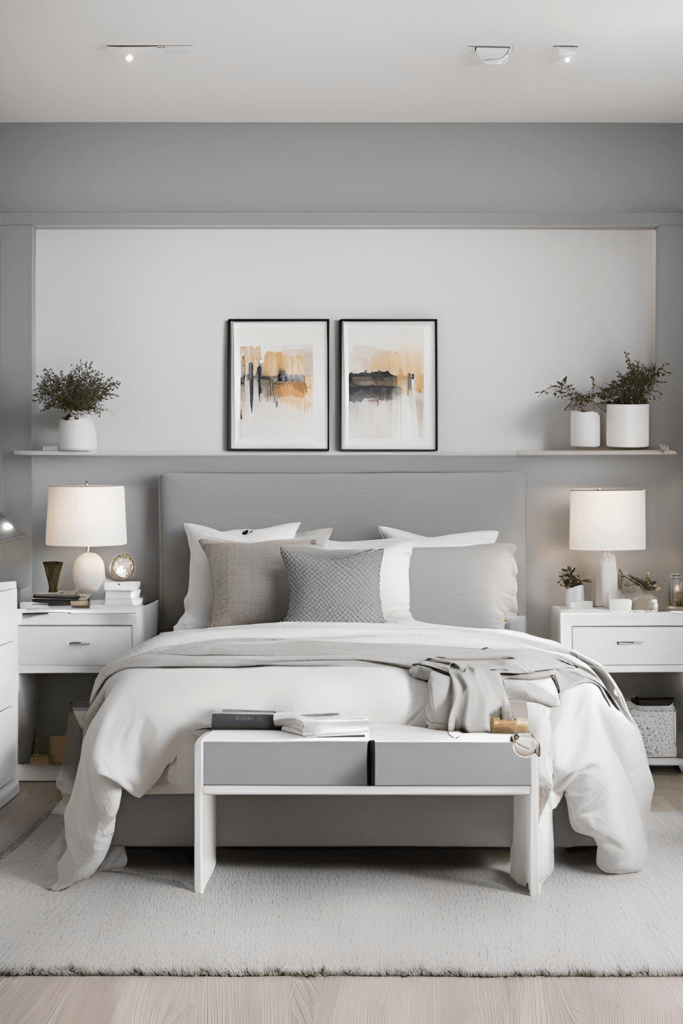
Furniture doesn’t only affect size—it impacts how spacious a room feels. Choose lighter upholstery, glass or acrylic tables, and reflective surfaces to create the illusion of openness. If you love darker tones, balance them with lighter walls or accessories so the room doesn’t feel closed in.
7. Don’t Forget Personal Style
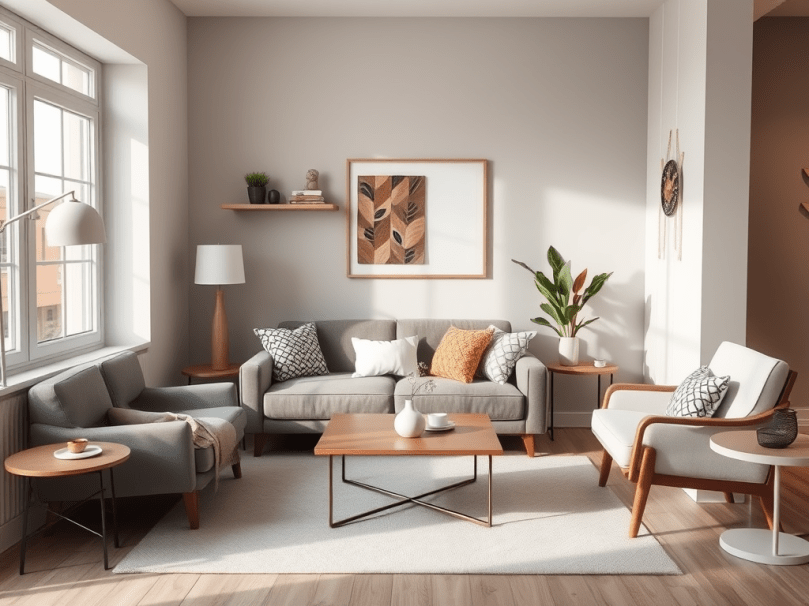
Just because your living room is small doesn’t mean it has to feel generic. Choose one or two standout pieces—maybe a colorful chair, a patterned rug, or a statement coffee table—that reflect your personality. The key is balance: bold accents in small doses keep the space stylish without overwhelming it.
Final Thoughts
Furnishing a small living room is less about size and more about intention. By measuring carefully, choosing multi-purpose pieces, and keeping scale in mind, you can transform even the tiniest living room into a stylish, comfortable space that works for your everyday life.
Bonus (product recommendations)
- Apt2B Harper Apartment Sofa
With its sleek design and apartment-friendly proportions, this couch brings style and comfort to compact spaces. - Modern Nesting Coffee Table Set Chestnut Side Table Wooden End Table Living Room Furniture Housewarming Gift
A set of refined nesting tables that stack neatly to save space—perfect for flexible surface needs. - Lifestyle Solutions Monroe Convertible Loveseat
A versatile loveseat that converts into a full-size bed—ideal for multi-use rooms or overnight guests.




 Discoveringlifellc