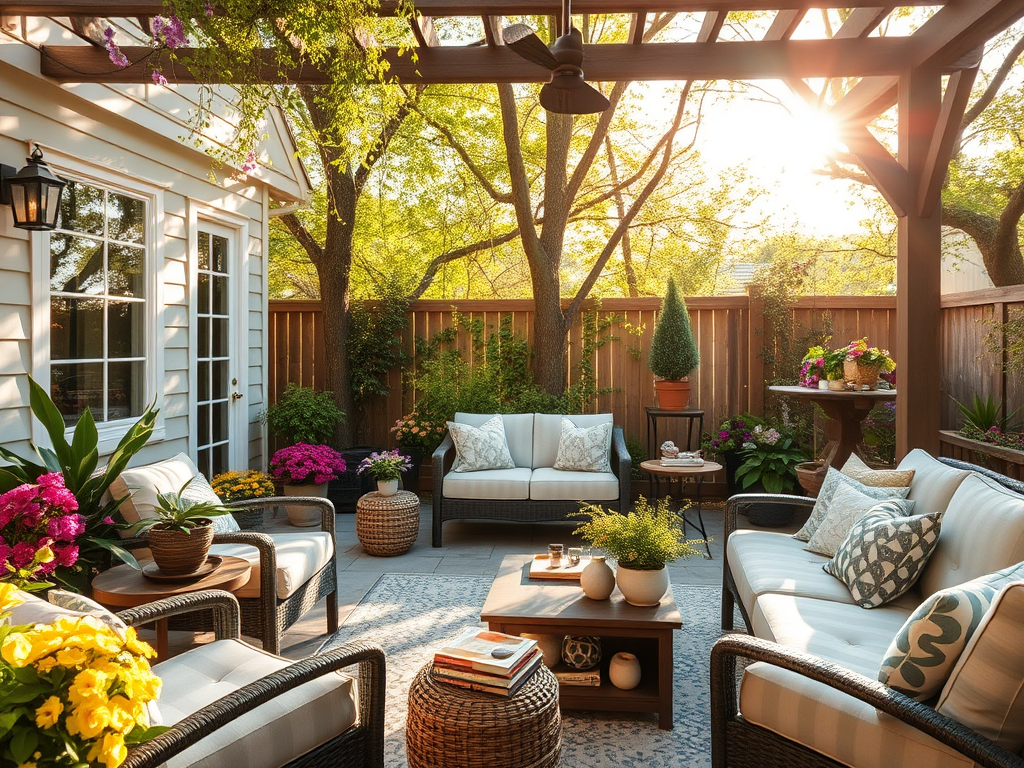
Choosing the Right Coffee Table for Your Living Room


A coffee table may seem like a small decision compared to a sofa or sectional, but it often becomes the centerpiece of your living room. It anchors the space, adds functionality, and helps tie your entire design together. Choosing the right coffee table isn’t just about looks—it’s about balance, lifestyle, and how you actually use your space.

If you’ve ever felt overwhelmed by the endless styles, shapes, and materials available, you’re not alone. Let’s break it down so you can confidently choose a coffee table that works beautifully in your home.


Start With Size and Proportion

One of the most common mistakes people make is choosing a coffee table that’s either too big or too small for the seating area.

A good rule of thumb:

  • Your coffee table should be about two-thirds the length of your sofa
  • The height should be the same height or slightly lower than your sofa cushions
  • Leave 12–18 inches of space between the table and seating for comfortable movement

In smaller living rooms, oversized tables can make the space feel cramped, while tiny tables in large rooms can look lost.


Choose a Shape That Fits Your Layout

The shape of your coffee table should complement your seating arrangement and traffic flow.

  • Rectangular coffee tables work best with standard sofas and sectionals
  • Square tables are great for large seating areas or sectionals with equal sides
  • Round or oval tables are ideal for small spaces or homes with kids, as they soften the room and eliminate sharp corners
  • Nesting tables offer flexibility and are perfect for multifunctional living rooms

Think about how people move through the space and choose a shape that keeps things flowing smoothly.


Consider Your Lifestyle

Your lifestyle should play a big role in your decision.

Ask yourself:

  • Do you entertain often?
  • Do you need extra storage?
  • Do you have kids or pets?
  • Do you eat meals or work from the couch?

If you need storage, look for coffee tables with drawers, shelves, or lift-top designs. If durability matters, materials like wood, metal, or tempered glass are easier to maintain than delicate finishes.


Pick the Right Material

Coffee table materials can completely change the look and feel of a room.

  • Wood coffee tables add warmth and work well in farmhouse, traditional, and transitional spaces
  • Glass tables create an open, airy feel and are great for smaller rooms
  • Metal or mixed-material tables bring in a modern or industrial edge
  • Upholstered or ottoman-style tables add softness and can double as extra seating

The key is balance—if your room already has a lot of wood, consider mixing in metal or glass for contrast.


Match Your Home’s Style (Without Being Too Matchy)

Your coffee table should complement your home’s style, not compete with it.

  • Minimalist homes benefit from clean lines and simple silhouettes
  • Boho spaces shine with natural textures and unique shapes
  • Modern homes look best with sleek finishes and bold materials
  • Traditional spaces pair well with classic wood tones and details

Instead of matching everything perfectly, aim for pieces that feel cohesive but still interesting.


Don’t Forget Functionality

A coffee table isn’t just decorative—it’s meant to be used.

Look for features that make life easier, such as:

  • Lift-top designs for working or dining
  • Lower shelves for books or baskets
  • Rounded edges for safety
  • Lightweight designs that are easy to move

Function should always come first, especially in everyday living spaces.


Style It With Purpose

Once you’ve chosen the right coffee table, styling brings it to life.

Keep it simple with:

  • A small tray for organization
  • A stack of books
  • A decorative object or candle
  • A touch of greenery

Less is more—your coffee table should feel styled but still usable.


Final Thoughts

Choosing the right coffee table is about more than trends. It’s about finding a piece that fits your space, supports your lifestyle, and reflects your personal style. When you take time to consider size, shape, material, and function, your coffee table becomes a seamless part of your living room—not just another piece of furniture.

A well-chosen coffee table doesn’t just fill space—it brings the room together.


How to Design Your Home in a Contemporary Style: A Simple Guide to Fresh, Functional Living


Contemporary home style is one of the most sought-after looks in today’s interior design world—and for good reason. It’s clean, comfortable, flexible, and effortlessly stylish. But what makes a home contemporary, exactly? And how can you bring this look into your own space without it feeling cold or overly minimal?

Let’s break down what contemporary home style really means and how you can design your home using its core principles.


What Is Contemporary Home Style?

Contemporary style refers to what’s current—the design trends happening right now. Unlike modern style (which refers to a specific time period), contemporary style is ever-evolving. Today’s contemporary homes usually include:

  • Clean, smooth lines
  • Neutral color palettes
  • Natural light
  • Innovative materials
  • Thoughtful use of texture
  • Minimal yet warm décor choices
  • Open layouts that feel airy and uncluttered

You can think of contemporary design as a blend of minimalism + comfort + artistic expression.


1. Start With a Neutral Foundation

Contemporary interiors typically begin with a neutral palette. Think soft whites, creams, taupes, warm grays, and blacks. This doesn’t mean your home has to be colorless—these neutrals simply serve as your backdrop.

Tips to achieve this:

  • Paint walls in warm white or light beige to keep the space bright.
  • Choose large furniture pieces in solid, neutral colors.
  • Add contrast with black hardware, dark accent chairs, or charcoal decor.

This foundational palette allows your artwork, textures, and statement pieces to shine.


2. Embrace Clean, Simple Lines

Straight, smooth, and unembellished lines define contemporary style. Everything from your sofa arms to your cabinetry to your lighting should feel sleek and intentional.

Where to incorporate this:

  • Opt for streamlined furniture—avoid ornate details.
  • Choose flat-panel kitchen cabinets.
  • Use slender, minimalistic lighting fixtures.
  • Select geometric shapes for décor and furniture (rectangles, ovals, rounded edges).

This keeps your home feeling fresh rather than busy.


3. Incorporate Natural Light

Light plays a huge role in contemporary design. The goal is to create spaces that feel open, airy, and connected to the outdoors.

Simple ways to maximize light:

  • Use sheer curtains or roller shades instead of heavy drapery.
  • Add mirrors to reflect light.
  • Keep window trim and furniture placement minimal.
  • Choose light fixtures with warm LED bulbs for a soft glow.

Natural light helps neutral colors feel more vibrant and textured.


4. Mix Materials for Added Interest

Because contemporary style is clean and simple, mixing materials is essential for preventing your home from feeling flat.

Try pairing:

  • Glass with metal
  • Wood with stone
  • Leather with fabric
  • Polished surfaces with matte finishes

Think: a marble coffee table, a wood accent wall, or a metal-framed mirror. Each adds depth without adding clutter.


5. Let Texture Speak for You

Contemporary design uses texture to add personality, especially when the color palette is neutral.

Textures that work well:

  • Textured rugs (looped, woven, or shag)
  • Bouclé or linen upholstery
  • Slatted wall panels
  • Ceramic vases
  • Soft, layered throws

Texture warms up the space and balances clean lines.


6. Use Minimal but Meaningful Decor

Contemporary homes aren’t empty—they’re simply curated. Every piece should feel intentional, adding purpose or beauty.

Ideas for décor:

  • Oversized abstract artwork
  • Sculptural vases
  • One or two impactful statement pieces
  • Plants with architectural shapes (snake plants, fiddle leaf figs)
  • Open space as a “design element”

Think quality over quantity. Less visual noise = more impact.


7. Create Open, Functional Layouts

The heart of contemporary design is flow. Rooms should feel connected, uncluttered, and easily navigated.

How to achieve this:

  • Keep pathways clear.
  • Float furniture rather than pushing everything against the wall.
  • Use multifunctional pieces (storage ottomans, nesting tables).
  • If you have a small space, choose furniture with legs instead of bulky bases to keep things airy.

8. Add Pops of Color Through Art and Accessories

While contemporary homes lean neutral, they are not afraid of bold color—it’s just used strategically.

Use color in:

  • Artwork
  • Accent cushions
  • Rugs
  • A single statement chair
  • Floral arrangements

This allows flexibility: you can change the vibe of your home seasonally without fully redecorating.


9. Keep Clutter Out of Sight

Storage is your friend. Contemporary homes thrive when surfaces stay clean and items are tucked away.

Quick clutter-free rules:

  • Invest in closed storage cabinets.
  • Use decorative baskets for everyday items.
  • Make a habit of “one in, one out” when buying decor.
  • Keep kitchen and bathroom counters clear.

A clean environment feels instantly more contemporary.


Final Thoughts

Designing a contemporary home is all about balance—simple but warm, clean but lived-in, neutral but expressive. When you combine smooth lines with natural light, thoughtful textures, curated decor, and a functional layout, your home becomes a calming yet stylish reflection of today’s design trends.

Whether you’re updating one room or your entire home, contemporary style offers a versatile, timeless foundation that adapts as trends evolve.


Why Trees Are a Must-Have for Your Home: Beauty, Purpose & Perfect Curb Appeal


When you’re house hunting, you probably look for the usual things—an updated kitchen, a spacious living room, maybe a cozy nook for reading or working. But there’s one feature many of us overlook until we see it, feel it, and instantly fall in love: the trees.

Whether you’re someone who must have a tree in your front yard, back yard, or both, you’re not alone. Trees carry an emotional weight that goes deeper than simple landscaping. For many homeowners, a tree isn’t just a plant—it’s a piece of home.


Are You the Kind of Person Who Needs a Tree?

Some people won’t even consider a house unless it comes with a little shade and a view of branches swaying in the breeze. And honestly? There’s a good reason for that.

If you’re someone who needs a tree (or a few!) on your property, you probably value:

A Sense of Serenity

Trees instantly calm a space. Looking out your window and seeing greenery can lower stress, boost your mood, and make your home feel like a restful retreat.

A Strong Connection to Nature

Trees bring life right to your doorstep. Birds, butterflies, and sunlight filtering through leaves remind you that your home is part of something bigger.

Shade & Comfort

Some of us simply need a shady spot to sip morning coffee or a cool backyard corner to escape the summer heat.


Why Trees Are a Must-Have When Buying a Home

Even if you’re not naturally tree-obsessed, trees add tremendous value to your home—practically and emotionally. Here’s why they matter:

1. Curb Appeal

A mature tree immediately makes a home feel established, inviting, and well-loved. It frames the house, softens lines, and elevates your exterior just like the right rug does indoors.

2. Environmental Benefits

Trees clean the air, reduce noise, and even help cool your home naturally. A strategically placed tree can lower your energy bill by shading windows and reducing heat gain.

3. Long-Term Value

Homes with healthy trees often have higher property values. In fact, many buyers view a large, beautiful tree as an asset—something that takes years to grow but adds instant charm.

4. Emotional Warmth

There’s something magical about watching a tree change with the seasons—new leaves in the spring, shade in the summer, color in the fall. It gives your home a rhythm and a personality.


What Is the Purpose of Trees Around the Home?

Aside from their beauty, trees serve several important purposes:

  • Privacy – Natural screening from neighbors or busy streets
  • Shade – Energy savings and outdoor comfort
  • Windbreaks – Protection from harsh weather
  • Habitat – Welcoming wildlife that brings your yard to life
  • Structure – Helping shape the yard and guide outdoor design
  • Symbolism – Growth, stability, and new beginnings

Many homeowners even plant a tree to mark a special occasion—a birth, anniversary, or major milestone.


How People Make Trees Part of Their Home Decor

Trees aren’t just background scenery—they often become part of a home’s design story, indoors and out. Here’s how:

Outdoor Decor Pairings

  • Hanging lights from branches for a cozy backyard glow
  • Placing a bench or hammock beneath a tree for a curated relaxation zone
  • Creating stone or mulch circles around the base to make them look intentional and styled
  • Adding seasonal decor—lanterns, ornaments, or planters—to highlight their beauty

Indoor Style Inspiration

  • Using tree views as “living artwork” framed by windows
  • Decorating with wood textures that reflect the outdoor greenery
  • Bringing in small indoor trees, like fiddle leaf figs or olive trees, to mimic the natural aesthetic
  • Displaying photos, prints, or artwork of trees to create a cohesive vibe

Final Thoughts: Trees Just Make a Home Feel Like… Home

Whether you’re drawn to the shade, the symbolism, or the pure beauty of a tree-filled yard, one thing is clear: trees transform a house into a sanctuary. They’re not just part of the landscape—they’re part of the lifestyle.

So if you’re looking for a new home and you feel yourself leaning toward the property with that perfect front-yard maple or the backyard oak with a swing… trust your instinct. Trees have a way of grounding us, welcoming us, and making our homes feel complete.


Finding Storage Options for Your Home: A Comprehensive Guide to Maximizing Every Room


If your home feels cluttered, tight, or just not as organized as you’d like, you’re not alone. Finding extra storage for every room can feel overwhelming—especially when you want to keep things stylish and functional. The good news? With the right ideas and a little creativity, you can uncover hidden storage opportunities in every corner of your home.

Whether you live in a small apartment, a growing family household, or a cozy space with limited closets, this comprehensive guide will walk you through smart, attractive, and realistic storage solutions for every room in your home.


1. Living Room Storage Ideas

Your living room is where everything tends to gather—remotes, blankets, toys, games, and more. Try incorporating furniture that works double-duty:

✔ Storage Ottomans

Perfect for blankets, board games, or seasonal décor. They also bring texture and style to your space.

✔ TV Stands With Built-In Shelving

Modern TV stands now offer incredible hidden storage—great for minimizing clutter.

✔ Floating Shelves

A must-have for small spaces. Use them to display décor while freeing up valuable floor space.

✔ Baskets in Corners

Simple, stylish, and functional. Try woven baskets for a cozy, organic look.


2. Bedroom Storage Solutions

Bedrooms often carry hidden potential for storage—especially if you think vertically or take advantage of underused space.

✔ Under-Bed Drawers or Bins

This is prime storage real estate! Use it for bedding, off-season clothing, or shoes.

✔ Bed Frames With Built-In Storage

Many modern bed frames now offer cubbies or drawers beneath.

✔ Over-the-Door Organizers

They work wonders for shoes, accessories, toiletries, or even snacks (yes, people do this!).

✔ Nightstands With Drawers or Cabinets

Skip the decorative-only tables and choose one that adds functionality.


3. Kitchen Storage Hacks

The kitchen is notorious for items that accumulate quickly. Maximize your storage while keeping your kitchen feeling open and efficient.

✔ Pull-Out Cabinet Organizers

Keep pots, pans, and spices easily accessible.

✔ Wall-Mounted Racks or Rails

Use them for utensils, pots, cutting boards, or even plants.

✔ Tiered Shelf Organizers

Ideal for cabinets and pantries to ensure you can see everything at a glance.

✔ Magnetic Spice Racks

Perfect for saving shelf space and keeping spices within reach.


4. Bathroom Storage Tips

Bathrooms—especially small ones—can quickly become cluttered. Here’s how to stay organized without sacrificing style.

✔ Over-the-Toilet Shelving

A classic for a reason. This transforms vertical space into usable storage.

✔ Drawer Organizers

A lifesaver for makeup, skincare, and toiletries.

✔ Rolling Carts

Great for tight spaces and perfect for kids’ bathrooms.

✔ Wall Cabinets

Slim profile storage that adds function without crowding your bathroom.


5. Home Office & Workspace Storage

A cluttered workspace leads to a cluttered mind. Keep your home office efficient and inspiring.

✔ File Cabinets That Fit Under Your Desk

Use that wasted under-desk space with slim and stylish cabinets.

✔ Floating Desks With Shelving

Great for small rooms where floor space is limited.

✔ Wall-Mounted Pegboards

A trendy and functional solution for organizing tools, accessories, office supplies, or craft materials.

✔ Labelled Storage Bins

Keep your workflow smooth by knowing exactly where everything is.


6. Entryway & Mudroom Storage

Your entryway sets the tone for the rest of your home—keep it welcoming, not cluttered.

✔ Bench Seating With Storage

Hide shoes, bags, or sports gear inside.

✔ Wall Hooks & Peg Rails

Perfect for jackets, bags, and keys.

✔ Slim Console Tables

Add baskets below for extra organization.


7. Kids’ Room Storage Ideas

Kids accumulate stuff—toys, books, clothes, and things you didn’t even know existed. Smart storage keeps chaos under control.

✔ Cube Shelving Units

They’re durable, versatile, and perfect for totes.

✔ Toy Chests

A timeless storage solution that encourages easy cleanup.

✔ Book Display Racks

Front-facing shelves help kids see and choose books easily.

✔ Under-Bed Toy Storage

Great for quick cleanup in a busy household.


8. Laundry Room Storage

Even the laundry room deserves attention when it comes to storage.

✔ Wall-Mounted Drying Racks

Foldable, functional, and perfect for small spaces.

✔ Over-the-Washer Shelves

Store detergents, cleaners, and laundry baskets neatly.

✔ Rolling Slim Carts

Slide them between appliances for hidden storage.


Final Thoughts: Store Smart, Not Hard

Finding storage options for your home doesn’t have to mean buying more bulky furniture or filling your home with bins. Instead, focus on making the most of the space you already have, incorporating multifunctional pieces, and choosing storage that enhances your home’s aesthetic.

Whether you’re updating one room or doing a full-home organizational reset, these ideas help you create a space that feels calm, tidy, and beautifully put together.

Great idea — below are product recommendations you can plug into your storage-solutions blog post, along with where to find them (retailer links). I organized them roughly by purpose/room to match the sections of your article.


Recommended Storage Products for Your Home

HOMCOM 47 Inches Storage Ottoman Bench

Living room / entryway ottoman

$79.30

Mainstays Collapsible Storage Ottoman

Compact ottoman

$21.84

Brightroom 41 qt Clear Under‑Bed Storage Box

Under‑bed storage bin

$10.00

Sterilite 66 Quart Wheeled Latching Storage Bin

Under‑bed wheeled storage

$19.98

Mainstays Wall Floating Shelves (Set of 2)

Wall shelves

$11.64

Style Selections 3‑Tier Rolling Kitchen Cart

Kitchen cart

$109.00

Black Over‑Toilet Shelf 3‑Tier Bathroom Rack

Bathroom shelf

$79.99

ClosetMaid Cubeicals 9‑Cube Storage Organizer

Cube organizer

$50.32

Highlights & How They Fit In

  • HOMCOM 47 Inches Storage Ottoman Bench — A dual-purpose piece: use it as extra seating, a footrest, or a storage chest. Great for living rooms, bedrooms, or entryways to hide blankets, magazines, or seasonal décor.
  • Mainstays Collapsible Storage Ottoman — Simple, budget-friendly cube ottoman that’s easy to fold away when not in use. Ideal for small spaces or as a discreet catch-all for toys, linens, or household items.
  • Brightroom 41 qt Clear Under‑Bed Storage Box — A space-efficient under-bed bin with a snap-on lid — perfect for storing out-of-season clothes, extra bedding, or shoes. Good solution if you want to reclaim closet or floor space.
  • Sterilite 66 Quart Wheeled Latching Storage Bin — Large capacity, clear, wheeled bin that slides easily under beds or sofas. Great for storing bulky items (blankets, extra linens, wrapping paper) while keeping them out of sight.
  • Mainstays Wall Floating Shelves (Set of 2) — A simple wall-mounted shelf pair to help with vertical storage. Use them in living rooms, bedrooms, hallways — ideal for décor, plants, books, or small storage baskets.
  • Style Selections 3‑Tier Rolling Kitchen Cart — A versatile kitchen or pantry cart with adjustable shelves and rolling casters. Perfect for extra kitchen storage — for pots, appliances, or pantry staples — while still being mobile.
  • Black Over‑Toilet Shelf 3‑Tier Bathroom Rack — A great vertical storage solution for bathrooms, especially small ones. You can store towels, toiletries, or spare supplies without needing to drill.
  • ClosetMaid Cubeicals 9‑Cube Storage Organizer — A sturdy, versatile cube organizer that works across bedrooms, playrooms, home offices, or closets — great for books, clothes, baskets, or decorative items.

Unlocking the Magic of Secret Rooms: How to Transform a Hidden Space Into a Functional Home Feature


Have a secret room in your home—but no idea what to do with it? Whether it’s a hidden alcove behind a bookcase, an unused storage room under the stairs, or a cleverly concealed spare room tucked behind a door that blends into the wall, secret rooms offer endless potential. They’re exciting, mysterious, and full of opportunity… but they can also be intimidating to decorate or style.

If your secret room currently feels more like a mystery closet than a meaningful part of your home, don’t worry. With a little inspiration, you can turn it into a functional, beautiful, and truly unique space that brings your home to life.

Here’s how to dress it up (or down) and make your hidden haven a usable, stylish part of your home.


1. Start With the Purpose: What Do You Want This Room to Be?

Before you buy furniture or paint a single wall, decide on the room’s purpose. Secret rooms are blank slates, and the possibilities are endless:

Ideas for Your Hidden Space

  • A cozy reading nook – Add a plush chair, layered lighting, and floating shelves.
  • A home office – Perfect for privacy and deep focus.
  • A kids’ hideout – Their own “secret clubhouse” for playtime.
  • A mini home theater – Dark walls + LED lighting = instant movie magic.
  • A hobby room – Crafting, painting, model building, or sewing.
  • A meditation or quiet room – Soft textures, warm lighting, peaceful décor.
  • A wine tasting nook – Install slimline racks and mood lighting.
  • A walk-in pantry extension – If your hidden space is near the kitchen.
  • A home bar – Add a counter, glass shelving, and bar stools.
  • Extra storage—but make it pretty – Stylish baskets, built-in shelving, or hidden drawers.

Choosing a function will guide every design choice that comes next—from lighting and paint to furniture and flooring.


2. Dress It Up: Make It Feel Designed, Not Accidental

Secret rooms are inherently cool. But to make them useful, they need intentional design.

Lighting Is Everything

Because hidden rooms often lack windows, lighting can make or break the vibe.

  • Use layered lighting: ceiling fixture + floor lamp + accent lights.
  • Install LED strips along shelves or behind trim for a modern, magical feel.
  • Choose warm bulbs for comfort, cool bulbs for productivity.

Play With Paint and Texture

Secret rooms are the perfect place to try something bold:

  • Deep jewel tones for moody vibes.
  • Wood paneling or board-and-batten for warmth.
  • Wallpaper for drama—florals, metallics, or geometric prints.

Or go simple with soft neutrals to keep the room calm and versatile.

Make It Comfortable

Even small secret rooms can feel inviting:

  • Use rugs to soften hard floors.
  • Add pillows, poufs, or beanbags depending on the function.
  • Keep furniture proportional—think petite desks, corner shelves, or slimline seating.

3. Dress It Down: Keep It Minimalistic and Functional

Not every secret room needs to be dramatic. Sometimes simple is best.

Clean Lines + Smart Storage

Use:

  • Floating shelves for a visually lighter look.
  • Built-in cabinetry to maximize wall space.
  • Foldable furniture if the room is tiny.

Natural Tones

Neutral colors expand the space and make it feel airy—even without windows:

  • Soft whites
  • Warm taupes
  • Pale grays
  • Blush or sage accents

Minimal doesn’t mean boring—it means intentional.


4. Add the Magic Factor: Lean Into the “Secret” Vibe

This is your chance to create something unforgettable.

Style Ideas

  • Hidden doorway bookcase: Keep the disguise alive by styling the shelves with books, art, and plants.
  • Statement ceiling: Add stenciling, wallpaper, or wood beams.
  • Themed décor: Think Narnia, speakeasy, vintage library, or Zen retreat.
  • Mood lighting: Fairy lights, Edison bulbs, or strip lighting can elevate the space instantly.

Let the room feel like a hidden world inside your home.


5. Make It Feel Connected to Your Home

Even though it’s hidden, the room should still reflect your overall style.

Ask yourself:

  • Does the color palette fit the rest of the home?
  • Does the room serve a real purpose?
  • Can guests intuitively understand the space once they find it?

Blend creativity with practicality.


6. Add Personal Touches

A secret room is the perfect place to express your personality:

  • Display collections.
  • Hang artwork you love.
  • Add photos, inspirational quotes, or your favorite cozy blanket.

This is your private retreat—make it meaningful.


Final Thoughts

Secret rooms are one of the most exciting features a home can have. With just a bit of creativity and intention, they can go from forgotten or unused to functional, beautiful, and even magical. Whether you want a cozy escape, a hidden workspace, a kids’ hideout, or simply extra organized storage, the possibilities are endless.

Turn your secret room into a space you look forward to stepping into every day.