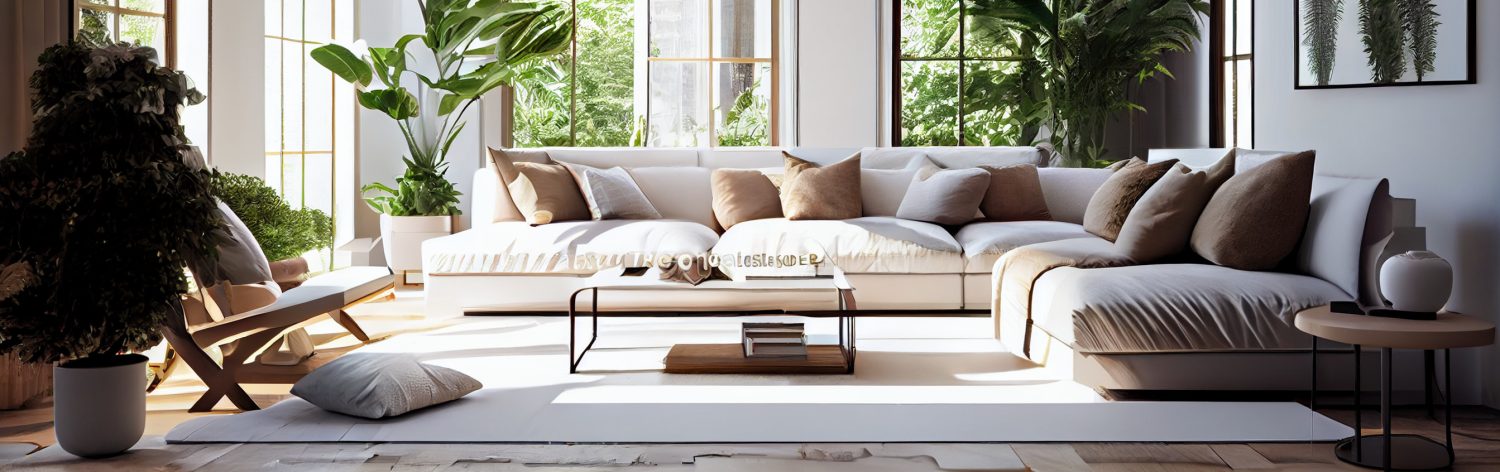

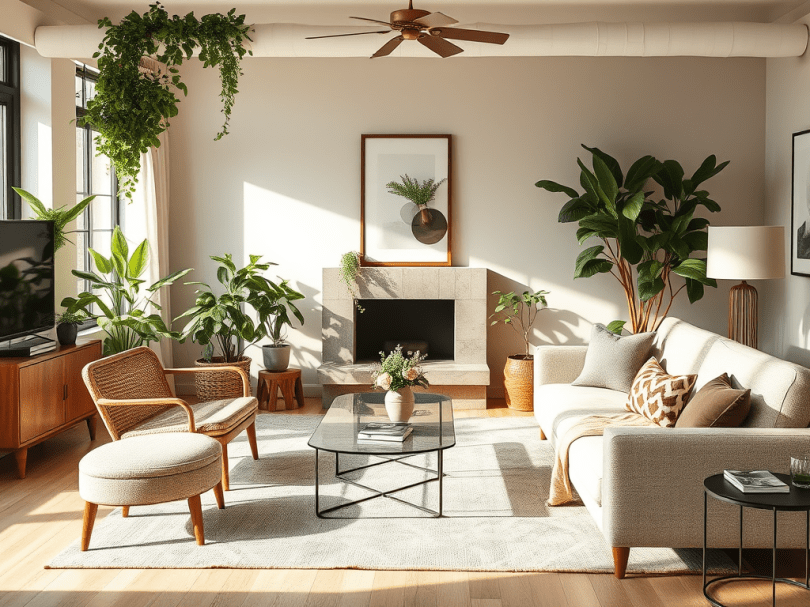
When it comes to designing your home, trends often take center stage. Social media platforms, design magazines, and influencers showcase the latest styles, encouraging us to embrace bold colors, minimalist furniture, or eclectic decor. But as enticing as these trends can be, the question remains: Are trends really important when designing your home?
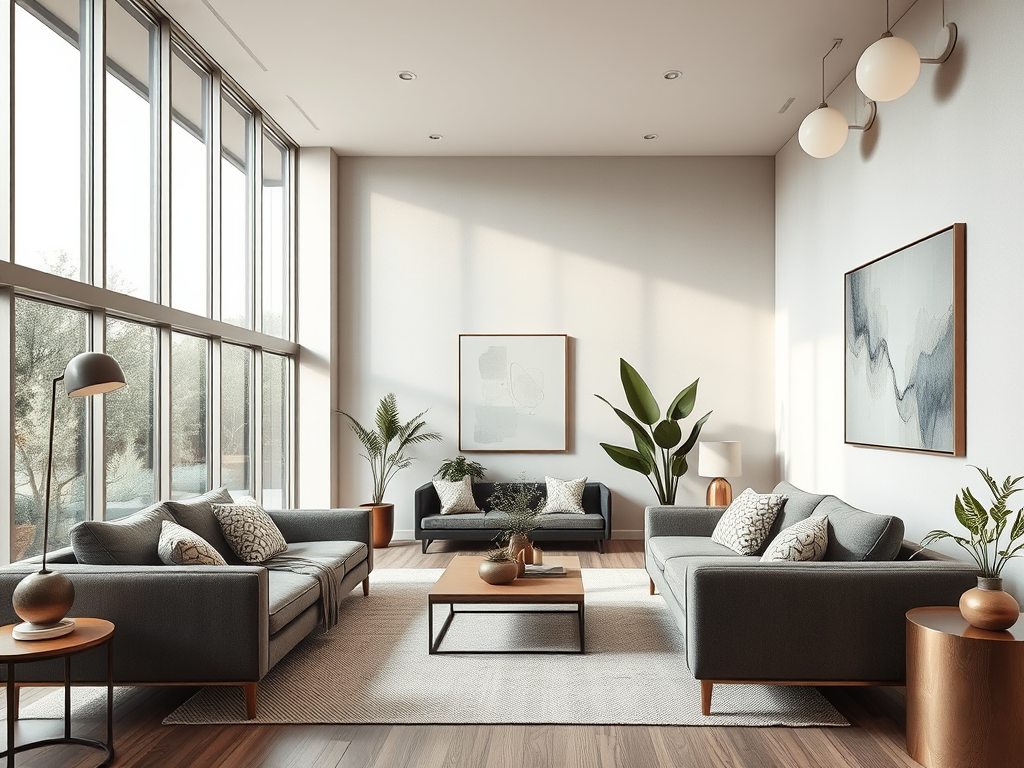
The Role of Trends in Home Design
Trends serve as inspiration. They introduce fresh ideas, innovative layouts, and exciting materials that may not have been on your radar. Incorporating a trendy element can give your space a contemporary feel, signaling that you’re up-to-date with modern aesthetics.
For example, recent trends like biophilic design, with its focus on natural materials and greenery, bring an appealing sense of calm and sustainability to a home. Similarly, the resurgence of vintage furniture can add character and charm to a space.
However, trends are often fleeting. What’s popular today might feel dated in just a few years. Remember when chevron patterns were everywhere? While striking at the time, they quickly became overused, leaving many to regret their once-trendy choices.
Should You Follow Trends?
The short answer is: Only if they resonate with you.
Your home should reflect your personality and lifestyle, not just what’s currently “in.” Trends can act as a guide, but they shouldn’t dictate every design choice. Instead, consider these factors when deciding whether to embrace a trend:
- Timelessness
Ask yourself: Will this trend still appeal to me in five or ten years? Neutral tones, classic materials like wood or stone, and simple, functional designs tend to stand the test of time. - Functionality
Trends should never compromise the practicality of your space. Open shelving, for instance, has been a popular choice, but if you dislike constant dusting or lack storage options, it might not be the best fit for your needs. - Personal Connection
If a trend genuinely resonates with you, it’s worth exploring. For example, if you love the idea of an Art Deco-inspired living room because of its bold elegance, incorporate it in a way that feels authentic to you.
Balancing Trends and Individuality
You don’t have to go all-in on any trend. Instead, consider adding trendy elements in smaller, interchangeable ways:
- Accessories: Throw pillows, rugs, or wall art are easy and affordable ways to experiment with trends. They’re also simple to switch out as tastes evolve.
- Paint Colors: A trendy color can refresh a room without requiring a major commitment. When the trend fades, you can repaint.
- Focal Pieces: A statement couch or light fixture can embody a trend while remaining timeless if chosen thoughtfully.
The Case for Going Trend-Free
Some homeowners find joy in completely ignoring trends, opting for what they genuinely love, regardless of its popularity. This approach often results in unique, deeply personal spaces that feel welcoming and authentic.
If you prioritize comfort, durability, and functionality, a trend-free approach might be right for you. Incorporating family heirlooms, thrifted finds, or DIY projects can make your home truly one of a kind.

Final Thoughts
Trends can spark creativity, but they should never overshadow your personal style or the functionality of your home. A balanced approach—blending timeless design with a sprinkle of trends—ensures your space feels both fresh and enduring.
Ultimately, your home should be a reflection of you. Whether you’re chasing the latest trend or forging your own path, make choices that bring joy and comfort to your everyday life. After all, it’s your sanctuary, not a showroom.
Would you embrace trends or stick to timeless designs in your home? Share your thoughts in the comments below!
 Discoveringlifellc