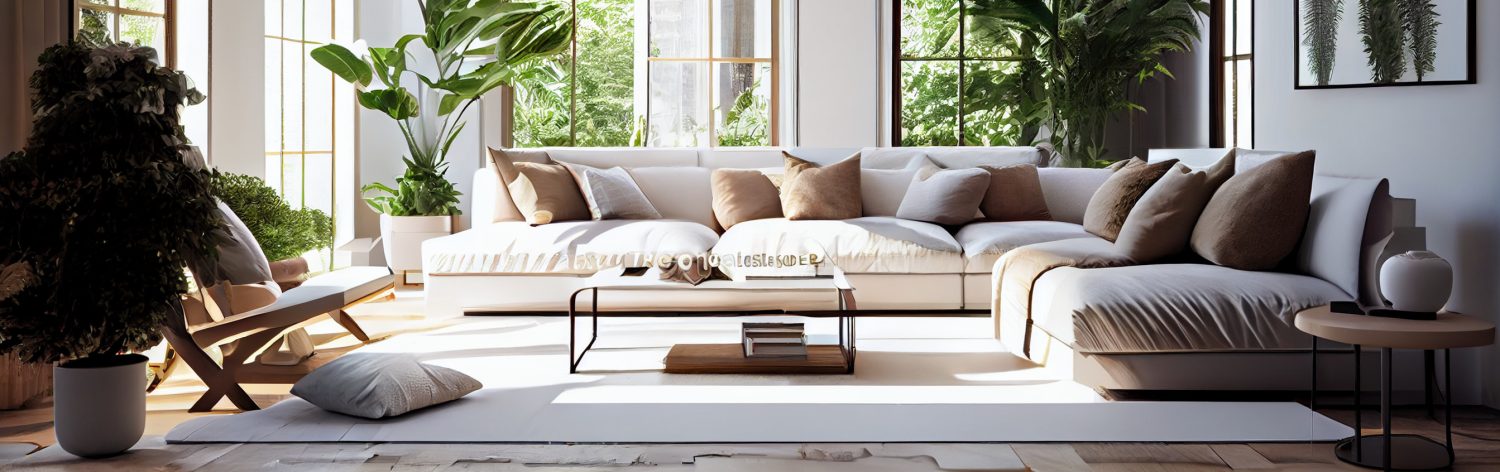

So, you’ve just moved in — the boxes are unpacked, the furniture’s in place, and your walls are… bland. Bare. Maybe that standard shade of “builder’s beige” that feels more like a placeholder than a personal choice. Now comes the fun part: choosing the wall colors that will make your home truly yours.

But where do you even start? With so many shades, tones, and finishes out there, choosing a wall color can feel overwhelming. Don’t worry — here’s how to narrow it down and find the color that makes each room pop.
1. Start with the Feeling You Want
Every color brings a mood into a room. Before you pick up a paintbrush, think about how you want to feel in that space.
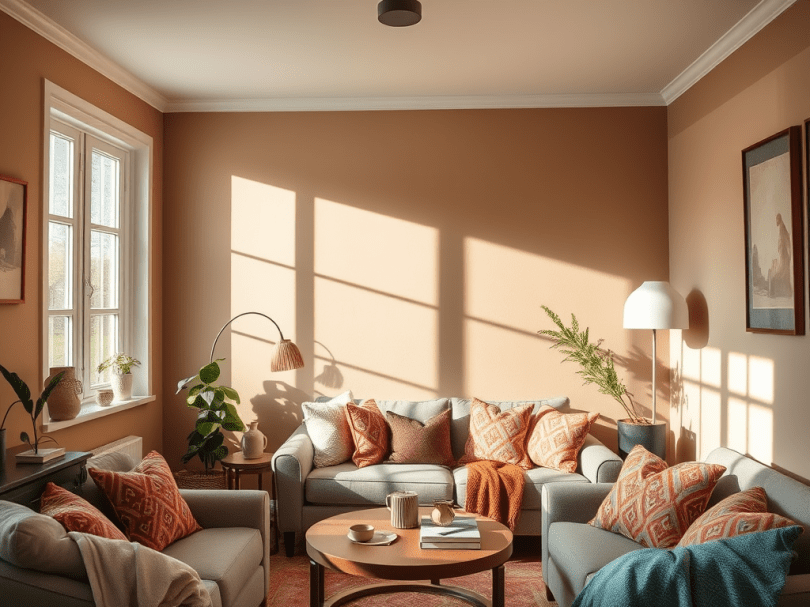
- Living Room: Warm, cozy tones like soft taupe, creamy beige, or even a muted olive green can make the room feel inviting.
- Bedroom: Think calm and restful. Blues, lavenders, or soft neutrals are perfect for winding down.
- Kitchen or Dining Area: Energizing colors like light yellows, sage greens, or crisp whites bring life and freshness to your everyday routine.
When you identify the vibe you’re going for, choosing a color becomes so much easier.
2. Look at What You Already Have
Your walls shouldn’t compete with your furniture — they should complement it. Take a look around at your flooring, rugs, and larger pieces. Do you notice warm undertones (like red, orange, or gold) or cool ones (like blue, gray, or green)?
If your decor leans warm, you might love creamy off-whites, terracotta, or warm grays. If it leans cool, try crisp whites, misty blues, or charcoal tones.
A simple trick: grab a throw pillow or curtain panel you love and pull color inspiration from there.
3. Test Before You Commit
Paint samples are your best friend. A color that looks perfect under store lighting might look completely different in your home.
Buy small sample cans and paint swatches directly on the wall — or use peel-and-stick samples to see how the color shifts throughout the day. Look at it in morning light, afternoon sunlight, and evening lamps. The best wall color looks good in every lighting condition.
4. Think About Flow
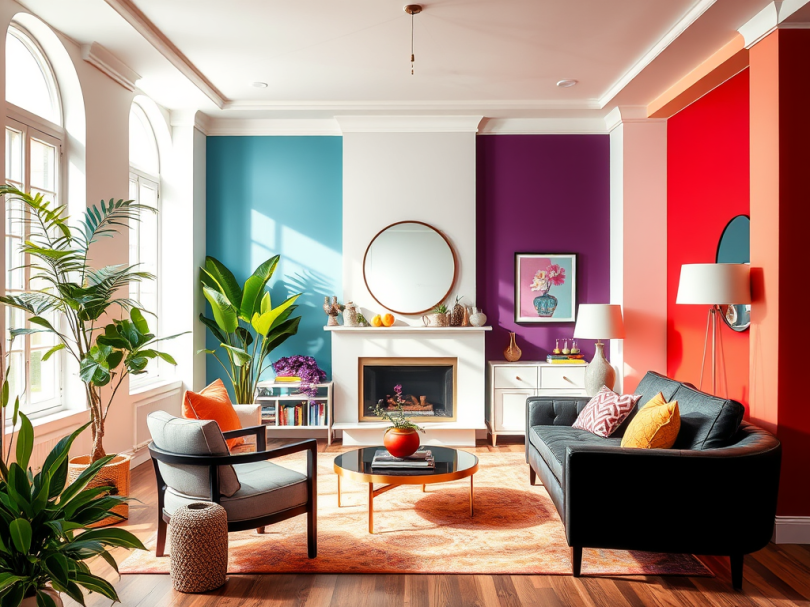
If your home has an open floor plan, try choosing a main color that flows from one room to another. You can still add personality by using accent walls or slightly darker/lighter shades in connected areas.
This creates a cohesive, well-balanced feel — especially if your furniture and decor already vary in color or pattern.
5. Don’t Forget the Finish
Once you’ve chosen your color, the next step is picking the right finish:
- Matte or Flat: Hides imperfections but is harder to clean (great for bedrooms and ceilings).
- Eggshell or Satin: Soft sheen and easy to clean (perfect for living rooms and hallways).
- Semi-Gloss or Gloss: Adds shine and durability (best for kitchens, bathrooms, and trim).
The finish can subtly change how your color looks once it’s on the wall — so it’s worth taking the time to choose carefully.
6. Add Your Personality
At the end of the day, your home should reflect you. Maybe that means painting one wall a deep navy blue behind your bed, or going bold with a warm clay tone in your entryway. Don’t be afraid to step outside of the “safe” neutrals if you’re craving something vibrant.
Color is one of the easiest ways to transform your space — and it’s just paint! You can always repaint later as your style evolves.

Final Thoughts
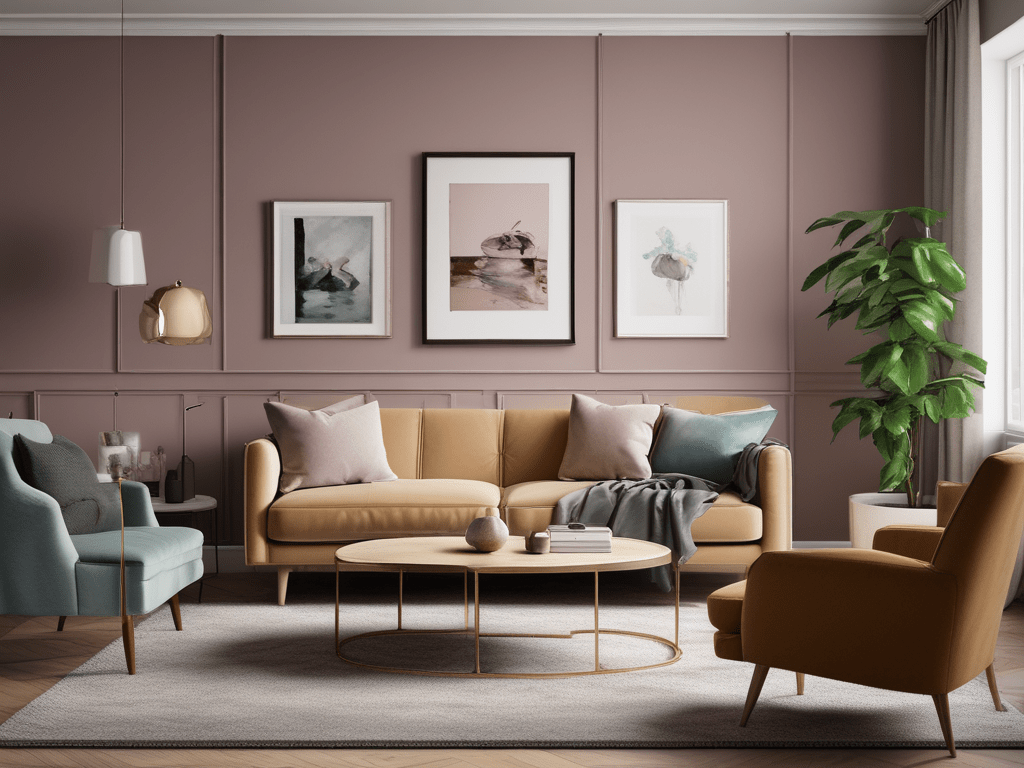
Choosing wall colors isn’t just about design — it’s about creating an atmosphere that feels right every time you walk through the door. Take your time, trust your instincts, and have fun experimenting.
Because when you find the right shade, you’ll know it — it’s the one that makes your home feel alive.




 Discoveringlifellc