
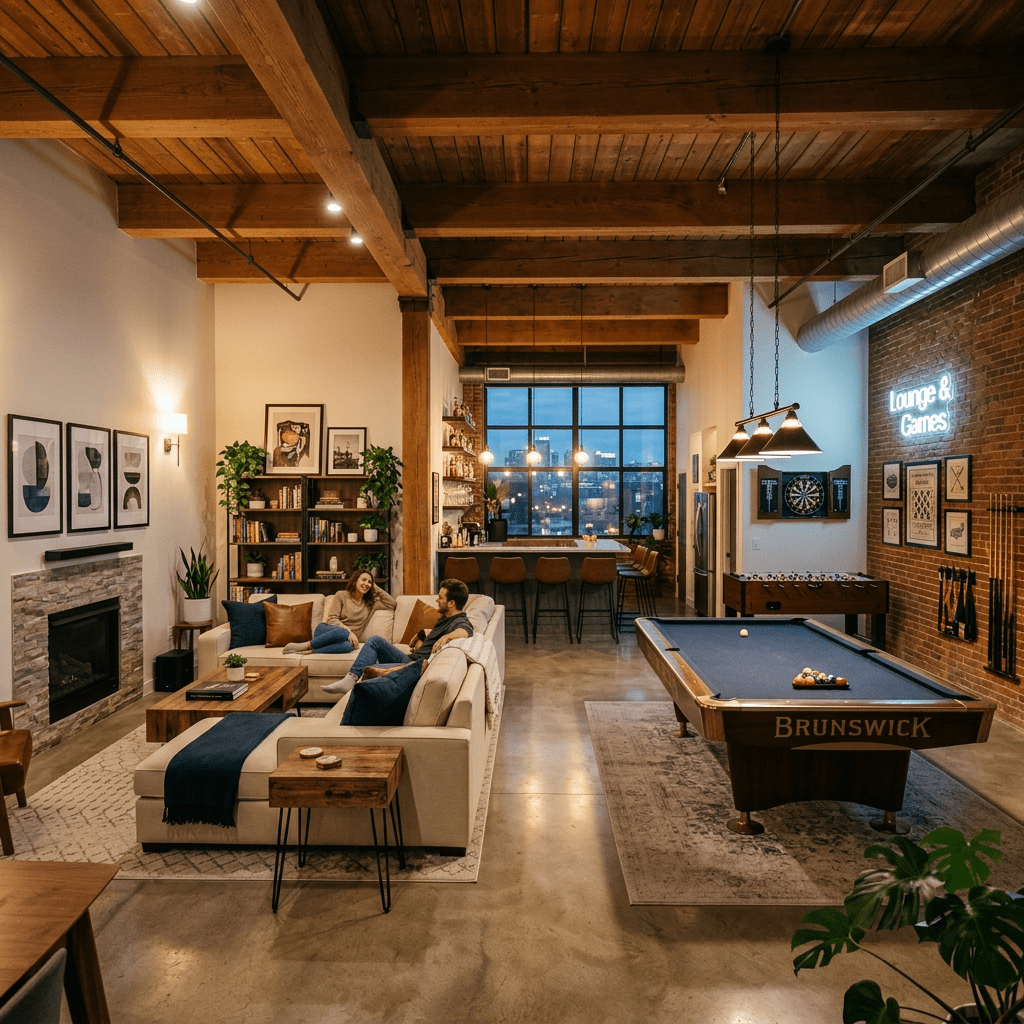
When it comes to creating a home that truly feels like you, few spaces offer as much personality and flexibility as a den or game room. These rooms aren’t just “extra spaces”—they’re where real life happens. Movie nights, game days, quiet reading moments, laughter with family… this is where comfort meets connection.
But here’s the question many homeowners (and renters!) find themselves asking:
Should you create a den, a game room, or a combination of both?
Let’s break it down in a way that helps you actually decide—and then turn that vision into a space that feels both functional and elevated.
Den vs. Game Room: What’s the Real Difference?
At a glance, they may seem similar—but their purpose and vibe are completely different. While both spaces are designed for comfort and enjoyment, the intent behind how they’re used is what truly sets them apart. Understanding this difference early on can help you avoid designing a space that looks good but doesn’t function the way your lifestyle actually demands.
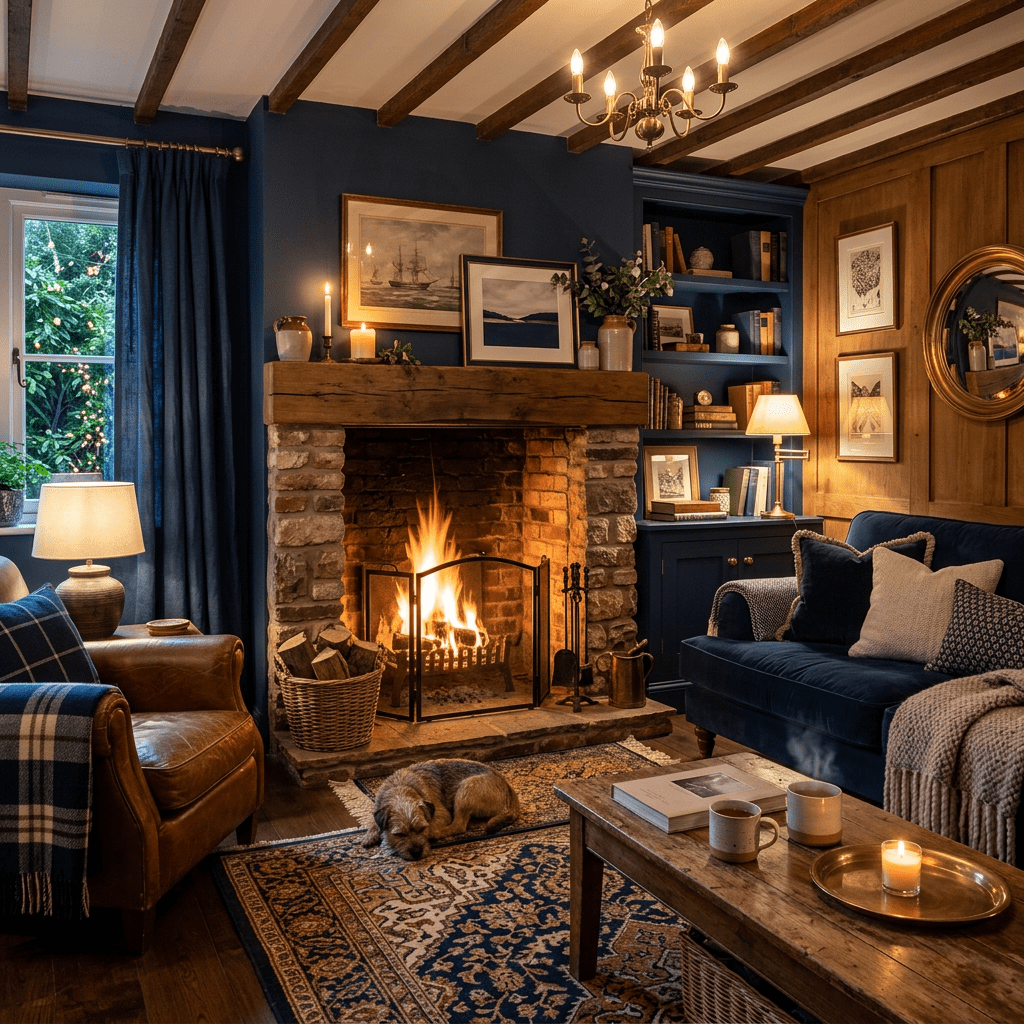
What is a Den?
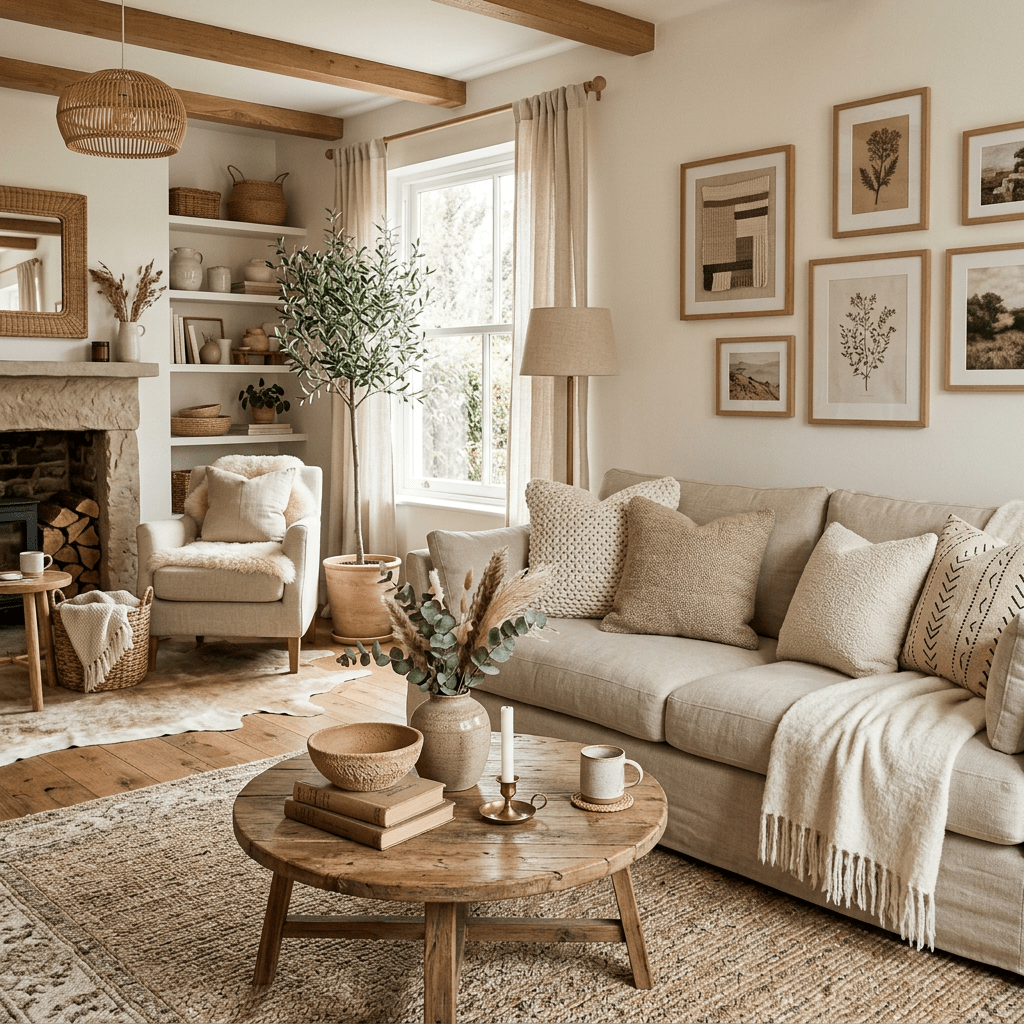
A den is typically a quiet, cozy, and relaxed space. Think:
- A comfortable sofa or armchair
- Soft lighting
- Bookshelves or decor pieces
- A TV or fireplace (optional, but common)
A den is your escape space—perfect for:
- Reading
- Watching TV
- Working from home
- Relaxing after a long day
It leans more toward calm, comfort, and simplicity.
Beyond just aesthetics, a den often becomes a personal retreat within the home—a place where you can unplug, slow down, and enjoy a sense of calm away from busier areas. It’s especially valuable in homes with open floor plans, where having a dedicated quiet zone can make a huge difference in everyday comfort.
What is a Game Room?
A game room is the complete opposite in energy—it’s designed for fun, activity, and entertainment.
Common features include:
- Pool tables, arcade machines, or gaming consoles
- Board games or card tables
- Bold decor or themed elements
- Open space for movement
A game room is all about:
- Socializing
- Hosting guests
- Family bonding
- Letting loose and having fun
It leans toward energy, excitement, and interaction.
Game rooms also tend to evolve over time, especially in family homes. What may start as a kid-friendly play area can grow into a teen hangout or even an adult entertainment space. This flexibility makes it a long-term investment in your home’s lifestyle and usability.
Why Do People Have Dens or Game Rooms?
In today’s homes, these spaces serve a bigger purpose than ever. With more people working from home and spending time indoors, having designated areas for relaxation and entertainment helps create balance and structure in daily life.
People create dens and game rooms to:
- Separate relaxation from daily stress (especially in busy households)
- Encourage quality time with family and friends
- Reduce screen isolation by creating shared experiences
- Add value and personality to their home
In a world where everyone is often on their own device, these rooms bring people back together.
They also provide a sense of intentional living. Instead of every activity happening in one shared space, these rooms allow you to design your home around your lifestyle, making everyday routines feel more enjoyable and organized.
How to Decide: Den, Game Room, or Both?
Here’s where it gets personal—because the “right” answer depends on your lifestyle. There’s no one-size-fits-all approach, and your decision should reflect how you and your household naturally spend time at home rather than what trends say you should do.
Choose a Den if:
- You crave quiet, cozy spaces
- You enjoy reading, relaxing, or low-key entertainment
- You want a more aesthetic, styled room
- You need a flexible space (office + lounge combo)
A den is ideal if your home needs a space that feels grounded and restorative. It’s especially beneficial if your schedule is busy or stressful, giving you a consistent place to recharge both mentally and physically.
Choose a Game Room if:
- You love hosting and entertaining
- You have kids or teens
- You want an energetic, lively environment
- You enjoy games, competition, or group activities
A game room makes sense if your home is often filled with activity and social interaction. It naturally becomes a gathering point, making it easier to bring people together without disrupting quieter areas of the home.
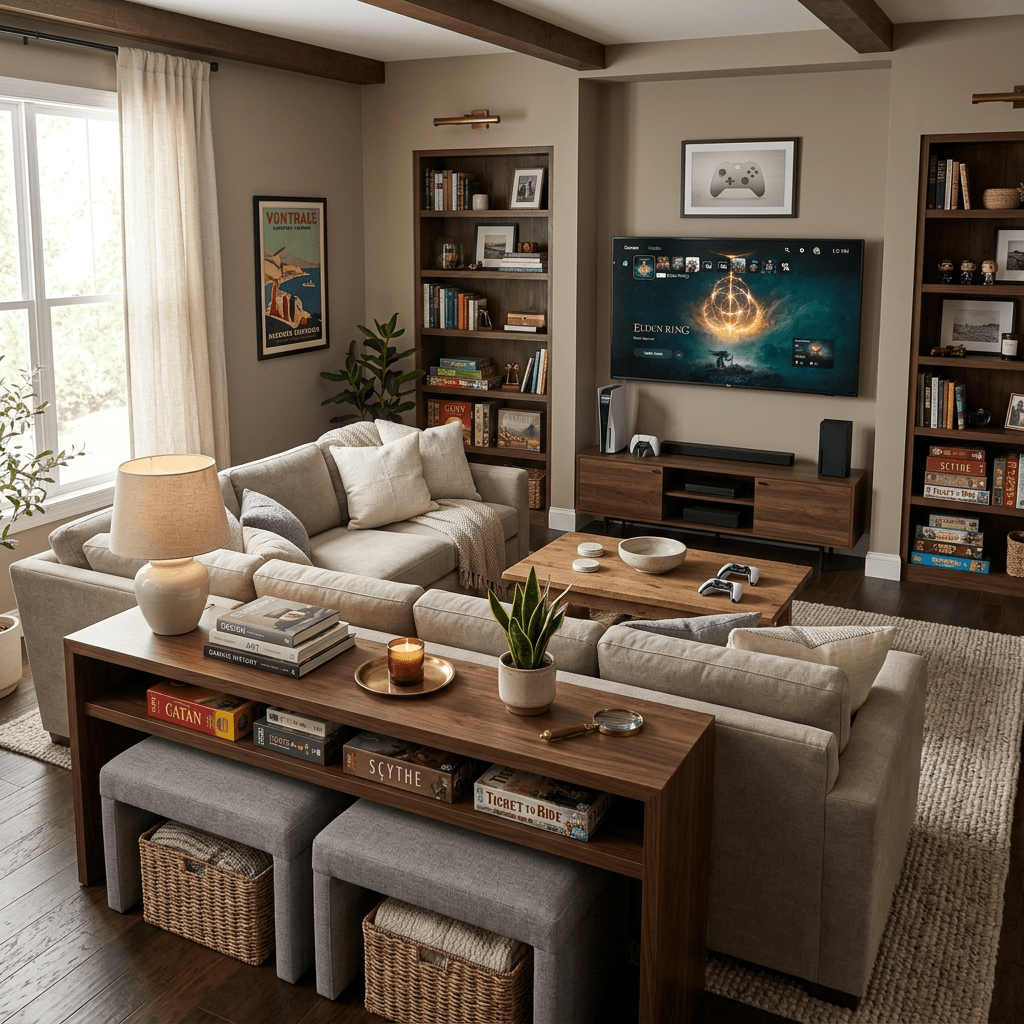
Combine Both if:
- You want the best of both worlds
- Your space needs to serve multiple purposes
- You’re designing for a family with different needs
- You love both relaxation and entertainment
This is where the magic happens.
Combining the two allows your space to adapt throughout the day—quiet and calm in the morning, lively and engaging in the evening. It’s one of the most practical solutions for modern homes where flexibility is key.
How to Create a Combined Den + Game Room (That Actually Works)
Blending the two can feel tricky—but when done right, it becomes one of the most loved rooms in your home. The key is being intentional with layout and design so neither function feels like an afterthought.
1. Create Zones (This is KEY)
Instead of forcing everything into one space, divide the room visually:
- Relaxation Zone: Sofa, rug, coffee table, soft lighting
- Game Zone: Table, consoles, open floor area
Use:
- Rugs
- Furniture placement
- Lighting differences
to subtly separate the two.
Zoning helps maintain a sense of order, even in a multifunctional room. It allows each area to serve its purpose without competing for attention, making the space feel both organized and comfortable.
2. Choose a Cohesive Color Palette
To keep the space from feeling chaotic, stick to a balanced palette.
For a Discovering Life vibe:
- Base: Neutrals (ivory, beige, soft gray)
- Accent: Deep tones (navy, forest green, charcoal)
- Pop: Metallics or subtle color (champagne, rose gold, muted blue)
This keeps the room feeling elevated—even with playful elements.
A cohesive color palette also helps visually tie together different zones, making the entire room feel intentional rather than divided. Even bold or playful elements will feel more refined when they fit within a unified color story.
3. Invest in Multi-Functional Furniture
This is how you keep your space both stylish and practical:
- Storage ottomans (hide games, controllers, blankets)
- Foldable or extendable tables
- Sectionals with built-in storage
- Wall-mounted shelving
You want a space that looks clean—but works hard behind the scenes.
Multi-functional furniture is especially important in shared spaces because it reduces clutter while maximizing usability. It allows you to transition between relaxation and activity quickly without constantly rearranging your room.
4. Keep Technology Organized (and Stylish)
Game rooms can quickly feel cluttered if cords and devices take over.
Simple upgrades:
- Cable management systems
- Floating media consoles
- Decorative storage boxes
This keeps your space looking intentional—not messy.
Keeping technology organized not only improves the look of your space but also makes it easier to use. A clean setup enhances the overall experience, whether you’re watching a movie or hosting a game night.
5. Add Personality Without Overwhelming the Space
This is where your style shines.
Try:
- Framed game-inspired art (modern, not childish)
- Statement lighting (pendants, floor lamps)
- A bold rug to anchor the room
- Accent pillows or throws
The goal is to balance fun + sophistication.
Adding personality in a controlled way ensures your space feels unique without becoming visually overwhelming. Thoughtfully chosen decor pieces can elevate the room while still allowing it to feel relaxed and inviting.
Why This Space Matters More Than You Think
A den or game room isn’t just “extra square footage.” It often becomes the emotional center of the home—a place where both everyday routines and special moments unfold naturally.
It’s:
- Where your family reconnects
- Where memories are made
- Where guests feel welcomed
- Where you unwind and recharge
In many homes, this becomes the most used and most loved space—even more than the living room.
This space also reflects your lifestyle more than any other room. It shows how you choose to spend your time, what you value, and how you prioritize connection and comfort within your home.
How to Make Your Space Functional and Elegant
Here’s the secret: Don’t sacrifice style for function—or function for style.
Instead, blend the two:
- Choose decor that doubles as storage
- Keep a clutter-free layout
- Use lighting to set the mood (soft for den, bright for games)
- Invest in a few standout pieces instead of overfilling the room
Less clutter = more comfort + more elegance.
Creating a functional and elegant space comes down to intention. Every piece should serve a purpose while contributing to the overall aesthetic, resulting in a room that feels both beautiful and easy to live in.
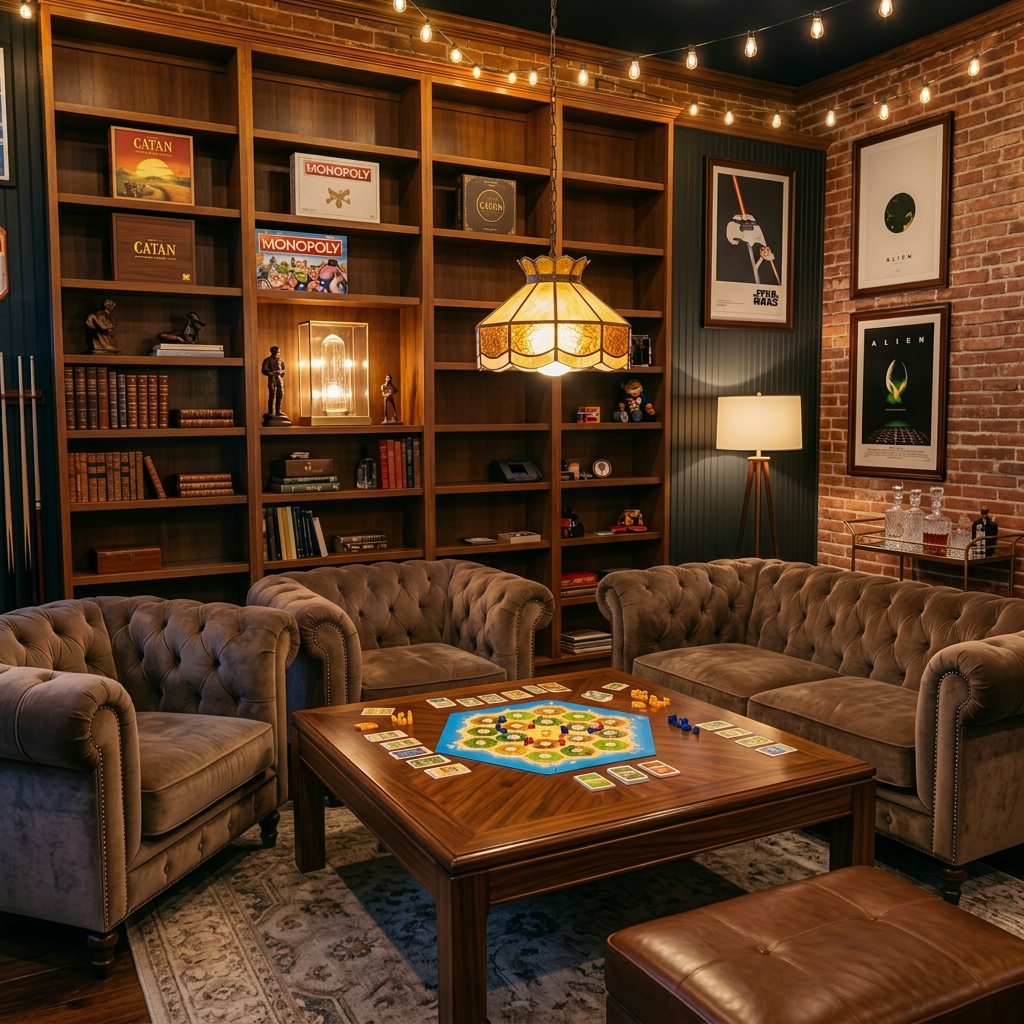
Final Thoughts: Designing a Space That Feels Like Home
Whether you choose a cozy den, an energetic game room, or a perfect mix of both, the goal is the same: designing a space that truly supports your lifestyle and brings joy into your everyday routine.
Create a space that reflects how you live.
Not just how your home looks—but how it feels.
Because at the end of the day, the best rooms aren’t just beautiful…
They’re lived in, loved, and full of life.
And when you take the time to design with intention, your den or game room becomes more than just a space—it becomes an experience that you and your family will return to again and again.
Discovering Life Tip:
If you’re not sure where to start, begin with one corner. Build your vision piece by piece. The best spaces aren’t rushed—they’re created with intention.
That one small step can spark the transformation of your entire room, helping you build confidence in your design choices while creating a space that truly feels like home.

 Discoveringlifellc
Leave a comment