
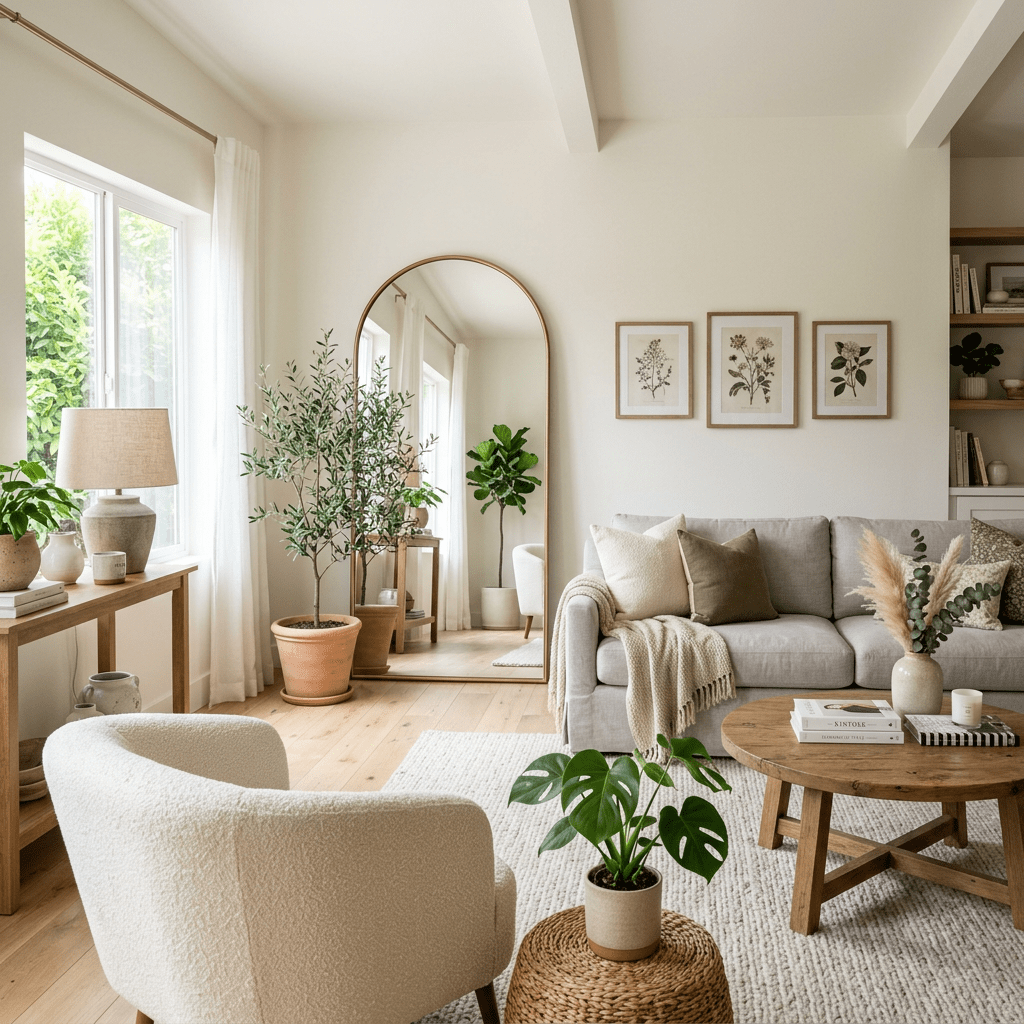
When you think of mirrors, your mind might go straight to getting ready in the morning—checking your outfit, fixing your hair, making sure everything is just right before stepping out the door. But mirrors? They are so much more than vanity pieces. They are one of the most powerful, underrated tools in home design.
Whether you’re decorating your first apartment, refreshing your forever home, or trying to make a small space feel bigger (without knocking down walls), mirrors can completely transform how your home looks and feels.
Let’s talk about why mirrors matter, the different types you can choose from, and how to find the perfect one for your space.
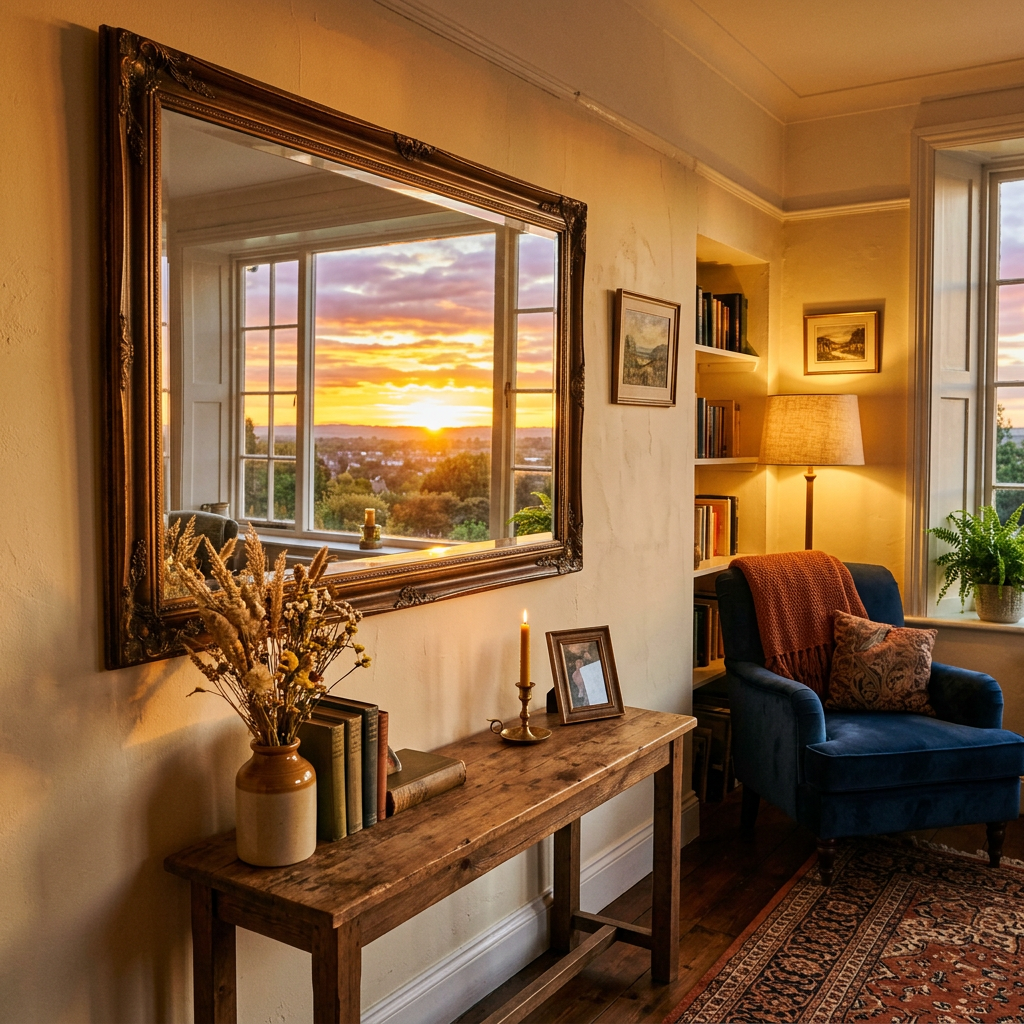
Are Mirrors Just Vanity Pieces… or Something More?
Mirrors may serve a functional purpose, but their impact goes far beyond that.
A well-placed mirror can:
- Make a room feel larger
- Reflect natural light and brighten dark spaces
- Add depth and dimension
- Act as a statement decor piece
- Enhance the style of your home without overwhelming it
Think of mirrors as quiet designers. They don’t shout for attention—but when used correctly, they elevate everything around them.
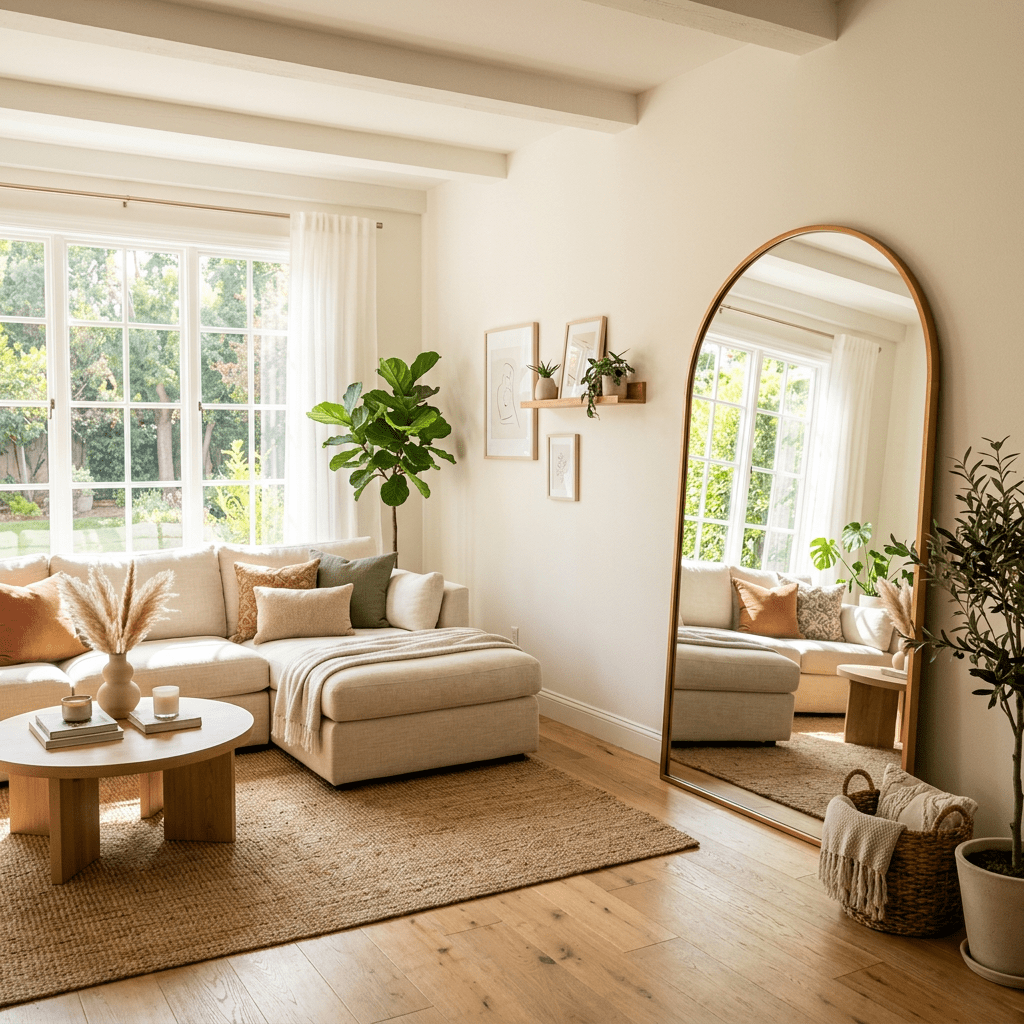
Imagine walking into a small living room that feels a little tight and dim. Now picture that same room with a large mirror across from a window. Suddenly, the space feels open, airy, and alive. That’s the magic of mirrors.
A Quick Look Back: Why Did Mirrors Become a Home Staple?
Mirrors haven’t always been as accessible as they are today.
Historically, mirrors were:
- Luxury items owned by the wealthy
- Made from polished metal before glass mirrors were perfected
- Symbols of status, elegance, and refinement
By the 17th and 18th centuries, especially in Europe, mirrors became prominent in interior design—most famously in places like the Hall of Mirrors at Versailles. They were used to reflect candlelight and create a sense of grandeur.
As manufacturing improved, mirrors became more affordable and found their way into everyday homes. Over time, they shifted from luxury statements to essential design elements—used not just for reflection, but for shaping how a space feels.
How Many Types of Mirrors Are There?
There are many types of mirrors—honestly more than most people realize—but they generally fall into a few key categories based on function and design.
1. Wall Mirrors
These are the most common and versatile.
- Hung above sofas, consoles, or fireplaces
- Come in endless shapes and frame styles
- Perfect for adding visual interest
2. Floor Mirrors (Full-Length Mirrors)
- Leaning or mounted
- Ideal for bedrooms, closets, and entryways
- Make ceilings appear taller and rooms feel larger
3. Vanity Mirrors
- Typically found in bathrooms or on dressers
- Designed for close-up use
- Often include lighting or magnification
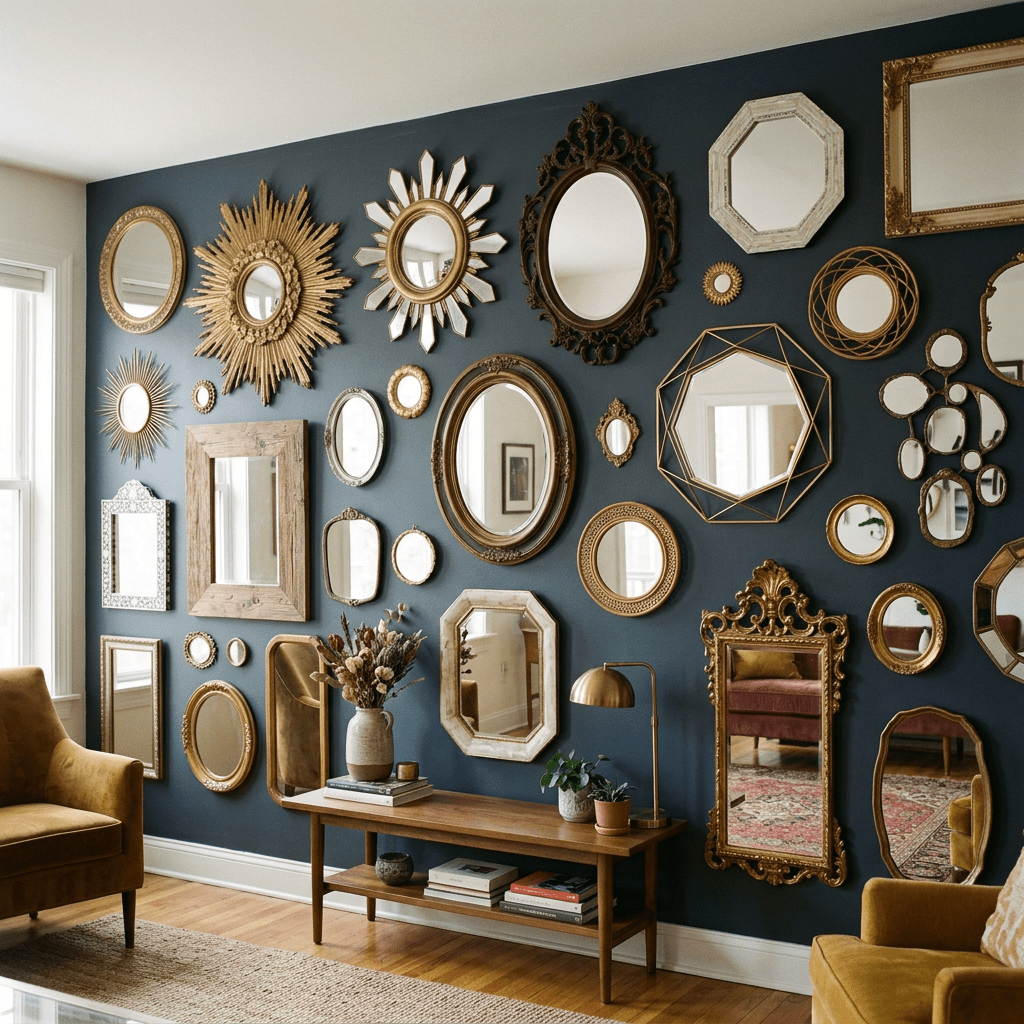
4. Decorative Mirrors
- More about style than function
- Unique shapes (sunburst, abstract, geometric)
- Used as wall art
5. Accent Mirrors
- Smaller mirrors used in groupings or gallery walls
- Add texture and layering to a space
6. Medicine Cabinet Mirrors
- Functional storage + mirror combo
- Common in bathrooms
7. Frameless Mirrors
- Sleek, modern, minimal
- Great for contemporary spaces
8. Antique or Vintage Mirrors
- Distressed finishes, ornate frames
- Add character and history to a room
The Most Common Types of Mirrors (and Why We Love Them)
Some mirrors show up in homes again and again—and for good reason.
Wall Mirrors
They are incredibly versatile and easy to style. Whether round, rectangular, or abstract, they fit into almost any room.
Full-Length Mirrors
People love these because they combine function and design. They’re practical—but also visually expand your space.
Bathroom Mirrors
These are essential, but they’ve evolved. What used to be purely functional is now a major design moment—think backlit mirrors, arched shapes, and framed statement pieces.
Decorative Statement Mirrors
These are popular because they replace traditional wall art. Instead of hanging a painting, many homeowners choose a bold mirror to reflect light and style.
A Story: The Mirror That Changed Everything
There was a woman decorating her first apartment. She loved her space—but something always felt off. The living room felt tight, and no matter how she rearranged her furniture, it just didn’t feel “finished.”
One day, she found a large, arched mirror with a thin gold frame. She wasn’t sure if it would work, but she placed it against the wall across from her window anyway.
Instantly, everything changed.
The room felt bigger. Brighter. Softer. The sunlight bounced across the space, and suddenly, her apartment felt like home.
Sometimes, it’s not about adding more furniture—it’s about adding the right piece.
How to Choose the Right Mirror for Your Space
Finding the right mirror isn’t just about what looks good—it’s about what works for your space.
1. Think About Purpose
Ask yourself:
- Do I need this mirror for function (getting ready)?
- Or for design (opening up the room)?
2. Consider Placement
- Across from windows → maximizes light
- In entryways → adds depth and practicality
- Above furniture → creates balance
3. Choose the Right Shape
- Round mirrors → soften a space
- Rectangular mirrors → structured and classic
- Arched mirrors → elegant and on-trend
4. Match Your Style
- Modern → frameless or thin metal frames
- Farmhouse → wood frames
- Glam → gold, mirrored, or ornate designs
- Minimal → simple, clean lines
5. Don’t Ignore Size
A common mistake? Choosing a mirror that’s too small.
- Large mirrors = bigger impact
- Small mirrors = better in groupings
6. Use Mirrors Intentionally
Avoid placing mirrors where they reflect clutter or awkward angles. What your mirror reflects matters just as much as the mirror itself.
Final Thoughts: Mirrors Are Quiet Game-Changers
Mirrors aren’t just about checking your reflection—they’re about transforming your space without tearing anything down.
They bring:
- Light into dark corners
- Life into flat spaces
- Style into overlooked areas
If your home feels like it’s missing something, it might not be more furniture or decor.
It might just be a mirror.
Discovering Life Tip
If you’re unsure where to start, try adding one large mirror in a space that feels small or dim. It’s one of the simplest, most affordable ways to create a high-end, elevated look in your home.

 Discoveringlifellc
Leave a comment