
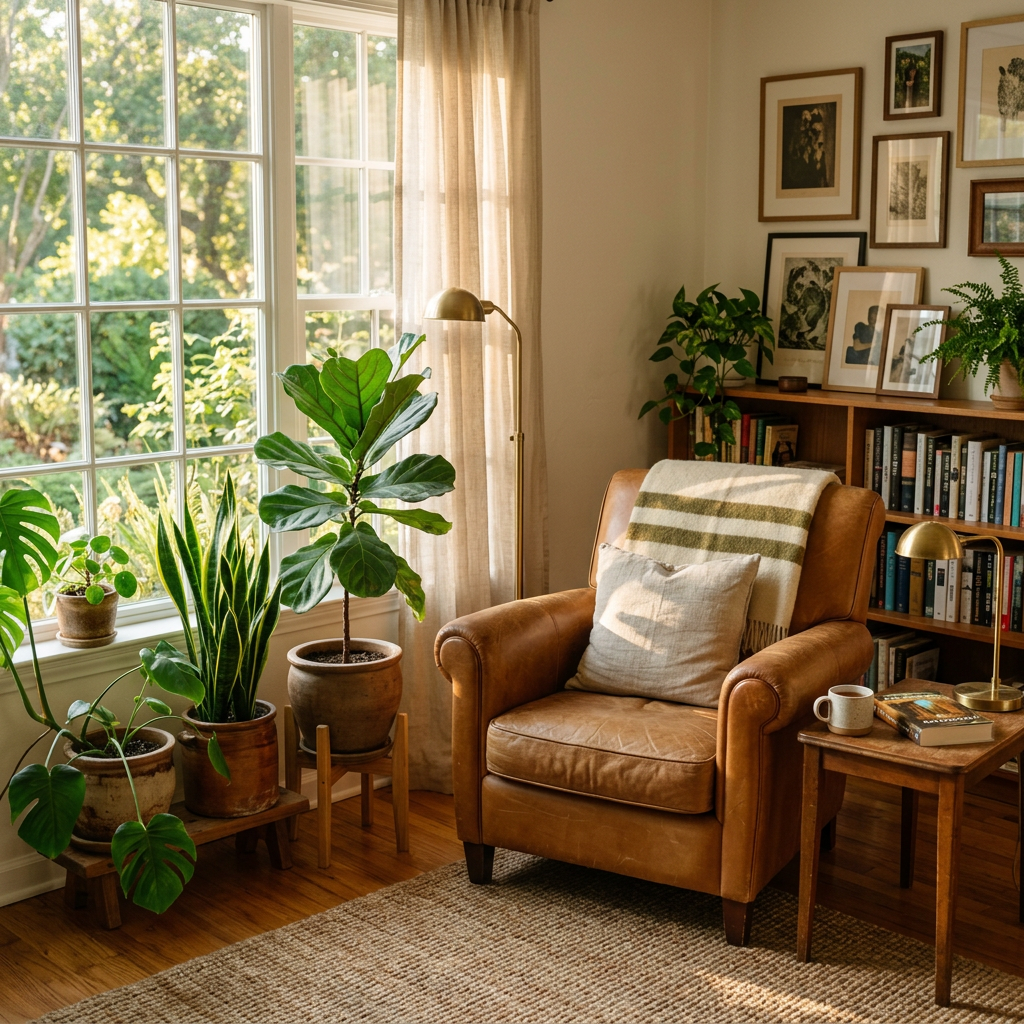
There is always a new trend waiting around the corner. One month it is cozy minimalism. The next, it is dark wood tones, vintage kitchens, colorful tile, curved furniture, or “quiet luxury.” Open any social media app, and it can suddenly feel like your home needs constant updating just to keep up.
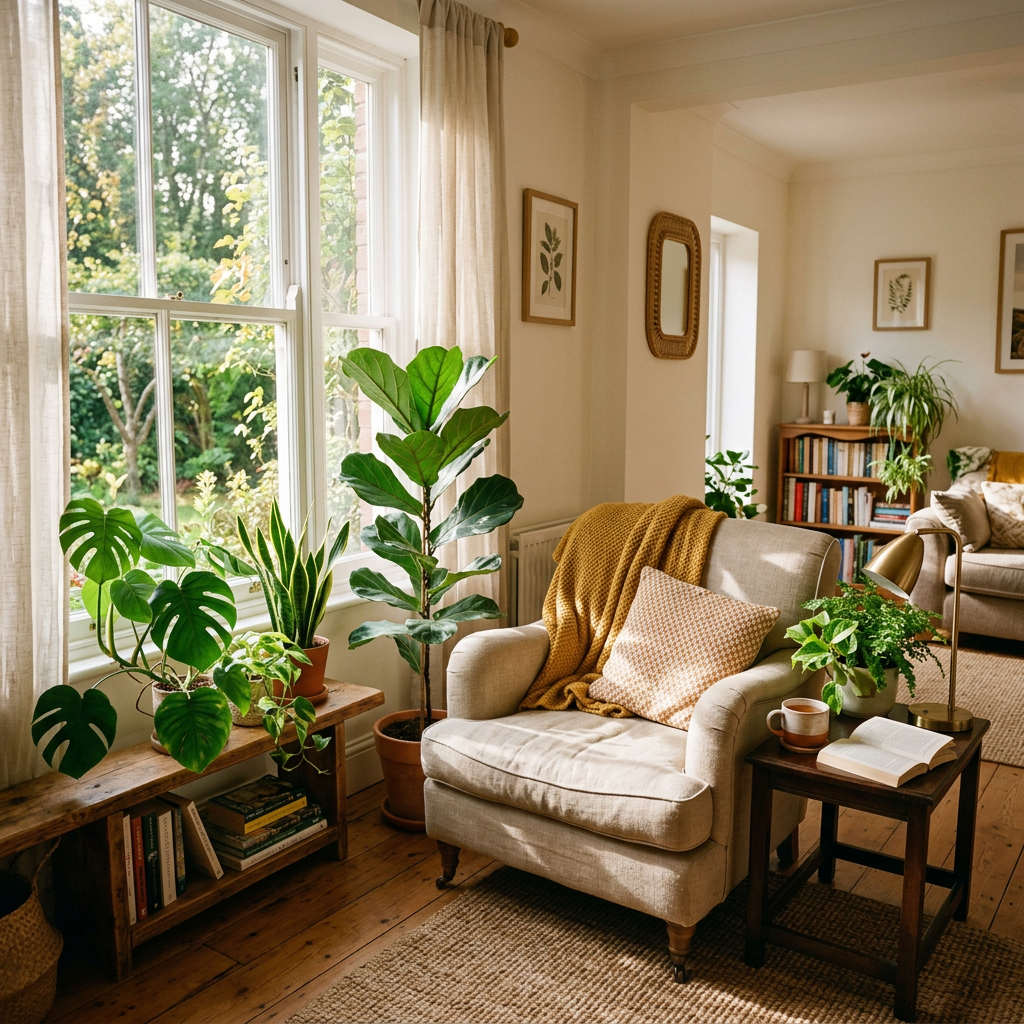
But what if your home is already enough?
As home bloggers, designers, decorators, and home enthusiasts, we spend so much time talking about how to improve a space that we sometimes forget to talk about appreciating the space we already have. We create mood boards, save Pinterest inspiration, rearrange furniture, paint walls, swap decor, and search for the next perfect piece. There is absolutely nothing wrong with loving design and wanting to refresh your home. Creativity is beautiful.
Still, there is something equally beautiful about looking around your home and realizing you already love it exactly as it is.
This is a home appreciation post for the people who do not feel the need to constantly redesign every room. For the people whose furniture may not match current trends but still holds years of memories. For the people who feel comfort when they walk through their front door. For the people who have created homes filled with real life rather than perfection.
Because loving your home is not about trends. It is about connection.
Your Home Does Not Need to Be Trendy to Be Beautiful
Some of the most loved homes are not “Pinterest perfect.” They are lived in. They are layered with memories. They tell stories.
Maybe your kitchen cabinets are older, but they remind you of family dinners and late-night conversations. Maybe your couch is not the newest style, but it is where your children watched movies on rainy afternoons. Maybe your decor does not match what influencers are posting this year, but every piece feels personal to you.
That matters.
A beautiful home is not defined by what is trending online. A beautiful home is one that makes you feel safe, comfortable, inspired, peaceful, or happy. Sometimes it is the imperfections that make a home feel most authentic.
The truth is, trends will continue to change. What is “outdated” today may become popular again in a few years. Home design constantly evolves, but comfort and connection never go out of style.
The Pressure to Constantly Upgrade
Social media has changed the way many of us view our homes.
We are constantly exposed to stunning renovations, luxury interiors, professionally staged rooms, and perfectly curated spaces. While inspiration can be motivating, it can also quietly create pressure. Pressure to repaint. Pressure to redecorate. Pressure to buy more. Pressure to make our homes look different than they did last season.
Sometimes we forget that homes are not showrooms. Homes are where life happens.
Your home does not need a full makeover to be worthy of love. It does not need expensive furniture or designer finishes to feel meaningful. A home can be simple and still feel incredibly special.
There is nothing wrong with improving your home if it genuinely brings you joy. But there is also nothing wrong with deciding that your home is already enough for this season of your life.
Loving the Home That Loves You Back
Think about everything your home has carried you through.
It has seen your happiest moments and your hardest days. It has given you a place to rest when life felt overwhelming. It has protected you during storms, comforted you during uncertainty, and witnessed countless ordinary moments that eventually became meaningful memories.
Your home has likely held:
- Birthday celebrations
- Quiet mornings with coffee
- Holiday traditions
- Late-night talks
- Personal growth
- New beginnings
- Hard seasons
- Laughter
- Healing
When we shift our perspective, we begin to realize that a home is far more than decor. It is emotional. It is deeply personal. And sometimes appreciation creates more happiness than another shopping cart ever could.
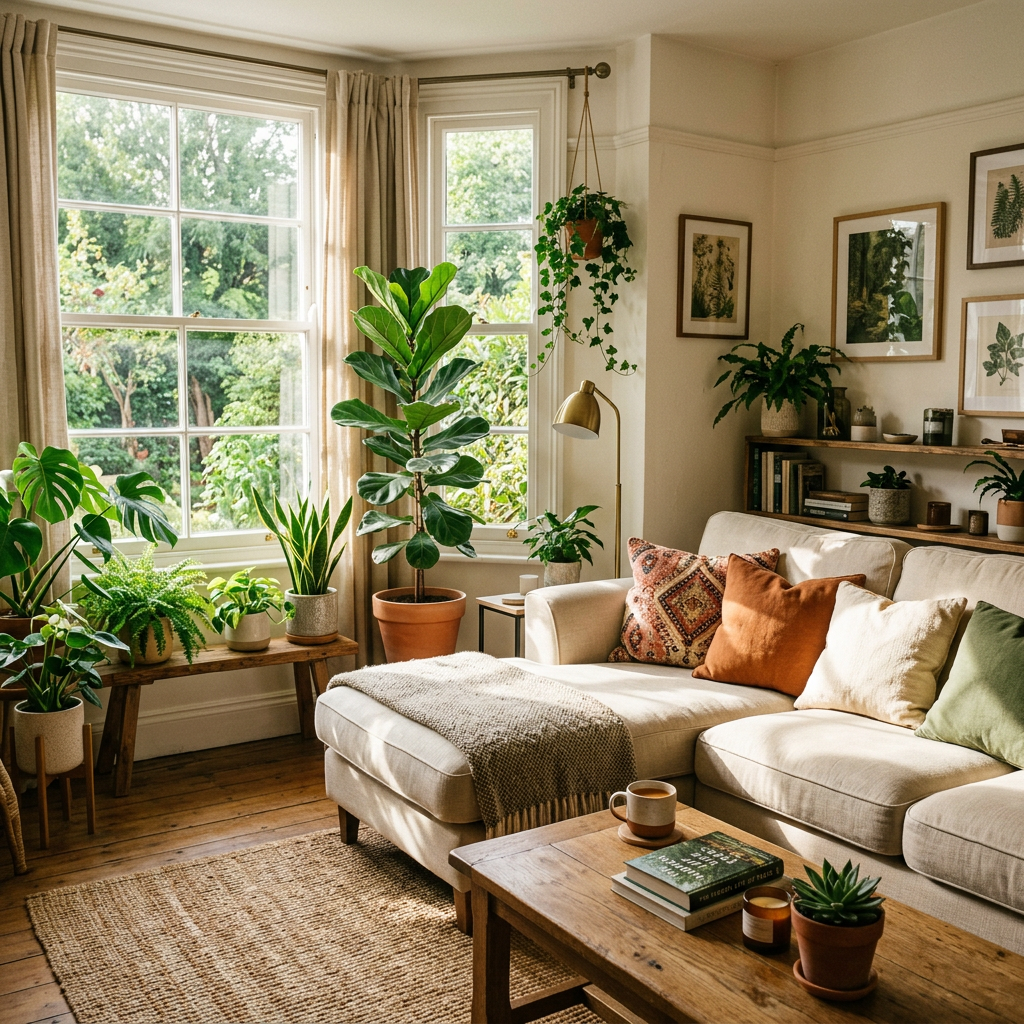
Your Home Reflects You — And That Is Enough
One of the most freeing things you can realize is that your home does not need to look like everyone else’s.
Maybe you love bold colors while trends lean neutral. Maybe you still adore farmhouse decor while modern minimalism dominates social media. Maybe your style is eclectic, sentimental, vintage, cozy, colorful, dramatic, traditional, or completely undefined.
That is okay. Your home should reflect your personality, not internet approval.
The most memorable homes are often the ones filled with individuality. They feel warm because they are designed around real people rather than temporary trends. When someone walks into your home, they should feel you in the space.
That matters far more than whether your furniture matches the latest aesthetic.
Sometimes “Finished” Is a Beautiful Thing
There is always another project waiting.
Another wall to paint.
Another room to upgrade.
Another decor item to buy.
But sometimes, it is okay to pause and simply enjoy what you already created.
There is peace in reaching a point where your home no longer feels like a constant project. There is comfort in realizing you do not need to change everything to love where you live.
Maybe your home is not perfect. Maybe there are still things you want to improve someday.
But maybe it is also okay to appreciate it right now. Not every season has to be about transformation. Some seasons are about gratitude.
Appreciating the Little Things
Home appreciation often lives in the small details:
- The way sunlight enters your living room in the morning
- Your favorite chair after a long day
- A candle scent that instantly relaxes you
- Familiar creaks in the floor
- Family photos on the wall
- A cozy blanket you have had for years
- Plants growing near the window
- The feeling of finally being home after being away
These things may never appear in a luxury design magazine, but they are often the moments that make a house feel meaningful. And honestly? Those details are unforgettable.
Loving Your Home While Still Dreaming
Appreciating your home does not mean you can never change it.
You can still love decorating.
You can still enjoy trends.
You can still dream about future upgrades.
But there is a difference between improving your home from a place of creativity and improving it from a place of feeling inadequate.
One comes from inspiration.
The other comes from pressure.
Your home should never make you feel “behind.” Instead, your home should feel like a reflection of your life, your comfort, your memories, and your story.
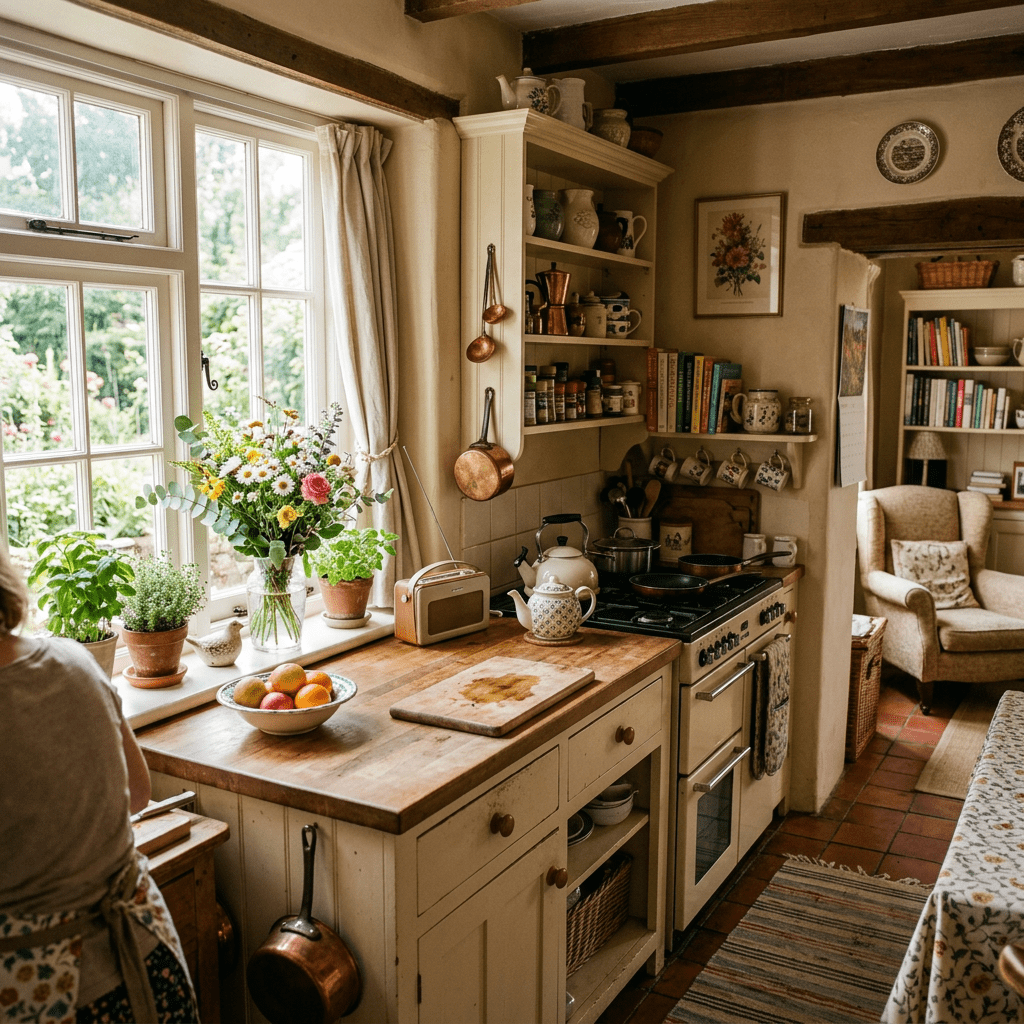
Final Thoughts
In a world constantly telling us to upgrade, redesign, renovate, and replace, there is something powerful about simply saying:
“I love my home as it is.”
Not because it is perfect.
Not because it is trendy.
Not because it looks like something online. But because it is yours.
The most meaningful homes are not always the most expensive or most stylish. They are the homes filled with warmth, personality, memories, and comfort. They are the homes where people feel safe enough to truly live.
So whether your home is modern, traditional, colorful, minimal, maximal, old, new, unfinished, trendy, or completely unique — love it anyway. Because a loved home will always feel more beautiful than a perfect one.


 Discoveringlifellc
Leave a comment