
Your living room is more than just a place to sit. It is where life happens. It is where families gather after long days, where guests form first impressions of your home, where movie nights happen, and where comfort and style come together. One of the biggest design choices that shapes the entire feeling of a living room is color.
The right color combination can make a room feel luxurious, cozy, calming, energetic, modern, timeless, or welcoming. The wrong combination can make even expensive furniture feel disconnected or overwhelming. That is why choosing the perfect color palette matters so much in home decor.
In recent years, color has made a major comeback in interior design. While neutral homes still remain incredibly popular, homeowners and designers are becoming more confident in mixing richer tones, layered shades, and personality-filled color combinations that bring life into a space.
If you have ever wondered which colors work best together, why certain color palettes feel “right,” or how to create a living room that feels both stylish and comfortable, this guide will help you understand the power of color in home design.
Why Choosing the Right Color Combination Matters
Color impacts the mood of a room more than almost any other design element. Before someone notices your furniture details or wall art, they feel the atmosphere created by the colors around them.
A well-balanced color palette can:
- Make a small room feel larger
- Make a large room feel cozier
- Create a peaceful atmosphere
- Add warmth and personality
- Improve natural lighting
- Make furniture and decor stand out
- Help your home feel more cohesive
The colors you choose also influence emotions. Soft neutrals often create calmness. Deep jewel tones can feel dramatic and luxurious. Earth tones tend to feel grounded and comforting. Bright colors bring energy and creativity into a space.
This is why many designers start with color before selecting accessories, rugs, pillows, or accent furniture.
Why Certain Colors Work Well Together
Great color combinations are usually based on balance. Some colors naturally complement one another because they create contrast, harmony, or depth.
Here are a few reasons certain color palettes work so well:
1. Warm and Cool Balance
Rooms often feel visually balanced when warm and cool tones are mixed together.
For example:
- Warm beige + cool gray
- Olive green + cream
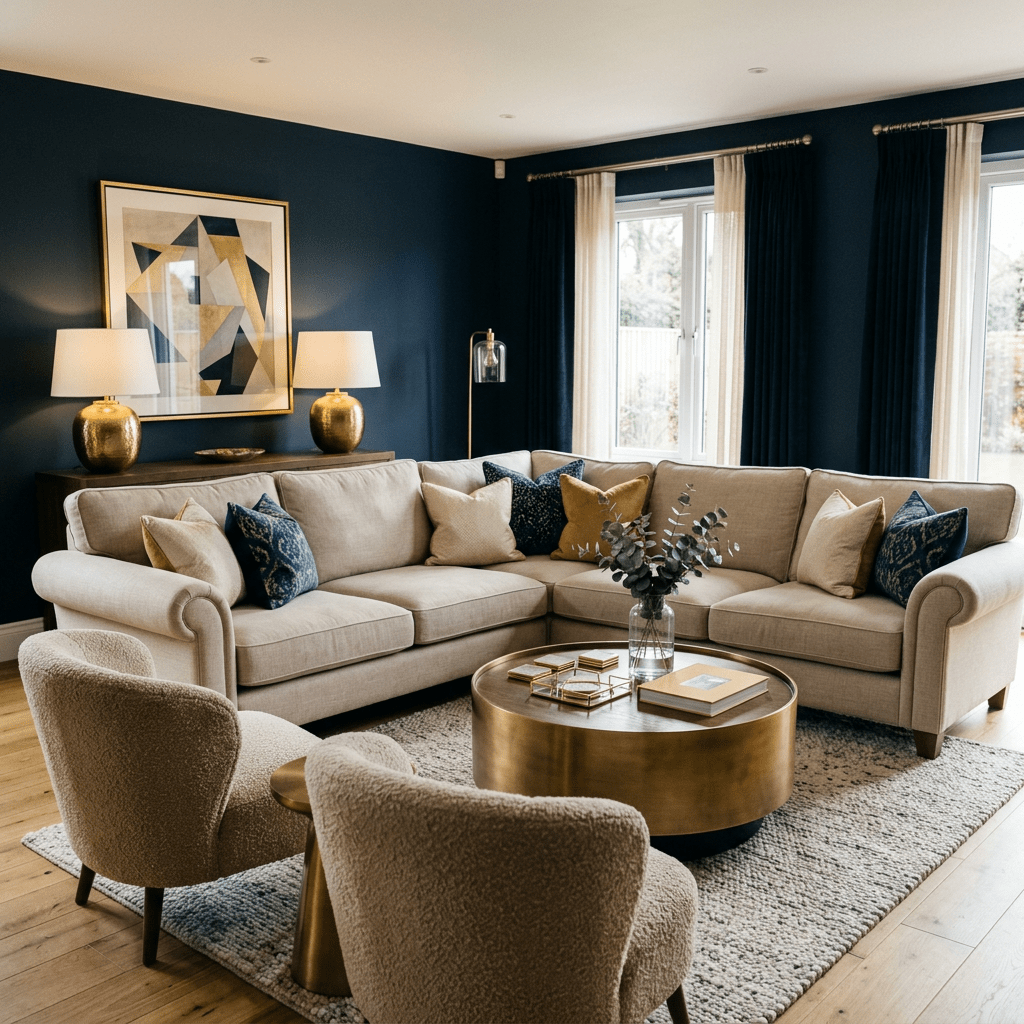
- Navy blue + soft white
The warmth keeps the room inviting while cooler shades create sophistication and calmness.
2. Nature-Inspired Pairings
Many of the most beautiful living room palettes are inspired by nature because they already exist harmoniously outdoors.
Examples include:
- Sage green + warm brown
- Sand + ocean blue
- Terracotta + cream
- Forest green + black
Nature-inspired palettes often feel timeless because our eyes naturally recognize these combinations as calming and balanced.
3. Contrast Creates Interest
Contrast helps a room avoid looking flat or boring.
Think:
- Black + ivory
- Charcoal + champagne
- Navy + gold
- Deep green + soft blush
Adding contrast creates dimension and helps focal pieces stand out.
Popular Living Room Color Combinations That Always Work
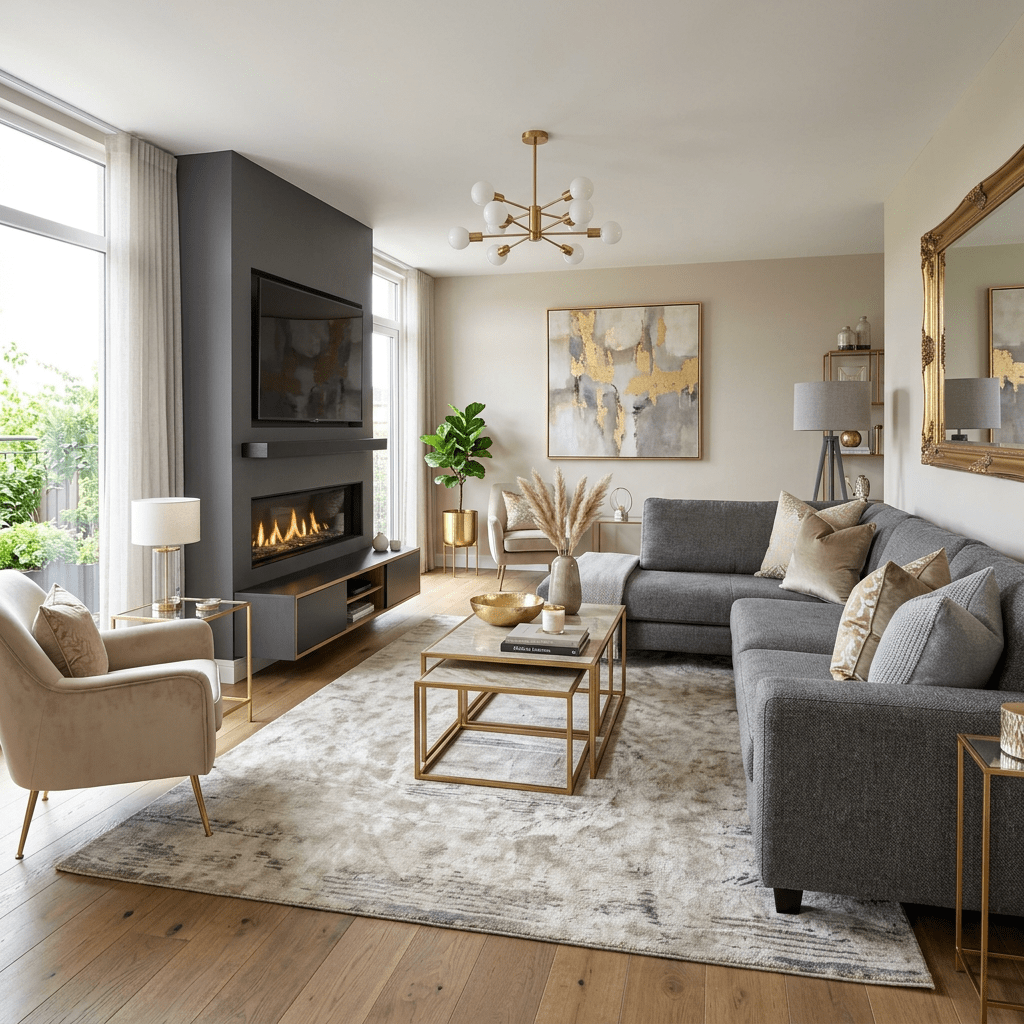
Graphite Gray + Champagne Beige
This combination feels elegant, upscale, and modern without feeling too cold.
Why it works:
- Graphite adds sophistication and depth
- Champagne tones soften the darker color
- The balance feels luxurious yet comfortable
This palette works beautifully with:
- Gold or rose gold accents
- Ivory rugs
- Neutral couches
- Soft lighting
It is perfect for modern luxury homes and elegant minimal interiors.
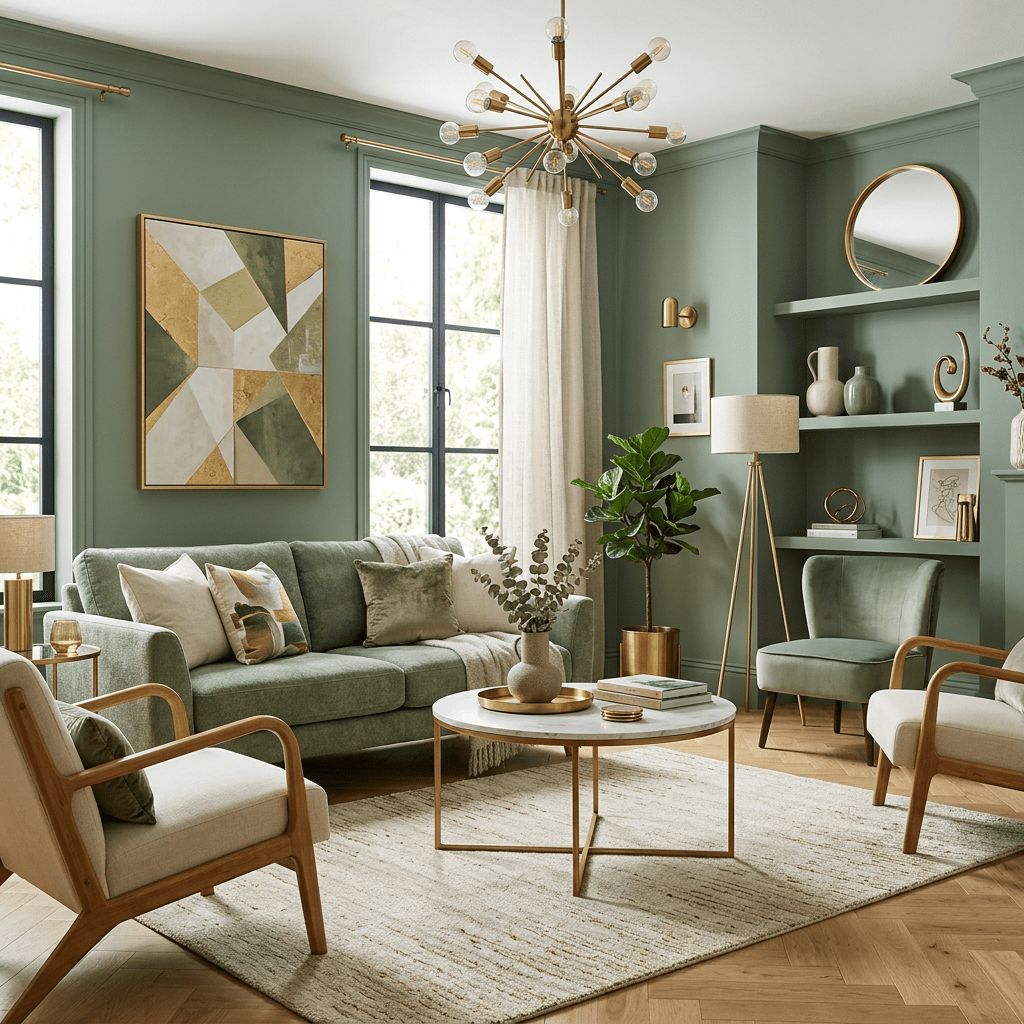
Sage Green + Cream
Sage green has become one of the most loved home decor colors because it feels calming, earthy, and fresh.
Why it works:
- Green represents nature and tranquility
- Cream softens the palette
- Together they create a peaceful atmosphere
This combination works especially well in:
- Organic modern homes
- Cozy family rooms
- Minimalist spaces
- Farmhouse-inspired interiors
Add wood accents for even more warmth.
Navy Blue + White
This timeless combination never goes out of style.
Why it works:
- Navy creates richness and structure
- White keeps the room feeling bright and clean
- The contrast feels crisp and polished
This palette can feel:
- Coastal
- Traditional
- Modern
- Luxurious
depending on the furniture and decor you pair with it.
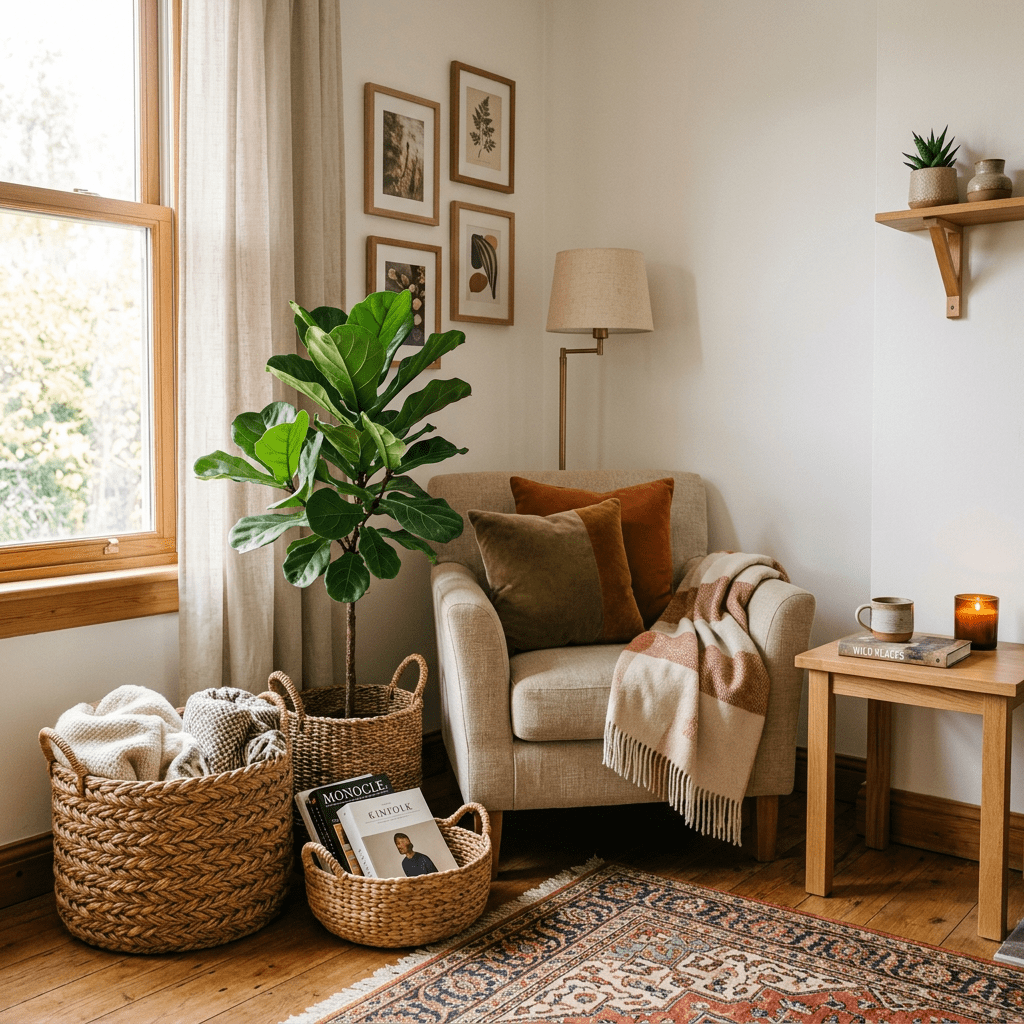
Terracotta + Beige + Olive
Earth-tone palettes are becoming increasingly popular because they create warmth and comfort.
Why it works:
- Terracotta adds warmth and personality
- Beige keeps the room balanced
- Olive introduces depth and a natural feel
This palette is ideal for:
- Boho interiors
- Mediterranean-inspired homes
- Cozy modern spaces
Black + Ivory + Wood Tones
This combination feels clean, dramatic, and timeless.
Why it works:
- Black adds definition
- Ivory softens the space
- Wood introduces warmth and texture
This palette is especially popular in modern and contemporary interiors.
When Did Colorful Interiors Become Popular Again?
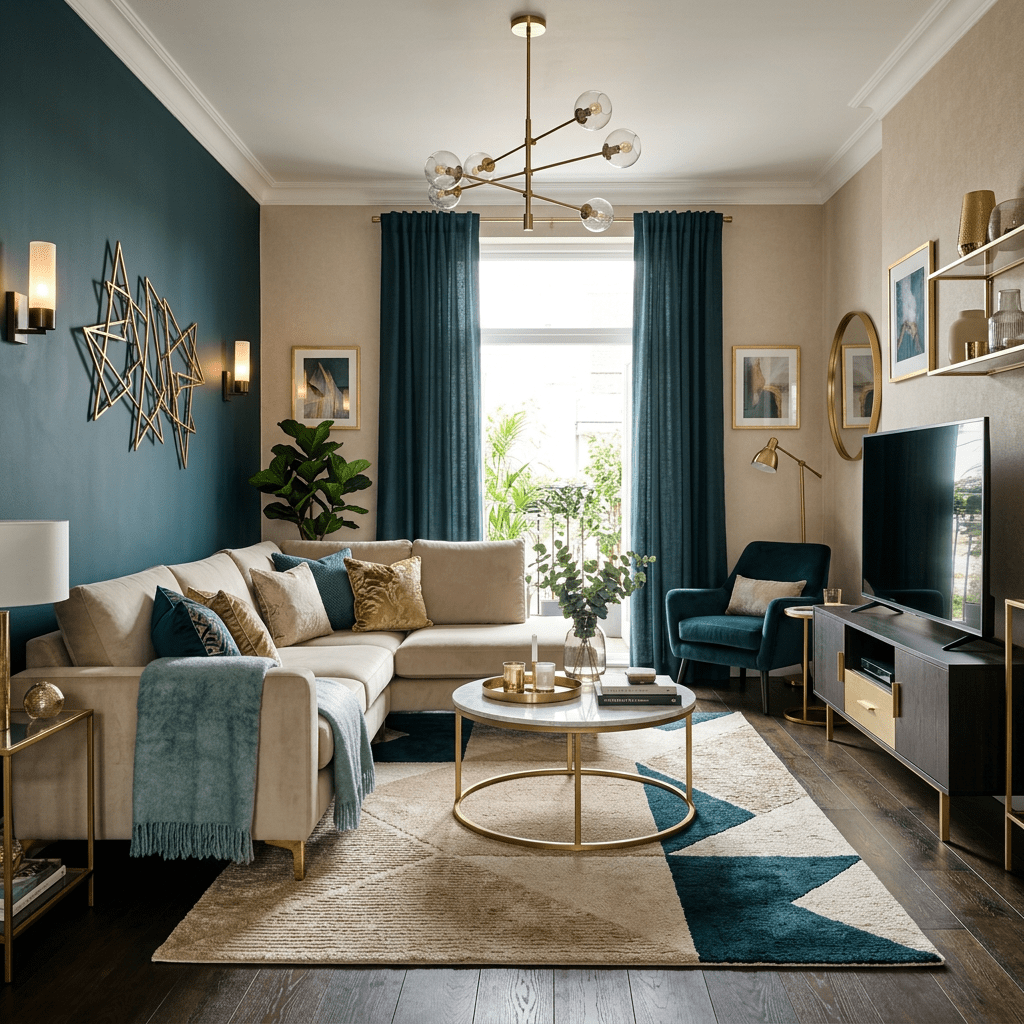
For years, neutral gray interiors dominated home decor trends. Minimalist homes filled with white, gray, and cool-toned palettes became extremely popular during the 2010s. Many homeowners loved the clean and simple aesthetic.
However, around the early 2020s, interior design started shifting toward warmer, more personal spaces.
People began craving homes that felt:
- Comfortable
- Expressive
- Welcoming
- Lived-in
- Emotionally uplifting
After spending more time at home, many people realized they wanted interiors that reflected personality and comfort rather than spaces that felt overly staged or sterile.
This led to the rise of:
- Earth tones
- Warm neutrals
- Moody colors
- Rich greens
- Terracotta shades
- Layered textures
- Bold accent colors
Social media platforms like Pinterest and Instagram also helped colorful interiors trend again because people became inspired by unique, personality-filled homes instead of identical all-gray spaces.
Today, homeowners are embracing color in ways that feel intentional rather than overwhelming.
Tips for Choosing the Perfect Living Room Color Combination
Start With One Main Color
Choose one color you truly love and build around it.
This could be:
- Your couch color
- A rug
- Wall art
- A favorite accent chair
Once you have your main color, add supporting shades that complement it.
Use the 60-30-10 Rule
This classic decorating rule helps create balance.
- 60% dominant color (walls/furniture)
- 30% secondary color (curtains/rugs/seating)
- 10% accent color (pillows/decor/art)
This prevents a room from feeling too busy.
Consider Lighting
Natural light changes how colors appear.
A room with lots of sunlight may handle darker colors beautifully, while a darker room may benefit from lighter shades to keep it feeling open and airy.
Always test paint samples before fully committing.
Think About Mood
Ask yourself how you want your living room to feel.
Do you want:
- Cozy and warm?
- Bright and airy?
- Elegant and dramatic?
- Calm and peaceful?
- Trendy and bold?
Your desired mood should guide your color choices.
Your Home Should Reflect You
One of the best things about today’s home decor trends is that there are fewer “rules” than ever before. While certain color combinations naturally work well together, your home should ultimately feel personal and authentic to you.
Some people love soft neutral palettes. Others feel happiest surrounded by rich colors and bold decor. Neither is wrong.
The perfect color combination is the one that makes your living room feel comfortable, beautiful, and welcoming every time you walk into it.
Because at the end of the day, good design is not just about trends. It is about creating a home that feels like yours.
 Discoveringlifellc
Leave a comment