
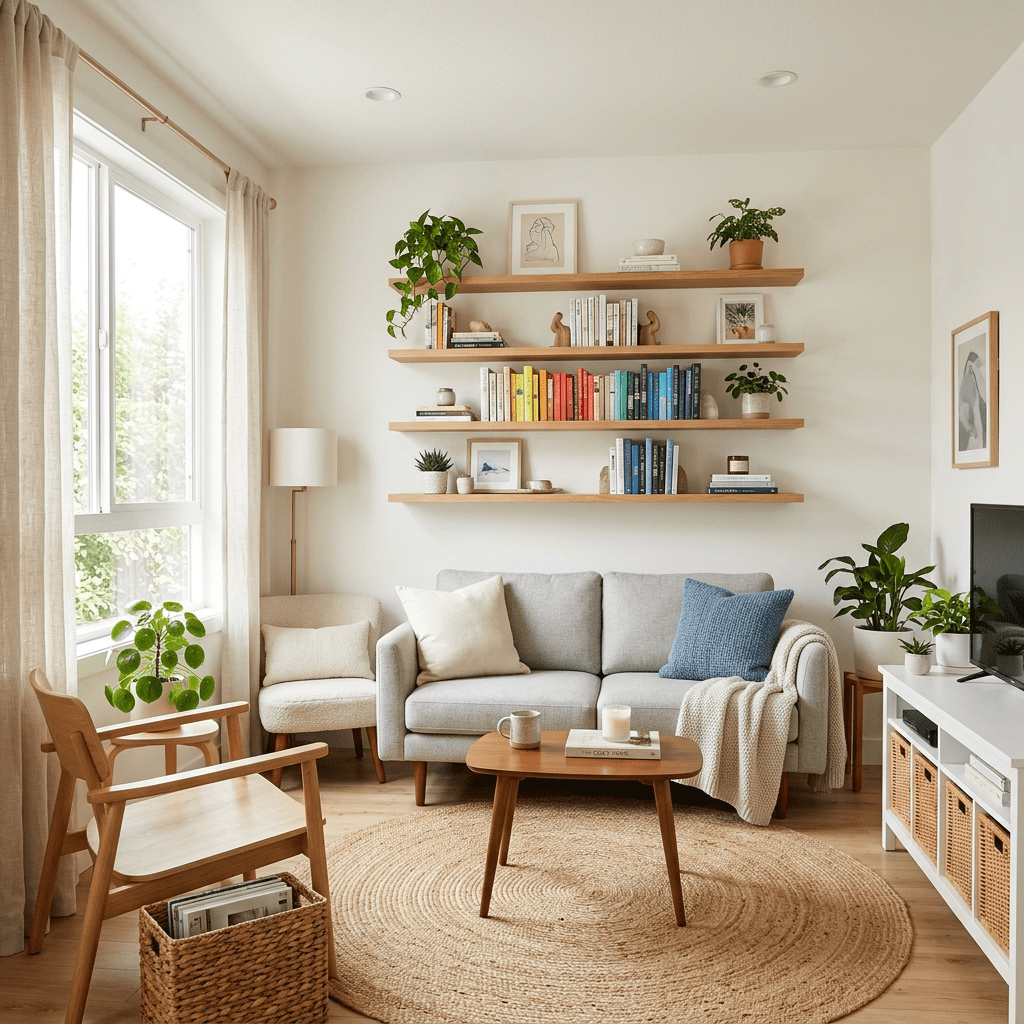
Have you ever walked into your home and thought, “If only I had more space?” Maybe your apartment feels cramped, your tiny house feels crowded, or your starter home seems too small for all the dreams you have for it. You’re not alone.
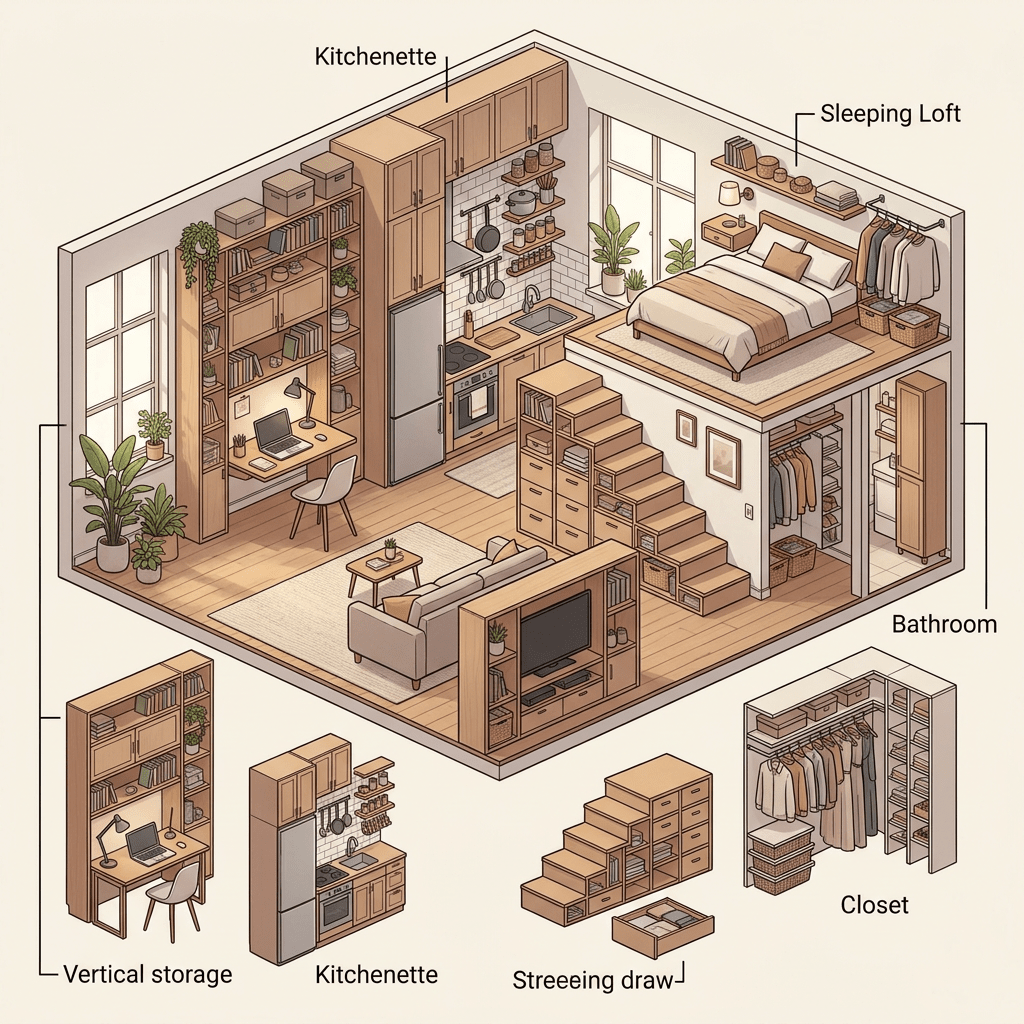
Many people struggle with the idea that bigger is always better. Social media often showcases sprawling kitchens, massive walk-in closets, and homes with more rooms than most families know what to do with. It’s easy to look around your small space and feel like you’re somehow missing out.
But what if your small space isn’t the problem? What if it simply needs a new perspective?
Why So Many People Dread Coming Home to a Small Space
When people feel uncomfortable in a small home, it usually isn’t because of the square footage itself. More often, it’s because the space feels cluttered, disorganized, or doesn’t reflect their personality.
A small room can feel overwhelming when:
- Furniture is too large for the room
- Storage is limited
- There is visual clutter everywhere
- The layout doesn’t function well
- The decor feels unfinished or random
When these issues pile up, coming home can feel stressful instead of relaxing.The good news? Most of these problems can be solved without moving into a bigger house.
The Story of Emily and Her Tiny Apartment
Emily dreamed of owning a beautiful home one day. She spent hours scrolling through photos of luxury homes online and comparing them to her 600-square-foot apartment. Every evening, she’d walk through her front door and immediately notice what she didn’t have. No large dining room, no home office, no oversized sectional and no walk-in pantry.
One day, after complaining about her lack of space for what felt like the hundredth time, her grandmother asked a simple question: “Do you need a bigger home, or do you need a home that feels better?” The question stuck with her.
Over the next few months, Emily stopped focusing on what she lacked and started improving what she had. She removed furniture she never used. She added mirrors to brighten dark corners. She invested in attractive storage baskets. She chose lighter paint colors. She hung artwork she genuinely loved. Slowly, her apartment transformed.
The square footage never changed. But the feeling did. Instead of seeing limitations, she began seeing possibilities.
How to Make a Small Space Feel Larger
1. Declutter Ruthlessly
Nothing shrinks a room faster than clutter. If you haven’t used something in over a year, ask yourself if it truly deserves valuable space in your home.
Remember:
Every item should either:
- Serve a purpose
- Bring you joy
- Earn its place
Less clutter creates more visual breathing room.
2. Choose Furniture That Fits
One of the biggest mistakes people make is buying furniture designed for larger homes. Oversized sofas, bulky coffee tables, and giant entertainment centers can overwhelm a room.
Instead, look for:
- Apartment-sized furniture
- Multi-functional pieces
- Furniture with exposed legs
- Nesting tables
- Storage ottomans
These pieces provide function without overwhelming the space.
3. Use Vertical Space
When floor space is limited, think upward.
Consider:
- Floating shelves
- Tall bookcases
- Wall-mounted storage
- Hanging plants
- Vertical artwork arrangements
Your walls are valuable real estate.
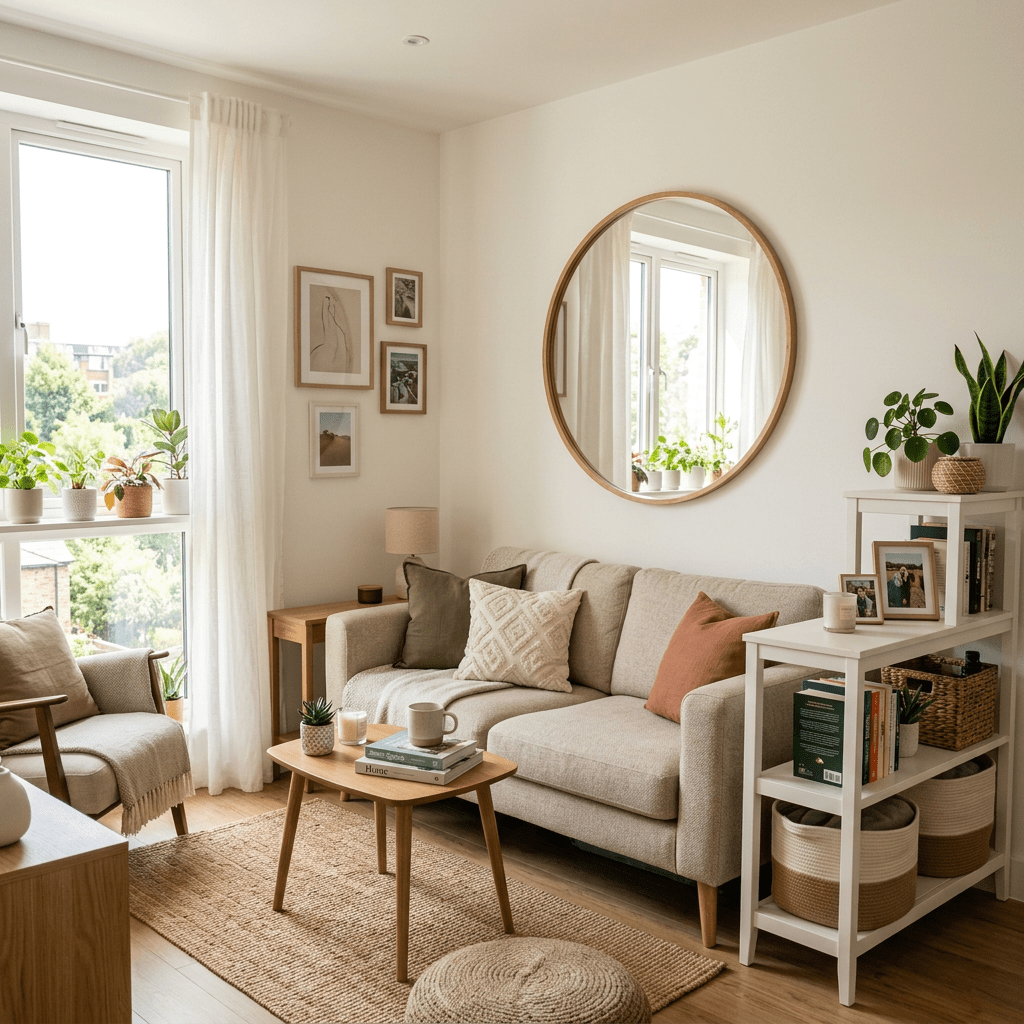
4. Let Light Work Its Magic
Natural light makes rooms feel larger and more inviting.
To maximize light:
- Use sheer curtains
- Keep windows unobstructed
- Add mirrors opposite windows
- Choose lighter wall colors
- Incorporate reflective surfaces
Even the smallest room can feel open and airy when filled with light.
5. Create Defined Areas
Even in a studio apartment, creating zones helps a space feel intentional.
Try designating areas for:
- Relaxing
- Sleeping
- Working
- Dining
Area rugs, shelving units, and furniture placement can help separate spaces without adding walls.
Why Are People Choosing Smaller Homes?
For decades, bigger homes were considered a symbol of success. Today, many people are moving in the opposite direction. The small-space movement continues to grow because people are reevaluating what truly matters.
Financial Freedom
Smaller homes often mean:
- Lower mortgage payments
- Reduced utility bills
- Lower maintenance costs
- Less spending on furnishings
Many homeowners are discovering that financial peace feels better than extra square footage.
Less Cleaning
Let’s be honest. Nobody dreams about spending their weekends vacuuming six bedrooms. Smaller homes require less maintenance, giving people more time to enjoy life.
Simpler Living
Many people are embracing minimalism and intentional living. A smaller space naturally encourages homeowners to focus on what they truly value rather than accumulating more possessions.
Environmental Benefits
Smaller homes typically consume:
- Less energy
- Fewer building materials
- Less water
- Fewer resources overall
For environmentally conscious homeowners, downsizing can feel like a meaningful choice.
The Allure of Small-Space Living
The appeal of a small home goes beyond finances and practicality. Small spaces often feel:
Cozy
There is something comforting about a home that wraps around you rather than stretches endlessly in every direction.
Personal
Every corner matters. Every design decision has purpose. Small spaces often feel more curated and intentional.
Easier to Maintain
Instead of constantly managing your home, you can spend more time enjoying it.
More Connected
Families often spend more time together in smaller homes because shared spaces naturally encourage interaction.
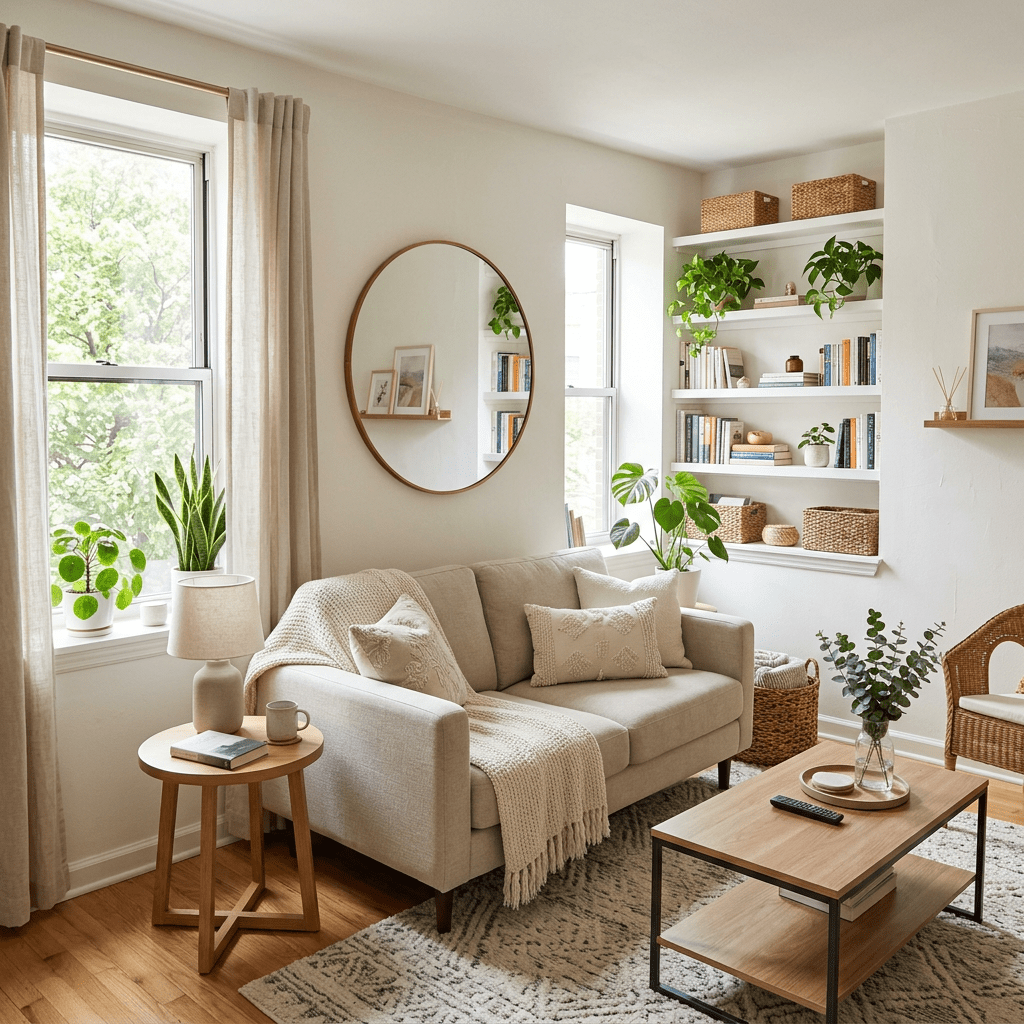
Bigger Isn’t Always Better
The truth is that a beautiful home isn’t measured in square feet. It’s measured in how it makes you feel. A small home can be warm, welcoming, stylish, functional, and inspiring. It can be a place where memories are made, traditions are started, and life unfolds beautifully.
If you’ve been wishing for more space, take a moment to appreciate the space you already have. You may discover that what you’re really searching for isn’t a bigger house. It’s a home that feels like you.
And sometimes, the most comfortable homes aren’t the largest ones at all. They’re the ones filled with purpose, personality, and the people you love most. Because at the end of the day, home isn’t about how much space you have—it’s about how well you live within it.

 Discoveringlifellc
Leave a comment