
Transforming Spaces, Inspiring Lives.
Technology has transformed nearly every aspect of our daily lives—including the way we decorate, organize, and experience our homes. What was once limited to televisions and telephones has evolved into intelligent lighting, voice-controlled assistants, smart appliances, automated security systems, and even refrigerators that can help create grocery lists.

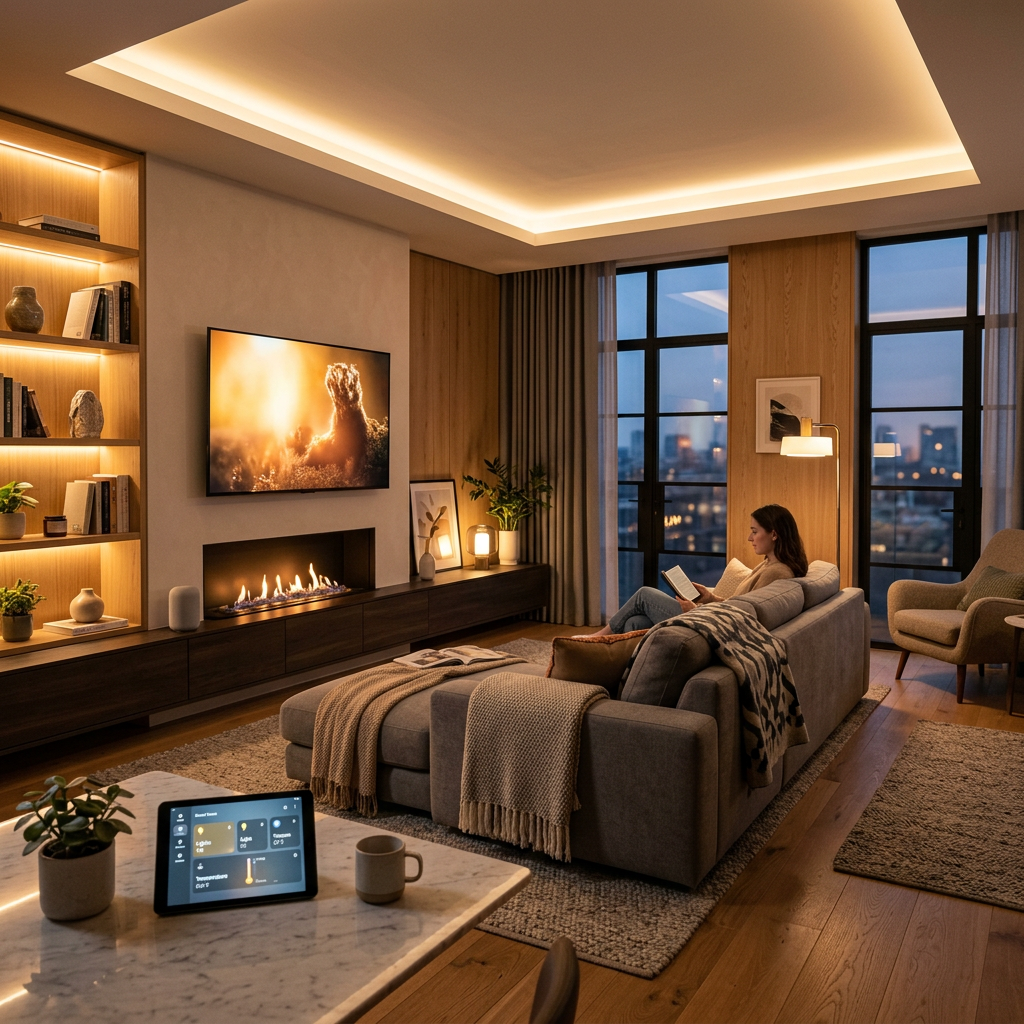
Today’s homes aren’t just places to live—they’re becoming personalized environments that are comfortable, efficient, secure, and beautifully designed. The best part? Technology no longer has to interrupt your home’s style. Instead, it can blend seamlessly into nearly every design aesthetic, from cozy farmhouse cottages to sleek modern lofts.

Let’s explore how technology became part of home décor, why homeowners continue embracing it, and which smart home features are becoming everyday essentials.
The History of Technology in the Home
Home technology has evolved steadily over the past century.
Early 1900s: Electricity Changes Everything
When electricity became common in households during the early 20th century, it revolutionized everyday living. Homes quickly adopted electric lighting, refrigerators, washing machines, vacuum cleaners, and radios.
These inventions weren’t simply conveniences—they dramatically reduced the amount of manual labor families performed every day.
The Mid-Century Modern Era
By the 1950s and 1960s, technology became a symbol of progress.
Families proudly displayed:
- Televisions
- Hi-fi stereo systems
- Electric kitchen appliances
- Air conditioning
- Automatic dishwashers
Designers began creating furniture around these new devices. Entertainment centers, built-in shelving, and media cabinets became popular additions to living rooms. Technology was becoming part of home design.
The Computer Revolution
The 1980s and 1990s introduced personal computers and the internet.
Homes suddenly needed:
- Computer desks
- Home offices
- Cable management
- Telephone lines
- Printers
- Internet routers
Technology shifted from entertainment to productivity.
The Smart Home Era
Today, technology is no longer something we simply own. It’s something we interact with constantly. Voice assistants, automation, wireless devices, and AI have completely changed how homes function.
Many homeowners can now:
- Lock doors remotely
- Watch security cameras from anywhere
- Control lights with their voice
- Adjust thermostats automatically
- Start robotic vacuums while they’re away
- Stream entertainment throughout the home
Technology has become nearly invisible—designed to make everyday living easier without overwhelming the space.
Why Do People Choose Technology in Their Homes?
Every family is different, but most homeowners invest in technology for similar reasons.
Convenience
Life is busy. Smart technology helps simplify everyday routines. Imagine saying: “Turn off the lights.” Or: “Set the thermostat to 70 degrees.” Without lifting a finger. Automation saves time while reducing the number of small tasks throughout the day.
Better Security
Safety is one of the biggest reasons homeowners embrace smart technology.
Popular security features include:
- Video doorbells
- Smart locks
- Motion sensors
- Indoor cameras
- Outdoor floodlights
- Alarm systems
- Garage door monitoring
These devices provide peace of mind whether you’re at work, on vacation, or simply asleep upstairs.
Energy Savings
Smart homes can also lower utility costs.
Technology can automatically:
- Turn off unused lights
- Adjust heating and cooling
- Schedule appliances
- Monitor electricity usage
- Detect water leaks before major damage occurs
Small improvements can add up over time.
Comfort
Modern technology makes homes feel more personalized.
Examples include:
- Smart blinds opening each morning
- Music following you from room to room
- Lights dimming automatically for movie night
- Heated floors
- Voice-controlled fireplaces
- Adjustable lighting scenes
These upgrades create an atmosphere that feels welcoming and customized to your lifestyle.
Accessibility
Technology also helps individuals with mobility challenges, aging adults, and people with disabilities live more independently. Voice controls and automation can make everyday tasks significantly easier without requiring expensive renovations.
Common Technologies Found in Homes
Today’s smart homes include far more than just computers and televisions. Here are some of the most common technologies homeowners are adding.
Smart Speakers
Devices like smart speakers allow homeowners to:
- Play music
- Set reminders
- Check weather forecasts
- Answer questions
- Control other smart devices
They’re often the starting point for building a connected home.
Smart Lighting
Smart bulbs and switches allow users to:
- Change brightness
- Schedule lighting
- Adjust colors
- Save energy
- Create different moods
Lighting has become both functional and decorative.
Smart Thermostats
These devices learn your schedule and automatically adjust heating and cooling.
Benefits include:
- Lower utility bills
- Improved comfort
- Remote control through smartphone apps
Video Doorbells
Doorbell cameras allow homeowners to:
- See visitors
- Speak through two-way audio
- Record motion events
- Monitor package deliveries
They’re especially popular for online shoppers.
Smart Locks
Forget wondering whether you locked the front door.
Smart locks allow homeowners to:
- Lock or unlock remotely
- Create temporary guest codes
- Track entries
- Eliminate spare keys
Robot Vacuums
Cleaning has become much easier with robotic vacuums.
Many can:
- Map your home
- Avoid obstacles
- Return to charging stations
- Follow cleaning schedules
Some even empty themselves automatically.
Smart Kitchen Appliances
Today’s kitchens include:
- Wi-Fi refrigerators
- Smart ovens
- Connected coffee makers
- Touchless faucets
- Air fryers
- Voice-controlled microwaves
Technology helps cooking become faster and more efficient.
Home Entertainment Systems
Entertainment continues evolving through:
- Streaming devices
- Soundbars
- Wireless speakers
- Projectors
- Smart televisions
- Gaming systems
Modern media rooms combine comfort with immersive experiences.
Smart Security Systems
Many homes now include:
- Motion detectors
- Window sensors
- Glass-break sensors
- Smoke detectors
- Carbon monoxide monitors
- Water leak sensors
These systems work together to help protect both your family and your property.
Can Technology Still Look Beautiful?
Absolutely, one concern many homeowners have is whether technology will make their home feel cluttered. Fortunately, manufacturers now design products with style in mind.
Many devices feature:
- Neutral colors
- Slim profiles
- Hidden wiring
- Minimalist designs
- Decorative finishes
Many smart devices blend naturally into contemporary, traditional, Scandinavian, industrial, farmhouse, or luxury interiors. The goal is for technology to support the design—not compete with it.
Tips for Blending Technology with Your Home Décor
If you’re adding technology to your home, keep these decorating tips in mind:
- Hide cords using cable organizers or cord covers.
- Choose technology in colors that complement your décor.
- Incorporate charging stations into furniture whenever possible.
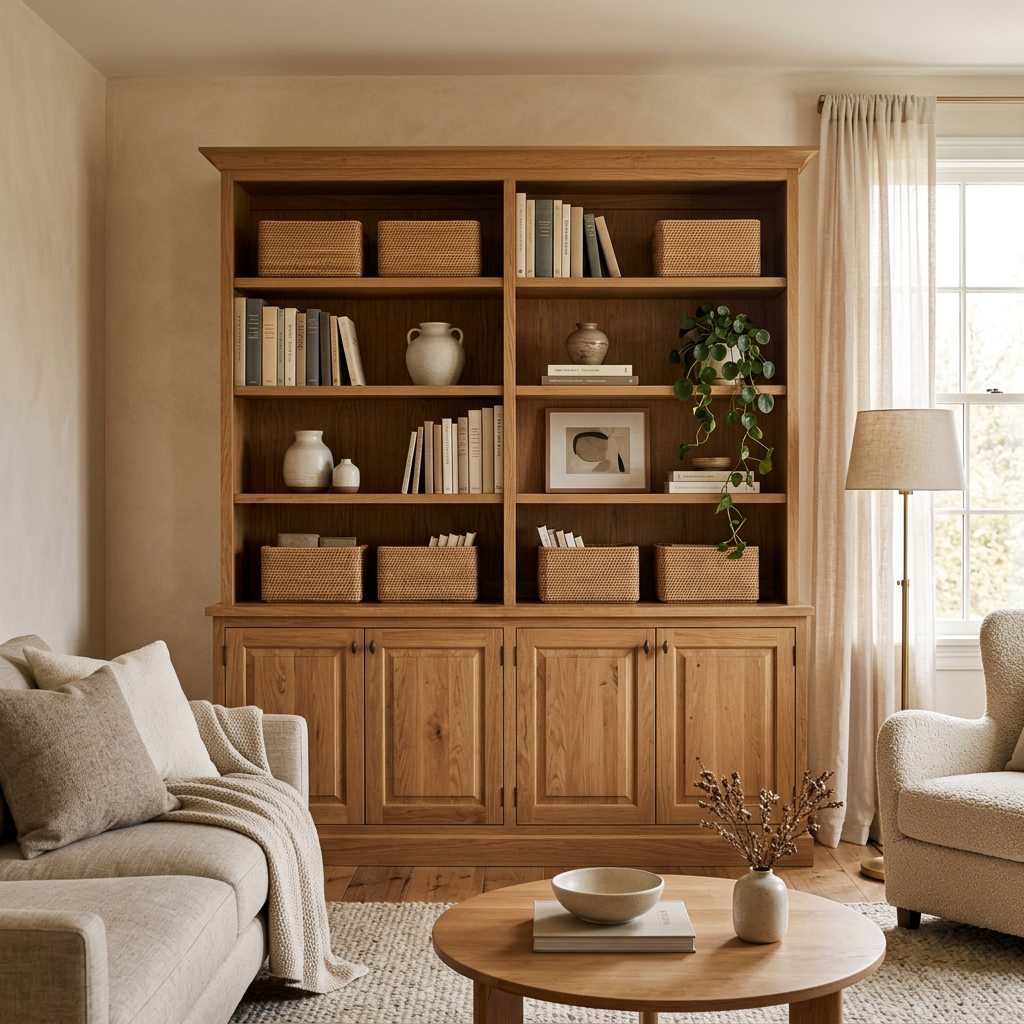
- Select decorative baskets or cabinets to conceal routers and hubs.
- Balance technology with natural textures like wood, plants, woven baskets, and textiles.
- Use layered lighting to create warmth while highlighting smart features.
- Avoid overcrowding surfaces with gadgets by prioritizing multifunctional devices.
When thoughtfully integrated, technology can enhance your home’s style while preserving a warm, inviting atmosphere.

Finding the Right Balance
Technology should support your lifestyle—not define it. Some homeowners enjoy fully automated smart homes, while others prefer just a few connected devices that make daily routines simpler.
The key is choosing technology that aligns with your needs, complements your décor, and enhances how you experience your home. Whether it’s a voice-controlled lamp, a smart thermostat, or a whole-home automation system, each addition should serve a purpose while maintaining the comfort and personality that make your space uniquely yours.
After all, the smartest home is one that reflects the people who live there—beautifully, thoughtfully, and with technology working quietly in the background to make life just a little easier.
What smart technology has made the biggest difference in your home? Share your favorite device or dream upgrade in the comments—we’d love to hear how you’re creating a home that’s both stylish and smart!



Leave a Reply