
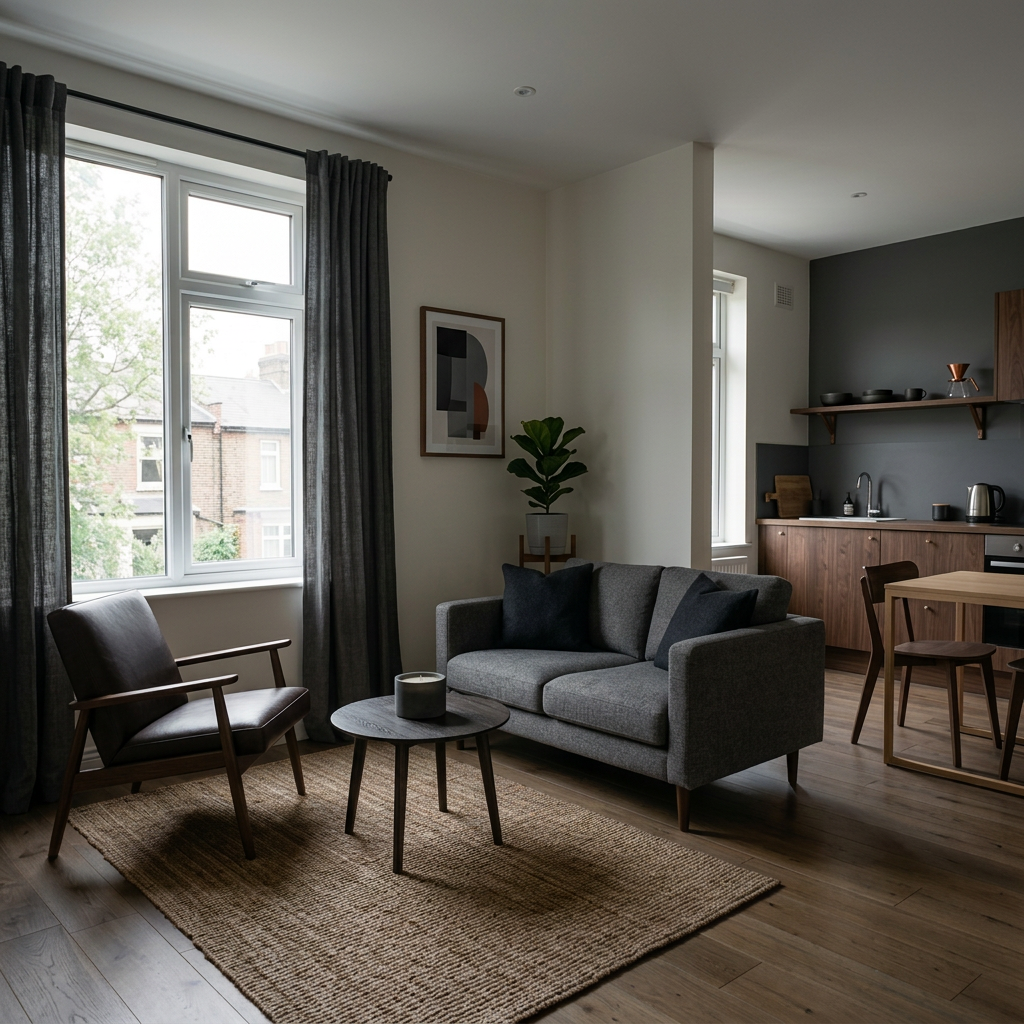
Moving into your first apartment or house is one of the biggest milestones you’ll experience as a young man. It’s exciting to finally have your own space, make your own decisions, and enjoy the independence you’ve been looking forward to. But along with that freedom comes responsibility.

Many first-time renters quickly realize that having an apartment is about much more than buying a TV and a gaming system. Bills have to be paid, groceries don’t magically appear, and cleaning is no longer someone else’s responsibility.
The good news? With a little planning, your first home can be a place you’re proud of—and one that sets you up for success.
Here’s everything you should know before moving into your first independent space.
Why Your First Place Matters
Your first home is more than just somewhere to sleep.
It’s where you’ll learn:
- Financial responsibility
- Time management
- Home maintenance
- Organization
- Self-discipline
- Hospitality
- Independence
The habits you build now often stay with you for years.
Step 1: Make Sure You Can Actually Afford It
One of the biggest mistakes young adults make is renting the nicest apartment they qualify for instead of the one they can comfortably afford. A good rule is to spend no more than 30% of your monthly income on rent.
Don’t forget you’ll also pay for:
- Electricity
- Water
- Internet
- Trash service
- Parking
- Renter’s insurance
- Streaming subscriptions
- Groceries
- Gas
- Car insurance
- Cell phone
- Emergency expenses
If your monthly income is $3,500, don’t commit to an apartment that leaves you with only a few hundred dollars after bills. Living comfortably beats living paycheck to paycheck.
Step 2: Build an Emergency Fund First
Before signing a lease, try to save at least:
- First month’s rent
- Security deposit
- Utility deposits
- Moving expenses
- Furniture
- Three months of emergency savings
Life happens. Cars break down. Jobs change. Unexpected medical bills happen. Having savings gives you options instead of stress.
Step 3: Check Your Credit
Many apartment complexes check your credit score.
If your credit isn’t perfect:
- Pay down credit cards
- Make payments on time
- Avoid opening unnecessary accounts
- Keep balances low
A better credit score often means:
- Easier approval
- Lower deposits
- Better interest rates

Step 4: Create a Realistic Budget
Before moving, write out every monthly expense.
Example:
| Expense | Estimated Cost |
|---|---|
| Rent | $1,200 |
| Electric | $100 |
| Internet | $70 |
| Phone | $70 |
| Groceries | $350 |
| Gas | $180 |
| Insurance | $180 |
| Entertainment | $150 |
| Savings | $300 |
Knowing where every dollar goes helps prevent financial surprises.
Step 5: Find the Right Apartment
Don’t only look at photos online.
Visit in person.
Ask questions like:
- Is the neighborhood safe?
- How far is work?
- Is parking included?
- Are pets allowed?
- How responsive is maintenance?
- What’s included in rent?
- Are there hidden fees?
Also visit during the evening to see what the area is really like.
Step 6: Read Your Lease Carefully
Never sign a lease without reading it.
Pay attention to:
- Length of lease
- Late fees
- Guest policies
- Pet restrictions
- Renewal terms
- Maintenance responsibilities
- Move-out requirements
Understanding your lease now can save you headaches later.
Things You’ll Actually Need
Many guys focus on electronics before the essentials.
Start with the basics.
Bedroom
- Mattress
- Bed frame
- Pillows
- Sheets
- Comforter
- Laundry basket
- Nightstand
- Alarm clock
Bathroom
- Shower curtain
- Bath towels
- Hand towels
- Toilet paper
- Toilet brush
- Plunger
- Soap
- Shampoo
- Toothbrush holder
- Trash can
- First aid kit
Kitchen
- Plates
- Bowls
- Cups
- Silverware
- Cooking utensils
- Frying pan
- Pot
- Baking sheet
- Can opener
- Knife set
- Cutting board
- Measuring cups
- Food storage containers
- Dish soap
- Sponge
- Paper towels
- Trash bags
Cleaning Supplies
- Vacuum
- Broom
- Dustpan
- Mop
- Multi-surface cleaner
- Glass cleaner
- Laundry detergent
- Dryer sheets
- Disinfecting wipes
A clean apartment instantly feels more comfortable and welcoming.
Living Room
You don’t need expensive furniture right away.
Start with:
- Couch
- Coffee table
- TV stand
- Lamp
- Rug
- Curtains
You can always upgrade later.
Don’t Forget These Often-Overlooked Items
These are easy to forget but incredibly useful:
- Extension cords
- Power strips
- Flashlight
- Tool kit
- Batteries
- Command hooks
- Air freshener
- Fire extinguisher
- Step stool
- Surge protectors
- Extra phone chargers
Learn Basic Cooking
Ordering takeout every night gets expensive fast. Learn 10–15 simple meals you enjoy making.
Some great beginner meals include:
- Grilled chicken with rice and vegetables
- Spaghetti
- Tacos
- Stir fry
- Chili
- Breakfast burritos
- Burgers
- Baked potatoes
- Sheet-pan chicken and vegetables
- Homemade sandwiches and wraps
Cooking at home saves money and helps you eat healthier.
Learn Basic Home Maintenance
You don’t need to be a handyman.
But you should know how to:
- Reset a breaker
- Change light bulbs
- Replace air filters
- Unclog a sink
- Shut off the water
- Hang pictures safely
- Use basic tools
These simple skills save time and money.

Keep Your Space Organized
Your apartment doesn’t need to look like a showroom. But it should stay clean enough that you’re never embarrassed if someone stops by.
Simple habits include:
- Make your bed every morning.
- Wash dishes daily.
- Take out the trash before it overflows.
- Do laundry weekly.
- Wipe down bathroom surfaces regularly.
- Vacuum once a week.
Small routines prevent overwhelming messes.
Protect Your Mental Health
Living alone can be amazing—but it can also feel lonely at times.
Make an effort to:
- Stay connected with family.
- Spend time with friends.
- Exercise regularly.
- Get outside.
- Keep a consistent sleep schedule.
- Avoid isolating yourself.
Your home should support your well-being, not become a place where you withdraw from the world.
Build Good Financial Habits Early
Your future self will thank you.
Aim to:
- Pay bills on time.
- Save a portion of every paycheck.
- Avoid unnecessary debt.
- Build your credit responsibly.
- Start investing when you can.
- Track your spending.
Even small, consistent steps can make a big difference over time.
Respect Your Neighbors
Being a good neighbor helps create a positive living environment.
Remember to:
- Keep noise down, especially late at night.
- Clean up after yourself in shared spaces.
- Follow community rules.
- Introduce yourself when appropriate.
- Report maintenance issues promptly.
Good relationships with neighbors can make your new home feel more welcoming.
Make It Feel Like Home
Your first place doesn’t have to be perfect. Add personal touches that reflect your personality:
- Framed photos
- Artwork
- Plants
- A quality desk setup
- Bookshelves
- Comfortable lighting
- Throw blankets
- Decorative pillows
- A favorite chair for relaxing
A thoughtfully designed space can boost comfort, productivity, and confidence.
What should a young man buy before moving into his first apartment?
Focus on essentials first: a bed, basic kitchen supplies, bathroom necessities, cleaning products, and a few key pieces of furniture. You can add decorative items and upgrades over time.
How much money should I save before moving out?
A good goal is to save enough for your security deposit, first month’s rent, moving costs, basic furnishings, and three months of living expenses for emergencies.
What’s the biggest mistake first-time renters make?
Many underestimate the true cost of living on their own. Budget for utilities, groceries, transportation, insurance, and unexpected expenses—not just rent.
How can I make my first apartment feel more like home?
Keep it clean, choose comfortable furniture, add personal décor, use warm lighting, and create routines that make your space both functional and relaxing.

Advice Every Young Man Should Hear Before Moving Out
No one expects you to have everything figured out. You’ll learn by doing. You’ll make mistakes, forget things, and probably buy a few items you never use. That’s all part of the process.
The goal isn’t to have the most expensive apartment or the trendiest furniture. It’s to create a home that supports your goals, fits your budget, and gives you a place to grow into adulthood.
Take pride in your space. Keep it clean. Stay financially responsible. Ask for help when you need it, and don’t compare your journey to anyone else’s.
Your first home is the beginning of a new chapter—and with preparation, patience, and good habits, it can become the foundation for an independent and successful future.


Leave a Reply