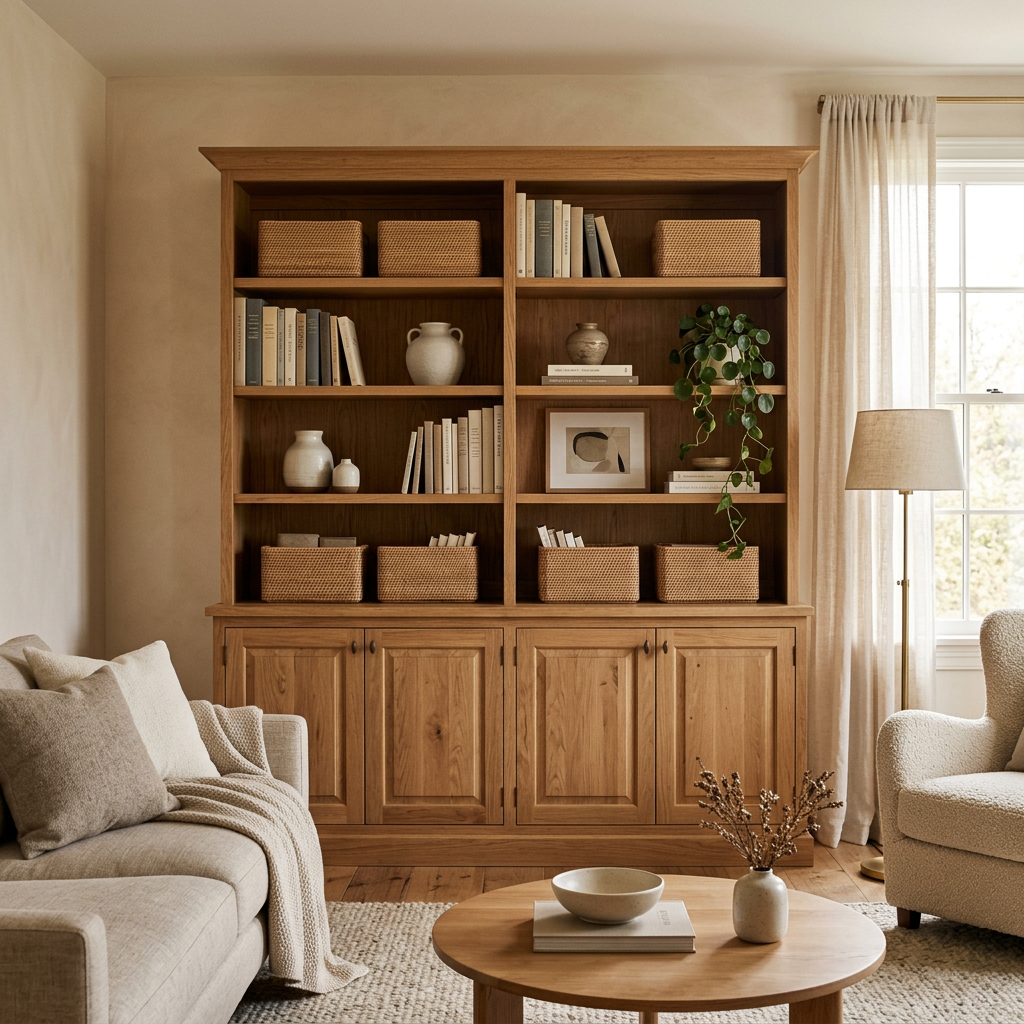
Have you ever walked into a furniture store or browsed online and thought, I need more storage, but what kind? Cabinets, chests, sideboards, buffets, consoles, dressers, and storage towers can all look similar. To choose the right cabinet, consider how it fits your space, your lifestyle, your storage needs, and your decorating style.

But they can serve very different purposes. It should also match your storage needs and decorating style. The good news is that you don’t have to be a furniture expert to make the right choice. With a little planning, you can find a cabinet or chest that adds storage while also making your room look more finished and intentional.

Start With the Problem You’re Trying to Solve
Before you start shopping, ask yourself one simple question: What do I need this piece of furniture to do?
Are you trying to hide clutter? Store dishes? Organize blankets? Create a place for electronics? Add storage to a small bedroom? Fill an empty wall? Or maybe you simply love the look of a beautiful cabinet and want to add character to your room.
Your answer should guide your purchase. For example, a cabinet with doors is excellent when you want to conceal everyday clutter; choose the right cabinet. Additionally, a chest with drawers is better for organized storage. A tall cabinet can take advantage of vertical space.
A low cabinet can provide storage without visually overwhelming a room. Don’t start with the furniture. Start with the function.
Cabinet or Chest: What’s the Difference?
Although the terms are sometimes used interchangeably, there are some general differences.
A cabinet typically has doors and shelves inside. This makes cabinets particularly useful for items that you want stored out of sight. Cabinets can work beautifully in living rooms, dining rooms, bathrooms, kitchens, offices, and entryways.
A chest generally has drawers and is designed for organizing smaller or folded items. Chests are especially popular in bedrooms, but they can also work in offices, craft rooms, hallways, and living spaces.
Then there are pieces that blur the lines. A cabinet may have both doors and drawers, while a chest may include open shelving. This is why looking beyond the name is important.
When shopping, pay more attention to how the piece is constructed and how you plan to use it than what the manufacturer calls it.
Measure Your Space Before You Fall in Love
This may be the least exciting part of furniture shopping, but it can save you from making a very expensive mistake.
Measure the wall, corner, or area where you plan to put the furniture. Don’t just measure the width. Consider the height and depth as well. A cabinet that looks perfect online can suddenly feel enormous. Additionally, it also grows larger when it sits several inches farther into your room than expected.
Additionally, think about the space around it to help you choose the right cabinet. Will cabinet doors have enough room to open? Can drawers extend completely? Will people be able to walk comfortably around it? If you’re placing it near another piece of furniture, will everything feel cramped? And don’t forget the trip from the front door to the room.
Measure doorways, hallways, stairways, and tight corners if you’re purchasing a large piece. A beautiful cabinet isn’t very useful if it can’t make it through the front door.
Think About Proportion
One of the biggest decorating mistakes people make is choosing furniture based solely on whether they like the way it looks. A piece can be beautiful and still be completely wrong for your room.
Think about proportion. A large wall may need a substantial cabinet to keep the furniture from looking lost. On the other hand, a smaller room may benefit from a narrower or taller piece.
You also want to consider the furniture you already own.
If you have a large sectional, oversized coffee table, and substantial accent chairs, a tiny cabinet may look out of place. Likewise, putting an enormous chest beside delicate furniture can make the room feel unbalanced. Your furniture doesn’t have to match, but it should feel like it belongs together.

Don’t Ignore Storage Capacity
Two cabinets can look almost identical from the outside but offer completely different amounts of storage. Before purchasing, look at the interior dimensions. Are the shelves adjustable? How deep are they? Are the drawers large enough for what you want to store? Is there wasted space inside? Can the shelves support heavier items? Think about what you actually plan to put inside.
If you’re storing blankets, pillows, board games, and baskets, you may need deep shelves. Additionally, when you choose the right cabinet, drawers might be more practical for smaller items. This is where your lifestyle matters. The “prettiest” storage solution isn’t always the most functional one.
Choose Closed Storage When You Want a Cleaner Look
If clutter makes you feel overwhelmed, closed storage can be your best friend. Cabinets with doors allow you to hide everything from children’s toys and board games to extra linens, electronics, paperwork, and household supplies. This can be especially helpful in rooms that need to serve multiple purposes.
For example, your living room may be your family’s entertainment space, office, and gathering area all at once. A beautiful cabinet can hide the things you don’t want constantly visible while allowing the room to maintain a polished appearance. Think of it as the decorating equivalent of putting everything behind the scenes.
Consider Open Shelving When You Want to Display
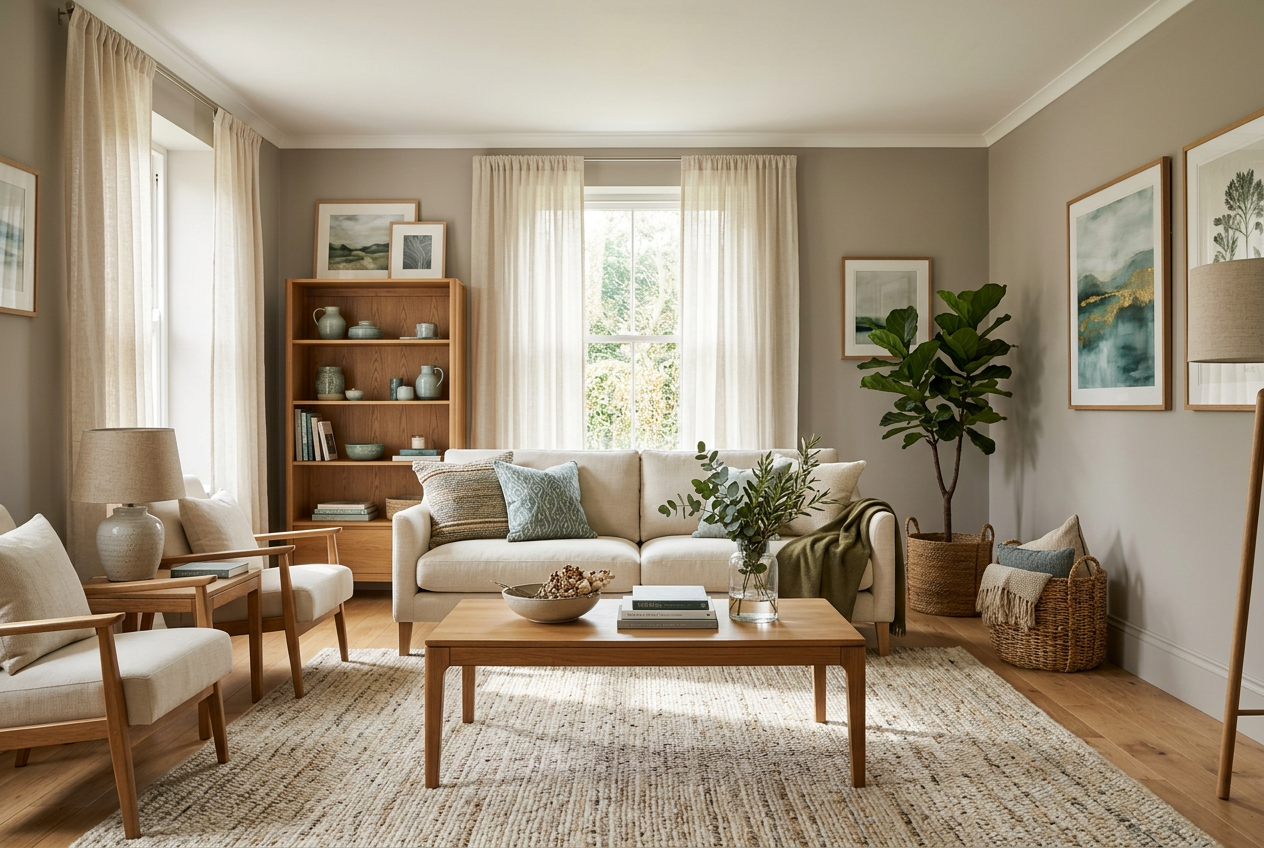
Not everything needs to be hidden. If you have books, plants, artwork, photographs, pottery, or meaningful collections, a cabinet with open shelving can give you an opportunity to display them. The trick is not to fill every shelf.
Negative space is important. Leaving some breathing room between objects can make your shelves look curated rather than cluttered. You can also mix decorative pieces with practical storage baskets. This gives you the best of both worlds: things you want to see stay visible, while smaller everyday items can be tucked away.

Choose the Right Style for Your Home
Your storage furniture should complement the style of the room rather than fight against it. A traditional space might look beautiful with a detailed wood cabinet. A modern room may benefit from a sleek design with clean lines. A farmhouse-inspired home could incorporate a painted cabinet with simple hardware, while a contemporary space might look better with a minimalist silhouette.
But don’t feel like you have to perfectly match every piece of furniture. Mixing styles can actually make a room more interesting. A modern cabinet in a traditional room can create contrast. An antique-inspired chest in a contemporary space can add warmth and personality. The goal isn’t necessarily to match. The goal is to coordinate.
Pay Attention to Material
Material affects more than appearance. It can also affect durability, maintenance, and how the furniture feels in your home.
Solid wood can provide warmth and longevity, while engineered wood can offer affordability and a wide range of finishes. Metal can create a modern or industrial feel, while glass can make a piece feel lighter and less visually heavy.
If the furniture will receive a lot of daily use, think carefully about durability. A decorative cabinet that sits in a formal dining room may not need to withstand the same level of wear as a storage cabinet in a busy family room.
Hardware Can Change the Entire Look
Never underestimate the power of handles, knobs, and pulls. Hardware can make the same basic cabinet look completely different. Brass or gold hardware can create a warmer, more traditional or luxurious appearance. Black hardware can add contrast and a modern farmhouse or contemporary feel. Silver and chrome can create a cleaner, cooler look.
If you find a cabinet you love but don’t completely love the hardware, don’t automatically walk away. Sometimes changing the knobs or pulls is all it takes to make an inexpensive piece feel much more customized.
Think Vertically When You’re Short on Space
Small room? Look up. Vertical storage can be one of the smartest ways to add storage without taking up a large amount of floor space.
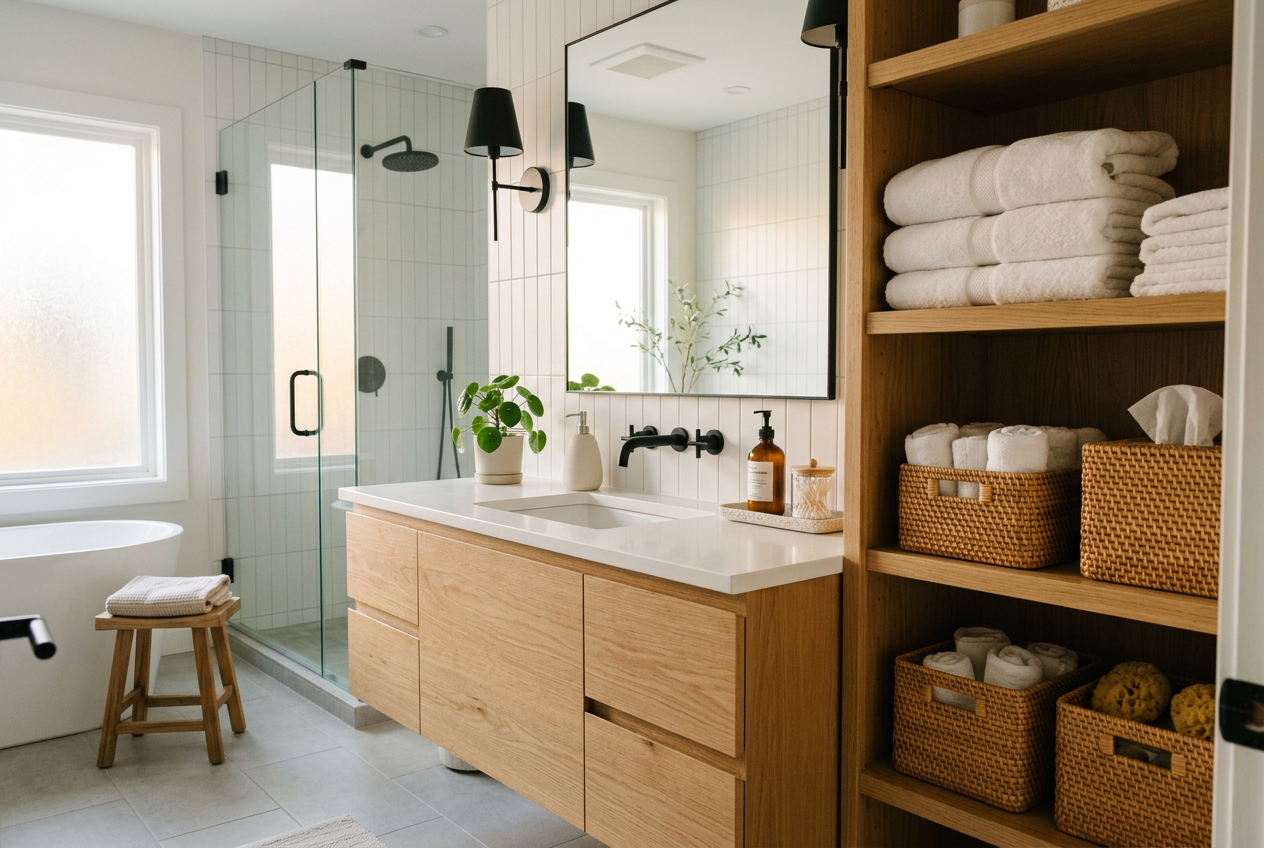
A tall, narrow cabinet can provide surprisingly generous storage while maintaining a smaller footprint. This can work particularly well in bathrooms, laundry rooms, kitchens, offices, bedrooms, and narrow hallways.
Just make sure the piece doesn’t make the room feel top-heavy. Balance a tall cabinet with appropriately scaled furniture and enough open space around it.
Don’t Forget the Top
The top of your cabinet or chest is part of your decorating space. Once you’ve chosen the furniture, think about what will go above it.
A large mirror can work beautifully over a cabinet in an entryway or dining room. Artwork can create a focal point in a living room. A lamp, vase, books, or decorative objects can help style a low chest. However, resist the urge to pile things on top simply because you have the space. A few intentional pieces can have much more impact than a crowded collection of accessories.
Ask Yourself: Is It Practical for My Life?
This question is often overlooked. For households with young children, pets, or a busy schedule, consider how the furniture will function each day. Difficulties opening drawers or doors that constantly obstruct may lead you to stop using the piece. When buying for a rental, consider a freestanding option instead of one that requires installation.
For a home office, check if the cabinet can store printers, files, office supplies, or technology. Beautiful furniture should make your life easier—not create another problem to solve.
When You Can’t Decide, Choose Versatility
If you’re investing in furniture, versatility can be incredibly valuable. A neutral cabinet with a timeless design may be used in several rooms throughout its life. The piece that starts in your dining room could eventually become bathroom storage, an entryway cabinet, or bedroom storage.
This is especially important if you move frequently or enjoy changing your home’s decorating style. Instead of asking, Will I love this in this exact room forever?
Ask: “Could I use this piece somewhere else if my needs change?” That question can help you make a much smarter purchase.
Don’t Buy Storage Just Because You Need Storage
Here’s one final decorating tip: don’t let the need for storage convince you to purchase a piece that you don’t actually like. Furniture takes up visual space as well as physical space. If you choose something simply because it has a lot of drawers or shelves, you may eventually find yourself wishing you had purchased something that better reflected your style.
The best storage furniture does three things at once:
It solves a problem.
It fits your space.
And it adds to the personality of your home. That’s the sweet spot.

The Right Cabinet Can Transform a Room
A cabinet or chest may seem like a simple furniture purchase, but the right piece can completely change how a room functions and feels.
It can eliminate clutter, provide much-needed organization, fill an awkward wall, create a focal point, display the things you love, or simply bring another layer of style into your home.
So before you buy, measure your space, identify your storage needs, consider your decorating style, think about durability, and pay attention to proportion. And most importantly, don’t be afraid to take your time.
The right piece isn’t necessarily the biggest, most expensive, or most popular one. It’s the one that works for your home and your life.
After all, great home décor isn’t just about how your space looks. It’s about how well your space works for you. Embrace comfort. Discover purpose. Discover life with meaningful home décor.


Leave a Reply