

Living with roommates can be one of those experiences that sounds like a great idea when you first move in. Maybe you’re saving money, splitting the bills, or simply don’t want to live alone. At first, having several people around can actually be fun. There is always someone to talk to, dine with, or understand when you have had a long day. In practice, “roommate living. adapting to different styles and cleaning habits” can teach flexibility in shared homes. Reality sets in, roommate living. adapting to different styles and cleaning habits.

You discover that the person who said they were “pretty clean” has a completely different definition of clean than you do. Someone leaves dishes in the sink overnight. Someone else leaves their shoes in the middle of the hallway. One roommate wants the living room to look like a magazine, while another thinks a couch, television, coffee table, and a few blankets are all the decorating a room needs.

And then there is the roommate who insists that the house isn’t dirty because, in their words, “It’s not that bad.” If you’ve ever lived with several roommates, you probably know exactly what I’m talking about.
I remember hearing a story about a group of friends who decided to rent a large house together. It seemed like the perfect arrangement. They would each have their own bedroom, split the rent and utilities, and have plenty of common space. Everyone had different personalities, but they were friends, so they assumed living together would be easy.
It wasn’t.
The first few weeks were great. Everyone was excited about the new place. They went shopping for furniture together and tried to figure out how they wanted the living room to look. One person wanted a modern look with neutral colors. Another loved bold colors and wanted the walls covered in artwork. Someone else wanted a cozy farmhouse feel with blankets, baskets, and wood accents.
They eventually compromised on the larger pieces and allowed everyone to add some personal touches. At first, it worked beautifully. Then the cleaning disagreements started.
One roommate cleaned the kitchen every night. Another cooked and left dishes in the sink because they planned to “get to them later.” Unfortunately, later sometimes meant the next morning. Another roommate couldn’t understand why everyone was upset because they rarely cooked and felt they shouldn’t have to clean the kitchen as often.
The bathroom became another source of frustration. Someone would clean the mirror and sink, while someone else would use the bathroom five minutes later and leave toothpaste, hair, and water everywhere.
Nobody was trying to be difficult. They simply had different standards.
Eventually, one of the roommates said something that changed the entire situation: “We’re not actually fighting about cleaning. We’re fighting because everyone thinks their way of living is the normal way.” That was the turning point.
Instead of continuing to complain about each other, they sat down and talked about what they actually needed from the house. They realized that some of their disagreements weren’t really about right or wrong. They were simply differences in habits.
That is something worth remembering when you live with other people.
Everyone has their own definition of what makes a house feel like home. Some people feel relaxed when everything is clean and organized. Other people don’t mind a little clutter. Some people love decorating every corner of a room, while others prefer open space and minimal furniture. Some people notice every crooked picture frame, while others wouldn’t notice if it were hanging upside down.
None of these preferences automatically make someone a bad roommate. The problem happens when personal preferences begin interfering with shared spaces.

That is why one of the smartest things you can do when living with several roommates is establish the difference between personal space and shared space. Your bedroom is yours. Your roommate’s bedroom is theirs. If someone wants their bedroom painted purple, filled with vintage furniture, or decorated with 25 plants, that’s generally their business.
The living room is different. The kitchen is different. The bathroom is different. Those spaces belong to everyone, which means everyone should have some say in how they are used.
This also applies to decorating. You don’t have to choose between having a beautifully decorated home and allowing everyone to express themselves. The trick is to create a neutral foundation and then allow personality to come through in smaller ways.
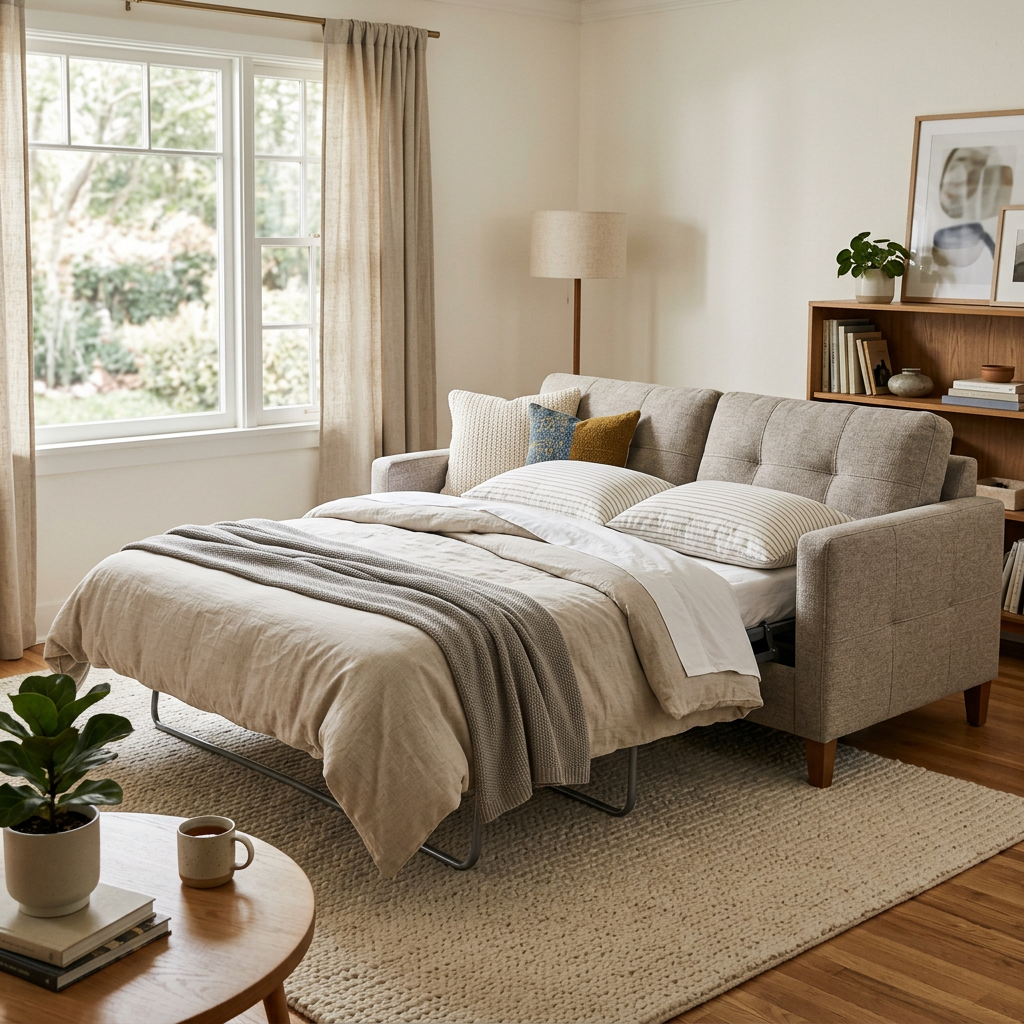
For example, if the roommates can’t agree on a particular style of sofa, choose something relatively neutral. Then let everyone contribute through pillows, blankets, artwork, plants, rugs, or decorative accessories. You may be surprised at how well different styles can work together when there is some consistency in color or scale.
A shared home doesn’t have to look like it belongs to one person. In fact, it can be more interesting when it doesn’t. The same idea applies to cleaning. Before deciding that someone is lazy, have a conversation about what everyone actually means by “clean.” You may discover that the person who thinks they are doing their part genuinely believes wiping the counters and putting away their dishes is enough. Meanwhile, someone else thinks cleaning the kitchen means wiping the counters, cleaning the stove, sweeping the floor, taking out the trash, cleaning the sink, and wiping down the refrigerator.
Both people may honestly believe they are doing their share. This is where a simple cleaning agreement can make life much easier. It doesn’t have to be complicated or feel like a corporate employee handbook. Decide who is responsible for the kitchen, bathroom, floors, trash, and common areas, and rotate responsibilities when possible.
The goal isn’t necessarily to make everything perfectly equal. It’s to make the workload feel fair. If one roommate works from home and another works twelve-hour shifts, dividing every chore exactly down the middle may not make sense. Good roommate arrangements leave room for real life. One of the easiest rules to follow is also one of the most effective: clean up after yourself.
Cooking requires cleaning the kitchen afterward. When something spills, wipe it up. After using the final sheet, replace it with a fresh roll. During gatherings, if guests leave cups and food around, you should not rely on anyone else to clean up the next morning. That one rule can prevent a tremendous amount of resentment.
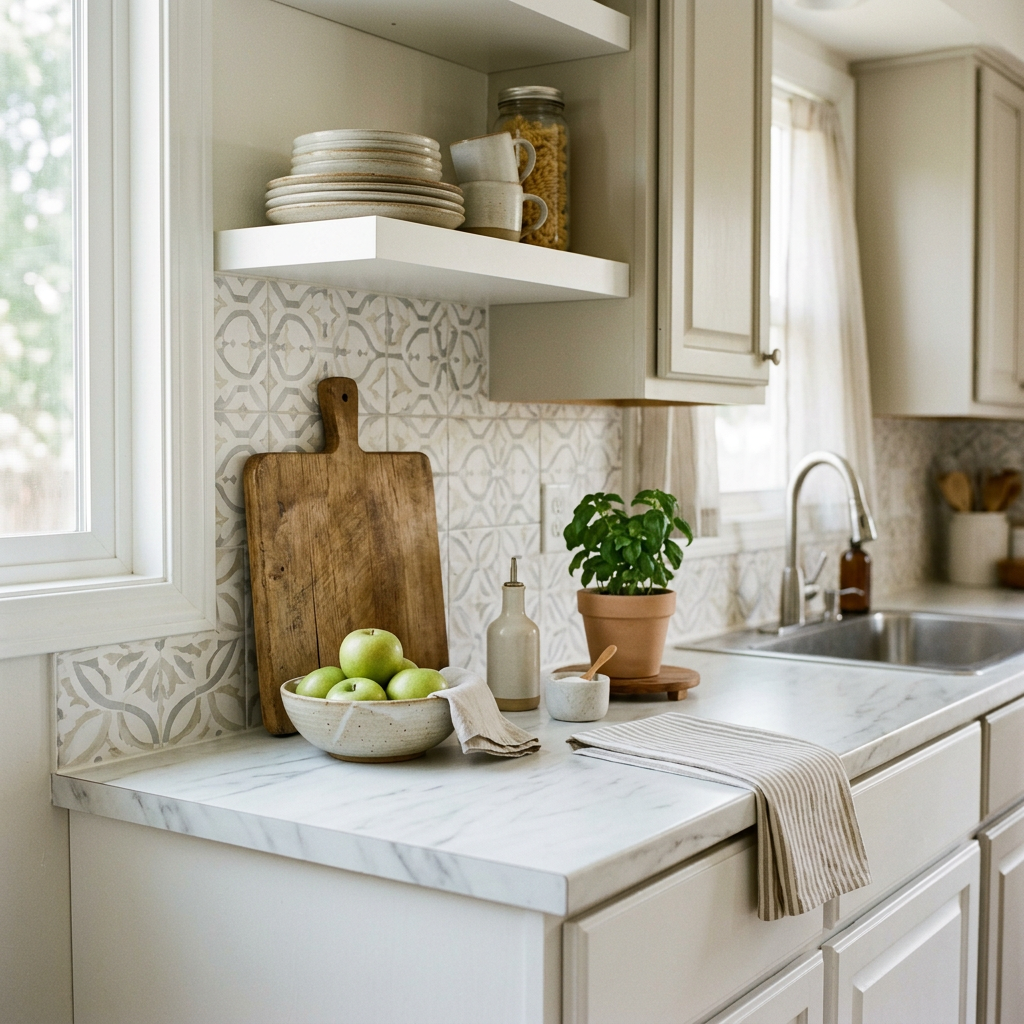
Storage is another issue people often overlook. Sometimes what looks like a cleaning problem is actually a space problem. If six people are living in a house with one small bathroom cabinet and three kitchen drawers, things are going to end up everywhere.
Give everyone designated storage whenever possible. Assign refrigerator shelves, pantry areas, bathroom storage, closet space, and cabinets. Baskets and bins can be incredibly helpful because they give clutter somewhere to go. Even something as simple as an inexpensive storage cube can make a shared room feel dramatically more organized. And don’t underestimate the refrigerator. Few things cause roommate drama quite like food.

Which one ate leftovers? Anyone used the milk? Did someone buy the eggs? Why has someone’s container of food been sitting in the refrigerator for three weeks?
If several people are sharing a refrigerator, consider giving everyone their own shelf or section. Shared food can have its own space, while personal groceries stay separate. If everyone uses household staples, you can either split the cost or rotate who purchases them. The important thing is to decide before someone starts keeping receipts.
Of course, cleaning and decorating aren’t the only differences you’ll encounter. Several roommates usually means several schedules and several lifestyles. One person may wake up at 5:30 in the morning, while another doesn’t go to sleep until 2:00 a.m. Someone may enjoy having friends over every weekend, while someone else considers Friday night the perfect time to enjoy a quiet house.
This is why conversations about guests, noise, overnight visitors, and quiet hours are worth having early.
You don’t need a hundred house rules. In fact, too many rules can make a home feel like a dormitory with a governing committee. But a few basic expectations can make everyone’s life easier. And when something starts bothering you, talk about it before it becomes a bigger issue. This is probably one of the hardest lessons about living with roommates. Small annoyances have a way of growing when they’re ignored.
At first, you might think, “It’s not a big deal that they leave their shoes in the hallway.” Then it happens every day. Eventually, you’re not angry about the shoes anymore. You’re angry because you feel like your roommate doesn’t care about the shared space.
Instead of allowing resentment to build, bring up the problem while it is still small. But before you do, ask yourself an important question: “Is this actually affecting me, or is it simply different from the way I would do it?” That question can save you from a lot of unnecessary arguments. Not every difference needs to become a confrontation.
You may notice towels are folded differently. People may decorate their bedroom differently, which you may not understand. They placed the glasses in a cabinet you might not have chosen. If it isn’t hurting anyone, sometimes the healthiest thing you can do is let it go. Living with other people requires a certain amount of flexibility. It also requires communication.
A quick house conversation once a month can be surprisingly helpful. Everyone can talk about what is working, what isn’t working, whether something needs to be repaired, whether supplies need to be purchased, or whether a particular issue needs to be addressed.
The key is to make the conversation about the home instead of attacking a person. Instead of saying, “You never clean,” say, “The bathroom hasn’t been cleaned this week. Can we figure out who is handling it?” Instead of saying, “You’re always leaving your stuff everywhere,” say, “Could we keep the dining table clear so everyone can use it?”
The difference may seem small, but the way you communicate can completely change how someone receives what you’re saying. And sometimes, you simply have to accept that living with roommates means the house won’t always look exactly the way you want it to.
If you lived alone, you could decorate every room however you wanted. You could decide when to clean, what furniture to buy, where the dishes go, what temperature the thermostat stays at, and whether there are six pillows or one pillow on the couch. With roommates, you have to compromise. That doesn’t mean giving up your personality or your standards. It means recognizing that other people live there too.
The best roommate situations aren’t necessarily the ones where everyone has the same personality. They are the ones where people understand boundaries, communicate openly, clean up after themselves, respect shared spaces, and are willing to compromise.

There will still be dishes in the sink sometimes. Chances are they will forget to take out the trash. You may hate a decorative item that someone buys. Typically, a towel ends up on the bathroom floor. That’s life. The goal isn’t to create a perfectly controlled home. The goal is to create a home where everyone can live comfortably without constantly feeling frustrated by everyone else.
Because when several people share the same four walls, you’re not just sharing a kitchen, a bathroom, or a living room. You’re sharing your idea of what “home” means. And sometimes, the biggest lesson of living with roommates is learning that home doesn’t have to look exactly the way you imagined it to be. It just has to work for the people living inside it.


Leave a Reply