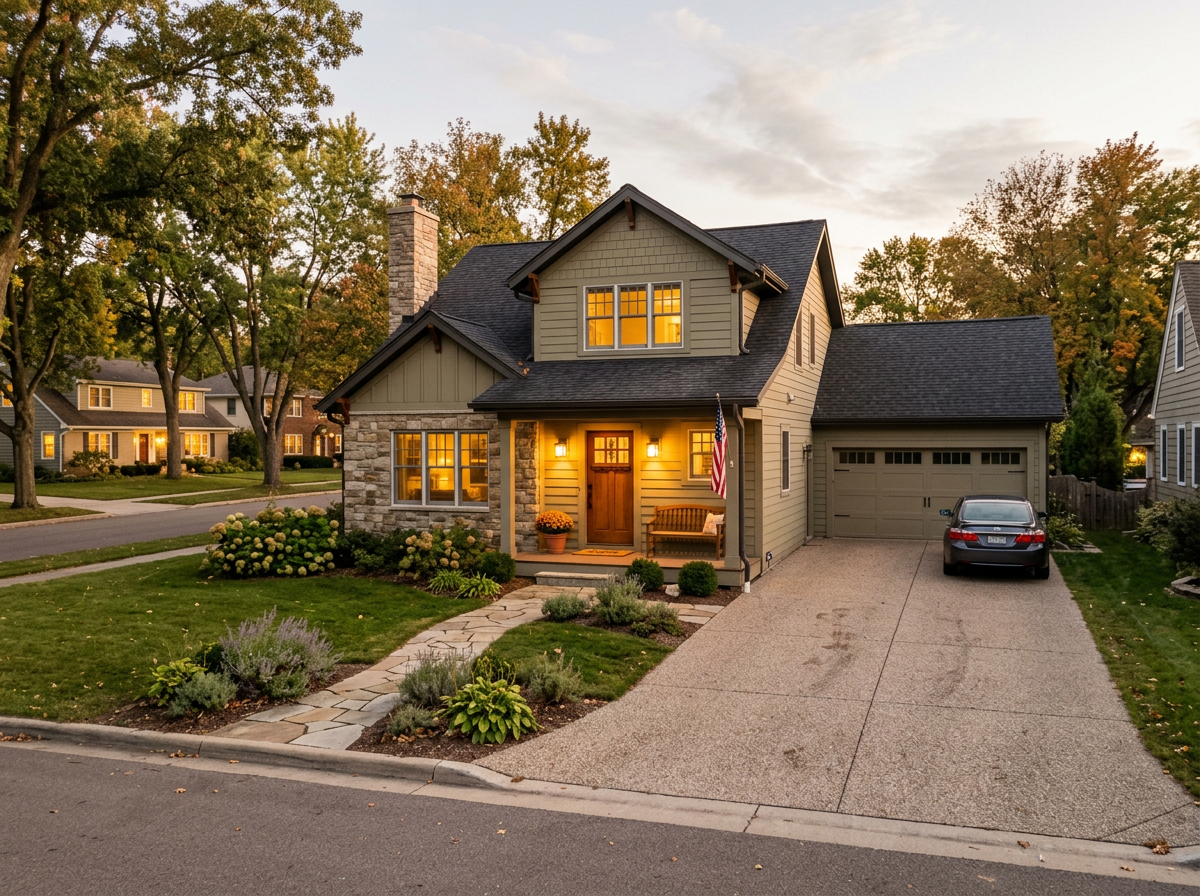
Your home should fit the life you’re living today while leaving room for the life you may want tomorrow, to support choosing the right home for a single person. Buying a home is one of the biggest financial and personal decisions you will make. And when you’re single, the process can look a little different. You’re making the decisions, carrying the financial responsibility, and determining what kind of environment will support your lifestyle without having to compromise with another person. This is all part of choosing the right home for a single person.

But here’s where things get interesting: should you buy a home that fits your current lifestyle, or think ahead and purchase something that could accommodate a future spouse, children, or a growing family? This is part of choosing the right home for a single person, as you balance present needs with potential future plans.

It’s a question worth considering. Whether you’re a first-time home buyer, recently single, enjoying independent living, or simply ready to invest in a place of your own, choosing the right home requires more than falling in love with a beautiful kitchen or spacious backyard.
You need to think about affordability, functionality, location, maintenance, resale value, and, most importantly, the direction in which your life is heading. Let’s explore how to make a decision that works for the person you are today without limiting the possibilities of tomorrow.
1. Start With Your Current Lifestyle, Not Someone Else’s Expectations
One of the biggest mistakes single home buyers can make is purchasing a home based on what they think they are supposed to have. There is a common expectation that home ownership should mean a three-bedroom house, a two-car garage, a large kitchen, and enough space for a family. But what if that’s not what you need right now? If you live alone, travel frequently, work long hours, or enjoy spending your evenings relaxing at home, your priorities may look completely different.
Instead of asking, “How much house can I afford?” start by asking:
- How much space do I realistically use?
- Do I work from home or need a dedicated office?
- Do I enjoy entertaining guests?
- Am I comfortable maintaining a yard?
- Do I want a quiet neighborhood or something closer to restaurants and entertainment?
- How much time do I want to spend cleaning and maintaining my home?
- Do I prefer a move-in-ready property or am I comfortable taking on renovations?
Your home should complement your daily routine, not create additional responsibilities.
A smaller home that supports your lifestyle may be a much better investment than a larger home that stretches your finances and leaves you with rooms you rarely use.
2. Should You Plan for a Future Family?
This is probably one of the most important questions single home buyers face. Should you purchase a home with a future spouse and children in mind, even if that isn’t your current reality? My answer: Consider your future, but don’t purchase an imaginary lifestyle.
Life changes. You may meet someone, get married, have children, or decide that your priorities are completely different five years from now. Your home purchase should leave room for reasonable possibilities, but it shouldn’t require you to financially sacrifice your present happiness for a future that isn’t guaranteed.
Consider these three approaches:
Option 1: Buy for the life you have now.
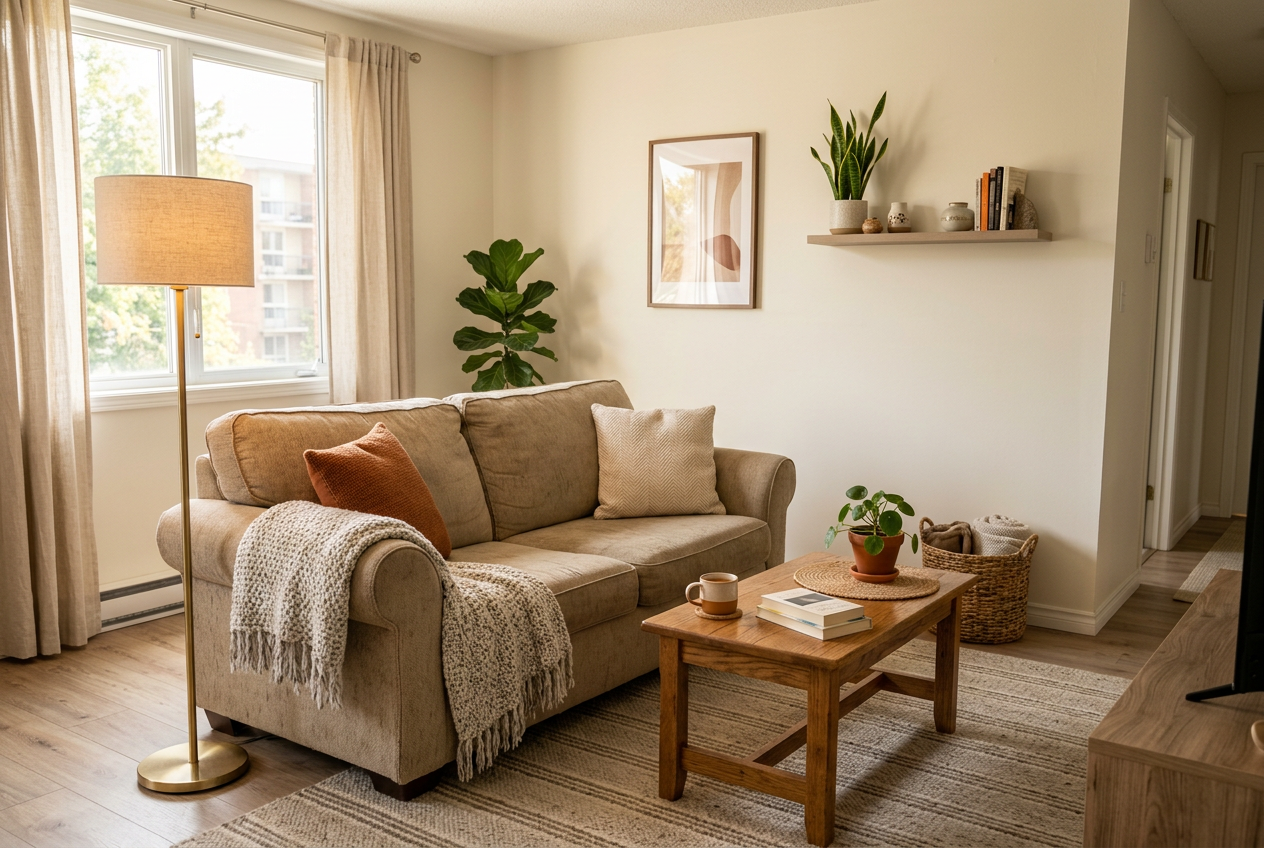
If you enjoy living independently and don’t anticipate needing additional space, a one- or two-bedroom home may be ideal. You can build equity, maintain lower expenses, and eventually sell or rent the property if your circumstances change.
Option 2: Buy with flexibility in mind.
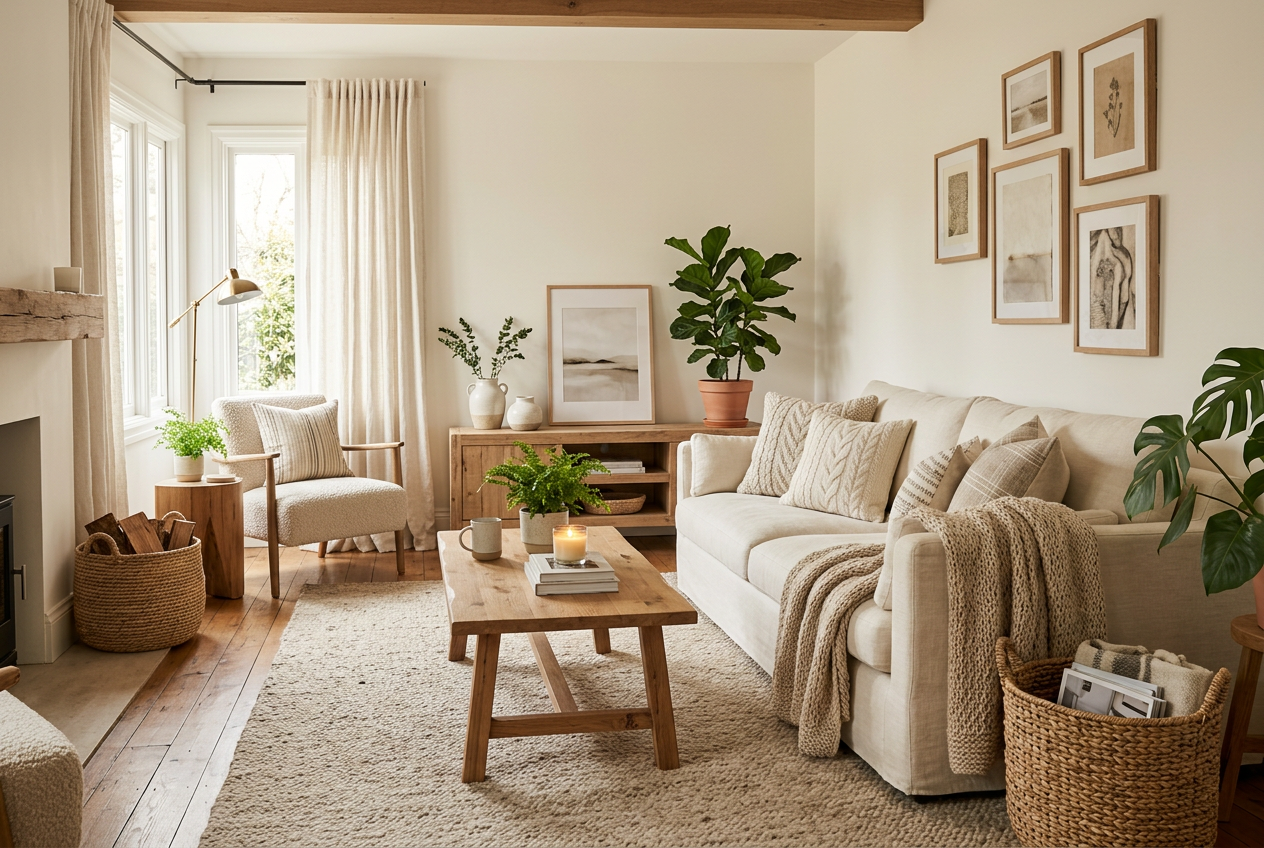
A two- or three-bedroom home can provide additional options without necessarily requiring a significant increase in your housing expenses.
That extra bedroom could become:
- A home office.
- A guest bedroom.
- A hobby or creative space.
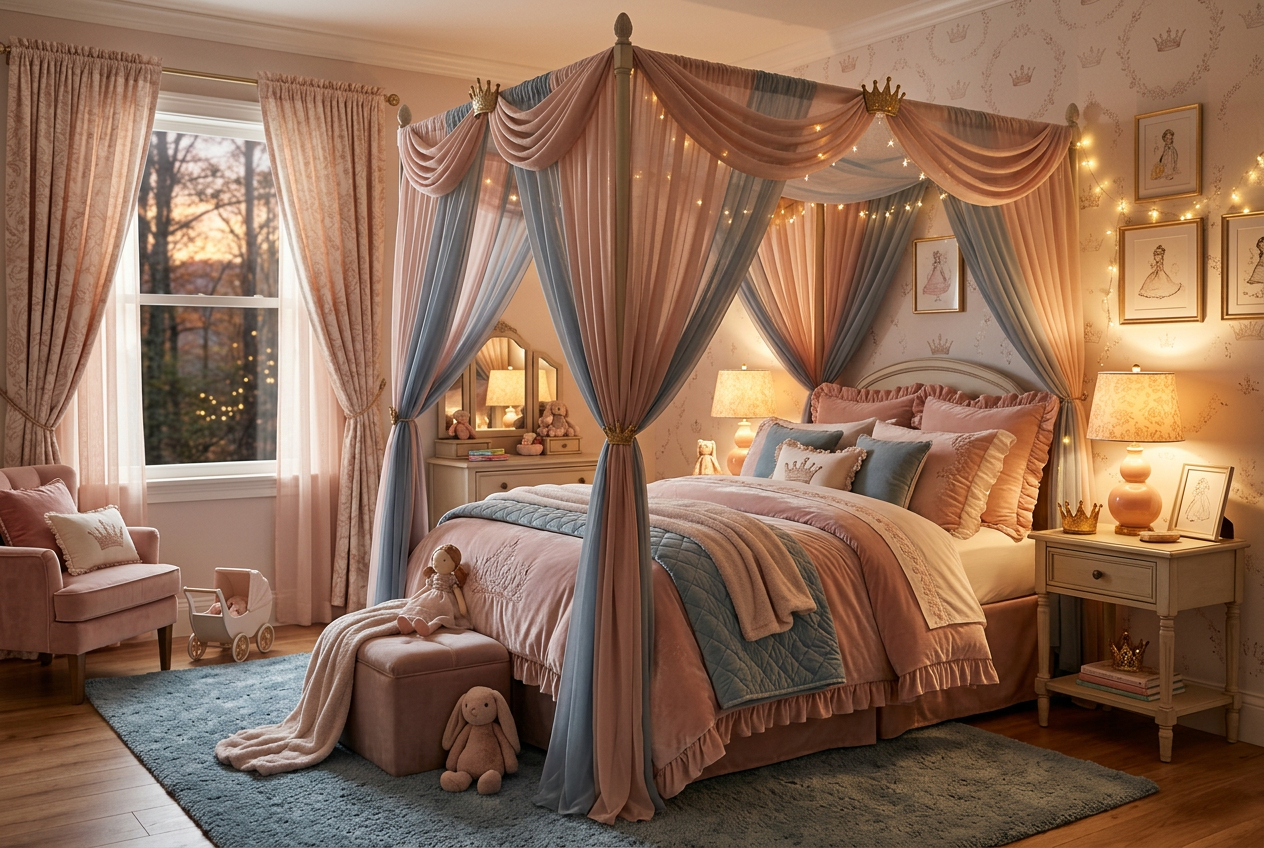
- A nursery someday.
- A room for an aging parent or visiting family member.
Option 3: Buy with a long-term family goal.
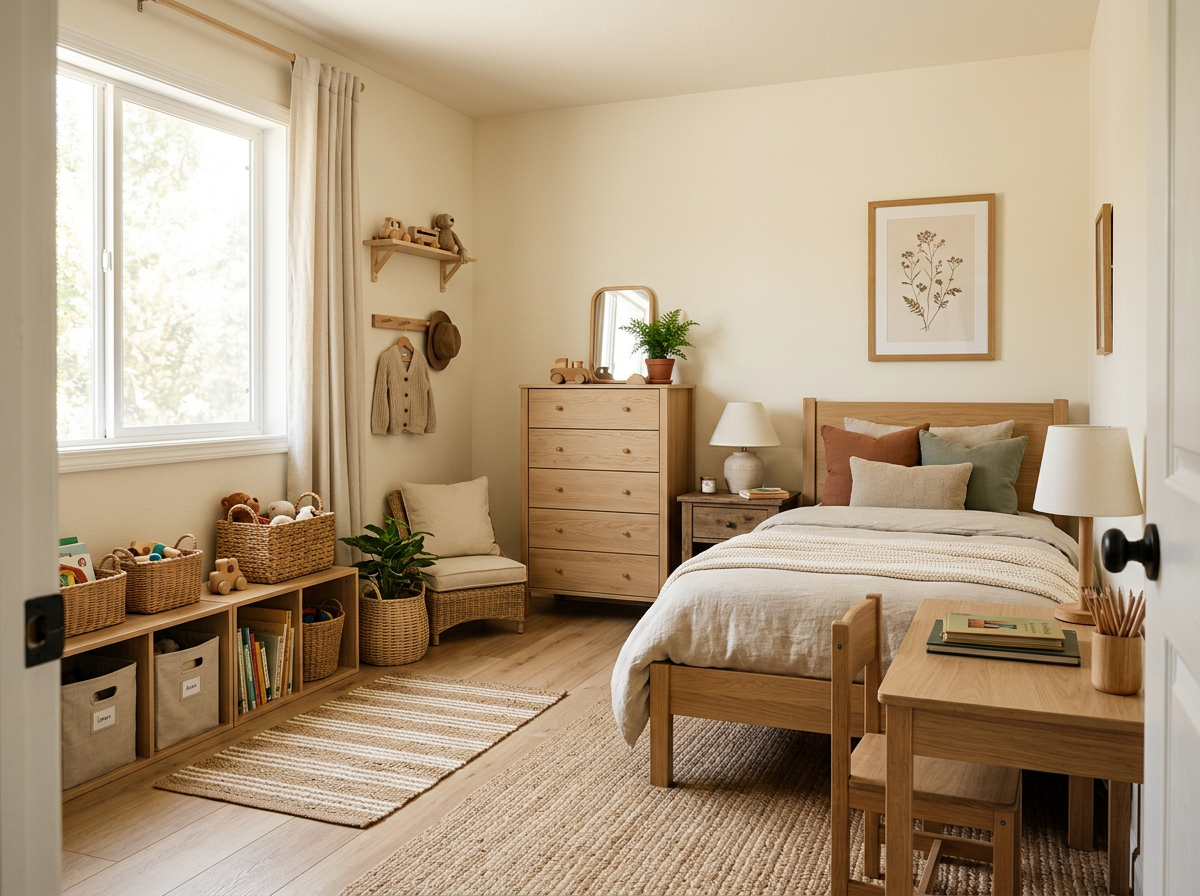
If marriage and children are important personal goals and you anticipate pursuing them in the relatively near future, you may want to consider a home with additional bedrooms, storage, outdoor space, and access to family-friendly amenities.
However, don’t assume that having children automatically means you need a large house. Many families live comfortably in smaller homes. The key is flexibility.
My recommendation: If you can comfortably afford a home with one additional functional room, it may be worth considering. But don’t spend thousands more simply because you think you might need the space someday.

3. Understand the True Cost of Living Alone
When you’re purchasing a home by yourself, there is no second income automatically available to share the mortgage, utilities, repairs, or unexpected expenses. That makes affordability especially important. Your mortgage payment is only one piece of the financial picture.
Before purchasing, account for:
- Mortgage principal and interest.
- Property taxes.
- Homeowners insurance.
- HOA fees, if applicable.
- Utilities.
- Internet and other monthly services.
- Lawn care and landscaping.
- Routine maintenance.
- Emergency repairs.
- Savings and retirement contributions.
A house that looks affordable based on its mortgage payment alone may become financially uncomfortable once everything else is included.
For example, imagine purchasing a home with a $1,500 monthly mortgage payment. After taxes, insurance, utilities, maintenance, and other expenses, your actual housing costs could be considerably higher. You also need to consider what happens if your income changes or you experience an unexpected expense.
Before buying, work toward having:
- An emergency fund covering three to six months of essential expenses.
- Separate savings for home repairs.
- A manageable monthly housing obligation.
- Enough remaining income to enjoy your life.
Remember, home ownership should provide stability, not financial anxiety.
4. Pay Attention to Location: Your Neighborhood Matters
You can renovate a kitchen, replace flooring, and repaint walls. What you cannot easily change is your neighborhood. Location should be one of your biggest considerations when buying a home alone. Think about your daily activities and how your surroundings will affect your quality of life.
Consider the following:
Safety and neighborhood conditions
Visit the neighborhood at different times of the day. Pay attention to lighting, traffic, property maintenance, noise, and general activity. Look at publicly available crime statistics, but remember that crime data should be considered alongside an actual visit and other neighborhood information.
Convenience
How far are you from:
- Work?
- Grocery stores?
- Pharmacies?
- Hospitals and medical facilities?
- Restaurants and entertainment?
- Family and friends?
Future development
Are there new businesses, road projects, commercial developments, or housing developments planned nearby? Growth can sometimes increase property values, but it can also introduce traffic, noise, and congestion.
Resale potential
Even if you plan to stay for years, consider whether another buyer would find the property appealing. Homes near employment centers, shopping, transportation, and desirable amenities may attract a broader pool of buyers. Your home should work for your lifestyle while remaining attractive to the future market.

5. Look Beyond the Number of Bedrooms
A home’s functionality is often more important than its square footage. Two homes with the same number of bedrooms can offer completely different living experiences.
For a single homeowner, consider these features:
An additional bathroom: Having more than one bathroom can be convenient when entertaining guests or accommodating future household changes.
A dedicated office: Remote work and side businesses make a separate workspace increasingly valuable.
A functional kitchen: Even if you live alone, a kitchen with adequate counter space, storage, and room to prepare meals can make everyday living more enjoyable.
Laundry accessibility: Consider whether the laundry is conveniently located or requires navigating stairs.
Storage: Closets, pantries, garages, and storage spaces can make a smaller home feel significantly more functional.
Parking: A garage or dedicated parking space can be especially valuable for convenience, vehicle protection, and storage.
Outdoor space: A patio, balcony, or manageable backyard can provide an additional area to relax and entertain.
Think about how you will actually use the home rather than being distracted by features that simply look impressive during a showing.
6. Red Flags You Should Never Ignore When Buying a Home
A beautiful home can hide expensive problems. And when you’re purchasing alone, you need to be particularly careful about taking on a property that could become financially overwhelming.
Here are some warning signs to watch for.
Structural and maintenance red flags
- Foundation cracks: Large, widening, or horizontal cracks may indicate structural movement.
- Water stains: Look for discoloration on ceilings, walls, and around windows.
- Musty odors: These could indicate moisture problems or hidden mold.
- Uneven floors: Sloping or sagging floors may indicate structural or foundation concerns.
- Roof problems: Missing shingles, visible deterioration, or signs of previous leaks deserve investigation.
- Poor drainage: Water collecting around the foundation can lead to expensive damage.
- Outdated electrical systems: Older wiring, overloaded panels, and questionable electrical work need professional evaluation.
- Plumbing issues: Low water pressure, leaking pipes, slow drains, and evidence of previous water damage should not be overlooked.
Never assume a problem is minor simply because the seller says it is an easy fix.
Financial red flags
- The mortgage payment leaves little money for everyday expenses.
- The property taxes are significantly higher than anticipated.
- The HOA has substantial fees or pending assessments.
- The home requires immediate major repairs.
- The seller cannot provide adequate information about major renovations.
- The property has insurance issues or a history of repeated claims.
- You are being pressured to waive important protections to make your offer more attractive.
A home that requires more money than you can comfortably invest is not necessarily a good deal, even if the purchase price looks attractive.
Neighborhood red flags
- Poor street lighting.
- Excessive noise or traffic.
- Neglected neighboring properties.
- Frequent standing water or drainage problems.
- Nearby commercial or industrial activity that affects the living environment.
- Significant planned developments that could change the neighborhood.
Visit the property more than once, including during the evening and on a weekend if possible.
Seller and transaction red flags
Be cautious if:
- The seller discourages an independent home inspection.
- You are told not to worry about visible damage.
- There is pressure to make an immediate decision.
- Repairs have been completed without documentation or permits where required.
- The seller refuses to disclose known property issues.
A trustworthy transaction should allow you enough time to investigate what you are purchasing.
7. Don’t Skip the Home Inspection
If there is one expense I would strongly encourage every home buyer to prioritize, it is an independent home inspection. You are not just purchasing the visible features of a property. You are purchasing its systems, structure, and potential maintenance obligations.
A qualified inspector should evaluate the home’s major components, including:
- Foundation and structural elements.
- Roof and attic.
- Heating and cooling systems.
- Electrical systems.
- Plumbing.
- Windows and doors.
- Insulation and ventilation.
- Visible signs of moisture intrusion.
Depending on the property, additional inspections may be appropriate for pests, radon, sewer lines, septic systems, or other concerns.
An inspection does not guarantee that every hidden defect will be discovered, but it can help you make a much more informed decision. Never let the excitement of finding a beautiful home prevent you from investigating its condition.

8. Think About Resale Value Even If You Plan to Stay
You may be buying a home for yourself, but that doesn’t mean you should ignore its future marketability.
Life can change unexpectedly.
You might:
- Get married.
- Relocate for a better job.
- Start a family.
- Decide to travel.
- Purchase a larger home.
- Need to move closer to family.
A home with desirable features and broad buyer appeal gives you more flexibility.
Look for:
- A practical floor plan.
- Functional bedroom and bathroom arrangements.
- A desirable location.
- Reasonable property taxes.
- Good overall property condition.
- Adequate parking.
- Features that appeal to a variety of buyers.
Also consider whether the property could eventually become a rental. You don’t have to become a landlord, but understanding the potential rental market can help you evaluate your purchase from another financial perspective.
9. Don’t Let Emotions Make the Decision for You
Buying a home is exciting, especially when you are finally choosing something that belongs to you. You may walk into a house and immediately imagine decorating the living room, hosting Thanksgiving dinner, creating a beautiful bedroom, or enjoying your morning coffee on the patio.
Those feelings are part of the experience. But falling in love with a home can make it easier to overlook things that should concern you. Before making an offer, take a step back and evaluate the property objectively.
Ask yourself:
- Would I still want this home if it needed a different paint color, flooring, or kitchen finishes?
- Am I purchasing this property because it meets my needs or because I am afraid someone else will buy it?
- Can I comfortably afford it without relying on future income increases?
- Does the home have problems I am trying to convince myself are not serious?
- Would I be happy living here if my circumstances remained the same for the next five years?
Remember, there will always be another house. The goal isn’t to purchase the most impressive property. It’s to purchase the right property.
10. Create a Home-buying Strategy Before You Start Looking
Before scheduling showings, establish your priorities. Separate your requirements into three categories.
Must-haves
- A comfortable monthly payment.
- A safe and convenient location.
- A home in good structural condition.
- Adequate bedroom and bathroom space.
- Reasonable maintenance requirements.
Would-be-nice features
- A garage.
- A finished basement.
- A large kitchen.
- A walk-in closet.
- A fenced backyard.
- A home office.
Deal breakers
- Major unresolved foundation problems.
- Significant water intrusion.
- Unaffordable property taxes or HOA fees.
- A location that doesn’t support your lifestyle.
- Major repairs beyond your financial capacity.
- A property with serious legal, title, or insurance concerns.
Having these categories established before you shop can prevent you from getting distracted by beautiful properties that don’t actually make sense.

Final Thoughts: Buy a Home That Supports Your Independence and Your Future
Being single doesn’t mean you need to purchase a smaller life. It means you have an opportunity to make a home ownership decision based on your own priorities, financial goals, and personal vision.
You don’t have to buy a three-bedroom home because you might have children someday. You don’t have to purchase a condominium because you live alone. And you certainly don’t have to stretch your finances to purchase a home that looks impressive to other people. Think about the life you want to create. Think about financial freedom, convenience, comfort, and the ability to adapt when life changes.
If marriage and children are part of your future plans, consider properties that offer flexibility. If you envision living independently for the foreseeable future, embrace a home that makes that lifestyle enjoyable.
Most importantly, remember that your first home doesn’t have to be your forever home. It can be the beginning of building equity, establishing financial stability, and creating a space that reflects who you are.
The best home isn’t necessarily the biggest, newest, or most expensive. It’s the one that allows you to live comfortably today while keeping your options open for tomorrow.
Discover comfort. Discover purpose. Discover life.


Leave a Reply