
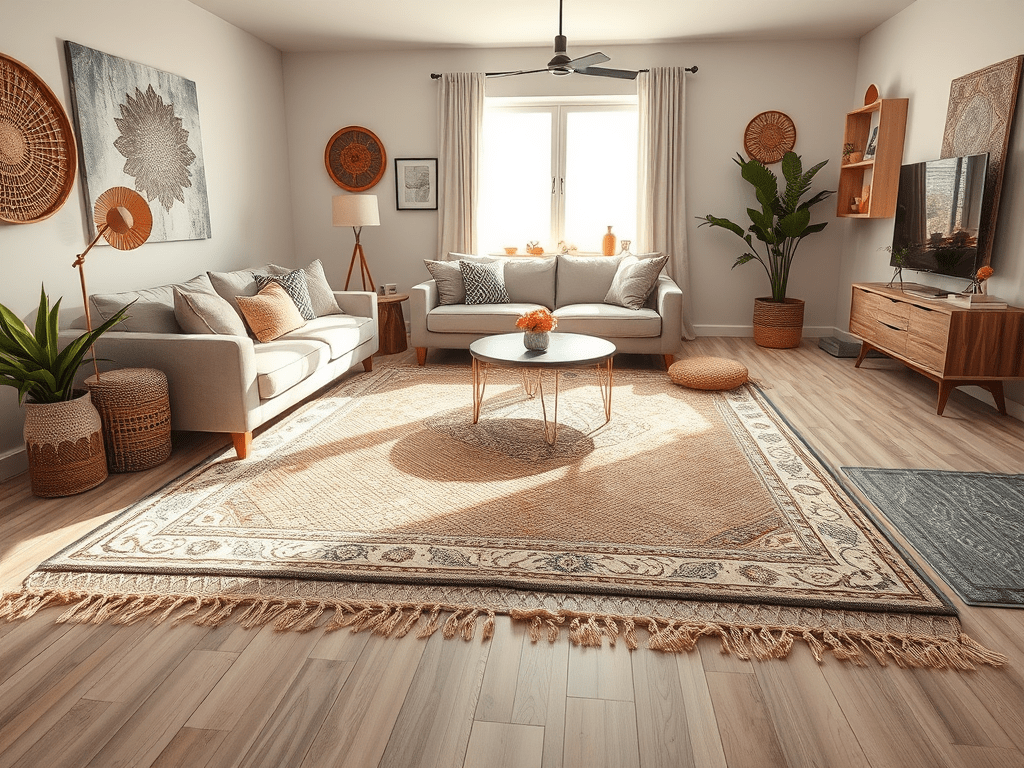
Rugs are one of the easiest ways to transform a space. They can define a room, add warmth, and bring personality through color, texture, and pattern. But with so many options available—different sizes, materials, and styles—how do you choose the right one for your home? Whether you’re decorating a cozy living room or updating your dining area, this guide will help you find the perfect rug for every space.

Why Rugs Matter in Home Decor
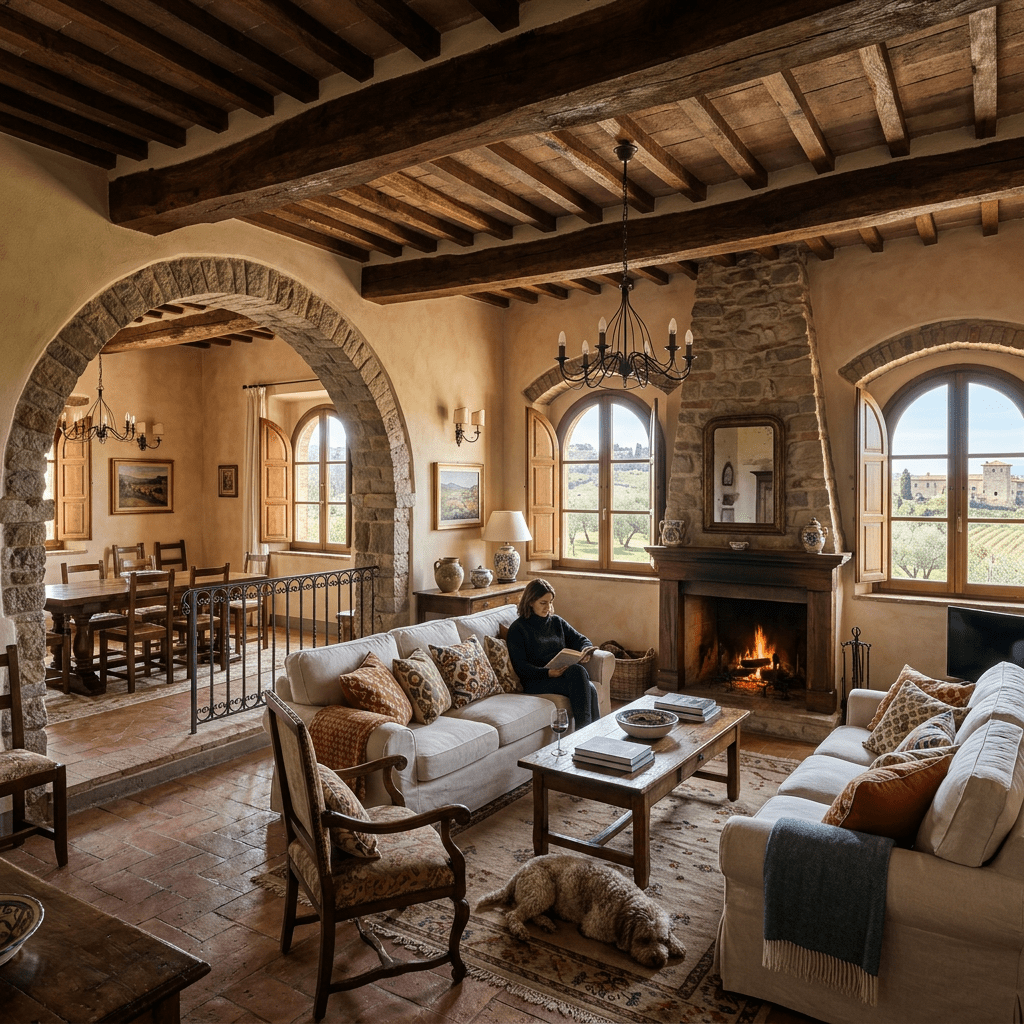
A rug does more than just cover a floor—it anchors your furniture, enhances your color scheme, and creates comfort underfoot. The right rug can make a room feel finished, while the wrong one can throw off your entire design balance. Think of rugs as the “frame” that ties together your decor.
Step 1: Choose the Right Rug Size
One of the most common decorating mistakes is picking a rug that’s too small. The rug should help define your furniture arrangement, not float in the middle of the room.
Here’s a quick rug size guide by room:
Living Room
- Large Rooms: Choose a rug big enough for all furniture legs to sit on it (typically 9×12 or larger).
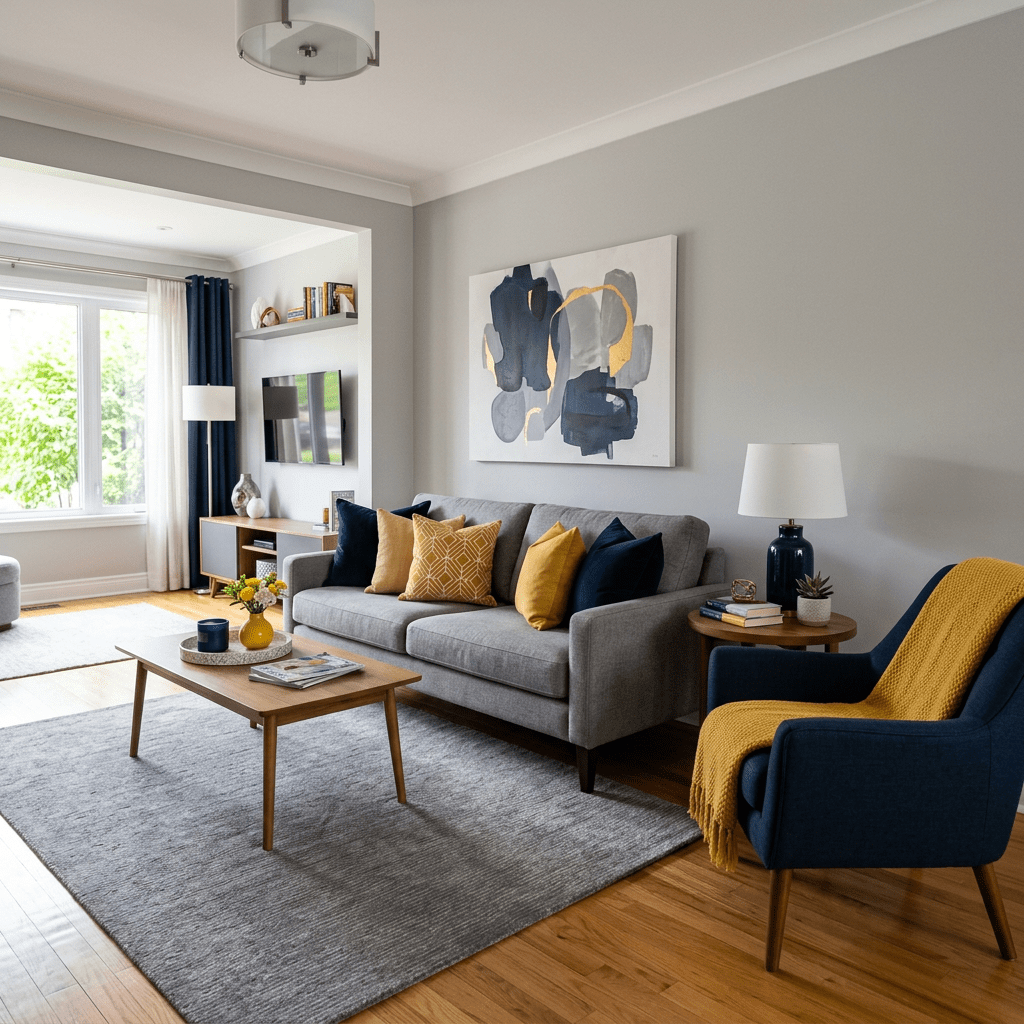
- Medium Rooms: Front legs of sofas and chairs should sit on the rug (8×10 works well).
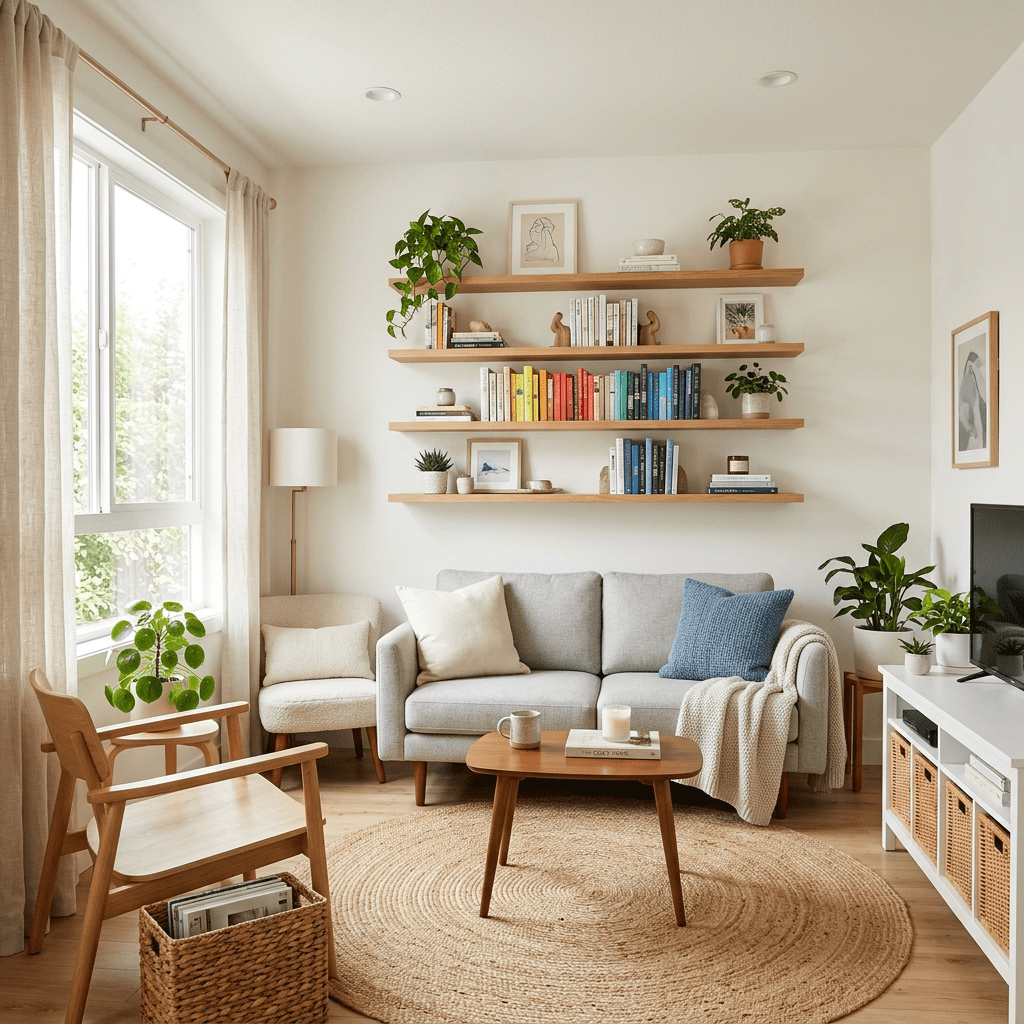
- Small Rooms: Place the rug in front of the sofa with a few inches of floor showing (5×8 is a good fit).
Dining Room
- The rug should extend at least 24 inches beyond the dining table on all sides.
(Example: For a 6-seat dining table, an 8×10 rug is ideal.)
Bedroom
- Queen Bed: A 9×12 rug gives a luxurious look, while 8×10 is sufficient for most rooms.
- Twin Beds: A 5×8 or two small runners on each side of the bed work nicely.
- Tip: Make sure the rug extends at least halfway under the bed to balance the room.
Entryway & Hallway
- Use runners or small area rugs (2×6 or 3×5) to define the space. Choose durable, low-pile rugs that can handle heavy foot traffic.
Step 2: Pick a Rug Style That Fits Your Home
Rug style sets the tone for your room’s decor. Here are some popular options to match various home aesthetics:
- Boho Rugs: Playful colors, global-inspired patterns, and a mix of textures. Perfect for eclectic or laid-back spaces.
- Modern Rugs: Clean lines, abstract shapes, and neutral tones. Ideal for minimalist or contemporary homes.
- Traditional Rugs: Intricate designs, often Persian or Oriental-inspired, with deep reds, blues, and creams. Great for classic interiors.
- Farmhouse Rugs: Muted tones, plaid, or jute textures that add warmth and rustic charm.
- Vintage/Distressed Rugs: Faded patterns that give a cozy, lived-in feel—great for mixing old and new styles.
- Natural Fiber Rugs: Jute, sisal, or seagrass—perfect for coastal or organic-inspired interiors.
Step 3: Consider Rug Materials
The material affects both comfort and durability.
- Wool: Soft, durable, and naturally stain-resistant—excellent for living rooms and bedrooms.
- Cotton: Lightweight and affordable—great for casual spaces like kitchens or playrooms.
- Synthetic (Polypropylene, Nylon): Budget-friendly and easy to clean—perfect for high-traffic areas or families with pets.
- Jute & Sisal: Earthy texture and eco-friendly—best for dry, low-traffic areas.
- Silk or Viscose: Luxurious sheen—beautiful for formal spaces, but more delicate.
Step 4: Match the Rug to the Room’s Mood
Each room serves a different purpose, and your rug should enhance that experience.
- Living Room: A plush or textured rug adds warmth and invites relaxation.
- Dining Room: Choose a flatweave or low-pile rug so chairs slide easily.
- Bedroom: A soft rug (like wool or shag) creates comfort the moment you step out of bed.
- Kitchen: Use a washable runner or patterned rug to hide spills and add character.
- Office: Choose a smooth rug that won’t interfere with rolling chairs.
Step 5: Balance Pattern and Color
If your furniture and walls are neutral, a bold rug can become the room’s statement piece.
If you already have patterned decor, opt for a solid or subtly textured rug to avoid visual clutter.
Always consider how the rug’s colors connect with your room’s palette—it should complement, not compete.

Final Thoughts
A rug can completely transform your space, adding warmth, definition, and beauty. Whether you’re layering rugs for a cozy look or anchoring a large open space, the right rug size, style, and material make all the difference.
Take the time to measure your space, consider your lifestyle, and let your rug be the foundation that ties your home’s story together.
Tip: Before buying, use painter’s tape to mark the rug’s dimensions on your floor. It’s an easy way to visualize how it will look in your space!
 Discoveringlifellc
Leave a comment