
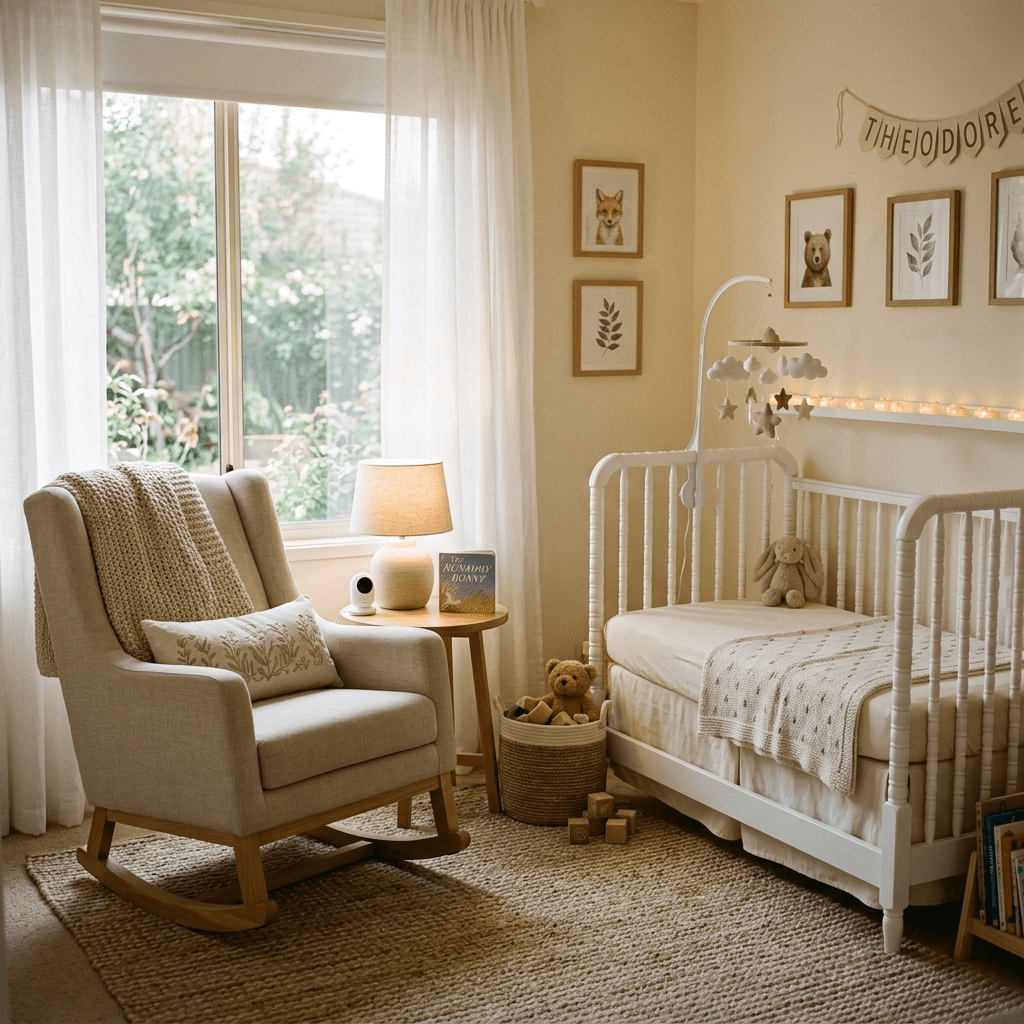
Bringing a newborn home is one of the most beautiful—and overwhelming—transitions you’ll ever experience. One moment you’re dreaming about tiny outfits and nursery colors, and the next you’re searching things like “how to prepare your home for a newborn” or “what do I actually need before baby arrives?”
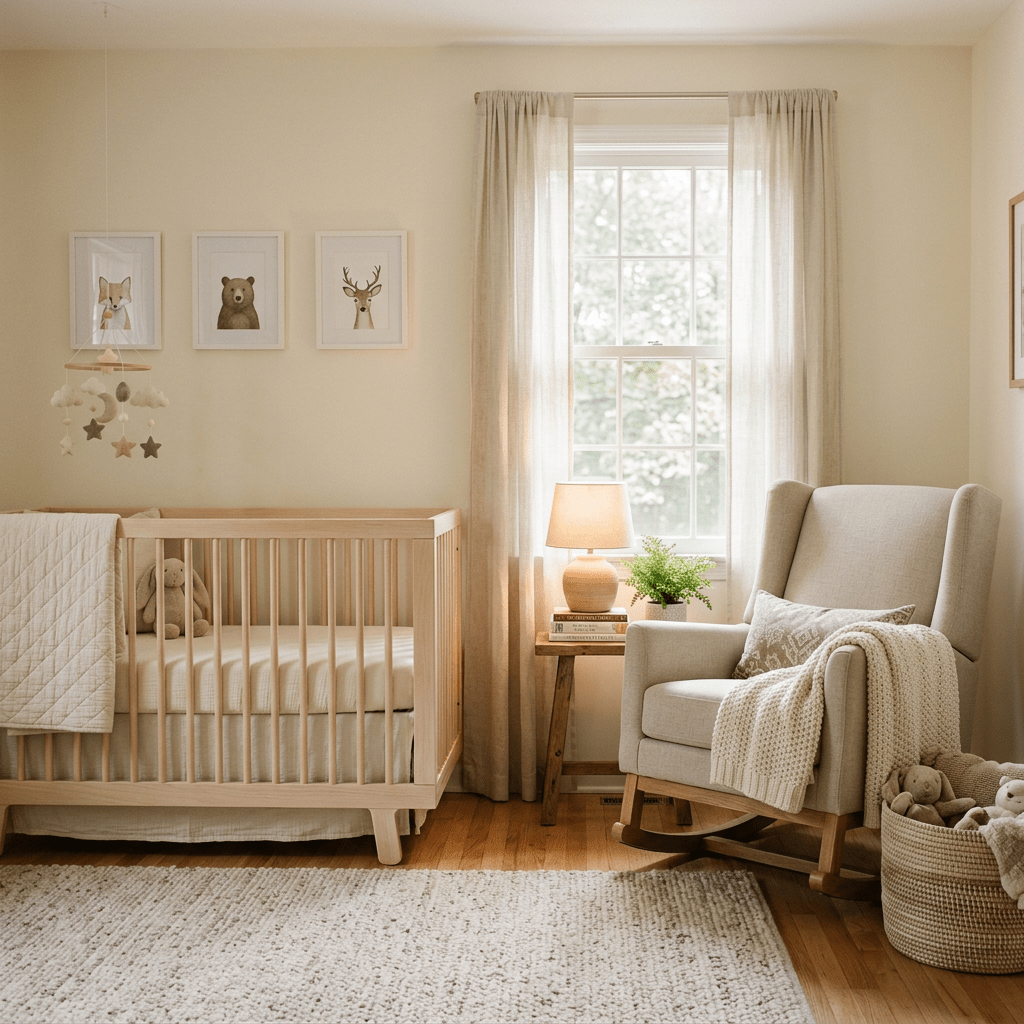
If that sounds like you, you’re in the right place.
This guide will walk you through how to prepare your home for a baby step-by-step, what items truly matter, how to set up your nursery, and how to make your entire home newborn-ready—without the stress or overbuying.
Preparing for a Newborn: Where Do You Even Begin?
When it comes to preparing your home for a newborn, the key is to focus on function over perfection. Your baby doesn’t need a Pinterest-perfect home—they need a safe, calm, and organized space.
Start by thinking about your daily routine:
- Where will your baby sleep safely?
- Where will feeding be most comfortable?
- Where will diaper changes happen the easiest?
Creating systems around these everyday moments will make your life significantly easier once your baby arrives.
Helpful tip: Experts recommend starting your home prep during the second trimester, with most major items set up by weeks 32–36. This gives you time to adjust without last-minute pressure.
What Items Are Most Important Before Baby Arrives?
If you’ve searched “newborn must-haves checklist”, you’ve probably seen overwhelming lists. Let’s simplify it to what actually matters in those first few weeks.
Sleep Essentials (Safety First)
Safe sleep is one of the most important aspects of newborn care. According to pediatric guidelines, babies should sleep on a firm, flat surface with no loose items.
Recommended products:
- A convertible crib or bedside bassinet (great for smaller spaces and easy nighttime access)
- A firm crib mattress with breathable, fitted sheets
- Swaddle blankets or sleep sacks (help babies feel secure and sleep longer)
Feeding Essentials (Comfort + Convenience)
Whether breastfeeding, formula feeding, or both—comfort and accessibility are key.
Helpful products to consider:
- A supportive nursing pillow (reduces strain on your back and arms)
- A set of anti-colic baby bottles
- Burp cloths in bulk (you will go through these quickly!)
Diapering Essentials (Keep It Simple)
You’ll be changing diapers multiple times a day, so this setup needs to be efficient.
Must-haves:
- A changing table or dresser topper
- Diaper caddy for easy grab-and-go access
- A hands-free diaper pail to help with odor control
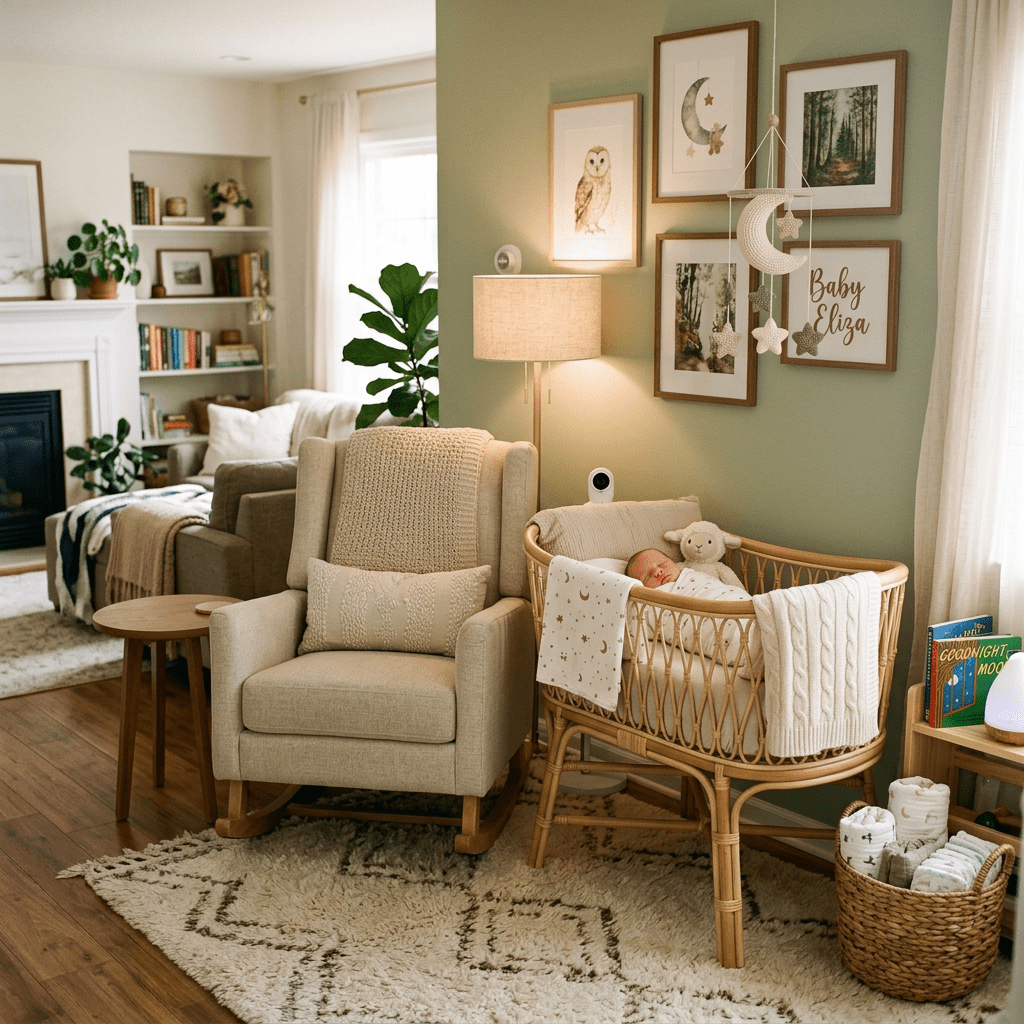
Everyday Comfort & Care
These are the small things that make a big difference in your daily routine.
- Soft, zip-up baby sleepers (easy for nighttime changes)
- A baby bathtub with support insert
- Gentle skincare products designed for newborns
How to Begin Prepping Your Nursery (The Right Way)
Designing your nursery is exciting—but it should also be intentional. A well-planned nursery makes nighttime routines smoother and less stressful.
Start With a Functional Layout
Think about movement and access, especially when you’re tired:
- Keep the crib in a safe, open space
- Place the changing station within arm’s reach
- Position your chair near soft lighting for feeding
Create Zones That Work for You
Sleep Zone
- Crib or bassinet
- Blackout curtains
- White noise machine
Changing Zone
- Diapers, wipes, creams within reach
- Organized drawers or baskets
Feeding Zone
- Comfortable chair or glider
- Side table for water, bottles, and essentials
Recommended nursery additions:
- A rocking chair or glider (a lifesaver during late-night feeds)
- A soft, washable area rug for comfort and warmth
- Dimmable lighting or a soft lamp to create a calming environment
Keep the Design Calm and Timeless
For a peaceful nursery, stick to:
- Neutral tones (beige, ivory, soft gray)
- Soft textures (cotton, linen, plush rugs)
- Minimal decor with meaningful touches
This not only helps your baby feel calm—but also creates a space you’ll enjoy spending time in.
Preparing the Rest of Your Home for a Newborn
One of the biggest mistakes new parents make is focusing only on the nursery. In reality, your baby will be with you everywhere.
1. Set Up a Living Room Baby Station
You’ll likely spend a lot of time here, so make it functional.
What to include:
- A stylish basket with diapers and wipes
- Extra clothes and burp cloths
- A soft blanket for cuddling
This small setup saves you from constantly running back to the nursery.
2. Create a Feeding-Friendly Space
Comfort matters more than anything during feeding times.
Make it easier with:
- A supportive chair or cozy corner
- A small table for snacks and water
- A soft lamp for nighttime feeds
3. Prep Your Kitchen for Convenience
You may not realize it now, but your future self will thank you.
- Organize a cabinet for bottles and supplies
- Prep freezer meals ahead of time
- Keep quick, easy snacks within reach
4. Start Baby-Proofing Early
Even though your newborn won’t be mobile yet, preparing early reduces stress later.
- Secure heavy furniture
- Cover outlets
- Remove small or breakable items
5. Plan for Laundry (Because It Adds Up Fast)
Babies go through clothes quickly, so create a simple system:
- Keep hampers in key areas
- Use gentle detergent
- Wash frequently to avoid pile-up
A Quick Reality Check (That Most People Won’t Tell You)
Preparing your home for a baby is important—but your home will never feel 100% ready.
And that’s okay.
Babies don’t need perfection. They need:
- A safe place to sleep
- Loving arms
- A calm environment
Everything else? You’ll figure it out as you go.
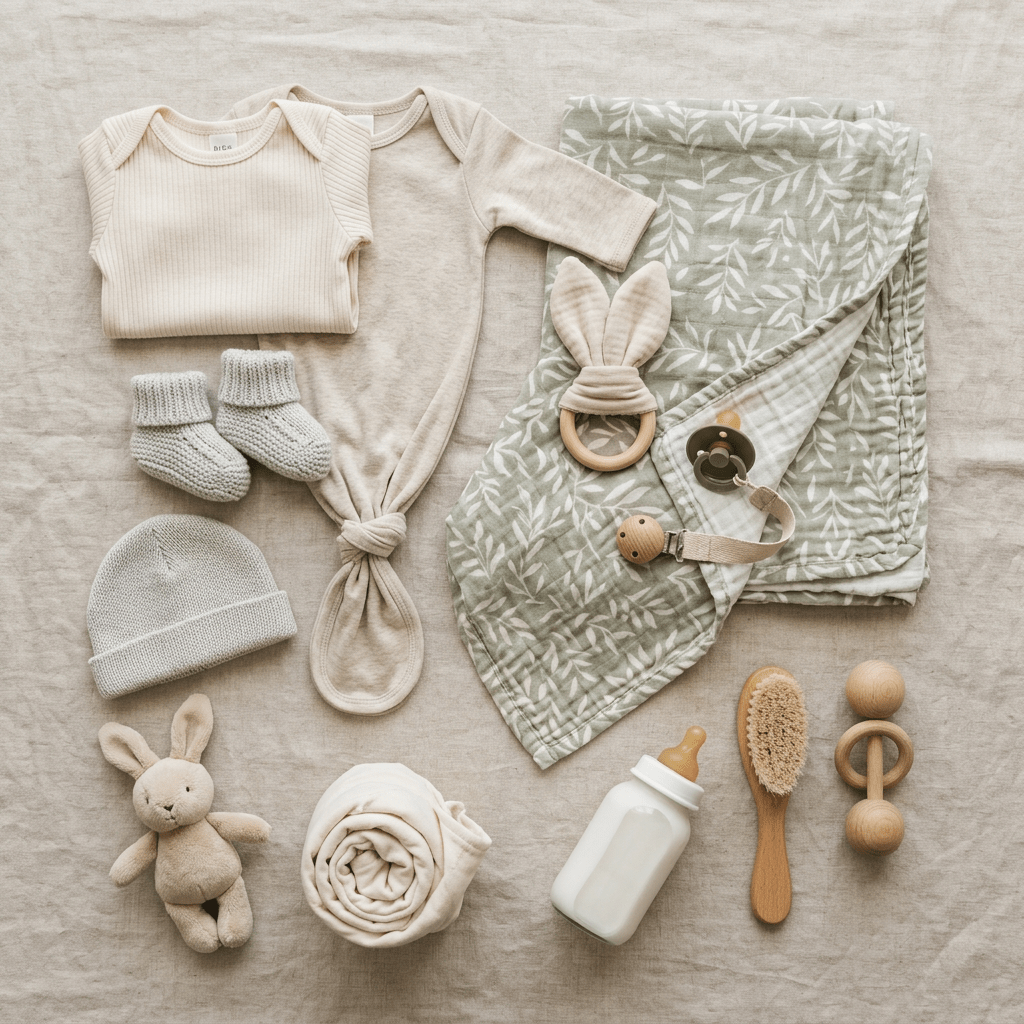
Final Thoughts: Keep It Simple, Keep It Functional
If you’re searching for how to prepare your home for a newborn without stress, the answer is simple:
Focus on what you’ll use every day. Create systems that make your life easier. Choose comfort over clutter.
Your home will grow and change with your baby—and that’s part of the beauty of it.
Discovering Life Tip
Create a home that feels peaceful, supportive, and lived in. The goal isn’t perfection—it’s comfort, love, and ease during one of life’s most special transitions.



 Discoveringlifellc
Leave a comment