

Because your home should be as unique as your imagination.
If you’ve ever been told you have “too many interests,” this blog is for you.
Maybe you paint on weekends, collect vintage cameras, love colorful books, have an obsession with mushrooms, celestial décor, plants, thrifted furniture, and modern art—all at the same time. Your style doesn’t fit neatly into one design category, and honestly, that’s what makes it beautiful.

Creating an artistic space isn’t about following trends or making your home look like a magazine. It’s about designing a room that celebrates every part of your personality while still feeling intentional and functional.

Here’s how to embrace your wonderfully quirky style without making your space feel chaotic.
There Are No Rules—Only Balance
One of the biggest misconceptions about artistic homes is that they have to be cluttered. They don’t. The best artistic spaces have personality, but they also have breathing room. Every object should feel like it belongs there because it tells part of your story.
Instead of displaying everything at once:
- Rotate artwork every few months.
- Store seasonal collections.
- Keep a few statement pieces visible.
- Let favorite items have their own spotlight.
Think of your room like a personal art gallery.
Start With a Neutral Foundation
Even the most colorful creative spaces benefit from a calm starting point.
Choose neutral basics such as:
- White walls
- Warm beige
- Soft gray
- Natural wood
- Black accents
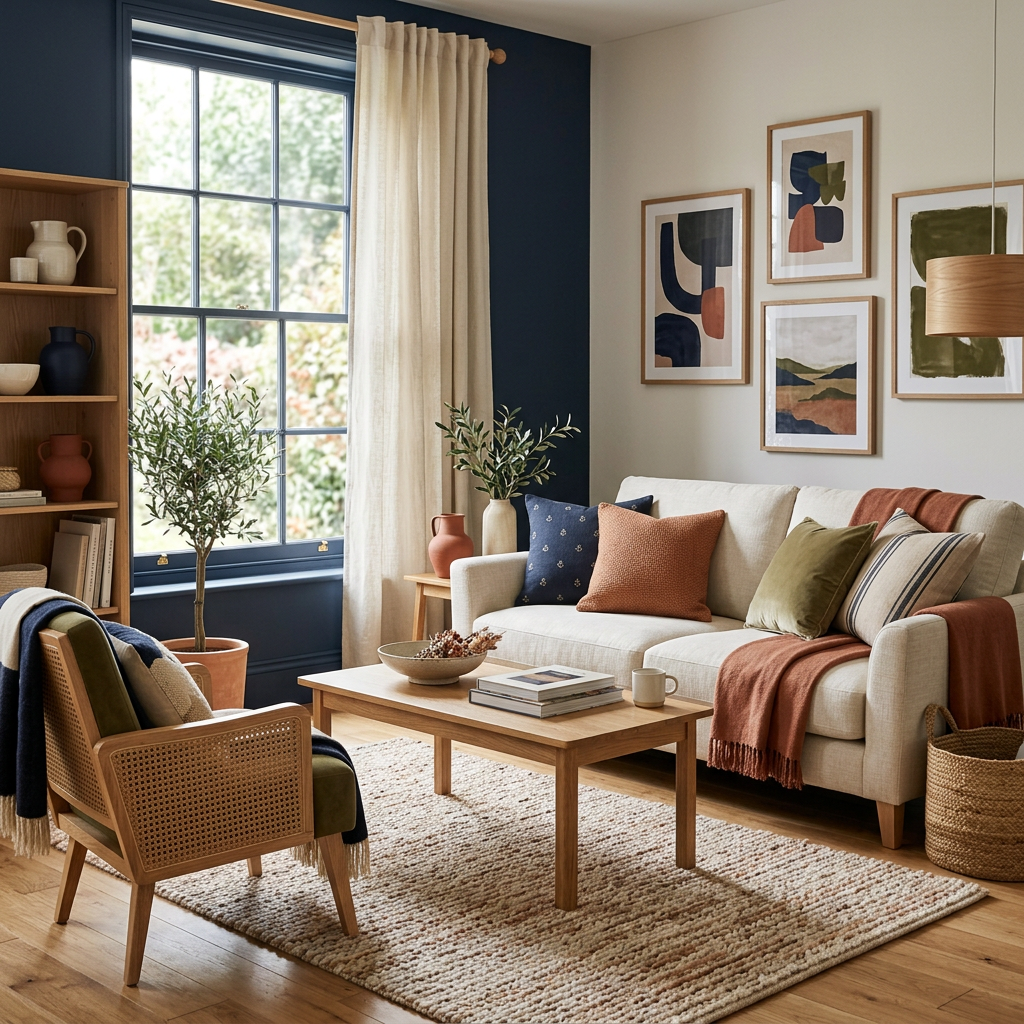
This creates a canvas where your colorful personality can shine without overwhelming the room. If white walls aren’t your thing, try muted sage, dusty blue, or warm clay instead.
Mix Styles Without Apologizing
Who says mid-century modern can’t live beside cottagecore? Or industrial shelving next to floral wallpaper? Artistic people rarely love just one aesthetic.
Try combining:
- Vintage furniture
- Handmade pottery
- Modern artwork
- Antique mirrors
- Funky lighting
- Eclectic rugs
- Abstract sculptures
The secret is repeating colors or materials throughout the room so everything feels connected.

Create a Gallery That Tells Your Story
Forget perfectly matching frames. Instead, create a gallery wall filled with things that inspire you.
Include:
- Original paintings
- Photography
- Travel souvenirs
- Vinyl records
- Pressed flowers
- Favorite quotes
- Handmade art
- Sketches
- Fabric pieces
- Postcards
Mix frame sizes and textures for an intentionally collected look. Your wall should feel like someone could spend twenty minutes looking at it and still discover something new.
Give Every Hobby a Home
Creative people often have multiple hobbies. Instead of hiding supplies away, celebrate them.
Ideas include:
Painting Corner
Keep brushes, paints, and canvases displayed on open shelving.
Reading Nook
Stack colorful books beside a cozy chair with warm lighting.
Music Area
Display instruments like artwork instead of hiding them in closets.
Craft Station
Organize ribbons, beads, yarn, and fabric in clear containers that become part of the décor.
Photography Shelf
Showcase cameras, film, lenses, and favorite prints.
When your hobbies are visible, they’re easier to enjoy.
Don’t Be Afraid of Color
Color is often the heartbeat of an artistic room. Instead of painting every wall bright pink, introduce color through:
- Pillows
- Blankets
- Curtains
- Artwork
- Plants
- Rugs
- Lamps
- Books
- Decorative objects
Choose three to five main colors and repeat them throughout the room. This keeps everything cohesive while still feeling playful.
Embrace Imperfection
Perfection has never been the goal of creativity. A slightly crooked painting. Paint splatters on an old table. A thrifted chair with character. A handmade vase that’s a little uneven. These imperfections tell stories. Your home should feel lived in—not staged.
Layer Different Textures
Texture brings warmth and depth to eclectic spaces.
Mix together:
- Velvet
- Linen
- Woven baskets
- Wood
- Metal
- Glass
- Leather
- Faux fur
- Cotton
- Ceramics
The more textures you combine thoughtfully, the more inviting your room becomes.
Let Nature Join the Art
Plants are living sculptures. Whether you own one snake plant or fifty trailing pothos, greenery softens colorful spaces.
Try displaying plants on:
- Floating shelves
- Vintage stools
- Hanging planters
- Window ledges
- Bookcases
Mix plant heights to create movement throughout the room.
Use Lighting as Art
Creative rooms deserve creative lighting. Instead of relying only on overhead lights, layer your lighting with:
- Colorful lamps
- Vintage table lamps
- Paper lanterns
- Floor lamps
- LED picture lights
- Neon signs
- String lights
- Sculptural light fixtures
Warm lighting instantly makes artistic spaces feel cozy and inspiring.
Add Unexpected Conversation Pieces
Every artistic room deserves something that makes visitors smile.
Ideas include:
- Giant vintage clocks
- Painted guitars
- Funky mirrors
- Oversized mushrooms
- Colorful sculptures
- Record players
- Antique typewriters
- Globe collections
- Handmade quilts
- Unique wall murals
The goal isn’t to impress people.
It’s to make them curious.
Organize Without Hiding Your Personality
Creative doesn’t have to mean messy.
Use beautiful storage like:
- Woven baskets
- Vintage trunks
- Colorful filing cabinets
- Pegboards
- Rolling carts
- Floating shelves
- Decorative boxes
Organization creates more room for inspiration.
Make Space for Creating, Not Just Decorating
One mistake many artistic people make is filling every corner with décor. Leave room to actually create.
Reserve a table for:
- Drawing
- Painting
- Writing
- Journaling
- Crafting
- Sewing
- Designing
Your creative space should inspire action, not just admiration.
Trust Your Instincts
The most memorable homes aren’t copied from social media—they’re deeply personal. If you love bold florals, vintage maps, abstract art, handmade ceramics, celestial prints, colorful books, and funky furniture all at once, that’s not a design problem. It’s your signature style.
The beauty of a quirky artistic space is that it evolves with you. Every thrift store find, every painting you create, every souvenir from a meaningful trip, and every unexpected treasure adds another layer to your story.
Don’t worry about whether your home fits into one aesthetic. Instead, focus on creating a space that feels inspiring the moment you walk through the door. Because the best artistic homes aren’t designed to impress everyone—they’re designed to feel like you.

Final Thoughts
Being artistic isn’t about following a trend; it’s about expressing yourself without fear. Your home should be a reflection of your curiosity, creativity, and the many passions that make you unique. Whether your style leans maximalist, eclectic, vintage, modern, or somewhere delightfully in between, the most important element is authenticity.
Fill your space with things that spark joy, inspire your next idea, and remind you of who you are. After all, your home is more than a place to live—it’s your personal masterpiece.



Leave a Reply