
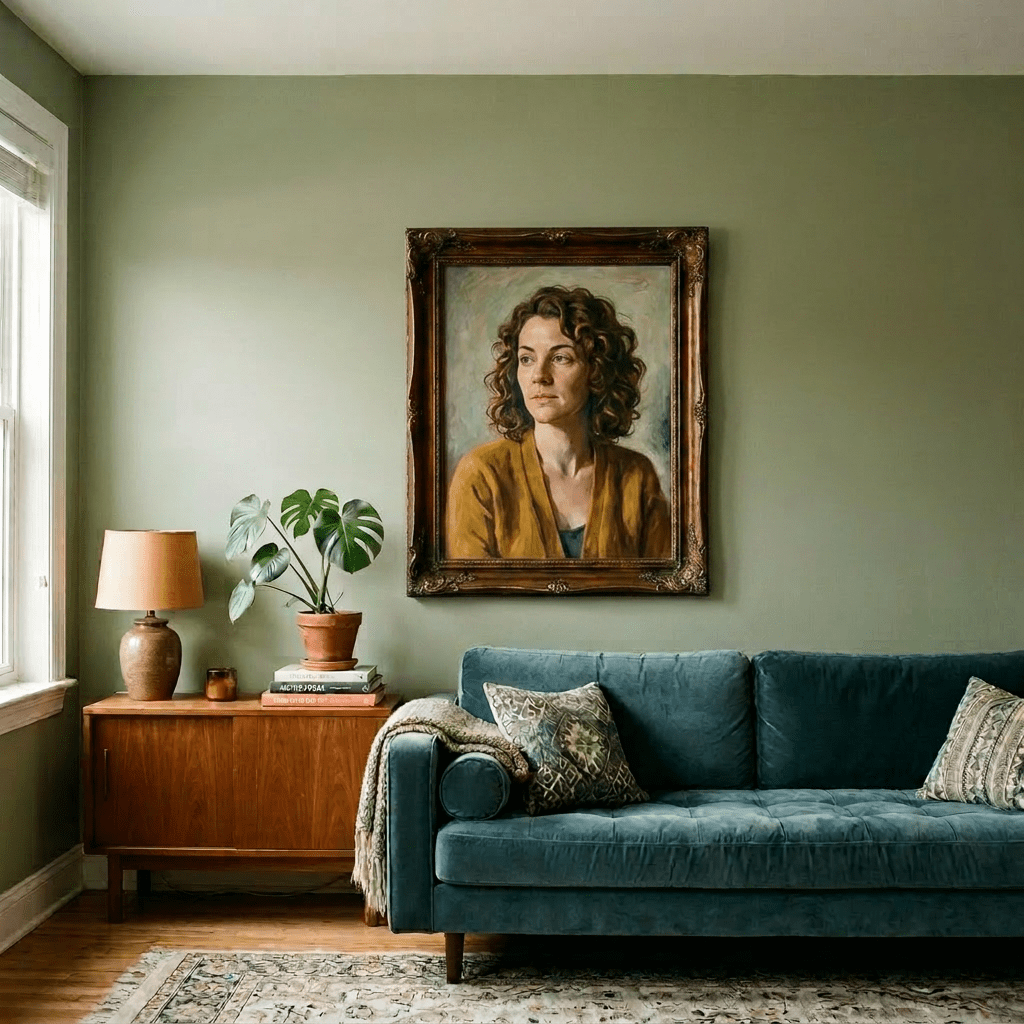
Have you ever thought about hanging a portrait of yourself in your home… and then immediately questioned it?
Is that weird? Is that too much? Will people think I’m obsessed with myself?
Let’s be honest—self-portraits can feel a little bold. But what if I told you they’ve been a symbol of confidence, legacy, and storytelling for centuries?
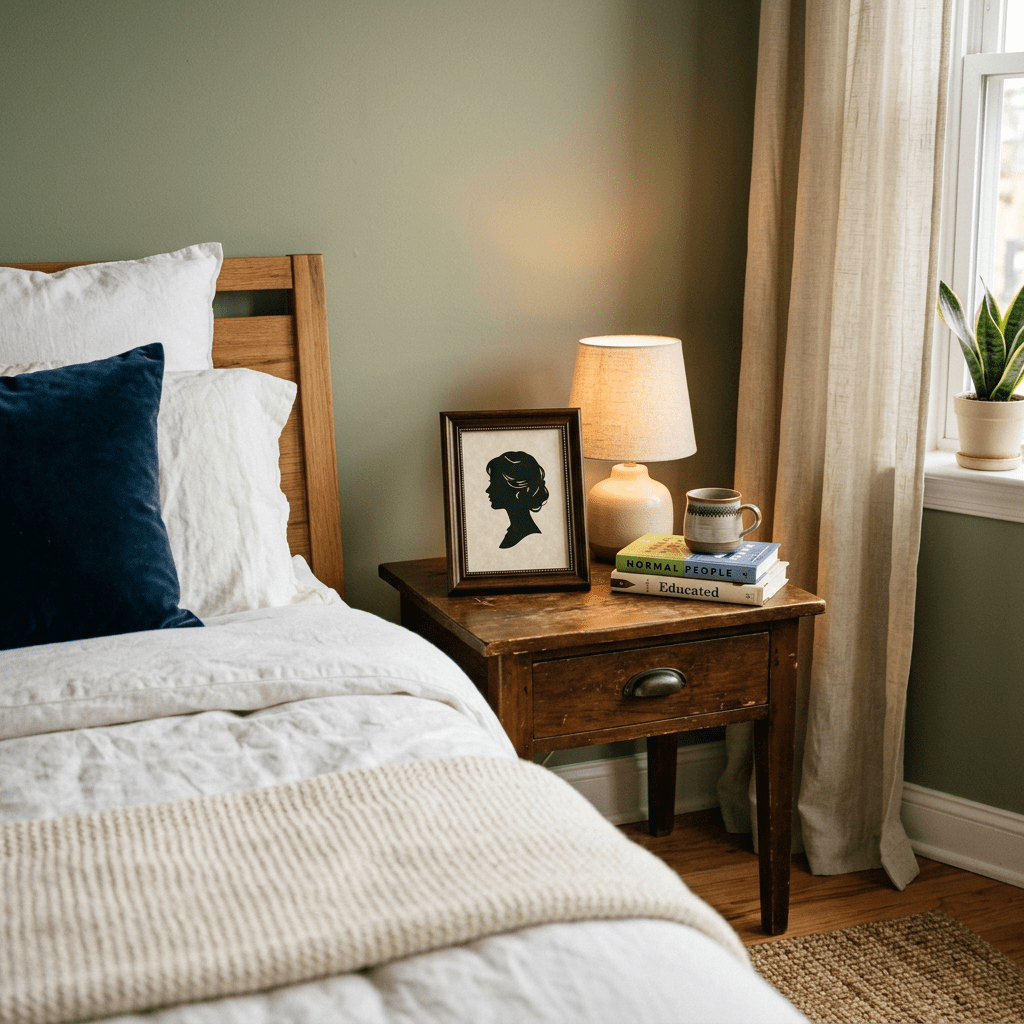
In today’s world of home decor, self-portraits are quietly making a comeback—and when done right, they can feel elevated, meaningful, and even luxurious.
Let’s talk about it.
Are Self-Portraits Cheesy… or Actually Stylish?
The short answer? They can be cheesy—but they don’t have to be. The difference comes down to how they’re styled and why they’re displayed.
A giant, overly edited photo of yourself front and center in your living room? That might feel a little overwhelming.
But a thoughtfully styled, beautifully captured image that blends into your decor? That feels intentional… even artistic.
Today’s self-portraits are less about ego and more about:
- Celebrating identity
- Capturing a moment in time
- Creating a personal connection to your space
Think of it this way—your home should reflect you. And what’s more personal than a piece of art that literally tells your story?
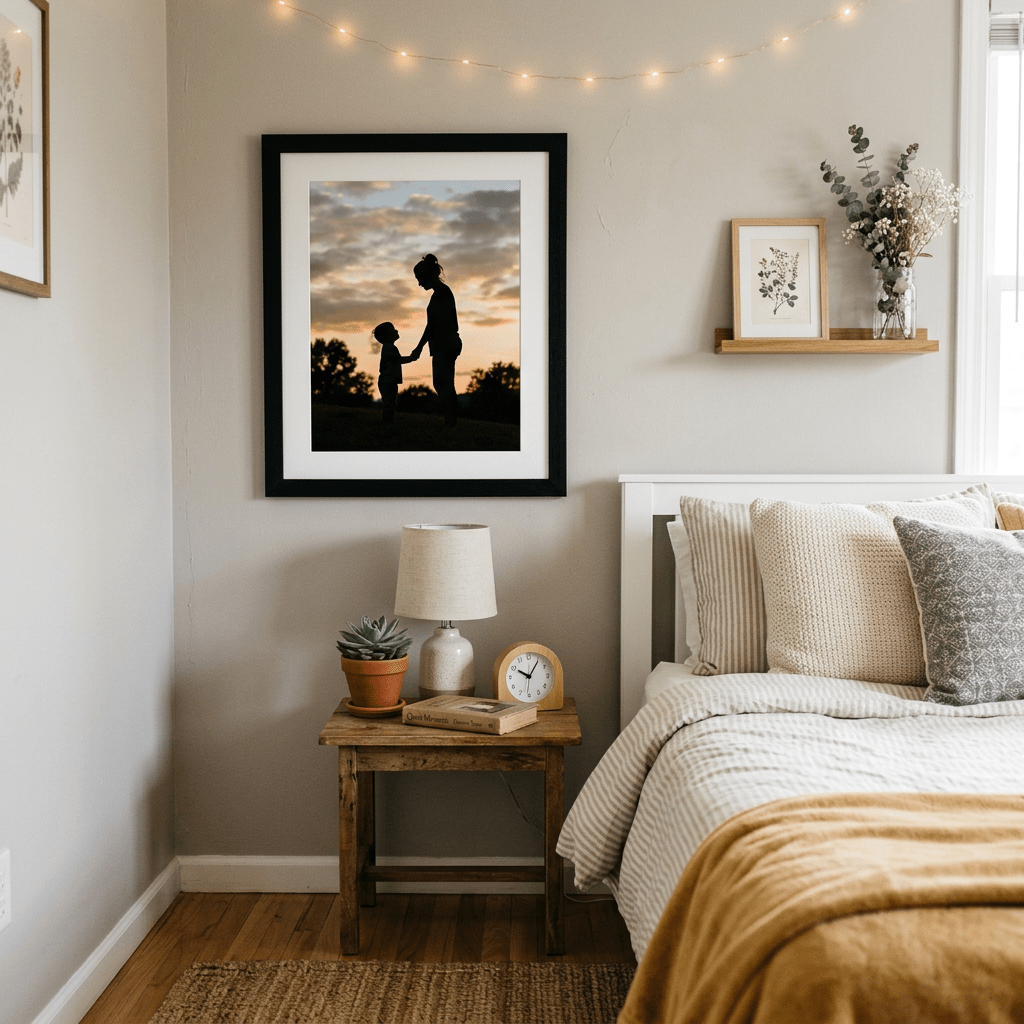
Why Self-Portraits Became a Staple in Homes
Self-portraits didn’t start with selfies or social media—they go way back.
Historically, portraits (especially self-portraits) were a symbol of:
- Status and legacy
- Wealth and importance
- Personal identity and expression
In earlier centuries, only the wealthy could afford to have their portraits painted. These portraits were proudly displayed in homes as a way to preserve family history and showcase presence.
Over time, photography changed everything.
Suddenly, capturing yourself became accessible—and homes began to fill with:
- Family portraits
- Milestone photos
- Personal imagery that told a story
What started as a luxury became a cultural norm.
A Brief History of Self-Portraits in the Home
Self-portraiture dates back to ancient times, but it truly evolved during the Renaissance.
Artists like Rembrandt and Frida Kahlo used self-portraits to explore identity, emotion, and life experiences. These weren’t just images—they were deeply personal expressions.
Fast forward to the 20th century:
- Cameras became common
- Family photo walls became popular
- Homes started showcasing personal life more openly
And now?
We’re in the era of curated living spaces—where every piece, including photos, is chosen with intention.
Self-portraits today sit at the intersection of:
- Art
- Decor
- Personal branding
A Little Story: From “That’s Weird” to “That’s Beautiful”
A woman named Maya once had a stunning black-and-white portrait taken of herself during a milestone birthday.
She loved it… but didn’t know what to do with it. For months, it sat tucked away because she worried:
“What will people think?”
One day, she decided to frame it in a soft champagne-toned frame and placed it in her hallway gallery wall—surrounded by abstract art and travel photos.
Something interesting happened. No one said, “Why do you have a picture of yourself?” Instead, they said:
“Wow… that photo is beautiful.”
“That feels so you.”
“It looks like it belongs here.”
That’s the power of intentional styling.
How to Make a Self-Portrait Fit Your Home (Without Looking Self-Absorbed)
This is where the magic happens. It’s all about balance and integration.
1. Treat It Like Art, Not Just a Photo
Choose images that feel artistic:
- Black and white photography
- Soft lighting
- Natural, candid poses
Avoid overly posed or heavily filtered images. The goal is timeless, not trendy.
2. Blend It Into a Gallery Wall
Instead of making it the centerpiece, mix your self-portrait with:
- Abstract prints
- Quotes
- Landscapes
- Family moments
This creates a story instead of a spotlight.
3. Choose the Right Frame (This Matters A LOT)
Frames can completely change the vibe.
For your Discovering Life aesthetic, think:
- Graphite frames for a modern, bold look
- Champagne or soft metallics for that affordable luxury feel
- Simple wood for warmth and balance
A beautiful frame makes your portrait feel like decor—not display.
4. Keep Placement Intentional
Where you place it makes a difference:
- Hallways → subtle and personal
- Bedrooms → intimate and meaningful
- Offices → empowering and confident
Avoid placing large self-portraits directly facing entryways unless you want a dramatic statement.
5. Tell a Story, Not Just “Here I Am”
Your self-portrait should represent something:
- A milestone
- A transformation
- A moment you’re proud of
When there’s meaning behind it, it never feels self-absorbed—it feels authentic.
6. Go Subtle with Scale
Not every self-portrait needs to be oversized.
Try:
- Small framed prints on shelves
- Layered frames on a console table
- A softly styled vignette
Let it be discovered, not announced.
Why Self-Portraits Actually Matter in Your Space
Your home is more than a place—it’s a reflection of your journey.
Self-portraits can:
- Build confidence
- Celebrate growth
- Make your home feel deeply personal
In a world where we often decorate for trends, self-portraits bring the focus back to what truly matters—you.
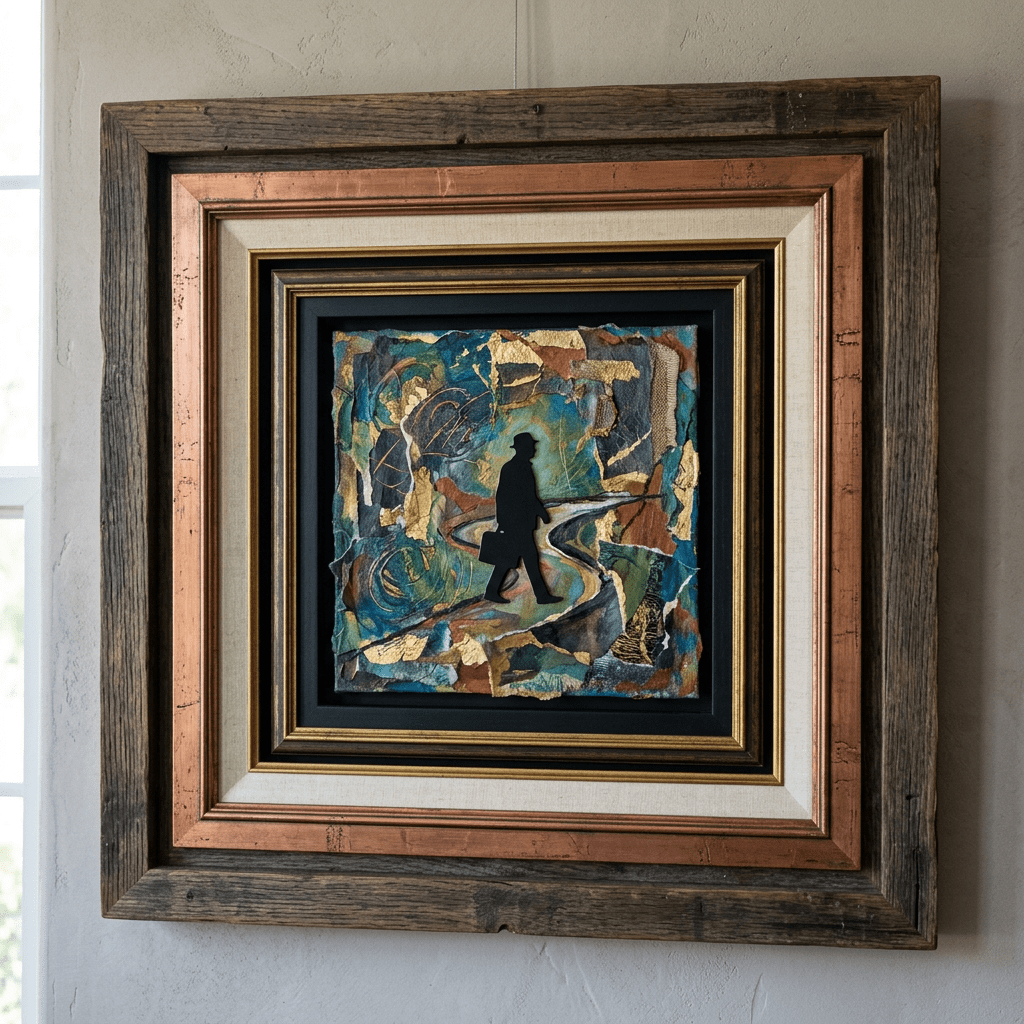
Final Thoughts: Confidence, Not Conceit
So… is it cheesy to have self-portraits in your home?
Only if it’s done without intention.
But when styled thoughtfully, a self-portrait becomes:
- A piece of art
- A conversation starter
- A quiet reminder of who you are
And honestly?
There’s nothing cheesy about owning your story.
Discovering Life Tip:
If you’ve been hiding a photo you love because you’re unsure how it will be perceived—this is your sign to bring it out, style it beautifully, and let it become part of your space.
Because your home shouldn’t just look good…
it should feel like you.

 Discoveringlifellc
Leave a comment