
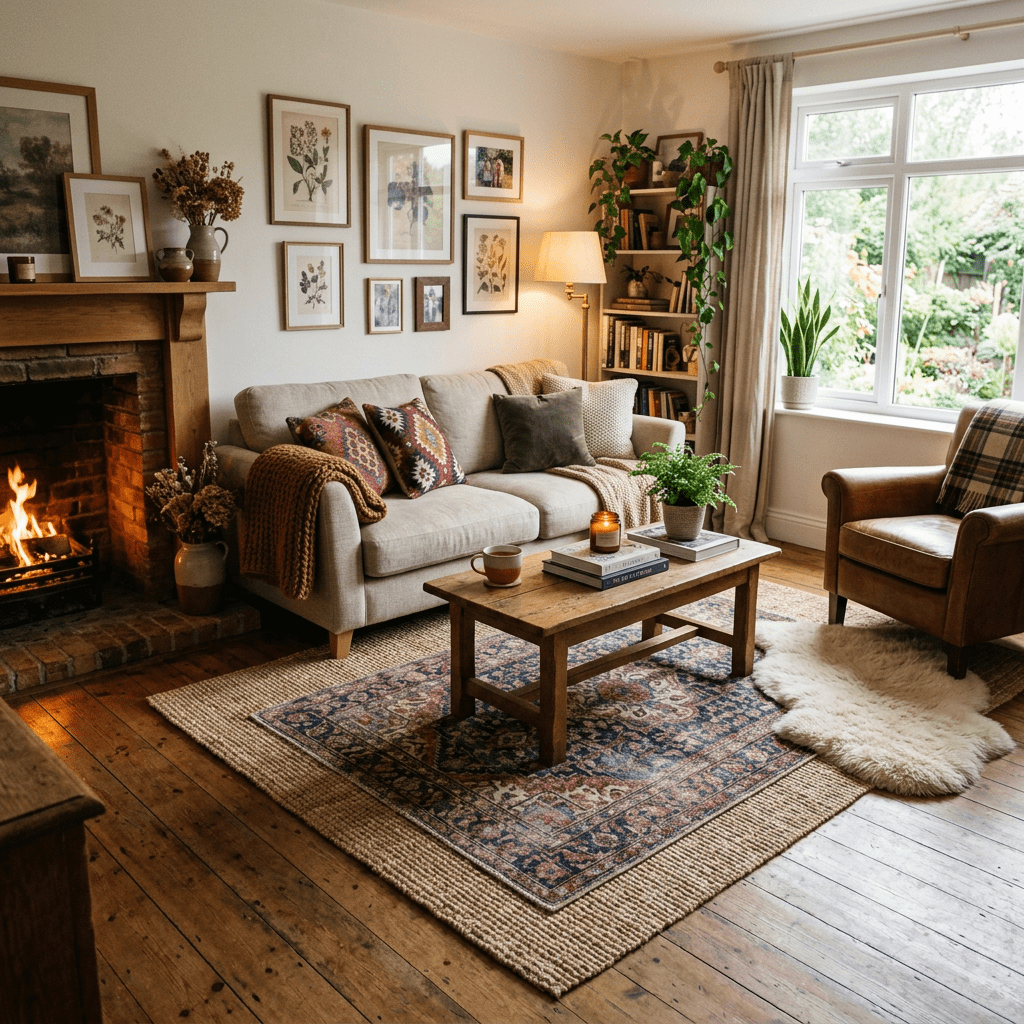
There’s something exciting about finding the perfect accent rug. It’s the piece that made you pause, imagine your space differently, and think, this is it. But once it arrives and you lay it down… the question hits: now what?
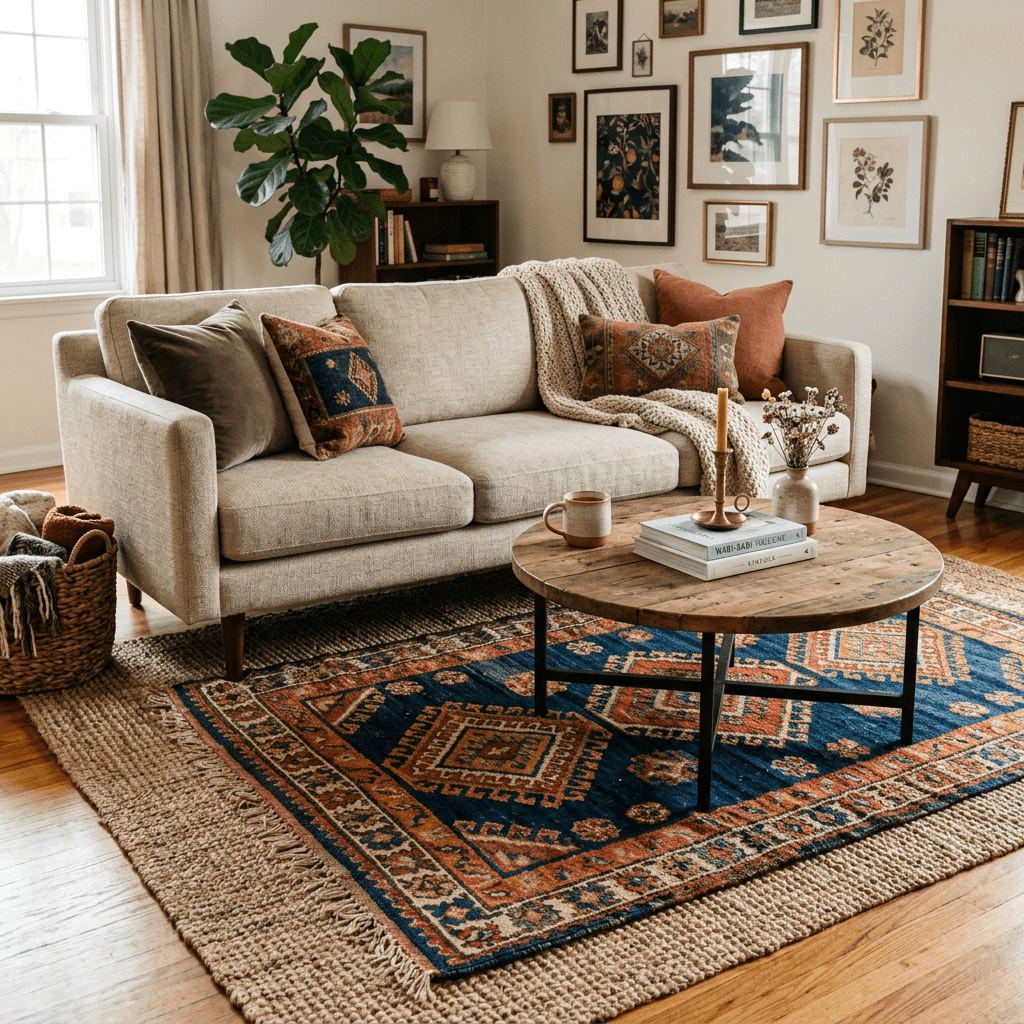
Styling an accent rug is where the magic really happens. It’s not just about placing it on the floor—it’s about allowing it to anchor your space, define your style, and quietly pull everything together.
Let’s walk through how to take that beautiful rug and turn it into a finished, intentional room.
Start With the Rug as Your Foundation
An accent rug isn’t just decor—it’s direction.
Before moving furniture or adding accessories, take a moment to look at your rug closely. What is it saying? Is it soft and neutral? Bold and expressive? Textured and cozy?
Your rug already holds the answers to your room’s style.
- Neutral rugs create a calm, elevated base—perfect for layering textures and subtle contrast
- Patterned rugs become the focal point—everything else should support, not compete
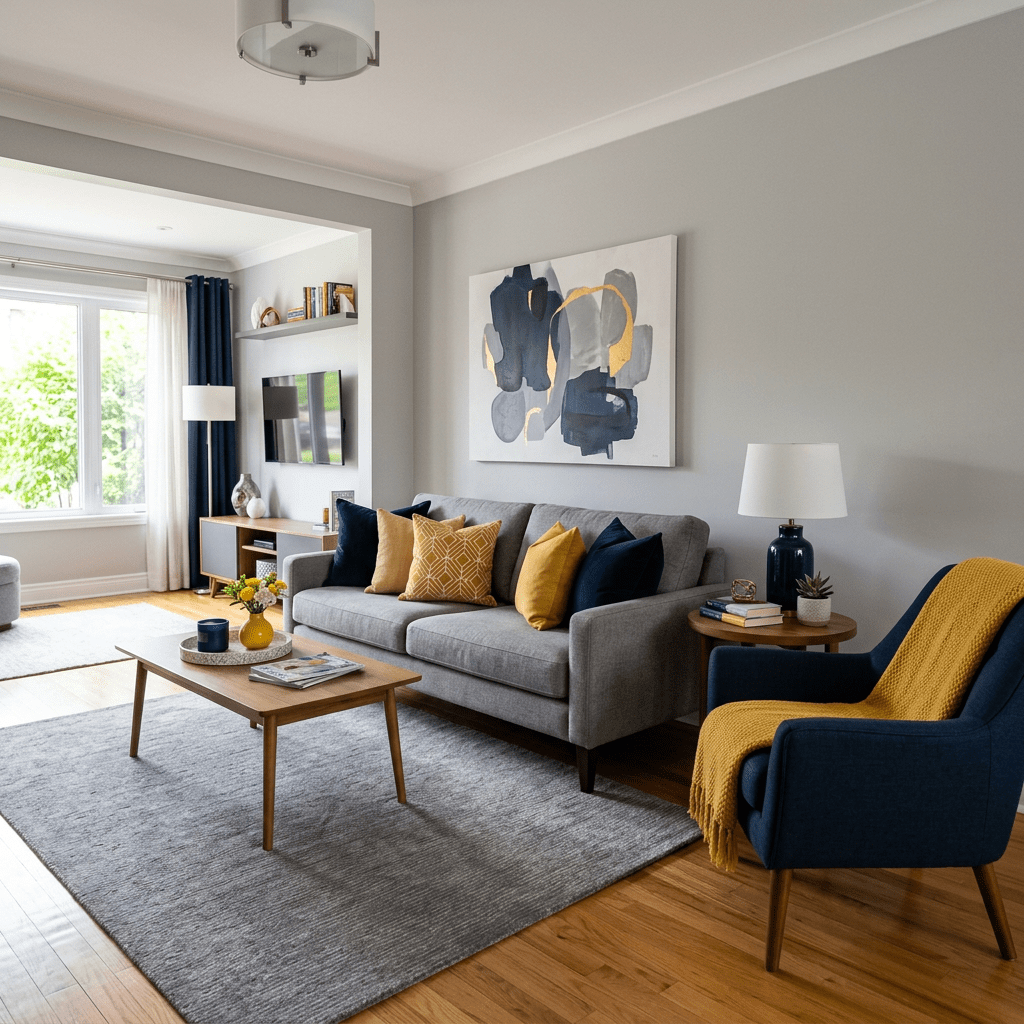
- Bold or colorful rugs set the tone—pull colors from the rug into pillows, art, or throws
Instead of forcing your rug to “fit” your room, let your room respond to your rug.
Placement Is Everything
One of the most common styling mistakes isn’t the rug—it’s where it’s placed.
Think of your rug as a frame for your furniture.
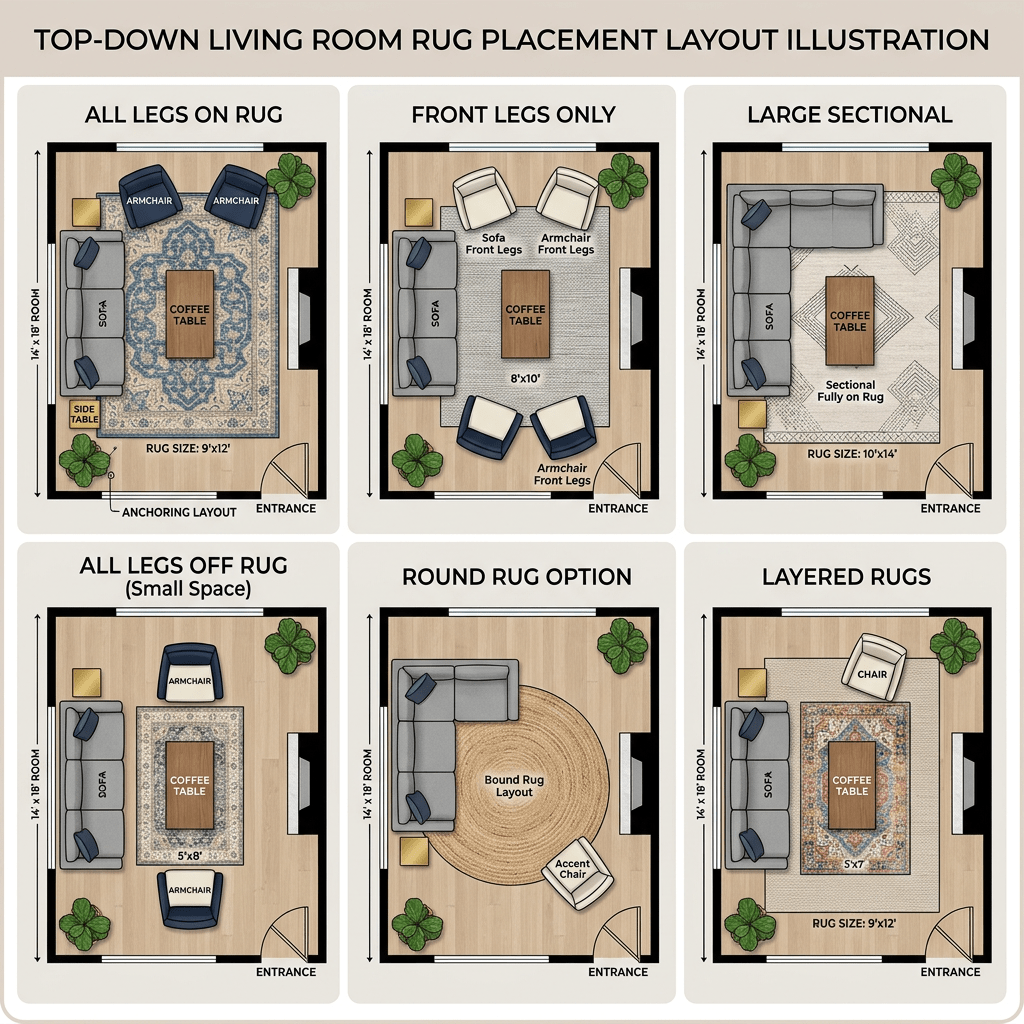
Living Room
Your rug should connect your seating, not float away from it.
- Place at least the front legs of your sofa and chairs on the rug
- For smaller rugs, center it under a coffee table and keep spacing intentional
- Avoid the “postage stamp” look—too small rugs can make a room feel disconnected
Bedroom
Your rug should greet you when you wake up.
- Place it partially under the bed, extending outward
- Or use runners on each side for a layered, cozy feel
- Make sure it extends far enough to be functional, not just decorative
Dining Room
Your rug should support the experience.
- Ensure it’s large enough for chairs to stay on the rug when pulled out
- Keep patterns subtle if your dining chairs are already bold
Placement alone can make your room feel professionally styled—or slightly “off.”
Layering: The Secret to Designer-Level Styling
If your room feels like it’s missing something, layering might be the answer.
Layering rugs instantly adds depth, texture, and a curated feel.
- Place a larger neutral rug underneath a smaller accent rug
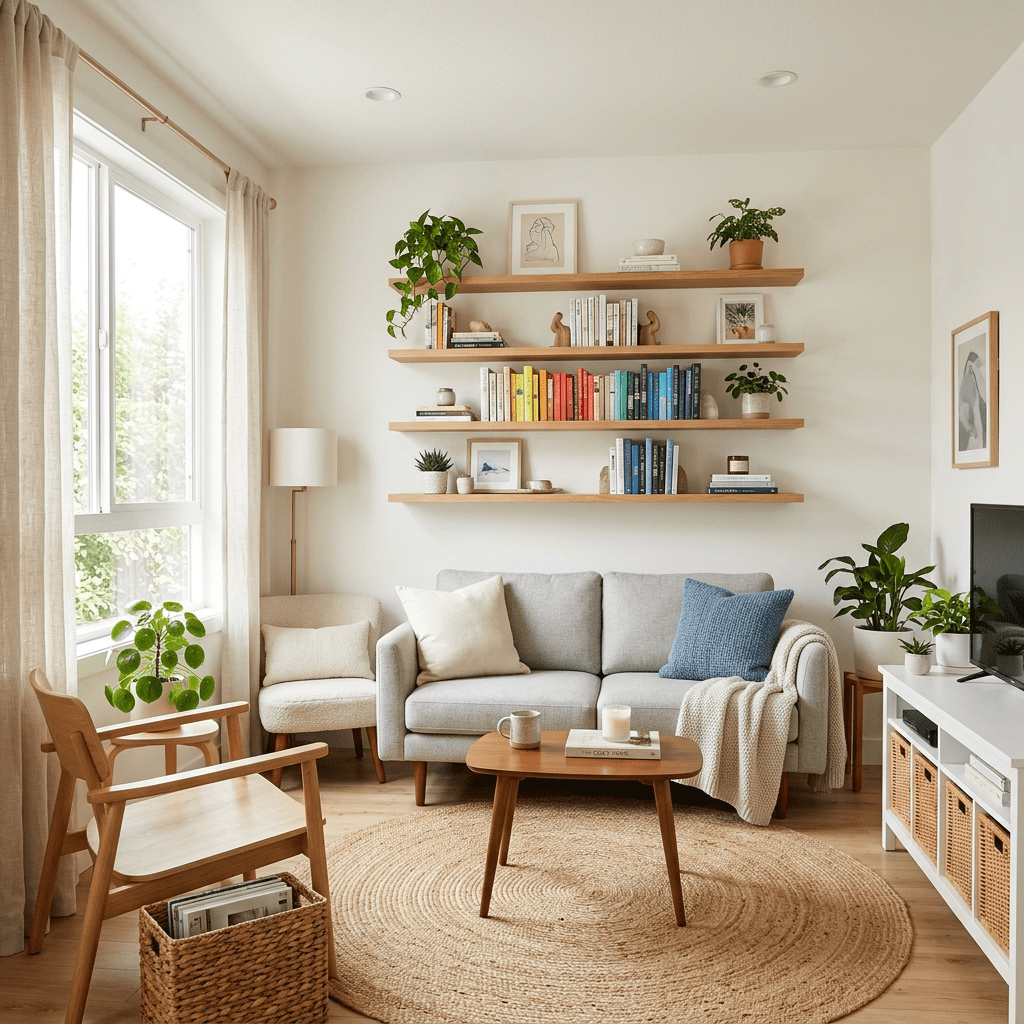
- Pair jute or natural fiber rugs with softer patterned rugs on top
- Mix textures (flatweave + plush) for contrast
This approach works especially well if your accent rug is smaller but too beautiful not to highlight.
Balance the Room, Don’t Match It
A perfectly styled room doesn’t look overly matched—it feels balanced.
Instead of trying to find items that match your rug exactly, aim to echo its colors and tones throughout the space.
- Pull one or two colors from the rug into throw pillows or blankets
- Choose wall art that complements the mood, not copies the design
- Use decor accents (vases, trays, books) to subtly repeat tones
This creates a cohesive look without making your space feel staged or predictable.
Let the Rug Define the Mood
Your accent rug does more than fill space—it sets the emotional tone of the room.
- A soft, plush rug creates warmth and comfort
- A geometric rug adds structure and modern energy
- A distressed or vintage rug brings character and lived-in charm
Once you understand the feeling your rug creates, build your styling choices around that emotion.
Don’t Forget About Texture
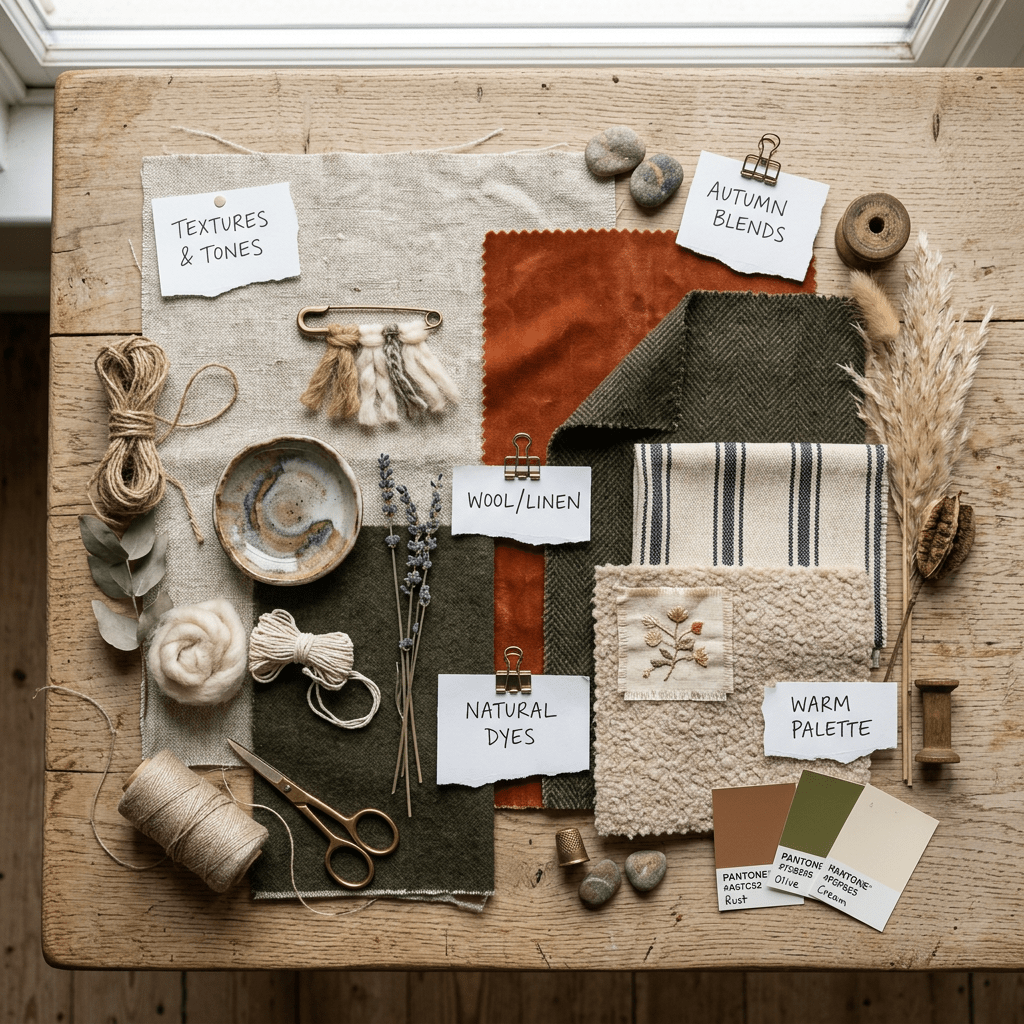
Even the most beautiful rug can fall flat if the rest of the room lacks texture.
Texture is what makes a room feel layered and complete.
Pair your rug with:
- Soft throws
- Woven baskets
- Wood or metal finishes
- Upholstered furniture with depth
If your rug is smooth, add texture around it. If your rug is textured, keep surrounding elements a bit simpler. It’s all about contrast.
A Story That Feels Familiar
There was a couple—let’s call them Maya and Jordan—who finally found a rug they both loved after weeks of searching. It wasn’t easy. Maya leaned toward soft neutrals, while Jordan preferred bold patterns with personality.
The rug they chose sat somewhere in between—a muted geometric design with warm undertones.
But once they brought it home, something felt off.
They placed it in the center of their living room, stepped back, and… it just didn’t look right. The rug was beautiful, but the room didn’t feel complete.
Instead of giving up, they started adjusting.
They moved the rug slightly under the sofa, anchoring the space. Suddenly, the room felt more connected. Then they added pillows that picked up subtle tones from the rug. A throw blanket followed. A piece of wall art that echoed the geometric pattern—but softer.
Step by step, the room began to transform.
What once felt like a random rug in a room became the piece that defined the entire space.
And the best part? Neither of them had to compromise their style. The rug became their middle ground—and their favorite part of the room.
The Final Touch: Trust Your Eye
Styling your accent rug isn’t about following strict rules—it’s about creating a space that feels right to you.
Move things around. Step back. Adjust again.
Sometimes the smallest shift—just a few inches—can completely change how a room feels.
Bringing It All Together
Your accent rug is more than a decorative piece—it’s the quiet foundation of your space. When styled intentionally, it has the power to transform a room from unfinished to unforgettable.
So if you’ve found the perfect rug but aren’t sure what to do next, remember this:
You don’t need more decor.
You need direction.
Let your rug lead—and let your space come together naturally.
Discover comfort. Discover purpose. Discover life.
 Discoveringlifellc
Leave a comment