
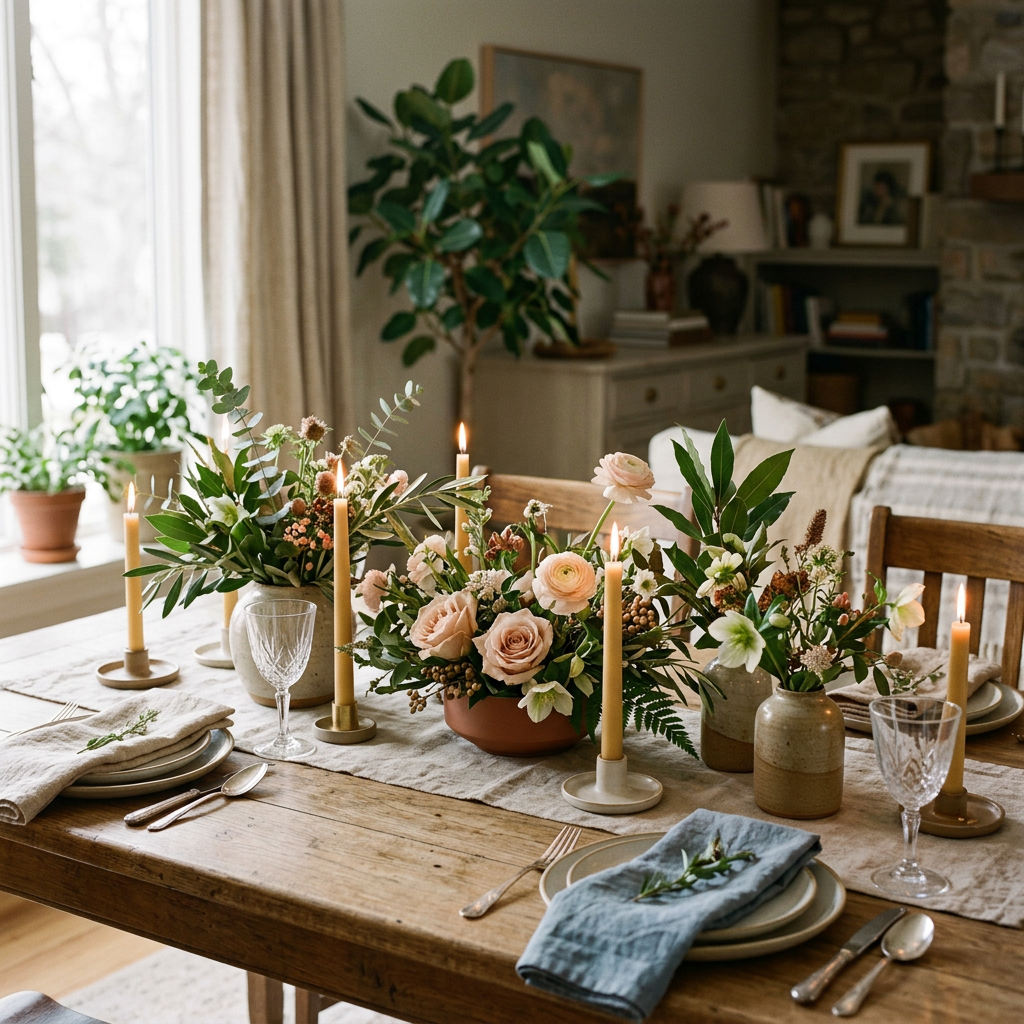
Walking into a beautifully decorated room, you notice a CENTERPIECE thoughtfully arranged. It could be a vase of flowers, candles, a decorative bowl, or books. Whatever it is, it adds a finishing touch to the space. Additionally, this signals that someone thoughtfully planned how the room should feel.

Ultimately, when visitors enter, the result feels intentional and complete. Have you ever wondered why we call it a CENTERPIECE? Additionally, why did people start decorating tables this way in the first place? Does every table in your home actually need one?

The answer is no—not every surface needs a CENTERPIECE. However, one of the biggest decorating mistakes is thinking every empty surface must be filled. A good focal piece should add something to a room, not simply occupy space.
What Exactly Is a Centerpiece?
CENTERPIECE serves as a decorative arrangement that creates a visual focal point in a space, usually at the table center. Traditionally, such arrangements were linked to dining tables and formal entertaining; however, the concept has expanded.
Today, a CENTERPIECE can be found on dining tables, coffee tables, kitchen islands, entryway consoles, and bedroom dressers.
Additionally, it is placed on fireplace mantels, and even outdoor tables. Thus, the purpose remains relatively consistent: to create visual interest and give a particular area a sense of intentional design.
A centerpiece doesn’t necessarily have to sit directly in the middle of something, either. The word describes its role more than its exact location. It is the element that helps anchor the surrounding décor.
Why Did Centerpieces Come About?
Centerpiece history closely connects to the history of dining and entertaining. As dining became more than simply a practical activity and developed into an important social experience, the dining table itself became a place for presentation.
In wealthy European households, hosts decorated tables for elaborate dinners with flowers, candles, fruits, decorative objects, and detailed food displays. These arrangements weren’t simply there to make the table pretty. They were part of the experience of entertaining guests.
During the Victorian era, table decorating became particularly elaborate. People designed formal dining rooms to impress, and a carefully arranged table conveyed hospitality, wealth, taste, and social status. Flowers, silver pieces, crystal, candles, and decorative objects were frequently incorporated into the table setting.
Over time, these elaborate arrangements became more accessible to everyday households. What was once primarily associated with formal entertaining gradually became a normal part of home decorating.
The centerpiece eventually evolved from a symbol of formal dining into something much more personal. Today, you don’t need a massive dining room or a table filled with expensive decorations to create one.
Sometimes a simple vase of greenery is all you need.
Why Do People Put Centerpieces in Their Homes?
At its simplest, a centerpiece gives the eye somewhere to land.
Think about an empty dining table. There is nothing necessarily wrong with it, but it can sometimes feel unfinished. Add a beautiful bowl, a vase of flowers, or a small arrangement of candles, and suddenly the table feels intentional.
This is one reason centerpieces remain popular. They help visually anchor a space.
They can also introduce color, texture, height, shape, and personality. A wooden bowl filled with decorative objects can bring warmth to a neutral room. A glass vase can introduce elegance. A collection of candles can make a dining room feel intimate. Seasonal flowers can bring color and life into an otherwise simple space.
But perhaps the most important reason people use centerpieces is that they allow a home to tell a story.
Your centerpiece can reflect your personality, your decorating style, the season, or even a memory. It doesn’t have to look like something from a furniture showroom. In fact, some of the most interesting centerpieces are made from objects that mean something to the people who live there.
Where Should You Have a Centerpiece?
The dining table is probably the most obvious place for a centerpiece, and for good reason. The dining table naturally creates a visual stage for decoration. A centerpiece can make everyday meals feel more intentional while also preparing the table for guests and special occasions. However, your dining table isn’t the only place where a centerpiece can work.
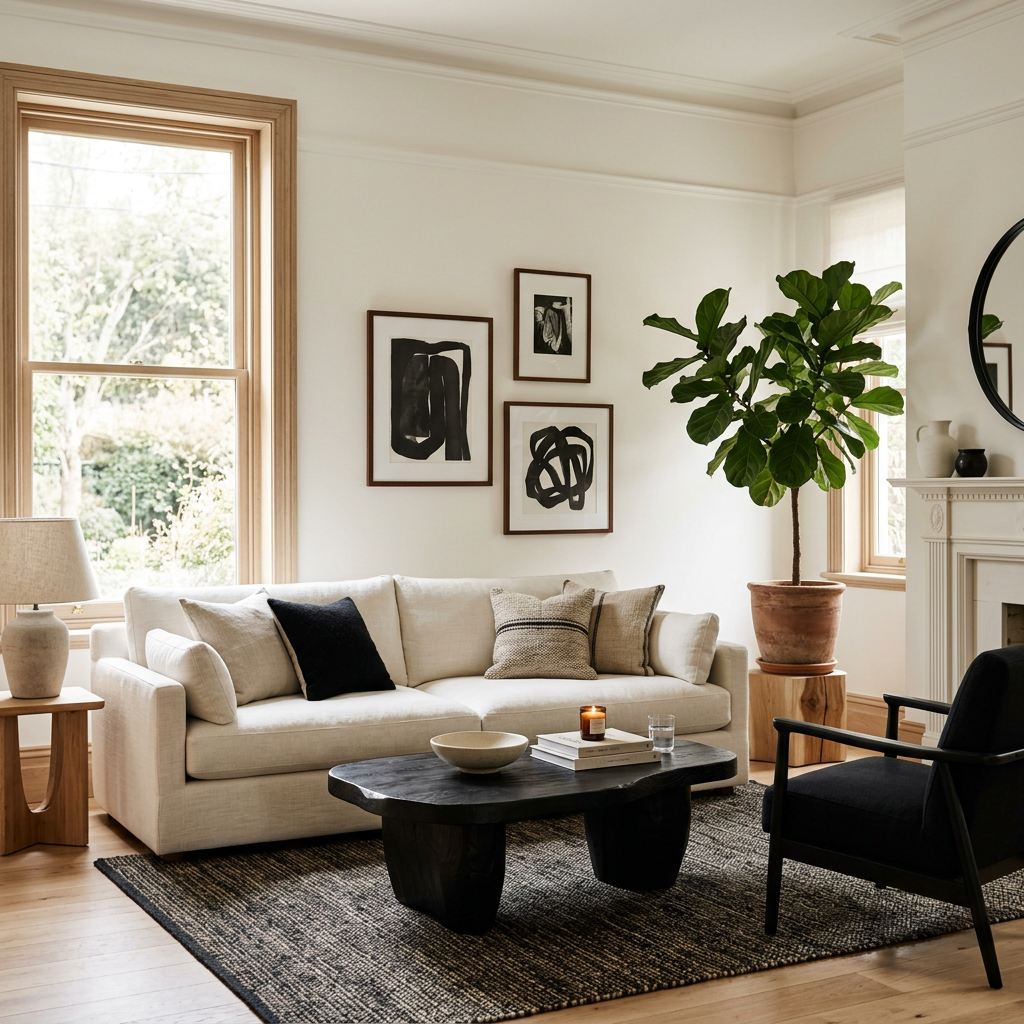
A coffee table is another natural location. Instead of placing one large decorative object directly in the middle, consider creating a small arrangement using a tray, coffee-table books, a candle, and a decorative object. The tray becomes especially useful because it visually groups the items together and makes it easier to clear the table when you need the space.
A kitchen island can also benefit from a centerpiece. A large wooden cutting board, decorative bowl, vase of greenery, or collection of canisters can provide a focal point without interfering with the functionality of the island. Just remember that kitchen surfaces need to remain practical. If you frequently prep on the island, keep a centerpiece you can leave in place while you cook.
An entryway table or console is another excellent location. Here, the centerpiece becomes one of the first things people see when they enter your home. A lamp, vase, bowl, mirror, or decorative sculpture can help establish the design style for the rest of the house.
You can even create a centerpiece on a bedroom dresser. A decorative tray with perfume bottles, a candle, a small vase, or a framed photograph can make the dresser feel styled rather than simply functional.
And don’t forget the mantel. While a mantel isn’t technically a table, it often functions as a major focal point in a room. Artwork, candlesticks, greenery, vases, or other decorative objects can create a balanced arrangement that draws attention toward the fireplace.

When Should You Have a Centerpiece?
The beauty of centerpieces is that you don’t need a special occasion to use one. You can have an everyday centerpiece that remains on your dining table throughout the year. Then, when a holiday or special occasion arrives, you can replace it with something seasonal.
For example, spring might bring fresh flowers or soft greenery. Summer could introduce citrus-inspired colors, natural textures, or coastal accents. Fall is perfect for pumpkins, branches, candles, and warm earthy tones. During the holidays, greenery, ornaments, candles, and seasonal arrangements can transform the table. You can also change your centerpiece when you simply want your home to feel different.
Maybe you’ve rearranged your furniture. Perhaps you’ve changed your color palette. Or maybe you’re just tired of looking at the same arrangement. You don’t have to redecorate an entire room to give it a new personality. Sometimes changing the centerpiece is enough.
Does Every Table Need a Centerpiece?
Absolutely not. This is where restraint becomes important. If you put a centerpiece on every table, console, dresser, shelf, and countertop, your home can quickly begin to feel cluttered. Instead of creating focal points, you end up creating visual competition. A well-designed room needs areas of rest. Some surfaces should be intentionally left empty.
This is especially important in smaller homes. When space is limited, decorative objects can quickly become overwhelming. Instead of asking, “What can I put here?” try asking, “Does this space need anything?” That small change in thinking can make a huge difference.
How Big Should a Centerpiece Be?
The size of your centerpiece should relate to the size of the surface. A tiny vase sitting alone on a large dining table may disappear visually. On the other hand, an enormous floral arrangement can make a small table feel crowded.
For dining tables, height is also important. If you’re using a centerpiece while eating, make sure it doesn’t prevent people from seeing across the table or having a comfortable conversation.
This is one reason lower arrangements are so popular for everyday dining. You can create a beautiful table without creating a visual wall between your guests. For coffee tables and consoles, you can experiment with height because people aren’t typically sitting directly across from one another.
Centerpieces Don’t Have to Be Expensive
One of my favorite things about decorating with centerpieces is that they don’t have to cost a lot of money. A centerpiece can be made from things you already own.
A beautiful bowl filled with decorative balls. A stack of books topped with a candle. A vase filled with branches from your yard. A vintage container found at a thrift store. A decorative tray with a few carefully selected objects.
Sometimes the most beautiful arrangements come from combining inexpensive pieces with one or two items that have personal meaning. The goal isn’t to make your home look expensive. The goal is to make it look intentional.
The Centerpiece Should Reflect Your Home
Your centerpiece should make sense with the room around it. If your home has a modern aesthetic, a simple sculptural vase or minimalist arrangement may work beautifully. A farmhouse-style room might benefit from wood, ceramic, greenery, or woven textures. A traditional home might lend itself to flowers, candlesticks, or classic decorative objects. And if your style is somewhere in between, that’s perfectly fine too.
Your home doesn’t have to fit neatly into one decorating category. In fact, some of the most beautiful homes are the ones that combine different styles while maintaining a consistent color palette, scale, and feeling.
Think of Your Centerpiece as the Finishing Touch
A centerpiece isn’t necessarily the star of the room. Sometimes it is simply the finishing touch that brings everything together.
Imagine a dining room with beautiful chairs, artwork, lighting, and a gorgeous table. The room may already be decorated beautifully, but a carefully selected centerpiece can connect those elements and make the table feel complete. That’s really what centerpieces are about. They create a moment of intention.
They tell us that the table isn’t just a place to eat. The console isn’t just a place to drop your keys. The coffee table isn’t just something sitting in front of the sofa. These everyday surfaces can become part of the story of your home.

The Bottom Line
Centerpieces have survived for centuries because they serve a purpose that goes beyond decoration. They help create focal points, introduce personality, celebrate seasons and occasions, and make everyday spaces feel more thoughtfully designed. But you don’t need a centerpiece everywhere.
Choose the surfaces that naturally deserve attention. Consider how the space is used, how much room you have, and whether the arrangement adds beauty without creating clutter. And most importantly, don’t be afraid to make your centerpiece personal.
Your centerpiece doesn’t have to look like everyone else’s. It can be elegant, simple, dramatic, colorful, sentimental, seasonal, or completely unexpected.
Because at the end of the day, decorating your home isn’t about filling every empty space. It’s about discovering which spaces deserve to be noticed.

Deja un comentario