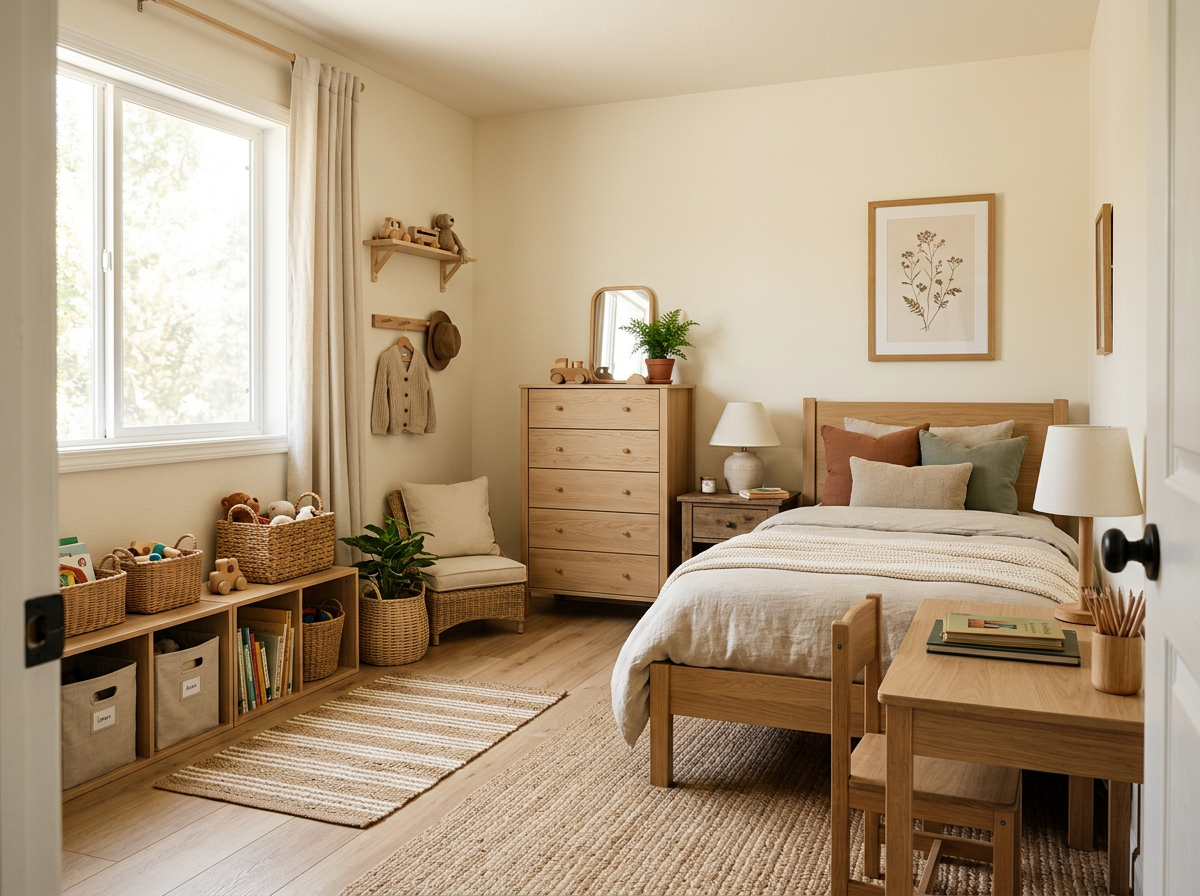
Your child won’t stay little forever, so why should their bedroom furniture?
Children grow up faster than we sometimes realize. Additionally, one minute you’re decorating a nursery. The next moment you’re shopping for a big-kid bed, and your child asks for a room that feels more grown-up. This Bedroom Furniture That Grows with Your Child can adapt as they grow. As parents, we want to create bedrooms that are comfortable, functional, and enjoyable for our children.

However, constantly replacing Bedroom Furniture That Grows with Your Child every few years can become expensive. The good news is that you don’t have to start from scratch every time your child’s needs or interests change. Choosing bedroom furniture that grows with your child is a smart investment when designing their space.

Moreover, with the right furniture and thoughtful planning, you can create a bedroom that transitions beautifully from childhood. Additionally, it can grow with their tastes and needs into teenage years and young adulthood. Let’s explore how to make furniture choices that will stand the test of time.
1. Start With Furniture That Has Long-Term Potential
When shopping for your child’s bedroom, it’s easy to get caught up in furniture designed around a particular age or theme. Think princess beds, race car frames, cartoon characters, or brightly colored furniture. While these designs may be exciting when children are young, they may not be as appealing a few years later.
Instead, consider choosing furniture with a timeless design. Look for:
- Simple bed frames that can accommodate different bedding styles.
- Neutral-colored dressers and nightstands.
- Classic furniture finishes such as white, natural wood, walnut, or gray.
- Clean lines that work with different decorating styles.
- Furniture that can be repurposed as your child’s needs change.
You can always incorporate your child’s favorite characters, colors, and interests through bedding, wall art, rugs, pillows, and accessories. These items are much easier and less expensive to replace than an entire bedroom furniture set.
The goal: Invest in furniture that lasts and use decorating accessories to reflect your child’s current personality.
2. Choose a Bed That Can Transition Through Different Ages
The bed is typically the largest piece of furniture in a bedroom, so it deserves careful consideration. If you’re purchasing furniture for a young child, think beyond what they need today. A toddler bed may be convenient for a short period, but you may find yourself replacing it sooner than expected.
Consider these options:
Twin beds: A practical option for younger children, especially when bedroom space is limited. A quality twin bed can last well into the teenage years.
Full-size beds: A full-size bed offers additional sleeping space and can accommodate a growing child comfortably. It can also work well in a young adult’s bedroom.
Daybeds: These are excellent for smaller bedrooms because they can serve as both a sleeping area and a comfortable seating space during the day.
Platform beds: A simple platform bed can transition through nearly every stage of childhood. Change the bedding, pillows, and surrounding decor, and the entire bedroom can take on a new personality.
Storage beds: Beds with built-in drawers provide additional storage for clothing, toys, blankets, and other belongings. This can be particularly helpful in smaller bedrooms.
Think about how long you want the bed to last, how much space you have, and whether your child may eventually need additional sleeping space.
3. Invest in a Dresser That Can Serve Multiple Purposes
A dresser is one of those furniture pieces that can remain useful for decades. When your child is young, it may hold tiny clothing, pajamas, and accessories. As they get older, it becomes a place for larger clothing, personal belongings, and everyday essentials.
Look for a dresser with:
- Deep drawers for clothing and accessories.
- Quality drawer slides that can withstand everyday use.
- A neutral finish that complements different bedroom styles.
- Enough storage to accommodate changing wardrobe needs.
- A design that can work in another room if necessary.
Consider a dresser that can eventually function as a bedroom storage piece, an entryway console, or even additional storage in a guest room. One important consideration: Always anchor dressers and other tall furniture securely to the wall to prevent tip-over accidents. Avoid placing heavy objects on top where young children might climb to reach them.

4. Don’t Overlook the Importance of a Functional Desk
A desk may not seem like an essential piece of furniture when your child is very young, but it can become one of the most valuable additions to their bedroom.
During childhood, it can serve as a place for coloring, crafts, puzzles, and homework. As your child enters their teenage years, it becomes a study area. Eventually, it may serve as a workspace for college assignments, hobbies, or remote work.
Look for a desk that offers:
- Enough surface space for a computer and other supplies.
- Storage drawers or shelving.
- A comfortable height or adjustable features.
- A simple design that complements the rest of the furniture.
- Enough room for a proper desk chair.
If space is limited, consider a compact writing desk, a wall-mounted desk, or a desk with built-in shelving. A functional workspace can encourage organization, independence, and good study habits as your child grows.
5. Choose Nightstands That Will Grow With the Room
Nightstands are often overlooked when purchasing bedroom furniture, but they can make a big difference in how functional a bedroom feels. For younger children, a nightstand may hold a bedtime book, a nightlight, or a favorite stuffed animal.
As children grow, it can become a place for phones, charging devices, glasses, books, and personal items. Choose a simple nightstand with at least one drawer or storage compartment. Neutral finishes and classic designs will make it easier to transition the bedroom from a playful childhood space to a more sophisticated young adult retreat.

6. Be Strategic With Storage
Children accumulate belongings. Toys, books, clothing, sports equipment, electronics, shoes, and hobbies can quickly take over a bedroom. Instead of purchasing storage specifically designed for one age group, consider pieces that can adapt as your child’s needs change.
Some practical options include:
- Storage cubes: Great for toys when children are young and books, accessories, or decorative baskets as they get older.
- Bookshelves: Can transition from displaying children’s books to storing novels, school supplies, collectibles, and decor.
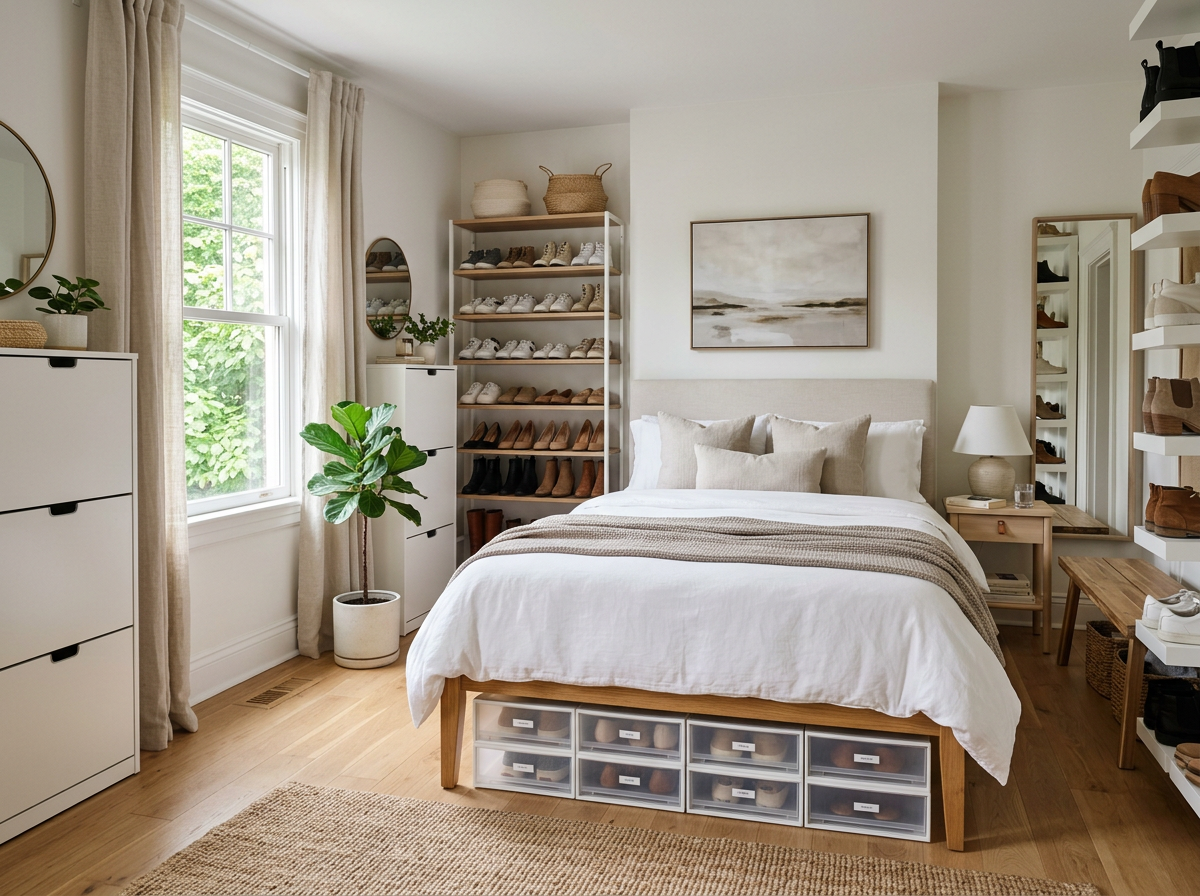
- Under-bed storage: A useful solution for seasonal clothing, extra bedding, shoes, and other belongings.
- Closet organizers: Adjustable shelving and hanging systems can accommodate changing clothing sizes and storage needs.
- Storage benches: A great addition at the foot of the bed for blankets, shoes, or personal belongings.
The key is to choose storage solutions that are flexible rather than designed around a temporary need.
7. Let Decor Change While the Furniture Stays
One of the easiest ways to transition a child’s bedroom into a more mature space is by changing the decor instead of replacing the furniture. Remember, your child may love dinosaurs today, sports tomorrow, and minimalist bedroom decor a few years from now. You don’t have to purchase new furniture to accommodate those changes.
Consider updating:
Bedding: Replace character-themed comforters with solid colors, textured bedding, or patterns that reflect your child’s evolving taste.
Wall art: Swap out playful prints for photography, inspirational artwork, abstract designs, or personal interests.
Rugs: A new rug can completely change the atmosphere of a bedroom without requiring a major investment.
Lighting: Replace a playful table lamp with a more sophisticated design or add stylish bedside lighting.
Window treatments: Simple curtains or blinds can work through multiple stages of childhood.
Paint colors: A fresh coat of paint can transform a room from a colorful children’s bedroom into a more mature retreat.
This approach allows your child to participate in redesigning their space without requiring you to purchase an entirely new bedroom set.

8. Think About Furniture Quality Before Price
It’s tempting to purchase the least expensive bedroom furniture available, especially when furnishing a child’s room. However, inexpensive furniture may not always provide the best long-term value. If you have to replace a dresser, bed, or desk every few years, those purchases can eventually cost more than investing in quality furniture from the beginning.
When shopping, pay attention to:
- Solid construction and sturdy frames.
- Durable materials and finishes.
- Quality hardware and drawer mechanisms.
- Weight capacity and manufacturer specifications.
- Repairability and replacement parts.
- Safety certifications and appropriate age recommendations.
You don’t necessarily have to purchase expensive furniture. Look for affordable pieces that offer durability, functionality, and timeless design. Sometimes purchasing fewer, better-quality pieces is a smarter decision than buying an entire inexpensive bedroom set.
9. Don’t Forget to Involve Your Child in the Design
As children grow, they begin developing their own preferences and opinions about how their personal space should look. While parents may be responsible for the budget and major furniture purchases, allowing children to participate in the decorating process can make the bedroom feel more personal.
Ask questions such as:
- What colors do you enjoy?
- What activities do you want to have space for?
- Would you prefer a reading corner or a gaming area?
- What do you want your bedroom to feel like?
- What would make your bedroom more comfortable?
Younger children may need more guidance, while teenagers should have more opportunities to express their individual style. You may not always agree with their decorating choices but remember that this is their personal space. Finding a balance between functionality, affordability, and personal expression can make the process enjoyable for everyone.
10. Plan for the Young Adult Years
It may seem strange to think about your young child’s future college years or first apartment while shopping for bedroom furniture, but planning ahead can save money later. Consider how each furniture piece might function when your child becomes an adult. A full-size bed can transition into a comfortable young adult bedroom. A neutral dresser can remain useful for years. A desk can become a work-from-home station, and a bookshelf can eventually hold books, decor, and personal collections.
You may even find that some furniture pieces can move with your child when they eventually leave home. Think about purchasing furniture that can be disassembled, transported, and reassembled without losing its structural integrity. Planning for the future doesn’t mean taking away the fun of childhood. It simply means making thoughtful decisions that give your furniture a longer life.
Bedroom Furniture Shopping: Where to Find Affordable Options
You don’t have to spend thousands of dollars to create a beautiful bedroom that grows with your child.
Consider shopping at:
- IKEA for versatile furniture and storage solutions.
- Target for affordable bedroom furniture and accessories.
- Walmart for budget-friendly beds, dressers, and desks.
- Wayfair for a wide selection of furniture styles and sizes.
- Local furniture stores for quality pieces and potential sales.
- Facebook Marketplace and thrift stores for gently used furniture.
- Estate sales for solid wood dressers, nightstands, and other timeless pieces.
Don’t overlook secondhand furniture. A quality dresser or nightstand may only need a little sanding, fresh paint, or updated hardware to look completely different. Before purchasing, compare measurements, materials, delivery costs, warranties, and assembly requirements.

Final Thoughts: Create a Bedroom That Grows Along With Them
Your child’s bedroom should be more than a place to sleep. It should be a space where they can learn, play, relax, explore their interests, and eventually develop their independence. Choosing furniture that grows with your child is about thinking beyond the immediate decorating project. It’s about making smart investments, selecting versatile pieces, and creating a foundation that can evolve as your child enters different stages of life.
You don’t have to sacrifice style to be practical, and you don’t have to sacrifice functionality to create a beautiful bedroom. Start with timeless furniture, incorporate flexible storage, and allow accessories and decor to bring personality into the room. Because the best bedroom design isn’t necessarily the one that looks perfect today. It’s the one that continues to work beautifully tomorrow.
Discover comfort. Discover purpose. Discover life with meaningful home décor.
Explore more home decorating inspiration, practical furniture tips, and affordable ways to transform your space at Discovering Life LLC.



Leave a Reply