
Yellow has always been a complicated color in the world of home decor. It’s bright, it’s bold, it’s energetic… and for some people, it’s overwhelming. But yellow didn’t start out as the color we side-eye when choosing paint swatches. In fact, it has one of the richest histories of any hue used in interior spaces.

Today, we’re exploring the fascinating evolution of yellow in home decor—where it started, why it faded in popularity, and how you can use it beautifully in a modern home without overpowering your space.
A Brief History of Yellow in Home Decor
Yellow has been a beloved color for centuries, long before the age of mood boards and Pinterest trends.
• Ancient Symbolism
In ancient civilizations—Egypt, China, Greece—yellow symbolized wealth, divinity, and status. Pigments like orpiment and ochre created golden hues used in art, textiles, and home adornment for those who could afford them.
• The 18th and 19th Centuries: Yellow as a Statement of Status
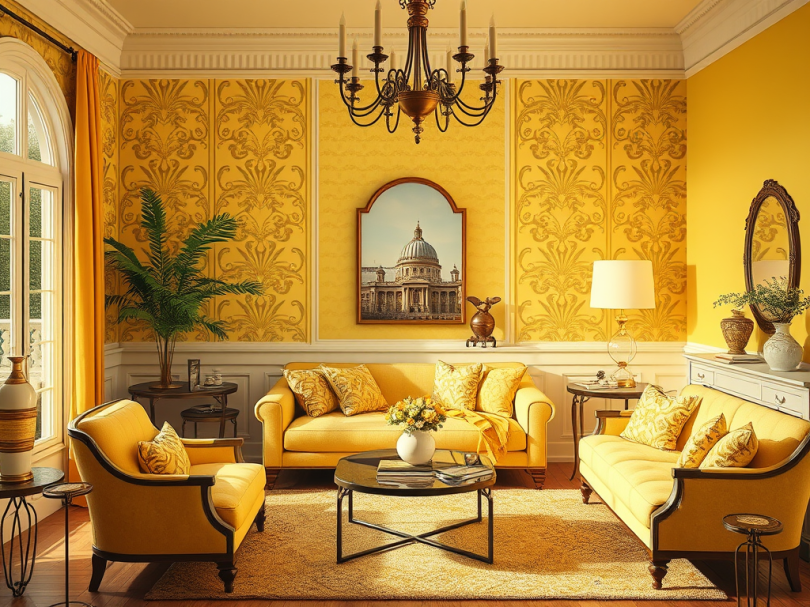
During the Georgian and Victorian eras, yellow interiors were a sign of sophistication. Because yellow pigments were expensive, using them in wallpapers, parlor rooms, and decorative trims signaled luxury. Homes often featured soft buttery yellows or bold mustard tones to brighten dim, candle-lit rooms.
• The 1950s and 60s: Cheerful Kitchens and Happy Homes
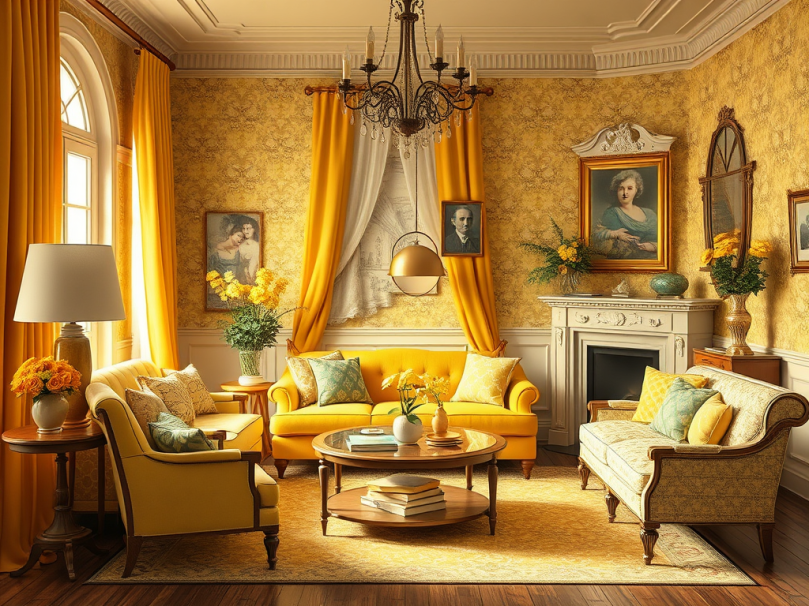
Post-war design heavily embraced yellow. It appeared in kitchens, appliances, linoleum floors, and patterned curtains. This was the era of “cheerfulness”—yellow was seen as an uplifting color for families building new lives. Pastel yellows and sunflower shades became staples of mid-century homes.
Why People Loved Yellow in the Past
Before modern lighting, homes relied on daylight, candles, and oil lamps. Yellow was chosen because:
It brightened dark rooms
Yellow reflected limited light and made spaces appear warmer and more inviting.
It created a cozy, lived-in feel
In colder climates, warm colors made homes feel more comfortable.
It symbolized joy and optimism
After economic hardship or war, yellow was a mood booster, representing renewal and hope.
It photographed well
Even in early photography and advertising, yellow appeared clean, vibrant, and welcoming.
Why Yellow Became a Color Many People Now Avoid
Yellow has quietly slipped from “must-have” to “hard pass” for several reasons:
1. Overuse in Past Décor Eras
Many homeowners associate yellow with dated design—grandparents’ kitchens, old wallpaper, and appliances from the 60s and 70s.
2. Poor Shade Selection
Yellow is tricky. The wrong shade can look:
- too neon
- too muddy
- too harsh under LED lighting
One wrong paint choice can quickly sour a homeowner on yellow altogether.
3. It Can Easily Overwhelm
Large doses of yellow overstimulate the eye. In modern minimalistic homes, heavy yellow can feel chaotic rather than calming.
4. Changing Trends
Today’s decor trends lean toward neutrals—whites, greiges, blacks, muted earth tones. Yellow can clash with the serenity people want in their homes today.
How to Use Yellow Now—Without Overpowering Your Home
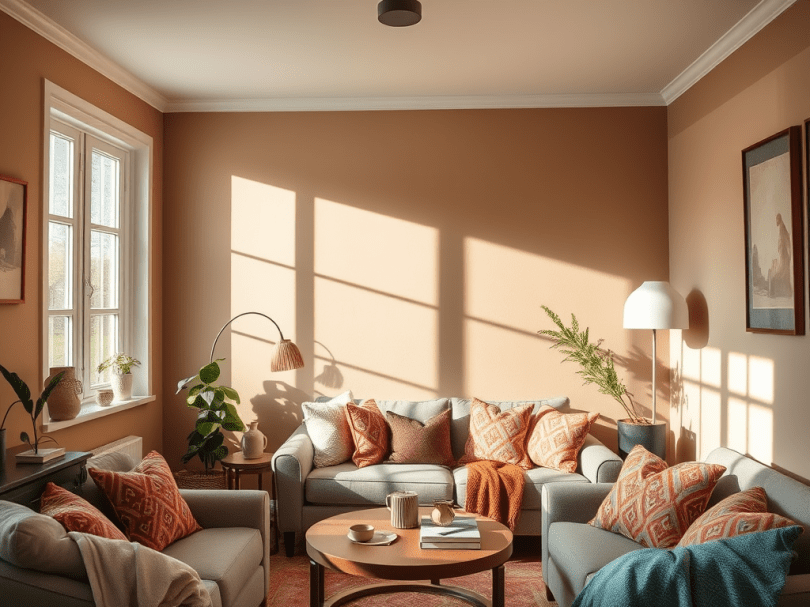
Yellow is not a color to fear. Used well, it adds warmth, personality, and depth. The key is moderation, tone, and placement.
Choose Muted, Modern Shades
Instead of sunflower or lemon, try:
- ochre
- mustard
- honey yellow
- muted gold
- creamy pastel yellow
These bring warmth without screaming for attention.
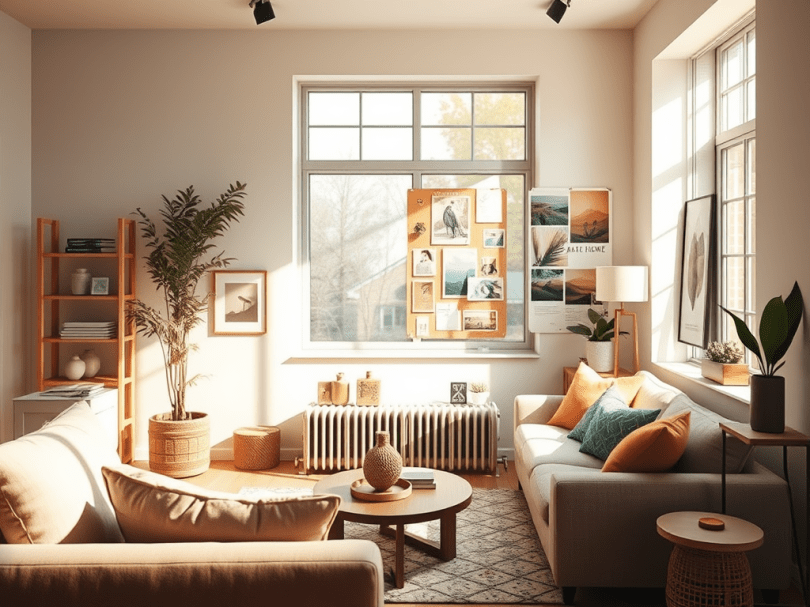
Use Yellow as an Accent, Not a Base
Let it shine through:
- pillows
- vases
- throws
- lamp bases
- pottery
- abstract art
A pop of yellow adds visual interest without overwhelming your palette.
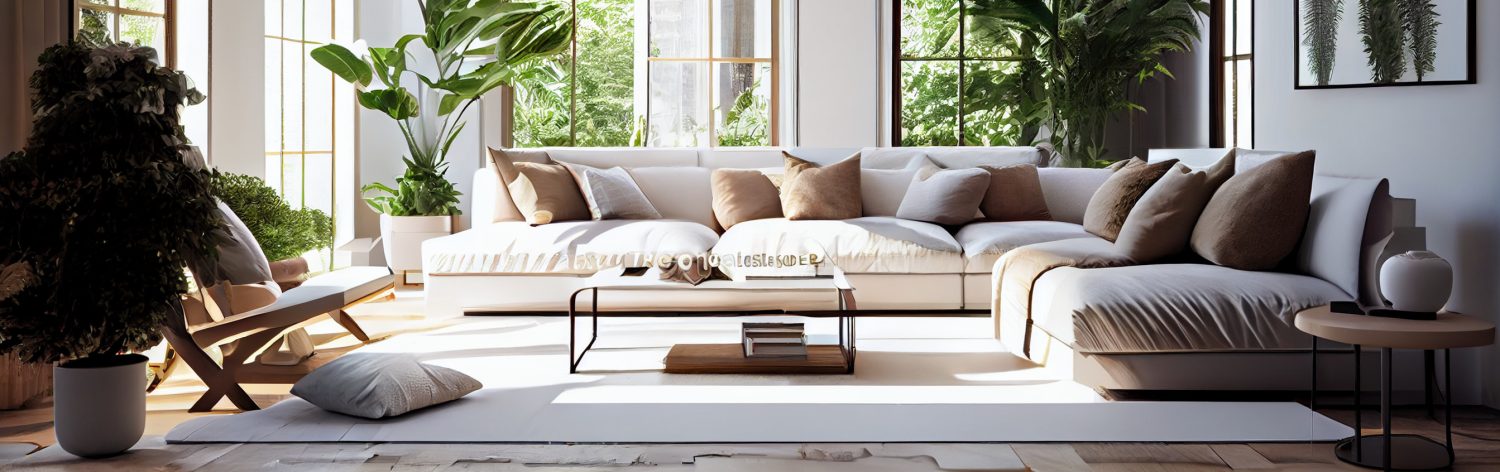
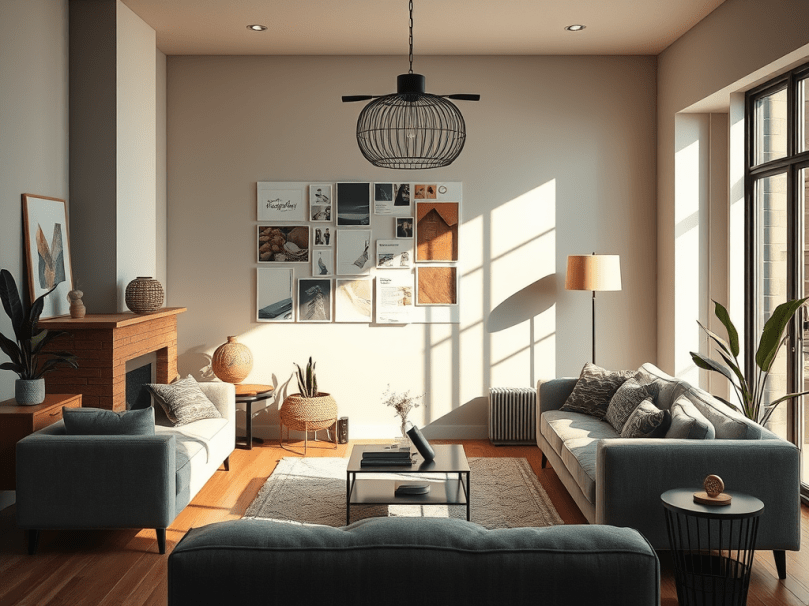
Pair Yellow With Neutrals
Yellow thrives when grounded by:
- white
- charcoal
- beige
- taupe
- natural woods
This combination feels both calm and modern.
Add Yellow Through Natural Materials
Try:
- brass fixtures
- rattan
- golden-toned wood
- woven baskets
These introduce warm yellow undertones in a subtle, organic way.
Use Yellow in Low-Commitment Areas
If you want to experiment, start small:
- a powder room
- an accent wall
- entryway decor
- seasonal pieces
These spaces allow you to enjoy the color without committing an entire living room to it.
Let Lighting Guide Your Shade
Yellow shifts dramatically depending on lighting—test swatches at different times of day. Warm bulbs will deepen the hue, while cool bulbs can turn yellow greenish.
Final Thoughts: Yellow Isn’t Dead—It Just Evolved
Yellow’s journey through history shows that it’s a color with personality, power, and purpose. While it may not be the go-to color of the moment, it still has a place in modern decor when used thoughtfully.
If you once wrote yellow off, it might be time to look again. The right shade, the right space, and the right amount can transform your home with warmth and charm—without overwhelming it.







 Discoveringlifellc