
Do Coffee Tables and End Tables Have to Match? How to Create a Cohesive Living Room Look


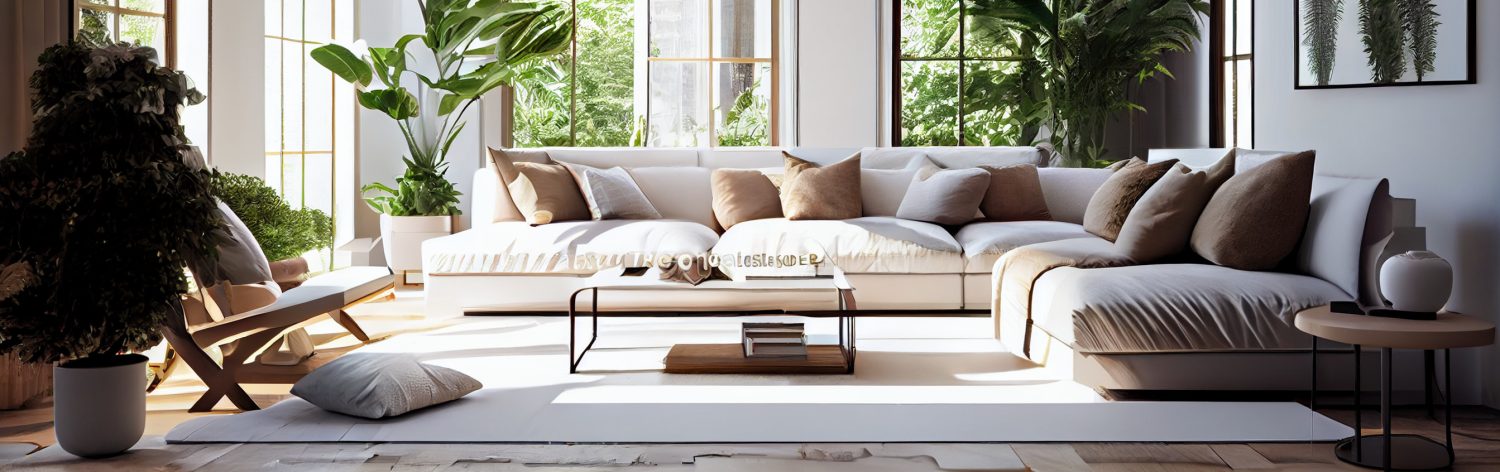
When it comes to decorating your living room, one of the most common questions people ask is: Do my coffee table and end tables have to match? The short answer is no—but there’s a bit more to it than that. Matching sets can create a coordinated, polished look, but mixing pieces from different brands, colors, or styles can bring warmth, personality, and balance to your space. The key is knowing how to make it all work together.

Let’s break it down.


The Case for Matching Tables

If you’re drawn to a clean, traditional look or you want to simplify your decorating process, matching coffee and end tables can be a great choice. Sets designed by the same brand often have coordinated finishes, materials, and proportions, making it easy to achieve a consistent aesthetic.

Matching tables work well when:

  • You want a cohesive, streamlined design.
  • You’re working with a formal living room.
  • You prefer a minimalist or contemporary style.
  • You’re short on time and want a ready-made set that “just works.”

There’s comfort in knowing everything matches perfectly—and if you’re styling a small space, a uniform look can make the room feel larger and more organized.


Mixing and Matching: Creating a Curated Look

On the other hand, mixing different tables can make your living room feel more dynamic and collected. Instead of a showroom feel, your space will tell a story. Maybe your coffee table has a rustic wood finish, while your end tables bring in metal accents or glass details—this contrast adds texture and personality.

Tips for mixing styles successfully:

  1. Stick to a common element.
    Choose one unifying feature such as material (wood, metal, or marble), color family, or design era. For instance, pairing a mid-century coffee table with modern metal end tables can work if they share similar tones or lines.
  2. Balance scale and proportion.
    Make sure your tables are in harmony visually. If your coffee table is large and heavy, pair it with end tables that have visual weight, even if they’re a different style.
  3. Use complementary finishes.
    You don’t need to match colors exactly—mixing light and dark woods, or matte and glossy finishes, can add depth. Just make sure the tones feel intentional, not clashing.
  4. Tie it together with decor.
    Lamps, trays, books, and decorative accents can bring unity to mixed furniture. For example, a matching pair of lamps or a consistent color scheme in your accessories will subtly connect your tables.

Real-Life Example: How Jenna Created Her Perfect Mix

When Jenna moved into her first home, she quickly realized that buying all new furniture from one brand wasn’t in her budget—or her style. She had fallen in love with a walnut mid-century coffee table online but couldn’t find matching end tables she liked. Instead of forcing a match, she decided to get creative.

Jenna chose black metal end tables from a completely different brand. The finishes didn’t match exactly, but they shared clean lines and a similar height. To bring everything together, she added a woven tray on her coffee table that echoed the natural tones in her rug and placed matching lamps on each end table.

The result? Her living room looked intentional, not mismatched. The mix of materials gave her space depth, and the shared design elements tied everything together beautifully. Friends often ask where she “got her set,” not realizing she handpicked each piece from different stores.


Do They Need to Be the Same Brand?

Not at all. Many of the best living room setups are a mix of brands and even price points. Don’t be afraid to blend a high-end coffee table with budget-friendly side tables if the design elements complement one another. Different retailers often carry similar finishes or materials, and combining pieces can actually make your room feel more curated rather than “out of the box.”


Finding Your Cohesive Style

If you’re unsure how to make mixed pieces feel intentional, start by defining your overall home style—whether that’s modern farmhouse, industrial, boho, or transitional. Once you’ve chosen a theme, look for repeating details that tie everything together: a metal leg finish, a wood tone, or even the shape of the furniture legs.

For instance:

  • Modern farmhouse: Mix distressed wood with black metal accents.
  • Boho: Try a natural rattan coffee table with carved wooden end tables.
  • Industrial: Combine reclaimed wood with iron bases in different finishes.
  • Minimalist: Keep lines simple and colors neutral, even if materials differ.

Final Thoughts

Your coffee table and end tables don’t have to match, but they should feel like part of the same conversation. Whether you’re buying a matching set or handpicking each piece from different brands, focus on balance, harmony, and your personal style.

At the end of the day, your living room should feel collected, not coordinated—a reflection of you and your lifestyle.

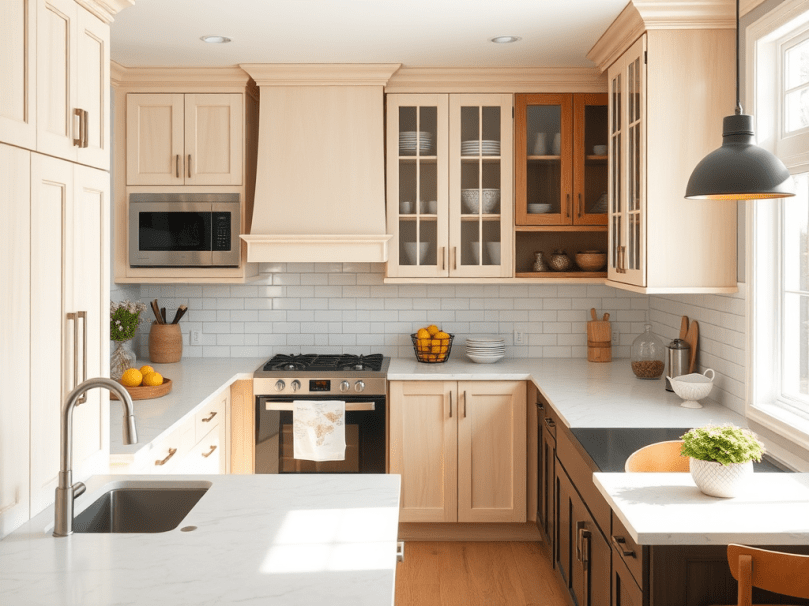
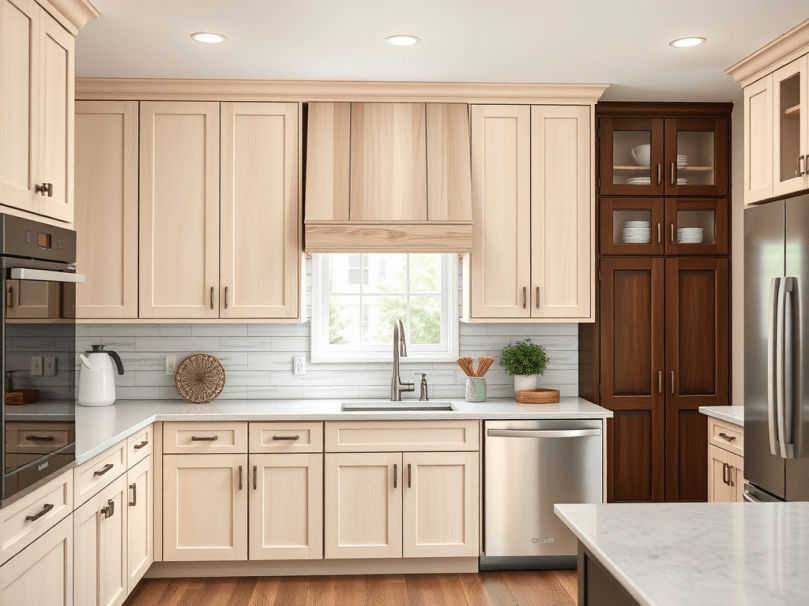
Finding the Right Cabinets for Your Kitchen: What to Know Before You Buy

So, you’ve finally decided to demo your kitchen — exciting, right? Nothing says “fresh start” quite like the sound of old cabinets coming off the wall. But once the dust settles, one big question remains: what kind of cabinets should you buy?

Choosing the right cabinets isn’t just about style; it’s about creating a kitchen that fits your lifestyle, storage needs, and overall design vision. Whether you’re going for modern minimalism, cozy farmhouse, or timeless traditional, your cabinets set the tone for your entire space. Let’s walk through how to choose the right ones — from type to color — and why it all matters.


1. Start with the Type of Cabinets You Need

Before you fall in love with a color or door style, think about function. Ask yourself:

  • Do I want stock, semi-custom, or custom cabinets?
    • Stock cabinets are budget-friendly and available in standard sizes — perfect for quick remodels.
    • Semi-custom cabinets offer more flexibility in sizing, finishes, and storage options.
    • Custom cabinets are built specifically for your kitchen, ideal if you have a unique layout or specific vision.
  • How much storage do I need?
    • If you cook often, prioritize deep drawers, pull-out shelving, and hidden organizers.
    • For smaller kitchens, consider upper cabinets that go to the ceiling — maximizing every inch of space.

Your cabinet choice should make your kitchen work for you — not the other way around.


2. Choose the Right Cabinet Style

The cabinet door style is where your personal taste really shines. A few popular options include:

  • Shaker style: Clean, simple, and timeless — great for almost any design.
  • Flat-panel (slab) doors: Sleek and modern, ideal for contemporary kitchens.
  • Raised-panel doors: Classic and elegant, often found in traditional homes.
  • Glass-front doors: Perfect for showcasing dishware or adding an airy feel.

Think about how your cabinet style will complement other elements in your kitchen — like your backsplash, countertops, and flooring.


3. Picking the Perfect Cabinet Color

Color can completely transform your kitchen. It’s what creates mood and flow in the space. Here’s how to choose wisely:

  • Go light if your kitchen is small or lacks natural light. White, cream, or soft gray cabinets can make the room feel more open.
  • Go dark if you want drama or contrast. Navy, charcoal, or black cabinets pair beautifully with lighter countertops.
  • Mix it up with a two-tone look — white uppers and wood or colored lowers are a big trend that adds dimension and personality.

Before you commit, bring home samples and see how they look in your kitchen’s lighting. What seems perfect in the showroom may look completely different under your own lights.


4. Why It Matters Which Cabinets You Buy

Your cabinets are more than just storage — they’re a long-term investment in your home’s value and your daily happiness. High-quality cabinets hold up better over time, resist wear, and give your kitchen a polished, finished look.

Poorly made cabinets can warp, chip, and cause frustration every time you open a door or drawer. On the other hand, well-chosen cabinets make your kitchen both functional and beautiful — a space you actually enjoy spending time in.


Cabinet Brand Suggestions by Price Range

Here’s a breakdown of typical cabinet quality / budget tiers, and some brand suggestions for each. (Note: exact pricing will vary wildly based on size of the kitchen, finishes, installation, etc.)

1. Budget / Entry Level

  • What this means: Basic materials, ready-to-assemble or stock sizes, fewer finish/customization options. Good for smaller remodels or if budget is tight.
  • Brand examples:
    • IKEA KNOXHULT Base Cabinet — IKEA is commonly listed as a budget option. Coohom+1
    • Hampton Bay Base Cabinet — The brand Hampton Bay shows up as a budget friendly stock option. Lifestory Research+1
  • What to watch: Make sure materials (plywood vs particle board), hardware (soft-close, drawers) and durability are acceptable. Even on a budget you don’t want something that will fall apart.

2. Mid-Range / Semi-Custom

  • What this means: Better materials and construction (plywood boxes, better finishes), more color/door style options, possibly modifications to sizing.
  • Brand examples:
    • KraftMaid Fox Ridge Kitchen Cabinet — KraftMaid often listed in the mid-range / semi-custom space. BFP+1
    • Brands like Thomasville and Wellborn are also featured in “best mid-range” lists. Coohom+1
  • What to watch: Confirm what is included vs what is “upgrade” (for example, premium finish, built-in organizers). The mid-range often gives more flexibility for your style without fully custom costs.

3. High-End / Custom / Luxury

  • What this means: Fully custom builds, premium woods, artisan finishes, unique configurations, possibly luxury/imported lines.
  • Brand examples:
    • Brands such as Wood‑Mode, Poggenpohl, SieMatic are cited as luxury cabinet brands. Today’s Homeowner+1
  • What to watch: At this level you’re paying for craftsmanship, customization and long-term value. Make sure the investment aligns with your goals (resale, lifetime, “forever home”).

Final Thoughts

When you’re remodeling your kitchen, it’s easy to get caught up in the big picture — new floors, countertops, appliances. But your cabinets are truly the backbone of the space. Take your time, do your research, and invest in something that fits your lifestyle, taste, and budget.

The right cabinets don’t just store your dishes — they define your kitchen’s personality. So, before the next phase of your remodel begins, take a moment to envision how you want your kitchen to feel every time you walk in. That’s where your cabinet story begins.

Do Mattress Toppers Really Make a Difference?

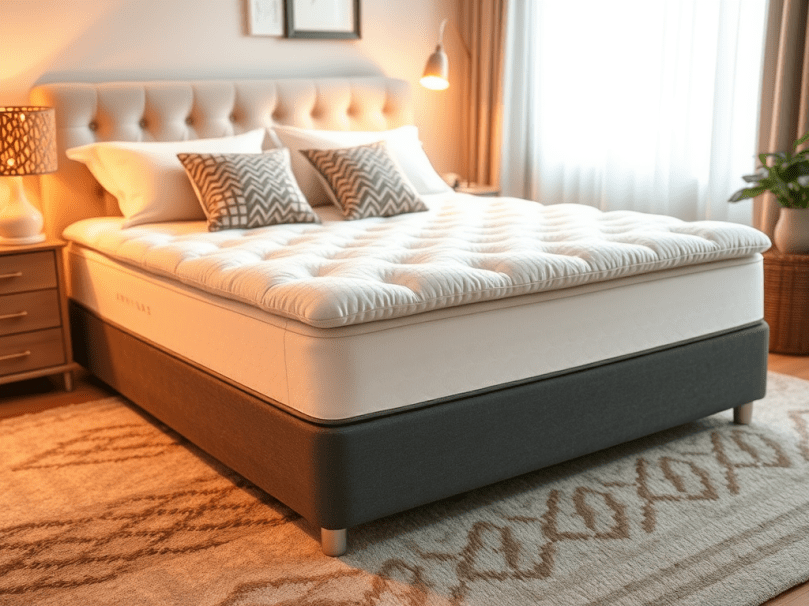
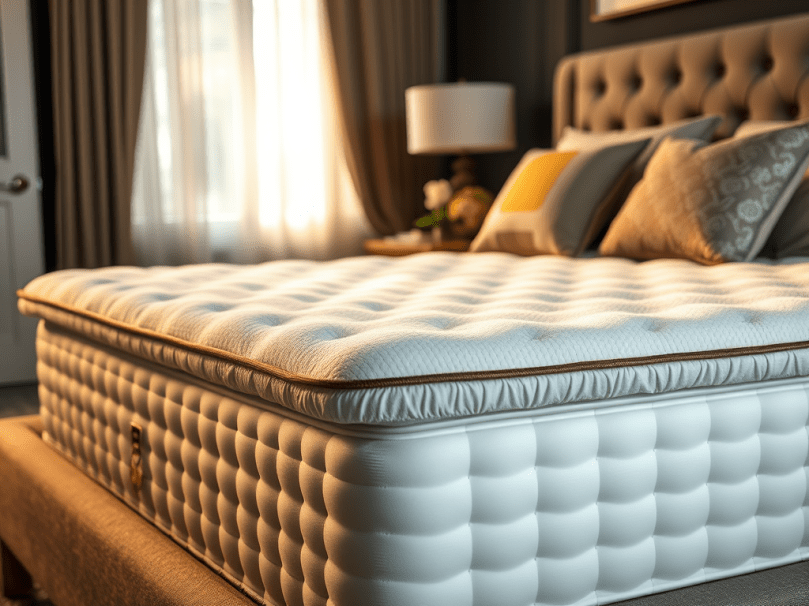
If you’ve been sleeping on a mattress that just isn’t hitting right — too firm, too soft, saggy, or just “meh” — you might’ve come across the concept of a mattress topper. But do they really make a difference? The short answer: yes — sometimes. Here’s a breakdown of what they do, why you might buy one, and what to watch out for.


What a mattress topper does

A mattress topper is a separate layer — typically 1–4 inches thick — that you place on top of your existing mattress to alter the feel/performance of the bed. (Better Homes & Gardens)

Here are some of the key functions:

  • Comfort adjustment: It can soften a mattress (or in some cases, firm it up or improve support) depending on the material and thickness. (Sleep Foundation)
  • Pressure relief & spinal support: For those who find pressure points (hips, shoulders) or back/neck ache, certain toppers can change how your body contacts the mattress. (Westex International)
  • Temperature control / breathability: Some toppers are marketed specifically for cooling (gel, graphite, latex, etc). (Sleep Foundation)
  • Mattress protection and lifespan extension: They add a layer between your body and mattress, reducing wear/tear, dust/allergen contact, and impressions/sagging. (Sleep Foundation)
  • Hygiene: Easier to wash or replace a topper than an entire mattress; some are hypoallergenic or antimicrobial. (Panda)

Why you might purchase one

Here are some real-life scenarios (and blog-worthy angles) that make a topper a smart choice:

  • You love your mattress frame or base but the mattress top feels “off”: Instead of buying a whole new mattress, a topper offers a more budget-friendly “tweak”.
  • Your mattress is still in decent shape but the feel has changed (it got firmer over time, or softer in some spots). A topper can refresh it.
  • You’re renting or in a temporary space and don’t want to invest in a new mattress. A topper lets you upgrade comfort without full commitment.
  • You (or your partner) sleep hot / toss & turn / have pressure-point issues: A topper tuned to cooling or contour might help.
  • You want to extend the life of a mattress until full replacement is viable.
  • You’re decorating a guest bedroom or secondary space: You might not want a top-of-the-line mattress but want a guest to sleep well — a good topper can help.

When a mattress topper won’t solve everything

It’s also important to be realistic, especially for your blog audience (first-homes, budget decor, etc). A topper isn’t magic. Here are cases where it may fall short:

  • The mattress is structurally broken: If the support core is sagging, springs are failing, or the base is uneven, a topper won’t fix the root issue.
  • Expecting dramatic change: A topper can change the feel, but won’t turn a very old or very cheap mattress into a luxury sleep system. Some reviewers note minimal change for major mattress faults. (Good Housekeeping)
  • Wrong material/size for your body/sleep-style: For example, if you’re a heavy back sleeper needing firm support, a soft plush topper might worsen sinkage.
  • Budget constraints vs durability: Some cheaper toppers wear out faster or compress, so you may get less value.

What to consider when selecting a topper

Since you’re writing for people decorating their first home etc., give them a checklist:

  • Material: Memory foam, latex, down/down-alternative, wool, gel-infused foam, cotton. Each offers a different feel & performance. (Better Homes & Gardens)
  • Thickness / loft: Thicker = more change in feel. Typical range is 1–4 inches. (Better Homes & Gardens)
  • Firmness / density (especially for foam): Higher density = more support, longer lifespan.
  • Sleep position & body type: Side sleepers often benefit from more cushioning; back or stomach may need firmer support.
  • Heat retention / cooling features: If you sleep warm, look for gel, graphite, breathable covers, latex.
  • Fit & movement / partner disturbance: If you share the bed, motion isolation or straps to keep the topper in place matter. (Sleep Foundation)
  • Allergy/hygiene factors: Hypoallergenic fabrics, washable covers, dust-mite resistance.
  • Budget vs value: A very cheap topper may yield improvements but have limited lifespan.
  • Warranty / trial / return policy: Some brands offer sleep trials or warranties on toppers.
  • Compatibility with sheets/fitted sheet: If the topper adds height, you may need deeper-pocket sheets. (The Company Store)

Top Brands & What to Highlight

Here are some strong product options you can reference (great for blog post “product spotlight” sections). They span budget to premium so your audience (first homes, budget savvy) can pick accordingly.

Serta Soothing Cool 3‑Inch Gel Memory Foam Mattress Topper

premium gel cooling memory foam

$89.24

Allswell 3″ Memory Foam Mattress Topper

mid‑value memory foam cooling

$109.00

Casaluna Ultra Loft Down Alternative Mattress Topper

luxury down alternative

$70.00

Woolify Organic Merino Wool Mattress Topper

organic wool premium

$299.00

Serta Comfort Boost 2.5‑Inch Memory Foam Mattress Topper

mid‑memory foam value

$40.79

Allswell Ultra Plush Pillow Top Mattress Topper

budget plush pillow top

$70.00

Member’s Mark 500‑Thread‐Count Cotton Mattress Topper

budget cotton basic

$65.98

Mainstays 2″ Memory Foam Mattress Topper

very budget memory foam

$40.00

And a quick breakdown:


My Take / What I’d Recommend for First Home Decor Writers

Since you (Taneesha) write about home decor and cost-effective design, you might frame this as:

  • “Budget smart upgrade”: Highlight the topper as a way to refresh a mattress without replacing it — great for first apartments, renter homes, guest bedrooms.
  • Match topper style to the decor / lifestyle: If the room is airy Scandinavian minimalist, you might pick a thinner latex or wool topper that doesn’t add bulk. If the room is cozy boho or farmhouse, a plush down-alternative could fit the aesthetic.
  • Decor & accessory integration: Once the topper is chosen, talk about how it affects the look/feel of bedding — deeper sheets, fluffy bedding, throw pillows. Use toppers as part of the styling narrative (“make your bed feel hotel-like without new mattress”).
  • Maintenance & lifecycle: Use your blog voice to remind readers that toppers aren’t forever — many last 3-5 years depending on material. (The Company Store)
  • When to buy new mattress anyway: Include the caveat — if mattress is too far gone, investment in new mattress may net better sleep & decor upgrade.

Final Thought

Yes — mattress toppers can make a meaningful difference. They’re an accessible way to enhance comfort, support or feel of a bed without the cost of a full mattress. They also fit nicely into a home-decor conversation (upgrade, refresh, customize your space). The key in your blog post will be helping readers choose wisely based on their current mattress condition, budget, sleep style, and decor goals — and providing them with good options (as above) so they feel empowered.

How to Choose the Right Rugs for Your Home: Styles, Types & Sizing Tips for Every Room


Rugs are one of the easiest ways to transform a space. They can define a room, add warmth, and bring personality through color, texture, and pattern. But with so many options available—different sizes, materials, and styles—how do you choose the right one for your home? Whether you’re decorating a cozy living room or updating your dining area, this guide will help you find the perfect rug for every space.


Why Rugs Matter in Home Decor

A rug does more than just cover a floor—it anchors your furniture, enhances your color scheme, and creates comfort underfoot. The right rug can make a room feel finished, while the wrong one can throw off your entire design balance. Think of rugs as the “frame” that ties together your decor.


Step 1: Choose the Right Rug Size

One of the most common decorating mistakes is picking a rug that’s too small. The rug should help define your furniture arrangement, not float in the middle of the room.

Here’s a quick rug size guide by room:

Living Room

  • Large Rooms: Choose a rug big enough for all furniture legs to sit on it (typically 9×12 or larger).
  • Medium Rooms: Front legs of sofas and chairs should sit on the rug (8×10 works well).
  • Small Rooms: Place the rug in front of the sofa with a few inches of floor showing (5×8 is a good fit).

Dining Room

  • The rug should extend at least 24 inches beyond the dining table on all sides.
    (Example: For a 6-seat dining table, an 8×10 rug is ideal.)

Bedroom

  • Queen Bed: A 9×12 rug gives a luxurious look, while 8×10 is sufficient for most rooms.
  • Twin Beds: A 5×8 or two small runners on each side of the bed work nicely.
  • Tip: Make sure the rug extends at least halfway under the bed to balance the room.

Entryway & Hallway

  • Use runners or small area rugs (2×6 or 3×5) to define the space. Choose durable, low-pile rugs that can handle heavy foot traffic.

Step 2: Pick a Rug Style That Fits Your Home

Rug style sets the tone for your room’s decor. Here are some popular options to match various home aesthetics:

  • Boho Rugs: Playful colors, global-inspired patterns, and a mix of textures. Perfect for eclectic or laid-back spaces.
  • Modern Rugs: Clean lines, abstract shapes, and neutral tones. Ideal for minimalist or contemporary homes.
  • Traditional Rugs: Intricate designs, often Persian or Oriental-inspired, with deep reds, blues, and creams. Great for classic interiors.
  • Farmhouse Rugs: Muted tones, plaid, or jute textures that add warmth and rustic charm.
  • Vintage/Distressed Rugs: Faded patterns that give a cozy, lived-in feel—great for mixing old and new styles.
  • Natural Fiber Rugs: Jute, sisal, or seagrass—perfect for coastal or organic-inspired interiors.

Step 3: Consider Rug Materials

The material affects both comfort and durability.

  • Wool: Soft, durable, and naturally stain-resistant—excellent for living rooms and bedrooms.
  • Cotton: Lightweight and affordable—great for casual spaces like kitchens or playrooms.
  • Synthetic (Polypropylene, Nylon): Budget-friendly and easy to clean—perfect for high-traffic areas or families with pets.
  • Jute & Sisal: Earthy texture and eco-friendly—best for dry, low-traffic areas.
  • Silk or Viscose: Luxurious sheen—beautiful for formal spaces, but more delicate.

Step 4: Match the Rug to the Room’s Mood

Each room serves a different purpose, and your rug should enhance that experience.

  • Living Room: A plush or textured rug adds warmth and invites relaxation.
  • Dining Room: Choose a flatweave or low-pile rug so chairs slide easily.
  • Bedroom: A soft rug (like wool or shag) creates comfort the moment you step out of bed.
  • Kitchen: Use a washable runner or patterned rug to hide spills and add character.
  • Office: Choose a smooth rug that won’t interfere with rolling chairs.

Step 5: Balance Pattern and Color

If your furniture and walls are neutral, a bold rug can become the room’s statement piece.
If you already have patterned decor, opt for a solid or subtly textured rug to avoid visual clutter.
Always consider how the rug’s colors connect with your room’s palette—it should complement, not compete.


Final Thoughts

A rug can completely transform your space, adding warmth, definition, and beauty. Whether you’re layering rugs for a cozy look or anchoring a large open space, the right rug size, style, and material make all the difference.

Take the time to measure your space, consider your lifestyle, and let your rug be the foundation that ties your home’s story together.


Tip: Before buying, use painter’s tape to mark the rug’s dimensions on your floor. It’s an easy way to visualize how it will look in your space!


What to Do If You Don’t Have Space for End Tables — and Still Need a Place to Put Things


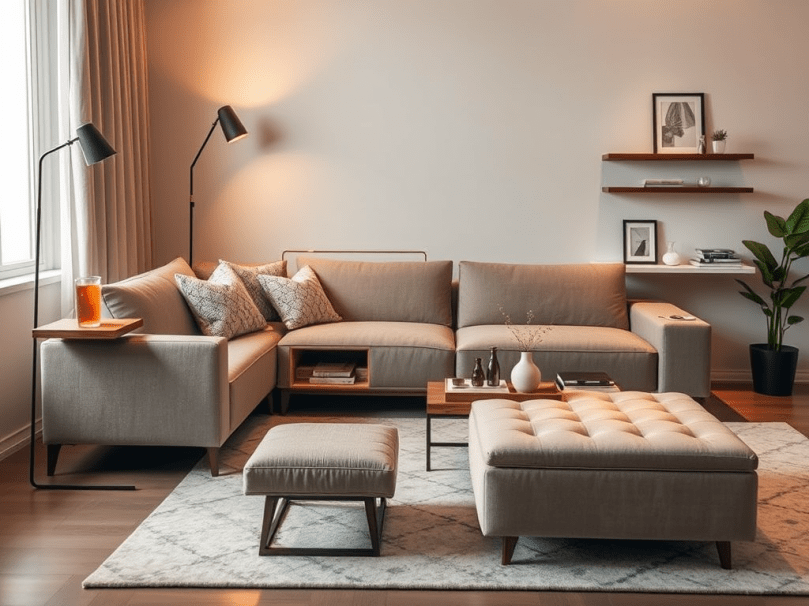
End tables are one of those small but mighty pieces of furniture that make your living room work. They hold your drink, your book, your phone, or even your favorite candle. But what if you simply don’t have the space for them? Small apartments, cozy living rooms, and multifunctional spaces often make it hard to fit traditional end tables beside the sofa.

So, how do you function without them? Here are some creative alternatives that keep your living room practical and stylish — no end tables required.


1. Try a C-Side Table

If you’re short on space, a C-shaped side table can be a lifesaver. These slim, modern pieces slide under your sofa or chair, taking up minimal floor space while providing a sturdy surface for your essentials. When not in use, they can tuck neatly out of the way. It’s a great option for anyone who wants functionality without clutter.


2. Use a Coffee Table Strategically

When end tables aren’t an option, your coffee table becomes the main surface for everyday use. Choose one that’s large enough to handle your needs but still fits your layout. Consider a coffee table with built-in storage — drawers, lift-tops, or lower shelves — so you can keep the space organized and clutter-free.


3. Add a Floating Shelf Beside the Sofa

A floating shelf is an underrated alternative to end tables. Mounted at arm height, it gives you just enough space to rest a drink or lamp while keeping the floor clear. You can even install a small set of matching shelves to create visual balance and display decor items like plants or framed photos.


4. Try a Sofa Arm Tray

A sofa arm tray is one of the simplest, space-saving solutions for anyone short on room. It fits right over your sofa arm, instantly turning it into a mini tabletop. It’s perfect for setting down a remote, cup of coffee, or snack while you relax. Plus, it’s removable — ideal for renters or those who like a clutter-free look.


5. Incorporate a Storage Ottoman

A storage ottoman can do double duty as seating, a footrest, and a temporary table. Just add a tray on top, and you’ve got a stable surface for drinks or books. When guests come over, remove the tray and use it as extra seating or leg space.


6. Consider a Narrow Console Table

If your sofa is against a wall, a slim console table can take the place of end tables altogether. It’s long, narrow, and perfect for keeping essentials behind the couch. Pair it with a few baskets underneath for hidden storage and you’ve got form, function, and style in one.


7. Go Minimal — and Rethink the Need

If you’re truly limited on space, maybe you don’t need a substitute at all. Embrace minimalism by keeping your living area open and uncluttered. A single small tray on the coffee table, or a designated basket for remotes, can be enough to stay organized without crowding the room.


Living Without End Tables Can Work

The truth is, you can absolutely function without traditional end tables. The key is to find creative alternatives that fit your lifestyle and layout. Whether you choose a C-table, a floating shelf, or a stylish tray, it’s about making the most of your space — not filling it.

A small living room doesn’t have to limit you; it just asks you to get a little more intentional with your design choices.


Tip: When shopping for end table alternatives, look for lightweight, multifunctional, or nesting options that can be moved around easily. Your space will stay flexible, functional, and beautiful — even without the “standard” furniture pieces.