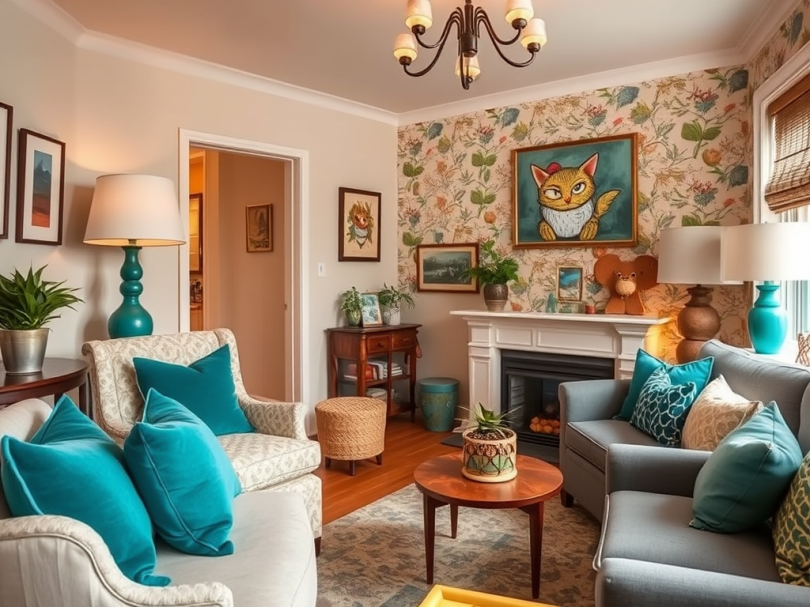

How to Decorate Your Mantel: A Guide to Styling the Heart of Your Living Room


The mantel is often one of the most eye-catching areas of the home. Whether you have a traditional fireplace mantel or a modern floating shelf above an electric insert, this space offers endless potential for creativity. But how exactly should you decorate your mantel—and why should you bother? Let’s explore how to turn your mantel into a stunning focal point that reflects your home’s personality.


Why You Should Decorate Your Mantel

Your mantel is more than just a shelf above the fireplace—it’s the heart of your living room. It draws the eye, frames your space, and often sets the tone for the entire room’s style. Decorating it thoughtfully helps:

  • Add personality and warmth: The right décor transforms a bare mantel into an inviting centerpiece that feels uniquely yours.
  • Show off seasonal style: Your mantel can change with the seasons—fall foliage, holiday garlands, or fresh spring blooms—keeping your home feeling current and lively.
  • Balance your room’s proportions: A well-decorated mantel helps anchor your furniture and wall décor, creating a cohesive design flow.

Simply put, decorating your mantel isn’t just about beauty—it’s about creating harmony in your home.


What Should Go on a Mantel?

When styling your mantel, think of it as a layered composition rather than a collection of random items. A few key elements can make all the difference:

  1. A Focal Point:
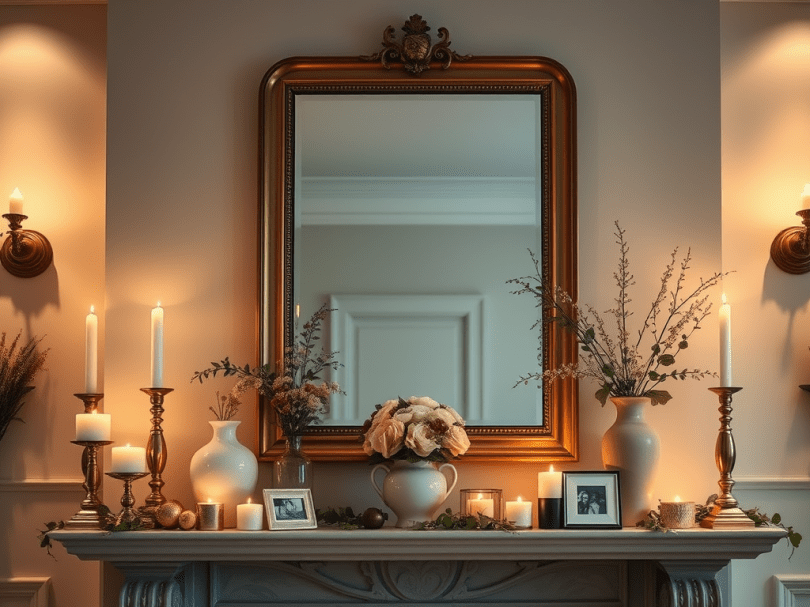
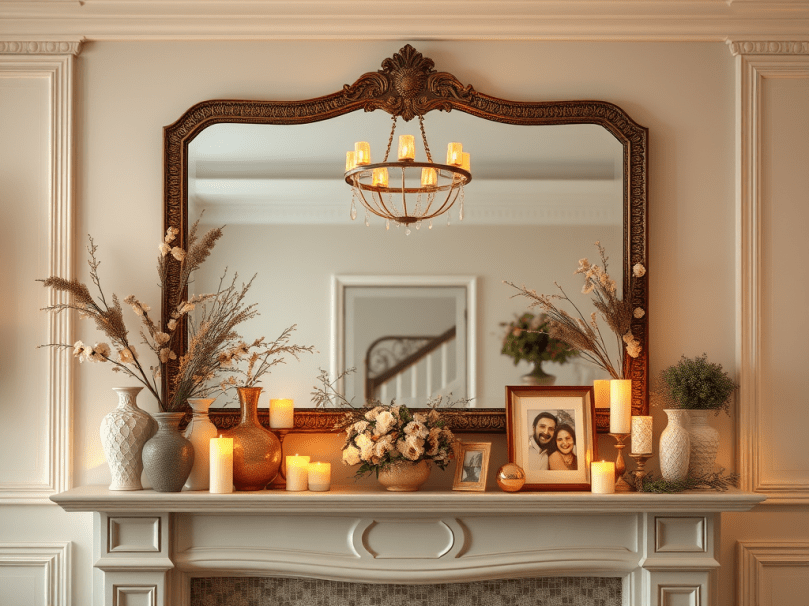
    Start with something that draws the eye. This could be a large mirror, an oversized piece of art, or a framed quote that reflects your home’s vibe. A statement clock or television can also serve as a modern focal point.
  2. Layered Heights:
    Combine tall and short items to create visual interest. Candlesticks, vases, or small sculptures can add height, while books or decorative trays keep the arrangement grounded.
  3. Natural Elements:
    Bring in a touch of nature—like a small plant, dried branches, or seasonal flowers—to add warmth and texture.
  4. Personal Touches:
    Family photos, travel souvenirs, or framed artwork can make your mantel feel meaningful. Just avoid overcrowding—choose a few pieces that truly matter.
  5. Lighting:
    Candles, fairy lights, or a small lamp can add ambiance and highlight your display in the evenings.

How to Decorate Your Mantel Like a Pro

Decorating your mantel doesn’t need to be complicated. Follow these steps for a balanced, stylish setup:

  1. Start with a Clean Slate:
    Remove everything and start fresh. This helps you visualize your space clearly.
  2. Choose a Theme or Color Palette:
    Decide on a cohesive look—neutral and minimalist, rustic farmhouse, coastal, or modern chic. Your color choices should complement your existing furniture and wall tones.
  3. Anchor with a Focal Piece:
    Place your largest item (mirror, art, or clock) at the center or slightly off-center for a more relaxed look.
  4. Layer and Balance:
    Add items in varying heights and shapes, keeping the display balanced but not perfectly symmetrical. Odd numbers (like groups of 3 or 5) tend to look more natural.
  5. Add Texture and Greenery:
    Mix materials like wood, metal, glass, and greenery for depth.
  6. Step Back and Adjust:
    Once everything is in place, take a few steps back. Adjust until the display feels cohesive and not cluttered.

Seasonal Mantel Décor Ideas

  • Spring: Fresh flowers, pastel candles, and light-colored ceramics.
  • Summer: Coastal accents like driftwood, shells, and bright artwork.
  • Fall: Pumpkins, garlands, and warm tones of orange, gold, and rust.
  • Winter: Evergreen garlands, twinkling lights, and cozy candles for warmth.
Final Thoughts

Your mantel is one of the easiest places in your home to refresh and restyle throughout the year. With a little creativity and balance, it can become a reflection of your personal style and a true focal point in your living space.

Whether you lean toward cozy farmhouse charm, modern simplicity, or seasonal variety, remember—your mantel tells the story of your home. Make it beautiful, make it intentional, and most importantly, make it you.

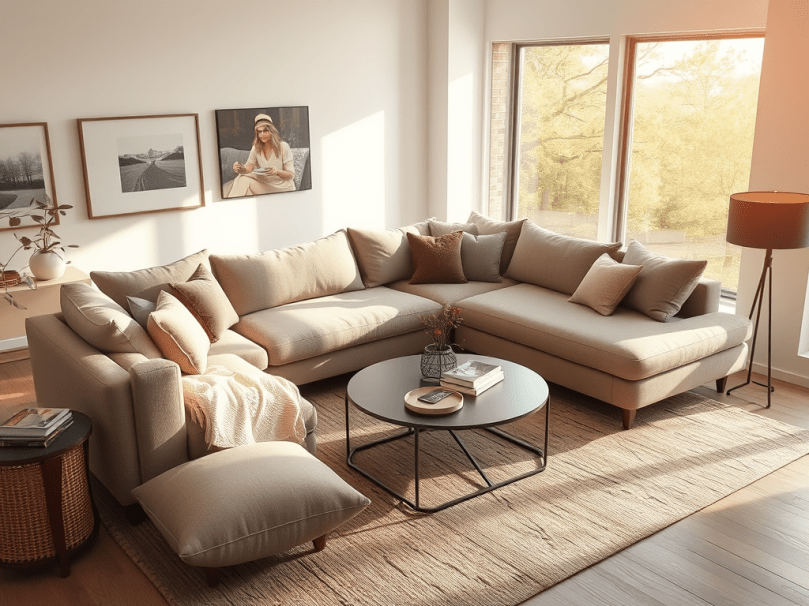
Are Sofas and Loveseats a Thing of the Past? Why Sectionals Are Taking Over Modern Living Rooms


For years, the classic sofa-and-loveseat combination was the gold standard of living room design. You’d walk into almost any home and see a three-seater sofa paired with its smaller twin — the loveseat — perfectly arranged for conversation and symmetry. But lately, there’s been a noticeable shift in how people are furnishing their living spaces. More and more homeowners are choosing sectional sofas over the traditional sofa and loveseat pairing. So, what’s behind the change? And are loveseats becoming a thing of the past?

The Rise of the Sectional Sofa

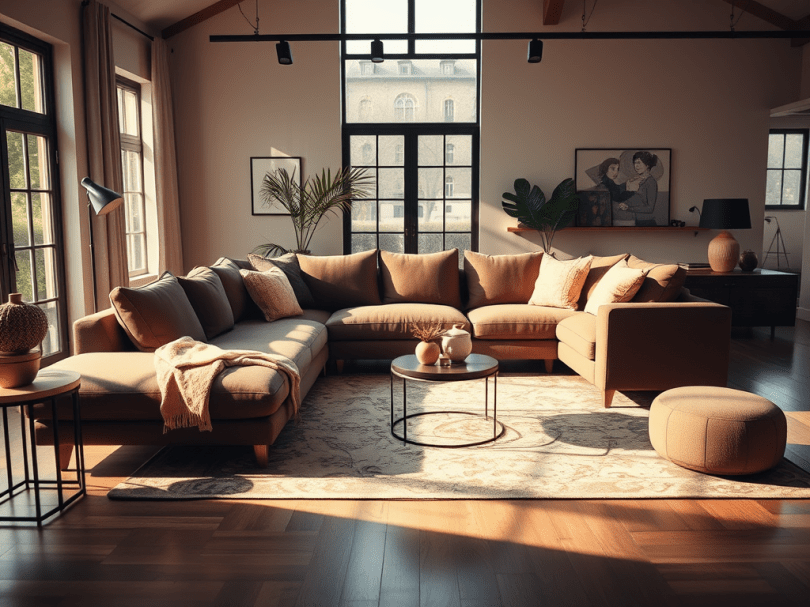
Sectionals have evolved far beyond the bulky, overstuffed designs of the early 2000s. Today’s models are sleek, versatile, and designed with real-life functionality in mind. Many people love sectionals because they:

  • Maximize seating: A sectional easily fits more people without requiring multiple pieces of furniture. Perfect for family gatherings, movie nights, or entertaining guests.
  • Fit a variety of spaces: Modular designs let you configure sectionals to fit your room’s layout — whether you need an L-shape, U-shape, or even a reversible chaise.
  • Create a cozy atmosphere: Sectionals naturally bring people together. Instead of separating seating into two areas, everyone can relax in one shared, comfortable space.
  • Look modern and cohesive: A single, large sectional can give your living room a clean, unified look that feels contemporary and intentional.

Why the Sofa and Loveseat Combo Is Losing Its Appeal

There’s nothing wrong with the sofa-and-loveseat look — it’s classic for a reason. However, lifestyles and living spaces have changed dramatically in recent years. Here’s why this once-popular pairing doesn’t always make sense today:

  • Open-concept layouts often make it tricky to position two separate sofas without disrupting traffic flow.
  • Loveseats are often too small for practical use — they usually seat two people tightly, which can make them feel awkward or underutilized.
  • Design trends favor flexibility, and a single large piece (like a sectional) can easily adapt to changing room arrangements or growing families.
  • Modern homeowners value comfort and function over traditional furniture setups.

Are Loveseats Impractical?

In some homes — yes, a loveseat can be impractical. They take up valuable floor space without offering enough seating to justify their size. If you’re living in a small apartment, you might find that a single larger sofa or a compact sectional provides more usable space than a sofa and loveseat combo ever could.

That said, loveseats still have their place. They can be perfect for small reading nooks, guest rooms, or paired with a statement chair in a more formal living area. The key is purpose — if a loveseat doesn’t serve a functional role in your space, it might be time to let it go.

The Future of Living Room Seating

It’s clear that sectional sofas aren’t just a passing trend — they’re a reflection of how we live now. Flexible, comfortable, and modern, they fit seamlessly into open layouts and casual lifestyles. Meanwhile, the sofa-and-loveseat set is becoming more of a nostalgic nod to traditional design rather than the go-to standard.

If you’re redecorating or upgrading your living room, think about how you actually use your space. Do you host often? Do you like to lounge, nap, or watch movies as a family? A sectional might not only make your room more stylish — it could make it more functional, too.


Final Thoughts:
The sofa and loveseat combo isn’t completely gone, but it’s no longer the default choice. As design trends lean toward practicality and comfort, the sectional sofa continues to dominate. So, if you’ve been debating whether to make the switch — go ahead. You might find that one big, cozy piece is all you really need.


Quirky & Chic: How to Embrace Your Unique Style and Make Your Home Beautiful


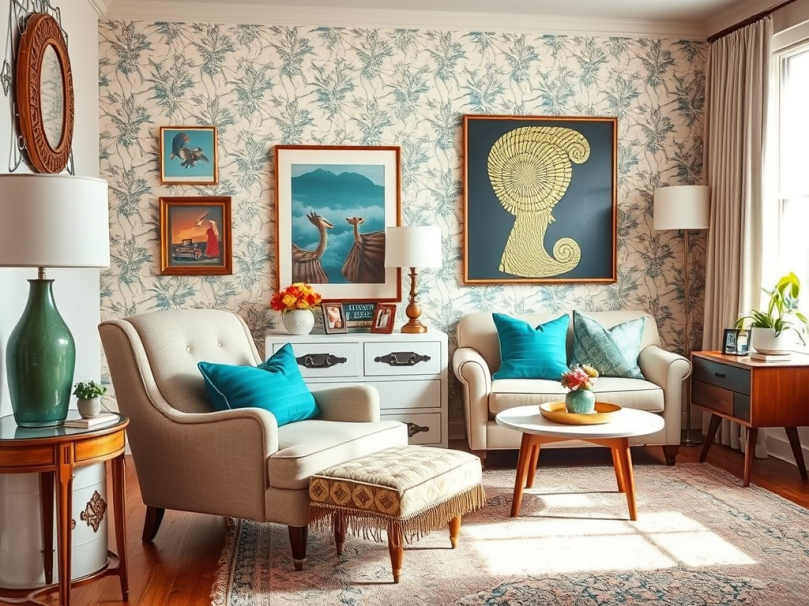
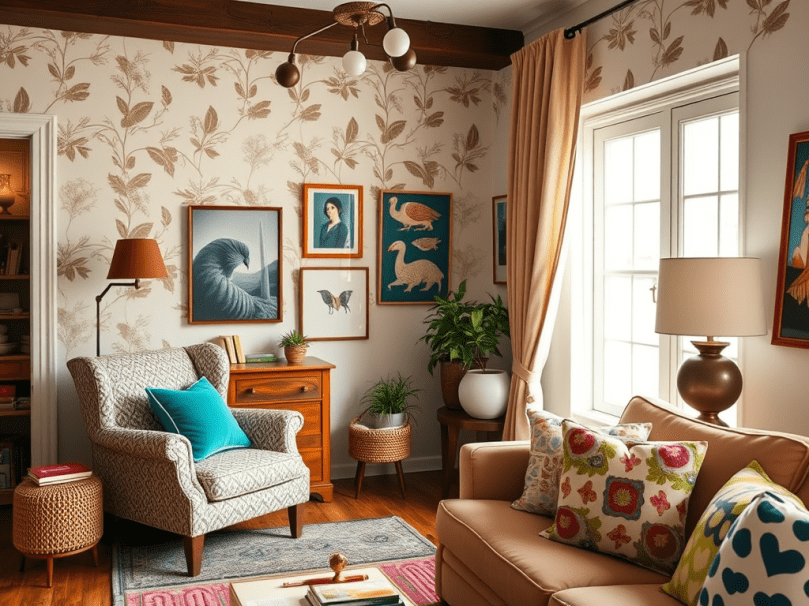
There’s something effortlessly charming about a home that feels truly you. Not a Pinterest-perfect replica or a trend-following design — but a space that makes people smile because it’s filled with personality, creativity, and warmth. That’s the magic of quirky style. It’s not about chaos or clashing; it’s about confidence and character. And yes, you can be quirky and chic at the same time.

What Does “Quirky Chic” Really Mean?

“Quirky chic” is all about blending playfulness with polish. It’s mixing the unexpected — a bold wallpaper with sleek modern furniture, a vintage record player next to a minimalist lamp, or a pop of neon against soft neutrals. It’s the art of saying, “This makes me happy” and making it look good.

Being quirky doesn’t mean abandoning all sense of style. It means rewriting the rules to fit who you are. The goal is balance — letting your individuality shine without overwhelming the senses.


1. Start With a Neutral Foundation

Even the quirkiest homes need a base to ground them. Think of it as your blank canvas. Use neutral walls, simple flooring, or classic furniture pieces that can handle a little whimsy.

Once you have your foundation, you can layer in color, texture, and patterns freely. This creates a sense of calm underneath all that creativity — so your home feels cohesive, not chaotic.


2. Mix and Match Like You Mean It

Quirky style is all about the mix. Don’t be afraid to blend eras, colors, and textures. A mid-century armchair can pair beautifully with a modern abstract rug. A vintage dresser can look stunning beneath a bright piece of pop art.

If it makes you smile, it belongs. The trick is repetition — carry a few colors or motifs throughout your home so it feels intentional. For instance, if you love teal, use it in small touches across multiple rooms — maybe a throw pillow here, a vase there, and a wall accent in your kitchen.


3. Celebrate What You Love

Your home should tell your story. Fill it with things that reflect your interests, memories, and humor. Frame your favorite album covers, display your quirky mug collection, or showcase your love for travel with a gallery wall of postcards and maps.

The key to keeping it chic? Curate, don’t clutter. Group similar items together for impact, and give each vignette room to breathe.


4. Use Statement Pieces Wisely

Every quirky-chic home needs a few “wow” moments — something unexpected that draws attention. Think of a velvet sofa in mustard yellow, a sculptural floor lamp, or wallpaper with a playful pattern in your powder room.

These statement pieces become conversation starters, especially when paired with more understated surroundings. Choose a few favorites and let them shine.


5. Add Personal Touches That Spark Joy

From handmade art to family heirlooms, your home should celebrate you. Mix DIY projects with store-bought finds to keep things authentic. Paint an old chair in a bold hue, create your own wall art, or repurpose something sentimental into decor.

When you infuse your personality into your home, it naturally becomes more beautiful — because beauty is found in authenticity.


6. Don’t Be Afraid to Break the Rules

There’s no rulebook for quirky chic — and that’s the point! Mix patterns that shouldn’t work but somehow do. Hang art slightly off-center. Use a kitchen cart as a nightstand. If it makes sense to you and feels good in your space, that’s what matters.

Home decor should be an expression, not an expectation.


7. Keep It Balanced

Even the quirkiest spaces benefit from a touch of restraint. When every inch screams for attention, nothing stands out. Alternate bold and simple moments — pair an eccentric lamp with a clean-lined side table, or offset colorful art with a neutral backdrop.

Balance is the secret ingredient that makes quirky chic.


Final Thoughts: Embrace the Unexpected

Your home should make you smile — not because it’s perfect, but because it’s perfectly you. The beauty of quirky chic style is that it doesn’t try too hard. It’s about confidence, creativity, and celebrating the little things that make you different.

So go ahead — hang that odd piece of art, buy the sofa in your favorite color, and mix your grandmother’s antique mirror with your modern gallery wall. Embrace who you are and let your home tell your story — one delightful, surprising, and stylish detail at a time.


Decorating Your Front Door: Seasonal Flair or Timeless Charm?


Your front door says more about your home than you might think. It’s the first thing guests notice, the space that greets you after a long day, and the perfect opportunity to set the tone for your home’s personality. Whether you’re someone who loves to switch things up every season or you prefer a classic look that lasts all year long, decorating your front door is all about finding the right balance between style, charm, and personality.

Are You a Seasonal Decorator or a “Once-in-a-While” Stylist?

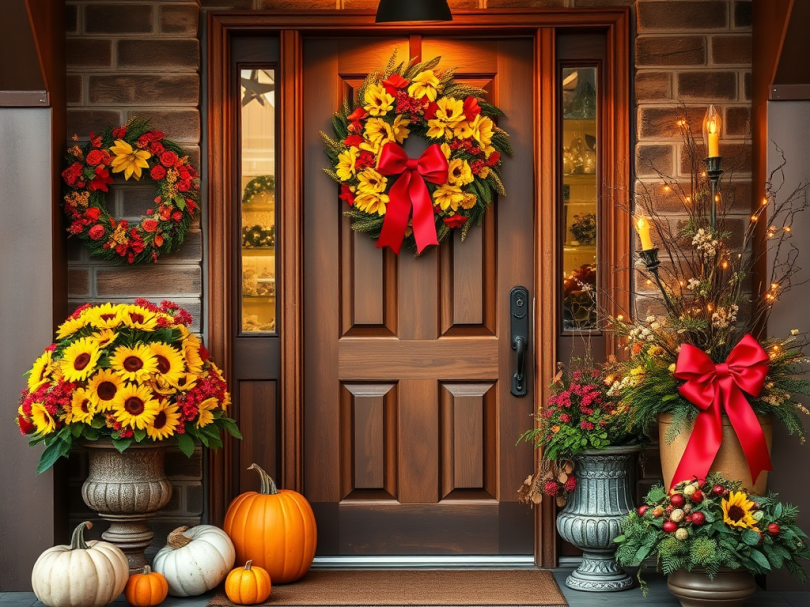
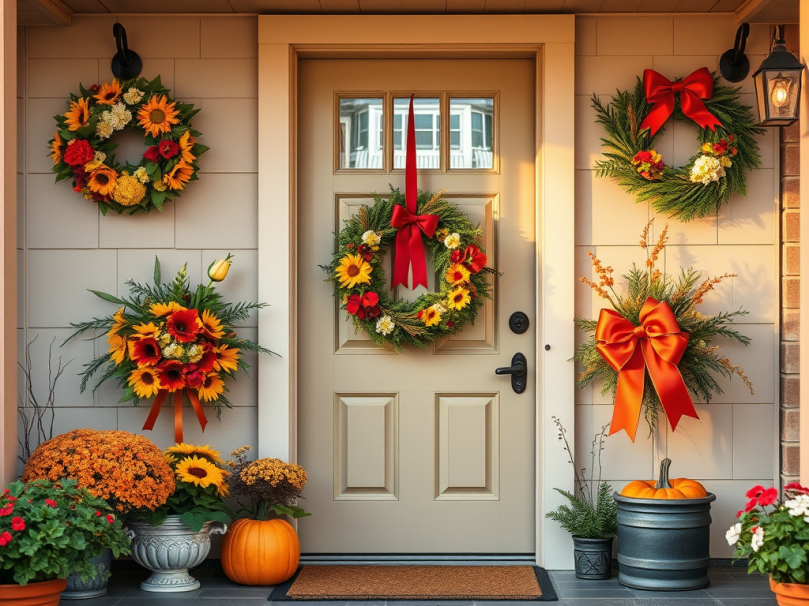
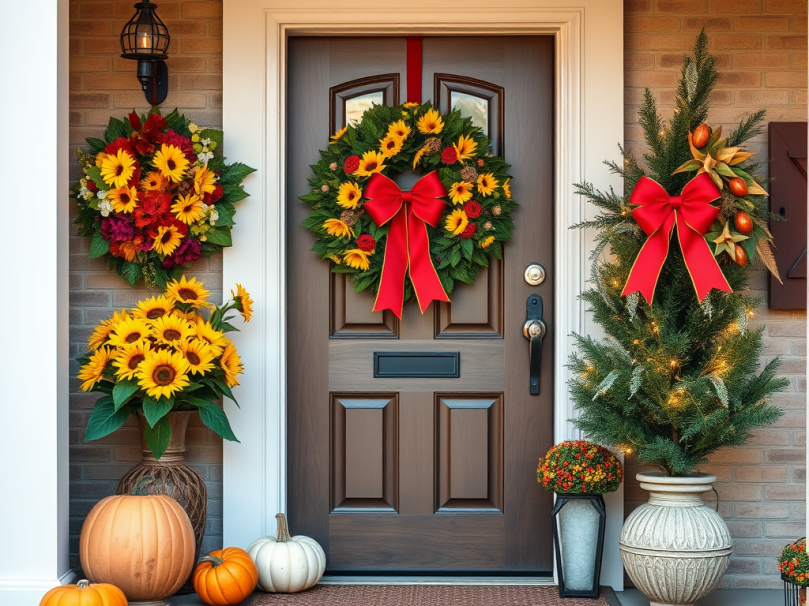
Some people live for changing their outdoor entryway decor as each season rolls around — pumpkins and wreaths for fall, twinkling lights and garlands for winter, bright blooms in spring, and tropical touches in summer. If that’s you, your front door becomes a small celebration of each passing season. It’s fun, festive, and full of life.

But maybe you’re the type who prefers a timeless setup — something elegant and welcoming that doesn’t need a refresh every month. You might lean toward a beautiful, neutral wreath, a sleek welcome mat, and a few well-chosen planters that look great year-round. This approach keeps your entryway simple yet stylish, offering lasting appeal without constant changes.


A Cute Story: The Woman Who Decorated for Every Season

There’s something special about people who make their home feel alive all year long. Take Marianne, for example — a neighbor who’s known for her ever-changing front porch. Every season, her entryway tells a new story.

In spring, she hangs a pastel floral wreath that matches the pots of tulips lining her steps. By summer, the flowers are replaced with bright sunflowers, a rustic “Hello Sunshine” sign, and a cheery yellow door mat. When fall rolls around, you can’t miss her collection of pumpkins, a plaid throw over her rocking chair, and a wooden sign that reads, “Come in and get cozy.” And of course, in winter, Marianne goes all out with twinkle lights, a pinecone wreath, and a big red bow on her mailbox.

The best part? Her front porch makes everyone in the neighborhood smile. Kids stop to point out her decorations, neighbors take photos, and even the mail carrier comments on her latest theme. It’s not about perfection — it’s about joy. Marianne’s home is a reflection of her love for the little things that make each season special.


Finding the Right Look for the Front of Your Home

When deciding how to decorate your front door, think about your home’s architectural style and color palette. A few ideas to inspire you:

  • Classic Homes: Go for a traditional wreath, potted boxwoods, and a lantern-style light fixture. Keep it symmetrical and elegant.
  • Modern Homes: Clean lines and minimalistic touches shine here — think matte black planters, sleek address numbers, and a geometric doormat.
  • Cottage or Farmhouse Style: Mix charm and warmth with a wooden welcome sign, seasonal florals, and maybe a cozy bench with pillows.
  • Coastal or Boho Vibes: Woven baskets with tall grasses, a soft color palette, and natural materials like rattan or driftwood create an easy, breezy welcome.

Small Touches That Make a Big Difference

Sometimes, it’s the little details that pull everything together:

  • A fresh coat of paint on your front door in a bold or soothing color.
  • Coordinated hardware — a new doorknob, knocker, or house numbers.
  • Outdoor lighting that highlights your decor in the evenings.
  • A welcome mat that fits your personality (and your home’s mood).

The Takeaway

Your front door should feel like a reflection of you — whether you change it up with the seasons or let it quietly shine year-round. The goal is to make your entryway inviting, stylish, and uniquely yours.

So, which are you — the seasonal decorator who loves to celebrate every change in weather, or the once-in-a-while stylist who prefers timeless charm?


Why choosing the right microwave is important


Many folks think “a microwave is a microwave” — you plug it in, press start, and it reheats your food. But there are important differences that can affect performance, convenience, space, and how well your kitchen runs.

Here are key reasons it matters:

  • Cooking speed and consistency: Higher wattage models heat faster and more evenly; low-power models can leave cold spots or take longer. (Good Housekeeping)
  • Fit & layout: Size, capacity, and installation (countertop vs over-the-range vs built-in) all affect how the microwave integrates into your kitchen and how much room it takes. (aeno.com)
  • Features & usefulness: Some microwaves have advanced cooking modes (convection, air-fry, sensor cook), smart controls, or better ventilation (for over-the-range units). If you pick a basic model but expect deluxe performance, you’ll be disappointed. (Whirlpool)
  • Value & lifespan: Buying thoughtfully ensures you don’t pay extra for unused features, or buy cheap and end up with something that fails sooner or underperforms.
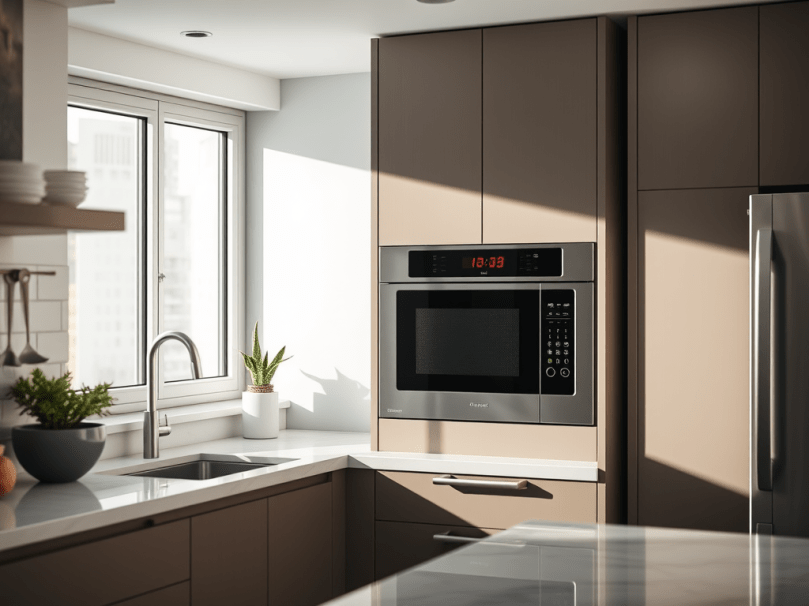
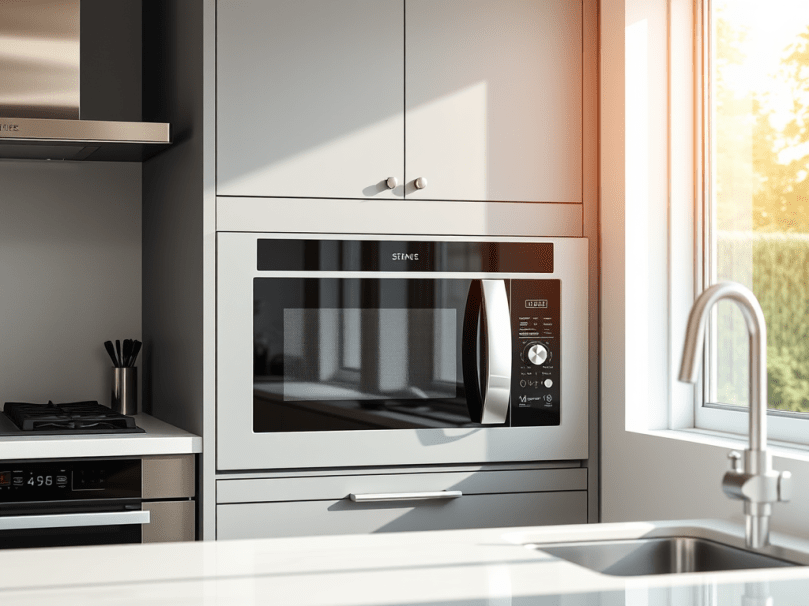
  • Style & aesthetics: If you’re decorating or balancing an aesthetic in the kitchen (which you often are if you write about décor!), you’ll want a microwave that looks right and fits your design vision.

So yes — they are not all the same. It’s worth spending a little time picking the right one so it works well for you.


What to look for: How to choose the right one

Here are the main factors to keep in mind when selecting a microwave:

1. Type & size

  • Countertop vs Over-the-range vs Built-in. For example, an over-the-range model doubles as a vent hood in many kitchens but requires proper installation. (kitchenaid.com)
  • Check capacity (internal volume) and external size so it fits your space and your cookware. (aeno.com)
  • Clearance & ventilation matter. If it’s cramped or blocked, performance and lifespan might suffer. (aeno.com)

2. Power & performance

  • Wattage is a big deal. Many guides say aim for 1,000 watts or more for good performance. (Good Housekeeping)
  • How the microwave distributes heat (turntable vs flatbed) and whether it uses inverter or smarter technology. (aeno.com)

3. Features & extras

  • Sensor cooking: detects steam/food state and adjusts time/power. (kitchenaid.com)
  • Convection or air-fry capabilities: These allow the microwave to do more than just reheat (bake, crisp, roast). (Whirlpool)
  • Ventilation & lighting (for over-the-range). (kitchenaid.com)
  • User­friendly controls, cleaning convenience (easy-clean interior), child locks, design finishes. (lg.com)

4. Budget & how much you’ll use it

  • If you mostly reheat leftovers, you don’t need every advanced feature. A good, basic model may suffice. (This Old House)
  • If you cook more heavily, entertain, or want a “multi-purpose” microwave (bake, air-fry, etc), you may invest more.

5. Aesthetic & integration

Since you’re involved with home décor, how the microwave looks and fits your kitchen aesthetic (match finishes, handle style, layout) matters. Don’t just pick what’s cheapest; pick what fits the space.


Top microwave models on the market

Here are eight solid picks across different needs/budgets—each with something commendable.

Breville Combi Wave 3‑in‑1 Microwave

premium multi‑function

$499.95

Whirlpool 1.7 Cu Ft Over‑the‑Range Microwave

mid‑range OTR

$259.00

LG 1.7 Cu Ft Over‑the‑Range Microwave (EasyClean)

easy‑clean OTR premium

$299.00

Samsung 1.6 Cu Ft Over‑the‑Range Microwave

value OTR

$219.00

LG NeoChef 0.9 Cu Ft Countertop Microwave

compact countertop premium

$159.00

Hamilton Beach 1.1 Cu Ft Countertop Microwave

budget countertop full size

$80.00

Insignia 1.1 Cu Ft Countertop Microwave

budget countertop mid

$99.99

BLACK+DECKER 0.9 Cu Ft Countertop Microwave

entry countertop small

$99.99

Here’s a breakdown:


Why these are “top” models

  • They cover a range of types and budgets, so you can pick based on your kitchen layout and how much you’ll use it.
  • They meet important performance criteria such as decent wattage, good capacity, and useful features (sensor cook, good venting, etc).
  • They come from trusted brands with support and solid reviews.
  • They align with the buying-guides: looking for size, power, features, layout integration.

Are they all the same? No. The differences matter

Yes, they all microwave food. But because microwaves vary in size, power, installation type, and feature set, they do not behave the same in practice. For example:

  • A 700-watt compact model will take longer and may heat less evenly compared to a 1,100-watt model.
  • Over-the-range models must fit above your stove and often include venting & lighting — which you won’t get with a countertop model.
  • Models with convection/air-fry capabilities are more expensive but add cooking versatility.
  • A countertop microwave has different vent/clearance requirements than built-in or over-the-range.
  • Basic models may lack sensor cooking, child locks, or top finishes — which may not matter if you only reheat, but matter if you cook more.

Thus, choosing “just any microwave” is fine if your usage is minimal and your budget is tight — but if space, usage, aesthetics, or performance matter, you should choose carefully.


My practical suggestions for you

  • Think kitchen layout & look: If your kitchen is styled (farmhouse, minimalist, boho etc) pick a microwave finish (stainless, black-stainless, white) that blends or accents your style.
  • Consider visibility: If it’s in a main living space or open-plan, the microwave will show — so styling matters.
  • Define usage: Ask yourself: “Will I use this mainly to reheat and defrost? Or will I cook meals and need more features?”
  • Match size to space: If it’s a small apartment or first place a smaller countertop model may serve perfectly and allow budget for styling accessories.
  • Feature vs budget trade-off: If you’re on a budget, a good 1.1 cu-ft, ~1000-watt model may get you 90% of what you need. Don’t pay extra for big bells & whistles if you’ll rarely use them.
  • Integration & décor: If you change seasons or redesign furniture/layout, pick a microwave that doesn’t fight your style changes (neutral finish, streamlined design).

Conclusion

In short: Yes — you should pick your microwave with intention. It’s more than a “plug-in box” in the kitchen — it affects how well your kitchen flows, how quickly you prep meals, how the space looks, and whether your appliance will serve you well for many years. By focusing on the right size, power, features, style, and fit for your usage and space, you’ll land a microwave that works hard yet recedes into the background of good design.