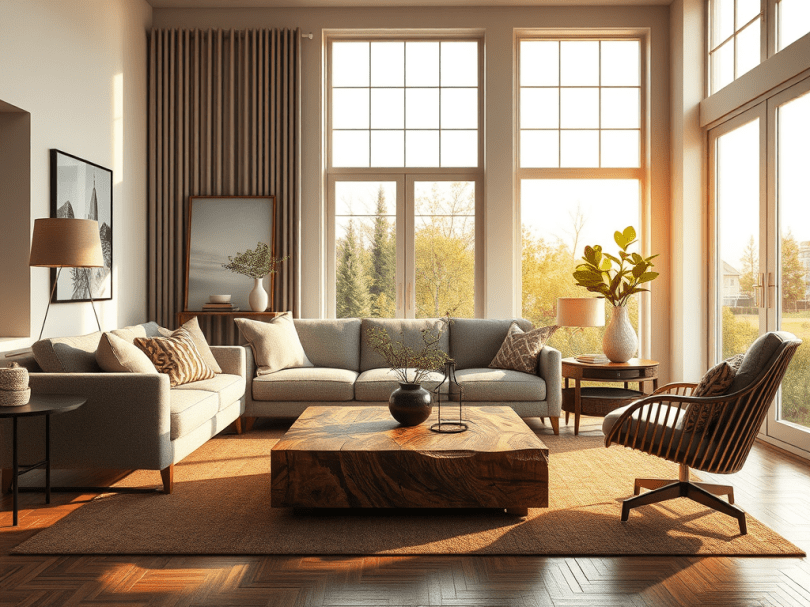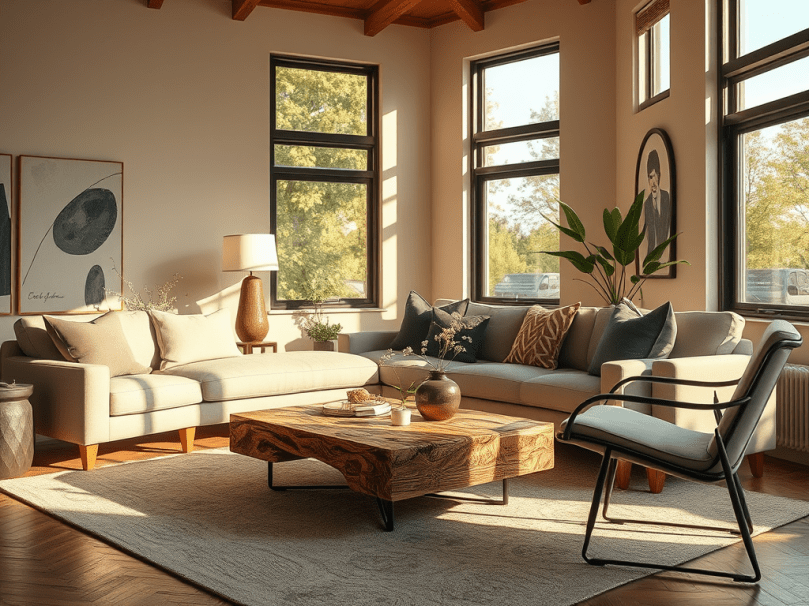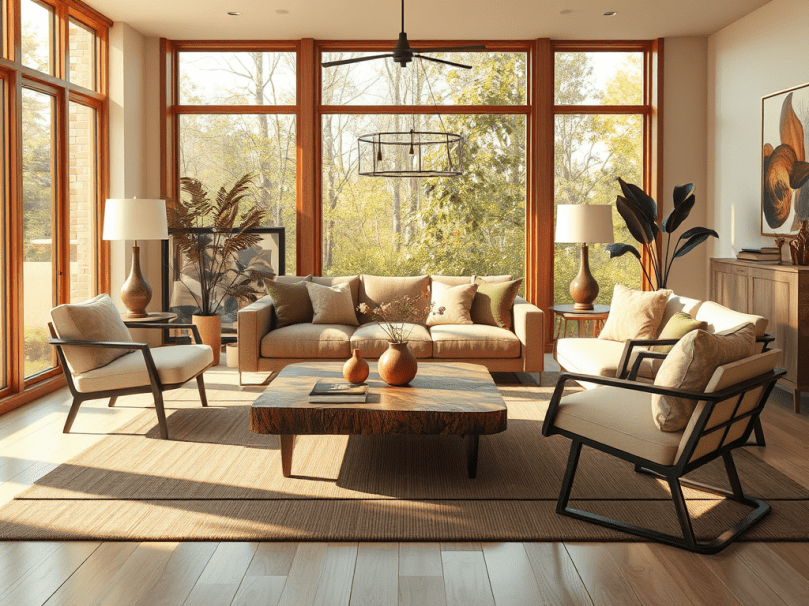

When My Husband Loves Black and I Love Bright Colors: How We Created a Home That Fits Us Both


One of the first things I learned when my husband and I moved in together was that we see home decor very differently. He loves black—sleek, modern, and bold. Me? I love bright, cheerful colors that make a room feel alive. At first, I thought we’d never agree on how to decorate our space. Would our home end up looking like a nightclub, or like a rainbow exploded in the living room?

The truth is, it took a little trial and error (and a few debates over throw pillows), but we found a way to blend his style and mine into something cohesive that actually works. If you’ve ever faced this same decor tug-of-war, here’s what helped us.


Step 1: Find the Common Ground

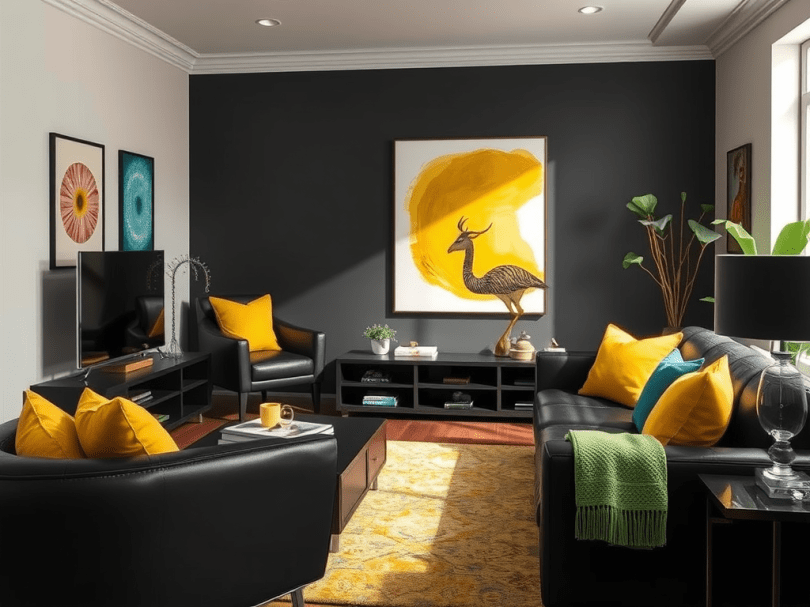
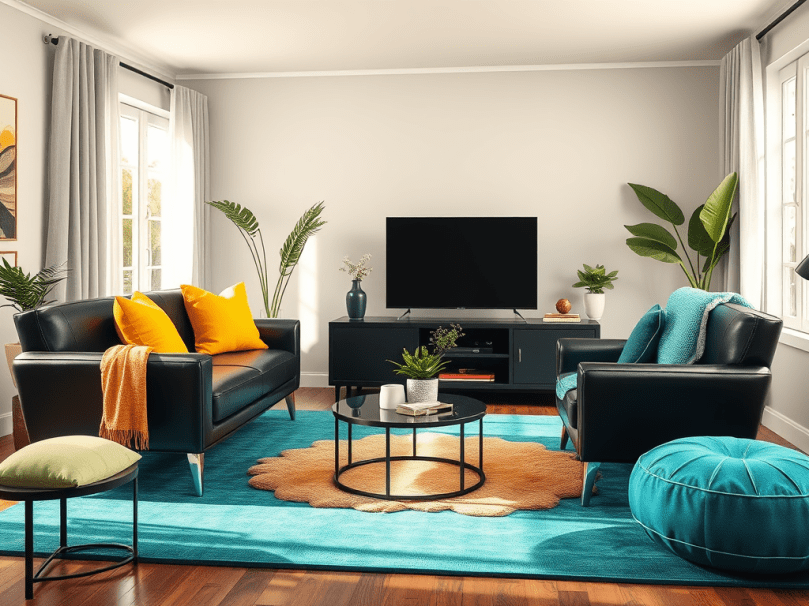
We started by identifying the “must-haves” for each of us. For my husband, that meant black furniture—he had his eye on a matte black TV stand and a leather armchair. For me, it was color—I couldn’t give up my bright yellow accent pillows or my teal rug. Instead of seeing these as clashing, we looked for ways to make them work together.

Lesson learned: Black is actually the perfect backdrop for color. When you pair a dark sofa with vibrant pillows, the colors pop in a way they never would on a beige couch.


Step 2: Use Color in Layers

I realized my love for color didn’t need to dominate every piece of furniture. Instead, I used it where it could shine the most—accent pieces. Pillows, blankets, rugs, and artwork became my playground, while his black furniture grounded the space.

Tip: If you love color but your partner leans toward dark or neutral tones, think of accessories as your secret weapon. They’re easy to swap out with the seasons and don’t overwhelm the room.


Step 3: Agree on a Palette

One turning point was agreeing on a shared color palette. My husband may not love hot pink, but he does appreciate rich jewel tones like emerald green and sapphire blue. We built our living room around those shades, mixing in his black furniture with colorful accents I chose. Suddenly, our space felt cohesive instead of mismatched.

Design tip: Jewel tones and metallics (like gold or copper) are amazing “middle ground” colors. They look chic with black but still bring vibrancy and warmth.


Step 4: Play with Textures

Here’s something I didn’t expect: texture can bridge the gap between styles. My husband’s black leather armchair felt too cold on its own, but when I draped a soft, colorful throw over it, it instantly felt more inviting. Adding velvet pillows, a woven basket, and a patterned rug gave our space dimension without fighting over color.


Step 5: Keep Balance in Mind

One of the best pieces of advice we learned along the way was the 60/30/10 rule:

  • 60% neutral (black, white, gray)
  • 30% color (our agreed palette)
  • 10% accent (metallics, wood, or patterns)

This formula kept us from going too far in either direction. His love of black stayed present, my love of color found its spotlight, and together, our home started to feel like “us.”

The Beauty of Blending Styles

Looking around now, I smile because our home truly tells our story. My husband’s love of sleek black gives the space structure and elegance. My love of color brings it to life with energy and personality. Together, it feels balanced, warm, and uniquely ours.

Decorating with two very different styles isn’t always easy, but it’s worth it. After all, the goal isn’t to win—it’s to create a home where you both feel comfortable, inspired, and at peace.


Takeaway: If you and your partner don’t share the same taste, don’t panic. Opposites don’t have to clash—they can complement each other beautifully when you focus on balance, layering, and finding common ground.
Finding the Right Nightstand for Your Perfect Bed


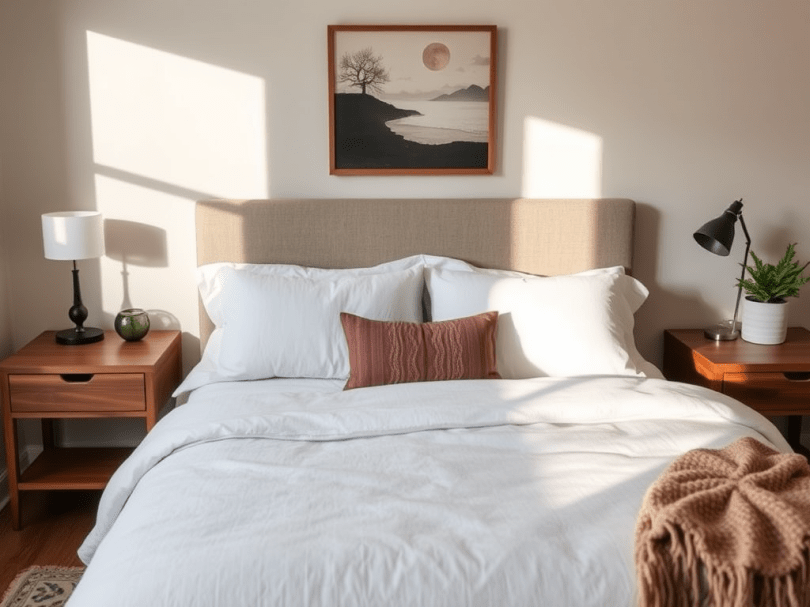
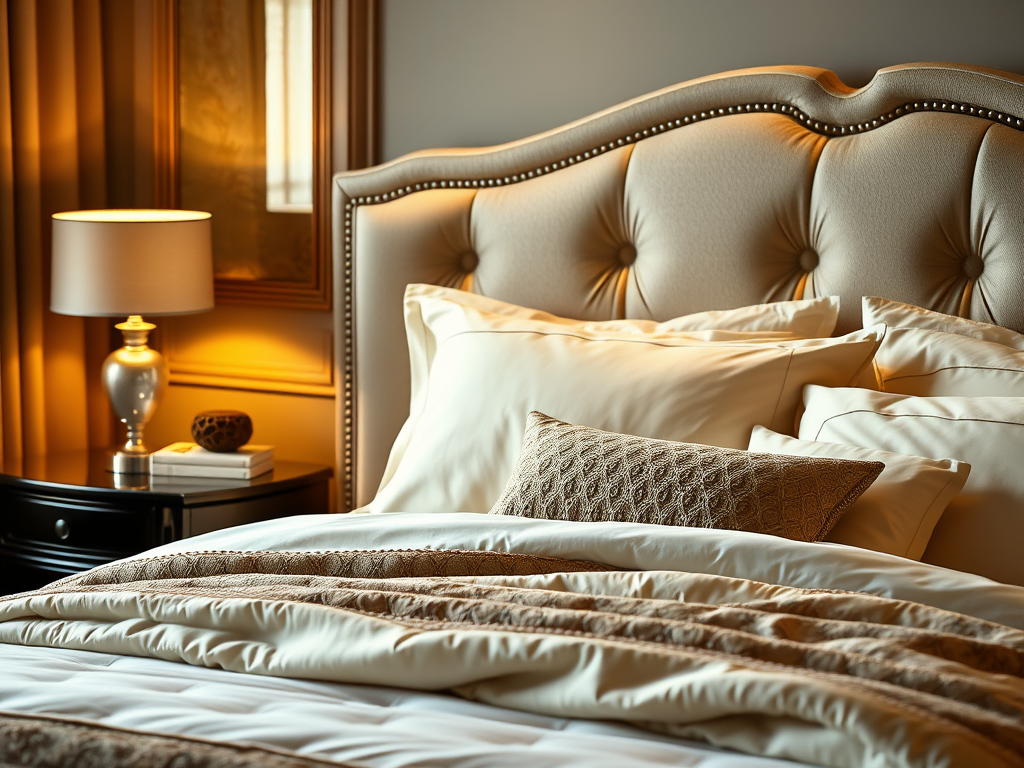
You’ve found the perfect bed—comfortable, stylish, and everything you’ve dreamed of. But then comes the tricky part: the nightstands. The wrong ones can completely throw off your bedroom’s vibe. Whether they’re too bulky, too small, or simply not in line with your bed’s design, mismatched nightstands are one of the most common bedroom decor struggles. So, what do you do when your perfect bed doesn’t match your current nightstands?

When Your Nightstands Don’t Match Your Bed

First, don’t panic. Mismatched doesn’t always mean wrong. In fact, mixing styles can create a layered, intentional look if done thoughtfully. But if your nightstands feel completely out of place, here are some solutions:

  • Play with Contrast: If your bed is upholstered and soft, a sleek wooden or metal nightstand can balance the look.
  • Stay in the Same Tone: Even if the styles are different, keeping finishes (like warm wood, black, or brass) consistent ties everything together.
  • Go Asymmetrical: Nightstands don’t have to be identical. Try a small table with storage on one side and a floating shelf or minimal stand on the other.
  • Think Scale and Height: Your nightstand should sit around the same height as your mattress. Too tall or too short can make the space feel awkward.

Amazing Nightstand Recommendations

Here are some versatile options that can work with a variety of bed styles:

1. IKEA Hemnes Nightstand

A timeless piece with a drawer and open storage space. Its clean lines and neutral tones make it a safe choice for upholstered, modern, or traditional beds.

2. West Elm Mid-Century Nightstand

For those with a sleek modern bed frame, this piece brings warmth with its walnut finish while still keeping that clean, retro vibe.

3. Nathan James Harper Mid-Century Modern Nightstand (Amazon)

A budget-friendly option that looks high-end. Perfect if you need something stylish without breaking the bank.

4. CB2 Concrete Block Nightstand

If your bed has a luxe, fabric-forward look, a concrete nightstand adds an edgy, urban contrast that makes the room feel curated.

5. Pottery Barn Sausalito Nightstand

Great for rustic, coastal, or farmhouse-style beds. Its natural wood tones and sturdy build give your bedroom a relaxed but polished feel.

6. Floating Nightstands (Etsy Finds)

Perfect for small bedrooms or minimalist styles. These add a modern, airy touch and work beautifully with platform beds.

Final Thoughts

Your nightstand is more than just a place for a lamp and your favorite book—it’s a piece that completes the balance of your bedroom. When your bed is perfect but your nightstands feel off, think about scale, finish, and functionality before making a change. The right choice will not only fit your bed’s style but also make your entire bedroom feel intentional and harmonious.


Eco-Luxe Living: Stylish Furniture Made From Recycled Materials


Luxury and sustainability aren’t always words you see side by side—but today’s design world is proving they belong together. As more homeowners look for ways to live sustainably without sacrificing style, furniture made from recycled materials is stepping into the spotlight. The result? Eco-luxe living—where high-end design meets conscious choices.

Whether it’s a coffee table crafted from reclaimed wood, a chic sofa upholstered in upcycled fabric, or a sleek chair molded from recycled plastics, eco-friendly furniture is becoming a hallmark of modern, sophisticated homes. Here’s a look at some trending brands leading the way in merging sustainability with luxury.


1. Emeco – Timeless Chairs from Recycled Aluminum

Best known for the iconic Navy Chair, Emeco crafts seating from 80% recycled aluminum, with some models incorporating recycled PET bottles and reclaimed wood. Their minimalist yet industrial aesthetic makes them a favorite in modern interiors, blending eco-consciousness with timeless durability.


2. Mater – Conscious Luxury from Denmark

Mater takes sustainability to a new level, working with global artisans to create furniture from recycled ocean plastics, FSC-certified wood, and upcycled materials. Their Ocean Collection, made from fishing nets and recycled plastics, is both sleek and sustainable—proving luxury can protect our planet.


3. Pentatonic – Circular Design with Style

Pentatonic is a pioneer in the circular economy, turning everyday waste into high-end furniture and home accessories. From chairs made of smartphone glass to tables crafted with recycled CDs, their pieces are conversation starters that look as good as they feel.


4. Copiosa – Minimalism with a Green Touch

Italian brand Copiosa designs elegant, modern seating using sustainable manufacturing practices and recycled materials. Their aesthetic leans minimalist, making their chairs and stools versatile enough for dining rooms, offices, and cozy nooks—without losing their eco-friendly core.


5. Inside Weather – Customizable & Eco-Friendly

For those who want a personalized touch, Inside Weather offers made-to-order furniture crafted from recycled plastics, FSC-certified wood, and eco-friendly fabrics. Customers can choose colors, finishes, and fabrics while knowing their choices are minimizing waste and environmental impact.


6. POLYWOOD – Outdoor Luxury from Recycled Plastics

POLYWOOD creates durable, weather-resistant outdoor furniture from recycled HDPE plastics (like milk jugs). Their pieces have the look and feel of traditional wood but are far more sustainable—and designed to last for decades in any climate.


Why Eco-Luxe Living Matters

Sustainable furniture isn’t just about saving the planet—it’s about investing in quality pieces that last, reducing waste, and embracing mindful living. The fact that these designs also deliver on elegance and style makes eco-luxe living a win-win for today’s conscious homeowners.

By choosing brands that prioritize recycled materials and responsible design, you’re not just decorating your home—you’re making a statement about the future of design and the value of sustainability.


Final Thought: Eco-luxe living proves you don’t have to choose between sustainability and sophistication. With recycled materials transformed into beautiful, durable designs, luxury is finally aligning with eco-conscious values.


How to Furnish and Decorate Your Mud Room


A mud room might be one of the smallest spaces in your home, but it plays one of the biggest roles in keeping things organized and stress-free. It’s the transition space between the outdoors and the indoors—where shoes come off, coats are hung, bags are dropped, and everyday essentials are stored. With the right furniture and decor, your mud room can be both practical and stylish.

Why Your Mud Room Matters

Think of the mud room as your home’s first impression. It keeps dirt, clutter, and chaos from spilling into the rest of the house. Whether you have a spacious entryway or just a small nook near the door, furnishing and decorating it with intention helps create a welcoming, functional area.

Essential Furniture for a Mud Room

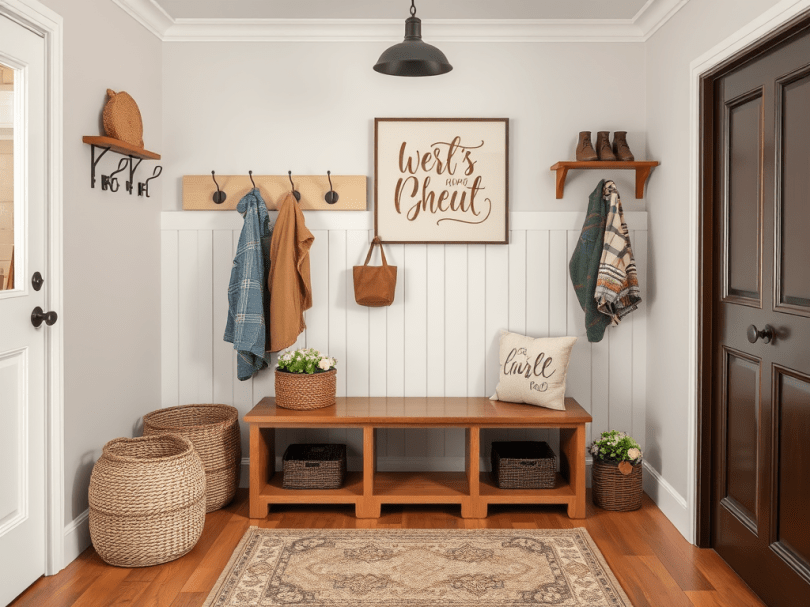
  1. Seating Bench
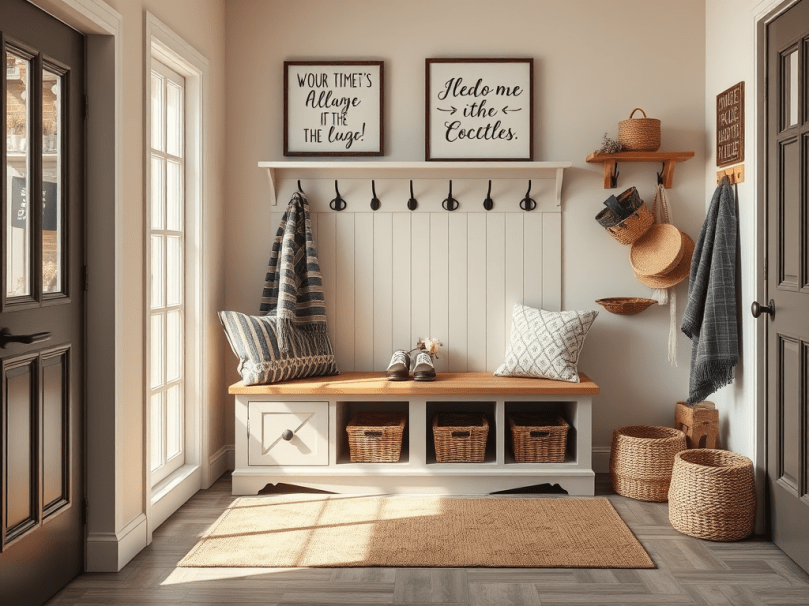
    A sturdy bench is non-negotiable. It makes putting on and taking off shoes so much easier. Choose one with built-in storage underneath—either cubbies, drawers, or baskets—to keep shoes neatly out of sight.
  2. Coat Hooks or Rack
    Wall-mounted hooks or a standing coat rack will prevent jackets, hats, and bags from piling up. Go for durable hooks that can handle heavy coats, backpacks, and totes.
  3. Storage Cubes or Lockers
    If you have kids, individual cubbies or lockers help everyone stay organized. Assign each family member a space for shoes, sports gear, and school bags.
  4. Cabinets or Console Tables
    If you need extra storage, slim cabinets or a console table can hold pet leashes, keys, mail, and seasonal items.
  5. Rug or Mat
    A washable, durable rug or mat is a must-have for catching mud, water, and dirt. Look for something with a rubber backing to prevent slipping.

Decorating Your Mud Room

A mud room isn’t just about function—it can also reflect your home’s style.

  • Add Wall Art or Quotes
    A cheerful piece of wall art or a framed quote can make the space feel inviting.
  • Use Stylish Baskets
    Instead of plain storage bins, opt for woven baskets or fabric bins that complement your decor.
  • Incorporate Lighting
    Don’t let your mud room feel dark or forgotten. Add a pendant light, sconce, or even battery-powered stick-on lights if outlets are limited.
  • Paint or Wallpaper the Walls
    Since mud rooms are small, they’re a great place to experiment with bold colors or patterned wallpaper without overwhelming your home.
  • Greenery or Flowers
    A small plant on a shelf or a vase of fresh flowers can bring life to the space.

Style Ideas for Different Mud Rooms

  • Farmhouse Look: A wooden bench, shiplap walls, black iron hooks, and woven baskets.
  • Modern Minimalist: Sleek built-in cabinets, hidden storage, neutral tones, and clean lines.
  • Cozy Rustic: A reclaimed wood bench, plaid rug, vintage hooks, and warm lighting.

Final Thoughts

Your mud room doesn’t have to be big to make a big difference. With thoughtful furniture and a few stylish touches, you can turn this high-traffic space into one of the most functional—and charming—areas of your home.


How to Style Your Home Office for AI Remote Work Culture


The way we work has changed dramatically in just a few short years. By 2025, remote jobs aren’t just about flexible schedules and Zoom calls—they’re increasingly AI-collaborative. That means your home office isn’t just a place for you to focus, but also a digital hub where you and AI tools work side by side.

So, what does a workspace look like when it’s designed for this new AI-driven remote culture? Let’s break it down.


1. Smart Layout for Focus and Collaboration

Gone are the days of cluttered desks and makeshift setups at the dining room table. Today’s AI-powered remote work thrives in organized, intentional spaces.

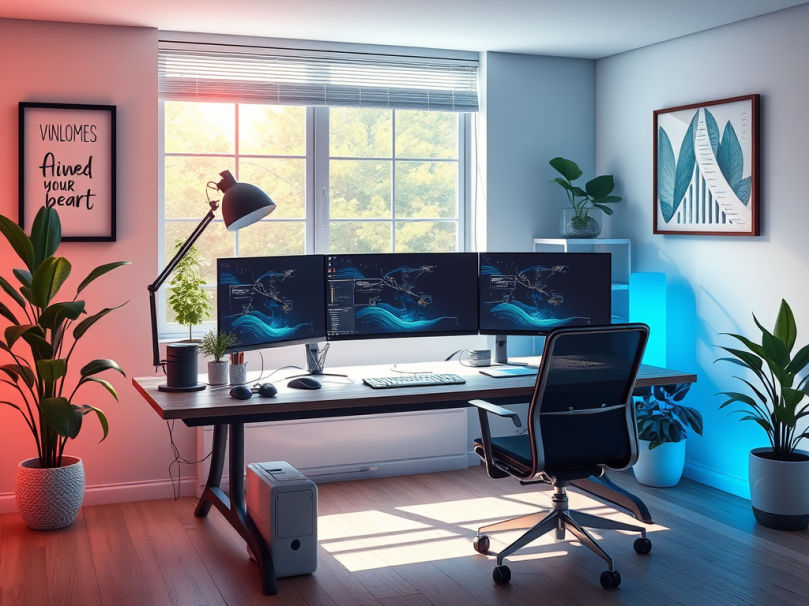
  • Dual-purpose desk: Choose a desk that allows room for both personal tasks and multiple screens or docking stations. Many workers now keep one monitor dedicated to AI dashboards or workflow assistants.
  • Ergonomic setup: Long hours of AI-assisted productivity still require comfort. Adjustable chairs, sit-stand desks, and ergonomic accessories help maintain focus without burnout.

2. Tech-Integrated Workstations

AI culture is about seamless integration. Your workspace should support this flow.

  • Multiple screens or ultra-wide monitors: Perfect for running AI prompts, live analytics, or creative brainstorming with an AI co-pilot.
  • Voice-activated hubs: Smart speakers or AI assistants can schedule tasks, summarize meetings, and manage focus breaks.
  • Cable management systems: Keep wires hidden with sleek organizers so the space stays clean and distraction-free.

3. Lighting for Productivity and Creativity

AI-driven jobs often demand both deep focus and creative thinking. The right lighting can shift the tone of your workspace.

  • Smart lighting systems: Programmable bulbs let you adjust brightness and color temperatures. For example, cool white light for productivity, warm light for creative tasks.
  • Natural light maximization: Position your desk near a window when possible. Natural daylight boosts energy and keeps the space feeling alive.

4. Decor that Balances Tech with Human Touch

With AI everywhere, it’s easy for a workspace to feel overly mechanical. Balance your home office by styling it with personal and humanizing elements.

  • Greenery: Plants improve air quality and bring calm to tech-heavy spaces.
  • Wall art with inspiration: Choose motivational posters, abstract prints, or calming landscapes to keep creativity flowing.
  • Textures: Add warmth with rugs, wooden furniture, or fabric accents. These touches prevent your office from feeling too sterile.

5. Sound and Privacy Considerations

AI-driven meetings and tools often include real-time audio features. A sound-friendly space matters more than ever.

  • Noise-canceling headphones: Essential for concentration in AI-powered collaborative meetings.
  • Acoustic panels or rugs: Reduce echo in small spaces while adding a stylish touch.
  • Private corners: Create a nook where you can step away from screens and recharge.

6. Multi-Functional Flex Spaces

AI work culture thrives on flexibility. Your home office should be able to adapt to your daily needs.

  • Convertible furniture: Desks that fold, chairs that swivel into lounge mode, or side tables that double as writing surfaces.
  • Whiteboards or digital boards: Great for brainstorming ideas that blend your thoughts with AI-generated suggestions.
  • Break space integration: A cozy reading chair, small coffee station, or meditation mat makes it easy to reset during the day.

The Future of Home Workspaces

As AI continues to reshape the way we work, our home offices will no longer just be about productivity—they’ll be about collaboration, creativity, and balance. The best styled spaces in 2025 and beyond are the ones that support both the efficiency of AI tools and the comfort of the humans using them.

Your home office should feel like a place where you and your AI partner work in harmony: sleek, functional, and inspiring.


Takeaway: Style your home office for AI remote culture by blending smart tech setups with personal touches. Think dual monitors and ergonomic chairs, but also plants, cozy textures, and lighting that adapts to your mood.