
How to Style Your Home Office for AI Remote Work Culture


The way we work has changed dramatically in just a few short years. By 2025, remote jobs aren’t just about flexible schedules and Zoom calls—they’re increasingly AI-collaborative. That means your home office isn’t just a place for you to focus, but also a digital hub where you and AI tools work side by side.

So, what does a workspace look like when it’s designed for this new AI-driven remote culture? Let’s break it down.


1. Smart Layout for Focus and Collaboration

Gone are the days of cluttered desks and makeshift setups at the dining room table. Today’s AI-powered remote work thrives in organized, intentional spaces.

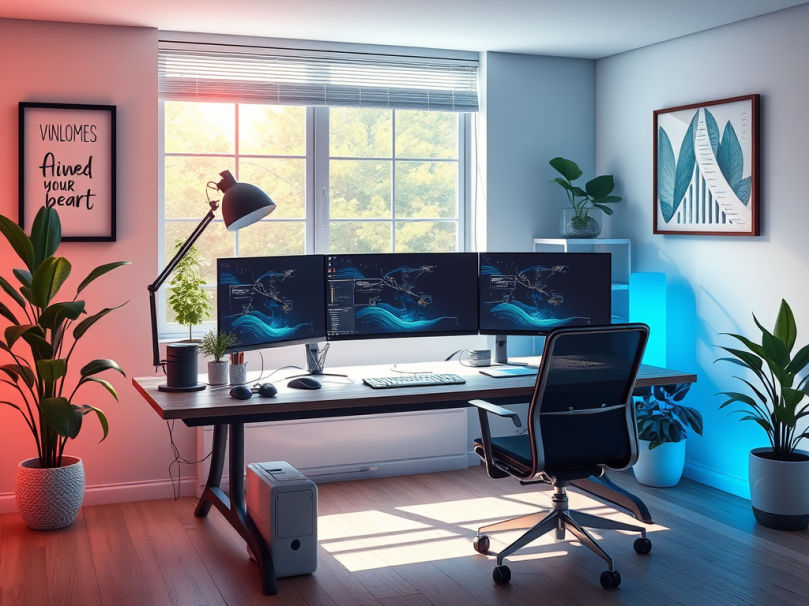
  • Dual-purpose desk: Choose a desk that allows room for both personal tasks and multiple screens or docking stations. Many workers now keep one monitor dedicated to AI dashboards or workflow assistants.
  • Ergonomic setup: Long hours of AI-assisted productivity still require comfort. Adjustable chairs, sit-stand desks, and ergonomic accessories help maintain focus without burnout.

2. Tech-Integrated Workstations

AI culture is about seamless integration. Your workspace should support this flow.

  • Multiple screens or ultra-wide monitors: Perfect for running AI prompts, live analytics, or creative brainstorming with an AI co-pilot.
  • Voice-activated hubs: Smart speakers or AI assistants can schedule tasks, summarize meetings, and manage focus breaks.
  • Cable management systems: Keep wires hidden with sleek organizers so the space stays clean and distraction-free.

3. Lighting for Productivity and Creativity

AI-driven jobs often demand both deep focus and creative thinking. The right lighting can shift the tone of your workspace.

  • Smart lighting systems: Programmable bulbs let you adjust brightness and color temperatures. For example, cool white light for productivity, warm light for creative tasks.
  • Natural light maximization: Position your desk near a window when possible. Natural daylight boosts energy and keeps the space feeling alive.

4. Decor that Balances Tech with Human Touch

With AI everywhere, it’s easy for a workspace to feel overly mechanical. Balance your home office by styling it with personal and humanizing elements.

  • Greenery: Plants improve air quality and bring calm to tech-heavy spaces.
  • Wall art with inspiration: Choose motivational posters, abstract prints, or calming landscapes to keep creativity flowing.
  • Textures: Add warmth with rugs, wooden furniture, or fabric accents. These touches prevent your office from feeling too sterile.

5. Sound and Privacy Considerations

AI-driven meetings and tools often include real-time audio features. A sound-friendly space matters more than ever.

  • Noise-canceling headphones: Essential for concentration in AI-powered collaborative meetings.
  • Acoustic panels or rugs: Reduce echo in small spaces while adding a stylish touch.
  • Private corners: Create a nook where you can step away from screens and recharge.

6. Multi-Functional Flex Spaces

AI work culture thrives on flexibility. Your home office should be able to adapt to your daily needs.

  • Convertible furniture: Desks that fold, chairs that swivel into lounge mode, or side tables that double as writing surfaces.
  • Whiteboards or digital boards: Great for brainstorming ideas that blend your thoughts with AI-generated suggestions.
  • Break space integration: A cozy reading chair, small coffee station, or meditation mat makes it easy to reset during the day.
The Future of Home Workspaces

As AI continues to reshape the way we work, our home offices will no longer just be about productivity—they’ll be about collaboration, creativity, and balance. The best styled spaces in 2025 and beyond are the ones that support both the efficiency of AI tools and the comfort of the humans using them.

Your home office should feel like a place where you and your AI partner work in harmony: sleek, functional, and inspiring.


Takeaway: Style your home office for AI remote culture by blending smart tech setups with personal touches. Think dual monitors and ergonomic chairs, but also plants, cozy textures, and lighting that adapts to your mood.


TV or Projector in Your Living Room: Which One Fits Your Lifestyle?


The living room has always been the heart of the home—a place where families gather, friends hang out, and entertainment takes center stage. But with the change in how we consume movies, sports, and even gaming, the big question many homeowners are asking is: Should I stick with a traditional TV or switch to a projector?

As technology evolves and society embraces more flexible lifestyles, projectors have started to gain ground as a stylish alternative to televisions. But does that mean TVs are becoming outdated? Let’s break down what’s trending and why.


The Case for the TV

For decades, the TV has been a staple in living rooms everywhere. And for good reason:

  • Convenience: Turn it on and it’s ready to go—no setup or adjustments needed.
  • Picture Quality: Today’s TVs offer crystal-clear 4K and even 8K resolution, along with stunning OLED displays for deep colors and contrast.
  • Smart Features: With streaming apps built in, voice controls, and even gaming modes, modern TVs are more interactive than ever.
  • Daylight Viewing: TVs perform best in bright rooms where natural light might wash out a projector’s image.

For many families, especially those with kids, a TV is the low-maintenance, reliable choice.


The Rise of the Projector

So why are projectors becoming more popular? Lifestyle and design play a huge role here.

  • Cinematic Experience: Nothing beats the immersive feel of a giant screen—especially for movie nights or sports events. Projectors can fill an entire wall, making your living room feel like a private theater.
  • Space-Saving Design: Without the need for a bulky screen, projectors can disappear into your decor. Some even mount flush to the ceiling or sit neatly on a console.
  • Flexibility: Whether you want a 60-inch screen for casual watching or a 120-inch display for a game night, projectors give you options.
  • Modern Appeal: As people move toward minimalist living spaces, projectors offer a sleek way to enjoy entertainment without a massive black rectangle dominating the wall.

Why People Are Switching to Projectors

The shift toward projectors reflects how society itself is changing. More people are:

  • Valuing Experiences Over Things: Movie nights and big-screen sports feel more “special” when projected.
  • Redesigning Living Rooms: Many want their living rooms to feel stylish even when the TV isn’t in use. A projector lets the wall go back to being art, shelving, or decor when it’s turned off.
  • Embracing Technology: Compact, high-quality projectors are more affordable and user-friendly than ever, making them a practical option for households that once thought they were too niche.

Which One is Right for You?

It comes down to lifestyle and preference:

  • If you want a low-maintenance, always-ready device that performs well in any lighting, a TV is still the go-to.
  • If you want a cinematic experience, minimalist design, and flexibility, a projector may be worth the switch.

Both options are thriving, but projectors are carving out a space in modern living rooms thanks to their mix of style and functionality. The key is choosing what feels right for your home—and remembering that the living room is about connection, no matter what screen you’re watching.


Making the Most of Awkward Spaces: How to Decorate and Use Odd Corners in Your Home


Every home has them—those strange little corners, narrow nooks, or oddly-shaped areas that seem like wasted space. Maybe it’s the wall under your staircase, that tiny alcove in the hallway, or the slanted ceiling in the attic bedroom. At first glance, these spots may feel unnecessary, but with the right approach, they can become some of the most charming and useful areas in your home.

Why You Shouldn’t Ignore Awkward Spaces

Odd spaces often go unused because they feel impractical or too small for furniture. But these areas are opportunities waiting to happen. By embracing them, you can add extra storage, create cozy corners, or bring personality into your home’s design.

Ideas for Decorating and Using Odd Spaces

1. Under the Stairs

  • Install built-in shelves for books, baskets, or décor.
  • Create a mini home office with a small desk and chair.
  • Add a bench with storage underneath to turn it into a mudroom-style drop zone.

2. Narrow Hallways

  • Use slim console tables with baskets below for storage.
  • Add wall-mounted shelves or hooks to display art or organize essentials.
  • Consider a gallery wall to turn the hallway into a statement feature.

3. Corners and Alcoves

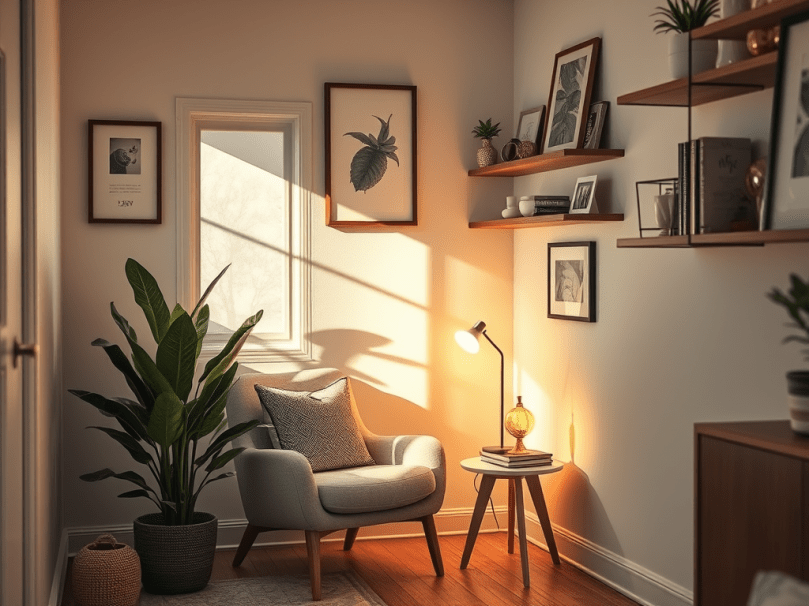
  • Place a tall plant or floor lamp to brighten the space.
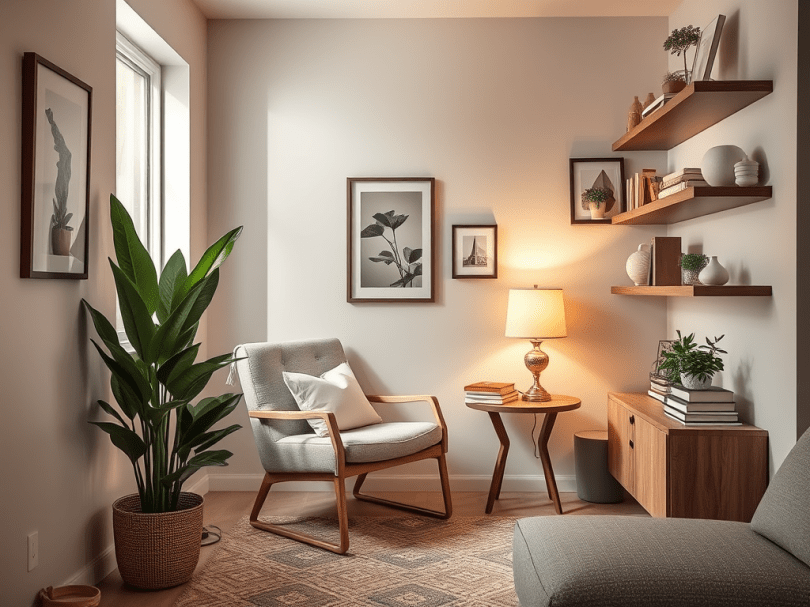
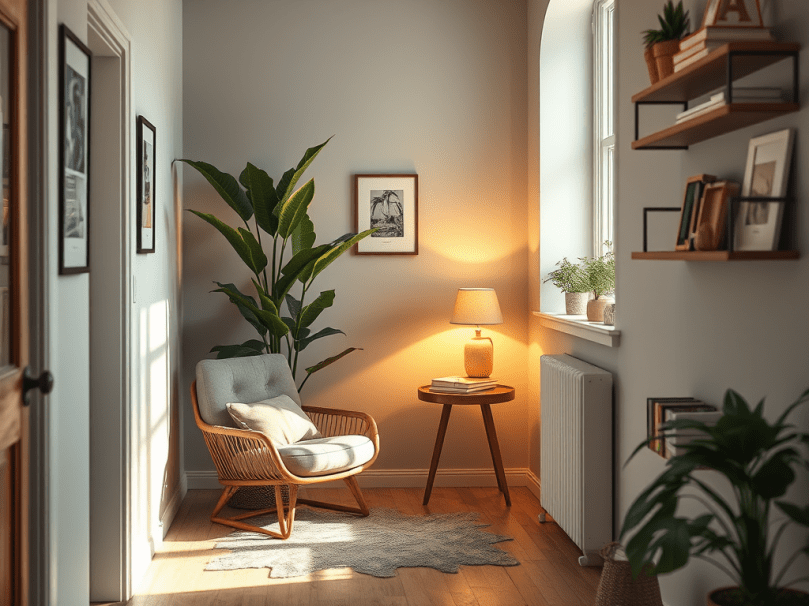
  • Add a cozy reading nook with a small chair and side table.
  • Use floating corner shelves for books or decorative accents.

4. Sloped Ceilings or Attics

  • Turn the space into a built-in daybed nook.
  • Use low shelving or storage cabinets that fit snugly under the slope.
  • Make it a play area for kids with beanbags or floor cushions.

5. Behind Doors

  • Install hooks or racks for coats, bags, or accessories.
  • Use a narrow shelving unit for shoes or small storage.
  • Mount a chalkboard or corkboard to keep family schedules and notes visible.

6. Tiny Entryways

  • A wall-mounted shelf and mirror can make the space both stylish and functional.
  • Add baskets or small cubbies for shoes, scarves, and daily grab-and-go items.

7. Window Nooks

  • Add a built-in bench with cushions for a cozy reading spot.
  • Use the sill for plants, candles, or seasonal décor.
  • Turn it into a compact workspace with a floating desk.

What Works Best in Odd Spaces?

  • Plants: They bring life and instantly fill small areas.
  • Lighting: Floor lamps, sconces, or string lights make awkward corners feel intentional.
  • Storage Baskets: Perfect for keeping clutter out of sight.
  • Mirrors: They expand small, narrow, or dark spaces.
  • Custom Furniture: Pieces designed to fit the space maximize functionality.

Final Thoughts

Instead of ignoring the awkward spots in your home, think of them as hidden gems. With a little creativity, you can turn unnecessary spaces into useful, beautiful features that make your home feel more complete. The key is to look at what you need most—storage, seating, display space—and let that guide your design choices.


Preparing Your Lawn for Fall: Essential Steps for a Healthy Transition


As summer winds down and cooler temperatures roll in, your lawn begins to shift into a new growth cycle. Fall is actually one of the best times to give your grass some extra attention—it’s when roots grow strongest and set the stage for a lush, green yard next spring. By preparing your lawn properly during the transition from summer to fall, you can ensure it stays healthy and vibrant.

Here are the key steps for proper lawn care this season:


1. Keep Mowing, But Adjust the Height

Don’t put the mower away just yet! Grass still grows in the fall, though at a slower pace. Lower your mower blade slightly—usually around 2 ½ to 3 inches—to keep the lawn short enough to avoid matting but long enough to protect roots from upcoming cold. Cutting too short can stress the grass, while letting it grow too tall can invite disease.


2. Rake and Remove Leaves Regularly

Fallen leaves may look beautiful, but if left to pile up, they block sunlight, trap moisture, and can suffocate your grass. Rake often, or mulch the leaves with your mower to create a natural fertilizer. Keeping your lawn clear now helps prevent mold and patchy growth later.


3. Aerate the Soil

After a summer of foot traffic, your soil is likely compacted. Aeration—punching small holes into the lawn—allows water, nutrients, and oxygen to reach the roots more easily. Fall is the perfect time for this because the cooler weather encourages strong root growth.


4. Fertilize for Strong Roots

A fall-specific fertilizer provides essential nutrients that grass needs to strengthen its root system before winter. Look for a fertilizer higher in phosphorus and potassium, which promote root health and prepare your lawn to withstand the cold months.


5. Overseed Bare or Thin Spots

If summer heat or activity left your yard looking thin, overseeding in the fall can thicken it up. Cooler weather, moist soil, and less competition from weeds give grass seed the perfect environment to sprout and establish before winter.


6. Keep Watering (But Not as Much)

Even though temperatures drop, your lawn still needs consistent moisture. Water deeply once or twice a week, depending on rainfall, until the ground begins to freeze. This helps seeds germinate and supports strong root development.


7. Weed Control

Weeds don’t take the season off. Applying a targeted fall weed control treatment helps eliminate stubborn intruders before they have a chance to spread in spring. A little prevention now goes a long way.


8. Prepare Equipment for Storage

As you finish your fall lawn care routine, clean and maintain your mower, trimmer, and other lawn tools before storing them away. A little maintenance now will save you time and frustration when spring arrives.


Final Thoughts

Fall lawn care is all about strengthening your grass for the months ahead. By mowing, raking, aerating, fertilizing, seeding, and watering, you’re setting the foundation for a lush, green lawn next year. Think of it as tucking your lawn in for winter—give it the right care now, and it will reward you when spring blooms.


Finding the Right Coffee Table: A Complete Guide


A coffee table might seem like a simple piece of furniture, but it can completely transform your living room. It’s more than just a place to set your drink—it anchors the seating area, adds personality, and creates balance in your space. The right coffee table blends function and style while fitting your room’s proportions. If you’re wondering how to choose the perfect one, here’s everything you need to know.


A Little Story About Finding the Right Coffee Table

For years, I lived with a coffee table that never truly worked. It was too tall, making every cup of coffee feel like I was reaching up to place it on a pedestal. The edges were sharp, which made me nervous whenever friends brought their toddlers over. And let’s not even talk about the size—it was so bulky that walking between the sofa and the table felt like navigating an obstacle course.

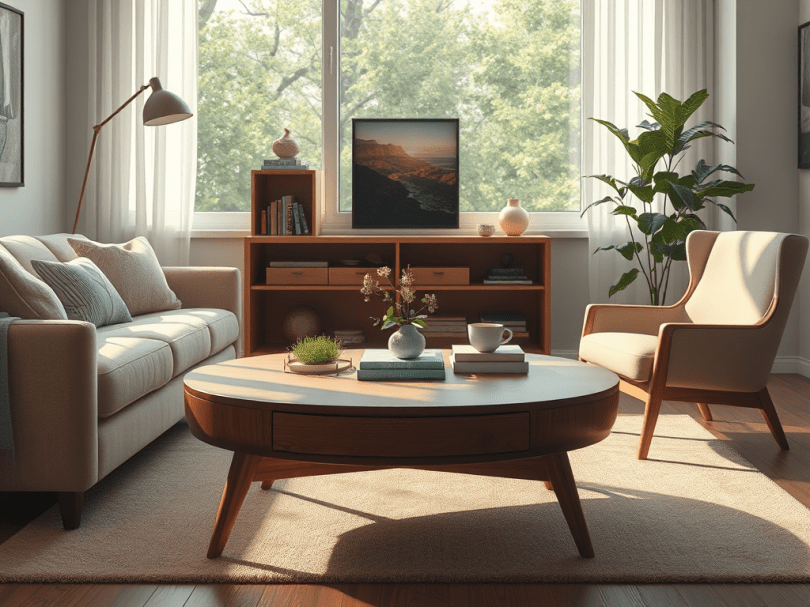
I kept telling myself, “It’s fine, it does the job.” But once I finally started looking for something new, I realized how much difference the right table could make. I found a mid-century modern piece with rounded edges, the perfect height, and just enough storage underneath for books and remotes. Suddenly, my living room felt bigger, more welcoming, and—honestly—more “me.”

It reminded me that furniture isn’t just about function. It’s about how it makes you feel in your home. The right coffee table doesn’t just hold your coffee; it grounds your space and makes daily life easier and more beautiful.


How to Choose a Coffee Table

When shopping for a coffee table, start with these key considerations:

  1. Functionality – Do you need extra storage for books, blankets, or remotes? Or is your coffee table mainly decorative?
  2. Style Compatibility – Consider your current furniture. Do you want your table to blend seamlessly or make a bold statement?
  3. Material & Durability – Families with kids or pets might prefer sturdy wood or metal tables over delicate glass.
  4. Budget – Coffee tables range from under $100 to thousands, depending on materials, brand, and design.

Different Styles of Coffee Tables

  • Traditional Wood Tables – Timeless, sturdy, and versatile.
  • Glass-Top Tables – Perfect for smaller rooms because they feel light and airy.
  • Marble or Stone Tables – Chic and durable, but heavier and often more expensive.
  • Lift-Top Coffee Tables – Ideal for small spaces or work-from-home setups, offering hidden storage and a pop-up surface.
  • Ottoman Coffee Tables – Upholstered and soft, these double as seating or a footrest.
  • Minimalist/Modern Designs – Sleek lines, neutral tones, and materials like metal or acrylic.
  • Rustic or Farmhouse – Often feature distressed finishes, chunky wood, or a reclaimed look.

How to Know What Size Works

  • Height: Your coffee table should be within 1–2 inches of your sofa’s seat height for comfort.
  • Length: Aim for about two-thirds the length of your sofa.
  • Distance: Leave about 18 inches between the table and your sofa for legroom.
  • Shape: Round tables work well in smaller rooms or with sectional seating. Rectangular or oval tables are great for longer sofas.

Where to Shop for Coffee Tables

  • IKEA – Affordable and functional with plenty of styles.
  • Wayfair – Huge selection at a wide range of prices.
  • West Elm – Modern and mid-century inspired designs.
  • Target – Budget-friendly options that don’t sacrifice style.
  • Pottery Barn – High-quality traditional and transitional designs.
  • Amazon – Convenient shopping with customer reviews for guidance.
  • Local Furniture Stores or Thrift Shops – Great for unique finds.

Product Recommendations

Here are a few top picks that balance price, quality, and design:

  1. IKEA LIATORP Coffee Table – A classic design with a lower shelf for storage.
  2. Nathan James Asher Mid-Century Modern Coffee Table (Amazon) – Stylish and budget-friendly with a clean wood finish.
  3. West Elm Industrial Storage Pop-Up Coffee Table – A customer favorite for its hidden storage and lift-top design.
  4. Pottery Barn Tanner Rectangular Coffee Table – Glass and metal construction for an airy, elegant feel.
  5. Rivet Lift-Top Storage Coffee Table (Amazon) – Great for small spaces, with functionality built in.

Final Thoughts

Finding the right coffee table might take some trial and error, but it’s worth the effort. If you’ve been “making do” with one that doesn’t fit, upgrading can transform how your whole living room feels. Your coffee table should work for your lifestyle, complement your decor, and bring comfort to your everyday moments.