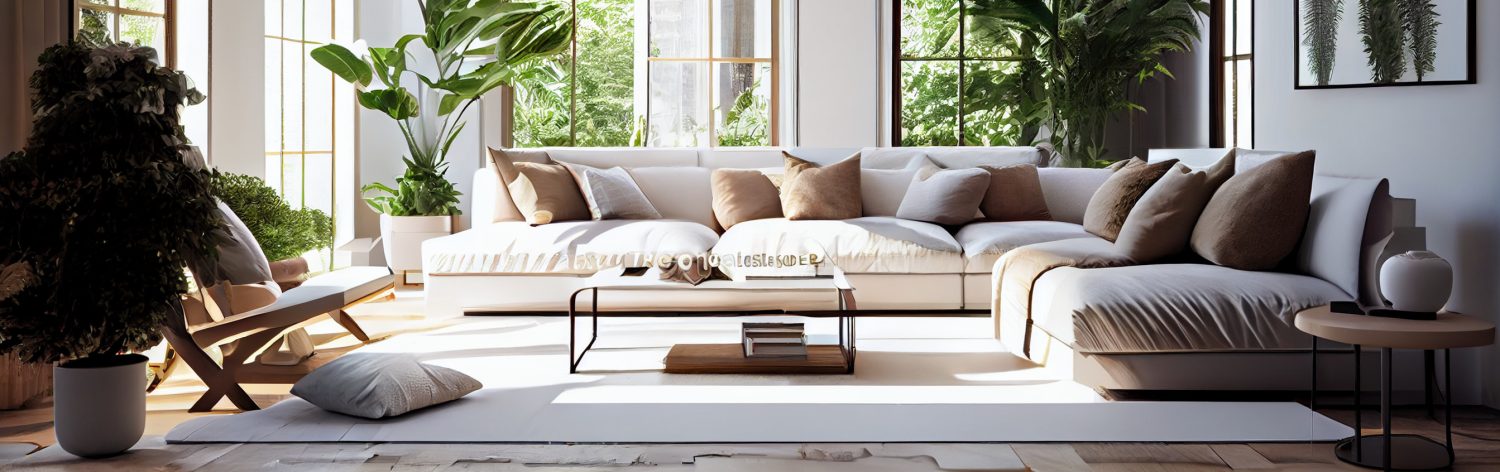

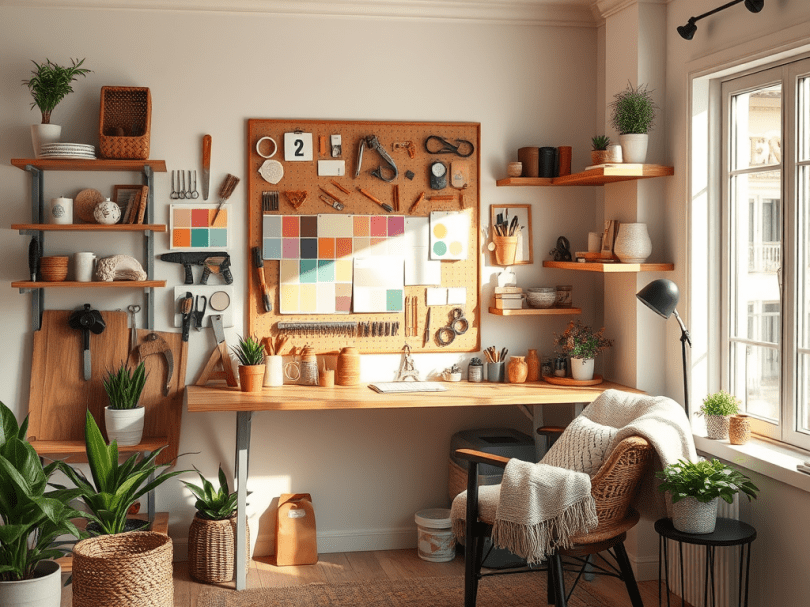
So, you purchased a home. You have all these ideas regarding how you would like to improve your home. Where do you begin? How do you prioritize? What expectations should you have? Where do you forget expectations and go with the flow?
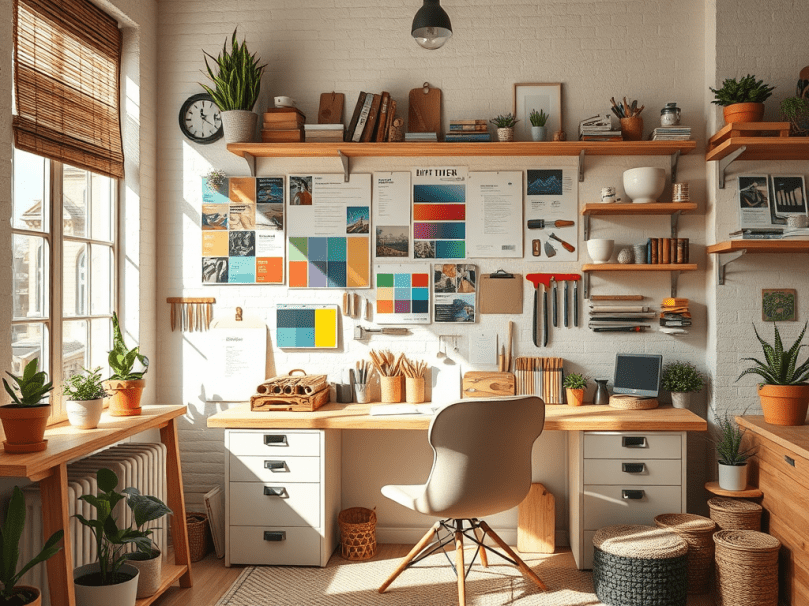
Welcome to the incredible—and sometimes chaotic—world of homeownership. It’s equal parts exciting and overwhelming, especially when your mind is racing with ideas: painting walls, updating the kitchen, refreshing floors, or creating the perfect outdoor space. But DIYing your home isn’t just about watching tutorials and grabbing supplies from your local home store—it’s about balance, planning, and allowing space for flexibility.
Start with a Vision, Not a To-Do List
Before you run out and buy a cartload of paint samples and wood stain, take a breath. What do you want your home to feel like? Cozy and rustic? Sleek and modern? Boho and relaxed? Defining the vibe and general direction of your decor will help you make consistent decisions throughout your DIY journey.
Create a mood board—either physical or digital—with color palettes, room inspirations, and product ideas. Pinterest is a great place to gather and organize thoughts. This vision board becomes your DIY compass.
Prioritize Projects That Impact Daily Living
The temptation to start with the most fun project is real. But smart DIYers know that function should come before flair. Ask yourself:
- What space do I use the most?
- What’s currently not working in my home?
- Are there safety issues that need to be addressed?
Maybe the kitchen layout is awkward, or you desperately need storage in the hallway. Tackling functional improvements first gives you a smoother daily life while also building confidence in your DIY abilities.
Set Realistic Expectations
DIY doesn’t mean “quick fix.” It means being resourceful, creative, and often learning as you go. Give yourself permission to mess up. Projects might take longer than you expected. You’ll likely need to redo something—or maybe rethink it entirely. That’s okay.
If you work full-time or have a family, try this: focus on one area or project per month. It’s a manageable pace and gives you time to enjoy the results before rushing to the next thing.
Know When to Ditch the Plan
Here’s where the fun really begins—those moments where spontaneity leads to brilliant ideas. Maybe your plan for an all-white living room morphs into a cozy, moody space because you found a vintage navy blue couch at a thrift store. That’s the beauty of DIY: your home grows and evolves with you.
Allow flexibility in your schedule and your design. Some of the most unique homes aren’t the ones that followed a strict blueprint—they’re the ones where personality showed up unexpectedly.
DIY Doesn’t Mean Doing It Alone
One of the biggest myths in home improvement is that DIY means you have to do it yourself. In reality, DIY is about choosing what you can and want to do yourself and knowing when to bring in help. Whether it’s watching YouTube videos, asking a friend for a hand, or hiring someone for the tricky parts, leaning on others doesn’t take away from the DIY spirit—it just makes it more sustainable.
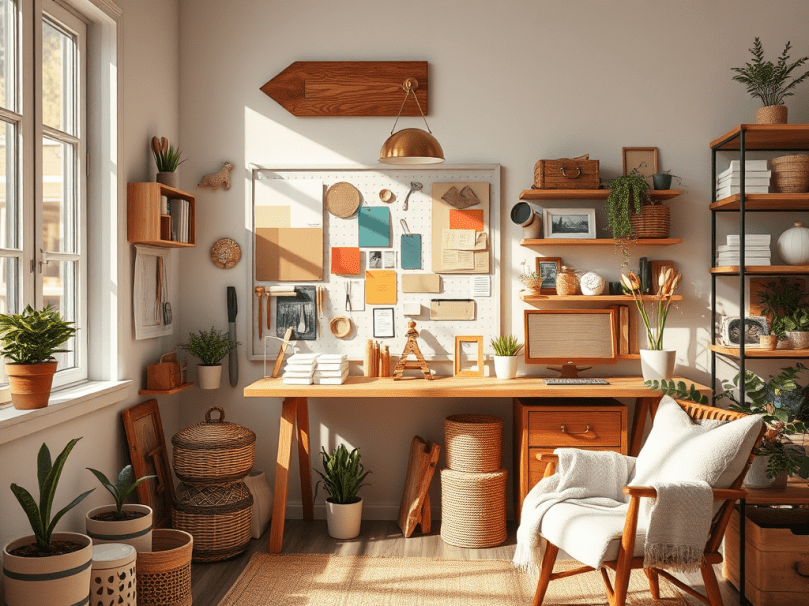
Final Thoughts: Enjoy the Journey
DIYing your home is a marathon, not a sprint. There will be late-night painting sessions, moments of doubt, and unexpected costs. But there will also be incredible pride when you sit on a bench you built yourself or see a room transform because you brought your ideas to life.
Give yourself grace. Be proud of every small victory. And most importantly, make your home a reflection of you—flaws, flair, and all.
Want to stay inspired on your DIY journey? Check out our daily blog for more inspiration to help you tackle your next project. www.discoveringlifellc.com | Your home, your story, your style.









 Discoveringlifellc