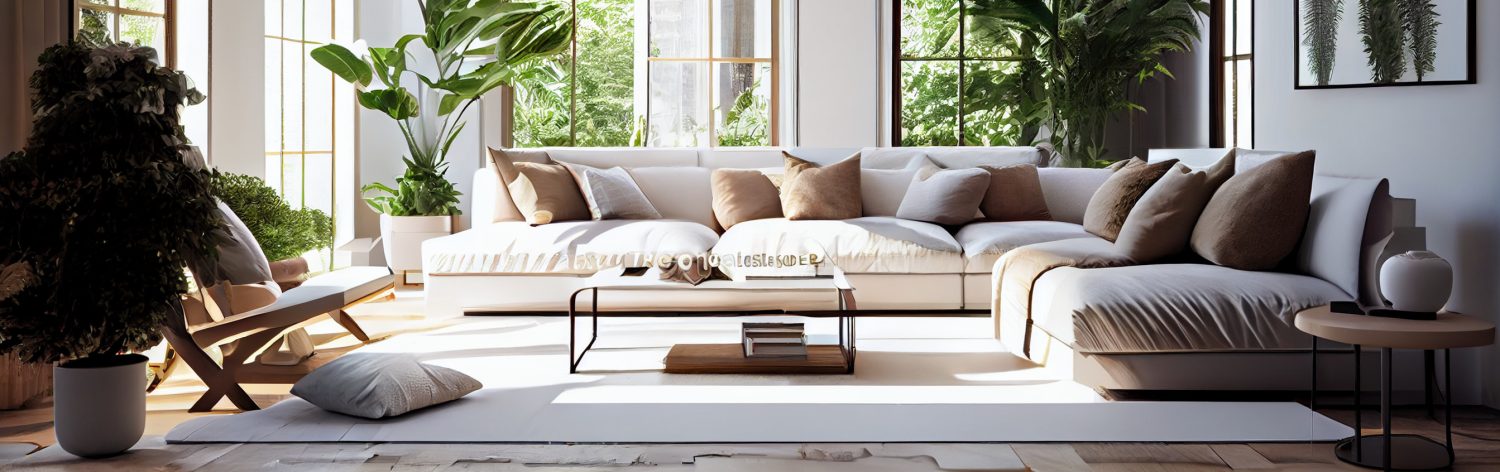

Summerizing Your Home: Smart, Cost-Effective Ways to Beat the Heat


When temperatures soar, most of us instinctively crank up the AC. But what if you could prepare your home for summer the same way we “winterize” it for the cold months—only this time, with comfort, efficiency, and cost savings in mind?

That’s where “summerizing” your home comes in.

What Is Summerizing?

We talk a lot about winterizing—insulating pipes, sealing drafts, and switching out bedding. Summerizing is the warm-weather version. It means prepping your home to stay cool, reduce energy usage, and maintain comfort all season long. And the best part? You can do it without breaking the bank.

Here’s How to Summerize Your Home in a Budget-Friendly Way:


1. Use Window Treatments Strategically

  • Block direct sunlight. Use blackout curtains, thermal shades, or light-colored drapes to reflect heat away from your home.
  • Open up at night. When temperatures drop, open windows to let in cooler air—especially if you live in a dry climate.

2. Seal and Insulate (Yes, Even in Summer!)

  • You’re not just keeping cold air out in winter—you’re keeping cool air in during summer.
  • Check for gaps around windows and doors. A few bucks spent on weatherstripping and caulk can reduce the load on your AC significantly.

3. Swap Out Bedding and Fabrics

  • Pack away flannel and fleece and bring out breathable cottons and linens.
  • Use lightweight throws and summer-friendly pillows to avoid trapping heat while you sleep.

4. Upgrade to LED Bulbs

  • Traditional incandescent bulbs emit heat. LED bulbs not only save on your energy bill but also help keep rooms cooler.

5. Cook Smart

  • Avoid the oven. Summer is the perfect time for salads, slow cooker meals, or using your grill.
  • Even small changes—like using a microwave instead of your stove—can reduce indoor heat.

6. Reverse Ceiling Fans

  • Set your ceiling fans to rotate counterclockwise during summer. This pushes cool air down and helps you feel up to 4°F cooler.

7. Shade Your Home from the Outside

  • Plant fast-growing shade trees near windows or invest in outdoor shades or awnings.
  • Reflective window film is also a low-cost, low-effort solution to reduce solar heat gain.

8. Maintain Your AC or Use Smart Cooling Alternatives

  • Change your air filters regularly and get your system serviced once a year.
  • If central air isn’t in the budget, portable AC units, evaporative coolers, or window fans can work wonders in smaller spaces.

9. Create Cross-Ventilation

  • Open windows across from one another to encourage airflow.
  • Use fans to help move air through your home, especially in early morning or late evening hours.

10. Go Green (Literally)

  • Add indoor plants like ferns, peace lilies, or snake plants that naturally cool the air and improve humidity levels.

Final Thoughts

Summerizing your home doesn’t require a complete overhaul—it’s all about small, intentional changes that make a big difference. With just a few upgrades, swaps, and clever hacks, your space can stay cooler, your energy bills can stay lower, and your summer can feel a whole lot more enjoyable.

So this year, don’t just prepare for winter—summerize your space and stay chill all season long.


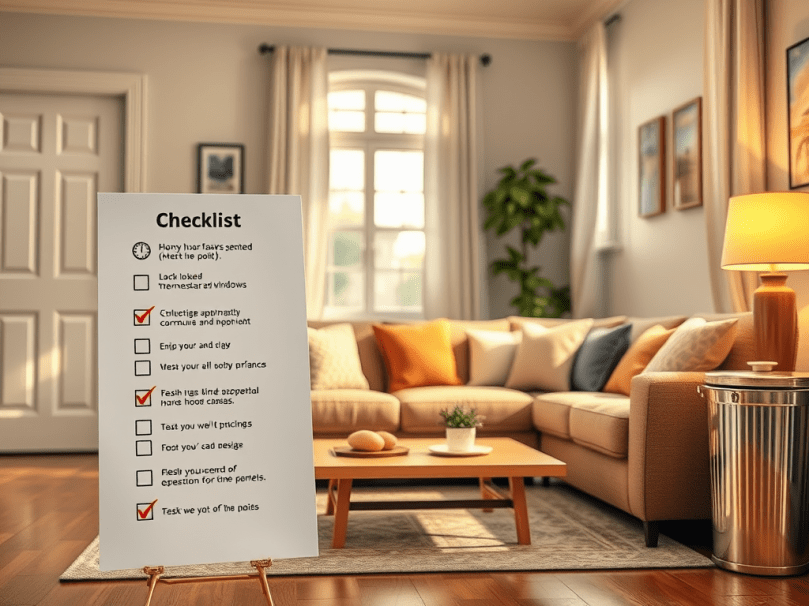
How to Prepare Your Home When You Travel: A Must-Do Checklist


There’s nothing quite like the excitement of getting ready for a trip—booking flights, packing bags, planning excursions. But before you grab your suitcase and lock the door, it’s essential to make sure your home is properly prepared for your time away. Whether you’re going on a weekend getaway or a long vacation, taking the time to get your house in order can protect your space, save you money, and offer peace of mind while you’re gone.

Why Preparing Your Home Before Traveling Matters

Leaving your home unprepared can result in avoidable issues—anything from spoiled food and high utility bills to security concerns or even water damage. Preparing your home ensures that everything is secure, systems are running efficiently (or shut down if necessary), and you’re not coming home to an unpleasant surprise.

Key Things to Do Before You Travel

1. Secure All Doors and Windows

This sounds obvious, but it’s easy to overlook a small window or side door when you’re rushing to catch a flight. Do a full walkthrough of your home and check that every window and door is locked securely.

2. Adjust the Thermostat

There’s no need to heat or cool your home as if you’re there. Adjust your thermostat to save energy. For winter travel, keep it warm enough to prevent pipes from freezing. In summer, keep humidity at bay with a slightly higher AC setting.

3. Unplug Small Appliances

Unplug devices like toasters, coffee makers, chargers, and entertainment systems. Not only does this save on energy costs, but it also reduces the risk of electrical fires.

4. Take Out the Trash

No one wants to return to a stinky home. Make sure to empty all your garbage bins and clean out the fridge of any perishables that will expire while you’re away.

5. Put Lights on Timers

Invest in a few smart plugs or light timers to create the illusion that someone is home. This is a simple but effective deterrent against break-ins.

6. Pause Deliveries

A pile of packages or newspapers on your doorstep is a clear sign that no one’s home. Pause subscriptions and deliveries or ask a neighbor to pick them up for you.

7. Set Up Security Measures

If you don’t already have a home security system or video doorbell, consider installing one. Many modern systems let you monitor your home right from your phone and alert you to suspicious activity.

8. Notify a Trusted Friend or Neighbor

Let someone you trust know that you’ll be away. They can keep an eye on your home, water your plants, or even bring in the mail. Some people even choose to have someone stay in their home if it’s a longer trip—especially if they have pets or need regular upkeep.


Should You Let Someone Stay in Your Home?

This depends on your comfort level. If you have a family member or close friend you trust, having them house-sit can be a great option. They can keep everything running smoothly—feeding pets, handling any emergencies, and ensuring your home doesn’t appear vacant. Just be sure to set clear expectations, leave emergency contacts, and walk them through any quirks in your home systems.


Final Thought: Peace of Mind Is Worth the Effort

Travel is about relaxing, exploring, and enjoying something new. The last thing you want is to spend your trip worrying about whether you left the stove on or if someone’s collecting your mail. A few simple preparations can go a long way in protecting your home—and your peace of mind—while you’re away.

So the next time you’re planning to travel, remember: your vacation begins with a well-prepared home.


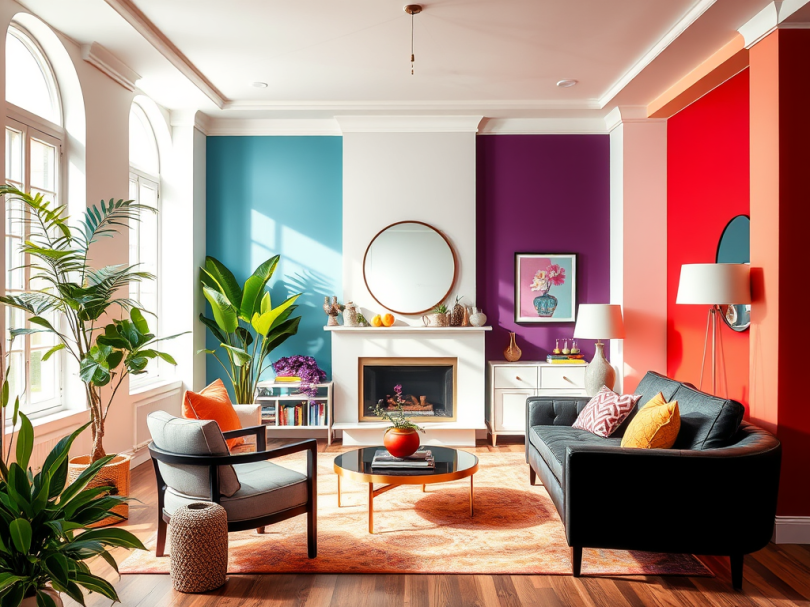
The Meaning of Colors: What Your Decor Might Be Saying


Have you ever walked into a room and instantly felt calm… or maybe energized, cozy, or even uneasy? That’s the power of color at work. The colors you surround yourself with don’t just make your space look good—they influence how you feel, think, and even behave.

Whether you’re picking paint for your walls, styling a new room, or just curious about what your favorite colors might say about you, understanding the meaning of colors can help you create a home that truly reflects and supports who you are.


Green – Balance, Growth, and Renewal

Green is the color of nature, and it brings harmony and freshness into a space. It’s perfect for living rooms, offices, or bathrooms—anywhere you want to feel relaxed and refreshed. Want to boost a sense of well-being? Add plants or accents in calming sage or deep forest green.


Yellow – Energy, Joy, and Optimism

Yellow is like sunshine in decor form. It lifts moods, sparks creativity, and adds cheerfulness. This color is great for kitchens, breakfast nooks, and kids’ play areas. Just remember—a little goes a long way. Overusing bright yellow can feel overwhelming.


Blue – Peace, Trust, and Calm

Blue is one of the most popular colors in home design, and for good reason. It evokes calm and serenity, especially in lighter shades. Navy adds sophistication, while soft blues promote tranquility—perfect for bedrooms and bathrooms.


Red – Passion, Power, and Excitement

Red is bold, intense, and full of emotion. It’s a great accent color for dining rooms or areas where you want to spark conversation and energy. However, too much red can be overstimulating, so balance it with neutrals or softer tones.


Purple – Luxury, Creativity, and Spirituality

Historically tied to royalty, purple is both luxurious and mysterious. It works beautifully in bedrooms, meditation spaces, or artistic corners of the home. Lavender brings softness and romance, while deeper purples convey drama and depth.


White – Purity, Simplicity, and Cleanliness

White opens up spaces, promotes clarity, and acts as a blank canvas for other elements. While it can feel sterile on its own, layering whites with textures or warmer tones makes it feel inviting and peaceful—perfect for minimalist or modern styles.


Black – Strength, Elegance, and Sophistication

Used thoughtfully, black adds drama and depth. It can ground a room and create contrast, especially when paired with lighter tones. Black accents or furniture can make a statement without overwhelming a space.


Orange – Warmth, Vitality, and Creativity

Orange is a friendly, high-energy color that’s great for social spaces like living rooms or home gyms. Terracotta or burnt orange shades feel cozy and modern, while brighter oranges scream fun and playfulness.


Brown – Stability, Comfort, and Earthiness

Brown tones—especially in wood furniture or decor—add warmth and grounding energy to your home. It’s comforting and timeless, making it ideal for dens, libraries, or any space where you want to feel secure.


Pink – Compassion, Love, and Softness

Pink can be sweet or sophisticated, depending on the shade. Blush tones are great for calm, romantic spaces, while brighter pinks offer a pop of playfulness and charm. Don’t be afraid to explore this color beyond just nurseries!


Final Thoughts: What Is Your Home Saying?

When decorating, you’re not just choosing a look—you’re crafting a feeling. The colors you choose communicate emotions, values, and even dreams. So take a moment, look around your home, and ask yourself: Does this feel like me?

If not, it might be time to pick up a paintbrush, swap out some throw pillows, or rethink your color palette. Because at the end of the day, your home should reflect not only your style—but also your soul.


How to Choose the Right TV Size for Your Room


Find the perfect screen size for comfort, clarity, and your home’s style.

When it’s time to upgrade your TV, one of the biggest decisions you’ll face is: What size should I get? While it’s tempting to go big and bold, the right TV size is more than just a number—it’s about your space, viewing distance, and how your TV fits with your lifestyle and room aesthetic.

Here’s how to choose the right TV size for your room so you can enjoy every show, movie, and game in maximum comfort.


1. Measure Your Viewing Distance

The most important factor in choosing a TV size is how far away you’ll be sitting from the screen. As a general rule, the ideal viewing distance is about 1.5 to 2.5 times the diagonal screen size for HD TVs—and 1 to 1.5 times for 4K TVs (because they have higher resolution and can be viewed up close without loss of clarity).

Quick reference for 4K TVs:

  • 43″ TV → Best for 3.5–5.5 feet away
  • 50″ TV → Best for 4–6.5 feet away
  • 55″ TV → Best for 4.5–7 feet away
  • 65″ TV → Best for 5.5–8.5 feet away
  • 75″ TV → Best for 6.5–10 feet away

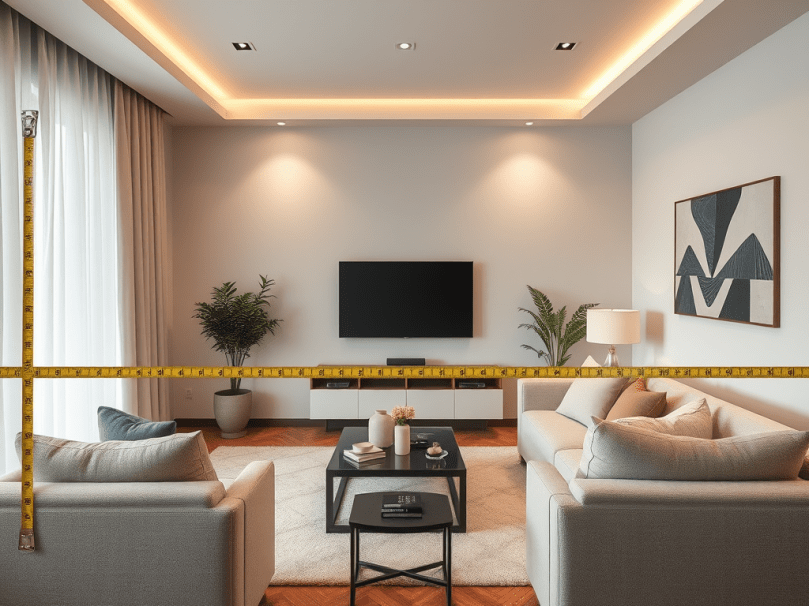
Tip: Use a tape measure to find your typical seat-to-wall distance and work backward to find the most comfortable size.


2. Match the TV to Your Room Size

A huge screen in a small room can feel overwhelming, while a tiny TV in a large space might be underwhelming. Consider both width and height of your wall or entertainment area:

  • Small Bedrooms & Kitchens: 32″–43″
  • Apartments or Medium Living Rooms: 50″–65″
  • Large Living Rooms or Open-Concept Spaces: 65″–85″+

Don’t forget ceiling height and wall space. Will your TV be mounted or sit on a stand? Are there windows that create glare? These details will help narrow your choices.


3. Think About Your Room Layout

TV size isn’t just about the screen—it’s about how it fits visually in your space.

Ask yourself:

  • Will the screen dominate the room or complement it?
  • Do you have wall decor, shelving, or speakers that need to share that space?
  • Will furniture placement allow for straight-on viewing, or will you be watching at an angle?

A TV that’s too large can throw off the balance of a room’s design. Aim for symmetry and scale—your TV should enhance your space, not overpower it.


4. Factor in Resolution

Higher resolution TVs (like 4K or 8K) allow you to sit closer without noticing pixels, meaning you can go slightly bigger than older HD sets. If you’re choosing between a 55” HD and a 65” 4K and you have limited space—go 4K.


5. Don’t Forget Your Style

A massive screen may appeal to your inner movie lover, but if you’re someone who loves clean lines, minimalism, or cozy aesthetics, you may prefer a more modest screen size. Consider:

  • Frame-style TVs that look like art when not in use
  • TV cabinets or media consoles to downplay the screen when it’s off
  • Matching your TV with the room’s color palette or wall decor for a seamless look

Final Thought: Bigger Isn’t Always Better

Yes, a giant screen is fun—but comfort, style, and your actual space should always lead the decision. The best TV size is one that fits your room, your lifestyle, and your personal taste. Measure first, plan smart, and choose a screen you’ll love to live with every day.


Bonus: Use This Quick Formula!
Want a super simple way to estimate the right size? Try this formula:

TV size (in inches) = Viewing Distance (in inches) ÷ 1.5 (for 4K TVs)

So, if your sofa is 96 inches (8 feet) from your TV wall:
96 ÷ 1.5 = 64″ → A 65” 4K TV is a perfect fit!


Carpet vs. Hardwood Flooring: Which One Is Right for Your Home?

When it comes to choosing flooring, the decision between carpet and hardwood can feel like picking sides in a timeless home design debate. Both options offer unique benefits—and both have their loyal fans. So, how do you decide which one belongs in your space? Is hardwood still the “it” flooring, or is cozy, plush carpeting making a fashionable comeback?

Let’s explore the pros, cons, trends, and personal lifestyle considerations that go into choosing between carpet and hardwood flooring.


The Classic Appeal of Hardwood Flooring

Why people love it:
Hardwood flooring has long been considered the gold standard for timeless elegance. Whether you’re into farmhouse chic, modern minimalism, or a transitional blend, hardwood fits almost every aesthetic.

Pros:

  • Long-lasting and durable
  • Adds value to your home
  • Easy to clean
  • Pairs well with area rugs for warmth and style
  • Available in many shades, wood types, and plank widths

Cons:

  • Can be noisy underfoot
  • Feels cold in cooler climates
  • Prone to scratches and dents
  • More expensive to install

Is it still trendy?
Absolutely. Hardwood is not going out of style anytime soon. Trends within hardwood flooring—such as wide planks, lighter stains, and matte finishes—are evolving, but the material itself remains a staple. In fact, it’s often the first thing buyers look for when touring a home.


The Comfort and Style of Carpet

Why people love it:
Carpet brings instant warmth and softness to a room. It’s especially loved in bedrooms and family rooms where coziness is key.

Pros:

  • Soft and quiet underfoot
  • Great insulation and warmth
  • More affordable than hardwood
  • Safer for children or older adults (less risk of slipping)

Cons:

  • Can stain or wear over time
  • Requires more frequent deep cleaning
  • May hold allergens like dust and pet dander
  • Styles can look outdated if not chosen carefully

Is carpeting making a comeback?
Yes! Carpet has had a glow-up in recent years. Today’s options include low-pile modern carpets, patterned styles, and eco-friendly materials that are far from the shag carpets of decades past. While it may not be trending in every room, it’s definitely a stylish and functional choice for bedrooms, home offices, and even stairs.


How to Decide: Carpet or Hardwood?

  1. Consider the room’s function.
    • Hardwood works well in high-traffic areas like kitchens, living rooms, and hallways.
    • Carpet is ideal for bedrooms, basements, or any space where comfort and quiet are priorities.
  2. Think about your lifestyle.
    • Do you have pets or kids? Hardwood is easier to clean, but carpet may be more forgiving for falls and rough play.
    • Allergy concerns? Hardwood is better for reducing dust and allergens.
  3. Evaluate your climate.
    • If you live in a colder area, carpet can help keep rooms warm and cozy.
    • In humid climates, hardwood may expand and contract—engineered wood might be a better alternative.
  4. Weigh your budget.
    • Carpeting generally costs less upfront.
    • Hardwood has a higher resale value and can be a long-term investment.
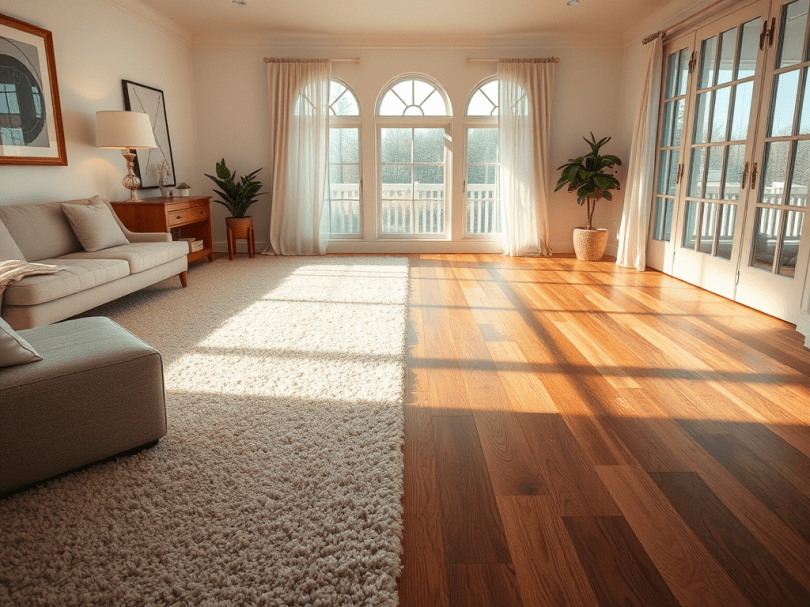
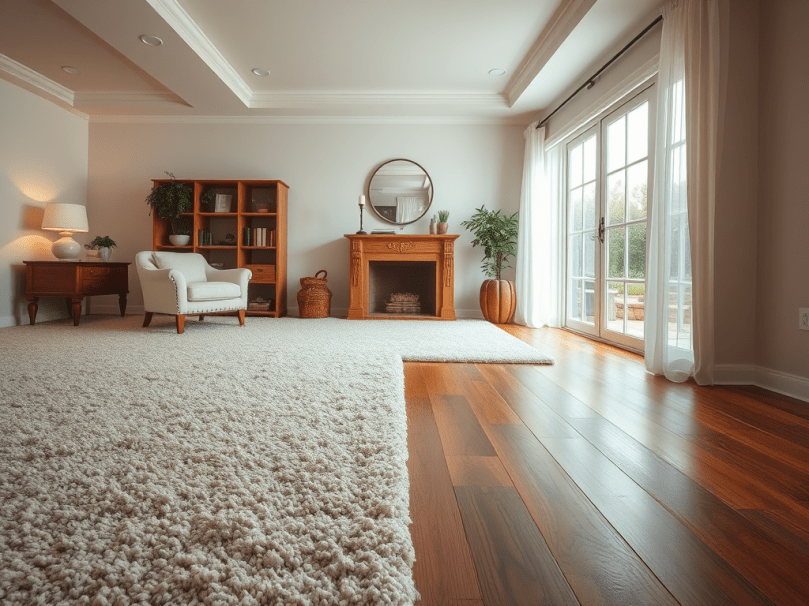
  5. Blend both.
    • Many homeowners opt for hardwood throughout the main areas and use carpeting in the bedrooms. This creates a stylish, practical, and comfortable balance.

Final Thoughts

There’s no right or wrong answer in the carpet vs. hardwood debate—it all depends on your needs, taste, and lifestyle. Hardwood flooring continues to be a timeless and high-demand choice, but carpet isn’t going anywhere. In fact, it’s evolving with modern trends and bringing comfort and style to spaces that call for it.

Whether you’re leaning toward sleek planks or plush piles, make your choice based on the way you live—not just the latest trends.


Stay stylish. Stay comfortable. Stay you. Visit www.discoveringlifellc.com for more tips on transforming your home with confidence and comfort.