
Shades of Gray: How Many Are There and How to Incorporate Them in Your Home


Gray is one of the most versatile and timeless colors in interior design. From cool steel tones to warm greiges, gray can serve as a foundation or an accent, bringing balance, sophistication, and calm to any space. But how many shades of gray are there? And how can you make the most of them in your home?

Let’s explore the world of gray—how to use it, what colors go best with it, and clever design tricks to make gray anything but boring.

How Many Shades of Gray Are There?

While it might seem like there are just a few grays, the truth is that there are hundreds of shades, each with its own undertone and mood. Paint companies like Benjamin Moore, Sherwin-Williams, and Behr offer dozens of unique grays, ranging from:

  • Cool Grays – With blue or green undertones, these feel crisp and clean.
  • Warm Grays – Also called “greige” (gray + beige), these have hints of brown or taupe for a cozy vibe.
  • True Grays – Perfectly balanced without strong warm or cool tones.
  • Charcoal Grays – Deep, dramatic, and moody.
  • Pale Grays – Light and airy, ideal for small or dark rooms.

Why Gray Works in Any Space

Gray is a neutral, meaning it can ground a room without overwhelming it. It also allows other colors, patterns, and textures to shine. Whether you’re decorating a minimalist modern home or a farmhouse-inspired space, gray adapts and enhances.


Colors That Compliment Gray—and Why They Work

  1. White – Creates a fresh, crisp look. Great for trim, furniture, or layering with different shades of gray.
  2. Blush Pink – Adds warmth and softness to cool grays.
  3. Navy Blue – Deep and rich, navy pairs well with light grays for a timeless contrast.
  4. Mustard Yellow – Brings energy and a pop of color to charcoal or true gray backdrops.
  5. Forest Green – Works beautifully with gray for a grounded, natural vibe.
  6. Black – For a monochromatic and dramatic design statement.

These pairings work because gray acts as a chameleon, either cooling or warming up depending on what it’s paired with. It allows bolder hues to stand out and softer ones to blend seamlessly.


Tips and Tricks for Decorating with Gray

  1. Layer Your Grays
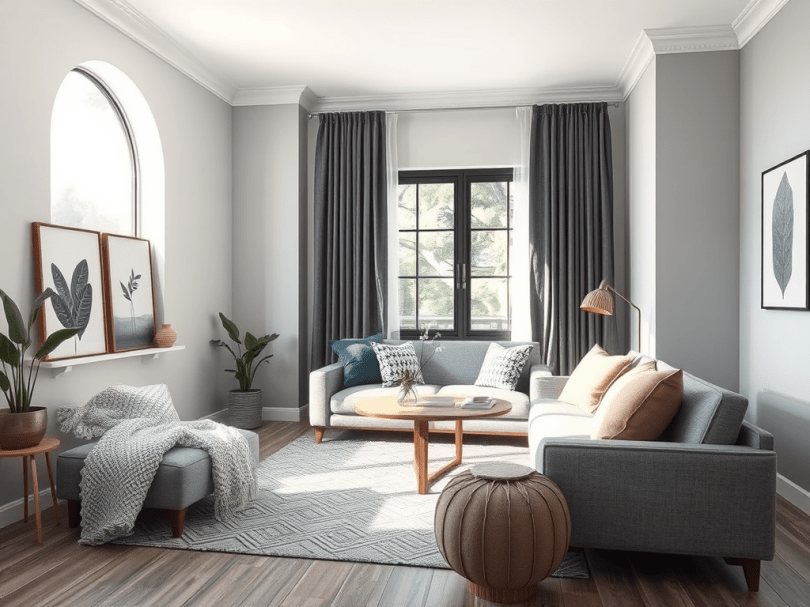
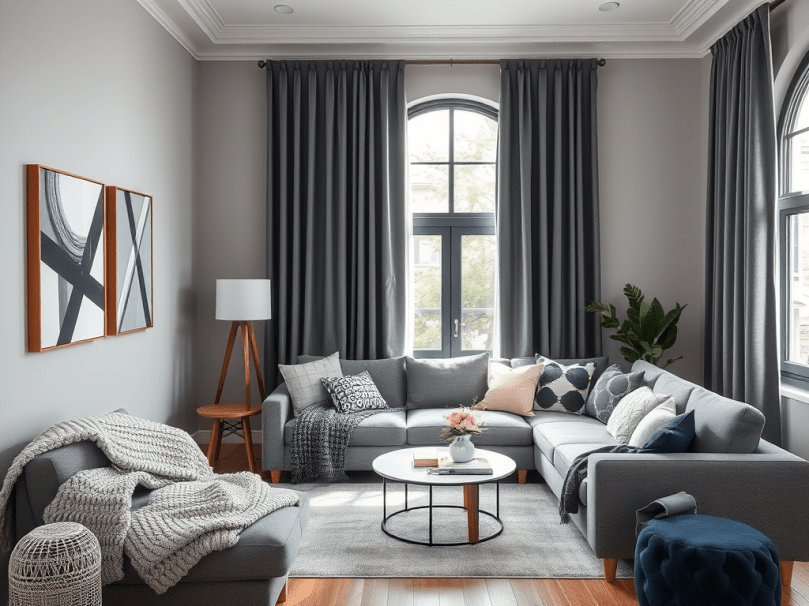
    Mix different shades of gray in one room—light gray walls, a medium gray sofa, and dark gray curtains—to create depth and interest.
  2. Use Texture to Add Warmth
    Gray can feel cold if overused. Add texture with knits, wovens, wood, or metallic accents to keep the space inviting.
  3. Gray as a Canvas
    Use gray walls or furniture as a neutral canvas to rotate seasonal accents like pillows, throws, or wall art.
  4. Go Bold in Small Spaces
    Charcoal gray or slate can create a cozy, dramatic vibe in powder rooms, bedrooms, or even a hallway.
  5. Balance with Natural Light
    Cooler grays work well in sun-drenched rooms, while warmer grays are ideal for spaces with less natural light.
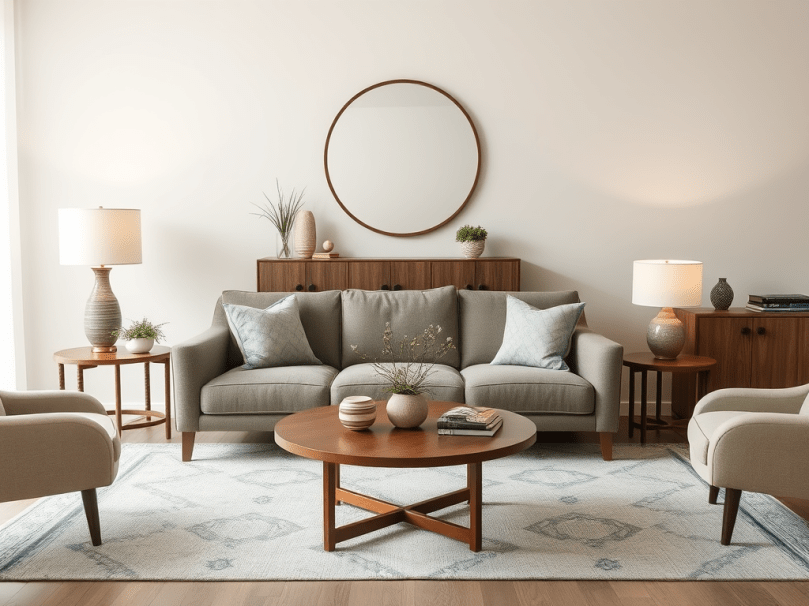
  6. Pair Gray with Wood Tones
    Gray and natural wood are a match made in design heaven. Whether it’s reclaimed barn wood, oak, or walnut, the earthy tones soften gray’s coolness.

Room-by-Room Gray Inspiration

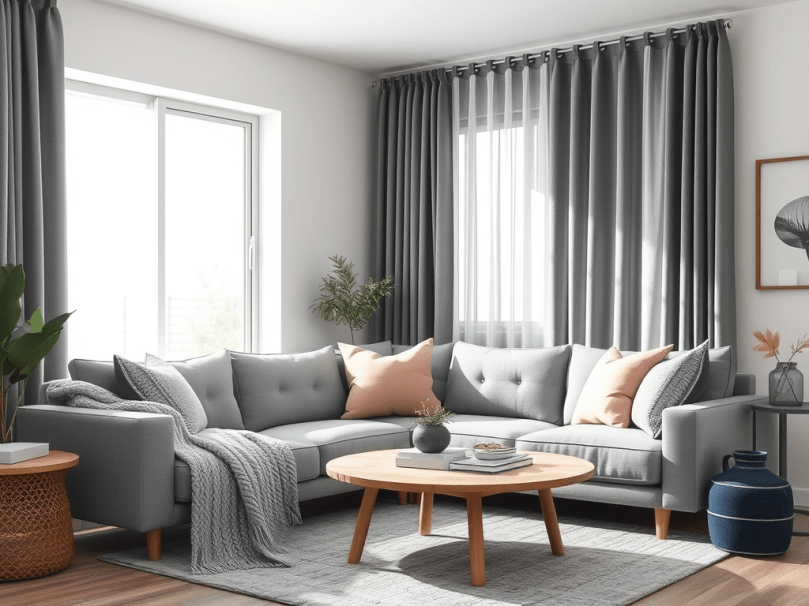
  • Living Room: A pale gray sectional with mustard and navy accents.
  • Bedroom: Greige walls with soft pink bedding and gold hardware.
  • Bathroom: Charcoal gray tiles with white fixtures and wood shelves.
  • Kitchen: Gray cabinets with white countertops and brass hardware.
  • Office: Mid-tone gray walls with black furniture and green plants for a sleek, focused feel.
Final Thoughts

Gray isn’t just one color—it’s a whole palette. Whether you love soft, airy tones or bold, moody statements, there’s a shade of gray that fits your style. With the right combinations and a few design tricks, gray can be anything but dull.

Let it be the neutral backbone of your home or the bold statement piece—it all depends on how you use it.
10 Cheap Ways to Organize Your Home Without Breaking the Bank (and Still Make It Look Chic)


Are you tired of clutter but don’t want to spend a fortune getting your home organized? Good news—home organization doesn’t have to cost a lot. With a little creativity and a few budget-friendly supplies, you can transform your space into a tidy, functional haven that still looks stylish.

A Personal Story: Chic on a Dollar Store Budget

Let me take you back to one Saturday afternoon when I walked into a local dollar store with only $20 in hand and a mission to revamp my cluttered entryway and bathroom. I wasn’t expecting much, just some bins or baskets to help organize the mess—but what I found felt like a small treasure hunt.

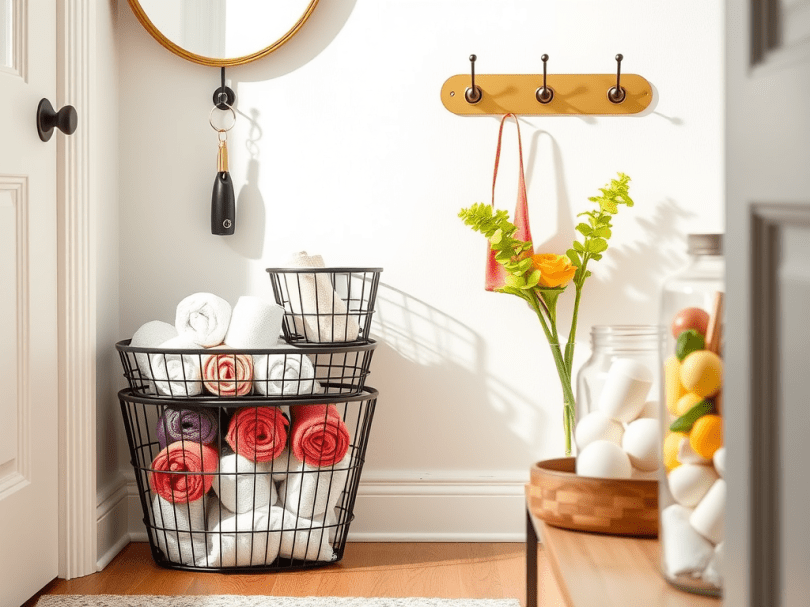
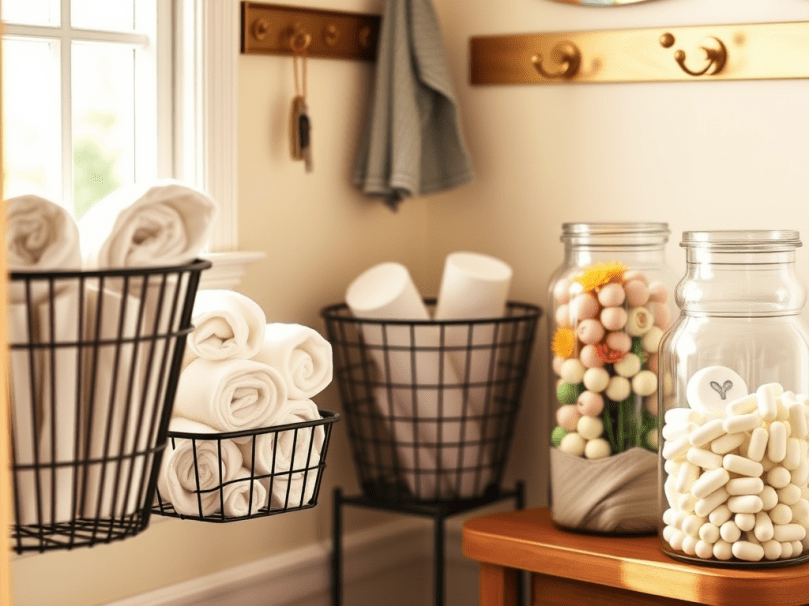
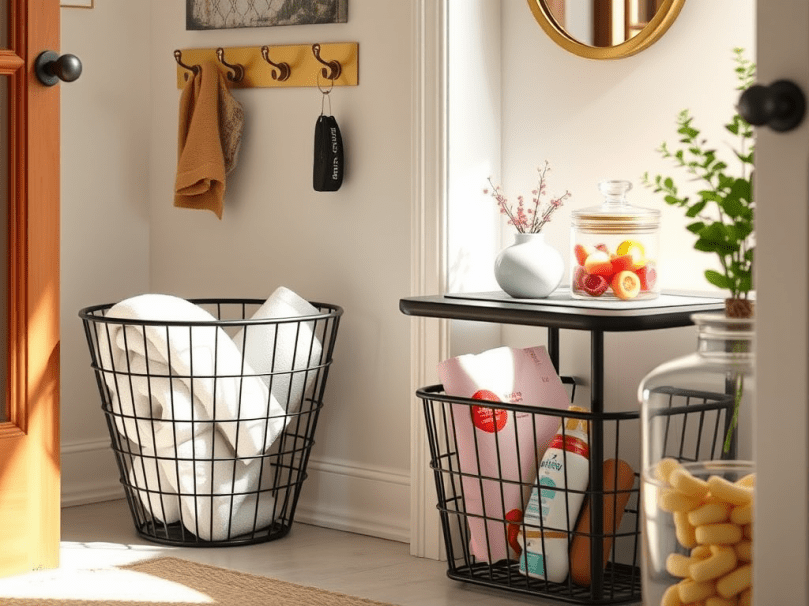
First, I spotted matte black wire baskets that looked nearly identical to some I’d seen at a trendy home decor store—except these were just $1.25 each. I grabbed four immediately, envisioning them holding rolled hand towels in the bathroom and cleaning supplies in the pantry.

Then I came across some sleek, brushed gold adhesive wall hooks. They had a high-end look but were super affordable, and I used them to create a mini key station near the door. I even added a cute “Welcome Home” printable above it to give the space a finished look.

But the real gem? A collection of clear glass jars in various shapes and sizes. I used them to organize my cotton swabs, bath salts, and even a few makeup brushes. Paired with faux eucalyptus stems (also from the dollar store), my bathroom went from basic to spa-like—all on a budget.

That experience reminded me that with a bit of vision and a tight budget, you really can make your home feel stylish, organized, and uniquely yours.


10 Cheap Ways to Organize Your Home

Here are my go-to, budget-friendly organization hacks that help bring order and style to your space:

1. Use Baskets and Bins from Dollar Stores

Whether it’s for your pantry, bathroom, or under the sink, you can find stylish bins and baskets for just a few bucks. Choose matching colors or textures for a cohesive look and label them for easy access.

2. Repurpose Glass Jars and Containers

Don’t toss out those empty sauce or jam jars! Clean them up and use them to store cotton balls, spices, office supplies, or small pantry items. Bonus: They double as decor on open shelves.

3. DIY Drawer Dividers

Use cardboard, foam board, or old cereal boxes to create custom drawer dividers. Cover them with decorative paper or contact paper for a more polished finish. These are perfect for organizing socks, makeup, or office supplies.

4. Hang Hooks for Instant Storage

Stick-on hooks (especially those with gold or matte finishes) look great and serve a purpose. Use them behind doors, inside cabinets, or in closets to hang keys, bags, utensils, or towels.

5. Use Shoe Organizers Creatively

An over-the-door shoe organizer is a secret weapon. Use it in the pantry for snacks, in the bathroom for toiletries, or in the kid’s room for toys and craft supplies. Every pocket gives you more space.

6. Corral Cords with Toilet Paper Rolls

Cut down on cable chaos by storing cords and chargers in empty toilet paper rolls. Label each one with the type of device and tuck them in a shoebox for neat, no-cost tech organization.

7. Turn Boxes into Chic Storage

Wrap old shoeboxes or packaging boxes in contact paper or leftover fabric to create beautiful storage bins. They’re great for shelves, closets, or under-bed storage and cost next to nothing.

8. Use a Pegboard for Wall Storage

A pegboard is one of the most versatile (and affordable) organization tools you can find. Mount one in your kitchen, office, or craft room and add hooks or baskets to store tools, supplies, or even mugs.

9. Mason Jar Bathroom Caddy

Mount mason jars on a piece of wood or attach them directly to the wall. Use them for toothbrushes, Q-tips, or makeup brushes to keep your bathroom counter clean and chic.

10. Label Everything

No matter what you’re organizing, labels help keep the system in place. Use a label maker, printable labels, or even masking tape and a sharpie. It’s a simple touch that makes everything feel more intentional.


Stylish Dollar Store Finds That Made a Difference in My Home:

  • Matte Black Wire Baskets – Used in the pantry and bathroom for a minimalist look.
  • Brushed Gold Wall Hooks – Instant style and function for keys, hats, and accessories.
  • Glass Jars with Lids – Perfect for bathroom vanity storage and open kitchen shelving.
  • Decorative Contact Paper – Transformed plain boxes into stylish storage.
  • Faux Greenery – Paired with glass vases to create centerpieces and shelf decor.

Final Thoughts

Organizing your home doesn’t have to be expensive. With a little imagination and some smart shopping at places like dollar stores, you can create beautiful, functional spaces that reflect your personality—on a shoestring budget. Whether you’re storing cotton swabs in glass jars or creating a command center with a few gold hooks, it’s all about making the most of what you have.


Should Everything Be the Same Shape? Mixing Shapes in Home Decor


When decorating your home, one of the most overlooked yet impactful elements is shape. We often focus on color, style, and texture — but the curves, edges, and angles of our furniture and decor quietly shape the vibe of the entire space.

This brings up an important question: Should everything in your home match in shape? In other words, should you stick with all square tables, round chairs, straight-line lamps, and rectangular mirrors? Or is it better to mix it up?

Let’s dig into it.

The Power of Shape in Home Design

Shapes create flow, balance, and energy.

  • Straight lines and sharp angles (like squares, rectangles, and sharp-edged furniture) tend to create a sense of order, structure, and modern sophistication.
  • Curves and soft edges (like round tables, oval mirrors, or arched doorways) invite warmth, relaxation, and softness into a room.

Both are beautiful in their own way — but it’s the combination of different shapes that often makes a space feel layered, personal, and thoughtfully designed.

Is It Good to Keep Everything One Shape?

If you love a clean, very minimal look, keeping most of your furniture in similar shapes (for example, lots of straight-edged pieces) can create a calm, cohesive feeling. It’s a great trick if you want a highly structured, modern, or ultra-minimalist home.

But sticking to only one shape can sometimes make a room feel flat or monotonous.
When everything is square, it can feel a little too rigid. When everything is round, it might start to feel overly whimsical without enough visual “anchors” to ground the space.

A home that looks and feels welcoming usually has a mix of shapes working together.

Why Mixing Shapes Works

Mixing shapes adds:

  • Visual Interest: Your eyes naturally move around the room, picking up the differences.
  • Balance: Hard lines balanced by soft curves create harmony.
  • Personality: Different shapes reflect different moods and styles, helping you tell a more layered story through your decor.

For example:
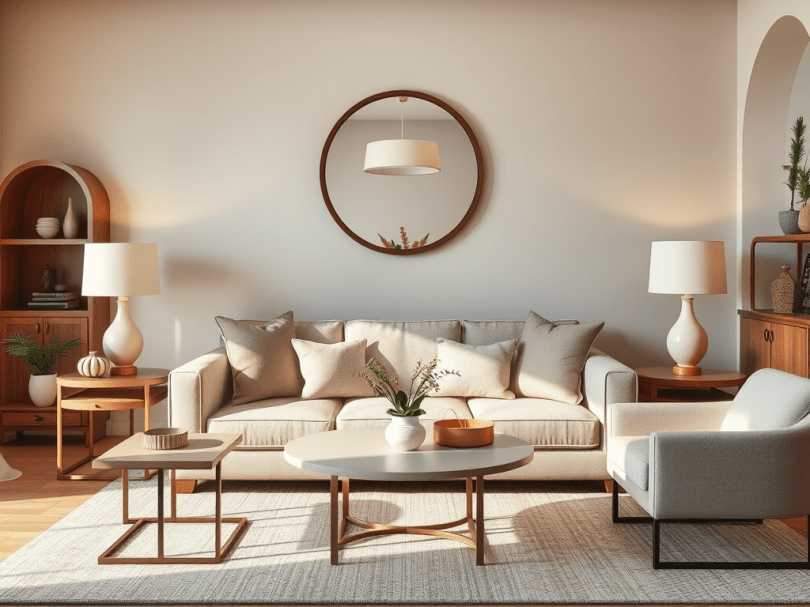
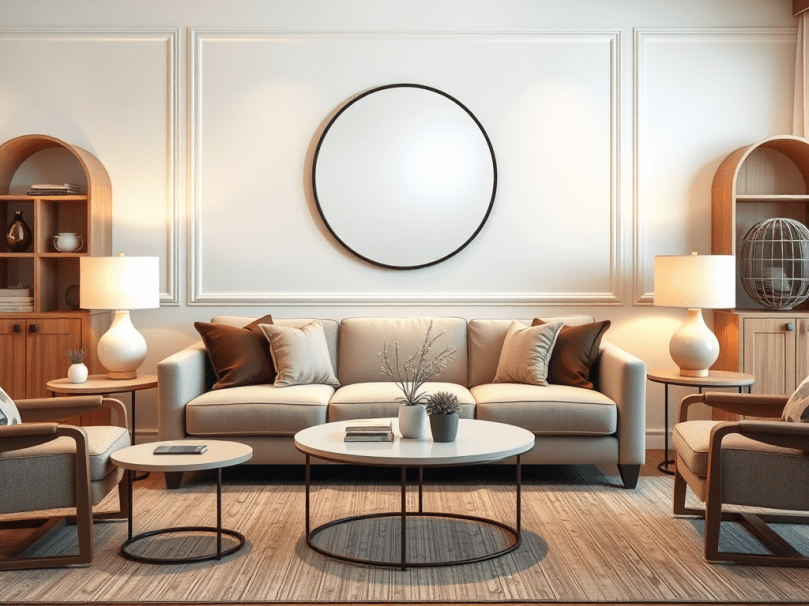
A rectangular coffee table can look amazing with a round side table next to it.
A square sofa can feel cozier when paired with a curvy floor lamp and an oval mirror above it.
A dining table with rounded corners can soften the strong angles of nearby cabinetry or windows.

Tips for Mixing Shapes in Your Home

  • Start with your main pieces: Choose a few bigger furniture items (like a sofa, dining table, or bed) in your preferred shape — straight or curved — and then bring in contrasting shapes through smaller items like chairs, mirrors, side tables, and light fixtures.
  • Use repetition: If you introduce a new shape, repeat it in at least one or two other places (like a round mirror + a rounded chair back). It creates a subtle rhythm without feeling matchy-matchy.
  • Keep the vibe consistent: Even if the shapes vary, try to keep the overall style (modern, rustic, vintage, minimalist) consistent to make everything feel intentional.

Final Thoughts

You don’t need every table, chair, lamp, and mirror to match in shape. In fact, it’s often better if they don’t.
The key is balance. A thoughtful blend of shapes adds life and personality to your home — making it feel less like a showroom and more like you.

So go ahead — pair that square coffee table with a round rug. Add an arched mirror above your straight-lined dresser. Let different shapes live together. That’s where the magic happens.


Top 5 Must-Have Alexa-Compatible Devices for a Modern Home


In today’s fast-paced world, smart homes are no longer just a trend — they’re a way of life. Whether you’re working from home, managing a busy household, or simply love having the latest tech at your fingertips, Alexa-compatible devices can completely transform the way you live. From controlling your lights to securing your home, Amazon Alexa makes it easy to automate tasks with just a simple voice command.

Ready to upgrade your home? Here are the top 5 must-have Alexa-compatible devices that blend convenience, style, and cutting-edge technology.


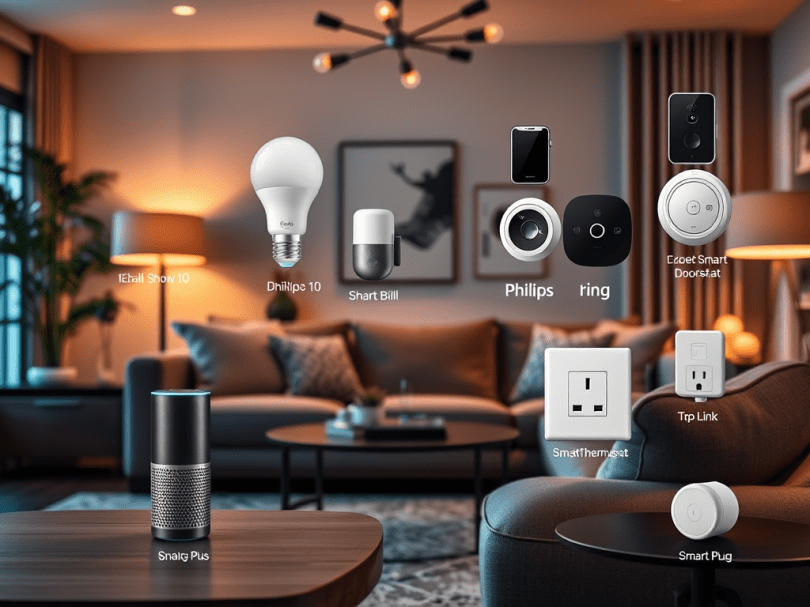
1. Echo Show 10 (3rd Gen)

If you’re looking for the ultimate smart home hub, the Echo Show 10 is it. With a 10.1″ HD screen that rotates to follow your movement, this device is perfect for video calls, recipe demonstrations, security monitoring, or even streaming your favorite shows.

Why It’s a Must-Have:

  • Seamless control of all your smart devices through voice or touch
  • Built-in camera with remote access for home monitoring
  • Acts as a digital photo frame when not in use

2. Philips Hue Smart Bulbs

Lighting sets the mood of any space, and Philips Hue smart bulbs allow you to customize your home lighting with ease. You can set schedules, change colors, and even create ambiance for parties, movie nights, or relaxation — all by just asking Alexa.

Why It’s a Must-Have:

  • Control brightness and color with voice commands
  • Set routines like “Wake Up” or “Goodnight” to automate your day
  • Energy-efficient and long-lasting

3. Ring Video Doorbell Pro 2

When it comes to home security, the Ring Video Doorbell Pro 2 is a game-changer. It gives you a high-resolution view of your front door, and Alexa can announce when someone is at the door, whether you’re home or away.

Why It’s a Must-Have:

  • Real-time notifications and live video streaming
  • Works seamlessly with Alexa for voice-activated alerts
  • Two-way talk and customizable motion zones for added security

4. ecobee SmartThermostat with Voice Control

Imagine adjusting the temperature without getting off the couch! The ecobee SmartThermostat not only saves you money on energy bills but also comes with built-in Alexa functionality, so it can do double duty as a smart speaker.

Why It’s a Must-Have:

  • Smart scheduling and occupancy detection
  • Integrated Alexa allows you to play music, set timers, and control other devices
  • Works with additional room sensors for whole-home comfort

5. TP-Link Kasa Smart Plug

Small but mighty, the Kasa Smart Plug turns almost any device into a smart device. Whether it’s a lamp, coffee maker, or air purifier, you can control it with a simple voice command through Alexa.

Why It’s a Must-Have:

  • Schedule appliances to turn on/off automatically
  • Great for automating holiday lights, kitchen gadgets, or fans
  • Affordable way to start building your smart home

Final Thoughts

Building a smart home doesn’t have to be complicated — starting with a few Alexa-compatible essentials can instantly make your life easier and more efficient. Whether you’re aiming for better security, cozy lighting, or simple daily automation, these top five picks will help you create a modern home that’s both functional and fabulous.

What Alexa device could you not live without? Tell me in the comments — I’d love to hear your favorites!


How to Make Your Garage More Multi-Functional and Effective


When you think about your garage, what’s the first thing that comes to mind? For many of us, it’s that classic image: a place to park the car and stash holiday decorations, sports gear, and a few tools. But with a little creativity and planning, your garage can become so much more than a storage overflow. It can be a smart, multi-functional space that adds real value to your home and life.

Today, we’re diving into how you can transform your garage into a space that’s both effective and multi-functional — without sacrificing its core purpose.


1. Define Your Needs and Goals

Before you start moving things around, take a moment to think about what you want your garage to be.
Do you need:

  • A home gym?
  • A workshop or DIY station?
  • A laundry area?
  • A home office?
  • A lounge or entertainment spot?
  • All of the above?

Prioritizing what you need most will guide how you organize and design the space.


2. Maximize Vertical Space

One of the biggest mistakes people make with garage storage is only thinking about floor space. Instead, look up!

  • Install heavy-duty shelves along the walls.
  • Hang bikes, ladders, and garden tools from ceiling racks or wall hooks.
  • Use pegboards to keep tools organized and visible.
  • Mount sports equipment or seasonal decor containers overhead.

When your walls and ceiling are doing some of the heavy lifting, you’ll free up room for other functions — like setting up a workbench, gym equipment, or even a mini-lounge.


3. Create Clear Zones

Think of your garage like a small apartment — every section should have a purpose.

  • Parking Zone: Keep it clear and easy to pull in and out.
  • Storage Zone: Use cabinets, shelves, or labeled bins.
  • Work Zone: A durable workbench and good lighting are essential.
  • Recreation Zone: A foldable ping-pong table, gym mats, or a projector screen for family movie nights can bring the fun.

Using different rugs, mats, or even colored paint can help visually define each zone without building walls.


4. Upgrade the Lighting

Most garages come with one sad overhead bulb. That’s not enough if you’re working out, crafting, or fixing something.

  • Install bright LED overhead lights.
  • Add task lighting above work areas.
  • Use motion sensor lights for convenience (especially if you’re juggling groceries).

Good lighting will instantly make your garage feel more like an extension of your home instead of an afterthought.


5. Insulate and Weatherproof

If you really want a garage that feels like another room of the house, insulation is a must.

  • Insulate the garage door and walls to keep it comfortable year-round.
  • Add weatherstripping to doors and windows.
  • Consider an epoxy coating for the floor — it looks great and makes cleaning easier.

A more temperature-stable garage opens the door to so many uses: from a yoga studio to a cozy hangout space.


6. Invest in Multi-Use Furniture

Furniture that works double-duty will make your garage feel more functional and polished.

  • A sturdy fold-out table can be used for projects or parties.
  • Storage benches provide seating and organization.
  • Wall-mounted desks can create a quick home office setup without taking up precious space.

Think mobile, foldable, or stackable when picking furniture for maximum flexibility.


7. Keep It Clutter-Free

The garage can quickly become the land of “I’ll deal with it later.” The best way to keep it functional is to stay on top of clutter.

  • Do a seasonal clean-out.
  • Label bins and shelves clearly.
  • Keep a “donate/sell” corner to easily purge unused items.

The more organized your garage stays, the more enjoyable it will be to use for any purpose you choose.


Final Thoughts

Your garage has the potential to be a true extension of your home — a space that supports your hobbies, your family, and your lifestyle.
By thinking vertically, zoning wisely, upgrading the basics like lighting and insulation, and committing to a clutter-free mindset, you can create a garage that’s not just a place to park your car but a powerhouse of functionality.

Why settle for storage when you can have so much more?