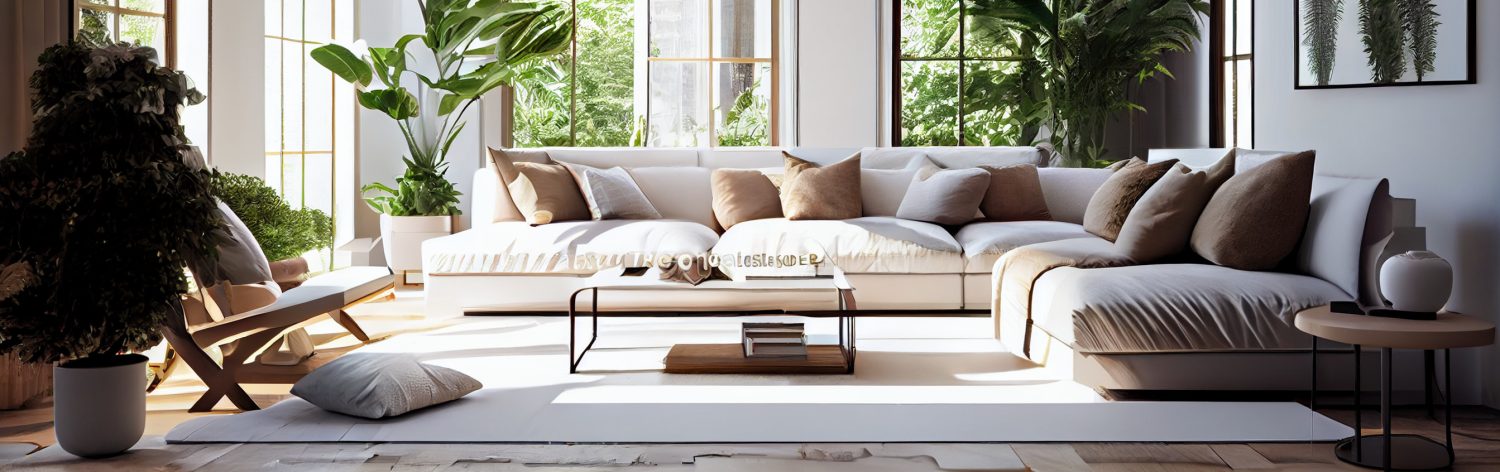

How to Make Your Garage More Multi-Functional and Effective


When you think about your garage, what’s the first thing that comes to mind? For many of us, it’s that classic image: a place to park the car and stash holiday decorations, sports gear, and a few tools. But with a little creativity and planning, your garage can become so much more than a storage overflow. It can be a smart, multi-functional space that adds real value to your home and life.

Today, we’re diving into how you can transform your garage into a space that’s both effective and multi-functional — without sacrificing its core purpose.
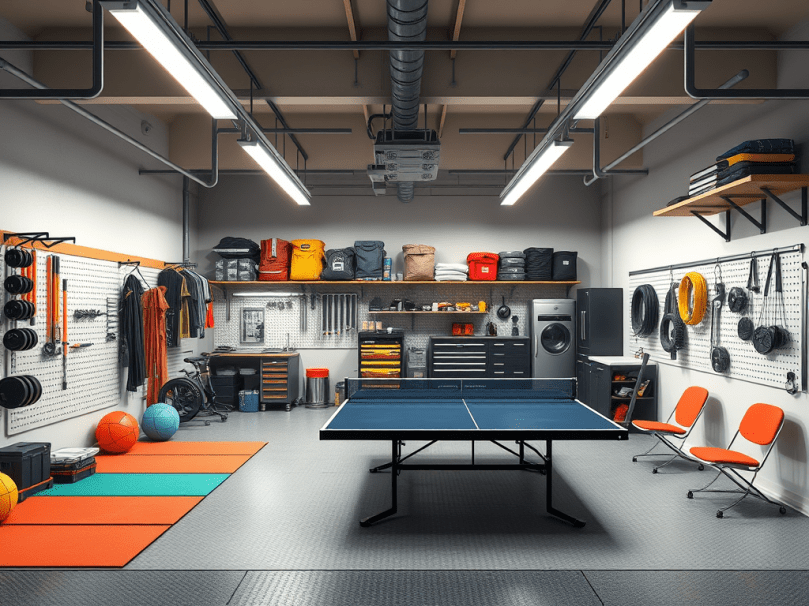

1. Define Your Needs and Goals

Before you start moving things around, take a moment to think about what you want your garage to be.
Do you need:

  • A home gym?
  • A workshop or DIY station?
  • A laundry area?
  • A home office?
  • A lounge or entertainment spot?
  • All of the above?

Prioritizing what you need most will guide how you organize and design the space.


2. Maximize Vertical Space

One of the biggest mistakes people make with garage storage is only thinking about floor space. Instead, look up!

  • Install heavy-duty shelves along the walls.
  • Hang bikes, ladders, and garden tools from ceiling racks or wall hooks.
  • Use pegboards to keep tools organized and visible.
  • Mount sports equipment or seasonal decor containers overhead.

When your walls and ceiling are doing some of the heavy lifting, you’ll free up room for other functions — like setting up a workbench, gym equipment, or even a mini-lounge.


3. Create Clear Zones

Think of your garage like a small apartment — every section should have a purpose.

  • Parking Zone: Keep it clear and easy to pull in and out.
  • Storage Zone: Use cabinets, shelves, or labeled bins.
  • Work Zone: A durable workbench and good lighting are essential.
  • Recreation Zone: A foldable ping-pong table, gym mats, or a projector screen for family movie nights can bring the fun.

Using different rugs, mats, or even colored paint can help visually define each zone without building walls.


4. Upgrade the Lighting

Most garages come with one sad overhead bulb. That’s not enough if you’re working out, crafting, or fixing something.

  • Install bright LED overhead lights.
  • Add task lighting above work areas.
  • Use motion sensor lights for convenience (especially if you’re juggling groceries).

Good lighting will instantly make your garage feel more like an extension of your home instead of an afterthought.


5. Insulate and Weatherproof

If you really want a garage that feels like another room of the house, insulation is a must.

  • Insulate the garage door and walls to keep it comfortable year-round.
  • Add weatherstripping to doors and windows.
  • Consider an epoxy coating for the floor — it looks great and makes cleaning easier.

A more temperature-stable garage opens the door to so many uses: from a yoga studio to a cozy hangout space.


6. Invest in Multi-Use Furniture

Furniture that works double-duty will make your garage feel more functional and polished.

  • A sturdy fold-out table can be used for projects or parties.
  • Storage benches provide seating and organization.
  • Wall-mounted desks can create a quick home office setup without taking up precious space.

Think mobile, foldable, or stackable when picking furniture for maximum flexibility.


7. Keep It Clutter-Free

The garage can quickly become the land of “I’ll deal with it later.” The best way to keep it functional is to stay on top of clutter.

  • Do a seasonal clean-out.
  • Label bins and shelves clearly.
  • Keep a “donate/sell” corner to easily purge unused items.

The more organized your garage stays, the more enjoyable it will be to use for any purpose you choose.

Final Thoughts

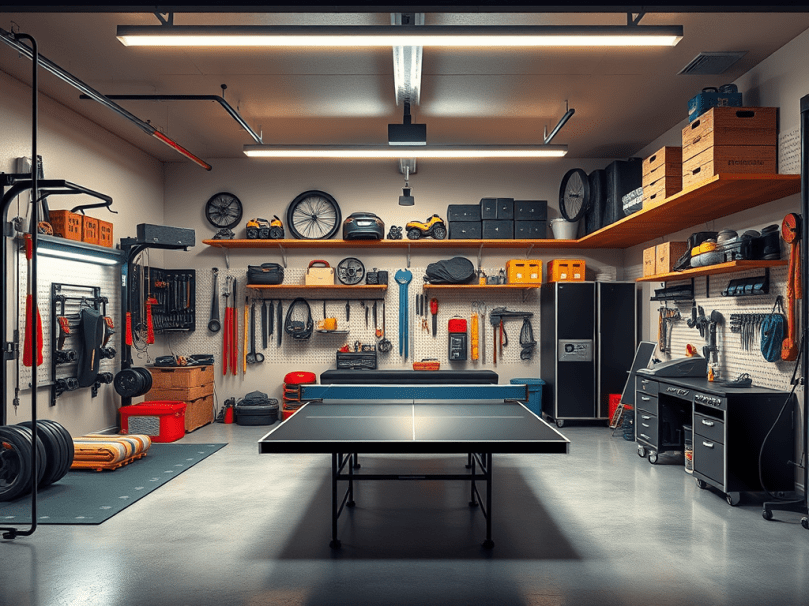
Your garage has the potential to be a true extension of your home — a space that supports your hobbies, your family, and your lifestyle.
By thinking vertically, zoning wisely, upgrading the basics like lighting and insulation, and committing to a clutter-free mindset, you can create a garage that’s not just a place to park your car but a powerhouse of functionality.

Why settle for storage when you can have so much more?


Choosing the Right Toilet for Your Home: What You Need to Know


When you’re tackling a DIY bathroom update, the toilet might not be the first thing that comes to mind—but it should be. Toilets are one of the most-used fixtures in the home, and choosing the right one can make a huge difference in comfort, water usage, and even resale value. With so many options out there, it’s important to know what to look for beyond just the price tag.

Here’s what to keep in mind when choosing a toilet for your DIY bathroom project:

Is it Best to Buy the Cheapest Toilet?

In short: not always.
While it’s tempting to go for the least expensive model to save money, cheap toilets often come with hidden costs down the line—like higher water bills, more frequent repairs, or the need for early replacement.

Higher-quality toilets typically offer better flushing power, more efficient water use, and longer-lasting materials. Think of a toilet like you would a mattress—you use it daily, and it needs to be reliable. Spending a little more upfront can mean a lot less frustration later.

That being said, you don’t have to buy the most expensive model either. The goal is to find the best balance between price, quality, and function.

Things to Consider When Choosing a Toilet for Your DIY Bathroom Project

When you’re making your selection, consider these key factors:

1. Size and Shape

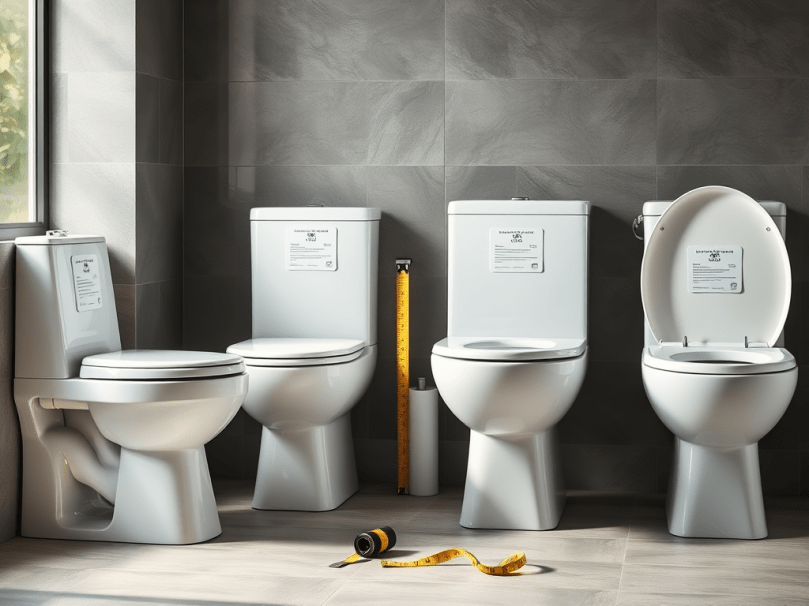
Toilets come in different sizes and shapes, and you’ll need to choose one that fits your bathroom space comfortably. Measure carefully before shopping.
You’ll need to know:

  • The rough-in size (the distance between the wall and the center of the drainpipe—usually 10″, 12″, or 14″).
  • How much clearance you have in front of and beside the toilet.
  • Whether you prefer an elongated bowl (more comfortable but bigger) or a round bowl (better for tight spaces).

2. Height

Standard toilets are about 15 inches from the floor to the seat, but comfort height toilets are closer to 17–19 inches. Comfort height models are easier to sit down on and stand up from, making them a great choice for adults, seniors, and anyone with mobility issues.

3. Water Efficiency

Look for WaterSense-labeled toilets, which use less than 1.28 gallons per flush compared to older models that might use 3–5 gallons. Dual-flush toilets (with separate buttons for liquid and solid waste) are also an option if you want to maximize efficiency.

4. Flushing System

Modern toilets offer different flushing technologies:

  • Gravity-flush toilets use the weight of the water to generate pressure.
  • Pressure-assisted toilets use compressed air to force water into the bowl. These are louder but more powerful, great for busy households.
  • Dual-flush toilets give you options for a lighter or heavier flush.

Think about your household’s needs. If clogging has been an issue before, you might want a stronger flush system.

5. Style and Appearance

If you’re already updating the bathroom, you probably want everything to match. Toilets come in various colors, designs, and styles:

  • Two-piece toilets (separate tank and bowl) are traditional and usually more affordable.
  • One-piece toilets (tank and bowl fused together) are sleeker, easier to clean, and modern-looking but often pricier.

6. Ease of Installation

Since you’re doing a DIY renovation, you want a toilet that’s straightforward to install. Some models are easier to handle than others, and brands often rate their products as “DIY-friendly.” Pay attention to the installation instructions and make sure you have all the tools and parts you’ll need ahead of time.

7. Budget

Set a realistic budget, not just for the toilet itself but for any additional materials:

  • New wax ring or wax-free seal
  • New supply line
  • New bolts and caps
  • Possibly a new toilet seat (not all toilets come with one)

Budgeting for all the little extras helps avoid those frustrating extra trips to the hardware store mid-project.


Final Thoughts

Choosing the right toilet is about balancing comfort, efficiency, style, and budget. While it’s tempting to just pick the cheapest one and move on, a little extra research (and a little more investment) can save you a lot of headaches down the road.

Remember: when you’re upgrading your home yourself, every choice you make affects how satisfied you’ll be with the final result. Take the time to choose a toilet that works for your space, your family, and your lifestyle—you’ll be glad you did every single day.


High Profile Beds: Are They a Good Thing (and Are Steps to Your Bed Trendy?)


When it comes to choosing the right bed for your bedroom, height is a detail that’s easy to overlook—but it can make a surprising difference in how your room feels and functions. Lately, high profile beds (those taller, more elevated beds) are having a moment. But are they a good thing? And what’s the deal with needing steps just to climb into bed? Let’s dive into it!

What Is a High-Profile Bed?

A high-profile bed typically sits higher off the ground than a standard bed—anywhere from 25 to 36 inches (or even more) from the floor to the top of the mattress. This can happen naturally if you have a thick mattress, a box spring, and a bed frame with added height.

You’ve probably seen them in luxury hotel suites, old-fashioned period dramas, or ultra-glam bedrooms on Pinterest. They immediately create a feeling of grandeur and elegance—almost like you’re climbing onto a throne every night.

Are High Profile Beds a Good Thing?

It depends on your needs and lifestyle. Here are a few pros and cons:

Pros:

  • Visual Impact: They can make a bedroom feel luxurious, important, and cozy all at once.
  • Easier for Tall People: If you’re tall, a higher bed can feel more natural and comfortable for getting in and out.
  • Underbed Storage: Higher beds often offer more room underneath for bins, baskets, or drawers.
  • Keeps You Off Cold Floors: In cooler climates, being higher off the ground can help you stay warmer.

Cons:

  • Harder for Some to Access: Kids, pets, or anyone with mobility issues might struggle to get into a high bed.
  • Steps Might Be Necessary: Yes, actual bed steps! Cute for decor… not so cute when you trip over them at 2 a.m.
  • Can Make Small Rooms Look Smaller: An oversized or very tall bed can overwhelm a compact room.

Is It Trendy to Have Steps to Get to Your Bed?

Believe it or not, yes! Bed steps have been popping up in high-end interior design, especially in more traditional or maximalist decor styles. They’re seen as a charming, whimsical touch—think Victorian elegance or fairytale cottage vibes.

Modern takes on bed steps include:

  • Minimalist, clean-lined steps that double as storage.
  • Upholstered or decorative stools placed at the foot of the bed.
  • Custom built-in steps for platform beds.

It’s a way to make a big design statement while solving a practical problem. If you love the idea of your bed feeling like a destination, adding steps can be a stylish and functional choice.

Should Your Bed Be Higher or Lower?

There’s no one-size-fits-all answer. Here’s a quick way to think about it:

  • Higher Bed: Great for tall people, traditional or grand decor styles, rooms where you want to maximize underbed storage, or when you want a “grand” feeling.
  • Lower Bed: Better for minimalistic spaces, modern homes, shorter individuals, kids, pets, or anyone who needs easier access for health reasons.

As a general rule:
When you sit on the edge of your bed, your feet should rest flat on the floor, and your knees should be at a 90-degree angle.
If you have to hop up or awkwardly crouch down, it might not be the best fit for everyday comfort.


Final Thoughts:
High profile beds are definitely trendy right now—and they can feel like a luxurious upgrade for the right space and lifestyle. If you dream of feeling like royalty each night, love classic decor, or just want extra storage, a tall bed (and maybe some cute steps!) could be exactly what you need. But if you prefer sleek, easy-access living, a lower bed might be more your style.

Either way: your bed should fit you, not the trend.


Finding the Right Refrigerator: Style Meets Functionality


Choosing a refrigerator isn’t just about picking the prettiest one in the lineup at the appliance store anymore. Your refrigerator is one of the most essential (and most used!) appliances in your home, so finding one that fits your needs — and your personal style — matters. It’s not just a matter of looks; it’s about blending form and function seamlessly. Let’s talk about how you can choose a refrigerator that’s both stylish and smart for your lifestyle.

Start With the Essentials: What Do You Need?

Before getting swept away by glossy finishes and sleek handles, step back and think about what your refrigerator needs to do for you. Ask yourself:

  • How much space do I need for fresh food vs. frozen items?
  • How many people are in my household?
  • Do I cook a lot or eat out often?
  • Do I need special features like a water/ice dispenser, smart controls, or adjustable shelving?

If you’re a home chef who loves to meal prep, a fridge with wide, deep shelves and high humidity crisper drawers could be non-negotiable. If you’re constantly entertaining, maybe you want a model with dual ice makers and flexible storage zones.

Tip: Always prioritize your daily habits over a trendy style when it comes to function.

Know the Different Styles and What They Offer

Refrigerators come in several configurations, and each one offers a slightly different experience:

  • Top Freezer: Classic and affordable, but usually less stylish.
  • Bottom Freezer: Puts fresh food at eye level, with a more modern look.
  • Side-by-Side: Sleek and narrow door swing, great for tighter spaces.
  • French Door: A beautiful blend of form and function, with wide shelves and a luxury feel.
  • Counter-Depth: Designed to sit flush with your cabinets, these look more custom-built without the full price tag of a built-in model.

Each style has its pros and cons, but matching your kitchen’s flow and your usage needs is crucial.

Think About Finish and Color

Gone are the days when stainless steel was the only stylish choice. Now you have options like:

  • Matte black (modern and dramatic)
  • White or panel-ready (for a clean, built-in look)
  • Colorful options (yes, statement fridges are back!)
  • Fingerprint-resistant finishes (because smudges are real)

Choose a finish that works with your existing kitchen decor — or use the fridge to make a bold statement. Just remember: the prettiest fridge won’t feel so great if it shows every single fingerprint and drives you nuts cleaning it!

Don’t Ignore Energy Efficiency

An efficient refrigerator saves money and reduces your environmental footprint. Look for the ENERGY STAR label to ensure you’re getting an appliance that’s built to conserve energy without sacrificing performance. Efficiency is a quiet kind of style — one that shows up in lower utility bills every month!

Smart Features: Useful or Gimmick?

Today’s refrigerators can come with touchscreens, voice commands, cameras that let you see inside remotely, and more. But ask yourself: Will I really use these features?
If you’re someone who loves smart home tech and already uses apps for lighting, security, or grocery shopping, a smart fridge might feel right at home. But if you prefer simplicity, you might want to focus on models that deliver strong basics without extra bells and whistles.

Final Tips: Measure Twice, Buy Once

Before you fall in love with any fridge, measure your space carefully. Don’t forget to account for:

  • Width, height, and depth
  • Door swing and clearance
  • Space for ventilation behind and above the fridge

There’s nothing worse than getting your dream fridge delivered — only to realize it doesn’t fit through the doorway!


In the end, the best refrigerator for you is one that fits your lifestyle, your space, and your taste.
A refrigerator should work as hard as you do, and look good doing it. Taking the time to balance style with function ensures you’ll be happy with your choice for years to come.


The Best Sofa Sleepers on the Market: Top 5 Picks for 2025


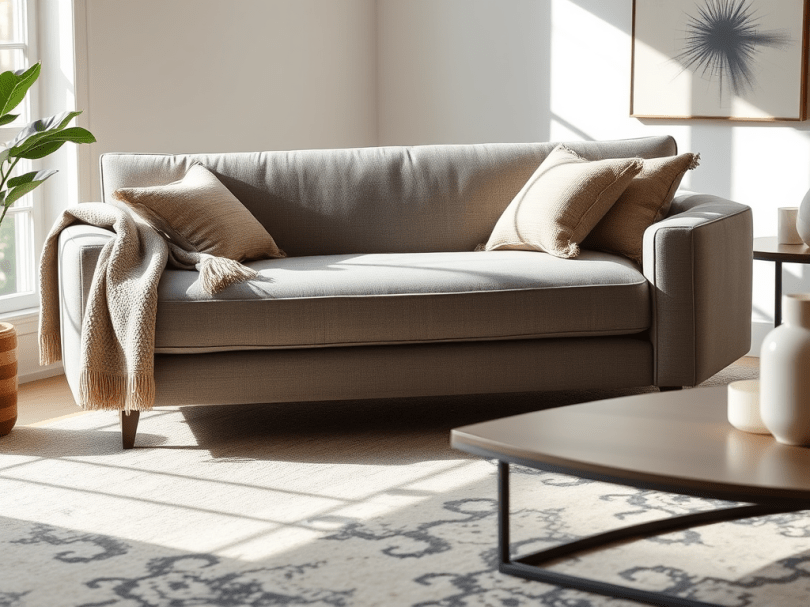
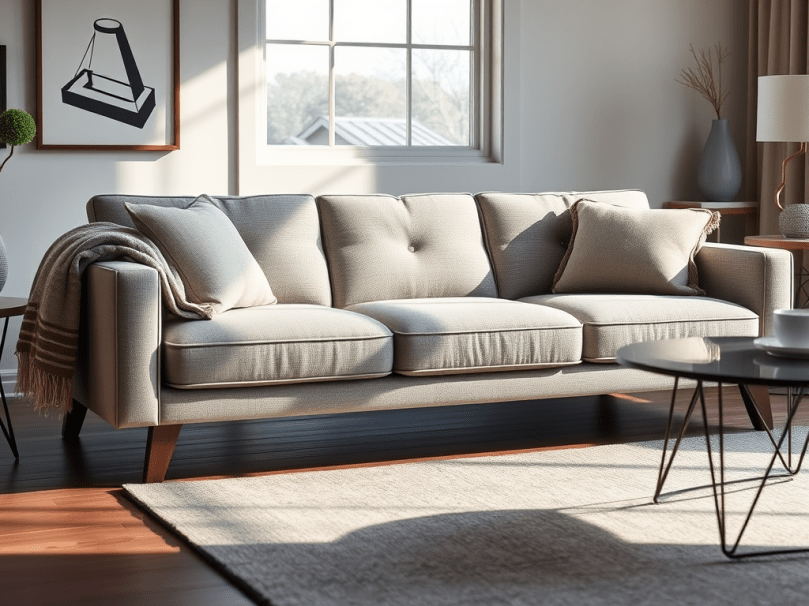
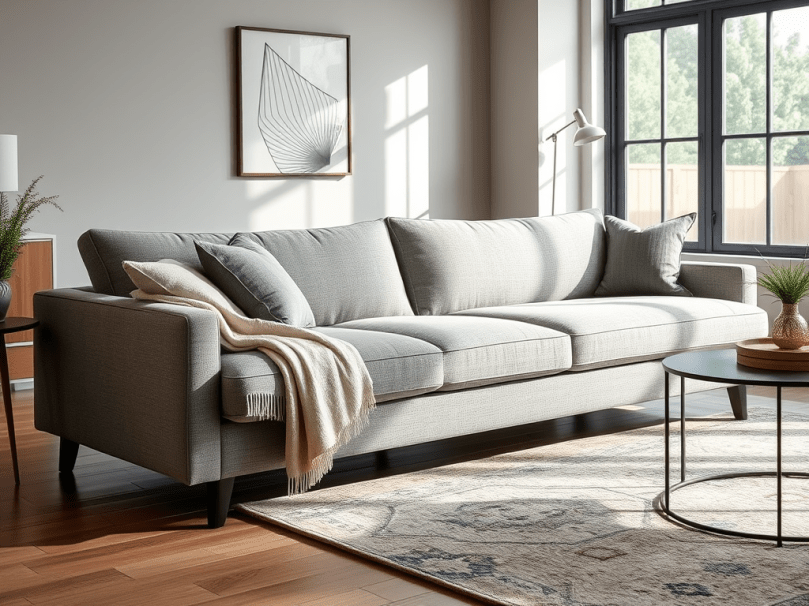
A sofa sleeper is one of the most versatile pieces of furniture you can have in your home. It’s perfect for small apartments, guest rooms, or anyone who wants to be ready for overnight visitors without sacrificing style. But with so many options available, how do you know which one is worth the investment. We’ve researched the best sofa sleepers on the market today, considering comfort, durability, style, and customer feedback. Here are our top five recommendations — and why we think you’ll love them too.


1. West Elm Harris 74″ Queen Sleeper Sofa

Why we recommend it: The West Elm Harris Sofa Bed offers a sleek, tailored design with plush cushions that don’t immediately give away its hidden bed functionality. It’s known for its sturdy, easy-to-use pull-out mechanism and a surprisingly comfortable mattress for a sleeper sofa. Plus, it’s available in a range of fabrics and colors to fit your decor.

What people are saying: Customers rave about how comfortable it is both as a sofa and a bed. Many mention that guests often can’t believe it’s a sofa sleeper because of how good it looks and feels.


2. Joybird Briar Sleeper Sofa

Why we recommend it: Joybird is famous for its customizable, mid-century modern designs, and the Briar Sleeper Sofa is no exception. It’s stylish, customizable (you can choose from dozens of fabric options), and offers a supportive memory foam mattress upgrade — perfect for longer stays.

What people are saying: Reviewers love the high-quality craftsmanship and how the memory foam mattress feels more like a real bed than a pull-out. It’s a favorite for people who want something trendy but functional.


3. Pottery Barn Cameron Roll Arm Slipcovered Sleeper Sofa

Why we recommend it: Pottery Barn’s Cameron Sofa combines timeless style with practical function. The slipcovered design is great for families because you can easily remove and wash it. Plus, the sleeper mechanism is smooth, and the mattress options include a gel-infused memory foam upgrade for extra comfort.

What people are saying: Buyers consistently say this sofa sleeper feels like a traditional sofa and holds up beautifully over time. They love how easy it is to maintain and how cozy it looks in their living spaces.


4. Burrow Nomad Sleep Kit

Why we recommend it: Technically, the Burrow Nomad isn’t a traditional sleeper sofa, but the Sleep Kit transforms it into one. Burrow’s modular sofas are known for easy setup, modern style, and adaptability. With the Sleep Kit, you get a padded topper, sheets, and a quilt, turning your Nomad into a comfy bed in minutes.

What people are saying: Customers appreciate the Nomad’s flexibility and how quickly it can be converted for guests. It’s a smart option if you want everyday use with the occasional need for a guest bed — without a heavy pull-out mechanism.


5. Room & Board Berin Queen Plus Sleeper Sofa

Why we recommend it: Room & Board’s Berin Sleeper Sofa is for those who prioritize durability and support. It features a high-resiliency foam mattress that offers a great night’s sleep without feeling like you’re on a fold-out couch. The clean, modern lines make it easy to incorporate into almost any decor style.

What people are saying: Reviewers frequently mention the superior build quality and the comfortable sleeping experience. It’s considered a worthwhile investment for homes where the sleeper is used regularly.


Quick Comparison Table

Sofa SleeperPrice RangeBest ForWhere to Buy
West Elm Harris 74″ Queen Sleeper Sofa$2,399Sleek design & comfortWest Elm
Joybird Briar Sleeper Sofa$2,159–$2,519Customization & mid-century styleJoybird
Pottery Barn Cameron Roll Arm SleeperStarting at $2,499Classic style & easy maintenancePottery Barn
Burrow Nomad Sleep Kit$279Modular flexibilityBurrow
Room & Board Berin Queen Plus Sleeper$3,399–$5,499Durability & supportRoom & Board

Final Thought

Choosing the right sofa sleeper means thinking about both daily comfort and occasional overnight needs. Whether you want something ultra-stylish like the Joybird Briar or highly practical like the Pottery Barn Cameron, there’s a perfect option out there for you. With these top five picks, you’re not just getting a sleeper sofa — you’re adding a piece of furniture that will make your home more beautiful, functional, and welcoming.