
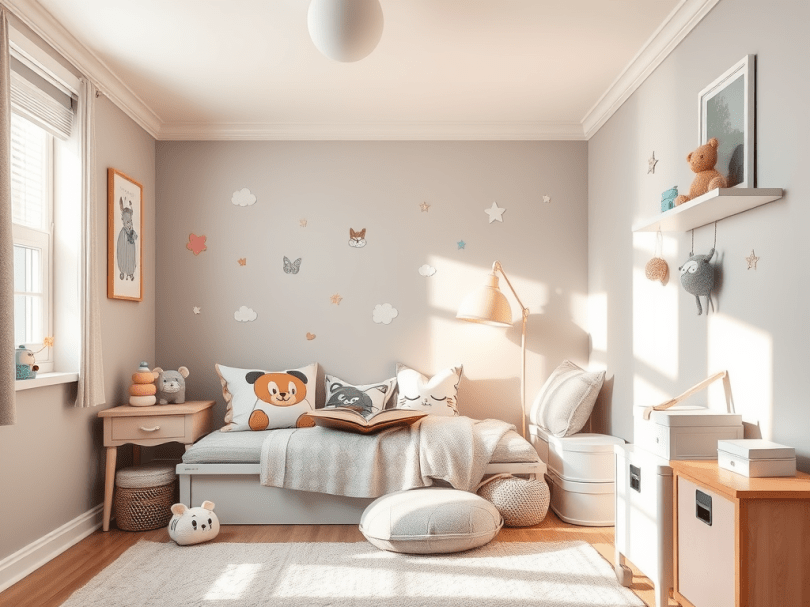
When Paw Patrol Meets Pinterest: How to Incorporate Your Child’s Favorite Characters Into Their Bedroom Style (Without Sacrificing Your Vision)


We’ve all been there—your child is head over heels for a character (looking at you, Spider-Man, Elsa, or Peppa Pig), and they need their entire bedroom to be themed accordingly. Meanwhile, you’re dreaming of a calm, timeless design that won’t make guests feel like they’ve stepped into a toy store.

So, how do you balance their current obsession with your long-term decor vision? You don’t have to choose one or the other. Here’s how to merge what your child loves with what you think works best for the space.


1. Start with a Neutral Base

Think of the walls, large furniture pieces, and flooring as your foundation. Keep these items simple and neutral—think whites, soft grays, natural woods, or calming pastels. This makes it easy to update the room as your child’s interests evolve without needing a full makeover every time.


2. Choose Temporary, Swappable Decor for Character Themes

Instead of going full character-themed with wallpaper or permanent murals, focus on easy-to-change items like:

  • Bedding sets featuring their favorite characters
  • Wall decals or posters (removable and budget-friendly!)
  • Character-themed pillows, throws, or rugs
  • Lamps or nightlights with fun designs
  • Toy bins or storage boxes that play into the theme

This way, when they move from Bluey to Barbie or from Minecraft to Mario, you can easily switch out just a few accessories.


3. Create a Character Corner or Nook

Designate a space in the room just for their character obsession. It could be a reading nook with themed cushions, a toy display shelf, or a play area with posters and their favorite toys. This makes the space feel special to them—without overtaking the entire design.


4. Blend Style with Subtlety

If you’re crafty (or enjoy a good DIY), you can work the character into your aesthetic more subtly. For example:

  • Paint a wall mural in your style using the character’s color palette.
  • Use a fabric featuring small patterns of the character to sew curtains or a pillow.
  • Repaint furniture in character-inspired colors for a more mature, cohesive look.

You’re giving a nod to their favorite character while still maintaining your design integrity.


5. Talk About It Together

Decorating their room is a fun bonding opportunity. Sit down with your child and talk about what they love and what you envision. Let them help pick out some decor within your parameters. They’ll feel included and proud of their space—and you’ll avoid potential decor drama.


6. Keep Future Flexibility in Mind

Kids grow fast. Today it’s dinosaurs, tomorrow it’s astronauts. Plan ahead with multi-purpose furniture and accessories that can grow with them. A neutral bed frame or dresser, for instance, works for any theme and style as their interests change.


Final Thoughts: Compromise is the Key

At the end of the day, your child’s bedroom should be a reflection of them—but it’s also part of your home. By using creative compromises, you can honor their love for that character while keeping the space stylish, organized, and functional.

Think of it like this: they get to live in their dream world, and you don’t have to repaint it every six months. Win-win.


To Rug or Not to Rug: Is It Trendy to Have a Rug in Your Bedroom?


When it comes to bedroom decor, one question always stirs up a bit of debate: Do you really need a rug in your bedroom? Some say it’s a must-have for warmth and style, while others prefer the simplicity of bare floors. So, let’s get into it—is it trendy to have a rug in the bedroom in 2025? And if so, how do you choose the right one?

The Trend Factor: Are Bedroom Rugs In or Out?

Spoiler alert: Rugs are still very in.

In fact, rugs are more popular than ever, especially as more people invest in turning their bedrooms into cozy, personalized sanctuaries. The bedroom isn’t just for sleep anymore—it’s often where you wind down with a book, sip morning coffee, or scroll in peace before the day starts. A well-placed rug adds that extra layer of texture and comfort that modern bedroom designs crave.

What Type of Rug Works Best in a Bedroom?

Not all rugs are created equal. Here are a few trendy styles that are getting love right now:

  • Low-Pile Area Rugs: Perfect for modern, minimalist, or Scandinavian-style bedrooms. They’re easy to clean and don’t overpower the space.
  • Shag or Plush Rugs: Think soft, luxurious, and cozy. These are ideal for placing under or beside the bed to give your feet a treat in the morning.
  • Layered Rugs: A fun, boho-inspired trend where you layer smaller textured rugs over larger neutral ones.
  • Vintage or Distressed Rugs: These add a touch of character and charm and pair beautifully with farmhouse or eclectic decor.

How to Choose the Right Rug for Your Bedroom

Choosing a bedroom rug can feel overwhelming, but here’s a simple guide to get you started:

  1. Size Matters
    For a queen bed, go for at least an 8×10 rug. For a king, aim for 9×12. You want the rug to extend beyond the sides and foot of the bed for balance.
  2. Placement is Key
    Most people center their rug under the bed, but you can also try placing it at the foot of the bed or layering it at an angle for a more casual look.
  3. Comfort Counts
    In the bedroom, comfort is a priority. Look for soft textures, like wool, cotton, or a plush synthetic blend.
  4. Match Your Style (But Don’t Be Afraid to Mix It Up)
    If your bedroom is full of clean lines and soft neutrals, a bold pattern might add the spark you’re missing. If your room already has a lot of visual interest, stick with something simple and soft.

What Colors Work in Any Style?

If you’re unsure what color rug to go with, here are a few versatile tones that blend with almost any design style:

  • Warm Neutrals (cream, taupe, beige) – Great for minimalist, farmhouse, or boho spaces.
  • Charcoal or Slate Gray – Works well in modern and industrial bedrooms.
  • Soft Blues or Sage Greens – Adds calm energy without overwhelming your palette.
  • Muted Patterns – A faded vintage pattern in soft tones adds depth without demanding attention.

Final Thoughts: To Rug or Not to Rug?

If you’ve been debating the rug question, here’s your answer: Yes, rug it up!

A rug adds warmth, texture, personality, and comfort—four things every bedroom should have. Whether you go bold with a statement piece or subtle with a soft neutral, adding a rug is a stylish, cozy upgrade that’s totally on trend.

Feeling Blue in the Best Way: How to Decorate with Blue Without Overpowering Your Space


Do you love the color blue? You’re not alone! Blue is one of the most beloved colors in home decor—and for good reason. It’s calming, classic, and surprisingly versatile. Whether you’re dreaming of a serene spa-like bathroom, a cozy navy reading nook, or just want to sprinkle in some subtle sky blue touches, this color has something for everyone.

But if you’re wondering how to incorporate blue into your home without it taking over or clashing with your existing style, you’re in the right place. Let’s explore the many shades of blue and which colors pair beautifully with them to create balance, depth, and harmony in your home.


A Little Blue Love Story

Let me tell you a quick story.

Growing up, I had a favorite blue blanket. It was soft, worn in all the right places, and had tiny stars stitched across it—faded from too many washes but still perfect. No matter how many new throws came into the house, that blue one? It always found its way to the couch.

Years later, I moved into my first apartment and found myself drawn to a navy velvet pillow in a little home boutique. I didn’t realize it then, but the moment I brought that pillow home, something clicked. Blue wasn’t just a color. It was comfort. It was home. It was mine.

Since then, blue has made its way into every space I’ve lived in. Whether it’s a powder blue vase, a teal kitchen towel, or a deep ocean blue wall in my office, that color still wraps me in the same warmth as that old childhood blanket.


Popular Shades of Blue and Their Perfect Pairings

Blue isn’t just blue. It ranges from soft and subtle to bold and dramatic. Here’s a list of shades to consider and what they pair well with:

1. Sky Blue

Light, airy, and sweet—perfect for ceilings, nurseries, or bathrooms.

Pairs best with:

  • White (for a fresh, clean vibe)
  • Soft yellows (for a sunny feel)
  • Light grays or tans (for a relaxed, coastal style)

2. Navy Blue

Deep and moody—great for accent walls, cabinets, or upholstered furniture.

Pairs best with:

  • Crisp white (for a timeless nautical look)
  • Brass or gold accents (for a rich, luxurious feel)
  • Blush pink or coral (for a trendy, unexpected contrast)

3. Teal

A mix of blue and green—bold, energetic, and modern.

Pairs best with:

  • Warm wood tones (for balance and grounding)
  • Mustard yellow or burnt orange (for a retro flair)
  • Creamy neutrals (to soften the vibrancy)

4. Powder Blue

Subtle and peaceful—ideal for bedrooms, offices, or vintage-inspired spaces.

Pairs best with:

  • Ivory or white
  • Pale rose or lavender
  • Light wood finishes

5. Cobalt Blue

Vibrant and bold—perfect as a statement color in kitchens or bathrooms.

Pairs best with:

  • White and black (for high contrast and drama)
  • Lemon yellow (for a pop of playfulness)
  • Metallics like chrome or silver

6. Steel Blue

Muted with a gray undertone—great for a modern or masculine touch.

Pairs best with:

  • Charcoal gray or black
  • Olive green
  • Warm leather or natural textures

Tips to Use Blue Without Overpowering Your Space

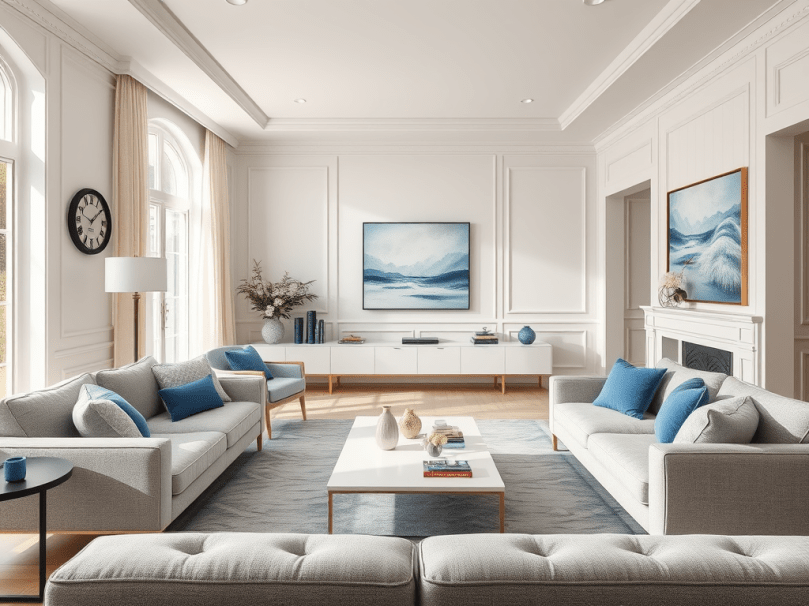
  • Use blue as an accent color: Add blue throw pillows, artwork, or a rug to test the waters before committing to a big blue piece.
  • Balance it with neutrals: White, beige, and gray help keep the space feeling open and not too dark or heavy.
  • Layer different shades: Mixing light and dark blues can add dimension without being overwhelming. Think a navy chair with a sky-blue blanket or multiple blue-toned wall prints.
  • Bring in natural elements: Wood, greenery, and woven textures can soften and balance the coolness of blue tones.

Final Thoughts: Blue Your Way

Blue is more than just a color—it’s a feeling. It’s comfort. It’s peace. It’s depth and expression. Whether you’re choosing a bold navy velvet couch or just want to sprinkle in a few ocean-toned accents, you can bring the magic of blue into your home in a way that feels intentional and personal.

So, are you a navy night owl or a sky-blue dreamer? Let me know your favorite shade in the comments—or share a sweet blue memory from your home.


How to Choose the Right Style for Your Home (Even If You Love More Than One)


Are you scrolling through Pinterest, saving everything from rustic farmhouse kitchens to clean, minimalist living rooms and colorful boho bedrooms—only to feel completely stuck when it’s time to decorate your own home?

You’re not alone.

Many of us are drawn to more than one home decor style. And guess what? That’s not a bad thing! In fact, blending styles can be the secret sauce to creating a space that feels truly you.

In this post, we’ll walk through:

  • The most popular home decor styles
  • How to figure out what style (or combo of styles) is right for you
  • Tips on how to blend different genres like farmhouse, minimalist, and boho without clashing

Let’s dive in!


Popular Home Decor Styles: A Quick Breakdown

Before you choose your style, it helps to know what’s out there. Here are a few of the most beloved genres in home decor:

Farmhouse

Cozy, charming, and full of character. Think weathered wood, neutral tones, shiplap, and antique touches. Joanna Gaines made this style famous—and it’s perfect if you love warmth and tradition.

Minimalist

Less is more. Clean lines, simple color palettes, clutter-free spaces. Minimalism is all about function and calm.

Boho (Bohemian)

Eclectic, colorful, and relaxed. With layered textures, plants, patterns, and a carefree spirit, boho is perfect for the creative soul.

Industrial

Raw and edgy. Exposed brick, metal finishes, and a cool urban vibe define this style.

Scandinavian

A blend of minimalism and coziness. Think white walls, light wood, and practical pieces with a touch of hygge (that cozy, content feeling).

Modern Glam

Shiny finishes, luxurious fabrics, and a touch of sparkle. This is for the bold decorator who loves elegance.

Coastal

Breezy and light. Inspired by the ocean, this style includes soft blues, whites, and natural textures like jute and rattan.


How to Find the Right Style for You

If you’re torn between multiple styles, start with these questions:

1. What Do You Already Love?

Take a look at your closet, your favorite coffee shops, or even your favorite Instagram feeds. The colors, patterns, and vibes you’re naturally drawn to will offer hints about your design style.

2. How Do You Want Your Space to Feel?

Do you want your home to feel peaceful? Cozy? Energizing? Minimalist homes often feel calm and serene, while boho ones feel vibrant and creative. Let your desired mood guide your choices.

3. What’s Your Lifestyle?

If you have pets or kids, you might need washable fabrics and durable materials. If you work from home, your office setup might steer your aesthetic. Practicality plays a big role in choosing a style that works for your everyday life.


Can You Mix Styles Like Farmhouse, Minimalist, and Boho?

Absolutely! In fact, blending styles is one of the best ways to make your home uniquely yours. Here’s how to make it work:

Find Common Ground

All three styles—farmhouse, minimalist, and boho—can share earthy tones, natural textures, and a love of simplicity. Stick to a cohesive color palette to tie everything together.

Pick a Dominant Style

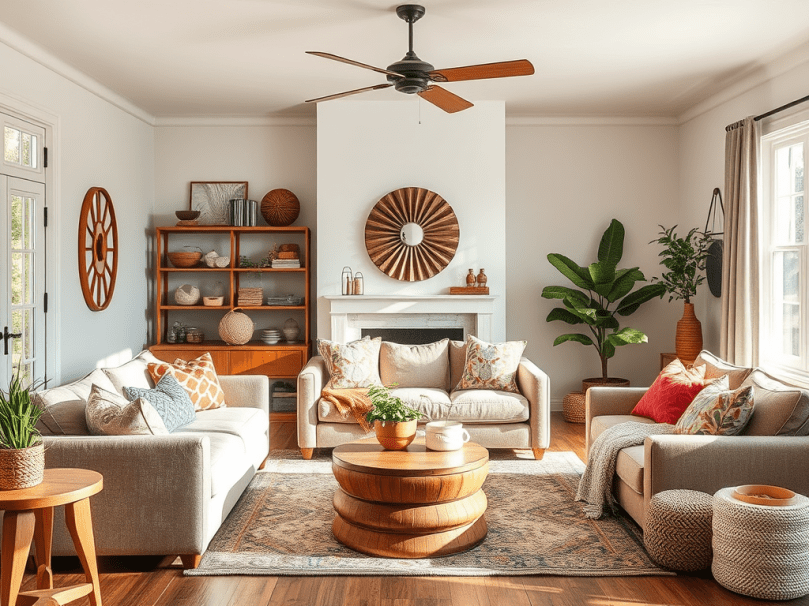
Choose one style to lead the design and use the others as accents. For example, a mostly minimalist space can have farmhouse wood elements and boho textiles to add warmth and personality.

Balance Texture and Function

Use natural materials like linen, rattan, wood, and cotton to blend styles. A clean-lined minimalist sofa with a chunky boho throw and a rustic farmhouse coffee table? Yes, please.

Repeat Key Elements

To make the space feel cohesive, repeat certain materials, colors, or patterns throughout the room. It helps the eye flow naturally—even if you’re mixing styles.


Final Thoughts: Style Is Personal

Choosing the right style for your home isn’t about following trends. It’s about creating a space where you feel at peace, inspired, and at home.

So whether you’re torn between minimalist calm, farmhouse charm, or boho flair—don’t stress. Blend what you love. Break the rules. Your home should reflect you.


How to Add Shelves in Your Bedroom (Without Sacrificing Style or Space)


When it comes to maximizing bedroom storage and elevating your decor, shelves are a secret weapon. They’re practical, stylish, and space-saving—everything a modern bedroom needs. But how and where do you put shelves in your bedroom without making the space feel cluttered or closed-in? Let’s break it down.


How to Add Shelves to Your Bedroom

Installing bedroom shelves can be as simple or involved as you want it to be. Whether you’re renting or owning, there’s a shelving solution that fits your situation.

1. Choose Your Shelf Style:
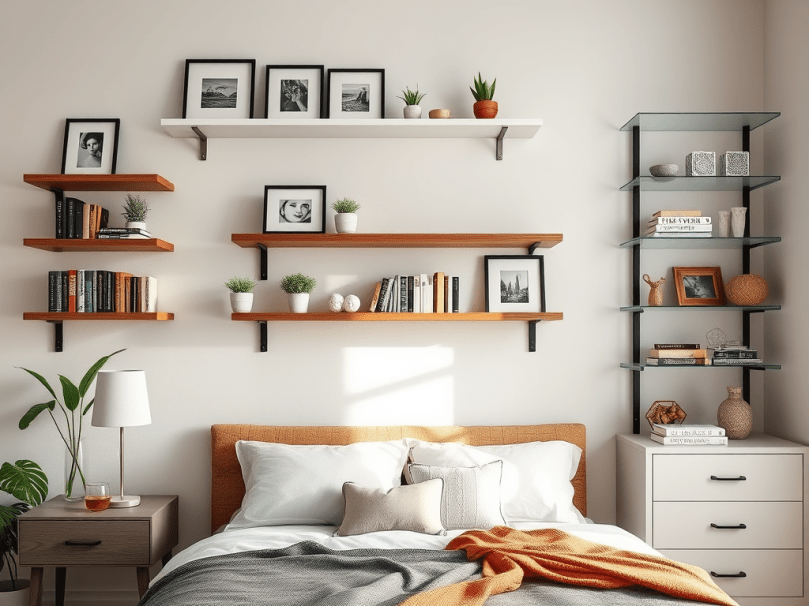
Are you into clean lines and minimalism? Try floating shelves. Prefer a cozy, farmhouse vibe? Opt for rustic wooden shelves with black metal brackets. Love a luxe look? Go for glass shelves with gold-tone hardware.

2. Measure Your Wall Space:
Even a narrow strip of wall can work wonders with the right shelf. Before buying, measure your available space and decide what purpose the shelf will serve—displaying decor, storing books, holding beauty products, etc.

3. Determine Your Weight Needs:
Will you be stacking heavy books or just adding a few small plants and candles? The weight your shelves need to hold will determine the brackets, materials, and installation method.


Where to Put Shelves in Your Bedroom

Above the Bed:
Add a long, narrow floating shelf above your headboard to showcase framed photos, small plants, or artwork. This adds interest to your bedroom’s focal point without taking up floor space.

Corner Shelves:
Corner wall shelves are perfect for making use of dead space. They’re great for plants, books, or decorative items.

Beside or Above a Dresser:
Add two or three floating shelves vertically above your dresser to extend storage upward—great for folded clothes, jewelry boxes, or perfumes.

Above a Desk or Vanity:
This helps you create a dedicated workstation or glam zone with room for supplies, tools, or styling accessories.

Inside Closets or Closet Doors:
Use simple bracket shelves or hanging organizers to create extra space for shoes, baskets, or folded clothing.


Best Types of Bedroom Shelving for Saving Space

1. Floating Shelves:
They look sleek and don’t clutter up floor space—ideal for small bedrooms.

2. Wall-Mounted Ladder Shelves:
These lean against the wall and offer a vertical storage solution without requiring permanent installation.

3. Over-the-Bed Units:
Think of these as stylish headboard extensions with built-in shelving for books, lighting, and decor.

4. Modular Shelves:
These customizable shelves let you switch up layouts based on your needs and space.

5. Shelf + Hooks Combos:
Perfect for hanging accessories, bags, or hats with a shelf on top for added storage.


Where to Find Stylish and Effective Bedroom Shelving

Looking for shelves that are both functional and fashionable? Here are a few go-to brands and retailers:

  • IKEA: Affordable, minimalist options like the LACK floating shelves or BERGSHULT shelf systems. Great for renters.
  • CB2 & West Elm: Perfect if you’re looking for sleek, modern shelves with gold or black finishes.
  • Amazon: Tons of variety and highly rated sets for every budget—search for floating wall shelves, ladder bookshelves, or corner wall shelves.
  • Wayfair: Great for farmhouse and industrial styles; check out their wall-mounted units and decorative shelving sets.
  • Urban Outfitters Home: Trendy and boho-inspired shelves—ideal for a bedroom refresh.
  • The Container Store: For function-first shelving, especially closet and behind-the-door solutions.

Final Tips

  • Keep shelf decor simple—group items in threes, mix textures (wood, glass, plants), and don’t overcrowd.
  • Use bins or baskets on shelves for hidden storage.
  • Always secure shelves properly to studs or use heavy-duty anchors for drywall.

Shelving isn’t just for storage—it’s an opportunity to style your bedroom with purpose and personality. Whether you’re organizing essentials or displaying your favorite pieces, the right shelf in the right spot makes all the difference.