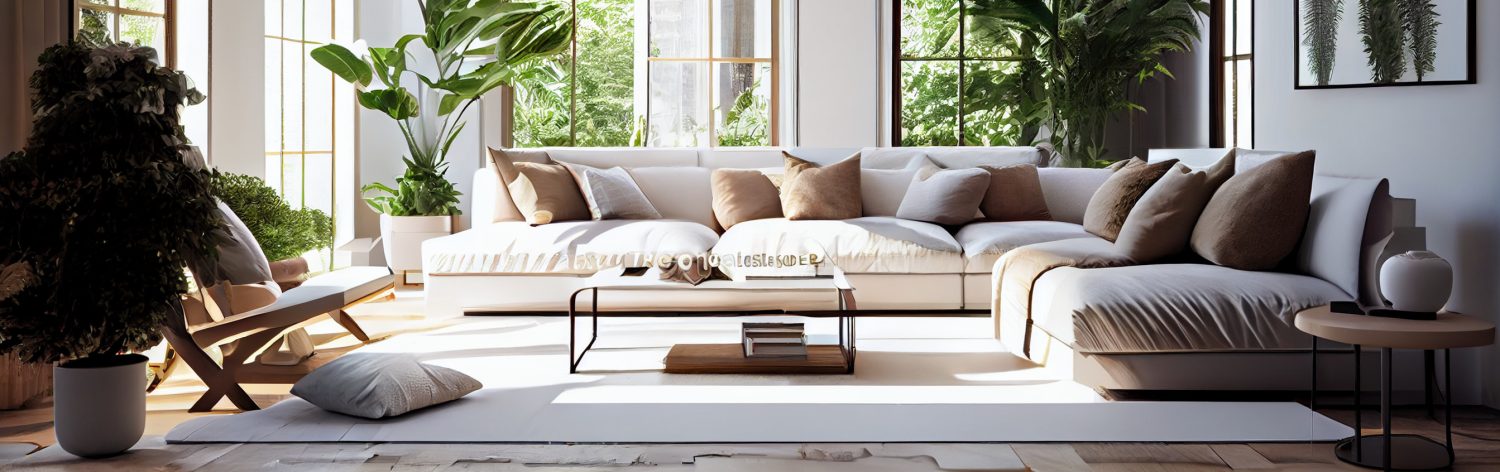

How to Incorporate Shelving into Your Bedroom When There is None

A bedroom should be a place of comfort and relaxation, but without adequate storage, it can quickly become cluttered. If your bedroom lacks shelving, don’t worry—there are plenty of creative ways to incorporate shelves without taking up valuable floor space. Whether you need extra storage for books, decor, or personal items, these ideas will help you add functional and stylish shelving to your space.

1. Floating Shelves for a Minimalist Touch

Floating shelves are a great solution for small bedrooms because they provide storage without bulk. Install them above your bed, next to your nightstands, or along an empty wall to store books, candles, or decorative items. Choose sleek, modern designs for a minimalist look or go for rustic wooden shelves for a cozy aesthetic.

2. Over-the-Bed Shelving

Make use of the often-overlooked space above your bed by installing a long shelf or multiple smaller shelves. This is an ideal place for artwork, framed photos, or small potted plants. If you need extra storage, consider a headboard with built-in shelving for a seamless and functional design.

3. Corner Shelving for Unused Spaces

Corners are frequently underutilized in bedrooms. Installing corner shelves allows you to maximize this space without interfering with the rest of the room. Use these shelves to store small essentials, decorative items, or even plants to add a natural element to your bedroom.

4. Wall-Mounted Bookcase

If you love to read but don’t have space for a full bookshelf, consider a wall-mounted bookcase. These shelves can be arranged in a unique pattern or stacked vertically for a modern and space-saving design. This works particularly well above a desk or near a cozy reading nook.

5. Above-the-Door Storage

An often-overlooked space in bedrooms is the area above the door. Installing a shelf above your doorway provides a great place to store rarely used items such as seasonal decor, extra bedding, or storage boxes. This keeps things out of sight but still accessible when needed.

6. Built-In Shelving for Custom Storage

For a more permanent solution, built-in shelves are a fantastic way to add storage while enhancing your bedroom’s aesthetics. If you have a recessed wall or an unused nook, consider adding custom-built shelves for a seamless look that blends with your room’s decor.

7. Bedside Wall Shelves Instead of Nightstands

If your bedroom is small and lacks space for traditional nightstands, install wall-mounted shelves on either side of your bed. These can function as floating nightstands, holding lamps, books, and other bedside essentials without taking up floor space.

8. Ladder Shelves for a Stylish Look

Ladder shelves are a trendy and functional addition to any bedroom. They lean against the wall and provide multiple tiers of storage without requiring wall mounting. Use them to display decor, store folded clothes, or keep everyday essentials within reach.

9. Hanging Rope Shelves for a Unique Touch

For a more bohemian or rustic feel, opt for hanging rope shelves. These shelves are suspended by ropes and can be hung from the ceiling or wall-mounted hooks. They add a decorative touch while providing storage for lightweight items like small plants, candles, or framed pictures.

10. Under-Bed Storage with Shelving

If floor space is at a premium, consider incorporating shelving under your bed. This could be in the form of built-in drawers, open shelving units, or rolling storage bins. This is a great way to keep your bedroom organized without adding clutter.

Final Thoughts

Adding shelving to your bedroom doesn’t have to mean bulky furniture or taking up precious space. With these creative solutions, you can incorporate functional and stylish shelves to enhance your storage and elevate your decor. Whether you choose floating shelves, built-in options, or decorative ladder shelves, there’s a solution to fit every bedroom style and size.

How do you plan to incorporate shelving into your bedroom? Let us know in the comments!
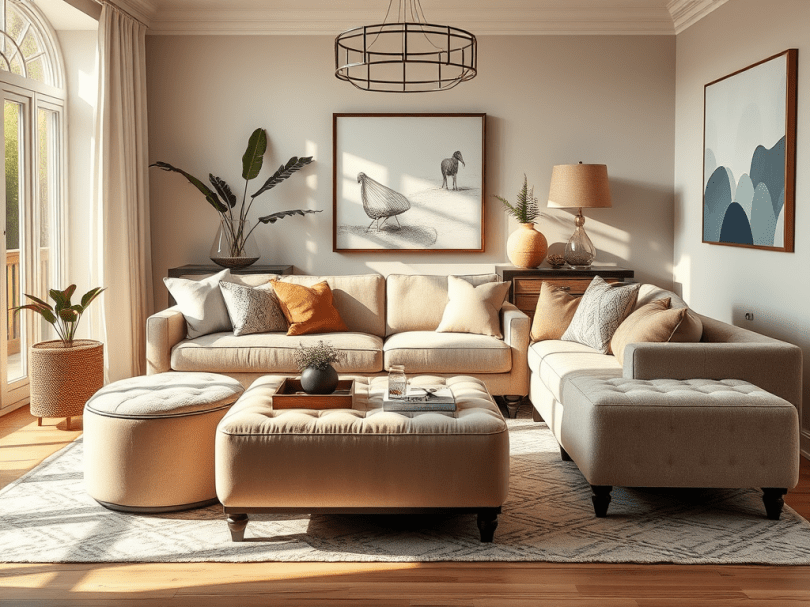
How to Pick the Right Ottoman for Your Space

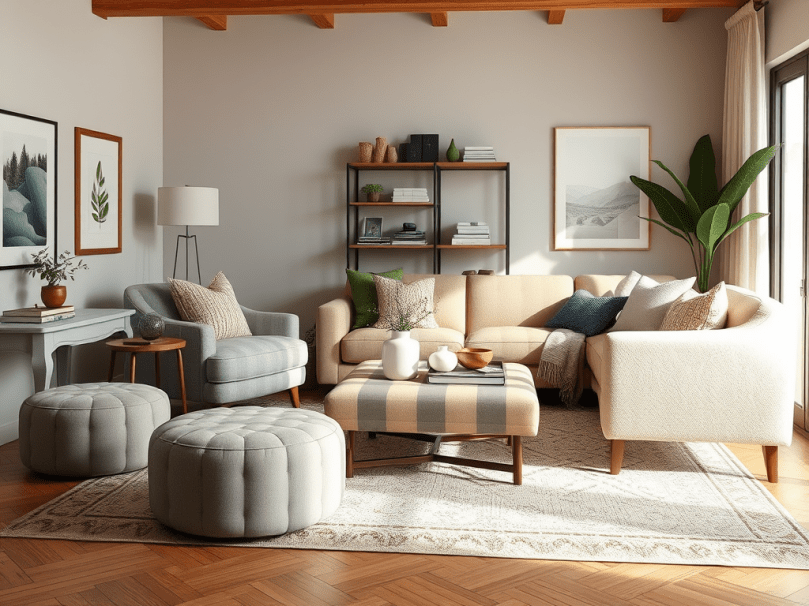
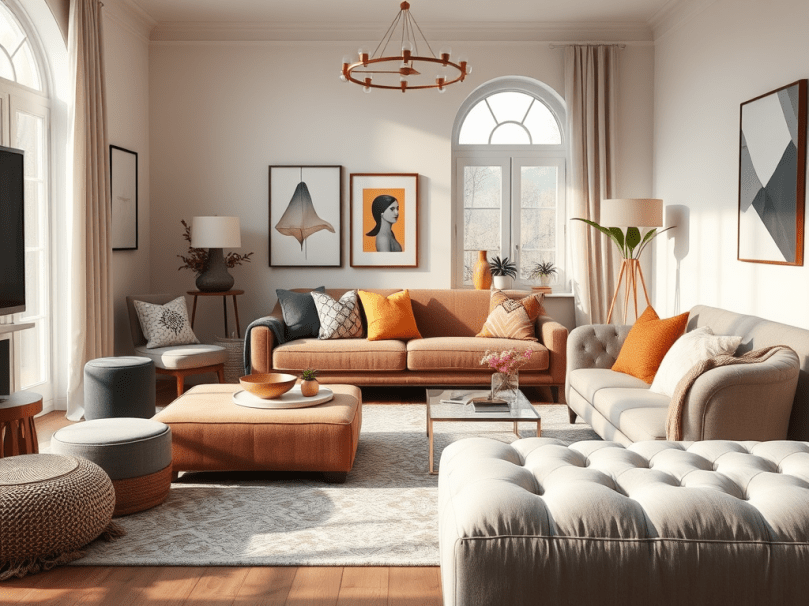
Ottomans are one of the most versatile furniture pieces you can add to your home. They can serve as footrests, coffee tables, extra seating, or even storage solutions. However, choosing the right size and type of ottoman for your space requires careful consideration. Here’s how to find the perfect ottoman to complement your home’s decor and functionality.

1. Determine the Purpose of Your Ottoman

Before choosing an ottoman, think about how you plan to use it. Ottomans come in various designs, and selecting one that fits your needs will ensure you get the most out of your purchase.

  • Footrest: A smaller, cushioned ottoman that aligns with the height of your sofa or chair will provide maximum comfort.
  • Coffee Table Alternative: Choose a larger, flat-top ottoman that can hold trays and decorative items.
  • Extra Seating: Consider a sturdy, upholstered ottoman that can double as additional seating when guests visit.
  • Storage: A storage ottoman with a hinged lid or removable top can help keep clutter at bay.

2. Choose the Right Size

The size of your ottoman should be proportional to your seating arrangement and room size.

  • For Small Spaces: Opt for a compact or round ottoman that won’t overwhelm the space. Nesting ottomans or cube-shaped options can be tucked away when not in use.
  • For Large Living Rooms: A larger rectangular or oversized round ottoman can serve as a focal point and provide ample surface area.
  • For Sectionals: A square or rectangular ottoman works well in the center of a sectional to provide balance and functionality.

3. Select the Right Shape

The shape of your ottoman should complement your furniture layout.

  • Round Ottomans: Soften the look of a room and work well with curved sofas or accent chairs.
  • Square Ottomans: Ideal for structured seating arrangements or sectional sofas.
  • Rectangular Ottomans: Great for long sofas, providing a cohesive look.
  • Oval Ottomans: Offer a unique shape that works well in both small and large spaces.

4. Consider the Material and Upholstery

The fabric or material of your ottoman should match your lifestyle and aesthetic preferences.

  • Leather: Durable, easy to clean, and great for modern or traditional spaces.
  • Velvet: Luxurious and stylish, but may require more maintenance.
  • Cotton or Linen: Soft and casual, perfect for a relaxed setting.
  • Microfiber: Stain-resistant and ideal for households with kids or pets.
  • Wicker or Rattan: Adds texture and a bohemian touch to your decor.

5. Match the Style to Your Decor

Your ottoman should blend seamlessly with your existing decor style.

  • Modern: Sleek, clean lines with metal or wood legs.
  • Traditional: Button-tufted upholstery with classic detailing.
  • Rustic/Farmhouse: Distressed wood or leather with cozy textures.
  • Bohemian: Patterned fabric or woven materials for a laid-back vibe.

6. Think About Portability

If you want flexibility in your furniture arrangement, consider ottomans with wheels or lightweight designs that are easy to move around.

Final Thoughts

An ottoman can be a stylish and functional addition to any room. By considering its purpose, size, shape, material, and style, you can find the perfect ottoman that enhances both your space and your lifestyle. Whether you need extra storage, a coffee table alternative, or just a cozy footrest, there’s an ottoman out there that’s just right for you.

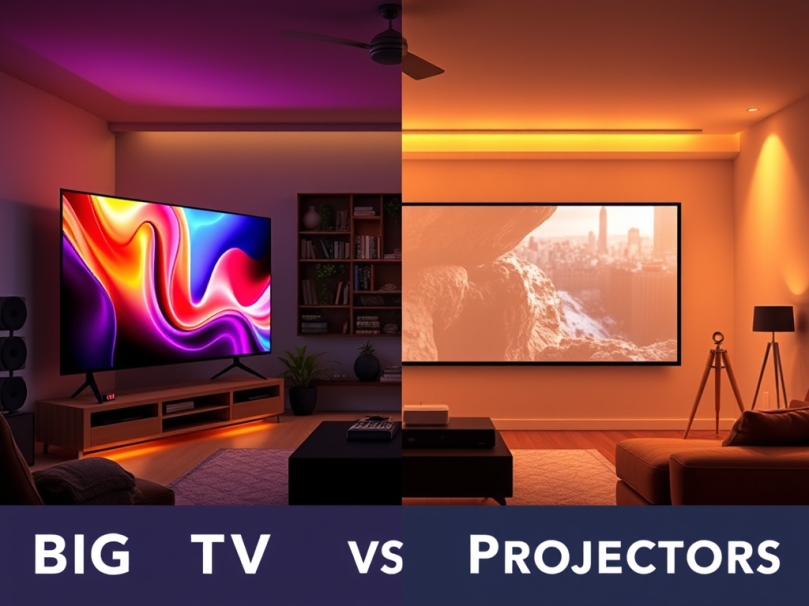
Big Screen TVs vs. Projectors: Are TVs Becoming a Thing of the Past?

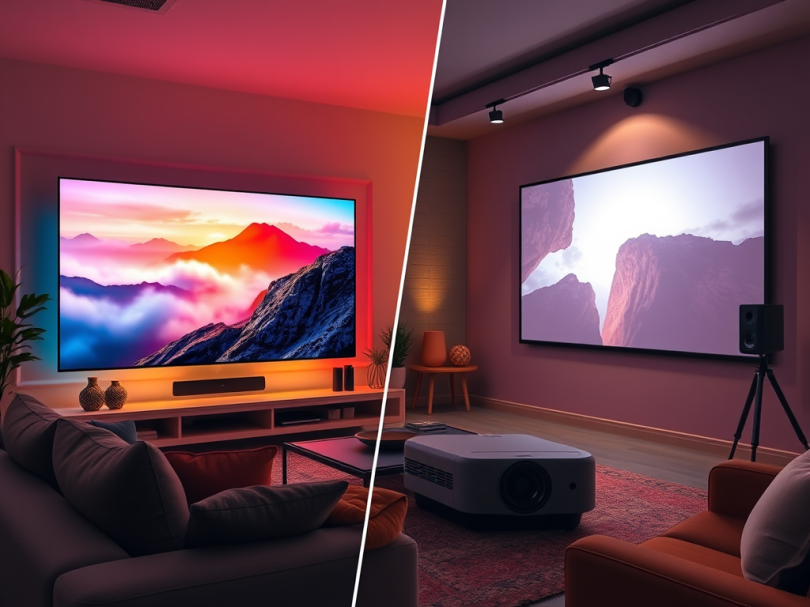
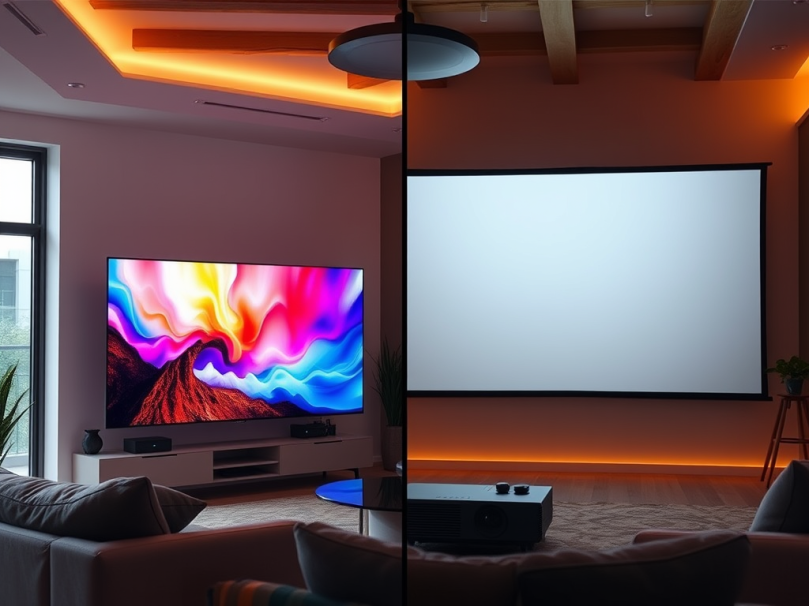
With the rise of home projectors and the increasing desire for minimalist, high-tech living spaces, some homeowners are wondering: are big-screen TVs still the best choice, or is it time to switch to a projector? Let’s break down the debate and help you decide which is right for your home.

Are TVs Becoming Obsolete?

For decades, the television has been the focal point of living rooms, bedrooms, and entertainment spaces. With advancements like 4K and 8K resolution, OLED displays, and smart TV capabilities, televisions continue to dominate the home entertainment industry. But with the rise of streaming, wireless technology, and an increasing preference for sleek, clutter-free aesthetics, some homeowners are looking for alternatives that blend better with their decor.

Why Projectors Are Gaining Popularity

Home projectors have evolved significantly, offering crisp 4K resolution, high brightness levels, and easy setup. Here’s why some people are swapping out their big-screen TVs for a projector:

  1. Minimalist Design – A projector eliminates the need for a bulky TV, making it ideal for clean, open spaces. When not in use, a projector is virtually invisible.
  2. Bigger Screen Size – Most projectors can display images well beyond 100 inches, something only the largest (and most expensive) TVs can match.
  3. Portable and Versatile – Many projectors are compact and can be easily moved from room to room or even outdoors for movie nights.
  4. Less Screen Glare – Since projectors reflect light rather than emit it, they create a more natural viewing experience, which can be easier on the eyes.

Why Big-Screen TVs Still Have the Edge

Despite the rise of projectors, TVs remain the top choice for many households. Here’s why:

  1. Superior Brightness – TVs work better in bright rooms without the need for blackout curtains or special screens.
  2. Better Image Quality in Any Setting – While high-end projectors can match TV quality, most affordable projectors struggle with contrast and black levels.
  3. Easier Setup – TVs require minimal installation, whereas projectors often need a screen, proper mounting, and a darker room for optimal viewing.
  4. Smart Features – TVs come with built-in apps, voice assistants, and seamless integration with home automation systems, making them more user-friendly.

How to Decide: TV vs. Projector

Choosing between a big-screen TV and a projector comes down to your lifestyle, space, and viewing habits. Consider the following:

  • Room Size & Lighting – If you have a bright room with no way to control light, a TV is the better option. If you have a dedicated home theater or dim lighting, a projector may be ideal.
  • Budget – While entry-level projectors can be affordable, high-quality 4K projectors with great brightness and contrast can be pricey. Meanwhile, 65-75 inch TVs offer great value for their performance.
  • Usage – If you mainly watch during the day or use your screen for gaming, a TV might be the better option. If you want a true cinematic experience, a projector is worth considering.

The Verdict

TVs aren’t going anywhere just yet. Their reliability, image quality, and ease of use make them a go-to choice for most households. However, if you want a more immersive, theater-like experience and have the right space for it, a projector can be a fantastic alternative. Ultimately, the best choice comes down to your personal viewing preferences and home setup.

Would you switch to a projector, or do you prefer the reliability of a TV? Let us know in the comments!

Silk vs. Real Flowers: Which Is Best for Home Decor?

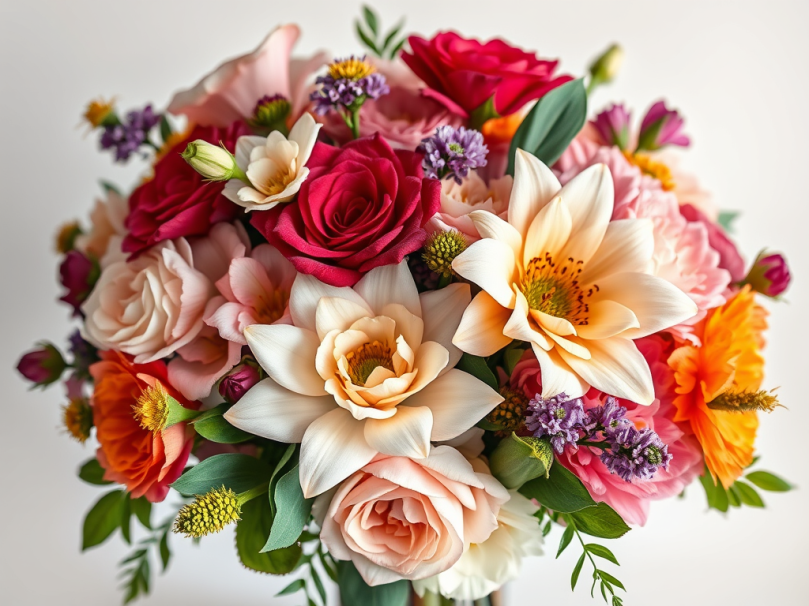
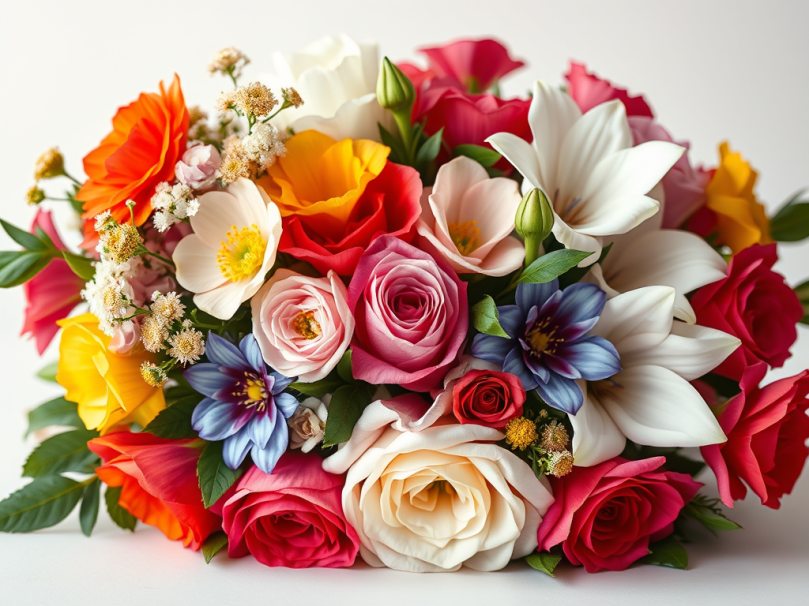
Flowers have a way of bringing life, color, and elegance into any home. Whether used as a centerpiece, an accent on a bookshelf, or a welcoming touch in the entryway, floral arrangements can make a significant impact on your home decor. But when it comes to choosing between silk flowers and real blooms, which is the better option? Each has its own set of pros and cons, and your choice may depend on your lifestyle, budget, and aesthetic preferences.

The Beauty of Real Flowers

Nothing quite compares to the fragrance and freshness of real flowers. Their vibrant colors and natural textures bring a level of authenticity to home decor that silk flowers may struggle to match. Here are some advantages and disadvantages of using real flowers:

Pros of Real Flowers:

  • Natural Beauty – Real flowers have an organic appeal that enhances the atmosphere of a room.
  • Fragrance – Fresh flowers like roses, lilies, and lavender add a pleasant aroma to your home.
  • Seasonal Variety – You can switch up your decor with flowers that reflect the seasons, from tulips in the spring to poinsettias in the winter.
  • Mood-Boosting – Studies have shown that fresh flowers can elevate mood and reduce stress.

Cons of Real Flowers:

  • Short Lifespan – Most fresh flowers last only a few days to a week, requiring frequent replacements.
  • Maintenance – They need water, sunlight, and care to stay fresh.
  • Allergy Concerns – Some people may have allergies to pollen, making fresh flowers a potential issue.
  • Costly Over Time – Continuously buying fresh flowers can add up, making them a less budget-friendly option.

The Practicality of Silk Flowers

Silk flowers have come a long way in terms of quality and realism. Many high-end silk arrangements closely resemble real flowers, making them an excellent alternative for those who want floral decor without the hassle.

Pros of Silk Flowers:

  • Low Maintenance – No need for watering, trimming, or replacing; they always look fresh.
  • Durability – Silk flowers last indefinitely, making them a cost-effective choice in the long run.
  • Allergy-Free – A great option for those who suffer from pollen allergies.
  • Endless Variety – You can have any flower in any season, regardless of availability.

Cons of Silk Flowers:

  • Lack of Fragrance – Unlike real flowers, silk arrangements don’t provide a natural floral scent.
  • Can Look Artificial – While high-quality silk flowers can be realistic, lower-quality ones may look obviously fake.
  • Dust Accumulation – Over time, silk flowers collect dust and require occasional cleaning to maintain their beauty.

Which Should You Choose?

The decision between silk and real flowers ultimately depends on your needs and lifestyle. If you love the idea of fresh, fragrant blooms and don’t mind the maintenance, real flowers can be a wonderful addition to your home. However, if you want long-lasting beauty with minimal upkeep, high-quality silk flowers can be a fantastic alternative.

A great compromise is to use a mix of both! Real flowers can be displayed for special occasions, while silk arrangements provide a consistent decorative touch year-round. No matter your choice, floral decor is a timeless way to enhance your living space and create an inviting atmosphere.

How to Choose a Shower Curtain That is Both Durable and Stylish

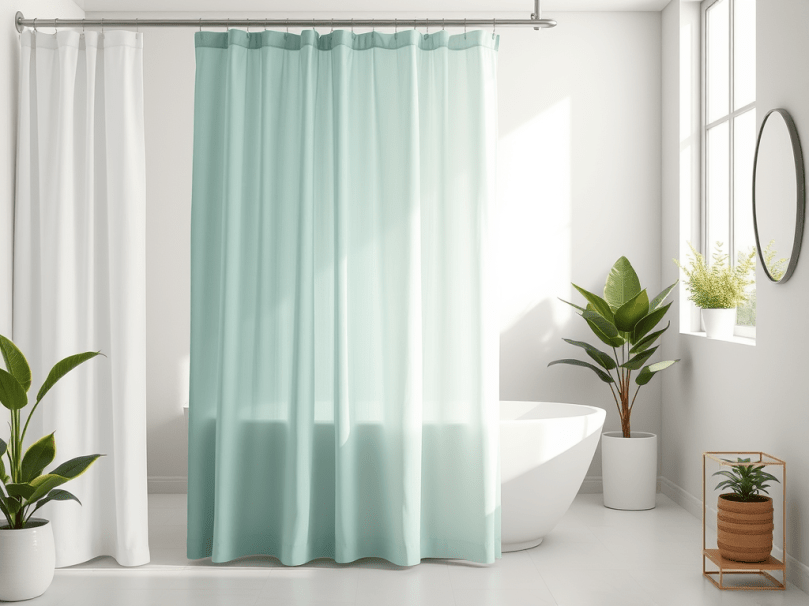
A shower curtain might seem like a simple bathroom accessory, but it plays a major role in defining your bathroom’s aesthetic while also serving a practical function. The right shower curtain should be durable enough to withstand daily moisture exposure while also complementing your personality and home decor. If you’re on the hunt for the perfect shower curtain, here are some key factors to consider.

1. Material Matters: Durability vs. Aesthetic

Shower curtains come in various materials, and each offers different levels of durability and style.

  • Vinyl or PEVA – Affordable, water-resistant, and easy to clean, but may lack the elegance of fabric curtains.
  • Polyester – A budget-friendly option that mimics fabric but with more durability and water resistance.
  • Cotton or Linen – Provides a luxurious look and feel but requires a liner to prevent water damage and mildew buildup.
  • Microfiber – Soft, stylish, and water-resistant, offering a middle ground between fabric and synthetic options.

2. Find the Right Size and Fit

Standard shower curtains are 72 x 72 inches, but measuring your space before purchasing is key. If you have a tall or wide shower, look for extra-long or extra-wide options to ensure proper coverage.

3. Choosing a Style That Reflects Your Personality

Your shower curtain can make a statement or blend seamlessly with your bathroom decor. Consider these styles:

  • Minimalist – Solid colors or subtle patterns for a clean, modern look.
  • Bold and Artistic – Vibrant prints, abstract designs, or statement-making graphics for a personalized touch.
  • Nature-Inspired – Florals, ocean themes, or leafy patterns to create a calming spa-like vibe.
  • Vintage or Classic – Lace-trimmed or monogrammed designs for a timeless feel.
  • Quirky and Fun – Novelty prints or playful patterns that showcase your sense of humor or interests.

4. Functionality Features to Look For

  • Mold and Mildew Resistance – Especially important in humid environments to maintain hygiene.
  • Machine-Washable – Easy cleaning helps prolong the life of your curtain.
  • Weighted Bottom Hem – Prevents the curtain from sticking to you or billowing out.
  • Rust-Resistant Grommets – Ensures durability and prevents damage over time.

5. Pairing It with the Right Liner

If you choose a fabric shower curtain, pairing it with a high-quality liner is essential to protect against water damage. Look for:

  • A mildew-resistant, waterproof liner.
  • Heavy-duty or weighted options to prevent movement.
  • Clear, frosted, or opaque choices based on your privacy needs.

Final Thoughts

Your shower curtain is more than just a functional piece—it’s a statement about your style and personality. By considering durability, materials, design, and practicality, you can find the perfect curtain that enhances your bathroom while standing up to daily use. Whether you prefer sleek and modern or colorful and bold, your ideal shower curtain awaits!