
How to Choose the Right Accent Chairs for Your Space

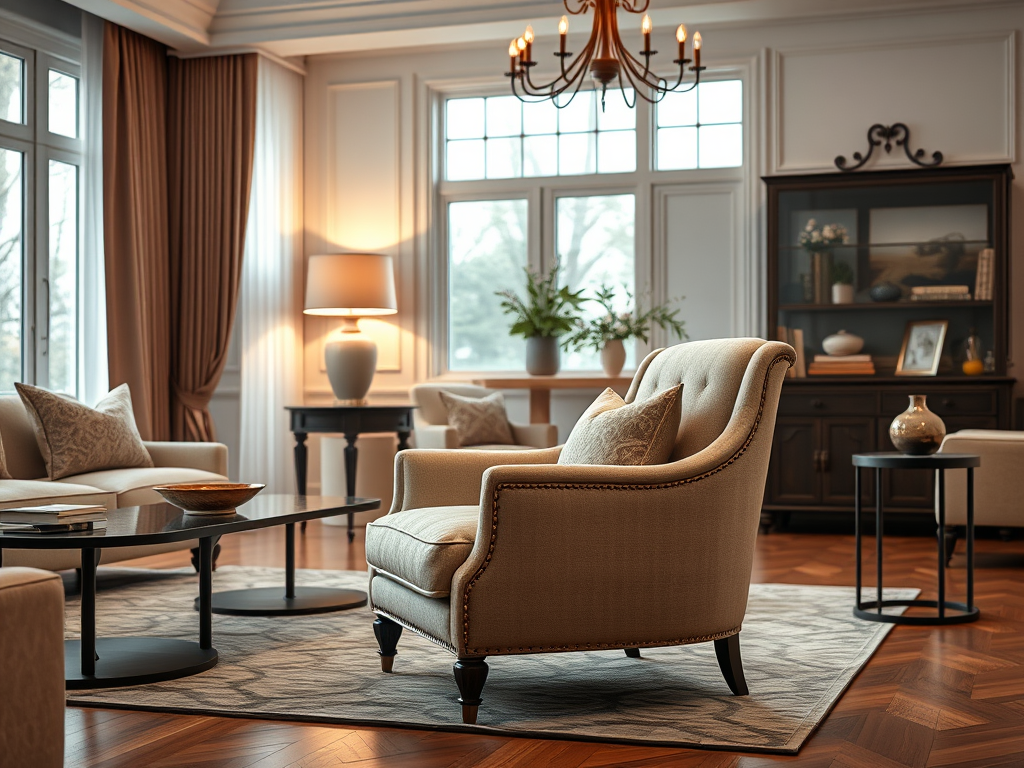
Accent chairs aren’t just for sitting—they’re style statements, conversation starters, and sometimes even the unexpected pop of color that brings your entire room together. But choosing the right one can be tricky. Will it clash with your couch? Will it be comfortable? Does it even serve a purpose beyond looking pretty? Let’s dive into how to pick the perfect accent chair for your space, with some personal experiences and product recommendations along the way.
1. Define Its Purpose

Before you get swept away by a stunning velvet chair in a bold mustard yellow, ask yourself: What is this chair’s job? Is it meant to provide extra seating in your living room? A comfy reading nook addition? Or is it just there to make your space look more refined? Identifying the purpose will help narrow your options.

Personal Experience: I once bought a sleek, mid-century modern chair that looked absolutely gorgeous—but it was so stiff that no one wanted to sit in it. Lesson learned: Beauty without function is a waste of space.

2. Consider Your Existing Decor

Your accent chair should enhance your current decor, not fight it. If you have a modern, minimalist space, a chunky, overstuffed armchair might look out of place. Likewise, if you have a classic farmhouse aesthetic, a chrome-accented chair could feel jarring.

Product Recommendation:

  • Rivet Jamie Upholstered Mid-Century Accent Chair (Amazon) – Sleek and stylish, this chair blends well with most modern and mid-century styles.

3. Pick the Right Material

Fabric choice makes all the difference. Velvet and leather feel luxurious but can be high-maintenance. Cotton and linen are classic and breathable, while faux leather and performance fabrics work well for homes with kids and pets.

Personal Experience: I once made the mistake of buying a white linen accent chair, thinking it would look elegant. It did—until my dog jumped on it with muddy paws. If you have pets or kids, consider darker fabrics or stain-resistant options.

Product Recommendation:

  • Stone & Beam Lauren Oversized Armchair (Amazon) – Durable, comfortable, and available in multiple pet-friendly fabrics.

4. Size and Scale Matter

An oversized chair in a small room can feel suffocating, while a tiny chair in a spacious living room might look awkward. Measure your space and consider how the chair fits in with the rest of your furniture.

Quick Tip:

If you’re unsure about size, use painter’s tape to outline the chair’s dimensions on the floor before purchasing.

5. Go Bold or Keep It Neutral?

Accent chairs can either blend in with your existing palette or be the statement piece of your room. If you have a neutral-colored couch, a bold jewel-toned or patterned chair can add personality. On the flip side, if your space already has a lot going on, a neutral chair can bring balance.

Product Recommendation:

  • Christopher Knight Home Evelyn Tufted Velvet Chair (Wayfair) – A stunning, jewel-toned velvet chair perfect for adding a touch of luxury.

6. Comfort Over Everything

Looks are important, but if a chair isn’t comfortable, you’ll regret the purchase. Consider factors like seat depth, cushion firmness, and back support.

Personal Experience: I once bought a chair that looked like something out of an interior design magazine but felt like sitting on a rock. It ended up being nothing more than a decorative piece I never used.

Product Recommendation:

  • Oskar Swivel Lounge Chair (West Elm) – Stylish yet ultra-comfortable, perfect for cozying up with a book.
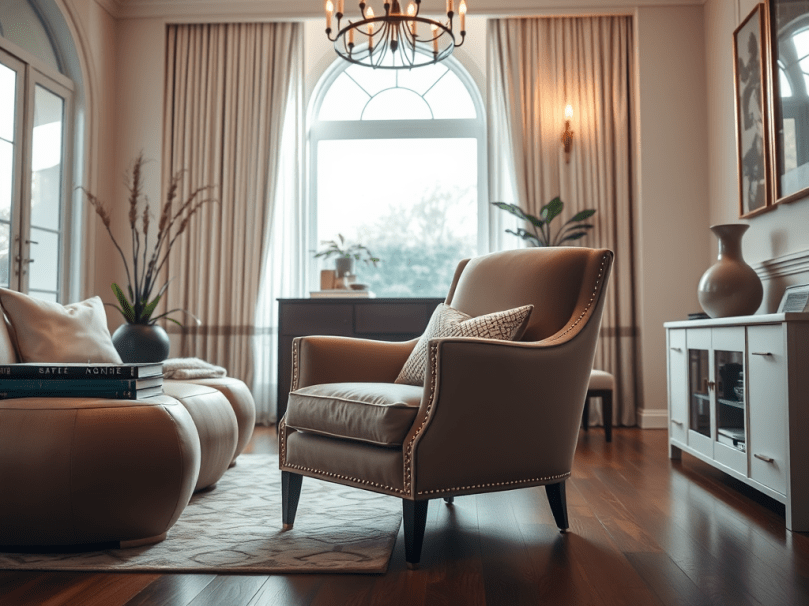
Final Thoughts

Accent chairs are an opportunity to express your style while serving a practical purpose. When choosing one, consider its function, material, size, and how it complements your existing decor. Whether you go bold with color or stick to classic neutrals, the right accent chair can elevate your space effortlessly.

Have a favorite accent chair? Share your experiences in the comments!
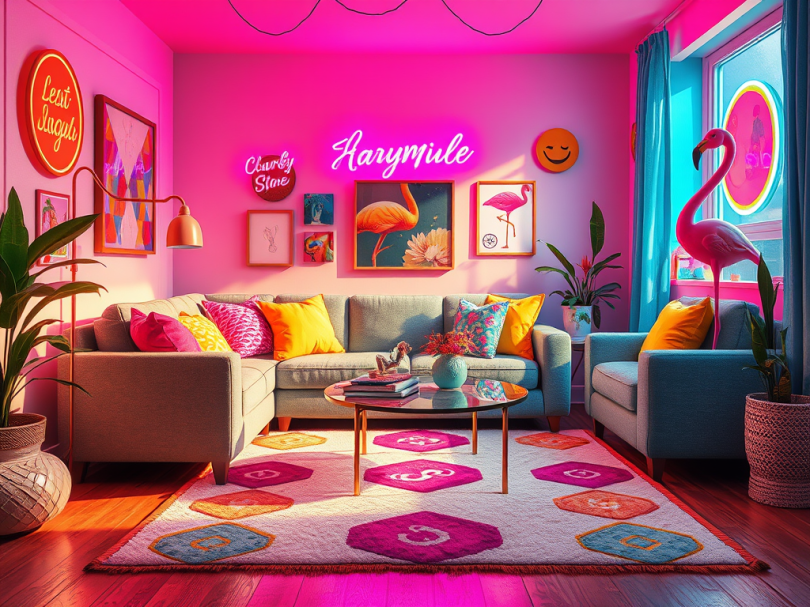
Making Home Decor Fun: How to Add Accents That Bring Joy to Your Space

Home decor is more than just choosing colors and furniture—it’s about creating a space that reflects your personality and brings joy to your everyday life. Adding fun accents to your home decor can transform your space from ordinary to extraordinary, making it both beautiful and enjoyable. Here’s how you can infuse fun into your decor while keeping it stylish and functional.

1. Play with Colors and Patterns

One of the easiest ways to add fun to your home is by using bold colors and playful patterns. Vibrant throw pillows, patterned wallpaper, or a statement rug can instantly uplift your space. Consider using:

  • Bright throw pillows like the MIULEE Velvet Decorative Pillows for a pop of color.
  • Removable wallpaper from brands like Tempaper, which allows you to experiment without long-term commitment.
  • Patterned area rugs, such as the SAFAVIEH Monaco Collection rug, which adds visual interest to any room.

2. Incorporate Quirky and Unexpected Elements

Adding unique, eye-catching pieces can make your home feel more lively and engaging. Consider:

  • Neon signs with fun phrases for a playful touch in the living room or home office.
  • Novelty furniture, like the Everly Quinn Swivel Bubble Chair, which combines comfort with whimsy.
  • Statement art pieces, such as pop art or abstract designs, that spark conversation.

Real-Life Inspiration

A great example of using quirky decor to create a fun space is Sarah Thompson, a graphic designer from New York. Sarah transformed her apartment into a playful retreat by incorporating elements like a pink flamingo floor lamp, a vintage arcade game in her living room, and a custom bookshelf shaped like a giant question mark. She also painted one wall with chalkboard paint to allow guests to leave doodles and messages. Her home not only reflects her personality but also serves as a fun and interactive space for friends and family.

3. Use Multifunctional and Interactive Decor

Decor doesn’t have to be static—it can be interactive and serve multiple purposes. Industry experts recommend pieces that blend function with fun, such as:

  • Chalkboard or whiteboard walls in the kitchen or playroom for jotting down notes and doodles.
  • Smart lighting like Philips Hue, which allows you to change colors and set moods at the touch of a button.
  • Bookshelves with a twist, such as geometric or tree-shaped designs, which serve as both storage and art.

4. Bring in Playful Accessories

Small accents can have a big impact on making a home feel more joyful. Consider:

  • Whimsical doormats with fun quotes to greet your guests with a smile.
  • Novelty kitchen gadgets, like the OTOTO Nessie Ladle, which adds a touch of humor to cooking.
  • Seasonal decor, like colorful garlands, themed coasters, or quirky salt and pepper shakers.

5. Add Personal Touches

The best way to make decor fun is to personalize it! Use items that reflect your interests and hobbies:

  • Customized neon signs with your favorite quote or family name.
  • Gallery walls featuring a mix of personal photos, travel souvenirs, and fun artwork.
  • DIY projects, such as painted furniture or handmade macrame, to add a creative and unique touch.

Final Thoughts from Industry Experts

Interior designer Emily Henderson suggests, “Fun decor should be a mix of personality, functionality, and a bit of the unexpected. Don’t be afraid to experiment—if it makes you smile, it belongs in your home.” Similarly, home stylist Nate Berkus advises, “A home should be a reflection of joy. Adding elements that make you happy—whether that’s color, texture, or something quirky—is key to loving your space.”

By incorporating playful elements into your home, you can create a space that not only looks beautiful but also feels uplifting and fun. Whether you opt for bold patterns, whimsical accents, or interactive decor, the goal is to design a home that brings joy to your everyday life!

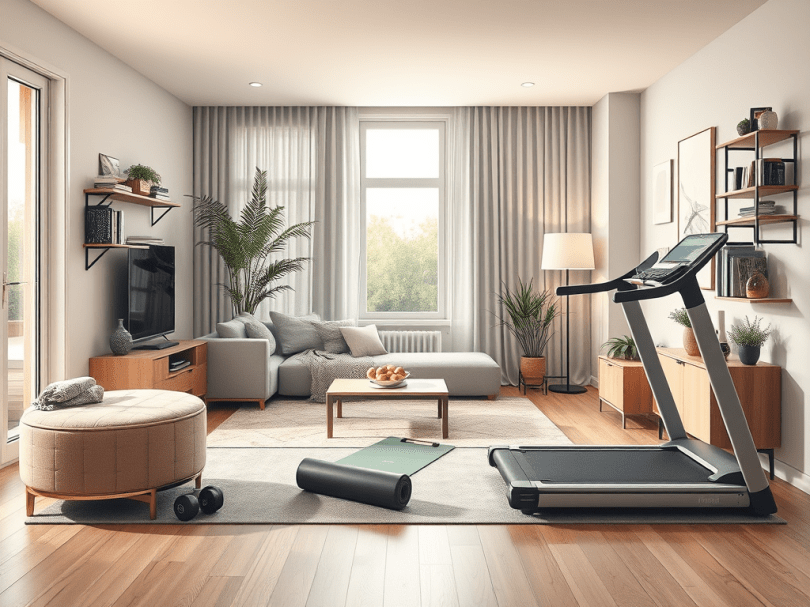
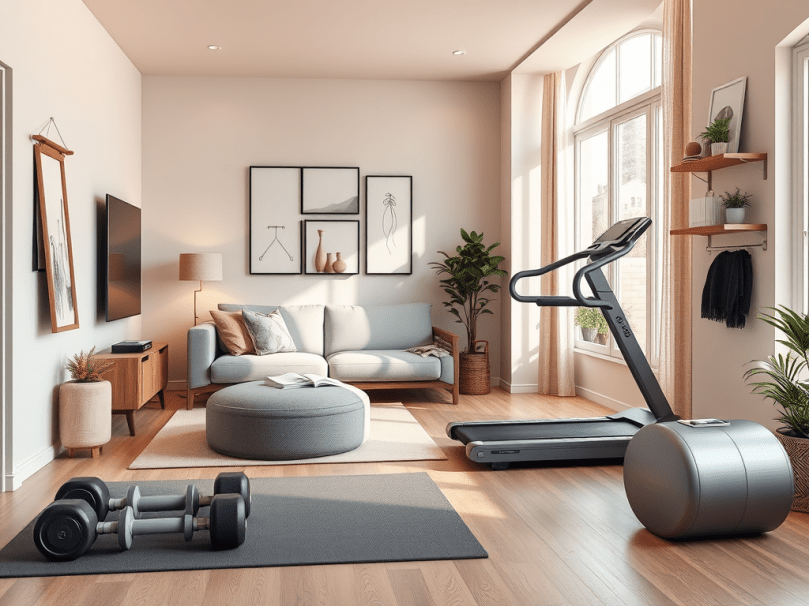
How to Seamlessly Incorporate Exercise Equipment into Your Home Decor


Adding exercise equipment to your home doesn’t mean sacrificing style or creating a cluttered look. If you don’t have a designated workout room, you can still integrate fitness gear into your living space in a way that complements your decor. Here’s how to keep your home functional and stylish while staying on top of your fitness goals.

1. Choose Aesthetic Equipment

Modern exercise equipment is no longer just about function—it can also be stylish. Opt for sleek, minimalist pieces in neutral colors like black, white, or wood tones to blend seamlessly with your home decor. Brands now offer aesthetically pleasing weights, yoga mats, and even foldable treadmills that don’t stand out as an eyesore.

2. Use Multipurpose Furniture

If space is limited, consider furniture that doubles as workout storage. For example:

  • A storage ottoman can hold resistance bands, yoga mats, or small weights.
  • A stylish cabinet or sideboard can discreetly house your dumbbells and foam rollers.
  • A bench with hidden storage can store heavier gym equipment while serving as extra seating.

3. Incorporate Wall Storage

Wall-mounted racks or pegboards can hold yoga mats, jump ropes, and resistance bands, keeping them off the floor and neatly displayed. Choose wooden or metal options that match your home’s aesthetic, making them part of the decor rather than clutter.

4. Disguise Equipment as Decor

Some workout gear can double as decorative elements:

  • A chic woven basket can hold rolled-up yoga mats or resistance bands.
  • Dumbbells with wooden or matte finishes can be displayed on a shelf like an art piece.
  • A sleek stationary bike in a corner can look like a design feature when positioned strategically near a window or artwork.

5. Foldable & Compact Equipment

Opt for foldable or stackable exercise equipment that can be tucked away after use. Folding treadmills, compact rowing machines, and stackable weights are excellent for keeping your space open and uncluttered when not in use.

6. Create a Dual-Purpose Space

Rather than dedicating an entire room, transform a section of an existing space into a workout-friendly area:

  • Use a living room corner for a yoga mat and hand weights.
  • Convert a section of your bedroom into a compact workout area with space-saving equipment.
  • If you have a home office, use a standing desk with a treadmill pad or under-desk cycling equipment.

7. Blend Equipment with Your Decor Theme

If your home has a specific style—modern, rustic, bohemian, or industrial—select exercise equipment that aligns with it. For instance:

  • A wooden Pilates reformer fits well in a Scandinavian or mid-century modern home.
  • A black or metal-frame bike complements an industrial-style loft.
  • Neutral or pastel-colored resistance bands and mats suit a minimalist or boho aesthetic.

8. Incorporate Mirrors for Style & Function

Adding a large mirror to your space not only makes it feel larger but also serves a practical purpose for workouts. A stylish floor mirror can enhance your decor while helping you maintain proper form during exercise.

9. Use Hidden Storage Solutions

If you prefer to keep your workout gear out of sight, consider:

  • Under-bed storage for yoga mats, foam rollers, or small dumbbells.
  • A designated workout drawer in a media console or credenza.
  • A rolling storage cart that blends with your decor and can be moved when needed.

10. Keep It Organized & Intentional

The key to making exercise equipment work within your home decor is organization. Instead of leaving items scattered around, give each piece a dedicated place. A clutter-free space will make your home feel polished while ensuring your fitness routine stays easily accessible.

Final Thoughts

Your home should reflect your lifestyle, and integrating exercise equipment doesn’t mean sacrificing aesthetics. With thoughtful choices in storage, style, and functionality, you can maintain a beautifully designed space while staying committed to your health.

Would you like recommendations for stylish workout equipment that blends seamlessly with home decor? Let me know in the comments!


Glass vs. Wood: Which Material is Better for Your Home?

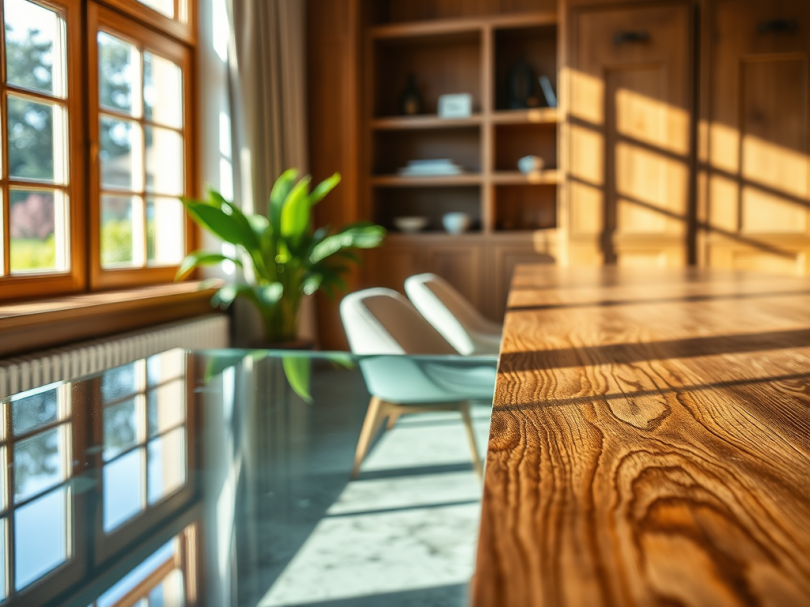
When choosing furniture, particularly tables, one of the biggest decisions is selecting the right material. Glass and wood are two of the most popular options, each offering unique benefits and drawbacks. The choice ultimately depends on your lifestyle, design preferences, and how you use your space. Let’s explore the key factors to consider when choosing between glass and wood tables for your home.

Aesthetic Appeal

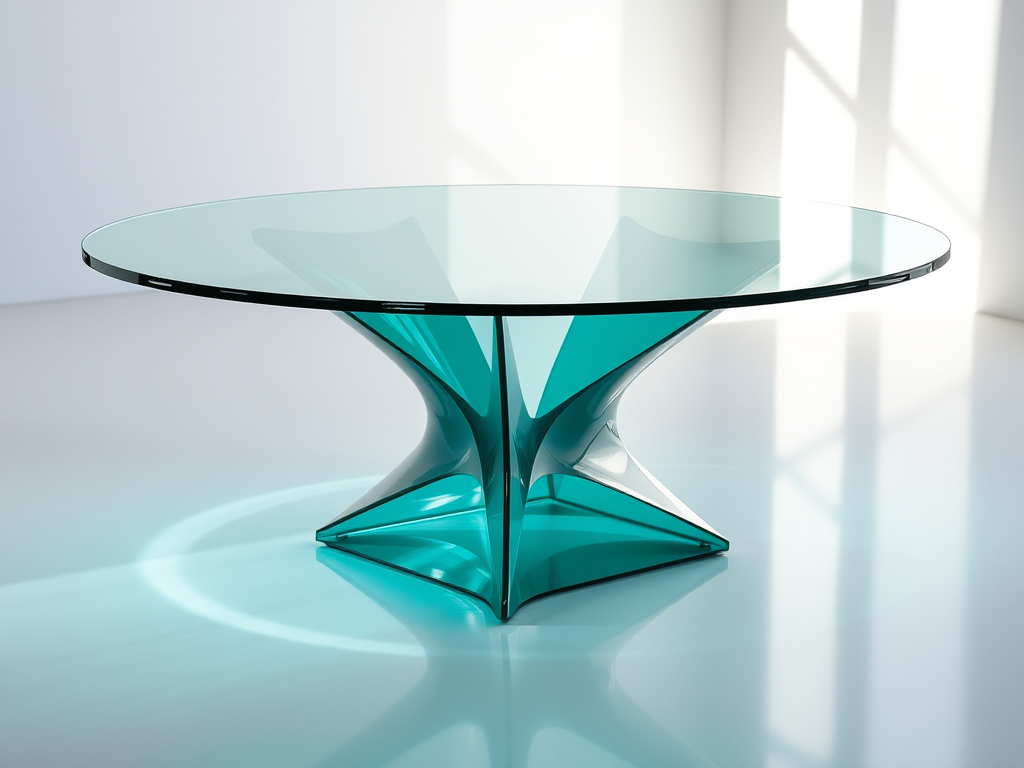
Glass Tables: If you love a modern, sleek, and airy look, glass tables are an excellent choice. They create an illusion of more space, making them ideal for smaller rooms. Glass tabletops also pair well with various materials like metal or wood bases, offering versatility in design.

Wood Tables: For a warm, classic, and timeless look, wood tables stand out. They bring a natural and cozy feel to any room, making them perfect for traditional, rustic, or farmhouse-style interiors. The variety of wood finishes and stains allows for customization to match your existing decor.

Durability and Maintenance

Glass Tables: Glass is prone to scratches, smudges, and fingerprints, requiring frequent cleaning. However, tempered glass is highly durable and resistant to shattering. A glass table can be a long-lasting option with proper care, but it may not be the best choice for homes with small children or pets due to its fragility.

Wood Tables: Wood is generally more durable and can withstand daily wear and tear better than glass. Solid wood tables can last for generations, but they require maintenance, such as polishing or refinishing, to maintain their beauty. Water rings, scratches, and dents can occur, but they often add character to the piece over time.

Functionality and Versatility

Glass Tables: Glass is lightweight and blends seamlessly with any decor style. It works well in dining rooms, coffee tables, and office desks. However, its transparent nature means it does not conceal clutter, which may be a drawback for those who prefer a cleaner, more concealed look.

Wood Tables: Wooden tables offer a solid and grounded presence, making them ideal for dining tables, desks, and console tables. They often include storage features like drawers or lower shelves, adding to their functionality. Unlike glass, wood surfaces conceal minor imperfections and daily messes better.

Cost Considerations

Glass Tables: Generally, glass tables are available at a wide range of price points. High-quality tempered glass with designer bases can be expensive, but more affordable options exist for budget-conscious buyers.

Wood Tables: The price of wood tables varies significantly depending on the type of wood used. Solid hardwood tables tend to be more expensive, while engineered wood or veneer options provide a budget-friendly alternative.

Which One is Best for Your Home?

  • Choose glass if you want a contemporary, light, and airy look, have a smaller space, or prefer a material that won’t visually clutter the room.
  • Choose wood if you prefer warmth and a timeless appeal, need durability for a high-traffic area, or want a surface that requires less frequent cleaning.

Final Verdict

There’s no one-size-fits-all answer when it comes to choosing between glass and wood tables. Consider your lifestyle, design aesthetic, and maintenance preferences before making a decision. Whether you opt for the sleek elegance of glass or the sturdy charm of wood, selecting the right material will ensure your table complements your home for years to come.

Are Ovens a Thing of the Past? Exploring the Need for Traditional Ovens in a Modern Kitchen

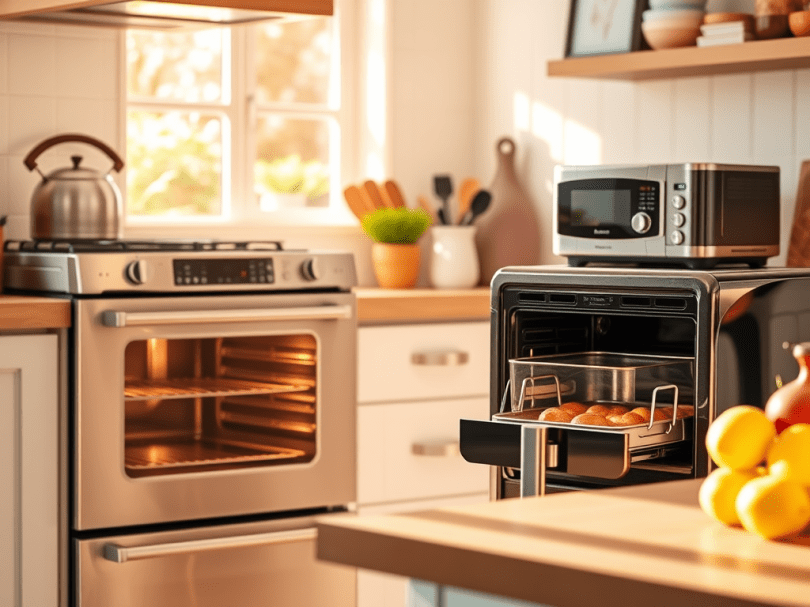
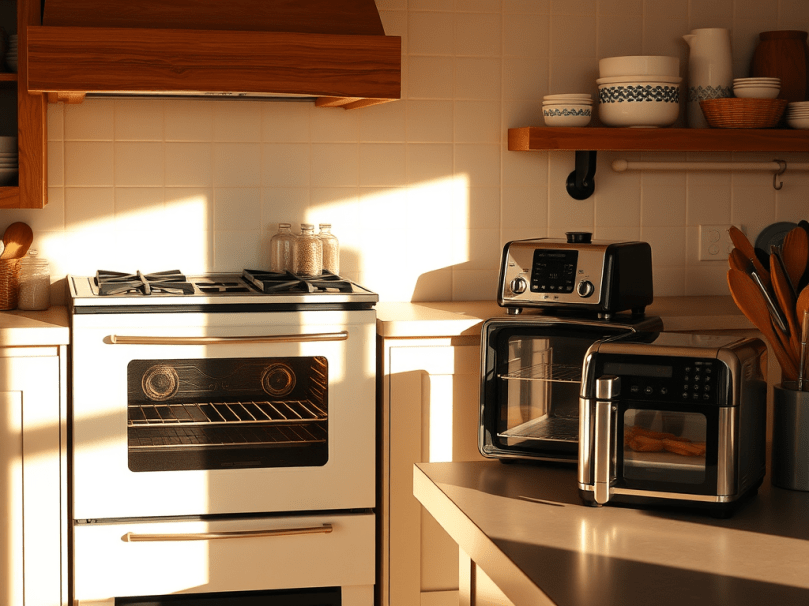
With the rise of kitchen gadgets like air fryers, toaster ovens, and convection microwaves, many homeowners are questioning whether traditional ovens are still necessary. These innovative appliances promise faster cooking times, energy efficiency, and convenience, making them an attractive alternative to the conventional oven. But does this mean the traditional oven is becoming obsolete? Let’s explore the pros and cons of modern kitchen appliances versus traditional ovens.

The Case for Traditional Ovens

Traditional ovens have been a kitchen staple for decades, providing consistent baking, roasting, and broiling capabilities. Here’s why they still hold their ground:

  1. Even Cooking for Large Meals – Conventional ovens are ideal for cooking large portions, making them a must-have for families or anyone who enjoys hosting dinner parties.
  2. Baking Capabilities – If you’re a fan of homemade bread, cakes, or pastries, a traditional oven provides the precise heat distribution needed for perfect results.
  3. Multi-Rack Cooking – Unlike smaller appliances, ovens allow you to cook multiple dishes at once without compromising on space.
  4. Versatility – A traditional oven can handle a wide range of cooking techniques, from roasting meats to slow cooking casseroles.

The Rise of Modern Kitchen Gadgets

With the growing demand for efficiency and convenience, many people are turning to smaller, more advanced kitchen appliances. Here’s why gadgets like air fryers and toaster ovens are gaining popularity:

  1. Energy Efficiency – Smaller appliances generally use less energy than a full-sized oven, making them a great option for eco-conscious consumers.
  2. Faster Cooking Times – Air fryers and convection ovens cook food faster by circulating hot air, reducing cooking time significantly.
  3. Space-Saving Design – For those with limited kitchen space, compact appliances offer a practical alternative to a bulky oven.
  4. Ease of Use – Many modern appliances come with pre-set cooking functions, making meal prep more accessible for busy individuals.

Do You Still Need a Traditional Oven?

While modern appliances can handle many cooking tasks, they haven’t completely replaced the need for a traditional oven. Here’s when an oven is still the best choice:

  • Large Family Meals – Cooking for a crowd? A traditional oven provides the space and even heating required for big meals.
  • Holiday Cooking – Preparing a Thanksgiving turkey or a batch of Christmas cookies is easier with an oven.
  • Specialty Cooking – Some recipes, like slow-roasted meats and artisan bread, still benefit from the consistent heat of a traditional oven.

The Verdict

While air fryers, toaster ovens, and other modern appliances offer incredible convenience, they haven’t entirely replaced traditional ovens. The choice ultimately depends on your cooking habits, household size, and kitchen space. If you rely on baking or cooking large meals, a traditional oven remains invaluable. However, if you prioritize speed, efficiency, and compact design, newer kitchen gadgets might be all you need.

So, are ovens a thing of the past? Not quite—but they may not be as essential in every kitchen as they once were. What’s your take? Would you ditch your oven for modern gadgets, or do you think traditional ovens still have their place?