
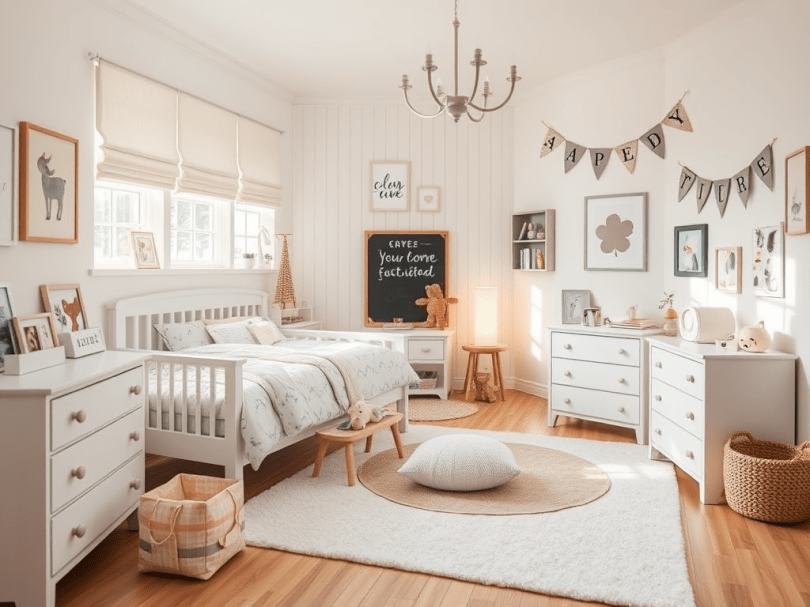
How to Decorate a Child’s Room When They Haven’t Developed Their Own Style

Decorating a child’s room can be a fun yet challenging task, especially when they haven’t yet developed a strong preference for a particular style. Unlike older kids who have clear interests and favorite colors, younger children may not express specific design choices, leaving parents to make the best decision for them. If you’re struggling to find the right direction, here are some helpful tips to create a space that grows with your child while still feeling personal and inviting.
1. Start with a Neutral Base

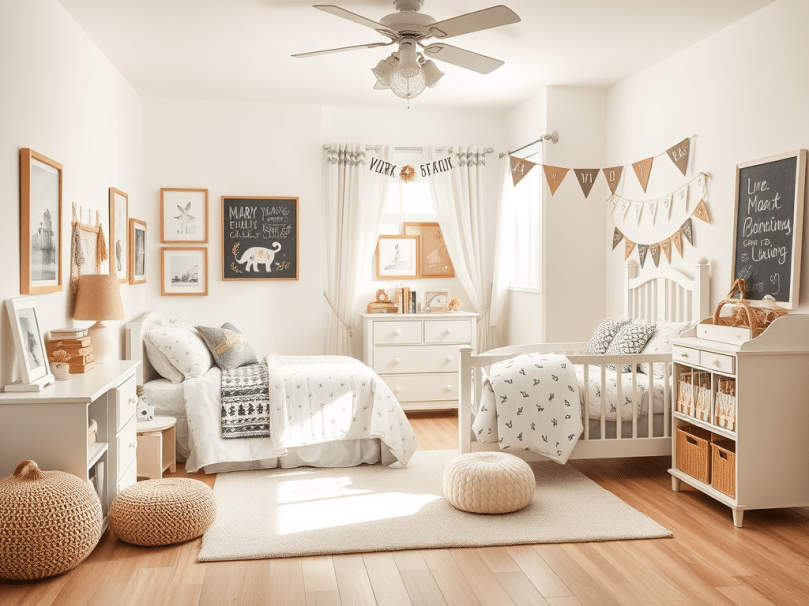
One of the best ways to create a room that will evolve with your child is to start with a neutral foundation. Soft whites, warm grays, or gentle pastels can serve as a blank canvas, making it easier to update the decor as your child’s preferences emerge. Neutral walls also allow furniture, bedding, and decor to stand out without overwhelming the space.

2. Incorporate Timeless Themes

Instead of focusing on trendy or highly specific themes that your child may outgrow quickly, consider timeless design elements. Themes like nature, adventure, outer space, or animals offer flexibility and can be subtly incorporated through bedding, artwork, and accessories.

3. Choose Versatile Furniture

Investing in adaptable furniture is key when decorating for a child who hasn’t yet developed their own style. Opt for classic pieces that can be used for years, such as a convertible crib-to-bed, a sturdy dresser, or a desk that can transition from toddlerhood to school age. Multi-functional furniture, like a storage bench or bookshelves with adjustable height, also adds value as their needs change.

4. Add Personal Touches

Even if your child hasn’t shown a strong design preference, you can incorporate elements that make the room feel special. Personalized wall art, name banners, or framed family photos can add warmth and character to the space. Soft toys, favorite books, and cozy blankets also make the room feel comforting and familiar.

5. Use Playful and Interactive Decor

Children’s rooms should be fun and engaging. Consider incorporating interactive elements such as a chalkboard wall, a reading nook, or a small play tent. These features not only add a touch of whimsy but also encourage creativity and exploration.

6. Keep Color and Pattern Flexible

While a neutral base is ideal, you can add pops of color and playful patterns through easily changeable elements like bedding, curtains, rugs, and wall decals. This allows you to refresh the space without a major overhaul as your child’s interests develop.

7. Make Storage a Priority

Children accumulate a lot of toys, clothes, and accessories over time. Designing a space with ample storage solutions, such as labeled bins, floating shelves, and under-bed drawers, helps keep the room organized and functional. Consider storage options that are easy for kids to use so they can learn to tidy up independently.

8. Leave Room for Growth

Your child’s room should have the flexibility to adapt to their changing needs and tastes. Avoid committing to overly specific decor that may need to be replaced in a few years. Instead, opt for adaptable design choices, like peel-and-stick wallpaper or removable wall decals, so updates can be made without a complete redesign.
Final Thoughts

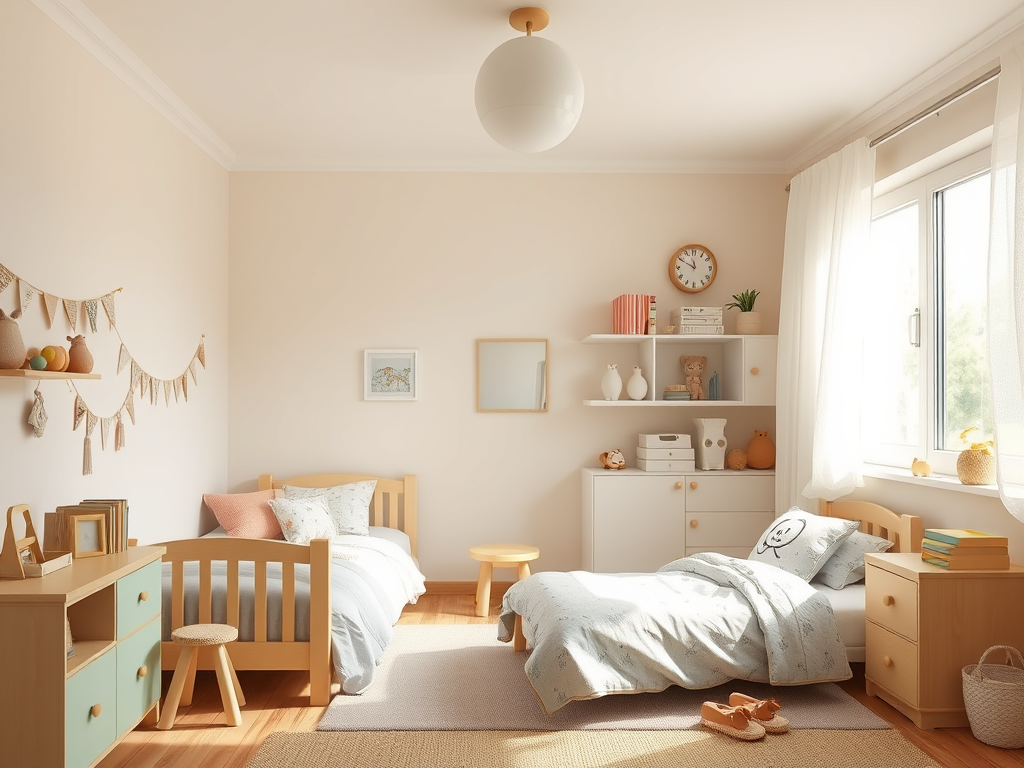
Decorating a child’s room without a defined style might seem like a challenge, but it’s actually an opportunity to create a timeless, adaptable, and comfortable space. By focusing on a neutral base, timeless elements, and versatile decor, you can design a room that grows with your child while allowing them to develop their own personal style over time. Most importantly, keep the space fun, functional, and filled with love!
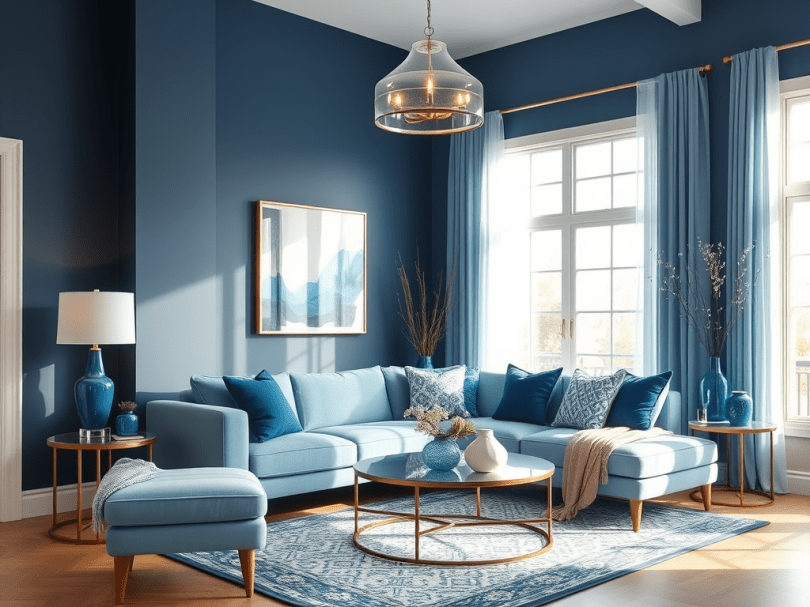
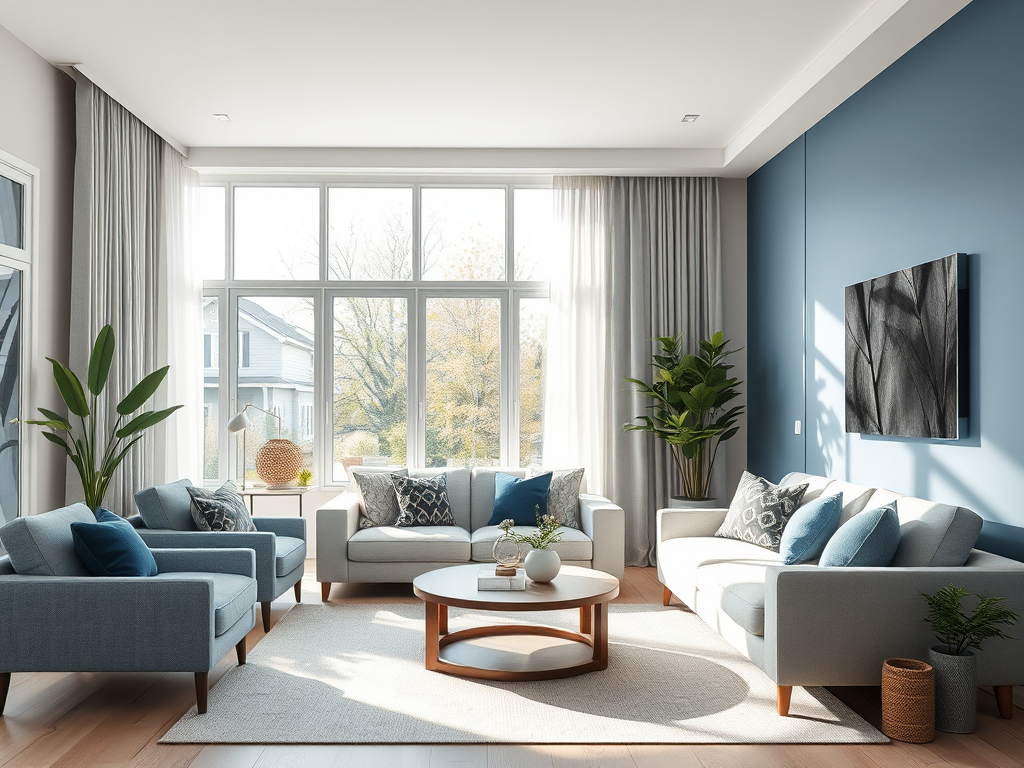
Incorporating Various Shades of Blue in Your Home as an Accent

Blue is one of the most versatile and timeless colors in home decor. Whether you prefer deep navy, soft sky blue, or a bold teal, using blue as an accent can transform your space, creating an atmosphere that ranges from serene and calming to vibrant and energetic. Here’s how to incorporate various shades of blue in your home effortlessly.

1. Blue Accent Walls

A well-chosen accent wall in a shade of blue can become the focal point of a room. Darker shades like navy or cobalt add depth and drama, while lighter blues like sky or powder blue bring a breezy, open feel. Pair a blue wall with neutral furnishings to create balance.

2. Blue Furniture Pieces

Introduce blue into your space with a statement furniture piece. A velvet navy sofa exudes elegance, a light blue armchair adds a touch of sophistication, and a cobalt blue dining set brings a fun, contemporary flair. If you want to keep things flexible, opt for blue slipcovers or upholstery that can be changed with the seasons.

3. Blue Textiles and Fabrics

Soft furnishings are one of the easiest ways to introduce blue into your decor. Think blue throw pillows, curtains, blankets, and rugs. Layering different shades of blue adds dimension and keeps the look interesting. A mix of patterns, such as stripes, florals, and solids, prevents the color from feeling too uniform.

4. Blue Decor Accessories

Small accents in blue can tie the color into your decor seamlessly. Consider blue ceramic vases, picture frames, decorative bowls, or candle holders. If you enjoy DIY projects, try painting a few home accessories in your favorite shade of blue to create a cohesive look.

5. Blue in the Kitchen and Dining Area

Incorporate blue through kitchenware, such as plates, mugs, and glassware. A blue tile backsplash can add a fresh and stylish element to the kitchen. If you’re looking for a subtler touch, try blue napkins, placemats, or even a statement blue table runner.

6. Blue in the Bedroom

Bedrooms are perfect for blue accents, as the color promotes relaxation and tranquility. Blue bedding, headboards, or even a soothing blue wallpaper can enhance the ambiance. A navy blue throw or soft blue sheets paired with neutral tones create a cozy and inviting atmosphere.

7. Blue Artwork and Wall Decor

Artwork featuring blue hues can instantly elevate a space. Consider abstract paintings, ocean-themed prints, or blue-toned photography. A gallery wall with a mix of blue-inspired pieces can serve as a stylish and artistic statement in any room.

8. Blue in Outdoor Spaces

Extend blue accents to your outdoor space with blue cushions, planters, or patio furniture. A blue umbrella or a patterned outdoor rug can create a refreshing and inviting area for relaxation and entertaining.

Final Thoughts

Using various shades of blue as an accent in your home allows for endless possibilities. Whether through furniture, accessories, or textiles, blue effortlessly complements a variety of design styles, from modern and coastal to traditional and eclectic. Experiment with different shades and layers to find the perfect balance that suits your taste and enhances your living space.

Are you ready to embrace blue in your home decor? Let us know how you plan to incorporate this stunning color into your space!

A First-Time Home Buyer’s Guide: How to Start the Process and Find the Perfect Home

Buying your first home is an exciting milestone, but it can also feel overwhelming. With so many steps involved, from understanding finances to choosing the right home, it’s essential to start with a clear plan. This guide will walk you through the process of buying your first home, what to look for in a property, and how to determine your priorities.

Step 1: Assess Your Financial Situation

Before you start browsing listings, it’s crucial to evaluate your financial readiness. Here are the key financial steps to take:

  • Check Your Credit Score: A higher credit score can help you secure a better mortgage rate.
  • Save for a Down Payment: While some loans allow for a low down payment, having 10-20% saved will help reduce costs.
  • Get Pre-Approved for a Mortgage: A pre-approval from a lender gives you an idea of how much home you can afford and strengthens your offer when you find the right property.
  • Budget for Additional Costs: Homeownership comes with expenses beyond the mortgage, including property taxes, insurance, maintenance, and closing costs.

Step 2: Determine Your Home Must-Haves

Every buyer has different needs, so it’s important to outline what matters most to you. Consider the following:

  • Location: Do you want to be close to work, schools, or public transportation? Is the neighborhood safe and welcoming?
  • Size and Layout: How many bedrooms and bathrooms do you need? Do you want an open floor plan or separate spaces?
  • Home Type: Would you prefer a single-family home, townhouse, or condo? Each has its pros and cons.
  • Future Considerations: Will you need space to grow, such as extra bedrooms or a home office?

Step 3: House Hunting and Making an Offer

Once you know what you’re looking for, it’s time to start searching.

  • Work with a Real Estate Agent: A knowledgeable agent can guide you through the process and negotiate on your behalf.
  • Visit Multiple Homes: Keep an open mind and compare different properties to find the best fit.
  • Look Beyond the Surface: Consider the condition of major components like the roof, plumbing, and electrical systems.
  • Make a Competitive Offer: Once you find the right home, your agent will help you craft a strong offer based on market conditions.

Step 4: The Closing Process

After your offer is accepted, there are a few final steps before you get the keys:

  • Home Inspection: This ensures there are no hidden issues that could become costly repairs.
  • Secure Financing: Finalize your mortgage details with your lender.
  • Close the Deal: Review all documents carefully, pay closing costs, and officially take ownership of your new home.

Final Thoughts

Buying your first home is a big step, but with the right preparation and guidance, it can be a smooth and rewarding experience. Start by understanding your finances, defining your must-haves, and working with experienced professionals to find the perfect home. With patience and research, you’ll soon be settling into a place you can truly call your own.

Are you currently looking for your first home? Share your thoughts and experiences in the comments below!

Top Home Decor Trends for a Harmonious 2025

As we step into 2025, home decor trends are embracing a harmonious blend of sustainability, comfort, and personal expression. This year’s designs focus on creating spaces that are not only aesthetically pleasing but also environmentally conscious and reflective of individual personalities. Let’s explore the top home decor trends that are set to define interiors in 2025.

1. Sustainable and Eco-Friendly

Design stainability continues to be a cornerstone in home decor. Homeowners are increasingly opting for eco-friendly materials, reclaimed wood, and energy-efficient appliances. This trend emphasizes the beauty of natural materials and contributes to a greener planet. https://homesweetapartment.com/2025-home-decor-trends/?utm_source=chatgpt.com

2. Biophilic Elements

Connecting interiors with nature remains a significant trend. Incorporating indoor plants, natural textures, and organic shapes brings a breath of fresh air into homes, creating tranquil and rejuvenating atmospheres. Biophilic accents, such as botanical wallpapers and nature-inspired artwork, are also gaining popularity.

3. Curved Furniture and Organic Forms

Soft, curved lines in furniture design are making a comeback, introducing a sense of flow and harmony into living spaces. Rounded sofas, arched doorways, and circular decor items contribute to a more inviting and comfortable environment. https://belleaura.com/blogs/news/top-5-home-decor-trends-of-2025-you-should-not-miss?utm_source=chatgpt.com

4. Rich, Earthy Color Palettes

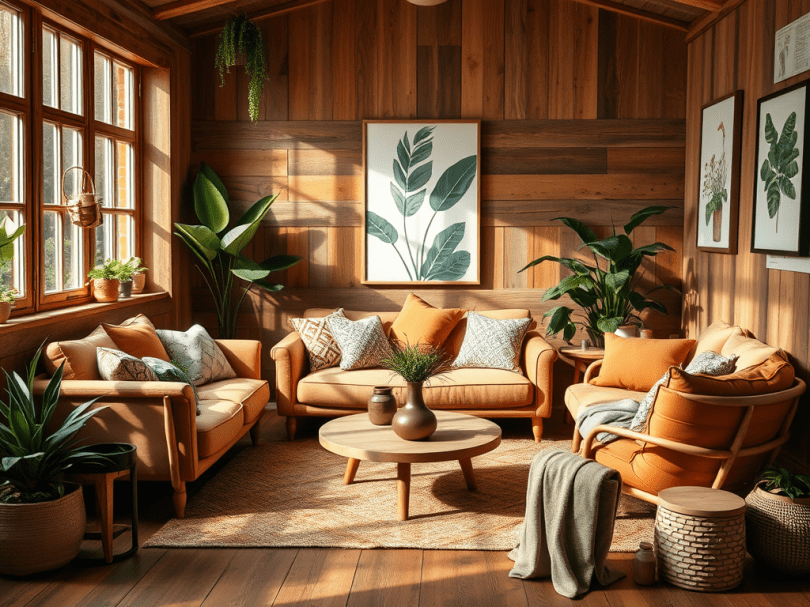
Deep, earthy tones like terracotta, muted greens, warm browns, and soft taupes are gaining momentum, bringing a calming, grounding presence to interior spaces. These colors help create a serene atmosphere that connects the indoors with the outdoors. https://www.thatcooliving.com/en-us/blogs/news/upcoming-home-decor-trends-for-2025-what-to-watch-for-in-the-coming-year?utm_source=chatgpt.com

5. Artisanal and Handcrafted Accents

There’s a growing appreciation for handmade and artisanal pieces. Homeowners are seeking out decor and furniture items that tell a story, are crafted with care, and offer something unique to their space. Handcrafted vases, bespoke textiles, and artisanal ceramics add a touch of uniqueness to living spaces.

6. Multifunctional and Modular Furniture

With the rise of remote work and flexible lifestyles, homes are becoming versatile, multifunctional spaces. Cleverly designed furniture that serves multiple purposes—such as desks that transform into dining tables or sofas that double as guest beds—optimizes space while maintaining aesthetic appeal.

7. Textural Depth and Layering

In 2025, texture plays a key role in interior design, adding depth and visual interest to spaces. The interplay between smooth and rough, glossy and matte, soft and hard materials creates dynamic, visually appealing environments.

8. Smart Home Integration

Integrating technology seamlessly into home decor is a trend that’s here to stay. Smart mirrors, touch-sensitive surfaces, and hidden charging stations redefine the modern home, offering both convenience and sophistication.

By embracing these trends, homeowners can create spaces that are not only stylish but also functional, sustainable, and reflective of their personal tastes. Whether you’re planning a complete home makeover or looking to update a specific area, these 2025 home decor trends offer a wealth of inspiration for creating a harmonious and inviting living environment.

Are Adjustable Bed Bases the Best Alternative to Traditional Sleeping?

A good night’s sleep is essential for overall health, but for those who suffer from back problems, finding the right sleeping position can be a challenge. If you’re constantly tossing and turning, waking up with stiffness, or struggling with discomfort, an adjustable bed base may be the game-changer you need.

What is an Adjustable Bed Base?

An adjustable bed base allows you to modify the angle of your mattress, elevating either your head, feet, or both. This flexibility can provide a level of customization that traditional bed frames simply cannot offer. Originally designed for hospital use, adjustable bases have evolved into mainstream bedroom essentials, offering comfort, convenience, and most importantly, relief from chronic pain.

How an Adjustable Base Can Help with Back Pain

If you suffer from back pain, whether due to a medical condition, poor posture, or an old mattress, an adjustable base can be a saving grace. Here’s how:

1. Improved Spinal Alignment

Traditional flat beds don’t always support the natural curvature of the spine. With an adjustable base, you can slightly elevate your head and legs to distribute weight evenly, reducing pressure points and promoting better spinal alignment.

2. Reduced Pressure on Joints and Muscles

Sleeping on a flat surface can put excessive strain on certain areas of the body, leading to soreness and stiffness. Adjusting your bed to a zero-gravity position—a slight incline of both the upper and lower body—can help relieve tension on joints and muscles, reducing discomfort.

3. Alleviation of Lower Back Pain

People who experience lower back pain often benefit from elevating their legs slightly. This position can relieve pressure on the lumbar spine and reduce inflammation in the lower back area.

4. Better Circulation and Reduced Swelling

By adjusting the elevation of your legs, you can improve blood circulation, which is crucial for those who suffer from conditions like sciatica or leg swelling. This added circulation can help with healing and prevent numbness or tingling sensations in the extremities.

5. Less Tossing and Turning

Finding the right sleeping position is one of the biggest struggles for people with back pain. An adjustable base allows for quick and easy positioning, helping you settle into a comfortable spot faster and stay asleep longer.

Are Adjustable Bases the Best Alternative to Traditional Sleeping?

For individuals without chronic pain, a traditional bed may still suffice. However, for those who experience back issues, an adjustable base offers benefits that a flat mattress cannot match. While it may require an initial investment, the long-term health benefits, improved sleep quality, and pain relief make it a worthwhile choice.

Pros of Adjustable Bed Bases:

  • Customizable sleeping positions
  • Better spinal alignment
  • Relief from back pain and joint pressure
  • Improved circulation
  • Enhanced comfort for reading, watching TV, or working from bed

Cons of Adjustable Bed Bases:

  • Higher cost compared to traditional bed frames
  • Heavier and may require a compatible mattress
  • Potentially more maintenance due to electrical components

Affordable Adjustable Bed Base Recommendations

If you’re looking for an adjustable bed base that won’t break the bank, here are some budget-friendly options:

  1. Lucid L300 Adjustable Bed Base – This affordable and easy-to-assemble base comes with a wireless remote, head and foot incline, and a durable steel frame.
  2. Classic Brands Adjustable Comfort Upholstered Bed Base – Featuring customizable positions, a wireless remote, and USB ports, this base offers great value for its price.
  3. Best Choice Products Adjustable Bed Base – A budget-friendly option with head and foot adjustments, wireless remote, and easy setup.
  4. Blissful Nights Adjustable Bed Frame – A well-priced base with massage features, programmable settings, and a sturdy build.
  5. Zinus Jared Adjustable Bed Base – A minimalist and cost-effective option with a quiet motor, easy adjustability, and a sleek design.

Final Thoughts

If you suffer from back pain and struggle to find relief with a traditional mattress, an adjustable bed base could be your answer. It offers improved comfort, better spinal support, and an overall more restful sleep experience. While the investment may seem significant, the health benefits and quality of life improvements make it a worthwhile consideration.

Would you switch to an adjustable base for a better night’s sleep? Share your thoughts in the comments below!