

Are Smart Devices Good for Your Home? Benefits, Drawbacks, and What You Need to Know

In the age of smart homes, devices like smart speakers, thermostats, and cameras are making home life more streamlined and accessible. But beyond the obvious perks, there are some concerns. Should you be scared to have these devices in your home? Are they really as safe as they seem?
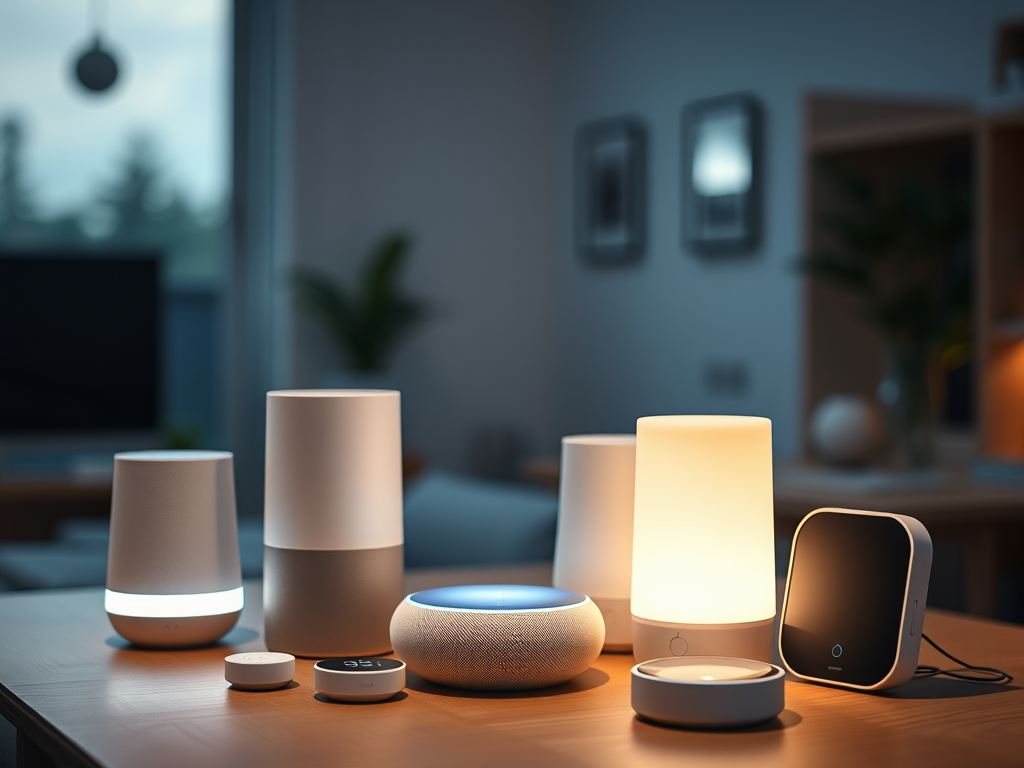
The Benefits of Smart Devices

  1. Convenience and Control
  • With a simple command, you can adjust lighting, control thermostats, lock doors, or even start your coffee maker from your phone or through a virtual assistant like Alexa or Google Assistant.
  1. Energy Efficiency and Cost Savings
  • Smart thermostats, lights, and power outlets optimize energy use, which can reduce utility bills. For example, smart thermostats adapt to your schedule, adjusting temperatures when you’re away.
  1. Enhanced Security
  • From smart locks to security cameras, smart home devices can strengthen security, giving you more control over access to your home.
  1. Improved Accessibility
  • Smart devices can help those with mobility challenges, allowing them to adjust room temperature, unlock doors, or control appliances with voice commands or an app.

The Drawbacks of Smart Devices

  1. Privacy and Security Concerns
  • Smart devices collect data on our habits, preferences, and schedules, which raises privacy concerns. If improperly secured, they can be vulnerable to hackers, exposing personal information or allowing unauthorized access to cameras or locks.
  1. Dependence on Internet Connectivity
  • Most smart devices require a stable internet connection. If your Wi-Fi goes down, you may lose access to some features. Additionally, inconsistent internet speeds can impact performance.
  1. Cost of Initial Setup and Maintenance
  • While smart devices can save money over time, the initial cost can be high. They also require regular updates and occasional troubleshooting.
  1. Complexity and Learning Curve
  • Some people find smart devices confusing to set up and use. It’s essential to be comfortable with technology and prepared for occasional troubleshooting.

Should You Be Scared to Have Smart Devices in Your Home?

Smart devices, while convenient, bring unique risks. Here’s what you should know:

Privacy Risks: Who’s Listening?

Many smart devices collect data to optimize performance and provide convenience, which can be unsettling. Smart speakers, for example, are always “listening” for a command word, raising concerns about unintended recording. Although companies assure customers that data is protected, there have been instances of unauthorized recordings or data leaks. For those concerned about privacy, it’s worth considering devices that offer strict privacy controls or choosing ones with physical “off” buttons.

Cybersecurity Risks: Can They Be Hacked?

Hackers sometimes exploit weaknesses in smart devices to access personal information or even gain control of other connected devices. Security cameras, in particular, have been targeted by hackers in the past. To minimize these risks, you can take the following steps:

  • Enable two-factor authentication on your accounts.
  • Use strong, unique passwords for each device.
  • Regularly update device software to patch vulnerabilities.
  • Limit data sharing through device settings.

Data Collection and Surveillance

Smart devices track everything from your usage patterns to specific preferences for routines. This data can be valuable to third parties, leading to concerns about surveillance and data sharing with advertisers or other companies. If you’re worried about excessive data collection, look into devices that prioritize data privacy and have transparent data-sharing policies.

The Psychological Impact: Fear of “Being Watched”

For some, the idea of an always-connected home can create a sense of unease or paranoia, especially if they’re not comfortable with technology tracking their daily habits. While this won’t affect everyone, some users might feel less relaxed in an environment where devices are constantly collecting data. It’s a good idea to start with one or two smart devices and see if they bring added stress or peace of mind.

Are Smart Devices Helpful or Harmful?

Smart devices can enhance security, convenience, and energy efficiency, and most households find these benefits outweigh the potential downsides. With the right security measures and a clear understanding of each device’s limitations, smart devices are generally safe and helpful. However, if privacy concerns or cybersecurity risks are paramount, you might want to use them sparingly or selectively.

How to Decide if Smart Devices Are Right for You

  1. Evaluate Your Priorities
  • If convenience, security, or energy efficiency is a top priority, smart devices could be an excellent choice. Start small and assess each addition carefully.
  1. Research Privacy Measures
  • Look into the security features of each device and take advantage of privacy settings, strong passwords, and regular software updates.
  1. Select Privacy-First Brands
  • Some brands prioritize privacy and offer settings to limit data collection. Research companies that put a high emphasis on consumer privacy.

Final Thoughts

Smart devices offer incredible benefits, but they also come with unique risks. By taking steps to secure your devices and staying informed on privacy measures, you can enjoy a smarter home without compromising safety. Whether you fully embrace them or take a more cautious approach, smart devices are here to stay—so understanding them is the first step to making the best decision for your household.

Keeping Your Home Warm in Winter: Tips, Tricks, and Temporary Hacks to Beat the Cold

When winter arrives, there’s nothing like stepping into a warm, cozy home to escape the chill. But keeping your space comfortable can become challenging (and costly) as temperatures drop. Whether you’re looking for budget-friendly hacks or temporary solutions that don’t involve a full-scale heating system overhaul, there are plenty of ways to make your home feel warmer this winter. Here’s a collection of easy tips, tricks, and hacks to keep the warmth in and the cold out!


1. Use Heavy, Insulating Curtains

Windows are one of the primary places where heat escapes. In winter, switch out lightweight curtains for thick, thermal-insulating ones. These curtains have an extra layer of fabric designed to trap heat inside while blocking cold drafts. Keep them open during the day to let in sunlight, and then close them as soon as it gets dark to retain the warmth.

2. Try Window Film and Draft Blockers

If you’re looking for a quick and affordable solution to reduce drafts, thermal window film is your friend. You can apply this film directly to your windows; it creates an invisible layer that helps insulate glass. Draft blockers are also essential for doors and windows, especially if you feel cold air sneaking in. These handy products fit snugly along the bottom of doors or window sills, preventing drafts from coming in and trapping heat inside.

3. Place Rugs and Carpets on Bare Floors

Hardwood or tile floors can make your space feel colder than it actually is. Adding area rugs or carpets to your floors not only improves insulation but also gives your feet a cozy, soft surface. For maximum warmth, choose thick, wool rugs, or layer multiple rugs on top of each other for an even greater barrier against the cold.

4. Reverse Ceiling Fans

Did you know that ceiling fans can actually help keep your home warm in winter? Many ceiling fans have a reverse switch to spin the blades clockwise, creating an updraft that pushes warm air, which naturally rises, back down toward the floor. This recirculates the heat throughout the room and can be especially useful in rooms with high ceilings.

5. Install a Temporary Door Seal

Doors that lead outside often allow cold air to seep into your home. Temporary door seals, like weatherstripping or self-adhesive foam strips, can create a quick fix to block cold air. Even a rolled-up towel at the base of a door can make a noticeable difference if you’re in a pinch.

6. Use a Portable Heater in High-Traffic Rooms

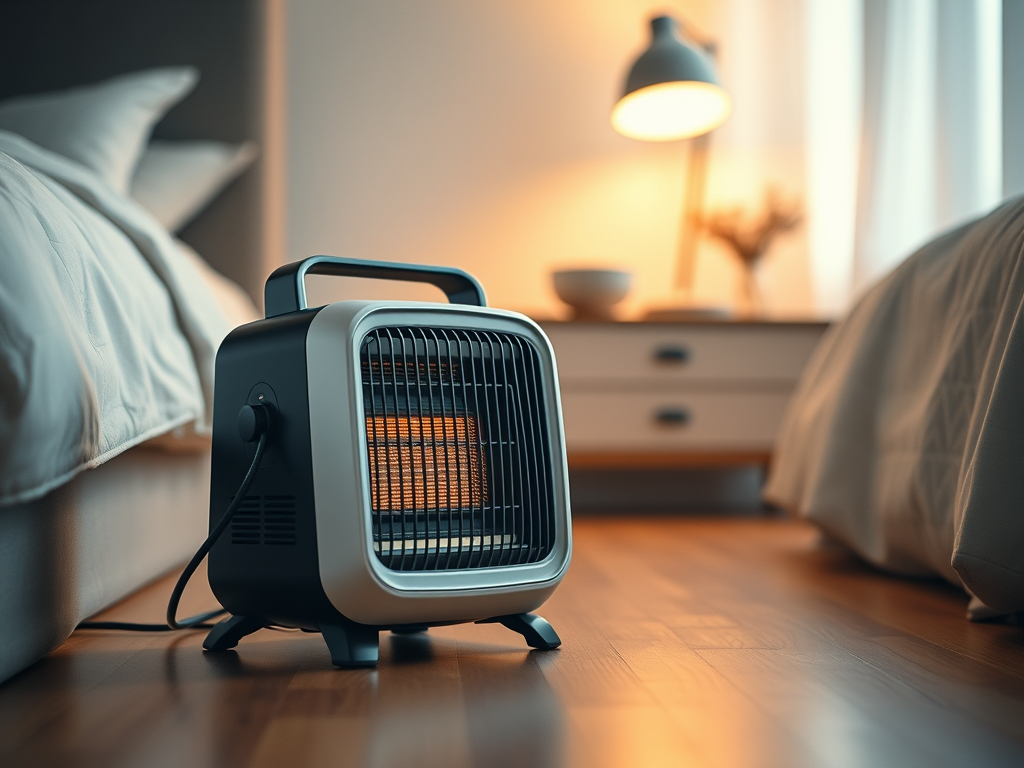
For areas where you spend the most time, consider investing in a portable heater. The Dreo Smart Wall Heater, for instance, provides fast warmth, oscillates to distribute heat evenly, and is controllable via remote or Alexa. It’s an efficient way to keep rooms warm without cranking up the central heat throughout your entire home, and it’s compact enough to fit in any room.

7. Layer with Throws and Blankets

Layering cozy blankets or throws in your living spaces provides an instant warming effect. Faux fur, fleece, and chunky knits are ideal materials for trapping warmth and creating a snug, inviting atmosphere. Place blankets strategically on couches, chairs, and at the foot of your bed for easy access whenever you need extra warmth.

8. Close Off Unused Rooms

If there are rooms in your home that you rarely use, close the doors to these spaces during the winter. By sectioning off unused rooms, you limit the amount of area that needs heating, which can reduce energy costs and help retain warmth where you need it most.

9. Try Radiator Reflectors

Radiators can sometimes send heat into the wall instead of into the room. Adding a radiator reflector behind the unit redirects warmth back into the space. Reflectors are easy to install and inexpensive, making them an ideal temporary fix for conserving warmth.

10. Experiment with a Humidifier

Dry winter air can make your home feel colder than it actually is. A humidifier adds moisture to the air, which retains heat better, creating a warmer atmosphere. Not only can a humidifier help you feel warmer, but it’s also great for your skin and respiratory health during the dry winter months.

11. Bake Something Delicious

This tip might be more fun than practical, but baking can actually add some extra warmth to your home. Whether you’re baking cookies, bread, or a hearty winter casserole, using your oven naturally heats the kitchen area. When you’re done baking, leave the oven door open (once it’s off!) to let the warmth drift out into the room.

12. Apply Bubble Wrap to Windows

For a quick, low-cost solution to prevent heat from escaping, try covering your windows with bubble wrap. Simply spray a mist of water on your windows, press the bubble wrap against it, and let it stick. While it’s not the most attractive option, it’s a surprisingly effective way to insulate your windows, especially in rooms you don’t frequently use.


Wrapping Up

Winter doesn’t have to mean enduring a freezing home. By implementing some or all of these tips and tricks, you can create a warm and inviting space without breaking the bank on heating bills. From layering up with thick curtains and rugs to using hacks like radiator reflectors and portable heaters, each tip is designed to keep the warmth in and the chill out. Try these ideas to see what works best for your home this winter and enjoy a season filled with comfort and warmth!

How to Choose the Best Christmas Tree for You: Real vs. Artificial

As the holiday season approaches, one of the most exciting decisions is choosing the perfect Christmas tree. But with so many options—natural or artificial, big or small, pre-lit or unlit—how do you know which one is right for you? In this post, we’ll break down the pros and cons of real and artificial trees and offer tips to help you pick the best tree for your home.


1. Real Christmas Trees: Pros and Cons

Pros:

  • Fresh Scent: A real tree brings that fresh pine fragrance that fills the home with nostalgia and festive cheer.
  • Natural Look: Every real tree has a unique shape and texture, giving your holiday decor a more organic feel.
  • Eco-Friendly Option (if Recycled): Many tree farms practice sustainable harvesting, and once the season ends, real trees can be recycled or composted.
  • Family Tradition: For many, going out to pick a real tree is a cherished holiday tradition that can be a fun family experience.

Cons:

  • Maintenance: Real trees require regular watering to prevent needles from drying out and dropping. This can be messy and time-consuming.
  • Allergies: Some people are allergic to pine or mold spores that may develop on the tree.
  • Short Lifespan: A real tree generally lasts about four to six weeks, making it best for those who decorate closer to the holiday.
  • Disposal: After the holidays, you’ll need to find a way to dispose of the tree, which can be a hassle if recycling options aren’t available.

2. Artificial Christmas Trees: Pros and Cons

Pros:

  • Low Maintenance: Artificial trees don’t need watering, and there’s no need to worry about shedding needles.
  • Reusable: With proper storage, artificial trees can last for several years, making them a cost-effective option in the long run.
  • Pre-Lit Options: Many artificial trees come pre-lit, saving you time on stringing lights and ensuring an even distribution.
  • Variety of Styles: Artificial trees come in various colors, sizes, and shapes, from traditional green to modern white or even pink.

Cons:

  • Storage Space: You’ll need to store your artificial tree, which can take up significant space if it’s large.
  • Environmental Impact: Made from plastics and metals, artificial trees can’t be recycled easily and may take years to decompose.
  • No Pine Scent: Artificial trees don’t bring the natural fragrance of pine, although some people add pine-scented candles or sprays for a similar effect.
  • Higher Upfront Cost: While an artificial tree can be a long-term investment, the initial purchase cost is often higher than buying a real tree each year.

3. How to Decide Which Tree Is Right for You

Choosing between a real and artificial tree depends on several factors. Here are some key considerations:

1. Budget:

  • If you’re looking for a cost-effective option that lasts multiple years, an artificial tree is a wise investment. However, if you don’t mind spending a little each year, a real tree is an affordable annual tradition.

2. Family Preferences and Traditions:

  • Families who enjoy the experience of picking out and decorating a fresh tree may find a real tree more meaningful. If you’re looking for simplicity and ease, an artificial tree is ideal.

3. Space:

  • Artificial trees take up storage space, so if you’re short on storage, consider if you’re willing to dedicate a closet or storage room for it. Real trees don’t have this issue but require disposal after the season.

4. Environmental Impact:

  • A real tree can be an eco-friendly choice, especially if you recycle it. However, if you prefer an artificial tree, look for one made with recycled or eco-conscious materials.

5. Allergies and Health:

  • For those with allergies, an artificial tree may be more suitable, as some people are sensitive to the natural tree’s pollen or mold.

6. Scent Preferences:

  • If the scent of a fresh pine tree is a non-negotiable part of the season, a real tree will be your best choice. For those who choose artificial but want the scent, consider pine-scented decorations or candles.

4. What Size and Shape?

Once you’ve decided between real and artificial, the next step is choosing the right size and shape for your space. Here are some tips:

  • Room Height: Measure your ceiling height and choose a tree that leaves at least six inches of space between the top of the tree and the ceiling.
  • Tree Width: Consider your available floor space and how much width your tree can take up without overwhelming the room.
  • Slim Trees for Smaller Spaces: If you’re in a smaller apartment or have limited space, a slim or pencil-style tree can give you the holiday feel without taking up as much room.

5. Care and Maintenance Tips

Real Tree:

  • Place your tree in a water-holding stand, and check the water level daily.
  • Keep the tree away from heat sources like radiators or fireplaces.

Artificial Tree:

  • Dust the tree before decorating, especially if it’s been in storage.
  • Store it in a bag or box specifically for artificial trees to keep it clean and protected for next year.

Final Thoughts

Both real and artificial Christmas trees have their unique benefits, and the best tree for you depends on your lifestyle, values, and holiday vision. Whether you go for a real tree’s fresh aroma or the convenience of an artificial tree, the most important thing is creating a warm, festive space that brings joy to your family and friends.

Happy holiday decorating! 🎄

How to Choose the Perfect Color and Style for Your Kitchen: Balancing Personal Taste with the Latest Trends

Creating a kitchen that reflects your style while staying on-trend is about choosing colors, finishes, and accents that harmonize with the broader look of your home. Today’s kitchen trends offer a blend of timeless choices and bold ideas that allow you to express yourself in this high-traffic space. Here’s a breakdown of how to select the ideal color palette, style, and materials to make your kitchen both stylish and functional.


1. Define Your Style Foundation: Neutral vs. Bold Colors

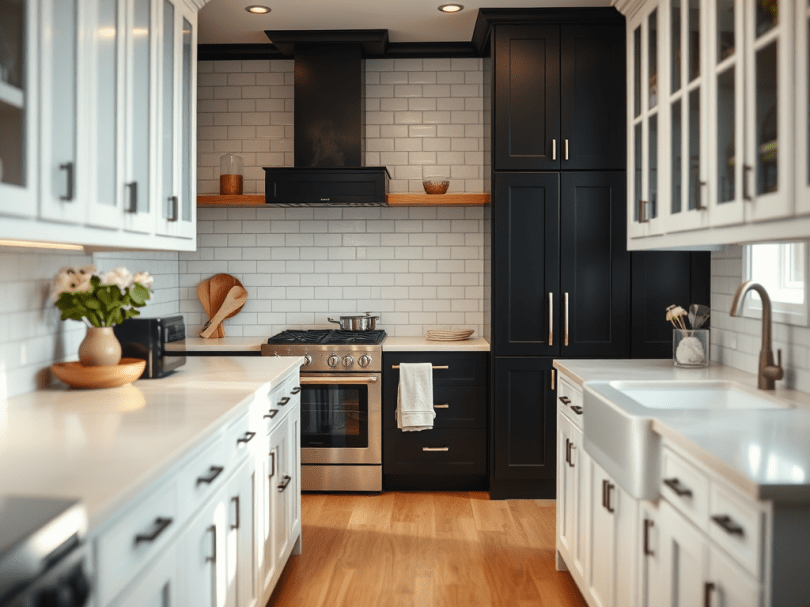
  • White Cabinets: White cabinets are the epitome of versatility, lending a clean, bright look that suits almost any style—from modern farmhouse to coastal chic. White cabinetry also pairs seamlessly with nearly any countertop and backsplash option. To keep a white kitchen from feeling too stark, consider adding warmth with natural wood accents or brass hardware.
  • Black Cabinets: Black is dramatic, elegant, and increasingly popular in modern kitchens. Black cabinets create a stunning contrast when paired with light-colored countertops and backsplashes, giving a refined, upscale vibe. They work especially well in open layouts where natural light can offset the darker tones.
  • Natural Wood Cabinets: Wood cabinetry provides warmth and texture, which is perfect for rustic, Scandinavian, and even minimalist designs. Lighter woods like oak or maple bring an airy feel, while darker woods like walnut or mahogany add richness. Wood can also be stained to fit the changing trends while maintaining a timeless feel.
  • Two-Tone Cabinets: For those who love variety, two-tone cabinetry is a chic and stylish option. Common combinations include white or light upper cabinets with dark lower cabinets, or neutral cabinets with a contrasting island. This mix adds depth and interest without feeling overwhelming.

2. Choose Your Accent Color Carefully

  • When incorporating an accent color, consider where it will have the most impact. Common places to add color are on islands, backsplashes, or even inside open shelving. Navy blue, forest green, and deep teal have been trending for a few seasons and can add a sophisticated yet modern touch.

3. Countertop Choices and Their Role in Style

  • Quartz: Known for durability and low maintenance, quartz countertops come in a variety of finishes, from smooth whites and grays to bold marbled patterns. They’re perfect for achieving both a minimalist and luxurious look.
  • Marble: Marble exudes elegance and is favored in more traditional or transitional kitchens. Its unique veining adds personality, especially against neutral cabinets, but it does require regular upkeep.
  • Butcher Block: Wood countertops, especially in butcher block style, add warmth and charm. They’re popular in farmhouse and rustic kitchens, and they also pair well with neutral or white cabinets to add a cozy feel.

4. Selecting Backsplash Designs to Match Your Style

  • Classic Subway Tile: White subway tile remains a classic choice that complements most kitchen styles, offering a clean and bright look that’s easy to update with accessories.
  • Bold Patterned Tile: For a unique touch, patterned backsplashes make a statement in modern and eclectic kitchens. From Moroccan patterns to geometric shapes, these add character while reflecting current trends.
  • Natural Stone: For an organic look, consider stone backsplashes. Marble or travertine backsplashes work well with minimalist or transitional styles and add texture without being overpowering.

5. Choosing Hardware and Finishes That Stay on Trend

  • Brushed Brass and Gold Hardware: These warm metals are trending and complement many styles, including transitional, modern farmhouse, and traditional. They pair beautifully with white or blue cabinets, adding an elegant touch.
  • Matte Black: Matte black hardware is both trendy and timeless. It’s a great choice for modern or industrial kitchens, especially when paired with white or wood cabinets for a sleek, balanced look.
  • Mixed Metals: For a custom feel, consider mixing metals. For example, brushed gold handles with stainless steel appliances create visual interest and add depth to your kitchen design.

6. Flooring Options That Add Warmth and Style

  • Hardwood Flooring: Classic hardwood floors bring warmth and complement nearly any color cabinet or countertop choice. Light wood floors, in particular, are on-trend, creating an airy feel that pairs well with both modern and traditional kitchens.
  • Patterned Tile Flooring: Patterned floor tiles are a popular choice for adding personality, especially in smaller kitchens. They work well in boho, farmhouse, and Mediterranean-inspired kitchens, where patterns and color are embraced.
  • Luxury Vinyl and Laminate: These budget-friendly options mimic the look of wood or stone and are ideal for high-traffic kitchens. They come in various colors and patterns, allowing you to customize the look without sacrificing durability.

7. Stay on Trend with Easy-to-Update Accents

  • Lighting Fixtures: Statement lighting, such as oversized pendants or sleek linear chandeliers, adds a focal point and can easily be swapped out when styles shift. Consider mixing metals for a fresh look or trying exposed bulbs for an industrial edge.
  • Decor and Accessories: Items like bar stools, small appliances, or open-shelving decor offer flexibility in updating the look. Choose colors and textures that tie into the broader style of your home for a cohesive feel.

My Recommendations

  • Visit stores like Lowes, Home Depot, cabinets to go etc…
  • Also search local home improvement or specialty stores
  • Finally online stores like Amazon, Overstock, Wayfair etc… there really are a vast variety of options to help you determine and complete the look you are going for.

Final Tips: Make It Yours with a Balanced Approach

While trends come and go, personal style remains. Choose a color and style foundation that reflects your personality and lifestyle, then bring in trends through accents and smaller design elements. This approach makes it easy to refresh your kitchen over time, keeping it both stylish and uniquely yours.

Is Glass an Acceptable Home Decor Option? Exploring the Elegance and Versatility of Glass in Home Decor

When it comes to choosing materials for home decor, glass offers a distinct elegance and modern touch that complements a wide range of interior design styles. From Art Deco to minimalist and contemporary settings, glass can transform a room’s ambiance by adding light, openness, and sophistication. This post dives into whether glass is an acceptable and practical choice for home decor, the types of decor items that can be made of glass, and why many homeowners and designers are drawn to this timeless material.

This blog includes affiliate links we may earn paid commissions if you choose to make a purchase after clicking a link, at no additional cost to you.

Why Glass is a Great Choice for Home Decor

Glass is not only visually appealing but also highly versatile. Here are some compelling reasons people opt for glass in their home decor:

  1. Light and Space Enhancement: Glass has the unique ability to reflect and diffuse light, which can make spaces feel brighter and more open. This makes glass decor an excellent choice for smaller rooms or areas with limited natural light.
  2. Modern Aesthetic: The sleek, clean look of glass complements many contemporary and minimalist styles. Whether it’s a coffee table or a decorative glass vase, this material brings a modern touch that can blend seamlessly with a variety of color schemes and decor themes.
  3. Eco-Friendly Option: Many people are drawn to glass because it’s sustainable and recyclable, especially when compared to other decor materials like plastic. This eco-friendly aspect can make glass an ideal choice for those looking to make greener choices.
  4. Versatility in Styling: Glass decor items range from fully transparent to tinted, frosted, or etched, allowing them to work in almost any decor style. Whether you’re aiming for a vintage look or something sleek and ultra-modern, there’s a glass option to suit your needs.

Home Decor Items that Can Be Made of Glass

  1. Coffee Tables and Side Tables: Glass tabletops are popular because they create a sense of openness. They allow other decor items, such as rugs or flooring patterns, to remain visible, adding depth to the decor.
  2. Shelves and Display Cabinets: Glass shelving is commonly used in living rooms, bathrooms, and kitchens to create a display space that feels airy and uncluttered. With clear or tinted glass, these shelves can serve both functional and aesthetic purposes.
  3. Glass Wall Art and Mirrors: Wall art crafted from glass can add an eye-catching element to any room. Glass mirrors, especially oversized or framed designs, can make spaces feel larger and more inviting by reflecting natural light.
  4. Glass Vases and Bowls: Available in countless shapes, colors, and finishes, glass vases and bowls are versatile decor pieces. They can be used as centerpieces, on shelves, or in entryways to add color, texture, and style.
  5. Lighting Fixtures: Glass is a go-to material for pendant lights, chandeliers, and lamps. These fixtures not only look stunning but also reflect and diffuse light beautifully, creating an inviting atmosphere in any room.
  6. Glass Room Dividers: In open-concept spaces, glass room dividers can section off areas without making them feel closed off. Frosted or tinted glass offers privacy while still letting light filter through, ideal for creating separation in smaller homes or apartments.
  7. Glass Doors and Panels: Glass doors, particularly those with frosted or decorative etching, can be a stylish choice for interior spaces. Sliding glass doors are popular for connecting indoor and outdoor areas, bringing natural light into the home while maintaining a seamless design.

Why People Choose Glass for Their Homes

Homeowners and designers choose glass for various reasons, including its durability, style, and functionality:

  • Transparency and Visual Appeal: Glass decor items allow people to showcase their decor and room styling without overwhelming the space. This transparency helps create focal points and complements other materials like wood, metal, and stone.
  • Clean and Low Maintenance: Unlike some materials that require special care, glass is relatively easy to clean and maintain. A quick wipe with a glass cleaner keeps it looking pristine, making it ideal for items like tabletops, cabinets, and lighting fixtures.
  • Customization Options: With options like frosted, tinted, etched, or stained glass, people can personalize their decor in ways that add character and align with their aesthetic preferences.
  • Timeless Elegance: Glass has been used in home decor for centuries, and its appeal hasn’t faded. Choosing glass decor means investing in a material that can withstand changing trends while still looking stylish.

My Recommendations

Is Glass Right for Your Home?

Choosing glass decor depends on your lifestyle, personal taste, and the demands of your space. For households with young children or pets, tempered glass might be a safer option due to its enhanced strength and shatter-resistance. Those who prioritize a modern or minimalist look will likely find glass to be a fantastic decor option. Additionally, those looking for sustainable decor will appreciate glass for its recyclability and longevity.

Incorporating glass into your home decor can be a beautiful way to elevate your space with a material that’s stylish, versatile, and timeless. Whether used sparingly or in bold, statement-making pieces, glass offers a unique opportunity to create a home that feels light, airy, and luxurious.