
If you’re looking to create a healthier environment in your home, cleaning the air is a great place to start. Indoor air can be filled with dust, allergens, pet dander, pollutants, and even volatile organic compounds (VOCs) from household products. Here’s a guide on how to purify the air in your home to help everyone breathe easier.
1. Bring in Houseplants
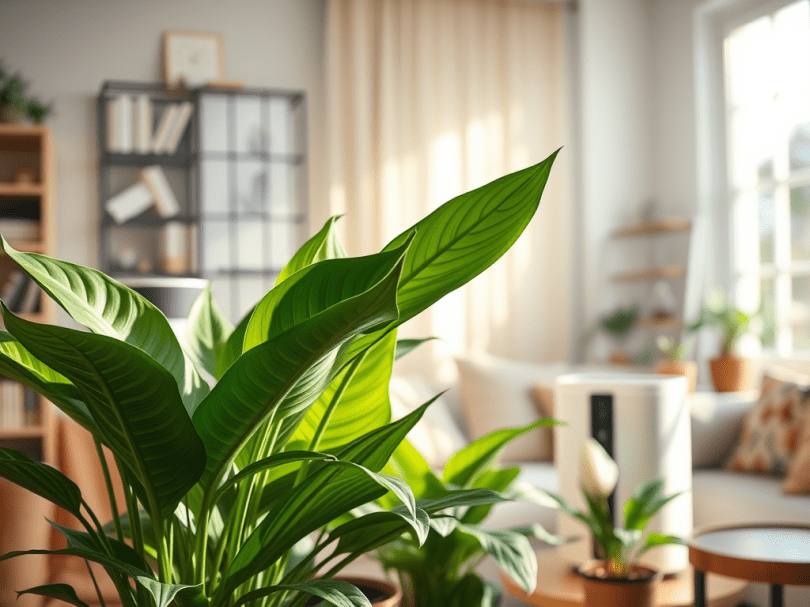
Indoor plants are nature’s air purifiers. Some plants, like snake plants, peace lilies, and spider plants, help remove toxins from the air, absorbing carbon dioxide and releasing oxygen. While plants alone won’t solve all indoor air quality issues, they contribute to a fresher atmosphere and can help reduce certain airborne toxins.
2. Use Air Purifiers
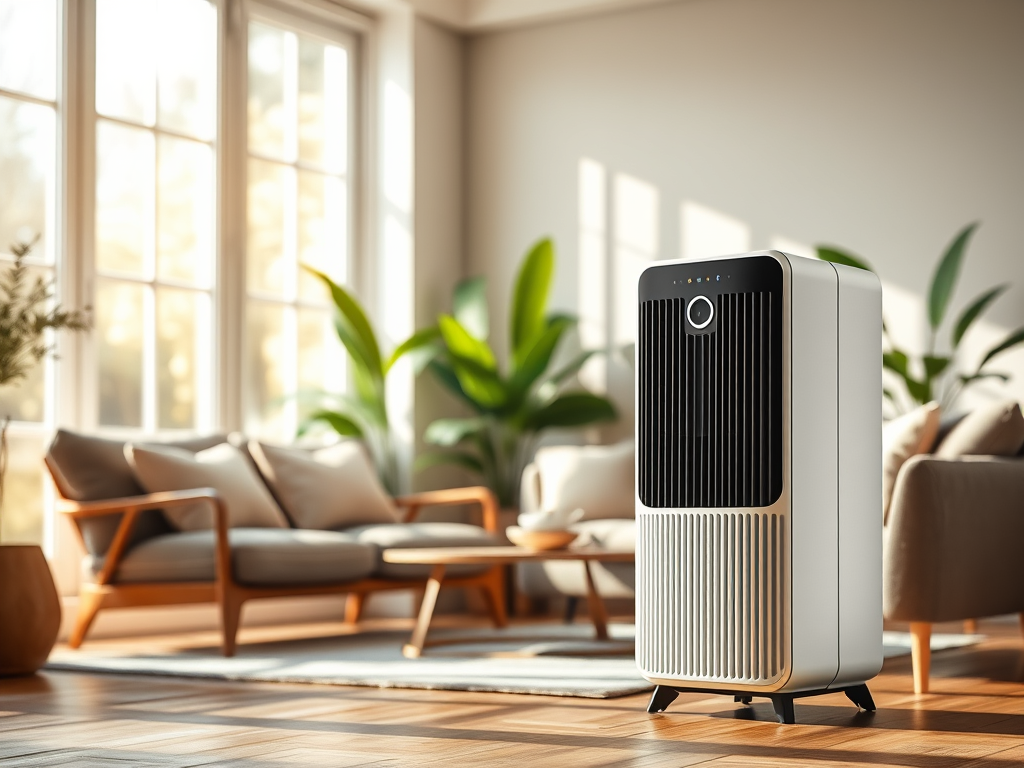
Investing in a quality air purifier is one of the best ways to filter out dust, allergens, and pollutants. Look for purifiers with HEPA filters, which can capture tiny particles like pollen, pet dander, and even some viruses. Some purifiers also come with activated carbon filters that absorb odors and chemicals, adding an extra layer of purification.
3. Improve Ventilation
Stale indoor air can accumulate moisture and pollutants over time, so it’s important to let fresh air in regularly. Open windows and doors for a few minutes each day, especially when cooking or using cleaning products. For colder months, consider using a ventilation system with an air exchanger, which can circulate fresh air without letting too much heat escape.
4. Vacuum Regularly
Dust, pet dander, and other particles settle on carpets and floors, which can be stirred up into the air when people walk around. Regular vacuuming with a high-efficiency particulate air (HEPA) filter can help keep these allergens under control. Don’t forget to vacuum furniture, rugs, and curtains, as they tend to trap dust and allergens as well.
5. Keep Humidity Levels in Check
Dust mites and mold thrive in humid environments, so maintaining a balanced humidity level between 30-50% can help. Use a dehumidifier in humid seasons and make sure rooms like bathrooms and kitchens are well-ventilated to reduce moisture buildup. In dry winter months, a humidifier can prevent overly dry air and reduce the risk of respiratory issues.
6. Reduce the Use of Synthetic Fragrances
Air fresheners, candles, and synthetic fragrances can release chemicals like formaldehyde and VOCs into the air, leading to indoor pollution. Opt for natural alternatives like essential oils in diffusers or fragrance-free products. If you prefer candles, choose ones made from beeswax or soy, which produce less soot and fewer pollutants.
7. Regularly Change HVAC Filters
Heating and cooling systems have filters that capture dust and particles. To ensure these filters continue working effectively, change or clean them as recommended by the manufacturer. Clogged filters not only reduce air quality but can also decrease the efficiency of your system, leading to higher energy bills.
8. Consider Adding Salt Lamps
Salt lamps, made from Himalayan salt crystals, are believed to have air-purifying properties due to their hygroscopic nature, meaning they attract water molecules. Some people report that salt lamps help reduce allergens and improve air freshness, though more research is needed to confirm their effectiveness. Regardless, they can create a cozy ambiance in your home.
9. Limit Smoking Indoors
Tobacco smoke is one of the worst pollutants for indoor air. If you or anyone else in the home smokes, consider setting up a designated outdoor smoking area. This reduces the risk of exposing others to harmful secondhand smoke and keeps the air inside the home cleaner.
10. Use Eco-Friendly Cleaning Products
Many conventional cleaning products contain chemicals that release harmful gases and contribute to indoor pollution. Choose natural or eco-friendly alternatives that are free from VOCs and toxic compounds. Some simple homemade cleaners, like vinegar and baking soda solutions, can also be very effective for regular cleaning.
Wrapping Up
Keeping your indoor air clean is essential for a comfortable and healthy living space. By making a few adjustments and integrating air-cleaning habits into your daily routine, you can significantly reduce pollutants and breathe easier in your home. Whether you’re adding plants, using an air purifier, or upgrading your HVAC filters, every small change helps create a fresher and healthier environment.










 Discoveringlifellc