
Choosing Color Combinations for Christmas: Classic vs. Popular Trends

Christmas is a time of tradition and creativity, and the colors we choose to decorate our homes set the tone for the season. Whether you lean toward timeless classics or prefer experimenting with fresh, trendy palettes, the options for creating a festive atmosphere are endless. Let’s explore some of the most beloved and trending Christmas color combinations to inspire your holiday decor.

Classic Christmas Color Combinations

  1. Red and Green
    This iconic duo has stood the test of time, symbolizing the warmth of the season. Red represents love and the berries of holly, while green signifies evergreen trees and eternal life. Use this combo with garlands, stockings, and ornaments for a traditional yet inviting look.
  2. Gold and Red
    Luxurious and regal, gold and red create a sophisticated ambiance. Perfect for formal living rooms or dining areas, this combination pairs beautifully with candles, metallic ribbons, and classic baubles.
  3. Silver and Blue
    Often associated with winter’s chill, silver and blue evoke a serene, snowy wonderland. Add string lights, icicle ornaments, and glass accents to complete this frosty aesthetic.
  4. White and Gold
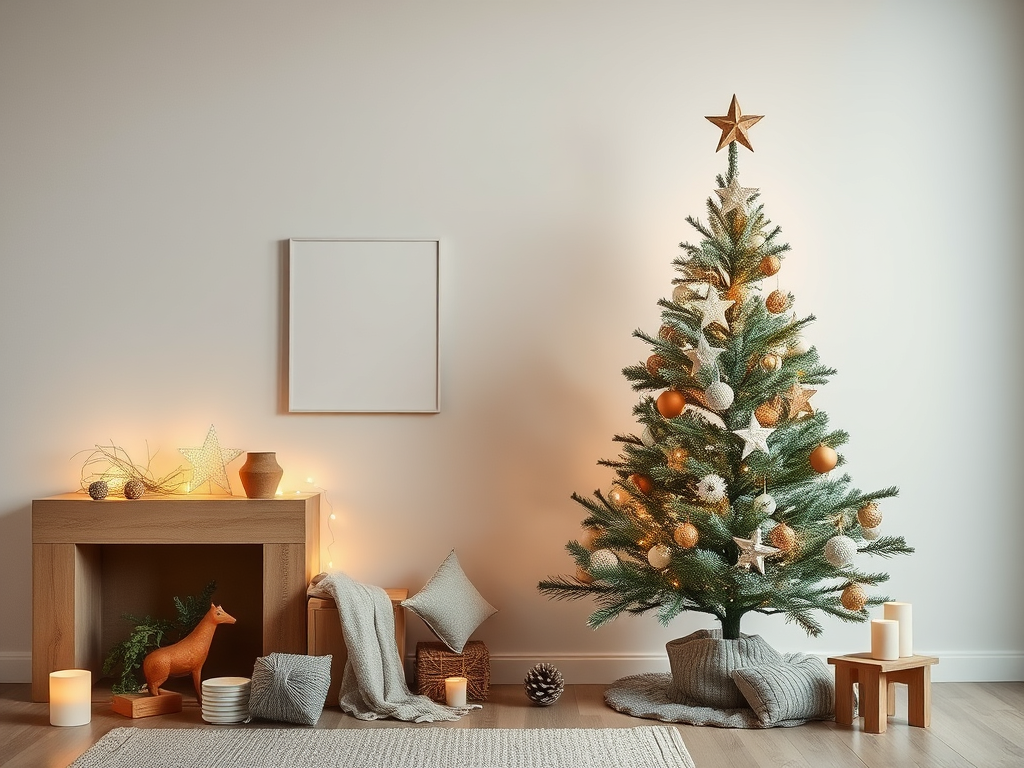
    Timeless and elegant, white and gold bring a clean, minimalist charm to Christmas decor. Think golden stars, white tree skirts, and delicate fairy lights for a heavenly holiday look.

Popular and Trendy Christmas Color Combinations

  1. Blush Pink and Rose Gold
    For those who adore chic and contemporary decor, blush pink and rose gold are a dreamy choice. Soft yet glamorous, this combination is perfect for modern spaces. Pair it with glass ornaments, velvet ribbons, and pink-toned candles.
  2. Green and Neutral Earth Tones
    Embracing natural and sustainable trends, green with neutral shades like beige, taupe, or cream creates a rustic, cozy feel. Incorporate natural elements like burlap, pinecones, and wooden accents to tie it all together.
  3. Black and Gold
    For a bold, dramatic vibe, black and gold offer a luxurious twist. This combination works best with metallic decor, dark foliage, and moody lighting to create a glam yet edgy Christmas setting.
  4. Multicolor Pastels
    Think soft hues of lavender, mint, peach, and baby blue. These playful colors bring a whimsical touch to holiday decor, making them ideal for families with young children or those who want a cheerful, non-traditional look.

Tips for Choosing the Right Color Combination

  1. Consider Your Home’s Existing Style
    Your Christmas decor should complement your home’s color palette and overall aesthetic. Neutral interiors can handle bolder combinations, while already vibrant spaces might benefit from softer tones.
  2. Match Your Tree’s Theme
    Whether you have a traditional green tree or a trendy white or flocked one, your color choices should enhance its natural beauty.
  3. Think About Longevity
    If you like to decorate early or leave decorations up past New Year’s, opt for colors that feel festive but can transition into winter decor.
  4. Mix and Match
    Don’t feel confined to one set of colors! You can combine classic and trendy palettes by using one as a base and layering in accents from another. For example, pair red and green with rose gold for a fresh take on tradition.

Conclusion

From the nostalgic charm of red and green to the sleek modernity of blush pink and rose gold, your color choices for Christmas decor can express your personal style and set the tone for a joyous holiday. Whether you stick to the classics or embrace the latest trends, remember that the best combination is one that brings joy to you and your loved ones.

What’s your favorite Christmas color combination? Let us know in the comments!


Harmonizing Home Décor: Decorating When Your Roommate Has a Different Style

Sharing a living space with a roommate can be both exciting and challenging, especially when it comes to decorating. Your personal style might lean minimalist while your roommate embraces boho chic—or vice versa! Blending distinct tastes into a cohesive home doesn’t have to feel impossible. Here’s how to strike the perfect balance:

1. Start With Open Communication

Before diving into decorating, have a conversation about your individual preferences and must-haves. Discuss the elements that are non-negotiable for each of you and areas where you’re open to compromise. Knowing what matters most can help you find common ground.

2. Identify Shared Spaces vs. Private Spaces

In shared areas like the living room or kitchen, aim for a neutral or blended style that respects both aesthetics. For private spaces, like bedrooms, you’re free to showcase your personal flair.

3. Create a Neutral Base

Choose neutral colors and furniture as a backdrop in shared spaces. Think beige, white, gray, or even soft pastels. This gives you a versatile canvas to layer with accent pieces that reflect both personalities.

4. Mix and Match Décor Styles

Find creative ways to combine your styles. For instance:

  • If one loves modern lines and the other loves vintage finds, pair a sleek coffee table with a retro lamp.
  • Balance bold, colorful art with understated furniture.
  • Use texture to bridge styles—like a velvet sofa with a woven throw blanket.

5. Set Boundaries for Clutter

Different styles often mean different levels of accessorizing. If your roommate loves knick-knacks while you prefer simplicity, set rules for how many items can be displayed in communal spaces. Use storage solutions like baskets or cabinets to keep the peace.

6. Shop Together for Key Pieces

When it’s time to buy furniture or décor for shared areas, shop together. This ensures that both of you have input on major purchases and can find pieces that complement both styles.

7. Incorporate Rotating Décor

If your roommate loves seasonal or themed décor while you prefer a consistent look, suggest rotating décor based on seasons or occasions. This keeps things fresh and gives each of you a chance to shine.

8. Highlight Common Interests

Find something you both enjoy—such as a love for travel, music, or nature—and incorporate it into the design. A gallery wall of shared travel photos or a corner with plants and cozy seating can serve as a unifying element.

9. Respect Each Other’s Space

Sometimes, the best way to manage differing styles is to let go of control over certain areas. Allow your roommate to decorate one corner or wall their way while you do the same with yours.

10. Compromise Is Key

At the end of the day, decorating with a roommate is all about compromise. Stay flexible and focus on creating a space where both of you feel comfortable and at home.

Final Thoughts
Blending two distinct styles into a single home can be a rewarding challenge. By focusing on communication, creativity, and compromise, you can create a space that celebrates both personalities while fostering harmony. Remember, the goal is to make your home a reflection of both of you—a unique blend that tells your shared story.

What challenges or victories have you experienced while decorating with a roommate? Share your thoughts in the comments below!

Tradition vs. Personal Expression: Navigating Holiday Choices

The holidays are a time of joy, nostalgia, and sometimes, a little bit of stress when it comes to deciding how to celebrate. For many, family traditions are a cornerstone of holiday celebrations—those cherished rituals passed down through generations. But as times change and personal circumstances evolve, the question arises: should we stick to tradition, or is it okay to carve out our own path?

The Case for Tradition

Family traditions often serve as a comforting thread that connects generations. They remind us of our roots, foster a sense of belonging, and bring predictability to what can sometimes feel like a chaotic season. Whether it’s gathering at Grandma’s house, baking specific cookies, or decorating the tree in a certain way, traditions can feel like a warm hug from the past.

Traditions can also strengthen familial bonds. Engaging in shared rituals creates lasting memories, particularly for children. They offer a sense of stability, showing younger generations the importance of family values and unity.

The Case for Doing Your Own Thing

While traditions hold sentimental value, they can also feel restrictive, especially if they no longer align with your current lifestyle or values. For example, attending a massive family gathering every year might feel overwhelming if you’re an introvert, or it may conflict with your desire for a quiet holiday at home.

Creating your own traditions allows you to celebrate in a way that feels authentic. Whether it’s traveling during the holidays, hosting a Friendsgiving, or ditching the turkey for sushi, personalizing your celebrations can bring newfound joy and meaning.

Striking a Balance

Navigating between tradition and personal expression doesn’t have to be an all-or-nothing decision. Here are a few ways to find a balance:

  1. Adapt Old Traditions: If you love the essence of a tradition but not the specifics, tweak it. For instance, if your family always gathers for dinner, consider hosting a potluck instead of cooking everything yourself.
  2. Incorporate New Rituals: Add something unique to the mix, like a morning hike or a themed gift exchange. It’s a way to honor the past while embracing the present.
  3. Communicate Your Needs: Be honest with family members about your desires to try something new. You might find they’re open to change too.
  4. Alternate Celebrations: One year, stick with the traditional route; the next, try something unconventional. This approach can keep things fresh and inclusive.

The Takeaway

Ultimately, the holidays should be a time of joy, connection, and reflection. Whether you choose to uphold family traditions or forge your own path, what matters most is that your celebrations bring happiness and meaning. It’s not about choosing one over the other but finding a balance that feels right for you and your loved ones.

How do you navigate the holidays? Share your thoughts or unique traditions in the comments below!

How to Use Vibrant Colors in Your Home Without Feeling Overwhelmed

Vibrant colors can add energy, warmth, and personality to any space, but sometimes it can be a bit intimidating to introduce bold hues without them overpowering the room. Whether you’re looking to liven up a living room, create a cozy bedroom retreat, or add a splash of excitement to your kitchen, incorporating bright colors doesn’t have to be overwhelming. Here are some thoughtful strategies to help you embrace vibrant colors in a balanced and stylish way.


1. Start Small with Accents

If you’re new to bold colors, it’s best to start small. Add vibrant accents through throw pillows, blankets, rugs, or small decor items. Think of a cobalt blue vase on the coffee table, a mustard yellow throw on the sofa, or a pair of crimson cushions on a neutral couch. By introducing small, colorful accents, you can gauge how much color feels comfortable in your space.

Tip: Choose one or two primary colors for accents to create cohesion without overwhelming the eye.


2. Embrace the Power of the Accent Wall

An accent wall is a fantastic way to introduce color without committing to an entire room. Choose one wall, preferably one that will draw attention naturally, like behind the bed or couch. Paint it a vibrant shade like teal, coral, or emerald green to create a focal point. Accent walls add dimension and vibrancy without overpowering the room.

Tip: Balance an accent wall with complementary tones or neutral furniture to keep the overall look cohesive and grounded.


3. Incorporate Colorful Artwork

Artwork is a powerful yet simple way to bring in vibrant hues. Bold, colorful pieces can transform a space without requiring any permanent changes. Look for artwork that speaks to your personality and pairs well with your existing decor. Whether it’s abstract splashes of color, a scenic landscape, or something geometric, a bright piece of art can act as a sophisticated pop of color.

Tip: Create a gallery wall with a mix of vibrant pieces and neutral frames to balance the bold tones.


4. Opt for Colorful Furniture as Statement Pieces

Choosing a vibrant couch, armchair, or dining chairs can infuse your home with color in a stylish and controlled way. If you love rich colors, try a jewel-toned sofa like a deep blue, emerald, or burnt orange, and keep other elements in the room relatively neutral. By making your bold furniture the centerpiece, you allow it to shine without overwhelming the space.

Tip: Pair vibrant furniture with neutral walls and floors to keep the room looking fresh and uncluttered.


5. Layer with Textures and Patterns

Introducing textures and patterns can help balance vibrant colors and add depth to your space. For example, a boldly colored rug with intricate patterns can add visual interest without looking too loud. Use patterned curtains, cushions, or upholstery to bring in color while maintaining a balanced aesthetic.

Tip: Stick to a color palette of no more than three main colors, but don’t shy away from mixing different textures like velvet, cotton, or wool for an upscale, layered look.


6. Choose Colors that Suit the Mood You Want to Create

Each color has its own vibe. Warm tones like red, orange, and yellow bring energy and excitement, making them ideal for social spaces like the living room or kitchen. Cool tones like blue, green, and purple are calming and work well in bedrooms or bathrooms. Knowing the emotional impact of each color can help you make choices that feel inviting rather than overpowering.

Tip: If you’re unsure which colors to choose, opt for slightly toned-down shades of vibrant colors, such as dusty rose or muted teal, to keep things lively without being too intense.


7. Balance Bold Hues with Neutrals

A classic approach to decorating with color is pairing vibrant shades with neutral tones like beige, white, gray, or taupe. Neutral backgrounds allow bright colors to pop while creating a sense of balance. For example, a bright blue chair can feel sophisticated and welcoming when placed against a white or cream wall, while adding a bold-colored rug in a neutral room can make the space feel dynamic without being overbearing.

Tip: Neutral decor items, like a rug or curtains, can serve as a “buffer” to vibrant colors, making them feel intentional and well-curated.


8. Consider Color Placement Carefully

Think about where you place colors in the room. Bold shades on lower levels, such as on the floor or low furniture, feel grounded and less overwhelming. For instance, a brightly colored rug anchors the room, while small splashes of color at eye level add a touch of interest without overwhelming.

Tip: Visualize how you’ll move through the space—placing bold colors where they catch the eye naturally, like a hallway or entryway, can create a warm welcome without overpowering your main living spaces.


9. Experiment with Natural Light

Natural light can make colors appear softer and more welcoming, so consider how lighting interacts with your vibrant choices. Rooms with plenty of natural light can handle bolder colors because the light diffuses the intensity. If your space has limited natural light, consider choosing vibrant shades with a softer or more muted tone.

Tip: Observe how colors look in the room at different times of day, as lighting changes can dramatically affect the vibe.


10. Go for Gradients and Ombré Effects

If you’re looking for a unique and subtle way to incorporate color, consider using gradient or ombré effects. This technique allows colors to transition seamlessly, adding visual interest without stark contrasts. Use ombré wallpaper, curtains, or even wall paint to create a soothing effect with your vibrant colors.

Tip: Choose colors that blend naturally into each other, like blues and greens, for a harmonious gradient effect.


Embrace Color with Confidence

Incorporating vibrant colors doesn’t have to be overwhelming. With a thoughtful approach and a willingness to experiment, you can use bold hues to create a space that reflects your unique style. Whether through accents, artwork, furniture, or an accent wall, vibrant colors can bring a new level of energy and personality into your home without ever feeling overdone.

How to Choose the Right Home for You and Your Family: Key Factors to Consider

Choosing the perfect home is an exciting journey filled with big decisions, especially if you’re planning for you and your family’s future. Whether you’re a first-time homebuyer or upgrading to accommodate a growing family, here are essential factors to keep in mind as you search for the place you’ll soon call “home.”

Photo by Binyamin Mellish on Pexels.com

1. Consider Your Family’s Needs and Lifestyle

Start by making a list of what you and your family truly need. Think about:

  • Space Requirements: How many bedrooms and bathrooms do you need? Do you need extra space for a home office, playroom, or a guest bedroom?
  • Layout: Do you prefer an open floor plan, or are more defined rooms important? Families with young children might prefer a home where the kitchen flows into the living space for easy supervision.
  • Lifestyle Preferences: If your family enjoys outdoor activities, you might want a spacious yard or easy access to parks. If entertaining is a priority, a spacious dining area or backyard may be essential.

2. Location, Location, Location

Location will shape your daily life, from commute times to school options. Some key points to evaluate:

  • Proximity to Work and School: Consider how much time you and your family are willing to spend commuting to work or school. A long commute can take away valuable time from family activities.
  • Neighborhood Safety: Safety is paramount. Research local crime statistics and speak with neighbors to get a feel for the community.
  • Access to Amenities: Think about your family’s needs, from grocery stores and healthcare facilities to parks and recreational areas. A neighborhood with plenty of nearby amenities can add convenience and enhance your lifestyle.

3. Evaluate School Districts and Educational Opportunities

For families with school-age children, the quality of local schools can be a top priority. Even if you don’t have children, a home in a good school district can impact the future resale value.

  • Research School Ratings: Review ratings and feedback about nearby schools, as well as extracurricular opportunities like music, sports, and STEM programs.
  • Proximity to Schools: Living close to a good school can cut down on commute time and provide easy access to events or after-school programs.

4. Assess the Home’s Long-Term Value

Your home is both a personal haven and a long-term investment. Take into account:

  • Potential for Appreciation: Look into the neighborhood’s real estate trends. Are home values steadily rising?
  • Home Condition and Age: Consider the home’s age and its major systems (roof, plumbing, HVAC). Older homes may have charm but can require costly repairs. A newer home may cost more upfront but could save on repairs in the coming years.
  • Room to Grow: Consider whether the home allows for future expansions. If you’re planning on growing your family or simply want the option to add value, look for a home with an unfinished basement, attic, or yard space that could accommodate additions.

5. Finances and Affordability

Budget plays a key role in finding the right home. Don’t just focus on the purchase price; factor in the ongoing costs of homeownership.

  • Total Monthly Cost: Factor in mortgage payments, property taxes, homeowner’s insurance, and maintenance costs. A good rule of thumb is to keep your total housing costs below 30% of your monthly income.
  • Future Expenses: If you’re buying an older home, consider the potential costs of renovations. Also, remember that larger homes may require more upkeep and higher utility costs.

6. Visit Multiple Homes and Take Your Time

It can be tempting to settle on the first home that “feels right,” but take the time to explore your options.

  • List Pros and Cons: For each home you view, make a list of its advantages and disadvantages. Taking notes will help you compare your options when making a final decision.
  • Take a Second Look: A second tour can help you spot details you missed the first time, giving you a clearer perspective on the home’s condition and layout.

7. Trust Your Instincts – and Keep an Eye on the Future

Finally, while you can weigh the pros and cons, it’s essential to listen to your gut feeling. If a home feels right, chances are you’re on the right track.

Equally important, think about the future. Will this home still fit your family’s needs in five, ten, or even twenty years? Finding a balance between current wants and future needs is key to choosing a home that truly grows with you and your family.

Final Thoughts

Finding the right home is a journey that involves balancing emotions, practical needs, and financial considerations. By following these tips and taking the time to make an informed decision, you’ll be well on your way to finding a home where you and your family can create beautiful memories for years to come. Happy house hunting!