
Do You Need Bar Stools for Your Breakfast Bar? Exploring Benefits and Alternatives

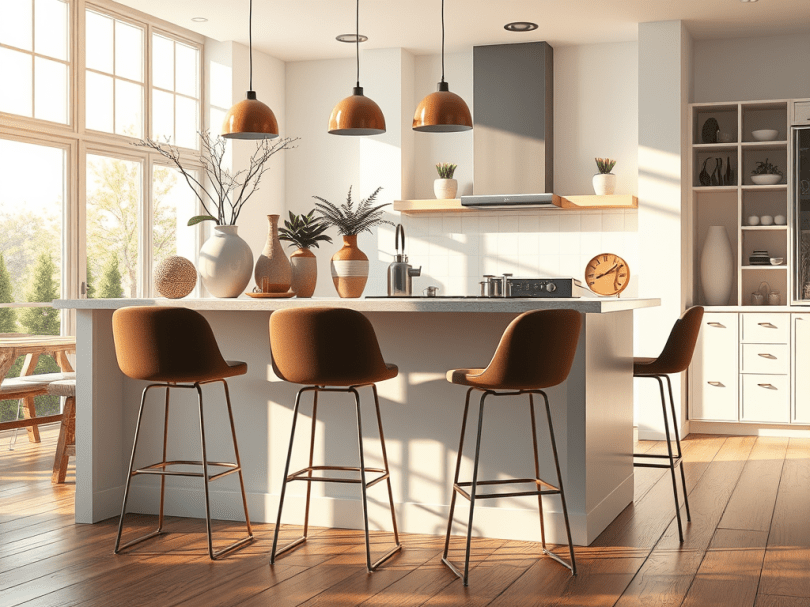
Breakfast bars are a stylish and functional addition to modern kitchens, providing a casual space for meals, work, or conversation. But the question arises: do you need bar stools to make the most of a breakfast bar? Let’s explore the benefits of bar stools, the reasons they might not be essential, and creative ways to use the extra space if you opt out.


Why Bar Stools Are a Popular Choice for Breakfast Bars

  1. Convenience and Comfort Bar stools transform a breakfast bar into a functional seating area. They provide a comfortable perch for quick meals, casual coffee breaks, or even remote work sessions. Adjustable-height options cater to everyone, ensuring your space is inclusive and cozy.
  2. Space-Saving Seating In small kitchens or open-plan layouts, bar stools offer seating without the bulk of traditional dining chairs. They tuck neatly under the bar when not in use, maximizing floor space and keeping the area tidy.
  3. Stylish Accent Pieces Bar stools come in an array of designs, from sleek modern styles to rustic farmhouse vibes. Choosing the right stools can elevate your kitchen’s aesthetic, tying together your decor seamlessly.

What If You Don’t Use Bar Stools?

Skipping bar stools opens up opportunities to use the space differently:

  1. Storage Solutions Use the area beneath the breakfast bar for extra storage. Install shelves or cabinets to stash cookbooks, baskets, or small appliances. This is especially useful in kitchens with limited cabinetry.
  2. Standing Workspace A breakfast bar without stools can double as a standing workstation for food prep, crafts, or even remote work. This ergonomic option is great for people who prefer to alternate between sitting and standing.
  3. Decorative Display Turn the bar area into a decorative feature by placing potted plants, vases, or seasonal decor along the edge. This adds a touch of personality without compromising functionality.
  4. Kid-Friendly Zone If you have kids, the extra space can become their creative corner. Use the bar for drawing, homework, or even quick snacks without worrying about climbing on stools.

Making the Decision

Whether or not you need bar stools depends on how you use your breakfast bar and the overall layout of your home. If you love hosting, enjoy meals in the kitchen, or value additional seating, bar stools are likely a worthwhile investment. However, if you lean toward minimalism or need extra storage, skipping stools might better suit your lifestyle.


Tips for Choosing the Right Bar Stools

  1. Measure the Height Ensure your stools are the right height for your breakfast bar, leaving 10–12 inches of legroom between the seat and the countertop.
  2. Consider Backrests If comfort is a priority, opt for stools with backrests and cushioned seats.
  3. Match Your Style Select stools that complement your decor. Materials like metal, wood, or upholstered designs offer different aesthetics to suit your theme.

In the end, breakfast bars are versatile spaces that adapt to your needs. Whether you embrace the classic bar stool look or repurpose the space creatively, your breakfast bar can be a functional and stylish highlight of your home. What’s your preference? Let us know how you style your breakfast bar in the comments below!

10 Ways to Make Christmas Decorating Simple Yet Elegant

The holiday season is the perfect time to make your home feel warm, festive, and inviting. However, decorating doesn’t have to be complicated or overwhelming. Here are ten simple yet elegant ways to transform your home into a Christmas wonderland with ease.


1. Stick to a Color Palette

Choose a cohesive color scheme for your decorations. Popular options include classic red and gold, silver and white, or modern black and gold. Sticking to two or three colors ensures your decor looks sophisticated rather than cluttered.
Example: Use gold ornaments, a red tree skirt, and red ribbons on a green Christmas tree for a timeless look.


2. Opt for Minimalist Ornaments

Instead of overloading your tree, go for fewer but more meaningful ornaments. Use ornaments with metallic finishes, clear glass baubles, or handmade keepsakes.
Example: A tree adorned with white lights, clear ornaments, and a simple star topper can be stunningly elegant.


3. Incorporate Natural Elements

Bring the outdoors in by using pinecones, fresh greenery, or twigs in your decor. These elements are cost-effective and provide a natural, rustic touch.
Example: Create a centerpiece with a garland of cedar branches, pinecones, and white candles for your dining table.


4. Use String Lights Strategically

Lights can elevate any space, but placement matters. Instead of wrapping lights around everything, choose focal points like your tree, mantel, or windows.
Example: Hang warm white fairy lights on your windows or weave them into a garland along your staircase for a magical glow.


5. Decorate with Candles

Candles add warmth and ambiance. Use pillar candles in varying heights on your mantel or dining table, paired with greenery or metallic candle holders.
Example: Arrange white candles of different sizes on a mirrored tray with sprigs of holly for an understated yet elegant centerpiece.


6. Upgrade Your Wrapping Game

Beautifully wrapped gifts can double as decor under the tree. Use high-quality wrapping paper in your chosen color palette, and top gifts with satin ribbons or dried flowers.
Example: Wrap gifts in kraft paper, tie them with red velvet ribbons, and add a sprig of rosemary for a sophisticated look.


7. Focus on One Showstopper Piece

Instead of overdecorating every room, choose one focal point to shine. It could be your tree, a decorated mantel, or a festive table setting.
Example: Place a large vase filled with red and white poinsettias on your entryway table to make a bold statement.


8. Repurpose Everyday Items

Transform items you already own into holiday decor. Clear glass jars, bowls, and trays can be filled with ornaments, fairy lights, or greenery.
Example: Fill a large glass hurricane with red and silver ornaments for a chic centerpiece.


9. Create Cozy Corners

Add small festive touches to reading nooks or seating areas. Drape a chunky knit blanket over a chair and add a few holiday-themed pillows.
Example: A red plaid pillow paired with a white faux fur throw creates a cozy holiday vibe.


10. Simplify the Tree Skirt

Instead of a traditional tree skirt, use a neutral-colored blanket or a woven basket base to give your tree a clean, modern look.
Example: A white faux fur throw used as a tree skirt complements any color scheme and adds texture.


Final Thoughts

With these tips, you can achieve an elegant Christmas look without overcomplicating your decorating process. The key is to focus on quality over quantity, embrace simplicity, and let a few well-chosen pieces shine.

What are your favorite ways to decorate for the holidays? Share your ideas in the comments below!

Are Dinner Trays Essential Pieces of Home Decor? Exploring Their Functionality and Style

Dinner trays have come a long way from being purely functional to becoming a versatile and stylish addition to home decor. While not a “must-have” for every home, they can undoubtedly elevate your space with practicality and charm. Let’s dive into why dinner trays might be worth adding to your collection and explore the variety of styles available.


Why Dinner Trays Matter in Home Decor

  1. Functionality Meets Aesthetics
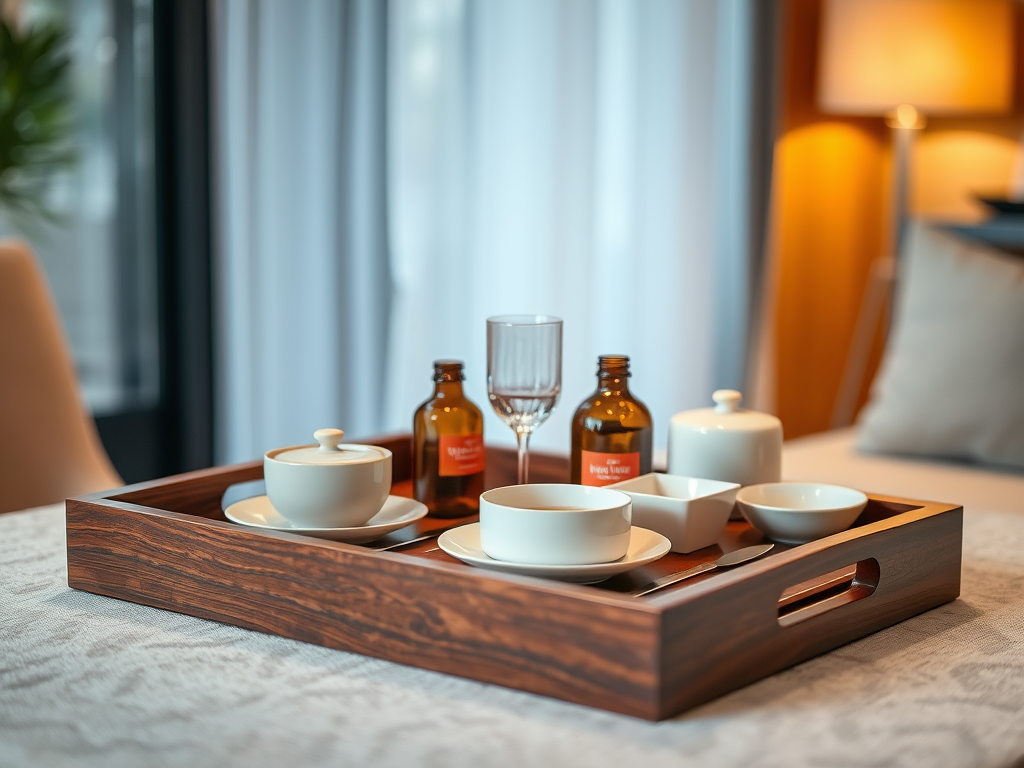
    Dinner trays are multi-functional, useful for serving meals, organizing decor, or acting as makeshift workspaces. Their portability allows you to entertain with ease, whether serving breakfast in bed or hosting an outdoor soirée.
  2. A Statement Piece
    A thoughtfully chosen dinner tray can serve as a decor element in its own right. Whether you prefer modern minimalism, rustic charm, or vintage elegance, trays can complement and enhance your design style.
  3. Organizational Bliss
    Trays are excellent for corralling clutter in style. Use them to organize candles, books, or coffee table essentials while keeping surfaces tidy.

Different Types of Dinner Trays

  1. Wooden Trays
    Wooden trays exude warmth and fit seamlessly into rustic or farmhouse-style decor. Opt for a natural wood finish for a timeless look or painted wood for a pop of color.
  2. Metal Trays
    Metal trays bring a sleek, industrial edge to your home. Brass or gold-finished trays are perfect for a touch of glam, while matte black or brushed steel can enhance modern and minimalist aesthetics.
  3. Acrylic or Glass Trays
    For a contemporary look, acrylic or glass trays offer clean lines and a light, airy feel. These are excellent for smaller spaces where heavy materials might feel overwhelming.
  4. Ottoman Trays
    Specifically designed for multi-functional furniture, ottoman trays turn soft surfaces into stable platforms for drinks, snacks, or decor. These are a must-have for living rooms.
  5. Decorative Trays
    Featuring intricate designs, unique shapes, or bold colors, decorative trays are meant to stand out. They often become conversation pieces when displayed on coffee tables or countertops.
  6. Foldable Lap Trays
    A classic for casual dining, these trays often come with legs, making them ideal for eating in bed or on the couch. Many designs now integrate modern touches, such as slots for tablets or phones.
  7. Wicker or Rattan Trays
    These add a natural, bohemian vibe to your decor. They’re especially popular for outdoor entertaining, as they blend seamlessly with garden or patio settings.

Are Dinner Trays Essential?

While dinner trays may not top the list of essentials, their versatility and style make them a worthwhile addition to most homes. They balance practicality with decor, making them a smart investment for those who entertain or appreciate well-organized, beautiful spaces. Whether you use one to serve a cozy breakfast in bed, showcase seasonal decor, or keep your coffee table tidy, a good dinner tray has endless possibilities.


Pro Tip: Choose trays that align with your home’s color scheme and materials for a cohesive look. You can even swap them out seasonally to keep your decor fresh and interesting.

Do you already use dinner trays in your home? Share your favorite styles and uses in the comments!

Are Trends Really Important When Designing Your Home?

When it comes to designing your home, trends often take center stage. Social media platforms, design magazines, and influencers showcase the latest styles, encouraging us to embrace bold colors, minimalist furniture, or eclectic decor. But as enticing as these trends can be, the question remains: Are trends really important when designing your home?

The Role of Trends in Home Design

Trends serve as inspiration. They introduce fresh ideas, innovative layouts, and exciting materials that may not have been on your radar. Incorporating a trendy element can give your space a contemporary feel, signaling that you’re up-to-date with modern aesthetics.

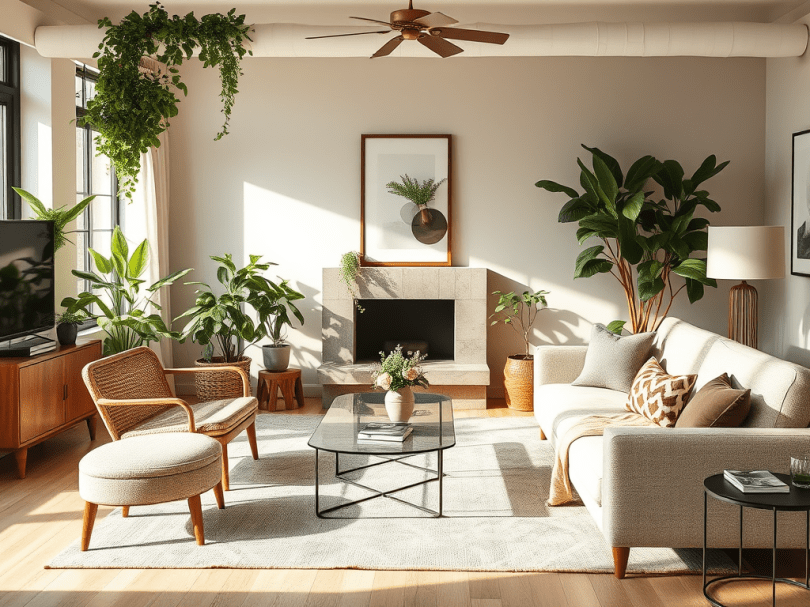
For example, recent trends like biophilic design, with its focus on natural materials and greenery, bring an appealing sense of calm and sustainability to a home. Similarly, the resurgence of vintage furniture can add character and charm to a space.

However, trends are often fleeting. What’s popular today might feel dated in just a few years. Remember when chevron patterns were everywhere? While striking at the time, they quickly became overused, leaving many to regret their once-trendy choices.

Should You Follow Trends?

The short answer is: Only if they resonate with you.

Your home should reflect your personality and lifestyle, not just what’s currently “in.” Trends can act as a guide, but they shouldn’t dictate every design choice. Instead, consider these factors when deciding whether to embrace a trend:

  1. Timelessness
    Ask yourself: Will this trend still appeal to me in five or ten years? Neutral tones, classic materials like wood or stone, and simple, functional designs tend to stand the test of time.
  2. Functionality
    Trends should never compromise the practicality of your space. Open shelving, for instance, has been a popular choice, but if you dislike constant dusting or lack storage options, it might not be the best fit for your needs.
  3. Personal Connection
    If a trend genuinely resonates with you, it’s worth exploring. For example, if you love the idea of an Art Deco-inspired living room because of its bold elegance, incorporate it in a way that feels authentic to you.

Balancing Trends and Individuality

You don’t have to go all-in on any trend. Instead, consider adding trendy elements in smaller, interchangeable ways:

  • Accessories: Throw pillows, rugs, or wall art are easy and affordable ways to experiment with trends. They’re also simple to switch out as tastes evolve.
  • Paint Colors: A trendy color can refresh a room without requiring a major commitment. When the trend fades, you can repaint.
  • Focal Pieces: A statement couch or light fixture can embody a trend while remaining timeless if chosen thoughtfully.

The Case for Going Trend-Free

Some homeowners find joy in completely ignoring trends, opting for what they genuinely love, regardless of its popularity. This approach often results in unique, deeply personal spaces that feel welcoming and authentic.

If you prioritize comfort, durability, and functionality, a trend-free approach might be right for you. Incorporating family heirlooms, thrifted finds, or DIY projects can make your home truly one of a kind.

Final Thoughts

Trends can spark creativity, but they should never overshadow your personal style or the functionality of your home. A balanced approach—blending timeless design with a sprinkle of trends—ensures your space feels both fresh and enduring.

Ultimately, your home should be a reflection of you. Whether you’re chasing the latest trend or forging your own path, make choices that bring joy and comfort to your everyday life. After all, it’s your sanctuary, not a showroom.


Would you embrace trends or stick to timeless designs in your home? Share your thoughts in the comments below!

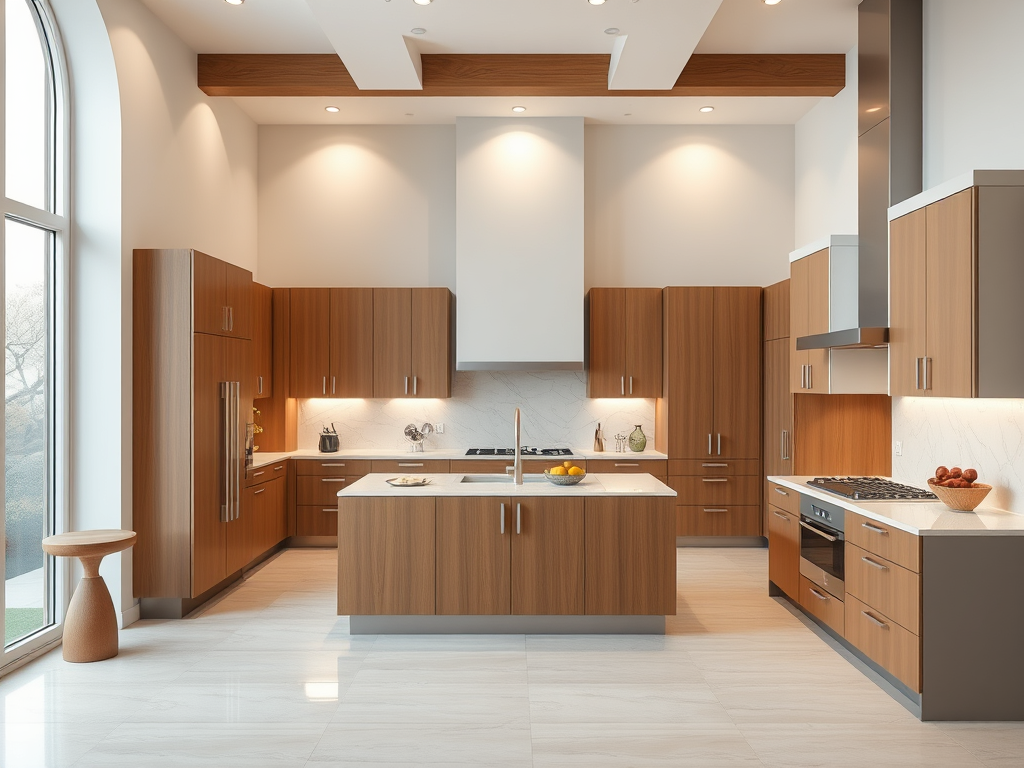
The Heart of the Kitchen: How Important Is a Kitchen Island?

A kitchen island has become a hallmark of modern kitchen design. But how essential is it, really? Whether you’re planning a renovation or just daydreaming about your dream kitchen, understanding the importance of this central feature is key to creating a functional and stylish space.


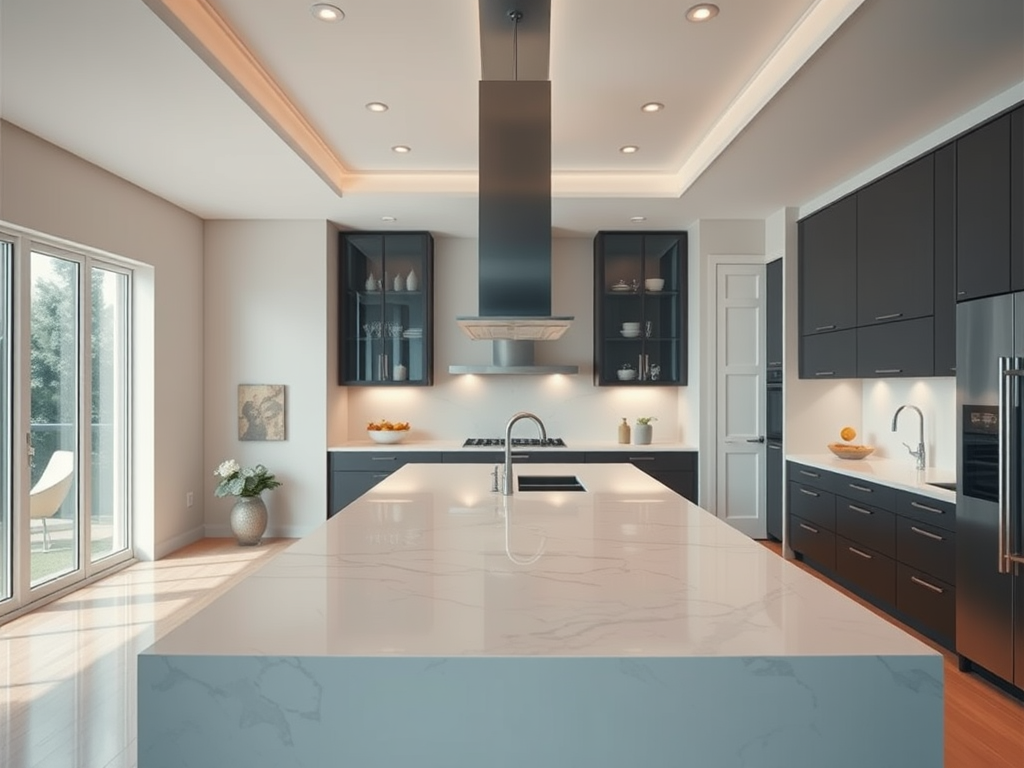
The Role of a Kitchen Island

A kitchen island is more than just a stylish focal point; it’s a multi-functional powerhouse that can transform how you use your kitchen. Here’s how:

  1. Added Workspace: For avid cooks, extra countertop space is invaluable. From meal prep to serving platters, an island offers a dedicated zone to handle it all.
  2. Storage Galore: Modern islands often feature cabinets, shelves, or built-in drawers, helping you maximize storage in an area that tends to get cluttered.
  3. Seating and Socializing: An island with bar stools or chairs is perfect for casual dining, homework sessions, or simply sipping coffee while chatting with friends.
  4. Visual Anchor: An island can pull together the kitchen’s design, offering an opportunity to showcase unique materials, colors, or pendant lighting.

Do You Need a Kitchen Island?

Not every kitchen requires an island. Here are some considerations to help you decide:

Kitchen Size

  • Smaller Kitchens: In compact spaces, an island may hinder movement or create a cramped feel. Instead, a rolling cart or a peninsula could be a better solution.
  • Larger Kitchens: In spacious kitchens, an island can fill unused space, creating balance and enhancing functionality.

Lifestyle

  • Entertainers: If you frequently host gatherings, an island can act as a buffet station or a social hub for guests.
  • Family-Oriented: For households with kids, an island can double as a dining table or homework zone.

Budget

Adding an island isn’t always cheap. From construction to utilities (if you want a sink or stove built in), it can be a significant investment. However, it often adds value to your home, making it a worthwhile upgrade in many cases.


Alternatives to a Traditional Island

If you’ve determined that a fixed kitchen island isn’t for you, there are creative alternatives:

  1. Rolling Carts: Flexible and space-saving, these can be moved aside when not in use.
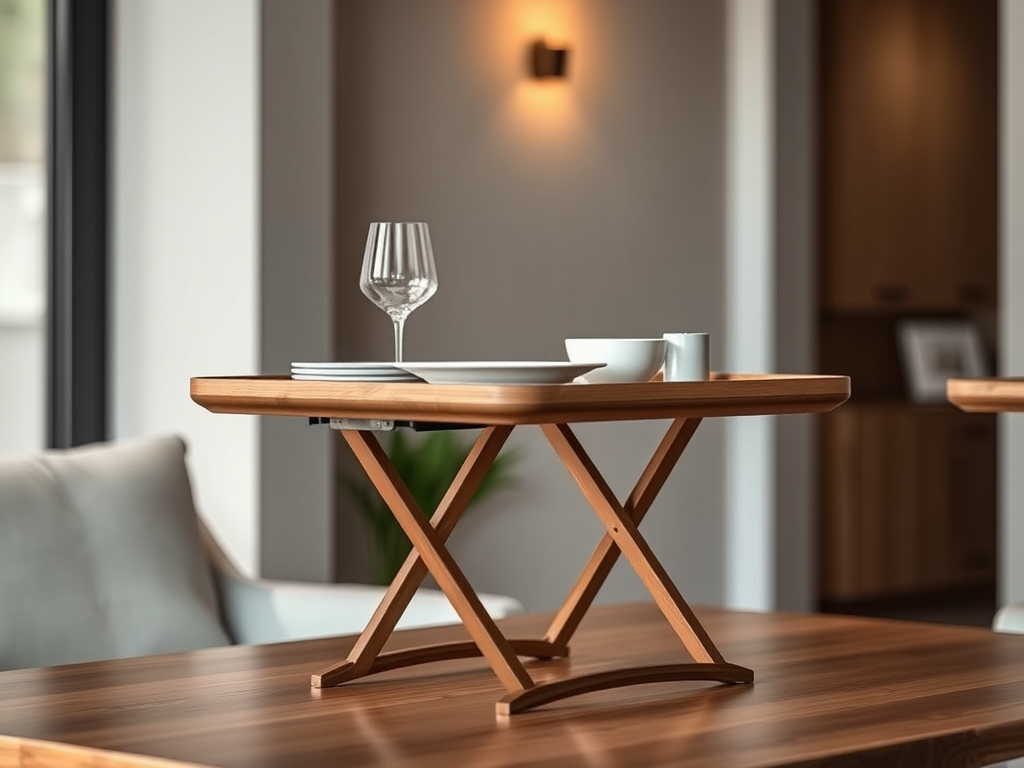
  2. Drop-Leaf Islands: A compact option that can be expanded for extra workspace when needed.
  3. Peninsulas: Similar functionality to an island but attached to a wall or counter, saving floor space.

Making the Most of Your Island

If you decide a kitchen island is right for you, here are some tips to maximize its functionality:

  • Choose the Right Size: Ensure there’s at least 36–42 inches of clearance around the island for comfortable movement.
  • Consider Built-Ins: Features like a sink, wine fridge, or microwave can make your island even more practical.
  • Personalize the Design: Incorporate bold colors, unique materials, or stylish lighting to make it a standout piece.

Conclusion

A kitchen island isn’t just about aesthetics; it’s about enhancing how you use your kitchen. While not every home needs one, the added functionality, storage, and social benefits make it a worthy consideration for many homeowners.

When designed thoughtfully, a kitchen island can become the true heart of your kitchen, blending style and practicality in one central hub. Whether you choose a traditional island or an innovative alternative, the key is to align it with your space, needs, and lifestyle.

What’s your take on kitchen islands? Do you consider them a must-have or just a nice-to-have? Let us know in the comments!