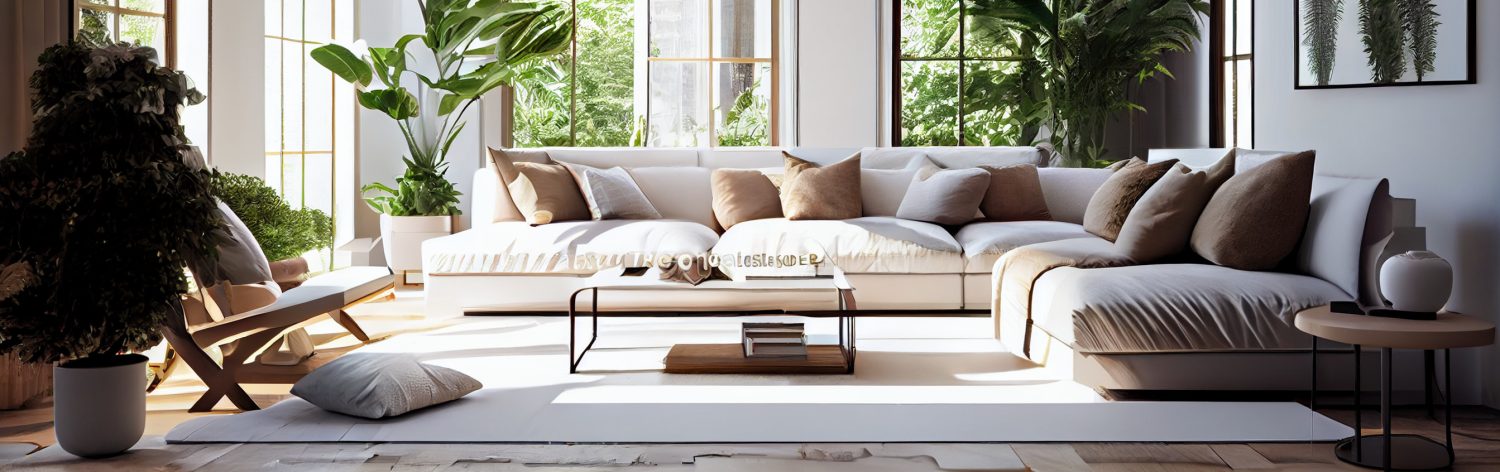

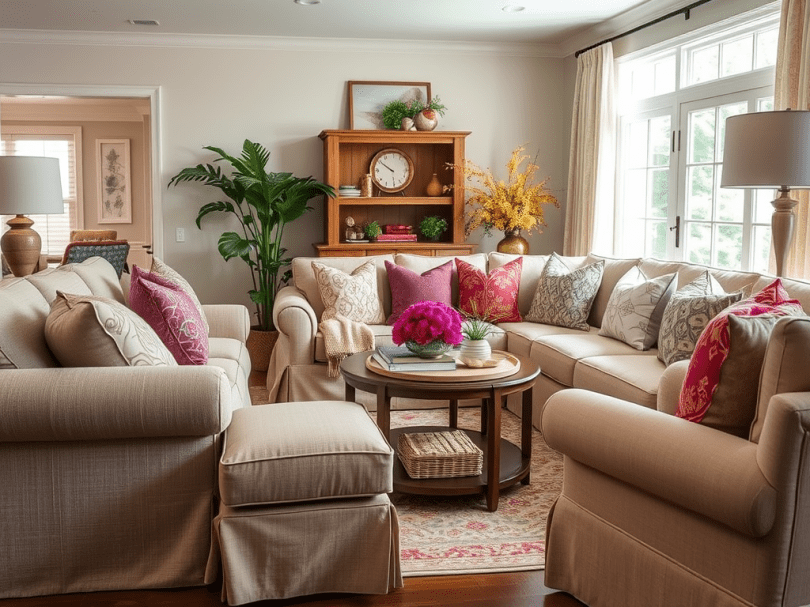
Slipcovers: A Stylish, Practical, and Seasonal Home Decor Solution

When it comes to furniture, slipcovers are often overlooked as a decor accessory. Yet, they offer versatility, protection, and a cost-effective way to refresh your space without the need for new furniture. But are slipcovers worth the investment? How can they be styled to match your home’s aesthetic, and how can they adapt to seasonal decor? Let’s dive in.
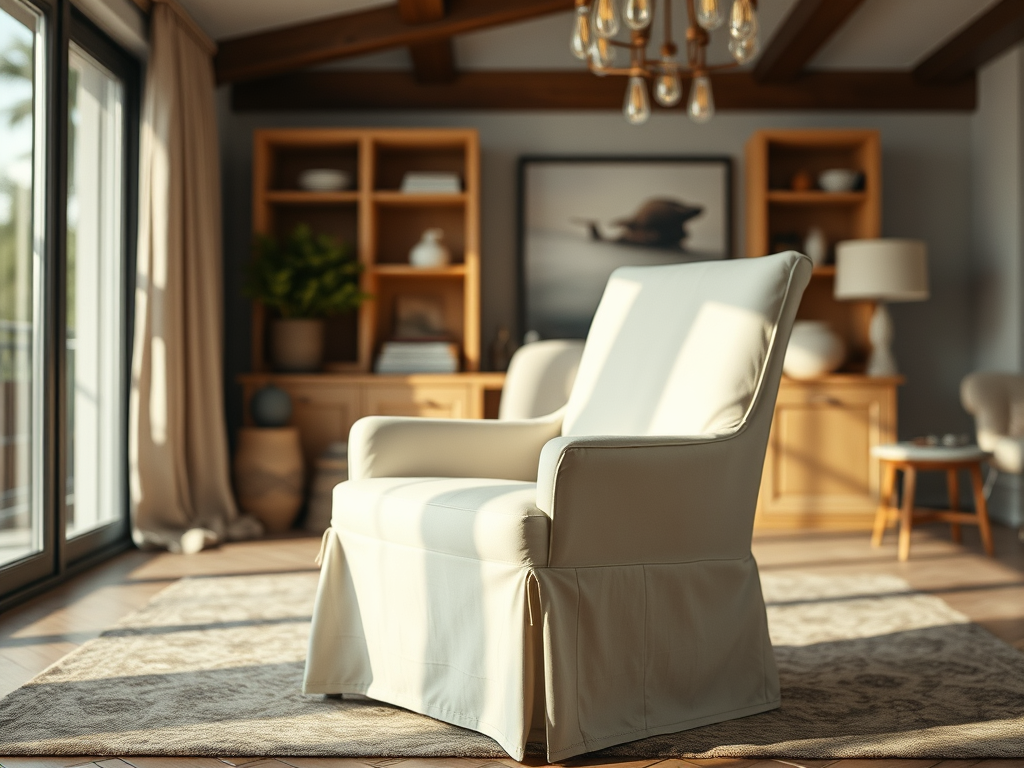
Why Use Slipcovers?

Slipcovers are more than just a way to protect your furniture. They can:

  • Prolong the life of your furniture by shielding it from spills, stains, and pet hair.
  • Refresh outdated pieces with a modern look.
  • Offer flexibility in your decor, allowing for quick changes without major expenses.

For households with kids or pets, slipcovers are practically a lifesaver. Spills and messes can be dealt with easily, as most slipcovers are machine washable.

Are Slipcovers Worthy Accessories?

Absolutely! Slipcovers provide:

  • Cost savings: Instead of replacing a worn couch or chair, a slipcover can make it look brand new.
  • Decor adaptability: Whether you’re redecorating or hosting a themed event, slipcovers let you align your furniture with your vision.
  • Ease of maintenance: With removable and washable covers, cleaning becomes much simpler.

Styling Slipcovers

Styling slipcovers requires attention to detail:

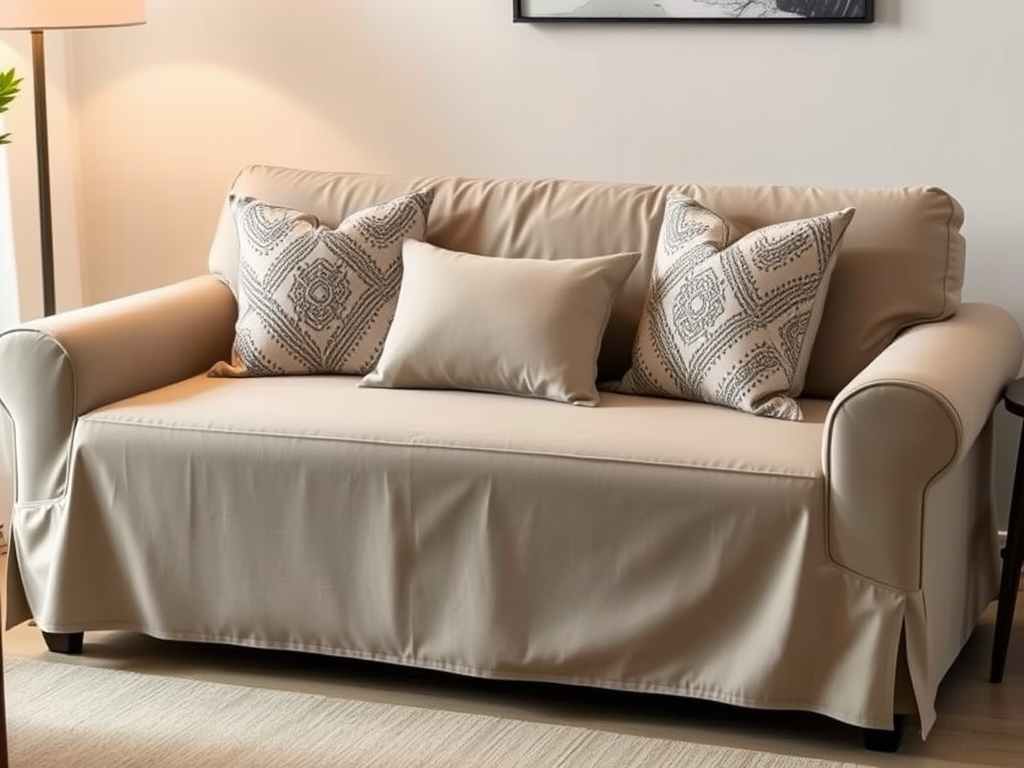
  1. Choose the Right Fit: Ill-fitting slipcovers can look sloppy. Look for tailored options or adjustable covers with straps to ensure a snug fit.
  2. Coordinate with Your Decor: Match the slipcover color or pattern to your room’s palette for a cohesive look. Neutral tones offer versatility, while bold patterns can make a statement.
  3. Layer Textures: Pair slipcovers with throws or cushions to add depth and dimension.

Changing Slipcovers for the Seasons

One of the best features of slipcovers is their adaptability to seasonal decor. Here’s how you can switch things up:

  • Spring: Opt for light, pastel-colored covers or floral patterns to bring a fresh and airy vibe.
  • Summer: Go for breezy linen or cotton slipcovers in whites or blues to evoke a coastal feel.
  • Fall: Introduce warm tones like burnt orange, mustard, or deep greens to complement autumnal accents.
  • Winter: Embrace cozy materials like velvet or plush fabrics in rich hues like burgundy, navy, or dark gray.

Seasonal changes can be as simple as rotating slipcovers and accessorizing with matching throws or seasonal decor pieces.
Final Thoughts

Slipcovers are more than just practical—they’re a design tool that allows you to express your style and adapt to life’s changes. Whether you’re looking to protect your investment, refresh your space, or embrace the shifting seasons, slipcovers are a worthy addition to any home.

Do you use slipcovers in your home? How do you style them? Share your thoughts in the comments below!

Choosing the Right Style for Your Children’s Room: Balancing Home Style and Personality

Designing a child’s room is a rewarding process that allows you to balance your home’s overarching style with your child’s unique personality. With a mix of creativity and planning, you can craft a space that feels cohesive yet full of personal charm. This guide will walk you through the process and include style ideas for boys, girls, and gender-neutral options.


1. Start with Your Home’s Style

Begin by considering the style of your home. Keeping a consistent theme creates a sense of flow and makes the child’s room feel like a thoughtful extension of the house.

  • Modern Home: Stick to minimalist furniture and sleek designs. Add a splash of color with geometric-patterned bedding or bold wall art.
  • Farmhouse Style: Focus on cozy textures, pastel colors, and rustic furniture. Wooden storage crates or a vintage-inspired bed frame can add charm.
  • Scandinavian Influence: Embrace neutral palettes with pops of whimsy, like animal motifs, playful light fixtures, or cozy floor cushions.

2. Incorporate Their Personality and Interests

Your child’s room should reflect their individuality. Here are some specific ideas tailored to boys, girls, and neutral themes:

For Boys:

  • Adventure-Inspired: Use maps, a globe, and travel-themed decor. A bed shaped like a tent or featuring a canopy can add to the explorer vibe.
  • Sports-Themed: Incorporate their favorite sport with bedding, wall decals, or a DIY scoreboard-style corkboard.
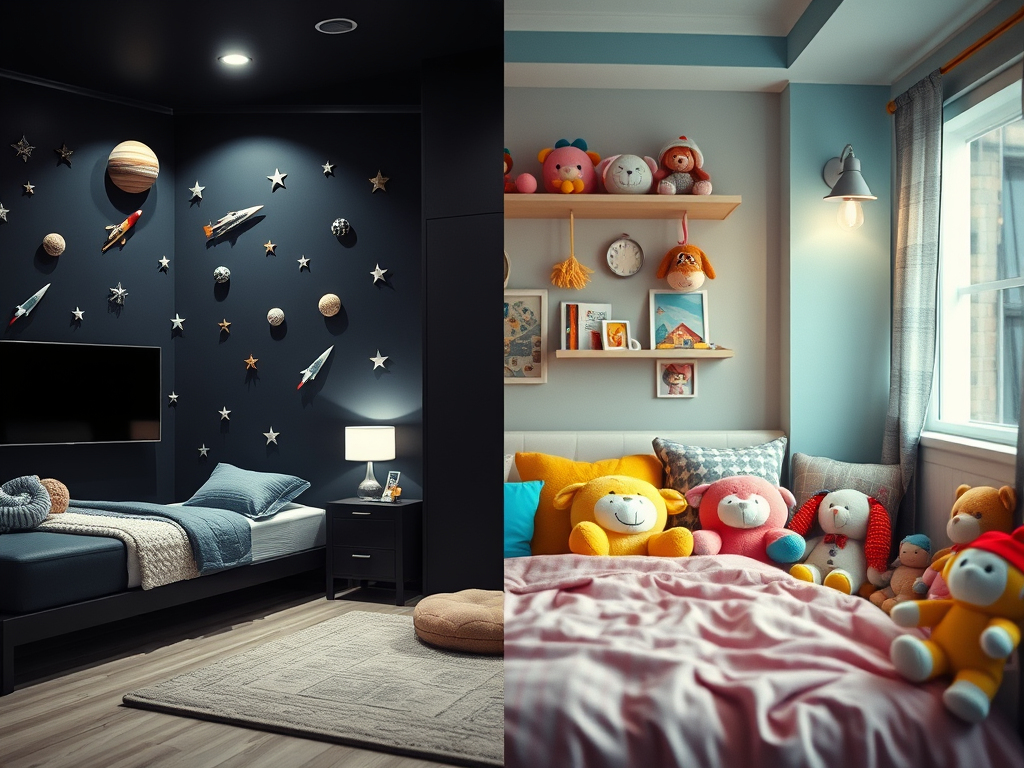
  • Outer Space: Create a celestial room with glow-in-the-dark stars, a rocket bed, and deep blue tones on the walls.

For Girls:

  • Fairy Tale Chic: Choose soft pink or lavender tones with canopies, twinkle lights, and whimsical wallpaper.
  • Art Studio: Add a large craft table, chalkboard wall, and vibrant colors to inspire creativity.
  • Botanical Bliss: Bring the outdoors in with floral patterns, greenery, and nature-inspired art.

Neutral Options:

  • Animal Kingdom: Use earthy tones with animal prints, stuffed animals, and jungle-themed decor.
  • Rainbow Room: A multi-colored approach works well with neutral furniture to balance energy and style.
  • Under the Sea: Blue tones, fish decals, and wave-patterned rugs can create a calming underwater world.

3. Balance Practicality with Fun

Children’s rooms must be as functional as they are fun. Choose furniture and decor that work for both the child and the parent.

  • Opt for bunk beds if space is limited, or trundle beds for sleepovers.
  • Add storage solutions like toy chests, bookshelves, and under-bed bins.
  • Incorporate activity zones like a reading nook with floor cushions or a small desk for homework and projects.

4. Engage Your Child in the Design Process

Children feel more connected to their room when they help design it. Involve them in choosing paint colors, themes, or specific decor items. Let them make some choices while guiding them to ensure everything aligns with your home’s style.


5. Think Long-Term

Kids grow fast, and so do their preferences. Plan a room that can evolve by investing in timeless furniture and using interchangeable decor.

  • Keep walls neutral and add personality with easily changeable elements like bedding, curtains, or wall art.
  • Choose adaptable furniture such as a crib that converts to a toddler bed or a desk that adjusts as they grow.

6. Personalized Touches

Add custom elements like their name in decorative letters, a growth chart, or framed art they created. These small touches can make their room feel truly special.


Pulling It All Together: A Room That Grows with Them

Creating the perfect children’s room is about balancing your child’s personality with the aesthetic of your home. Whether you’re going for a playful space theme for your son, a botanical garden vibe for your daughter, or a neutral animal-inspired room, the key is to design a space they love while keeping it practical and stylish.

What’s your favorite theme or idea for a child’s room? Share your thoughts and tips in the comments below!

Why Home Decor Makes Perfect Holiday Gifts

The holiday season is a time for giving, and what better way to spread joy than by gifting something beautiful for the home? However, when it comes to home decor gifts, some people hesitate. Is it appropriate? Will the recipient like it? Let’s explore whether home decor makes for a great Christmas gift and how to do it right.

Why Home Decor Gifts Work

Home decor items can be thoughtful, personal, and practical, making them an excellent gift choice for several reasons:

  • Timeless Appeal: A well-chosen decor piece, like a vase or a set of elegant coasters, can enhance a home for years.
  • Personal Touch: Gifts like custom wall art or cozy throws show that you’ve considered the recipient’s style and comfort.
  • Universal Utility: Everyone appreciates an item that beautifies their living space, especially during the festive season when homes are the centerpiece of celebrations.

When to Choose Home Decor Gifts

While home decor gifts are versatile, there are certain situations where they truly shine:

  1. Close Relationships: If you know the recipient well, you’re more likely to choose something they’ll love.
  2. Housewarming Christmas Gifts: Perfect for friends or family who recently moved or are starting fresh in a new space.
  3. Shared Spaces: Gifts like decorative candles or festive ornaments can bring joy to family or group settings.

Potential Pitfalls to Avoid

Though home decor gifts can be wonderful, there are a few considerations to ensure your gift is well-received:

  • Know Their Style: A minimalist friend might not appreciate a colorful abstract sculpture, and a maximalist might find a plain white vase too dull.
  • Size Matters: Avoid oversized items that might not fit the recipient’s space. Stick to smaller, versatile decor pieces like photo frames, mirrors, or small planters.
  • Neutral Themes: When in doubt, choose neutral colors and designs to blend seamlessly with any decor style.

Ideas for Home Decor Christmas Gifts

If you’re ready to embrace the idea of home decor gifts, here are some suggestions:

  • Holiday-Themed Decor: Ornaments, wreaths, or festive table runners add to the holiday cheer.
  • Cozy Accents: Think plush throw blankets, scented candles, or decorative pillows.
  • Functional Decor: Items like stylish storage baskets, bookends, or trays offer beauty and utility.
  • Personalized Gifts: Custom artwork, engraved nameplates, or photo albums make unique and cherished gifts.
  • Eco-Friendly Options: Sustainable decor items, such as bamboo trays or recycled glass vases, are thoughtful and environmentally conscious.

How to Present Home Decor Gifts

The presentation can make a big difference in how a gift is received. Wrap the item beautifully, perhaps including a handwritten note explaining why you chose it. For example, you might write, “I thought this candle’s scent would be perfect for cozy winter evenings,” or “This photo frame reminded me of your love for vintage decor.”

Final Thoughts

Buying home decor gifts for Christmas is not only okay—it can be an incredibly thoughtful gesture. The key is understanding the recipient’s preferences and selecting something meaningful and practical. With a bit of thought and care, your home decor gift can become a cherished addition to someone’s space, bringing joy well beyond the holiday season.

Have you ever received a home decor gift that you loved (or didn’t love)? Share your thoughts and experiences in the comments!

How to Choose Fixtures for Your Home: Styles, Options, and Tips

Fixtures are the unsung heroes of home design, seamlessly blending functionality and style. From lighting to faucets and cabinet hardware, the right fixtures can elevate your space, creating a cohesive and polished look. But how do you choose fixtures that work for your home—especially if you haven’t nailed down a specific design theme yet? Let’s explore this step-by-step guide to making the right choices.


Step 1: Understand the Role of Fixtures

Fixtures aren’t just about practicality—they’re decorative elements that bring your space to life. They enhance your home’s design while supporting everyday functions. Common fixtures include:

  • Lighting: Adds character and illuminates your space.
  • Faucets and Showerheads: Combine utility with design appeal.
  • Cabinet and Door Hardware: Small details that pack a big style punch.
  • Ceiling Fans with Lights: Merge style and practicality, offering cooling and illumination.

Step 2: Explore Fixture Style Options

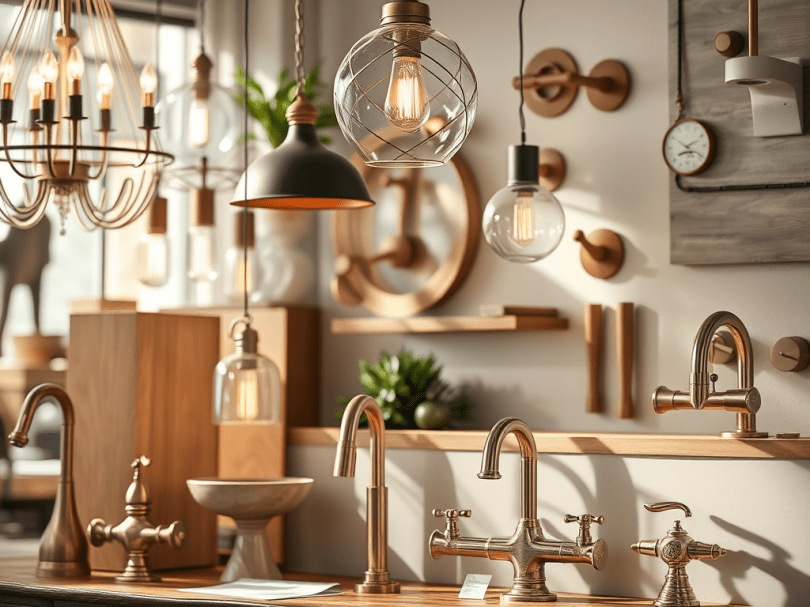
Lighting Fixtures

Lighting plays a pivotal role in both functionality and ambiance. Some popular styles include:

  • Chandeliers: Create a dramatic focal point in dining rooms or entryways.
  • Pendant Lights: Versatile and stylish, perfect for kitchen islands or breakfast bars.
  • Flush Mounts: Ideal for low ceilings, offering a clean and unobtrusive look.
  • Track Lighting: Adjustable and modern, great for highlighting specific areas.
  • Bulbs: Edison-style bulbs for a vintage feel or smart bulbs for customizable lighting.

Faucets and Showerheads

  • Wall-Mounted Faucets: Save counter space while offering a sleek appearance.
  • Rain Showerheads: Bring a luxurious, spa-like experience to your bathroom.
  • Bridge Faucets: Timeless and elegant, often used in farmhouse kitchens.

Hardware Options

  • Knobs: Classic and versatile, a staple for cabinets and drawers.
  • Pulls: Modern and functional, suitable for larger drawers.
  • Bar Handles: Minimalist and sleek, complementing contemporary designs.

Step 3: Decide on a Style

If you already have a home theme, matching your fixtures is easier. For instance:

  • Modern: Look for clean lines and finishes like matte black or polished chrome.
  • Traditional: Opt for ornate designs in polished brass or antique bronze.
  • Industrial: Focus on raw materials like steel or iron with exposed elements.
  • Farmhouse: Choose brushed nickel or oil-rubbed bronze for a rustic charm.
  • Transitional: Combine traditional and contemporary features for versatility.

Step 4: How to Choose When You Don’t Have a Theme

If you haven’t decided on a specific home style yet, start neutral and versatile:

  • Stick to finishes like matte black, brushed nickel, or polished chrome that complement a variety of looks.
  • Opt for simple, timeless designs that adapt well to any future theme.
  • Avoid overly bold choices that may limit your decor flexibility.

Step 5: Mix and Match Thoughtfully

While it’s okay to mix finishes, aim for balance. For example, you can pair brass cabinet pulls with matte black light fixtures as long as the overall look is cohesive. Mixing textures and finishes adds interest without overwhelming the space.


Step 6: Test Before Committing

Whenever possible, bring samples home. Lighting can look different depending on the room’s illumination, and hardware finishes might clash with other elements. Test these elements in their actual environment to ensure they work harmoniously.


Step 7: Consider Functionality

Fixtures should be both stylish and functional. Here are some practical tips:

  • Lighting: Add dimming options or smart features for greater control.
  • Faucets: Look for water-efficient models that reduce waste.
  • Hardware: Choose designs that are comfortable and easy to use.

Final Thoughts

Fixtures are more than practical necessities—they’re the finishing touches that complete your home’s design. Whether you’ve chosen a theme or are starting from scratch, focusing on versatile, well-crafted pieces ensures your home feels cohesive, stylish, and functional.

What’s your go-to style for fixtures? Share your thoughts and favorite options in the comments below!

Embracing Farmhouse Style Decor: A Complete Guide to Creating a Cozy, Rustic Haven

What is Farmhouse Style Decor?

Farmhouse style decor blends rustic charm with modern comfort, evoking the simplicity and warmth of rural living. Rooted in practicality, this style features natural materials, neutral color palettes, and a mix of old and new. The appeal lies in its balance—bringing together vintage pieces and contemporary functionality to create a welcoming, lived-in atmosphere.

Key Characteristics of Farmhouse Style Decor:

  1. Natural Elements: Wood, stone, and metal dominate, providing a raw yet cozy aesthetic.
  2. Neutral Colors: Think whites, creams, beiges, and soft greys. Accents of muted green, navy, or black can add depth.
  3. Vintage Accents: Repurposed furniture, antique finds, and items with a sense of history add authenticity.
  4. Functionality: Farmhouse design values practicality, with furniture and decor pieces serving dual purposes.
  5. Comfort First: Soft textiles, plush cushions, and warm lighting are essential.

How to Incorporate Farmhouse Style Decor into Your Home

  1. Start with the Foundation: Walls and Floors
    • Opt for shiplap walls or white-painted walls for a clean, rustic backdrop.
    • Flooring should be natural wood or wood-look options; wide planks are particularly fitting.
  2. Embrace Natural Textures
    • Incorporate jute rugs, wicker baskets, and linen or cotton textiles to add layers of texture.
    • Use reclaimed wood for shelving, furniture, or even accent walls.
  3. Mix Vintage with Modern
    • Pair a vintage dining table with modern upholstered chairs.
    • Add a distressed mirror or antique clock as a focal point in a room.
  4. Add Functional Decor
    • Use mason jars as vases or utensil holders.
    • Include wooden crates or metal bins for stylish storage.
  5. Layer Lighting
    • Combine pendant lights, lantern-style fixtures, and table lamps to create a cozy ambiance.
    • Edison bulbs are perfect for that farmhouse glow.
  6. Bring the Outdoors In
    • Incorporate greenery with potted plants, fresh flowers, or even faux greenery garlands.

Essential Farmhouse Furniture Pieces

  1. Farmhouse Dining Table:
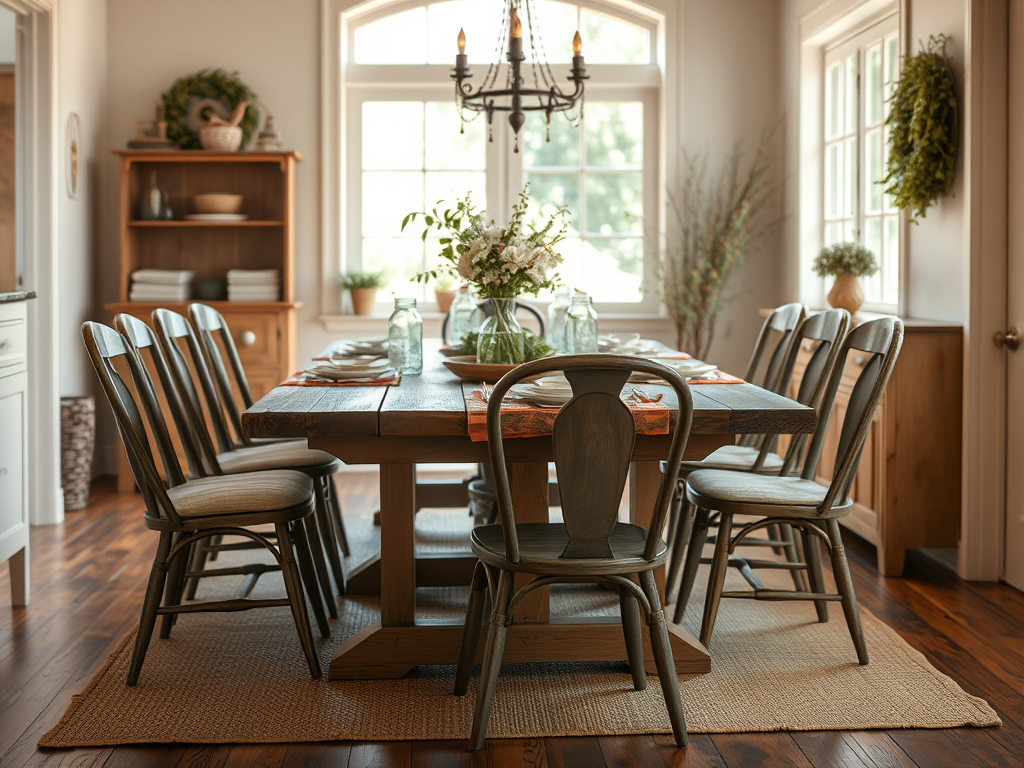
    • The centerpiece of the farmhouse aesthetic. Look for tables with sturdy wooden tops, often paired with distressed finishes.
  2. Slipcovered Sofas:
    • Opt for white or neutral slipcovered couches, which are both stylish and practical.
  3. Rustic Coffee Table:
    • A wooden or metal coffee table with a weathered look is a must-have for the living room.
  4. Open Shelving:
    • Reclaimed wood shelves mounted on metal brackets bring both storage and charm.
  5. Accent Chairs:
    • Consider a tufted armchair or a classic rocking chair with a modern twist.
  6. Wooden or Metal Bed Frames:
    • Beds with spindle frames or simple headboards in wood or wrought iron perfectly capture the farmhouse vibe.
  7. Buffets and Sideboards:
    • Use these versatile pieces in the dining room or living room to display decor and provide storage.
  8. Farmhouse Bench:
    • Place a bench at the dining table, entryway, or end of the bed for a touch of rustic charm.

Conclusion

Farmhouse style decor celebrates the art of blending the old with the new to create a space that feels timeless, functional, and inviting. By focusing on natural materials, neutral tones, and cozy accents, you can transform your home into a serene retreat that reflects the warmth and simplicity of countryside living. Whether you’re revamping a single room or your entire home, the key to farmhouse decor is authenticity—every piece should feel purposeful, comfortable, and personal.

What are your favorite elements of farmhouse style? Let us know in the comments!