
Sectional vs. Regular Sofa and Loveseat Combination: Which is Right for Your Space?

When it comes to furnishing your living room, the choice between a sectional sofa and a traditional sofa and loveseat combination can set the tone for both style and functionality. Both options have their merits, and understanding the key differences can help you decide which works best for your space, lifestyle, and design preferences.

What is the Difference?

Sectional Sofas

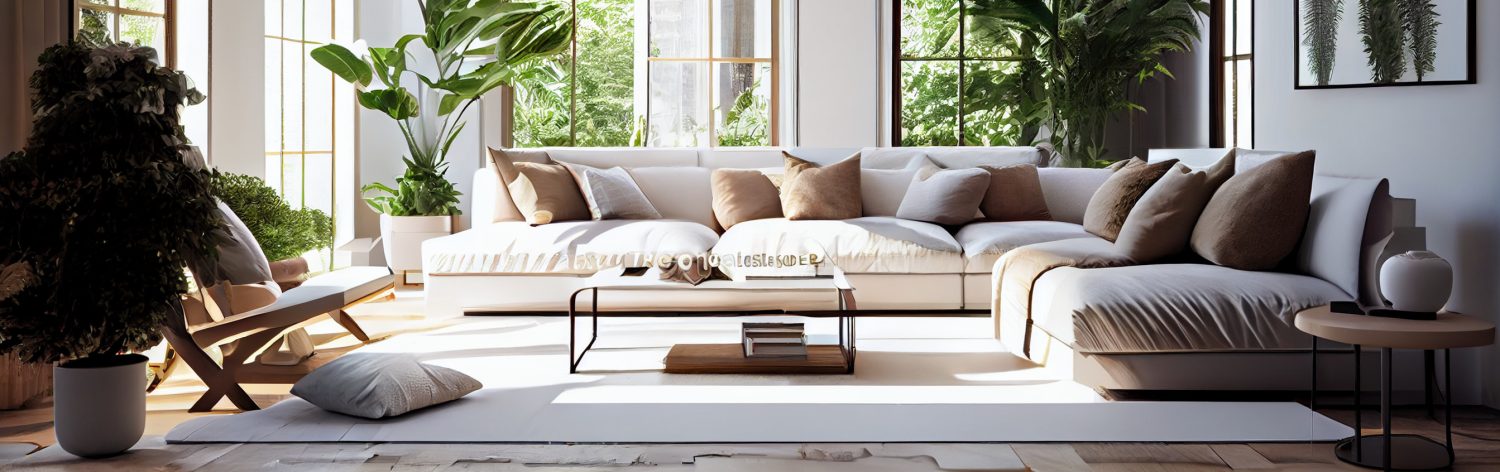
A sectional is a large, modular seating unit typically made up of multiple sections that can be arranged in various configurations. Popular layouts include L-shaped, U-shaped, and chaise designs. Sectionals are often a single, cohesive piece of furniture with room for multiple people.

Sofa and Loveseat Combination

A sofa and loveseat combination includes two separate pieces: a full-sized sofa that seats three or more and a smaller loveseat that seats two. This classic pairing offers versatility and can be arranged in multiple ways to suit the room’s layout.


Why Do People Choose One Over the Other?

Why Choose a Sectional?

  1. Space Optimization: Sectionals are ideal for larger spaces or open floor plans. They maximize seating while defining the area, often eliminating the need for additional chairs.
  2. Comfort and Togetherness: With ample seating in one piece, sectionals are perfect for families or social gatherings where everyone can sit together.
  3. Customizability: Many sectionals come with customizable configurations, allowing you to choose the shape, size, and even upholstery to fit your needs.
  4. Modern Aesthetic: Sectionals lend a clean, contemporary vibe to a room and often include features like built-in recliners or storage.

Why Choose a Sofa and Loveseat Combination?

  1. Flexibility: With two separate pieces, you have more freedom to rearrange your furniture and adapt to different layouts or styles.
  2. Smaller Spaces: A sofa and loveseat combination works well in compact rooms, as it takes up less space and offers a more proportional look.
  3. Timeless Appeal: This classic choice suits a wide range of design styles, from traditional to modern.
  4. Separate Zones: The ability to position the sofa and loveseat at different angles can create distinct zones, especially in multi-purpose spaces.

When to Use Either Option?

Sectional Sofas

  • Open Floor Plans: Sectionals act as a natural divider between spaces like the living room and dining area.
  • Large Families: If your household regularly needs to seat several people, a sectional offers plenty of room without overcrowding the space.
  • Movie Nights: The expansive seating is perfect for lounging and watching movies as a group.

Sofa and Loveseat Combination

  • Small Apartments or Homes: A sofa and loveseat combination fits better in smaller rooms where a sectional might overwhelm the space.
  • Formal Living Rooms: For spaces where style and formality are key, this pairing offers a more refined, traditional look.
  • Varied Layouts: If you like rearranging your furniture frequently, the modularity of a sofa and loveseat provides more options.

Which Should You Choose?

Ultimately, the decision depends on your space, lifestyle, and personal style preferences. If you love hosting game nights and movie marathons or have a large family, a sectional may be your best bet. On the other hand, if your space is compact, and you value flexibility and classic design, a sofa and loveseat combination might be the ideal choice.

No matter what you choose, both options can elevate your living room’s style and functionality. Consider factors like room size, how you plan to use the seating, and your design aesthetic before making your decision. Whether you go sectional or stick with a sofa and loveseat, the right choice will make your living space a cozy, inviting haven.

Do you have a favorite? Share your experiences with sectionals or sofa and loveseat combinations in the comments below!
Finding the Perfect Fireplace for Your Home Without a Traditional Hearth

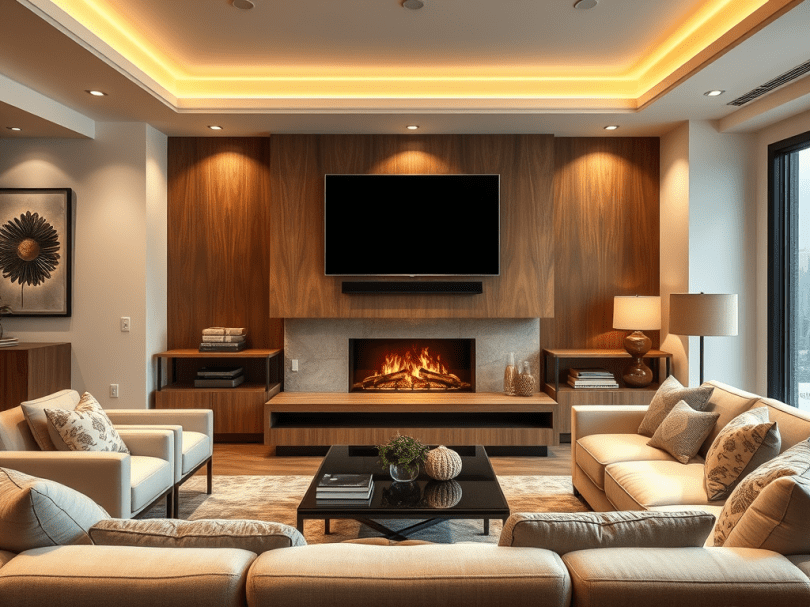
Fireplaces evoke a sense of warmth and comfort, becoming the centerpiece of a cozy living space. However, many modern homes are built without traditional fireplaces. Whether due to architectural trends, environmental considerations, or practicalities, the absence of a built-in hearth doesn’t mean you have to give up on the dream of curling up by a fire. With a variety of options available, finding the right fireplace for your home is easier than ever.

Why Choose a Non-Traditional Fireplace?

Non-traditional fireplaces offer several advantages:

  1. Flexibility: You can install them in any room, from the living area to the bedroom.
  2. Cost-Effectiveness: Modern alternatives are often more affordable than constructing a traditional fireplace and chimney.
  3. Eco-Friendliness: Many options, like electric and ethanol fireplaces, are cleaner and more energy-efficient.
  4. Style Options: They come in various designs to match your home decor, from sleek and modern to rustic and traditional.

Types of Fireplaces for Modern Homes

1. Electric Fireplaces

  • Features: Easy to install, requiring only a power outlet.
  • Benefits: Low maintenance, no venting needed, and energy-efficient.
  • Styles: Wall-mounted, freestanding, or built into media consoles.
  • Ideal For: Apartments, condos, or spaces where structural changes aren’t feasible.

2. Ethanol Fireplaces

  • Features: Fueled by bioethanol, producing real flames without smoke.
  • Benefits: Ventless, portable, and environmentally friendly.
  • Styles: Tabletop designs, wall-mounted units, or freestanding pieces.
  • Ideal For: Modern spaces seeking a minimalist, elegant touch.

3. Gas Fireplaces

  • Features: Powered by natural gas or propane, mimicking traditional fireplaces.
  • Benefits: Instant flames, low maintenance, and high heating efficiency.
  • Styles: Built-in, freestanding stoves, or inserts for existing spaces.
  • Ideal For: Homes with access to gas lines or those looking for reliable heating.

4. Infrared Quartz Fireplaces

  • Features: Combines infrared heating with the visual appeal of a fire.
  • Benefits: Efficient, adds humidity to the air, and safe for kids and pets.
  • Styles: Mantel units, stoves, or media consoles.
  • Ideal For: Families wanting safe and effective supplemental heating.

How to Choose the Right Fireplace

  1. Assess Your Space:
    Consider the size of your room and the location where you’d like the fireplace. Compact options are available for small spaces, while larger units can become statement pieces.
  2. Match Your Style:
    Look for a design that complements your home decor. Ethanol fireplaces suit modern aesthetics, while electric mantels work well in traditional or transitional settings.
  3. Determine Your Heating Needs:
    If supplemental heating is a priority, choose options with adjustable heat settings like gas or infrared quartz fireplaces.
  4. Set a Budget:
    Fireplace prices vary widely. Electric models are typically the most affordable, while gas fireplaces may require a higher investment due to installation costs.
  5. Check for Safety Features:
    Opt for models with safety glass, automatic shutoff, and cool-touch surfaces if you have children or pets.

Making It a Focal Point

Once you’ve chosen the perfect fireplace, style the area around it to maximize its impact. Consider adding a mantel for decorative pieces, a cozy rug for texture, or ambient lighting to enhance the warmth of the fire.

Final Thoughts

A fireplace can transform any space, creating a warm, inviting ambiance. Whether you prefer the convenience of an electric fireplace, the sophistication of ethanol, or the efficiency of gas, there’s a perfect option for your home. Say goodbye to the limitations of traditional fireplaces and embrace a modern solution tailored to your style and needs.

Which fireplace style sparks your interest? Let us know in the comments!

Finding the Right Sound System for Your Home: Recommendations and Real Customer Experiences

Selecting the right sound system for your home can transform your entertainment experience. Whether you’re a music lover, movie enthusiast, or gaming fanatic, there’s a perfect setup for your needs. In this guide, we’ll discuss key factors to consider, explore trusted brands, and share real customer experiences to help you make an informed decision.


Key Considerations When Choosing a Sound System

  1. Room Size and Layout
    • Smaller rooms may benefit from soundbars or compact speakers.
    • Larger spaces often require a surround sound system with multiple speakers and subwoofers.
  2. Purpose of Use
    • Movies: Surround sound systems like Dolby Atmos enhance cinematic experiences.
    • Music: Hi-fi stereo or multi-room speakers offer superior clarity.
    • Gaming: Systems with low latency and immersive soundscapes work best.
  3. Budget and Features
    • From affordable soundbars to premium setups, there’s an option for every price range.
    • Look for features like Bluetooth, Wi-Fi, voice control, and smart home compatibility.

Top Sound System Brands with Customer Experiences

Sonos

Why It’s Popular: Known for sleek designs and multi-room capabilities, Sonos offers exceptional sound quality and user-friendly systems.

  • Customer Experience:
    “I’ve been using the Sonos Arc in my living room, and it’s flawless. The dialogue clarity is excellent, and setting it up was a breeze. The Trueplay tuning feature adjusted perfectly to my room’s acoustics!” – Sarah P.
  • Best Picks: Sonos Arc (soundbar), Sonos One (smart speaker).

Bose

Why It’s Popular: With a reputation for rich, immersive sound and elegant aesthetics, Bose delivers a premium experience for home audio.

  • Customer Experience:
    “I bought the Bose Smart Soundbar 900, and the sound is phenomenal. Movies feel immersive, and music has a depth I didn’t know I was missing. Alexa integration is a plus!” – John D.
  • Best Picks: Bose Smart Soundbar 900, Bose Home Speaker 500.

Sony

Why It’s Popular: Sony offers versatile options, from compact soundbars to powerful home theater systems with Dolby Atmos technology.

  • Customer Experience:
    “The Sony HT-A7000 soundbar with a subwoofer and rear speakers has turned my living room into a mini-theater. It’s pricey, but the immersive experience is worth every cent!” – Emma L.
  • Best Picks: Sony HT-A7000, Sony STR-DH790 receiver.

Yamaha

Why It’s Popular: Yamaha is celebrated for its performance and versatility, making it a favorite among audiophiles and casual users alike.

  • Customer Experience:
    “I paired a Yamaha RX-V6A receiver with my speakers, and the results are fantastic. The system is easy to configure, and the sound quality is perfect for music and movies.” – Brian T.
  • Best Picks: Yamaha RX-V6A receiver, Yamaha YAS-209 soundbar.

JBL

Why It’s Popular: JBL is known for its durable, budget-friendly systems with excellent bass and clarity, ideal for music and parties.

  • Customer Experience:
    “The JBL Bar 5.1 Surround was a great buy! The bass is punchy, and the detachable speakers make it perfect for movie nights or parties.” – Lisa H.
  • Best Picks: JBL Bar 5.1 Surround, JBL Charge 5 portable speaker.

Where to Shop for Your Ideal Sound System

  1. Big-Box Retailers
    • Visit stores like Best Buy, Costco, or Target for hands-on testing and expert advice.
    • Many retailers offer package deals and financing options.
  2. Online Retailers
    • Amazon, Crutchfield, and B&H Photo provide extensive selections, detailed customer reviews, and fast shipping.
    • Look for discounts during sales events like Black Friday or Prime Day.
  3. Specialty Audio Stores
    • For high-end systems, local audio stores often provide tailored advice and installation services.
    • Brands like Sonos and Bose also have dedicated retail locations.
  4. Direct from Manufacturers
    • Shopping directly from companies like Sonos, Bose, or Sony ensures access to the latest models, warranties, and exclusive deals.

Tips for Choosing the Best Sound System

  • Test Before You Commit: Whenever possible, listen to systems in person to evaluate their sound quality.
  • Read Reviews: Customer testimonials on websites and forums provide invaluable insights into real-world performance.
  • Plan for Expansion: If your budget allows, opt for systems that support add-ons like extra speakers or upgraded components.

Investing in a quality sound system is an investment in your home’s entertainment experience. Whether you choose the elegance of Bose, the versatility of Sony, or the powerful performance of JBL, there’s a perfect fit for every need and budget.

Have you recently upgraded your home audio setup? Share your experiences in the comments!

How to Choose the Right Window Coverings for Your Home

Window coverings are a pivotal element in home design, providing privacy, controlling light, and contributing to the overall aesthetic. But with the plethora of options available, how do you choose the right one for your space? This guide will help you navigate the types of window coverings and their differences, so you can make an informed decision for your home.

Factors to Consider When Choosing Window Coverings

  1. Functionality
    • Are you looking for privacy, light control, or insulation?
    • Do you need coverings that are easy to clean or child-safe?
  2. Style
    • What is the overall theme of your home—modern, farmhouse, traditional?
    • Should the coverings stand out as a statement piece or blend seamlessly?
  3. Budget
    • Window coverings come in a range of prices. Determine your budget to narrow your options.
  4. Room Use
    • Living rooms might need sheer drapes for a soft glow, while bedrooms may benefit from blackout shades for better sleep.

Types of Window Coverings and Their Differences

1. Blinds

Material Options: Wood, faux wood, aluminum, vinyl
Key Features:

  • Slats can be tilted to control light and privacy.
  • Available in horizontal and vertical designs.
    Best For: Kitchens, bathrooms, and offices due to their clean lines and functionality.

2. Shades

Styles: Roller, Roman, cellular, pleated
Key Features:

  • Made from fabric or synthetic materials.
  • Lifted or lowered in one piece for varying levels of coverage.
  • Cellular shades are energy-efficient, trapping air to provide insulation.
    Best For: Bedrooms, living rooms, and spaces needing light diffusion.

3. Curtains

Material Options: Cotton, silk, linen, polyester
Key Features:

  • Come in various lengths, patterns, and textures.
  • Can be paired with blinds or shades for added functionality.
    Best For: Formal living rooms, dining rooms, and spaces needing a soft, elegant touch.

4. Drapes

Material Options: Heavier fabrics like velvet or blackout materials
Key Features:

  • Floor-length and often lined for added privacy or insulation.
  • Provide a more dramatic and luxurious appearance.
    Best For: Bedrooms and spaces requiring complete light blockage.

5. Shutters

Material Options: Wood, composite materials
Key Features:

  • Permanently affixed to the window frame.
  • Offer excellent insulation and light control.
    Best For: Coastal or traditional home styles and areas with high sunlight exposure.

6. Sheers

Material Options: Lightweight fabrics like voile or chiffon
Key Features:

  • Allow natural light while maintaining some privacy.
  • Often layered with heavier curtains or drapes.
    Best For: Living rooms, dining areas, or spaces with large windows.

Tips for Selecting the Perfect Window Covering

  • Measure Precisely: Ill-fitting coverings can diminish functionality and aesthetic appeal.
  • Layer for Versatility: Combine sheers with drapes or shades for flexible light control and privacy.
  • Match the Room’s Purpose: Consider blackout shades for bedrooms or moisture-resistant blinds for bathrooms.
  • Don’t Forget Maintenance: Opt for easy-to-clean materials in kitchens and high-traffic areas.

Window coverings are more than a practical necessity—they’re an opportunity to enhance your home’s decor. Whether you’re drawn to the clean functionality of blinds, the softness of curtains, or the elegance of shutters, there’s a perfect option for every room and style.

What’s your go-to window covering style? Share your thoughts in the comments below!

Transform Your Home with Paint: Tips, Tricks, and Top Picks

Painting your home inside and out is one of the most transformative yet cost-effective ways to refresh your space. Whether you’re aiming for a complete makeover or a subtle touch-up, selecting the right paint and colors can make all the difference. Here’s your guide to tackling your painting project like a pro.


1. The Right Paint for the Right Area

Choosing the correct type of paint is as important as selecting the perfect color. Here’s a breakdown:

  • Interior Paint:
    • Finish: Use matte or eggshell finishes for walls to hide imperfections, and satin or semi-gloss for trim and doors for easy cleaning.
    • Formula: Low-VOC or zero-VOC paints are ideal for indoor air quality.
    • Popular Choices:
      • Sherwin-Williams SuperPaint: Available at Sherwin-Williams stores and online at Sherwin-Williams.com.
      • Benjamin Moore Regal Select: Found at Benjamin Moore retailers and BenjaminMoore.com.
      • Behr Premium Plus: Sold exclusively at The Home Depot and HomeDepot.com.
  • Exterior Paint:
    • Durability: Look for paints with weather-resistant formulas to protect against UV rays, rain, and temperature changes.
    • Finish: Satin or semi-gloss finishes stand up to the elements while enhancing curb appeal.
    • Popular Choices:
      • Behr Marquee Exterior: Exclusive to The Home Depot.
      • Valspar Duramax: Found at Lowe’s and Lowes.com.
      • Sherwin-Williams Duration Exterior: Available at Sherwin-Williams locations and online.

2. Tips for Selecting Colors

  • Interior:
    • Living Areas: Neutral tones like greige, beige, or soft white create a warm, inviting space. Try:
      • Benjamin Moore’s Edgecomb Gray: Available at Benjamin Moore stores and online.
      • Sherwin-Williams’ Alabaster: Found at Sherwin-Williams outlets.
    • Bedrooms: Soft blues and greens promote relaxation. Consider:
      • Behr’s Soft Mint: Exclusively at The Home Depot.
    • Kitchens: Whites and yellows brighten the space and enhance appetite. Options include:
      • Valspar’s Sunshine: Available at Lowe’s.
    • Bathrooms: Cool tones like light gray or seafoam green for a spa-like retreat:
      • Farrow & Ball’s Pavilion Blue: Found at Farrow & Ball retailers and Farrow-Ball.com.
  • Exterior:
    • Consider the architecture of your home and its surroundings.
    • Popular combinations include:
      • Gray with white trim:
        • Sherwin-Williams’ Repose Gray: Sherwin-Williams stores.
        • Sherwin-Williams’ Extra White: Same source.
      • Classic white with black accents:
        • Benjamin Moore’s Chantilly Lace: Benjamin Moore outlets.
        • Benjamin Moore’s Black Beauty: Same source.
      • Earthy tones:
        • Farrow & Ball’s Brinjal: Farrow & Ball retailers.

3. Tricks for a Flawless Finish

  • Preparation Is Key:
    • Wash and sand surfaces before painting.
    • Use painter’s tape for clean lines and protect floors and furniture with drop cloths.
  • Invest in Quality Tools:
    • High-quality brushes and rollers ensure even coverage.
    • A paint sprayer is an excellent investment for larger areas.
  • Test Colors First:
    • Purchase sample jars or peel-and-stick swatches from retailers like Sherwin-Williams, Benjamin Moore, or Clare Paint to test colors at home.

4. Trending Color Palettes for Inspiration

  • Neutral Elegance:
    • Walls: Sherwin-Williams’ Agreeable Gray: Sherwin-Williams stores.
    • Accents: Benjamin Moore’s Simply White: Benjamin Moore retailers.
    • Trim: Behr’s Ultra Pure White: The Home Depot.
  • Cozy Earth Tones:
    • Walls: Valspar’s Desert Carnation: Lowe’s.
    • Accents: Farrow & Ball’s Brinjal: Farrow & Ball retailers.
    • Trim: Benjamin Moore’s Hale Navy: Benjamin Moore retailers.
  • Modern Minimalist:
    • Walls: Sherwin-Williams’ Pure White: Sherwin-Williams stores.
    • Accents: Benjamin Moore’s Onyx: Benjamin Moore retailers.
    • Trim: Valspar’s Oyster Shell: Lowe’s.
  • Bold and Beautiful:
    • Walls: Behr’s Dark Cobalt Blue: The Home Depot.
    • Accents: Sherwin-Williams’ Goldenrod: Sherwin-Williams stores.
    • Trim: Benjamin Moore’s Dove White: Benjamin Moore retailers.

5. Eco-Friendly Paint Options

For those looking to reduce environmental impact:

  • Benjamin Moore Aura: Available at Benjamin Moore outlets and online.
  • Farrow & Ball Modern Emulsion: Found at Farrow & Ball retailers.
  • Clare Paint: Order online at Clare.com.

Painting your home is a rewarding project that can breathe new life into your space. By choosing high-quality paints, the right colors, and preparing thoroughly, you’ll create a space you’ll love for years to come. Ready to pick up a brush? Let the transformation begin!