
Illuminate Your Home: How Choosing the Right Lighting Transforms Your Space

Lighting plays a vital role in home decor and interior design, often overlooked in favor of more obvious elements like furniture, color palettes, and artwork. However, the right lighting can completely transform the look and feel of your home. It not only illuminates your space but also enhances the ambiance, highlights key features, and even influences your mood. Whether you’re designing a cozy reading nook, a vibrant kitchen, or a serene bedroom, selecting the right lamps, light fixtures, and lighting options is an exciting part of making your home feel like yours.

Why Lighting is More Than Just Functional

Lighting isn’t just about brightening a room; it’s about creating a mood. The right lighting can make your living space feel warm and inviting or sleek and modern, depending on your preferences. Soft, warm lighting works wonders for bedrooms, fostering relaxation and calmness. Meanwhile, bright white light makes kitchens and offices feel crisp, clean, and functional.

Consider lighting as the finishing touch that ties a room together. It’s like choosing the perfect accessory for your outfit—it adds personality, style, and purpose to the overall look.

Types of Lighting to Consider

When planning your lighting setup, it’s essential to consider three main types of lighting:

  1. Ambient Lighting
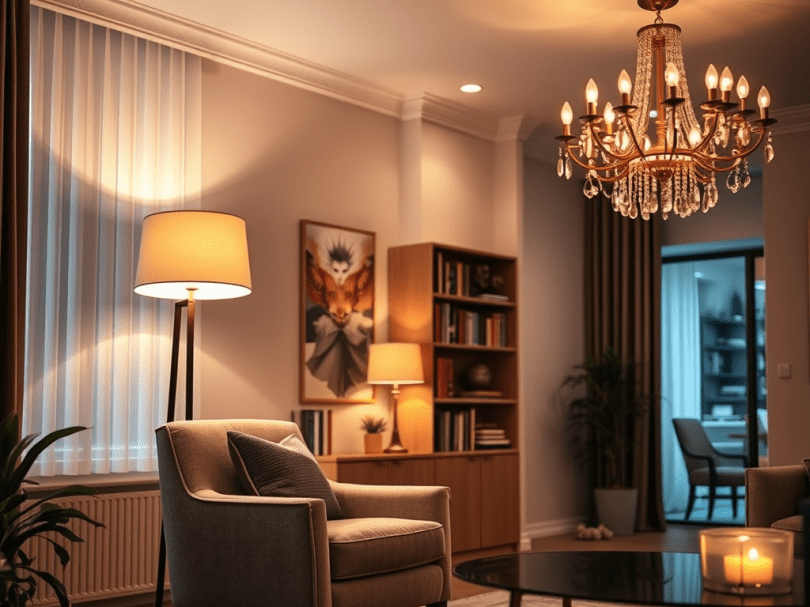
    Ambient lighting serves as the primary light source for a room, offering general illumination. Ceiling fixtures, chandeliers, recessed lights, and flush mounts are popular options for creating a well-lit space. For larger rooms, layering ambient lighting with other light sources is key to avoiding a flat or dull look.
  2. Task Lighting
    Task lighting is functional lighting designed to help you perform specific activities. Whether it’s reading, cooking, or working, task lighting provides focused illumination exactly where you need it. Table lamps, under-cabinet lights, desk lamps, and pendant lights over kitchen islands are all excellent examples.
  3. Accent Lighting
    Accent lighting adds drama and visual interest to a space by highlighting artwork, architectural features, or decorative elements. Wall sconces, picture lights, and LED strip lighting are great options for adding character and depth to your room.

Exciting Lighting Options for Your Home

When it comes to lighting, the possibilities are endless. Here are some stylish and versatile lighting ideas for every area of your home:

  1. Chandeliers
    Chandeliers aren’t just for formal dining rooms anymore. Modern chandeliers come in various styles—from sleek and minimalistic to bold and ornate—making them a perfect statement piece for entryways, living rooms, and even bedrooms.
  2. Floor Lamps
    Floor lamps add height and visual interest to your decor while serving as a practical light source. They’re perfect for brightening dark corners or complementing a cozy reading area.
  3. Pendant Lights
    Pendant lights are versatile and stylish, offering both functionality and flair. Use them above kitchen islands, dining tables, or in hallways to create focal points and direct lighting where needed.
  4. Table Lamps
    Table lamps are a timeless favorite, offering task lighting and decorative appeal. With countless styles, shapes, and materials available, they can easily match any decor, from modern to traditional.
  5. LED Strip Lights
    For a contemporary touch, LED strip lights provide energy-efficient illumination while adding a modern aesthetic to spaces like under cabinets, bookshelves, and behind TVs.
  6. Smart Lighting
    Embrace technology with smart bulbs and fixtures that allow you to adjust brightness and color temperature right from your phone or voice assistant. Smart lighting is ideal for creating dynamic moods in your home, whether for work, relaxation, or entertaining.

Can Proper Lighting Change the Look of Your Home?

Absolutely! The right lighting has the power to transform any space. Here’s how:

  • Highlight Key Features: Accent lighting can draw attention to art, unique architecture, or statement furniture.
  • Create the Illusion of Space: Proper lighting can make small rooms feel larger. Strategically placed mirrors and bright lights open up the space.
  • Set the Mood: Soft lighting creates a calming environment perfect for bedrooms and living spaces, while brighter lights keep kitchens and workspaces energized.
  • Add Depth and Dimension: Layering light sources, like combining ceiling fixtures with lamps and sconces, gives rooms depth, texture, and visual interest.

Final Thoughts: Lighting as the Ultimate Design Tool

Choosing the proper lighting for your home is more than an afterthought—it’s an exciting way to shape your space, showcase your style, and enhance functionality. Whether you’re drawn to elegant chandeliers, modern pendant lights, or cozy table lamps, the perfect lighting setup can breathe new life into your home. So go ahead, explore your options and illuminate your home with style!
Are Curio Cabinets a Thing of the Past? A Timeless Accent or Outdated Relic?

Curio cabinets have long been a staple in traditional home decor. For generations, they were the go-to furniture piece for displaying cherished collectibles, family heirlooms, and treasured keepsakes. But in a world of minimalism, open shelving, and modern design, many people are asking: Are curio cabinets outdated? Do they still have a place in today’s homes, or are they reserved for older generations? Let’s dive into the role of curio cabinets in contemporary decor and whether they still hold appeal in modern spaces.


What Exactly is a Curio Cabinet?

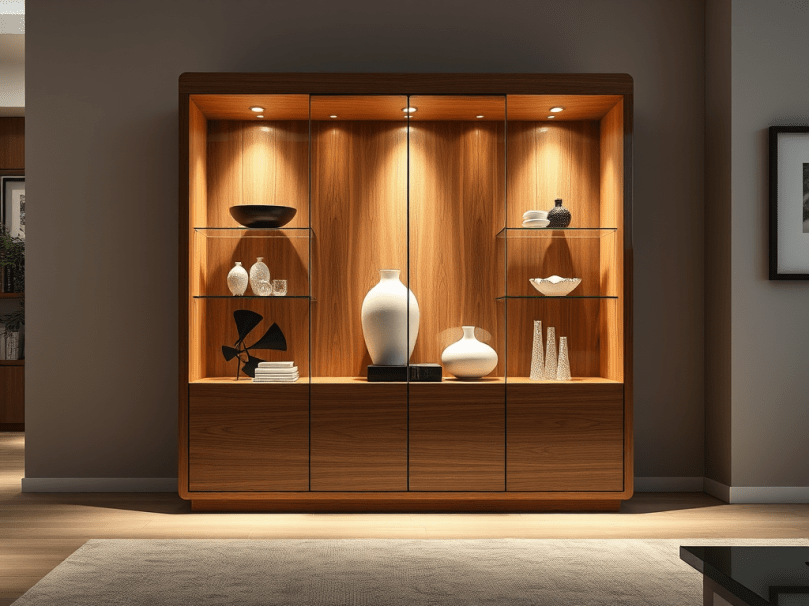
Before we debate its relevance, let’s define what a curio cabinet actually is. Traditionally, curio cabinets are tall, glass-paneled display cases designed to showcase items like figurines, fine china, or collectibles. They often come with interior lighting and mirrored backs to accentuate the pieces displayed inside.

Originally popular in the late 19th and early 20th centuries, they were often seen as a symbol of sophistication and wealth—a place to store precious, delicate items for all to admire.


Are Curio Cabinets Outdated?

The short answer? It depends on how you use them. In recent years, the decor world has shifted toward modern minimalism, where clutter-free surfaces and open spaces reign supreme. Bulky furniture with ornate detailing, like traditional curio cabinets, can sometimes feel out of place in sleek, contemporary homes.

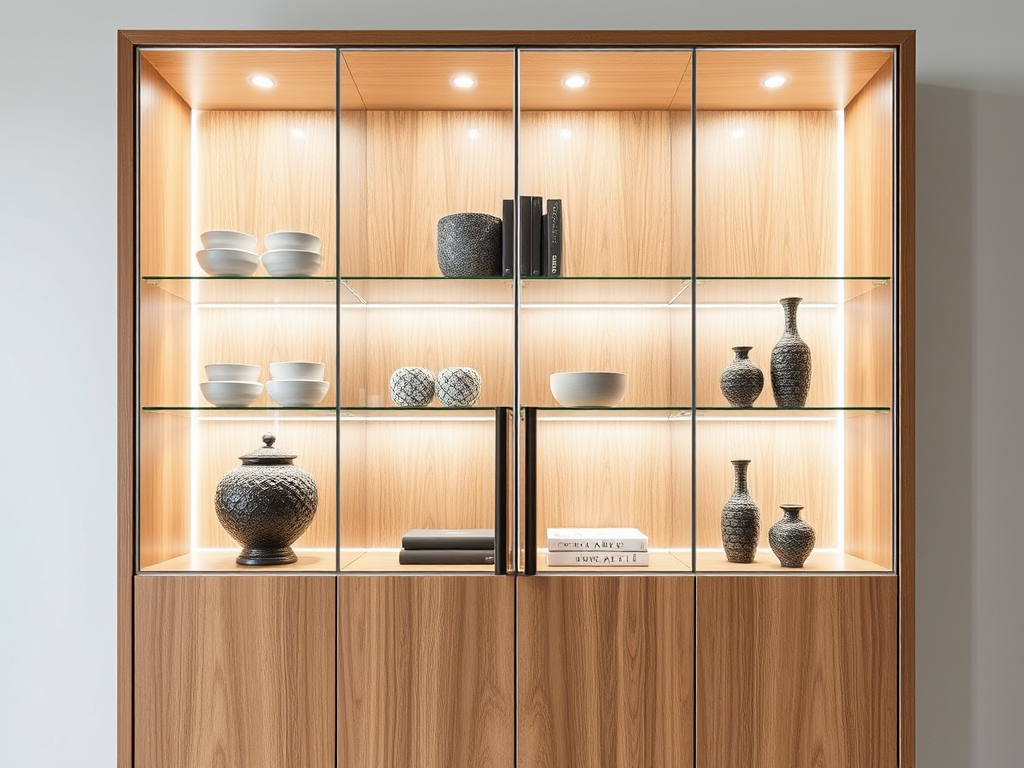
However, this doesn’t mean curio cabinets are obsolete. They’ve simply evolved. Modern versions of curio cabinets offer cleaner lines, minimalist designs, and more versatile finishes like matte black, gold, or light wood tones. They can now fit seamlessly into homes that embrace both traditional and modern decor styles.


Who Still Uses Curio Cabinets Today?

Curio cabinets are no longer just for grandparents displaying antique tea sets. Here’s how people across generations are embracing them:

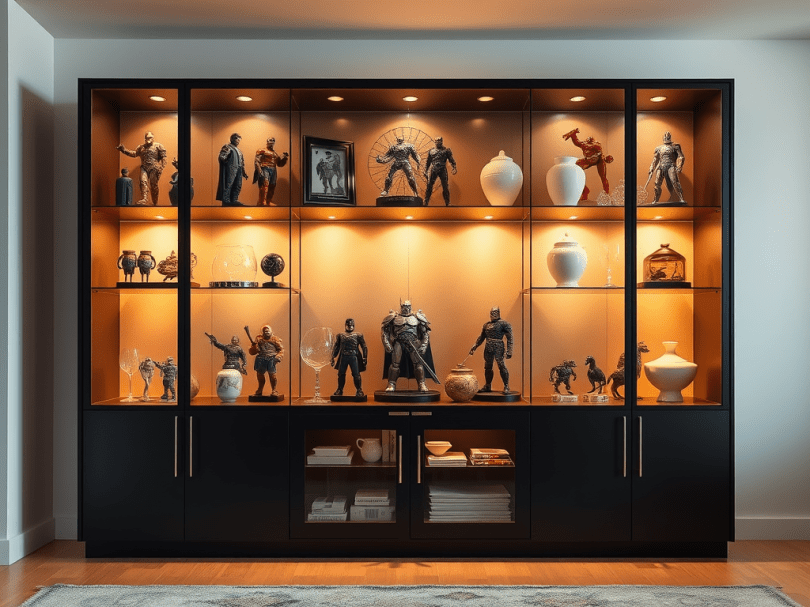
  1. Collectors of All Ages: Whether it’s action figures, rare books, or glass art, curio cabinets provide a protective and stylish way to showcase prized possessions. Millennials and Gen Z collectors are increasingly using curio cabinets to house niche collections.
  2. Modern Homeowners: Sleek, modern curio cabinets with LED lighting and minimalist frames are gaining traction among those looking for unique accent pieces that double as storage.
  3. Sentimental Decor Enthusiasts: Even younger homeowners appreciate the ability to honor family heirlooms or travel souvenirs in a dedicated, beautiful space.
  4. Apartment Dwellers: Compact, narrow curio cabinets offer a practical solution for small spaces where open shelving might feel cluttered.

Why Curio Cabinets Can Still Be a Stylish Accent

Here are a few reasons why curio cabinets remain relevant in modern homes:

  1. They Add Character: In a sea of mass-produced furniture, a curio cabinet can bring uniqueness and charm to any room. It’s a statement piece that tells a story.
  2. A Blend of Form and Function: Curio cabinets aren’t just for show—they’re also functional. Their enclosed glass design keeps dust away while adding visual interest to your space.
  3. Perfect for Modern Collectors: Curio cabinets aren’t limited to old-world knick-knacks. Use them for showcasing vinyl records, tech gadgets, designer handbags, or pop culture memorabilia.
  4. Adaptable to Different Styles: From Art Deco to Scandinavian design, curio cabinets can match or complement a variety of decor styles.
  5. Creating Visual Appeal: Curio cabinets allow you to curate vignettes inside their glass panels, giving your home a layered, thoughtful aesthetic.

How to Style a Curio Cabinet for Modern Spaces

If you want to incorporate a curio cabinet into your decor without it feeling dated, here are some tips:

  1. Choose a Modern Design: Look for curio cabinets with sleek frames, thin glass panels, and neutral finishes like black, white, or light wood.
  2. Curate Your Display: Avoid clutter by only displaying a handful of items that share a common theme or color palette. Less is more.
  3. Incorporate Lighting: Built-in LED lighting or a small string of fairy lights can elevate the look and highlight your items beautifully.
  4. Mix Textures and Heights: Combine different textures like glass, ceramic, and metal, and vary the heights of your display items for visual balance.
  5. Use as a Bar Cabinet: A trending use for curio cabinets is to transform them into chic bar cabinets to store glassware, wine bottles, and cocktail essentials.

The Verdict: Curio Cabinets Are Timeless When Done Right

While curio cabinets may seem like a blast from the past, they are far from obsolete. Modern iterations have adapted to current trends, and their functionality continues to appeal to homeowners of all ages. Whether you’re a minimalist, a collector, or simply someone looking for a statement piece, curio cabinets can bring both beauty and purpose to your space.

In the end, it’s all about how you style them. With the right approach, a curio cabinet can feel fresh, modern, and timeless—proving that some classics are here to stay.

How to Decorate Your Guest Bedroom: Neutral and Inviting Touches for Every Guest

Creating a welcoming and neutral guest bedroom can feel like a delicate balancing act. You want the space to be inviting and stylish, yet adaptable enough to accommodate various tastes. A well-decorated guest bedroom offers comfort, practicality, and a touch of elegance. Here’s how you can achieve this with a thoughtful selection of decor items.

1. The Foundation: Neutral Color Palette

Start with a neutral color palette to create a serene atmosphere. Shades of beige, gray, white, or light pastels work wonderfully as they appeal to a wide audience and make the room feel open. Add texture and depth through throw pillows, rugs, and blankets in complementary tones.

2. Comfortable Bedding

Invest in high-quality bedding that ensures a restful night. A layered approach works best—use crisp white sheets, a cozy duvet, and a soft blanket for versatility. Choose accent pillows in subtle patterns to add a decorative touch without overpowering the room.

3. Functional Furniture

While the bed is the focal point, other furniture is equally important:

  • Nightstands: Provide bedside tables with drawers or shelves for storage.
  • Seating: A small chair or bench at the foot of the bed adds functionality.
  • Storage: A dresser or an empty drawer in the closet gives guests space for their belongings.

4. Lighting Layers

Offer multiple lighting options to suit different needs. A combination of a bedside lamp, overhead lighting, and perhaps a floor lamp or sconce creates a cozy ambiance. Use warm light bulbs to enhance the room’s inviting feel.

5. Decorative Accents

Keep decorations simple and understated to maintain neutrality:

  • Wall Art: Choose abstract prints or scenic photography in muted tones.
  • Mirror: A stylish mirror not only brightens the room but is also practical for guests.
  • Plants: Add life to the room with a small indoor plant or a vase of fresh flowers.

6. Practical Touches

Think about the small details that make a big difference:

  • Bedside Essentials: Include a tray with water glasses, tissues, and a small notepad with a pen.
  • Wi-Fi Password: Frame or display the Wi-Fi password on the nightstand for convenience.
  • Charging Station: Provide a power strip or charging dock for devices.

7. Rugs and Curtains

Place a soft area rug under the bed to make the room cozier and more visually appealing. Opt for curtains or blinds that block out light while complementing the room’s color scheme.

8. Neutral yet Inviting

To maintain a balance between neutral and warm, use materials like linen, wood, and ceramic. These natural elements add a timeless elegance to the decor.

9. Guest-Friendly Amenities

Set out fresh towels, a set of toiletries, and a cozy robe. If space allows, consider adding a small luggage rack for convenience.

By combining these thoughtful decor elements, you’ll create a guest bedroom that’s neutral, inviting, and memorable for every visitor. Your guests will appreciate the attention to detail and the care you’ve put into their comfort.

Creating a Functional Home Office in a Small Space

Living in a small space often means making every square foot count. But what if you need a home office? Can you truly create a functional workspace without sacrificing your living area? The answer is yes! With thoughtful planning and creativity, you can design an efficient and stylish office nook that fits seamlessly into your small home.


1. Choose the Right Desk

The desk is the centerpiece of your workspace, and its size and design can make or break the setup. For small spaces, opt for:

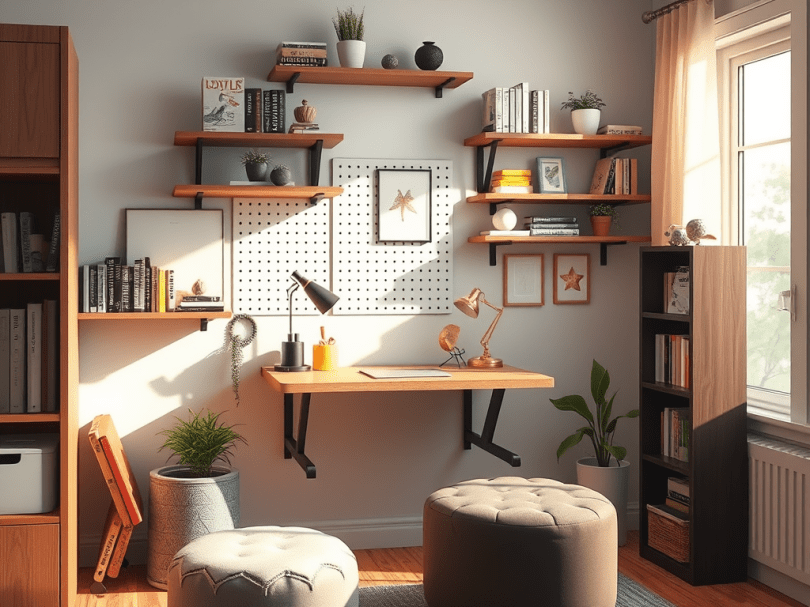
  • Wall-mounted Desks: Foldable or wall-mounted desks save floor space and can be tucked away when not in use.
  • Slim Profiles: Look for desks with a narrow depth but ample width to hold your essentials.
  • Multifunctional Options: Desks with built-in storage or a dual-purpose table/desk combo maximize utility.

Pro Tip: Measure your space and map out the area to ensure your desk fits comfortably without crowding the room.


2. Think Vertical

When horizontal space is limited, look up! Use your walls for storage and organization.

  • Shelves Above the Desk: Install floating shelves to store books, office supplies, and decorative items.
  • Pegboards or Corkboards: These can keep your essentials off the desk while adding a chic, functional touch.
  • Tall Bookshelves: Pair your desk with a tall, slim bookcase for additional storage without consuming floor space.

3. Find the Right Spot

Identify underutilized areas in your home to place your workspace. Some ideas include:

  • Corners: Transform a neglected corner into a cozy office nook.
  • Closets: Convert a closet into a “cloffice” by removing doors and adding a desk, chair, and lighting.
  • Behind Furniture: Place a desk behind your couch or bed, creating a dual-purpose zone.
  • Hallways or Entryways: Narrow desks can fit perfectly in these transitional spaces.

4. Choose Multifunctional Furniture

Furniture that serves multiple purposes is a lifesaver in small homes. Consider:

  • Convertible Desks: Some desks double as dining tables or fold away when not in use.
  • Storage Ottomans or Benches: Use these as seating and storage for office supplies.
  • Desks with Hidden Compartments: Keep clutter out of sight and maximize workspace.

5. Prioritize Lighting

Good lighting enhances productivity and makes your workspace inviting.

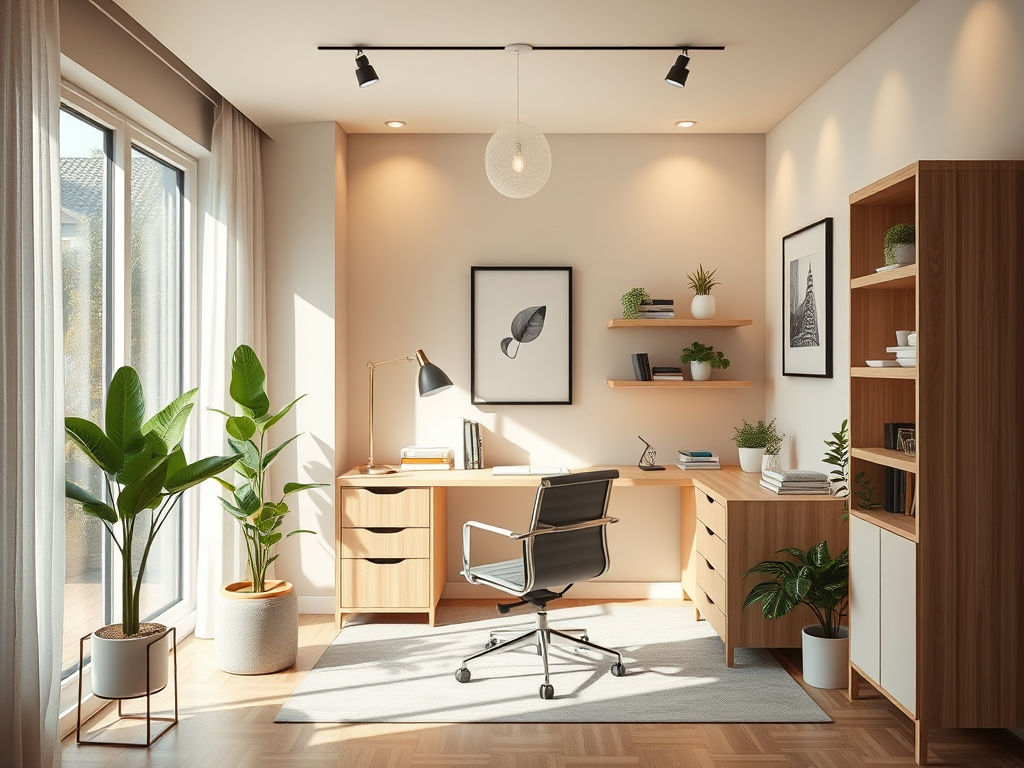
  • Natural Light: Position your desk near a window to take advantage of natural light.
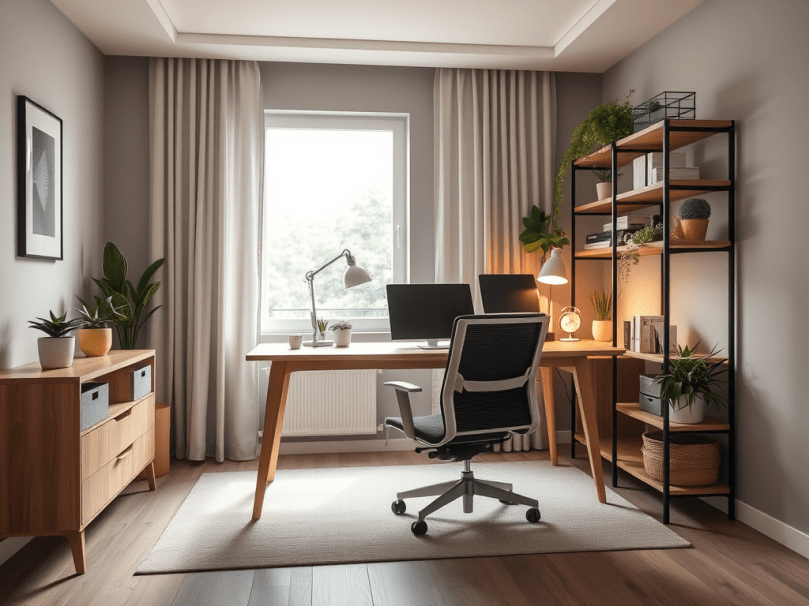
  • Task Lighting: Use desk lamps or wall-mounted lights to keep your workspace bright and focused.
  • LED Strips: Add under-shelf lighting for an extra glow.

6. Keep It Organized

A clutter-free workspace is essential in small spaces.

  • Drawer Organizers: Keep supplies neat and accessible.
  • Cable Management: Use clips and ties to organize cords and avoid tangles.
  • Declutter Regularly: Evaluate your workspace frequently and remove unnecessary items.

7. Style It to Match Your Space

Incorporating your desk into your home’s design helps it feel intentional rather than out of place.

  • Color Coordination: Match your desk and accessories to your room’s color scheme.
  • Decorative Touches: Add small plants, artwork, or a stylish lamp to personalize your space.
  • Textiles: Use rugs or curtains to define the area and add coziness.

Can You Have an Office Space in a Small Home?

Absolutely! The key is to think outside the box and make intentional choices. With the right desk, smart storage, and a touch of creativity, you can carve out a workspace that’s both functional and inspiring—no matter the size of your home.


What’s your favorite tip for incorporating a workspace into a small home? Let me know in the comments below!

Decorative Storage Options: Choosing Efficient and Multifunctional Furniture

Storage solutions are essential in every home, but that doesn’t mean they have to be purely functional. With a little planning, your storage furniture can double as beautiful decor, adding personality and style to your space while keeping your belongings organized. Here’s how to choose pieces that are efficient, multifunctional, and aesthetically pleasing.


1. Think Beyond Traditional Storage

Instead of a standard bookshelf or cabinet, opt for furniture that serves dual purposes. Examples include:

  • Ottomans with Hidden Storage: These versatile pieces work as seating, a footrest, or even a coffee table while concealing blankets, toys, or seasonal items.
  • Storage Beds: Maximize under-bed space with built-in drawers perfect for clothing, linens, or shoes.
  • Wall-Mounted Shelves with Hooks: Combine shelving for decor items with hooks for coats, bags, or keys.

2. Match Style with Function

Consider the overall style of your home when selecting storage furniture. Decorative storage options should blend seamlessly with your existing decor while enhancing its appeal. Examples include:

  • Mid-Century Modern Cabinets: Opt for sleek, wooden designs with hidden compartments.
  • Farmhouse-Style Storage Benches: Combine rustic charm with practicality by placing these at the entryway or end of the bed.
  • Art Deco Trunks: Metallic details and bold shapes can make a trunk double as a statement piece.

3. Maximize Vertical Space

Use tall bookcases, ladder shelves, or corner units to add height and storage without taking up too much floor space. Choose designs with mixed materials, such as wood and metal, for an industrial look, or stick with white finishes for a minimalist touch.


4. Multifunctionality in Small Spaces

For compact homes, furniture that serves more than one purpose is a game changer. Consider:

  • Expandable Dining Tables with Storage: Some models have built-in drawers for placemats, napkins, or tableware.
  • Convertible Sofas with Storage Chaise: Perfect for apartments, these provide hidden compartments for bedding or seasonal clothes.
  • Mirrored Storage Cabinets: Double as a full-length mirror while offering storage for accessories or cosmetics.

5. Creative Storage for Open Spaces

In open floor plans, storage pieces can act as room dividers or focal points:

  • Double-Sided Shelves: Display books, plants, or decor while subtly separating areas.
  • Rolling Carts: These can easily transition between rooms, providing storage and style for kitchens, living spaces, or offices.

6. Add Personal Touches

To elevate your storage furniture from functional to fabulous, incorporate decor elements such as:

  • Decorative Baskets: Perfect for corralling items on open shelves while adding texture.
  • Stylish Hardware: Upgrade cabinets and drawers with unique knobs or pulls.
  • Color Coordination: Choose furniture in colors that complement your home’s palette.

7. Prioritize Durability and Quality

Efficient furniture should stand the test of time. Look for sturdy construction, high-quality materials, and easy maintenance. Pieces made of solid wood, metal, or durable composite materials are excellent investments.


Final Thoughts Decorative storage furniture is an opportunity to merge style and organization in your home. By selecting multifunctional pieces, maximizing space, and aligning with your decor, you can achieve a clutter-free and visually appealing environment. Whether you’re furnishing a small apartment or a spacious house, efficient storage is the key to a harmonious and stylish home.

What are your favorite decorative storage solutions? Let us know in the comments!