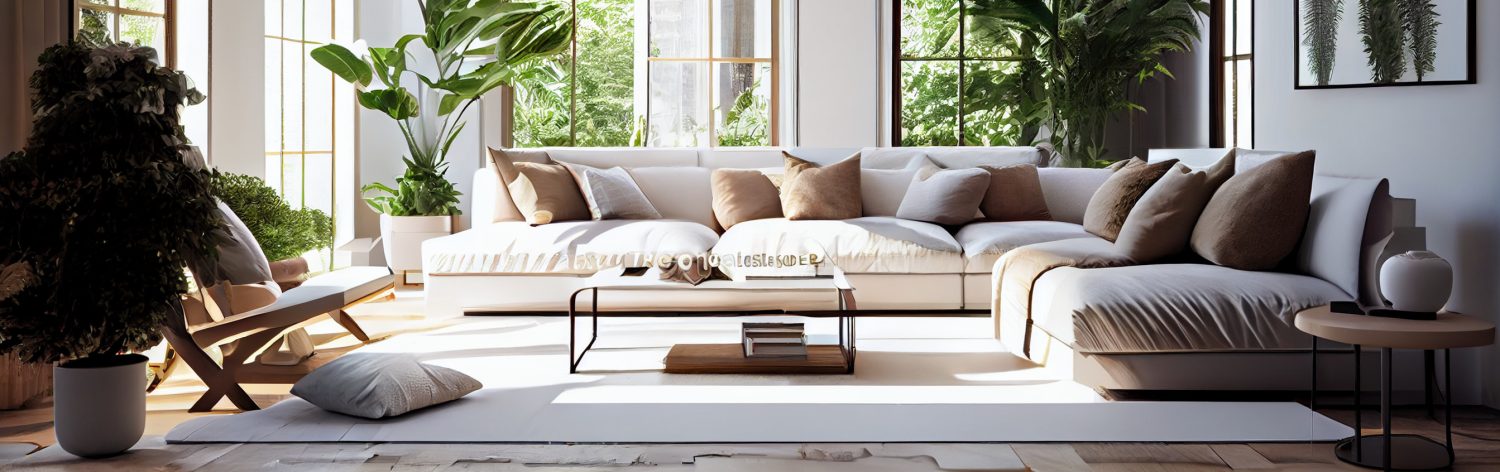

Maximize Your Space: Key Furniture Pieces That Offer Great Storage Options

Finding the right furniture that doubles as storage can make a huge difference in maintaining a tidy, organized home. Whether you’re living in a small apartment or just need more space to store your belongings, investing in multi-functional furniture can transform your space. Here are some of the best furniture pieces to help you stay organized while keeping your home stylish.

1. Storage Ottomans

A classic choice for living rooms and bedrooms, storage ottomans provide hidden compartments perfect for storing blankets, books, or even board games. They also serve as extra seating or a footrest, making them a versatile addition to any room.

Tip: Opt for a large, tufted ottoman to add a chic look while maximizing storage capacity.

2. Beds with Built-in Storage

Under-bed storage is a game-changer, especially in smaller bedrooms. Look for beds with built-in drawers or a lift-up mattress that reveals hidden compartments underneath.

Why It’s Great: It’s an excellent way to store seasonal clothing, bedding, or shoes without taking up additional closet space.

3. Coffee Tables with Storage

A coffee table with hidden storage or built-in shelves is a smart way to reduce clutter in the living room. You can use it to store magazines, remotes, and other items you want to keep within easy reach but out of sight.

Style Tip: Choose a coffee table with a lift-top for extra workspace or dining in front of the TV.

4. Storage Benches

Storage benches are perfect for entryways, bedrooms, and dining areas. They provide seating while also offering space to store shoes, bags, or blankets.

Bonus: In an entryway, a storage bench can serve as a spot to sit while putting on shoes and a place to keep outdoor essentials.

5. Bookshelves with Cabinets

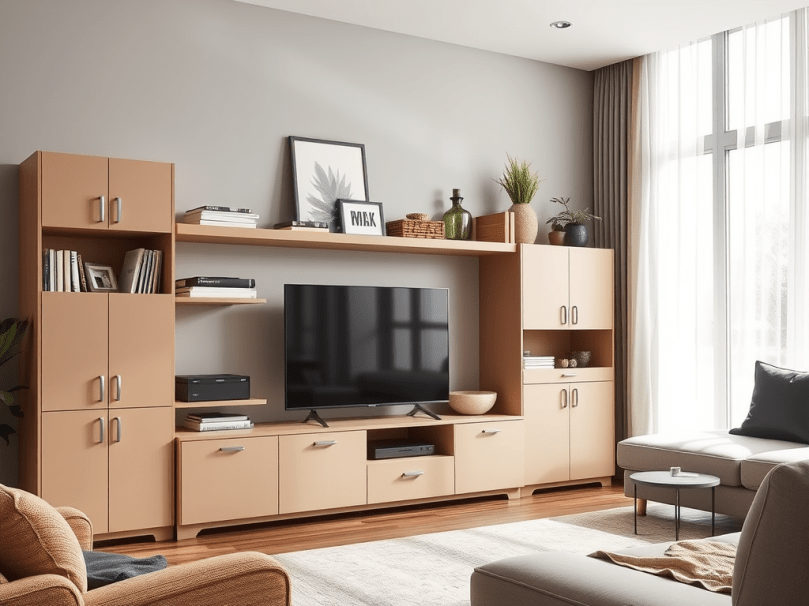
Bookshelves that feature lower cabinets or baskets offer a mix of open and closed storage. This allows you to display books and decorative items while concealing less attractive belongings behind cabinet doors.

Pro Tip: Use woven baskets on open shelves for a tidy, cohesive look.

6. Console Tables with Drawers

A console table with multiple drawers or shelves is a stylish yet practical piece for hallways or living rooms. It can hold keys, mail, and other daily essentials, reducing clutter in high-traffic areas.

Idea: Pair the table with a mirror or artwork above to create an eye-catching entryway vignette.

7. Armoires and Wardrobes

Armoires and wardrobes provide ample vertical storage for clothing, linens, and more. They are especially useful in rooms without large closets.

Why It’s Essential: An armoire can keep everything organized while adding elegance to the room.

8. Sideboards and Buffets

These pieces are ideal for dining rooms but work well in living rooms or hallways, too. Sideboards typically have a mix of drawers and cabinets, perfect for storing tableware, linens, and miscellaneous household items.

Extra Use: A sideboard can double as a TV stand or bar cabinet.
Final Thoughts

When choosing furniture for storage, prioritize pieces that align with your overall decor style while offering practical solutions for your needs. Look for furniture that serves more than one purpose, and don’t be afraid to get creative with your space. With the right pieces, you can keep your home organized without sacrificing style.

Day Beds vs. Traditional Couches: Should You Make the Switch?

When it comes to furnishing your living room or guest space, the couch is often the centerpiece. But in recent years, day beds have emerged as a stylish and multifunctional alternative. Whether you’re working with limited space, designing a cozy nook, or simply want furniture that serves more than one purpose, a day bed might be the answer. But can a day bed truly replace a traditional couch? Let’s break down the pros and cons.

What is a Day Bed?
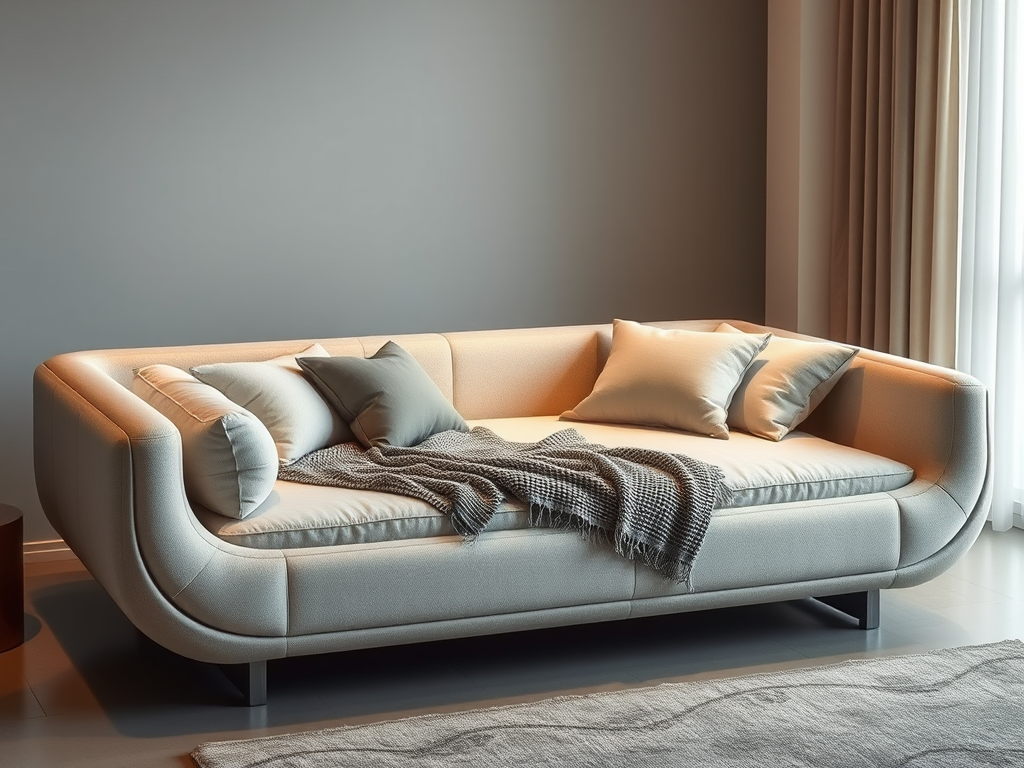
A day bed is a hybrid piece of furniture that functions as both a seating area and a sleeping space. It typically features a twin-sized mattress and a frame that resembles a sofa when not in use. Unlike traditional couches, day beds are designed with both comfort and versatility in mind, making them ideal for small spaces or multipurpose rooms.

Pros of Replacing Your Couch with a Day Bed

  1. Multifunctionality
    A day bed can easily transition from a seating area during the day to a guest bed at night. This makes it a great choice for studio apartments, home offices, or living rooms that double as guest rooms.
  2. Space-Saving Design
    For smaller homes, day beds provide an excellent way to maximize space. You’re essentially getting two pieces of furniture in one. Some day beds even come with trundle beds or built-in storage, adding even more functionality.
  3. Aesthetic Appeal
    Day beds come in a wide range of styles, from sleek modern designs to cozy farmhouse aesthetics. They can be styled with throw pillows and blankets to resemble a traditional couch, blending seamlessly into your decor.
  4. Comfortable for Lounging
    Day beds often feature plush mattresses, making them incredibly comfortable for reading, watching TV, or napping. They can offer more surface area than a typical couch, allowing for better relaxation.

Cons of Using a Day Bed Instead of a Couch

  1. Less Formal Appearance
    While day beds can be stylish, they may not offer the same polished, structured look that a traditional couch provides. This could be a drawback if you prefer a more formal living room aesthetic.
  2. Seating Limitations
    A day bed may not accommodate as many people as a sectional or large sofa. This could be a concern if you frequently entertain guests or need additional seating.
  3. Mattress Maintenance
    Unlike couches that retain their shape over time, a day bed’s mattress may wear out or sag with frequent use. This could mean more maintenance or occasional mattress replacement.

When to Choose a Day Bed

  • Small Spaces: If you’re living in a small apartment or have a multi-functional room, a day bed is an excellent option.
  • Guest Rooms: Day beds provide a stylish and practical solution for guest rooms that double as offices or lounges.
  • Casual Living Areas: For relaxed, cozy living spaces, a day bed can add to the overall comfort and functionality.

When to Stick with a Couch

  • Main Living Room: If your living room is the primary gathering space, a couch might be the better option for accommodating guests.
  • Formal Settings: For a polished, structured look, traditional couches offer a level of sophistication that day beds may not match.

Final Thoughts
Day beds are a fantastic alternative to traditional couches, offering versatility, comfort, and style. While they may not completely replace the role of a couch in every home, they shine in smaller spaces, guest rooms, and multifunctional areas. If you’re looking to maximize space and add flexibility to your home, consider making the switch to a day bed. Just be sure to weigh the seating needs and overall look you’re going for before taking the plunge.

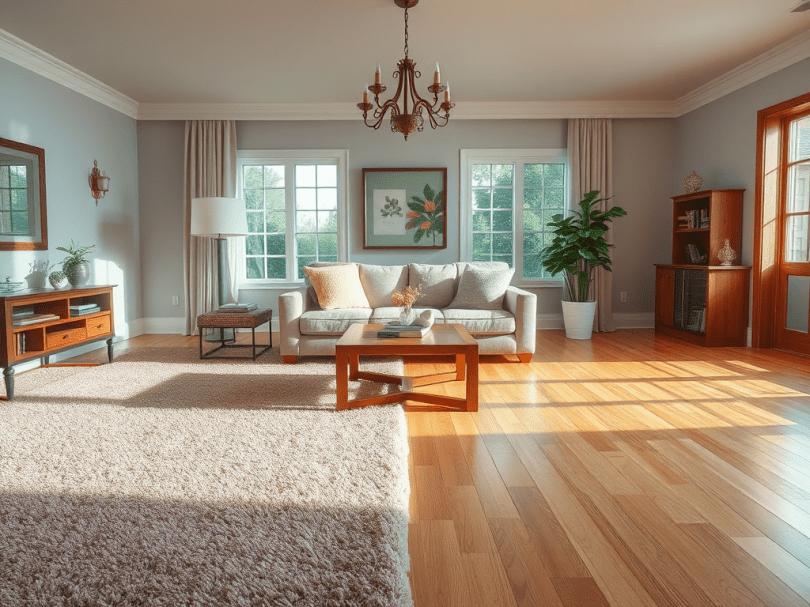
Carpet vs Hardwood Flooring

When it comes to choosing flooring for your home, the debate between carpet and hardwood flooring often takes center stage. Both options have their unique benefits, and the right choice depends on your lifestyle, design preferences, and budget. Let’s dive into the key factors to consider when deciding between these two popular flooring types.

The Benefits of Carpet Flooring

Carpet flooring is a timeless choice that offers comfort and warmth, making it a favorite for bedrooms and living rooms. Here are some of its main advantages:

  1. Comfort and Softness:
    Carpet provides a soft underfoot feel, which is particularly appreciated in areas where you might walk barefoot. It’s also gentle for families with young children or elderly members who might be prone to falls.
  2. Noise Reduction:
    Carpet absorbs sound, making it an excellent choice for multi-story homes or spaces where quiet is essential, such as bedrooms or home offices.
  3. Affordability:
    In many cases, carpet can be a more budget-friendly option compared to hardwood. It’s also less expensive to install.
  4. Variety of Styles and Colors:
    With a wide range of patterns, textures, and colors, carpet can easily match your home’s decor and style.
  5. Insulation:
    Carpet retains heat well, making it a great option for colder climates.

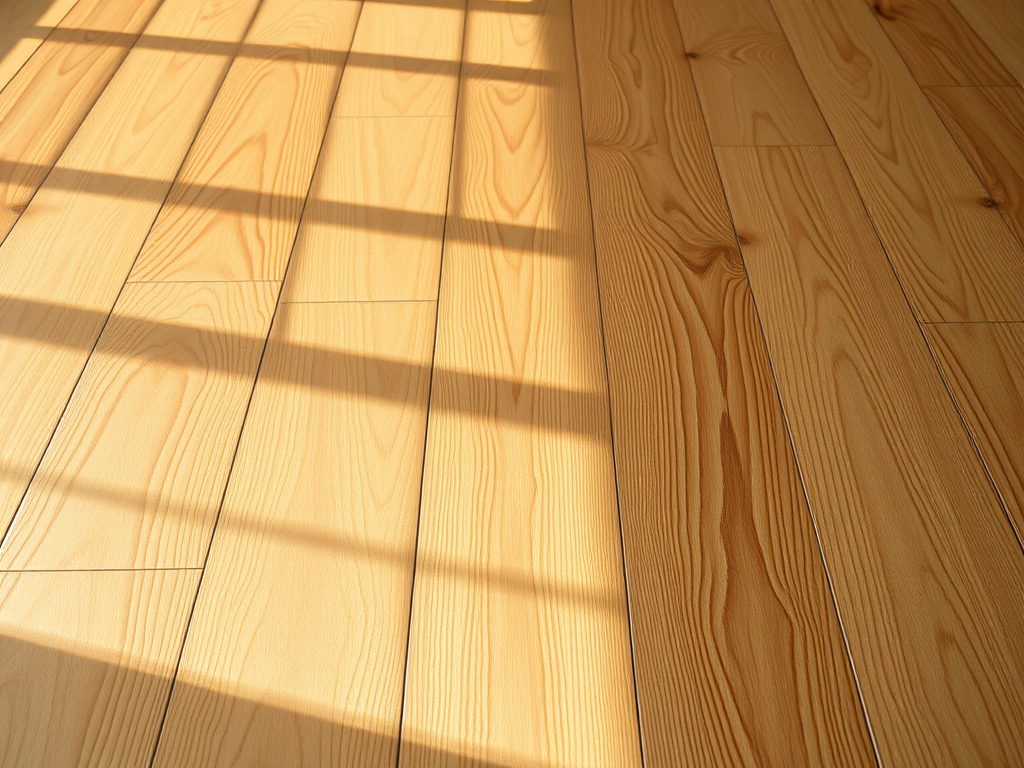
The Benefits of Hardwood Flooring

Hardwood flooring is celebrated for its elegance, durability, and timeless appeal. It’s a versatile option that fits well with various interior styles, from rustic to modern. Here are its key benefits:

  1. Durability and Longevity:
    Hardwood floors can last for decades with proper care. They can also be refinished multiple times, allowing you to refresh their look without replacing them.
  2. Easy Maintenance:
    Hardwood is easier to clean than carpet. A simple sweep or mop can keep it looking pristine, making it ideal for households with pets or allergy sufferers.
  3. Aesthetic Appeal:
    The natural beauty of hardwood adds a touch of sophistication to any room. It’s also a selling point that can increase your home’s resale value.
  4. Versatility:
    Hardwood complements almost any decor style and can adapt to changes in your design preferences over time.
  5. Hypoallergenic Properties:
    Unlike carpet, hardwood doesn’t trap dust, pollen, or pet dander, making it a healthier choice for allergy sufferers.

Factors to Consider When Choosing Between Carpet and Hardwood

To make the right decision, you’ll need to weigh several factors:

  1. Room Functionality:
  • Carpet is ideal for spaces where comfort is a priority, such as bedrooms, family rooms, or basements.
  • Hardwood works well in high-traffic areas like hallways, kitchens, and living rooms due to its durability.
  1. Climate:
  • Carpet provides warmth in colder climates.
  • Hardwood is better for warmer, humid climates where carpet might trap moisture.
  1. Maintenance:
  • Carpet requires regular vacuuming and deep cleaning to maintain its appearance and hygiene.
  • Hardwood is low-maintenance but requires refinishing periodically to keep its shine.
  1. Lifestyle:
  • If you have pets or young children, consider the wear and tear your flooring will endure. Hardwood may show scratches, while carpet may stain.
  • Carpet offers a cozy feel but can be harder to clean after spills.
  1. Budget:
  • Consider not just the upfront cost but also the long-term maintenance expenses. Carpet may be cheaper initially, but hardwood adds value to your home over time.

Making the Final Choice

The decision between carpet and hardwood ultimately comes down to your personal needs and priorities. If you value comfort and affordability, carpet may be the way to go. If durability, elegance, and resale value are higher on your list, hardwood is likely the better option.

For a harmonious approach, you can also consider combining the two. For instance, install hardwood in communal areas and use carpet in bedrooms for added coziness. Area rugs can also bring warmth to hardwood floors while maintaining their sleek appearance.

By carefully evaluating your lifestyle, budget, and design goals, you can choose the flooring that’s perfect for your home. Both carpet and hardwood have their merits—the key is finding the balance that works best for you.

The Benefits of Carpet Flooring

Carpet flooring is a timeless choice that offers comfort and warmth, making it a favorite for bedrooms and living rooms. Here are some of its main advantages:

  1. Comfort and Softness:
    Carpet provides a soft underfoot feel, which is particularly appreciated in areas where you might walk barefoot. It’s also gentle for families with young children or elderly members who might be prone to falls.
  2. Noise Reduction:
    Carpet absorbs sound, making it an excellent choice for multi-story homes or spaces where quiet is essential, such as bedrooms or home offices.
  3. Affordability:
    In many cases, carpet can be a more budget-friendly option compared to hardwood. It’s also less expensive to install.
  4. Variety of Styles and Colors:
    With a wide range of patterns, textures, and colors, carpet can easily match your home’s decor and style.
  5. Insulation:
    Carpet retains heat well, making it a great option for colder climates.

The Benefits of Hardwood Flooring

Hardwood flooring is celebrated for its elegance, durability, and timeless appeal. It’s a versatile option that fits well with various interior styles, from rustic to modern. Here are its key benefits:

  1. Durability and Longevity:
    Hardwood floors can last for decades with proper care. They can also be refinished multiple times, allowing you to refresh their look without replacing them.
  2. Easy Maintenance:
    Hardwood is easier to clean than carpet. A simple sweep or mop can keep it looking pristine, making it ideal for households with pets or allergy sufferers.
  3. Aesthetic Appeal:
    The natural beauty of hardwood adds a touch of sophistication to any room. It’s also a selling point that can increase your home’s resale value.
  4. Versatility:
    Hardwood complements almost any decor style and can adapt to changes in your design preferences over time.
  5. Hypoallergenic Properties:
    Unlike carpet, hardwood doesn’t trap dust, pollen, or pet dander, making it a healthier choice for allergy sufferers.

Factors to Consider When Choosing Between Carpet and Hardwood

To make the right decision, you’ll need to weigh several factors:

  1. Room Functionality:
  • Carpet is ideal for spaces where comfort is a priority, such as bedrooms, family rooms, or basements.
  • Hardwood works well in high-traffic areas like hallways, kitchens, and living rooms due to its durability.
  1. Climate:
  • Carpet provides warmth in colder climates.
  • Hardwood is better for warmer, humid climates where carpet might trap moisture.
  1. Maintenance:
  • Carpet requires regular vacuuming and deep cleaning to maintain its appearance and hygiene.
  • Hardwood is low-maintenance but requires refinishing periodically to keep its shine.
  1. Lifestyle:
  • If you have pets or young children, consider the wear and tear your flooring will endure. Hardwood may show scratches, while carpet may stain.
  • Carpet offers a cozy feel but can be harder to clean after spills.
  1. Budget:
  • Consider not just the upfront cost but also the long-term maintenance expenses. Carpet may be cheaper initially, but hardwood adds value to your home over time.

Making the Final Choice

The decision between carpet and hardwood ultimately comes down to your personal needs and priorities. If you value comfort and affordability, carpet may be the way to go. If durability, elegance, and resale value are higher on your list, hardwood is likely the better option.

For a harmonious approach, you can also consider combining the two. For instance, install hardwood in communal areas and use carpet in bedrooms for added coziness. Area rugs can also bring warmth to hardwood floors while maintaining their sleek appearance.

By carefully evaluating your lifestyle, budget, and design goals, you can choose the flooring that’s perfect for your home. Both carpet and hardwood have their merits—the key is finding the balance that works best for you.

How to Choose the Perfect Dining Room Table: Round, Square, Oval, or Rectangle?

The dining room table is the centerpiece of your dining space—a place where meals are shared, memories are created, and connections are deepened. But choosing the perfect table can be challenging with so many shapes, sizes, and styles to choose from. Should you go for a round table to foster conversation or a rectangular one for a large family? Let’s break it down to help you make the best choice for your home.


1. Consider the Size of Your Space

Before deciding on the shape of your dining table, evaluate the size of your dining room. Measure the dimensions of the space and consider:

  • Room flow: You need at least 3 feet of clearance around the table for chairs to be pulled out comfortably.
  • Number of seats: Will you need seating for 4, 6, or 10 people? A larger room naturally accommodates a larger table.

Once you’ve nailed down the size constraints, it’s time to consider shape!


2. Round Tables: Great for Small Spaces and Intimate Gatherings

A round table is a fantastic option for smaller dining rooms or kitchens because it takes up less visual space and eliminates sharp corners. This shape works especially well when you want to create a cozy and inviting atmosphere.

Pros:

  • Ideal for small to medium-sized rooms
  • Promotes conversation, as everyone is equally spaced
  • No sharp corners, making it family-friendly

Cons:

  • Doesn’t fit well in narrow or rectangular rooms
  • Limited seating capacity as the table grows larger

Best For: Apartments, breakfast nooks, or households that value intimate dining experiences.


3. Square Tables: Perfect for Square Rooms

Square tables provide symmetry and balance, making them a natural choice for square dining rooms. They create a modern and compact look while offering plenty of seating.

Pros:

  • Great for smaller, square-shaped rooms
  • Offers a clean and contemporary aesthetic
  • Works well for 2 to 4 people

Cons:

  • Can feel cramped for larger gatherings
  • Not ideal for long or narrow spaces

Best For: Compact dining rooms or spaces that double as multi-use areas.


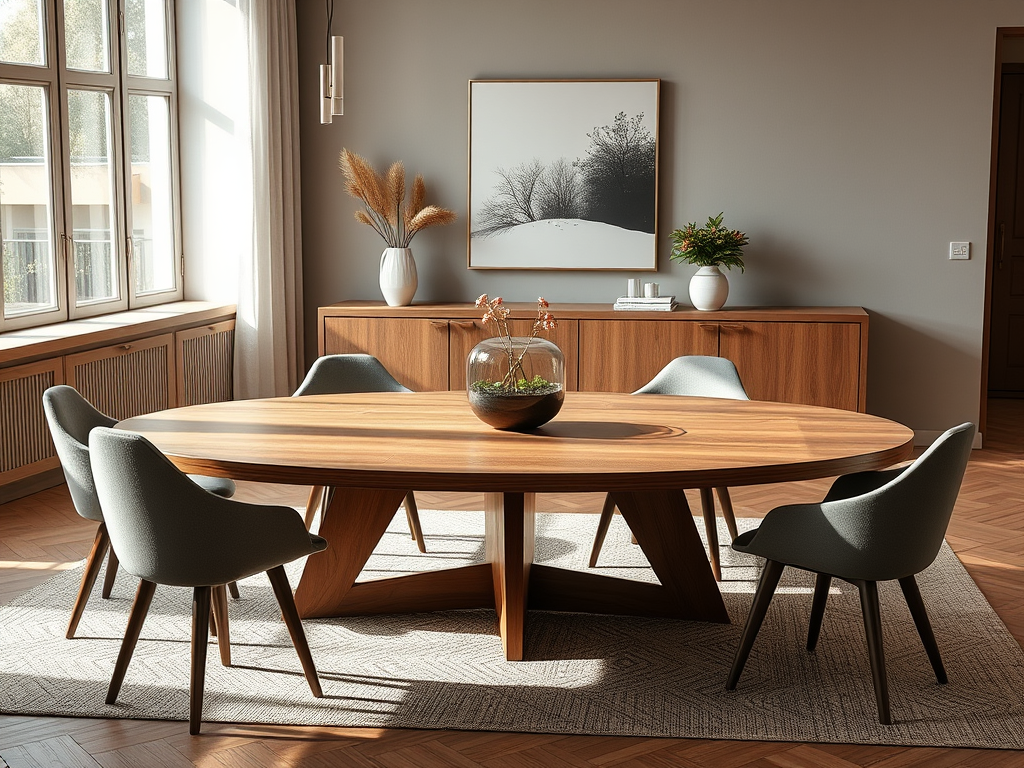
4. Oval Tables: A Softer Take on Rectangle

Oval tables combine the benefits of round and rectangular tables. They offer a softer, more elegant look while still accommodating larger groups.

Pros:

  • Great for narrow dining rooms
  • No sharp corners, which is safer for kids
  • Seats more people than a round table of the same width

Cons:

  • Might not work well in very small rooms
  • Less formal than rectangular tables

Best For: Long, narrow spaces or homes that want a mix of elegance and functionality.


5. Rectangular Tables: The Classic Choice for Large Spaces

Rectangular tables are the most common and versatile option for dining rooms. They work especially well in larger or more formal spaces.

Pros:

  • Ideal for long dining rooms or open spaces
  • Perfect for accommodating large families or hosting dinner parties
  • Can pair easily with benches for added seating

Cons:

  • Not suitable for smaller or square rooms
  • Can feel less intimate for smaller groups

Best For: Large families, formal dining rooms, or homes with open-concept layouts.


6. Other Factors to Consider

Material:

  • Solid wood tables are durable and timeless.
  • Glass tables can make a space feel open and airy.
  • Metal or marble tables provide a modern, industrial look.

Seating Options:

Pairing your table with the right chairs (or benches) can optimize space and style. For example:

  • Benches work well with rectangular tables for a relaxed, rustic vibe.
  • Upholstered chairs add comfort and elegance to any table shape.

Functionality:

Consider an extendable table if you often host guests but don’t need a large table daily.


Final Thoughts

Choosing the right dining table shape comes down to the size of your room, your seating needs, and the overall vibe you want for your dining area. Whether you opt for a cozy round table, a sleek square design, an elegant oval table, or a classic rectangular one, your dining table should reflect your style and fit seamlessly into your home.

Take your time to measure, consider your lifestyle, and visualize how each shape will work in your space—you’ll be enjoying meals and making memories around your perfect table in no time!

Illuminate Your Home: How Choosing the Right Lighting Transforms Your Space

Lighting plays a vital role in home decor and interior design, often overlooked in favor of more obvious elements like furniture, color palettes, and artwork. However, the right lighting can completely transform the look and feel of your home. It not only illuminates your space but also enhances the ambiance, highlights key features, and even influences your mood. Whether you’re designing a cozy reading nook, a vibrant kitchen, or a serene bedroom, selecting the right lamps, light fixtures, and lighting options is an exciting part of making your home feel like yours.

Why Lighting is More Than Just Functional

Lighting isn’t just about brightening a room; it’s about creating a mood. The right lighting can make your living space feel warm and inviting or sleek and modern, depending on your preferences. Soft, warm lighting works wonders for bedrooms, fostering relaxation and calmness. Meanwhile, bright white light makes kitchens and offices feel crisp, clean, and functional.

Consider lighting as the finishing touch that ties a room together. It’s like choosing the perfect accessory for your outfit—it adds personality, style, and purpose to the overall look.

Types of Lighting to Consider

When planning your lighting setup, it’s essential to consider three main types of lighting:

  1. Ambient Lighting
    Ambient lighting serves as the primary light source for a room, offering general illumination. Ceiling fixtures, chandeliers, recessed lights, and flush mounts are popular options for creating a well-lit space. For larger rooms, layering ambient lighting with other light sources is key to avoiding a flat or dull look.
  2. Task Lighting
    Task lighting is functional lighting designed to help you perform specific activities. Whether it’s reading, cooking, or working, task lighting provides focused illumination exactly where you need it. Table lamps, under-cabinet lights, desk lamps, and pendant lights over kitchen islands are all excellent examples.
  3. Accent Lighting
    Accent lighting adds drama and visual interest to a space by highlighting artwork, architectural features, or decorative elements. Wall sconces, picture lights, and LED strip lighting are great options for adding character and depth to your room.

Exciting Lighting Options for Your Home

When it comes to lighting, the possibilities are endless. Here are some stylish and versatile lighting ideas for every area of your home:

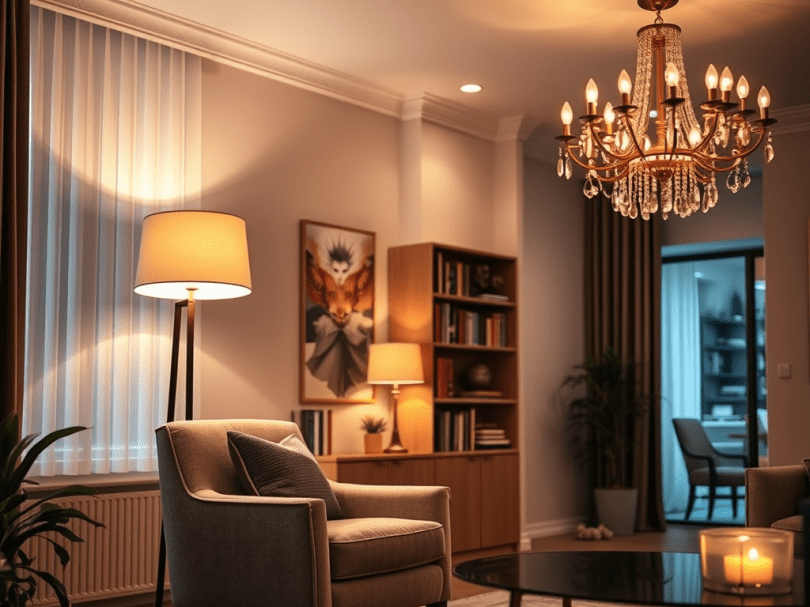
  1. Chandeliers
    Chandeliers aren’t just for formal dining rooms anymore. Modern chandeliers come in various styles—from sleek and minimalistic to bold and ornate—making them a perfect statement piece for entryways, living rooms, and even bedrooms.
  2. Floor Lamps
    Floor lamps add height and visual interest to your decor while serving as a practical light source. They’re perfect for brightening dark corners or complementing a cozy reading area.
  3. Pendant Lights
    Pendant lights are versatile and stylish, offering both functionality and flair. Use them above kitchen islands, dining tables, or in hallways to create focal points and direct lighting where needed.
  4. Table Lamps
    Table lamps are a timeless favorite, offering task lighting and decorative appeal. With countless styles, shapes, and materials available, they can easily match any decor, from modern to traditional.
  5. LED Strip Lights
    For a contemporary touch, LED strip lights provide energy-efficient illumination while adding a modern aesthetic to spaces like under cabinets, bookshelves, and behind TVs.
  6. Smart Lighting
    Embrace technology with smart bulbs and fixtures that allow you to adjust brightness and color temperature right from your phone or voice assistant. Smart lighting is ideal for creating dynamic moods in your home, whether for work, relaxation, or entertaining.

Can Proper Lighting Change the Look of Your Home?

Absolutely! The right lighting has the power to transform any space. Here’s how:

  • Highlight Key Features: Accent lighting can draw attention to art, unique architecture, or statement furniture.
  • Create the Illusion of Space: Proper lighting can make small rooms feel larger. Strategically placed mirrors and bright lights open up the space.
  • Set the Mood: Soft lighting creates a calming environment perfect for bedrooms and living spaces, while brighter lights keep kitchens and workspaces energized.
  • Add Depth and Dimension: Layering light sources, like combining ceiling fixtures with lamps and sconces, gives rooms depth, texture, and visual interest.

Final Thoughts: Lighting as the Ultimate Design Tool

Choosing the proper lighting for your home is more than an afterthought—it’s an exciting way to shape your space, showcase your style, and enhance functionality. Whether you’re drawn to elegant chandeliers, modern pendant lights, or cozy table lamps, the perfect lighting setup can breathe new life into your home. So go ahead, explore your options and illuminate your home with style!