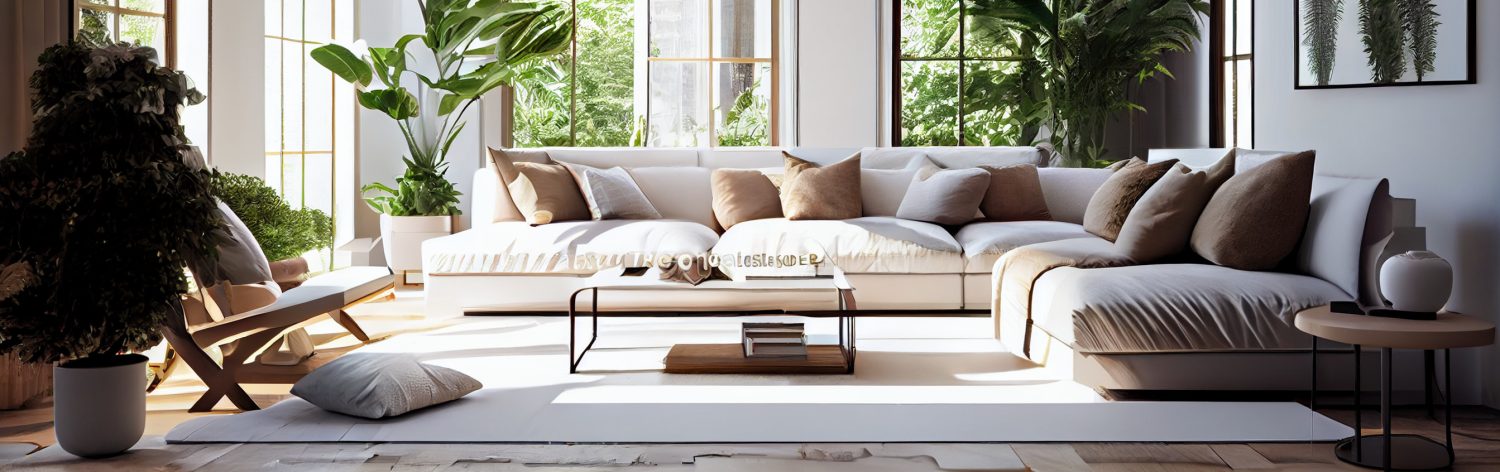

Are you torn between the sleek minimalism of contemporary design and the warm charm of farmhouse decor? Or perhaps you love the boldness of Art Deco but find comfort in Scandinavian simplicity? Blending styles in your home is not only possible but can also result in a uniquely personal and visually stunning space. The key is balance and intentionality. Here’s how to harmoniously incorporate different styles to create a cohesive look.
1. Find a Common Thread
The easiest way to blend styles is by identifying common elements between them. This could be a color palette, material, or texture. For instance, both mid-century modern and bohemian styles favor natural wood tones. Combining furniture pieces from both can create a seamless flow. Pick a few consistent elements to repeat throughout the space to tie everything together.
2. Choose a Dominant Style
While mixing styles is fun, having one dominant style can prevent the space from feeling chaotic. Let one style guide the overall aesthetic and use the secondary style as an accent. For example, if you prefer industrial design, you can incorporate rustic touches through reclaimed wood furniture or cozy textiles. The industrial elements will ground the space, while the rustic accents add warmth.
3. Balance Proportions
When blending styles, it’s important to distribute pieces evenly. Avoid clustering all the pieces from one style in a single area. Instead, mix and match throughout the room. For example, if you’re incorporating Art Deco lighting in a Scandinavian-inspired room, choose fixtures that feature sleek lines and metallic finishes that complement the minimalist furniture.
4. Layering and Textures
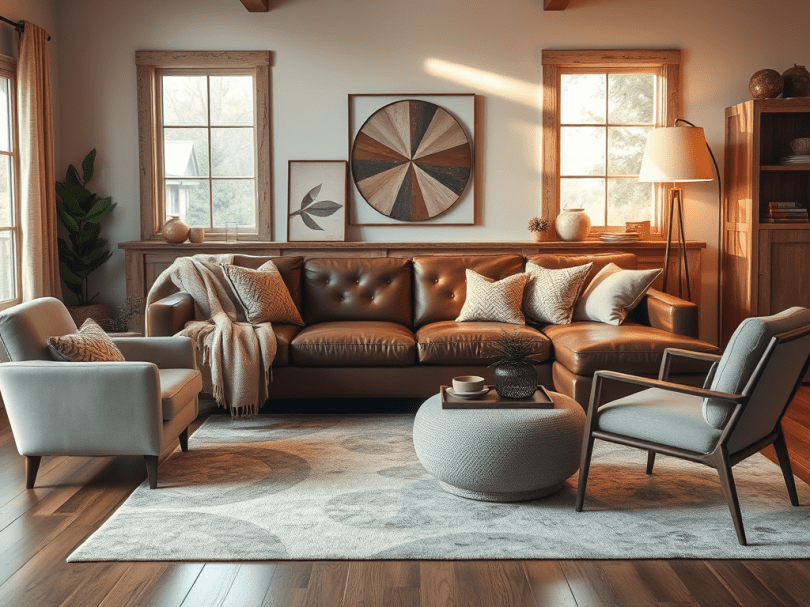
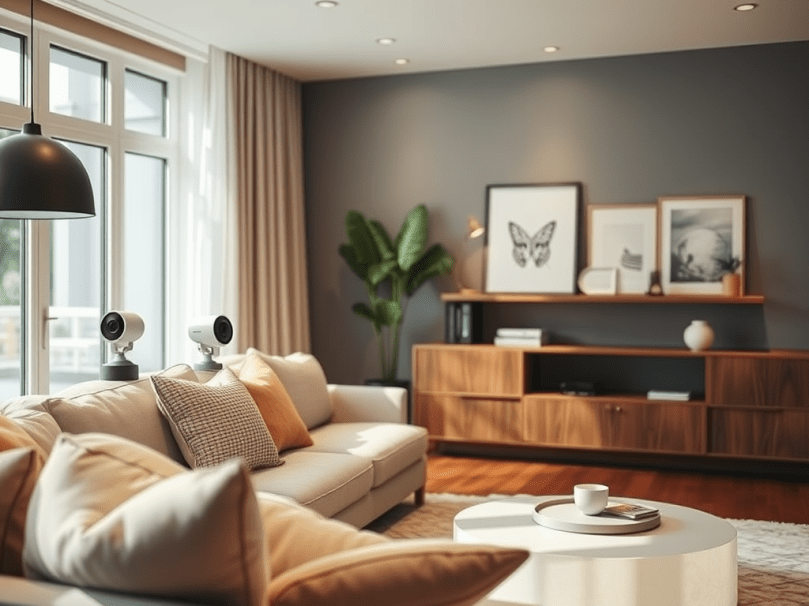
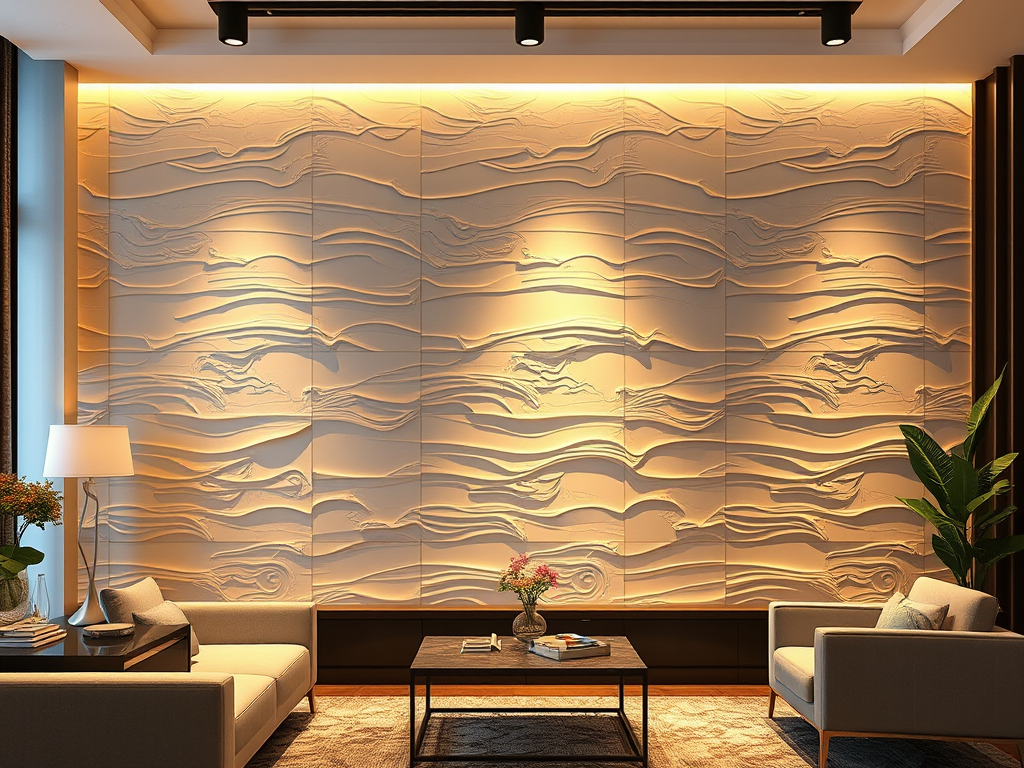
Layering textures is a great way to merge different styles. Pair smooth, sleek surfaces with soft, plush textiles or natural fibers. For example, a modern leather sofa can be softened with knitted throws and pillows in earthy tones. Mixing materials like metal, glass, wood, and fabric creates visual interest and prevents the space from looking too one-dimensional.
5. Use Transitional Pieces
Transitional pieces act as a bridge between styles. These items have characteristics of more than one design style and can help blend elements seamlessly. A neutral, classic sofa can work in both traditional and modern settings. Similarly, an abstract rug can complement boho decor while fitting perfectly in a contemporary room.
6. Stick to a Unified Color Scheme
A cohesive color palette is essential for blending styles. Even if the furniture and decor pieces are from different eras or aesthetics, sticking to a consistent color scheme will create harmony. Neutral bases with pops of color work well for this purpose. Alternatively, you can use bold colors sparingly to make certain pieces stand out.
7. Curate Thoughtfully
Blending styles doesn’t mean incorporating everything you love all at once. Be selective about the pieces you introduce. Choose items that truly resonate with you and complement the space. Displaying too many statement pieces from different styles can create a disjointed look. Less is often more when it comes to mixing aesthetics.
8. Create Visual Anchors
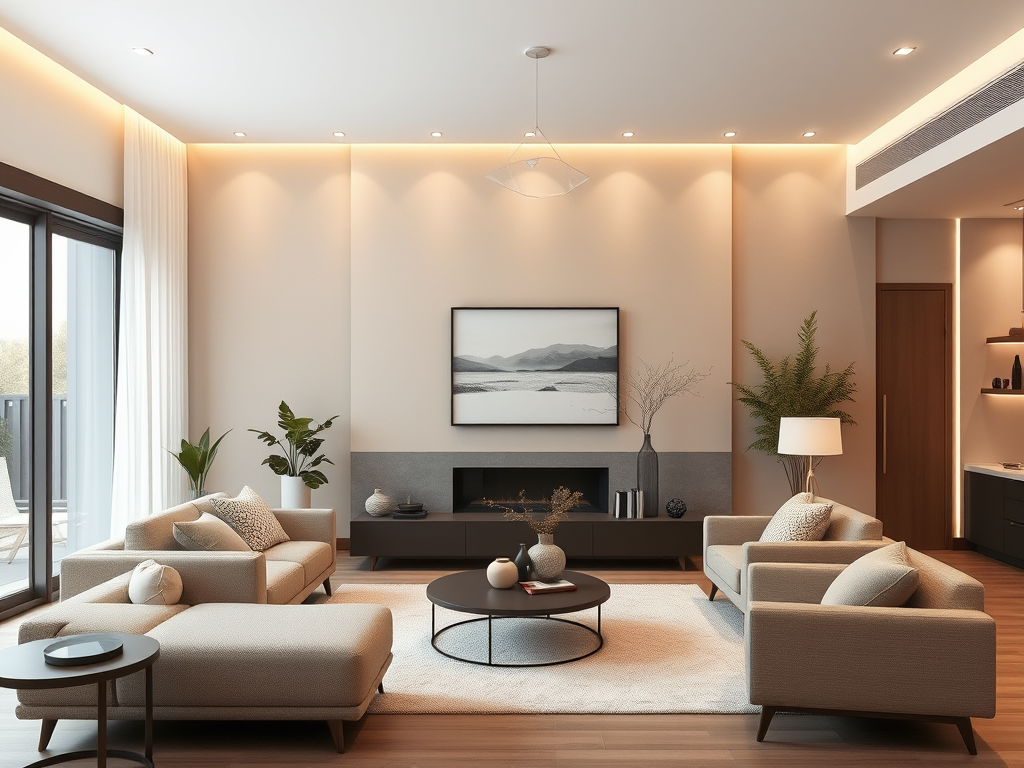
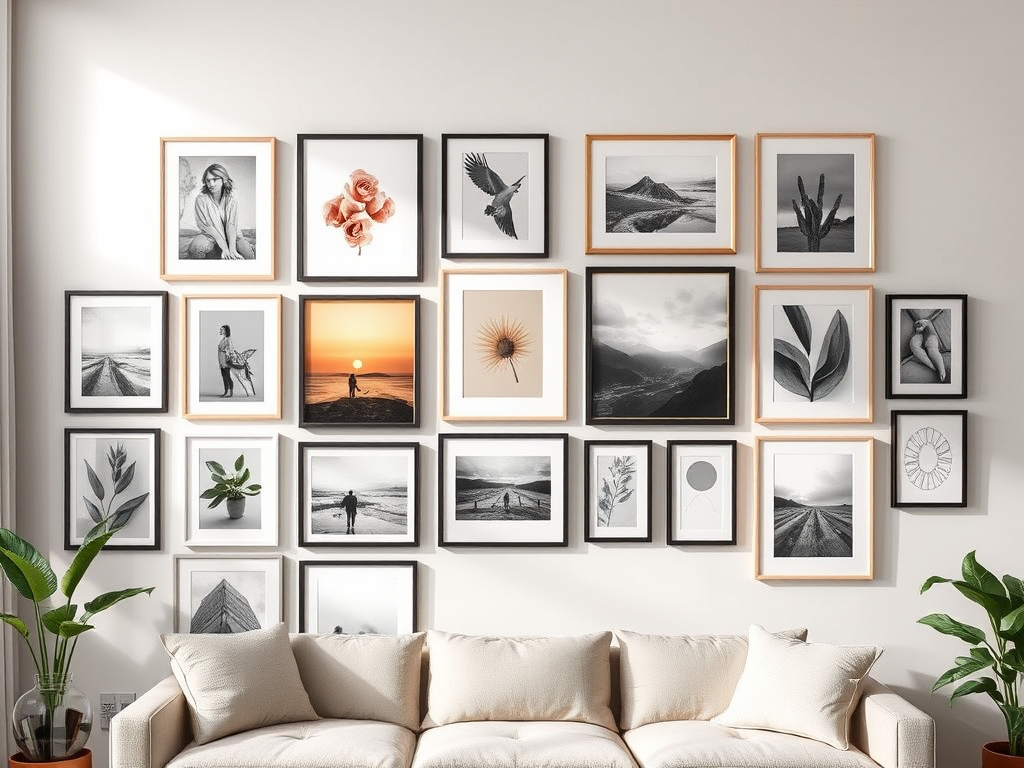
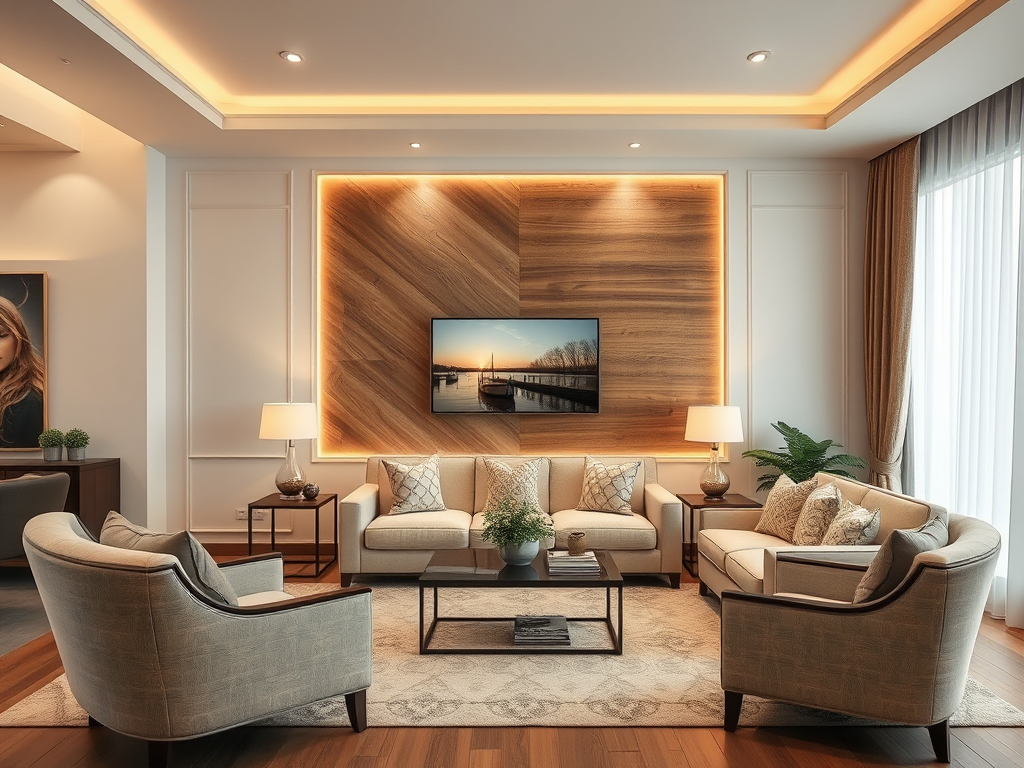
To tie everything together, create focal points that anchor the space. A large piece of art, a striking light fixture, or a unique piece of furniture can serve as the unifying element that draws attention. This helps distract from any minor inconsistencies in the decor.
Final Thoughts
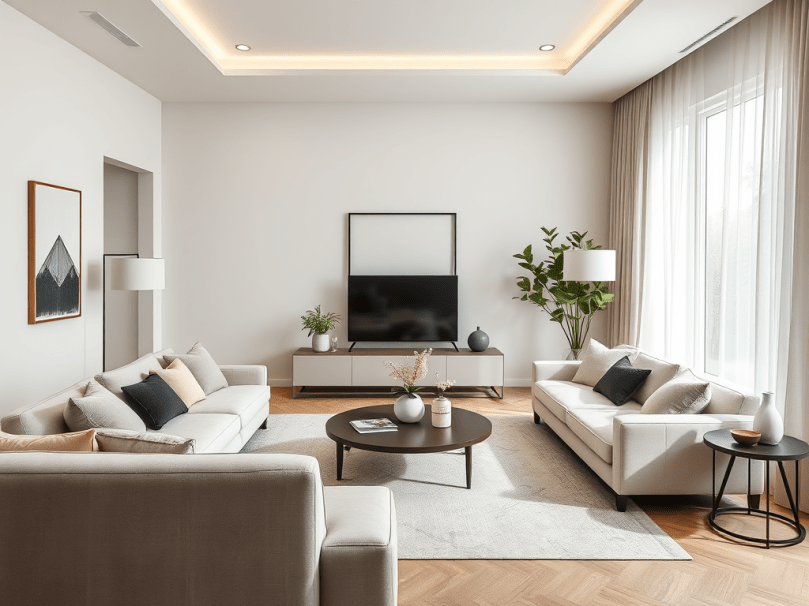
Blending home decor styles is all about embracing creativity and reflecting your personality. When done thoughtfully, mixing styles adds character, depth, and interest to your home. Don’t be afraid to experiment until you find a balance that feels right. After all, your home should be a reflection of you – multifaceted, unique, and beautifully blended.




 Discoveringlifellc